A Living Summer Shelter for Birds : a Self-Refilling Water & Feeding Station
by Craftgrace in Living > Gardening
160 Views, 3 Favorites, 0 Comments
A Living Summer Shelter for Birds : a Self-Refilling Water & Feeding Station
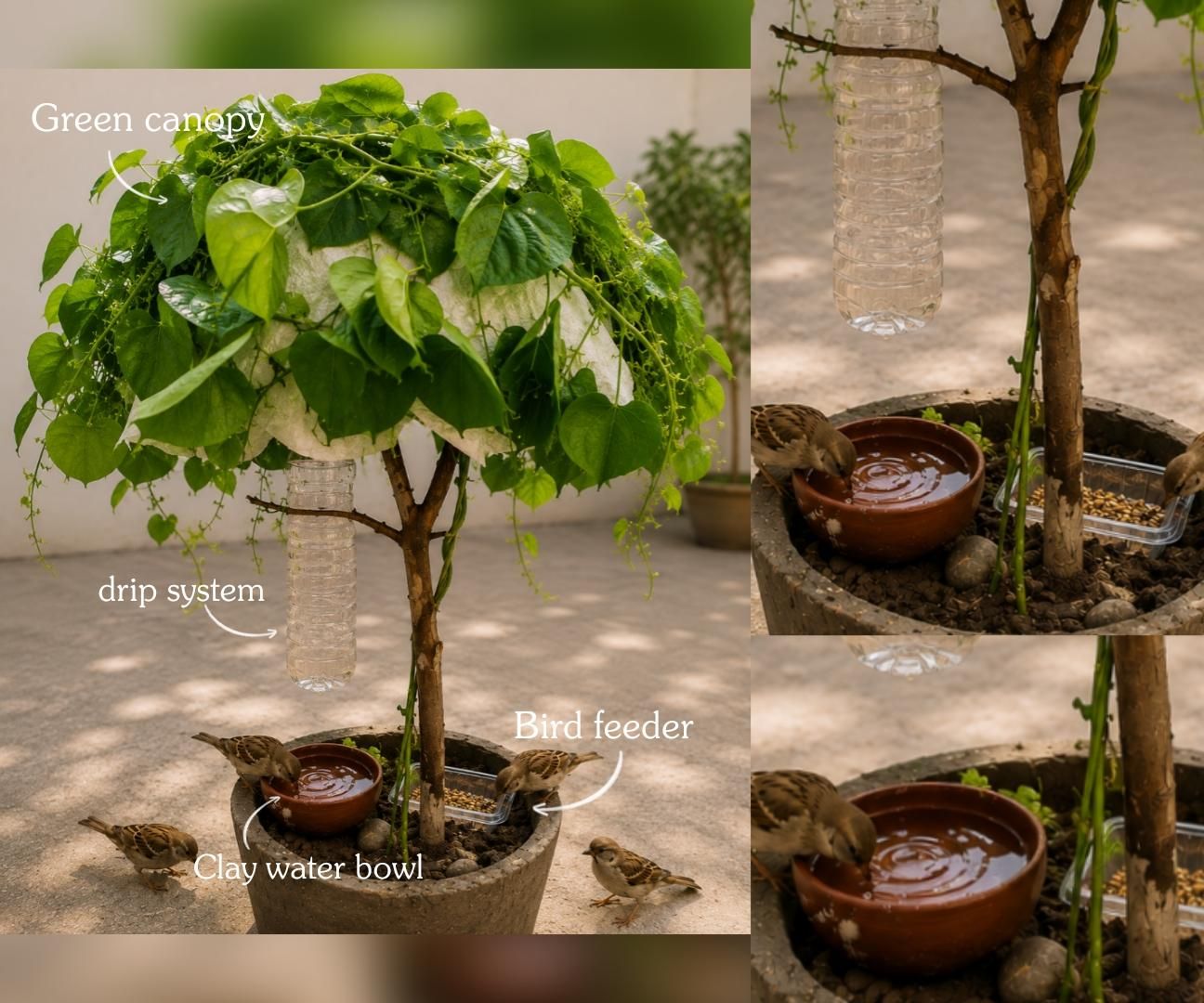
We are protecting ourselves from the heat. But what about the birds?
When summer becomes unbearable, we find shade, drink cold water, turn on fans and coolers, and do everything we can to escape the heat
But birds have none of these options.
They search for water and shade on their own, and during extremely hot days, even a small water source can dry up or become dangerously warm under direct sunlight.
So I decided to make a small summer shelter for them.
I built this simple bird-friendly station using a recycled bottle, an old branch, a discarded wall-putty bag, a clay bowl, a reused food container, and a climbing plant.
The plant forms a living green roof that provides shade, while the recycled bottle slowly drips water into the clay bowl so it can stay supplied even when I am away for some time. The second container holds grains for birds.
It is a small project, but the idea is simple:
If we can make our surroundings a little cooler and safer for ourselves, why not do the same for the creatures sharing our summer with us? 🌿🐦💧
Supplies
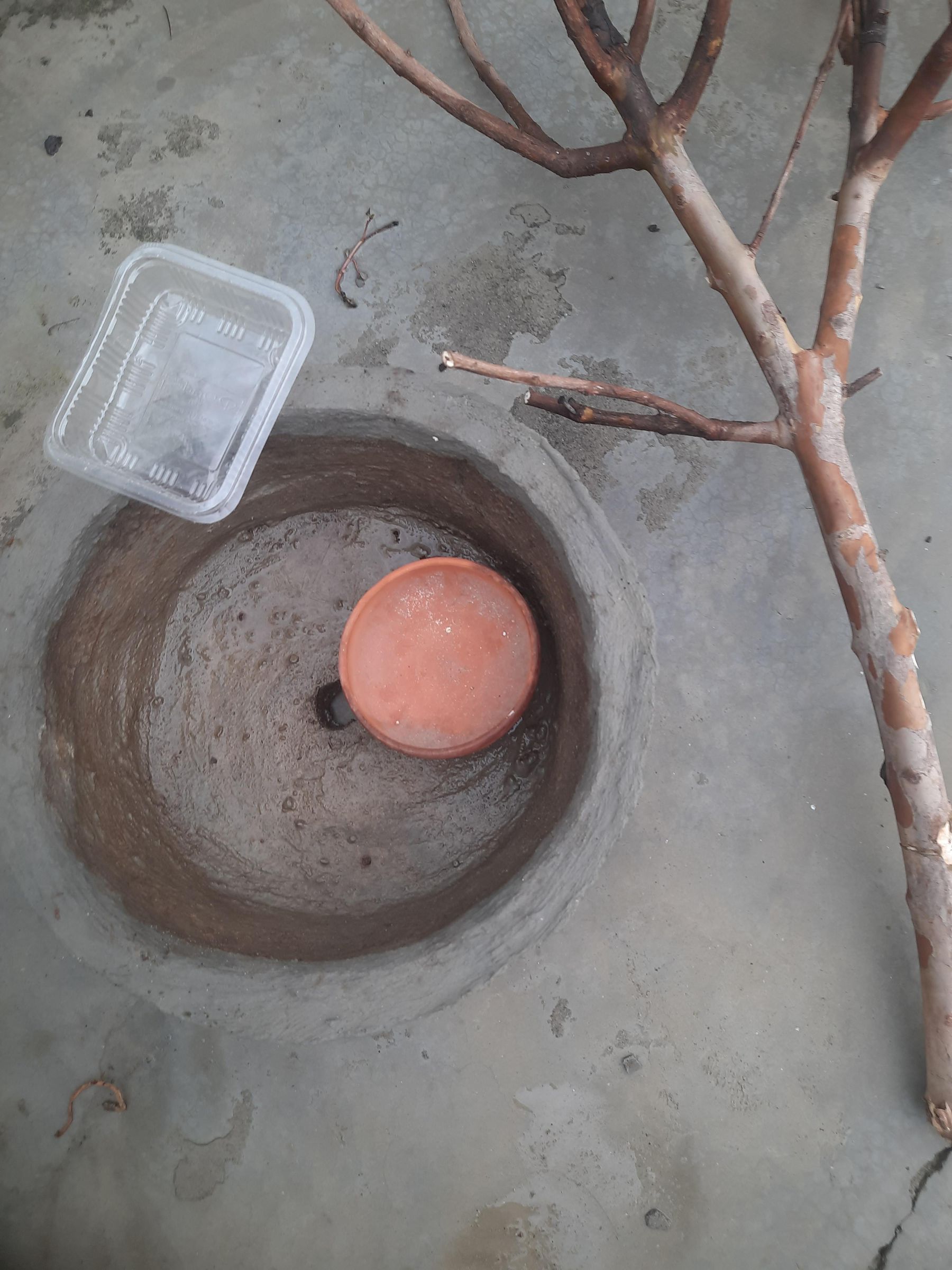
- A plant pot
- One naturally pruned/dropped tree branch
- A small piece of an empty plastic bottle or bottle bottom
- Plaster of Paris
- Soil
- A climbing or trailing plant
- An empty wall-putty bag or similar thick white plastic/fabric bag
- One recycled plastic water bottle
- A small clay/terracotta bowl
- A small reused container or box for bird food
- Birdseed/grains
- Water
- Scissors
- A small nail, pin, or sharp tool for making a tiny hole
Prepare the Branch Support
I used a branch that was already pruned and no longer attached to a tree.
To make the branch stand upright, I used the bottom portion of an old plastic bottle as a small mould/support.
Place the branch inside the bottle-bottom piece and add Plaster of Paris around its base.
Allow the plaster to harden completely.
This makes the bottom heavier and helps the branch stay upright when it is placed inside the plant pot.
Place the Branch in the Pot
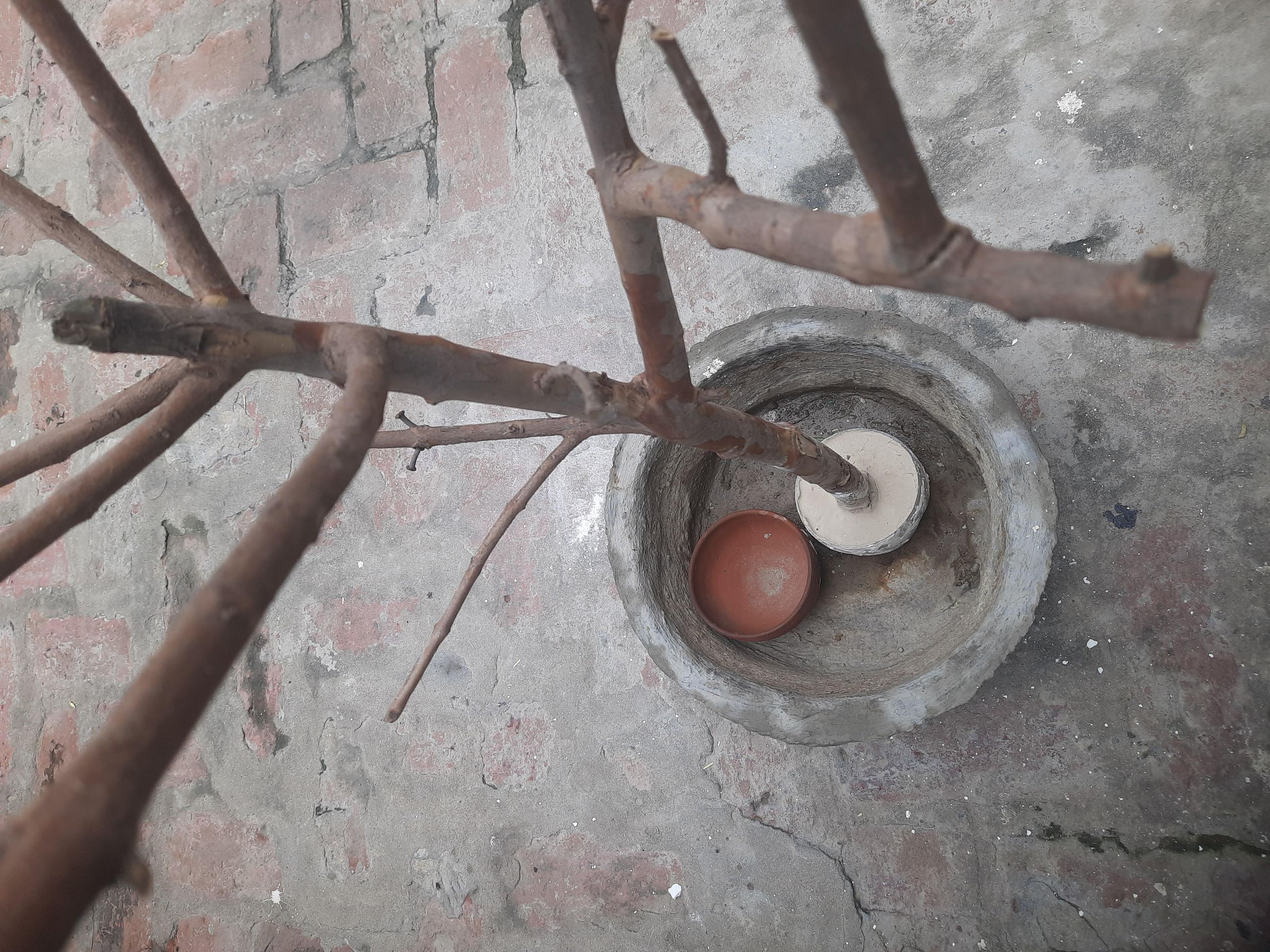
Once the Plaster of Paris has hardened, place the branch upright in the centre of the pot.
Check that it is stable and positioned the way you want.
Prepare the Pot by Adding Soil
The pot needs to be heavy and stable because the finished structure will have a branch and a growing plant above it.
Add some soil to the pot also add soil around the base and press it gently so that the branch does not wobble.
Add the Bird Water Bowl and Feeder
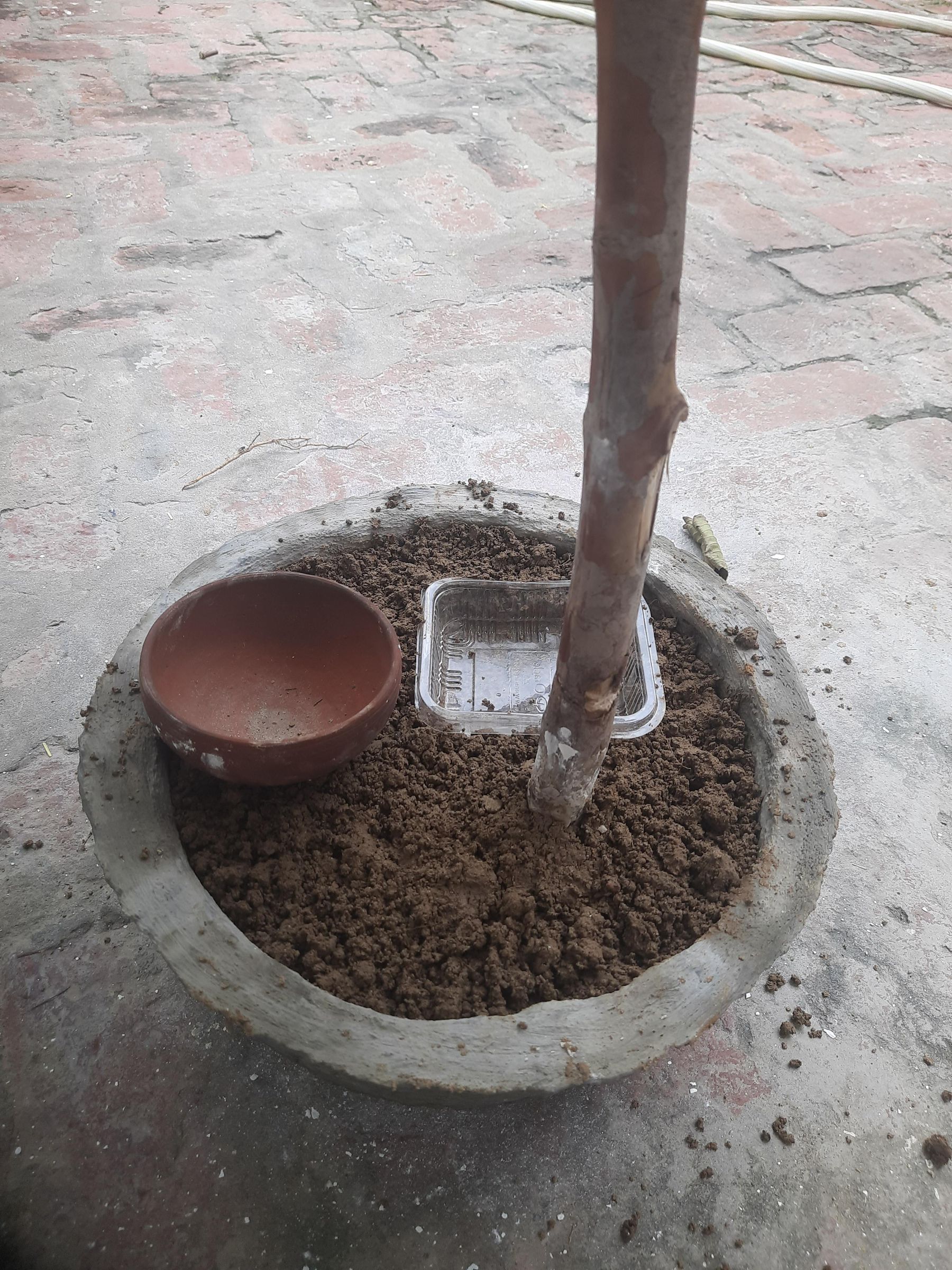
Place a small clay/terracotta bowl near the base of the branch.
This will be the birds' drinking bowl.
Next to it, place a small reused container to hold grains or birdseed.
I used a waste container rather than buying a new bird feeder because I wanted the project to reuse materials that would otherwise be thrown away.
Make the Water Drip System
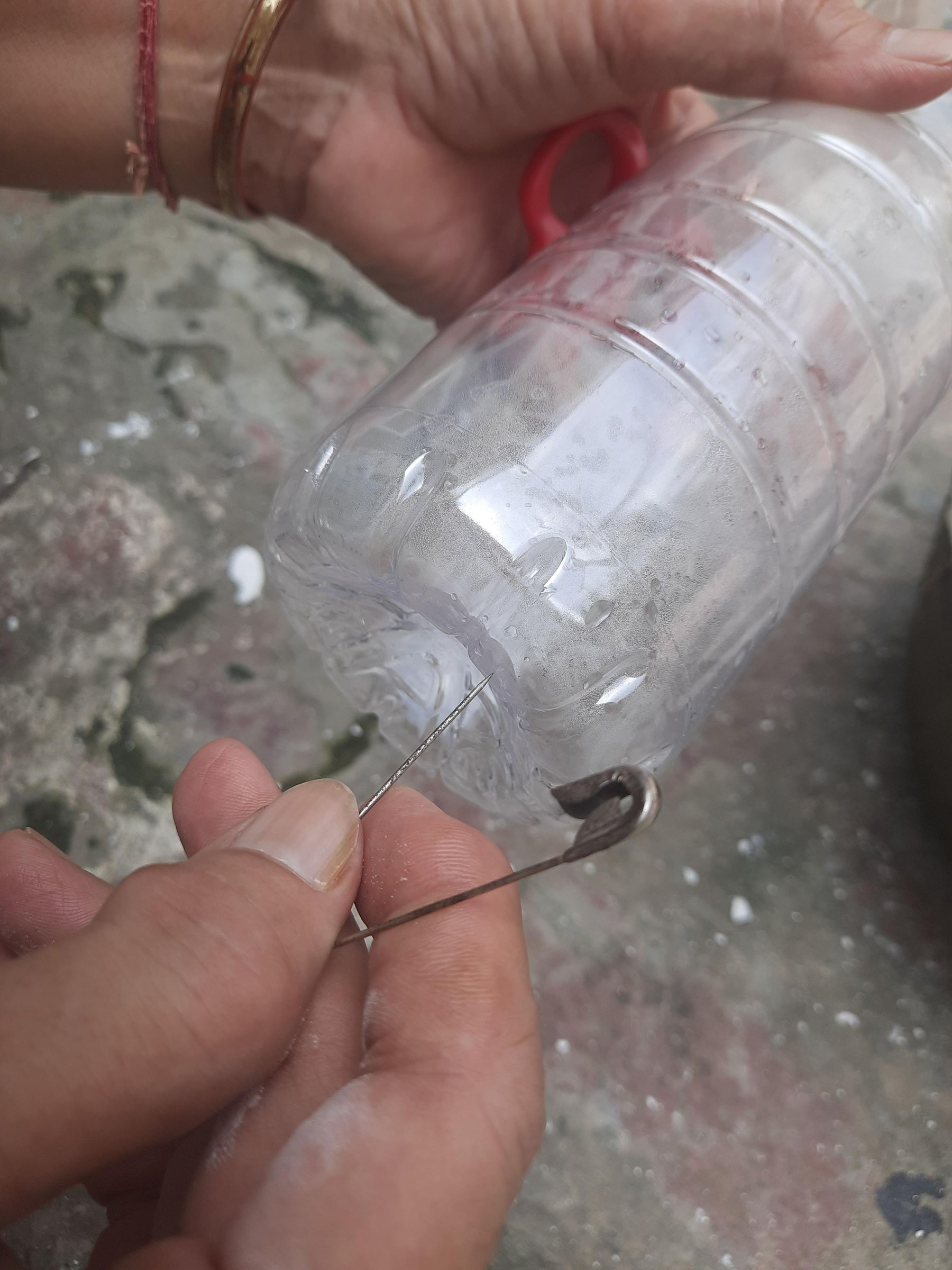
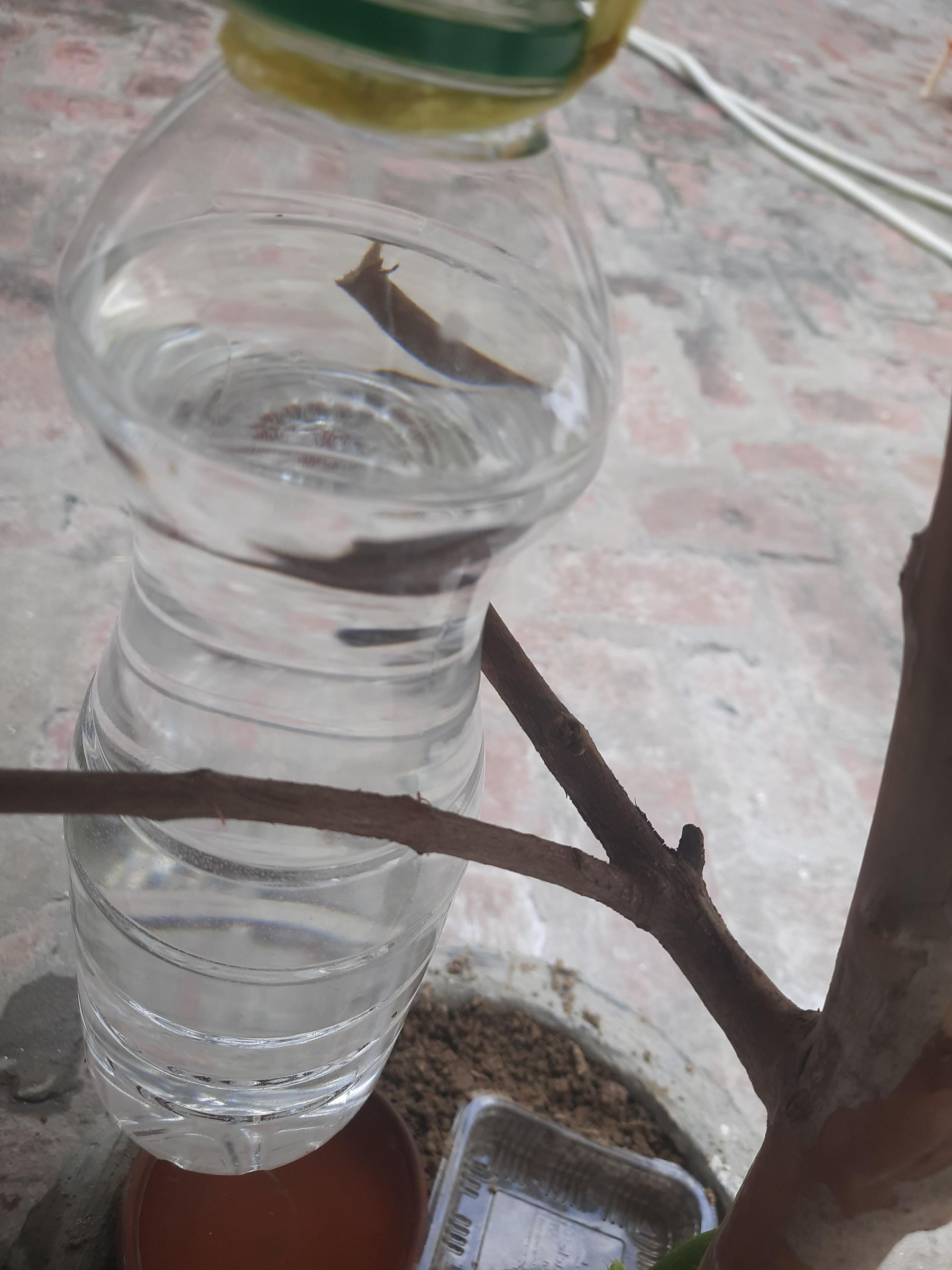
This is the part that helps the bowl stay supplied when I am away for a while.
Take a clean, empty plastic bottle and make one very small hole near its bottom.
Do not make the hole large. The goal is to allow the water to come out slowly, drop by drop.
Fill the bottle with water and hang it from the branch in the same position shown in the project.
Position the bottle so that the drops fall directly into the clay bowl.
Test it before continuing.
Fill the bottle and watch it for a few minutes.
If the water comes out too quickly, the hole is too large.
If nothing comes out, make the opening slightly larger.
The ideal result is a slow drip that gradually replenishes the bowl instead of emptying the bottle quickly.
Make the Roof Frame
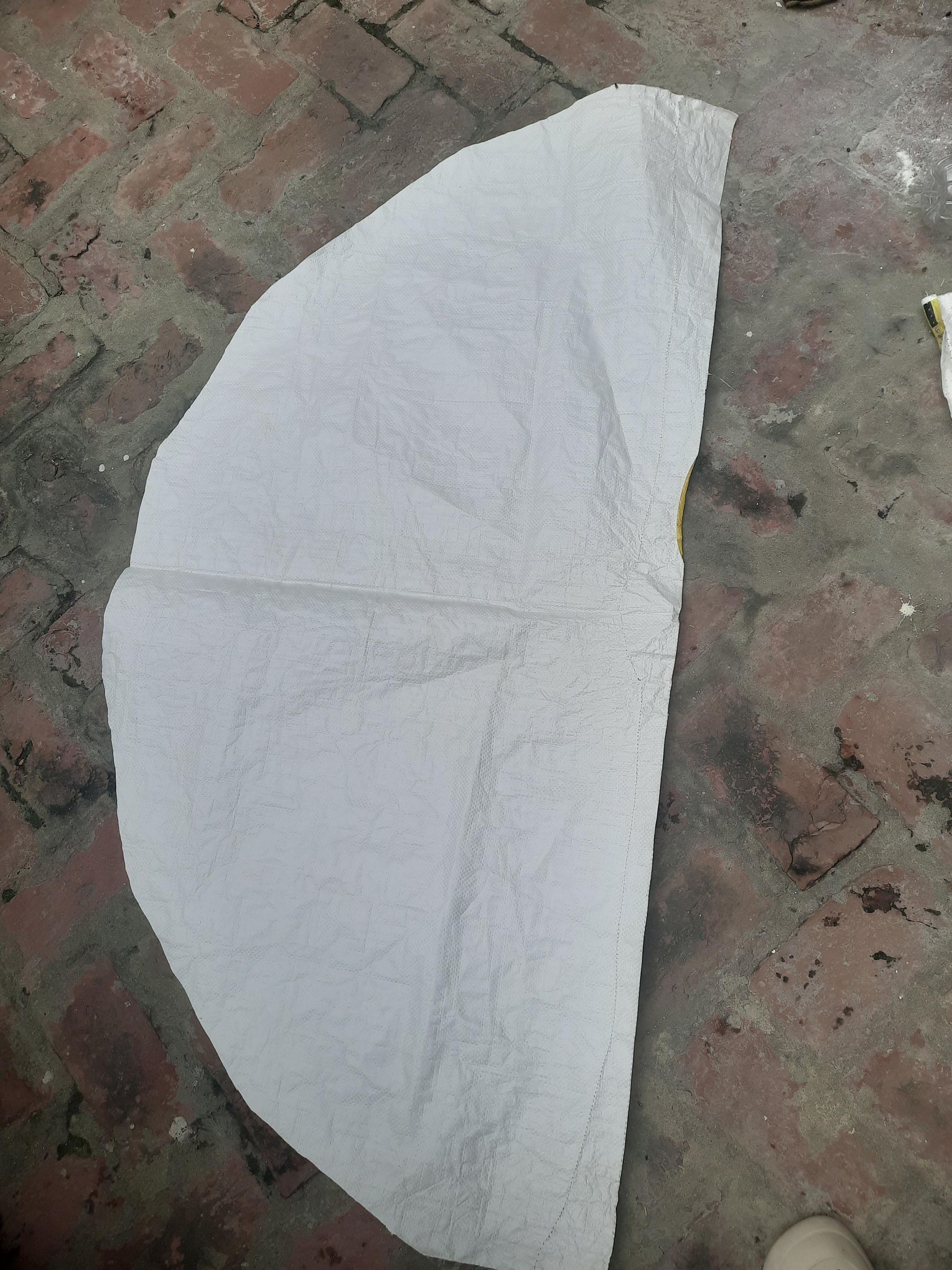
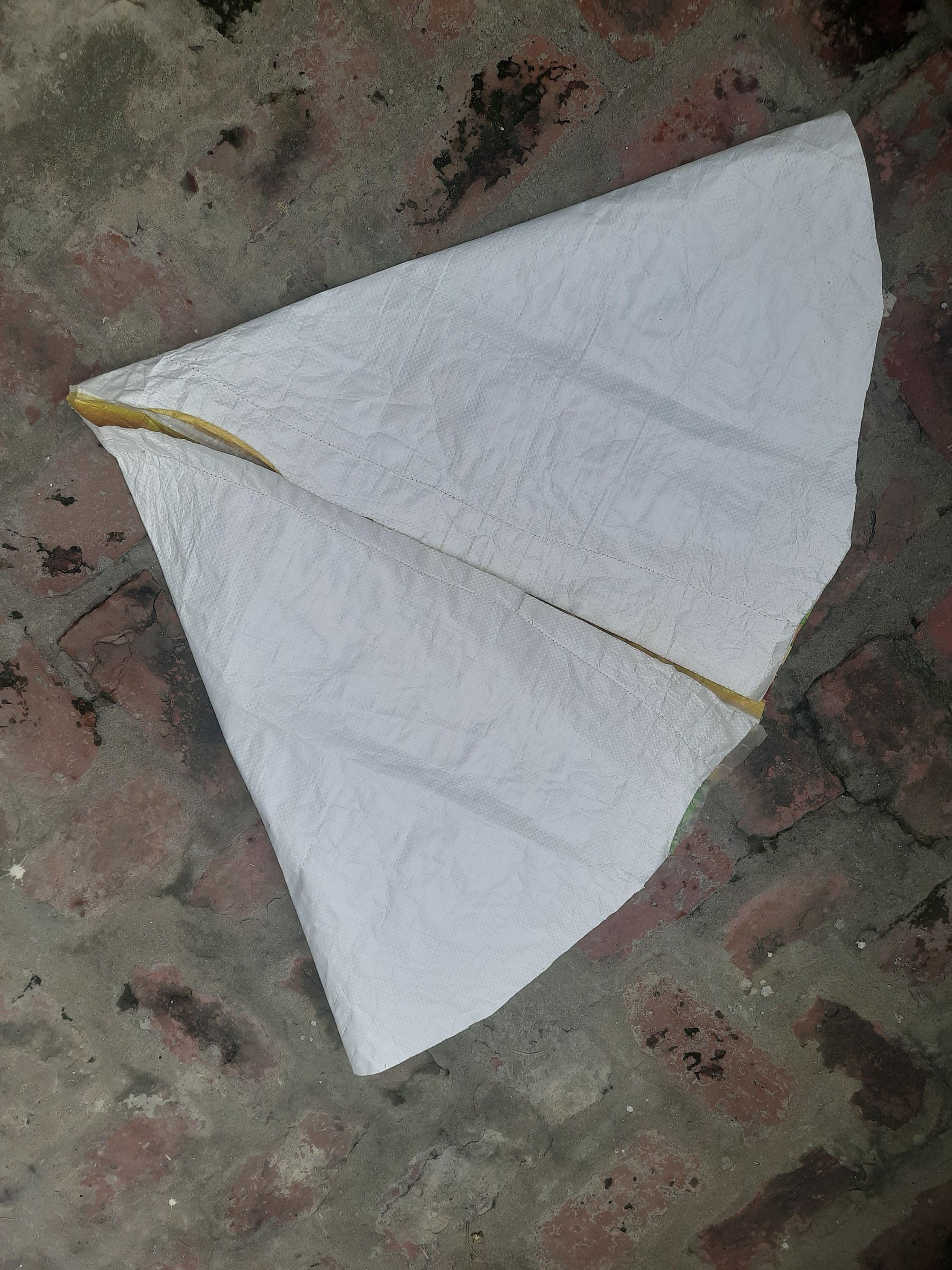
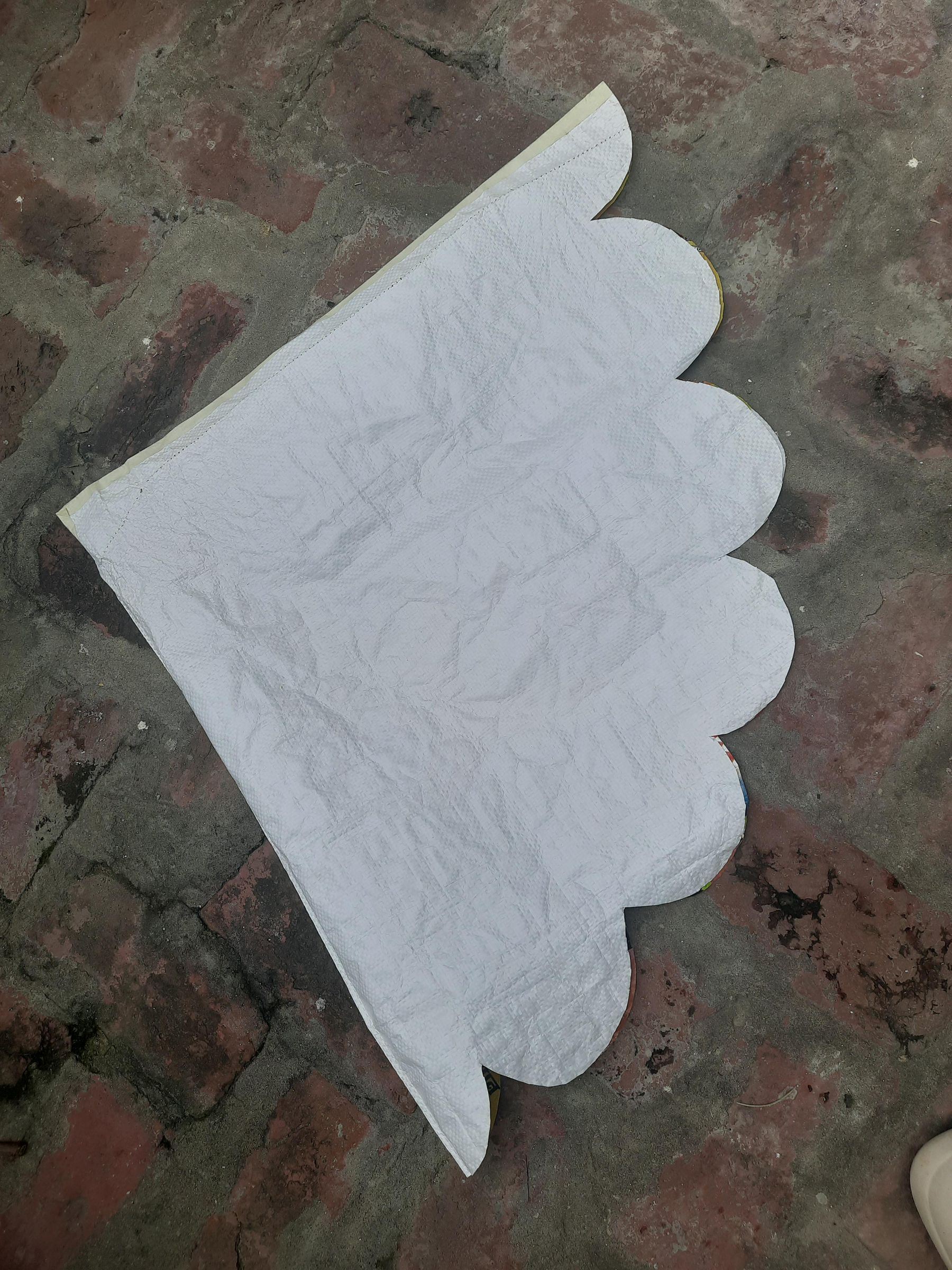
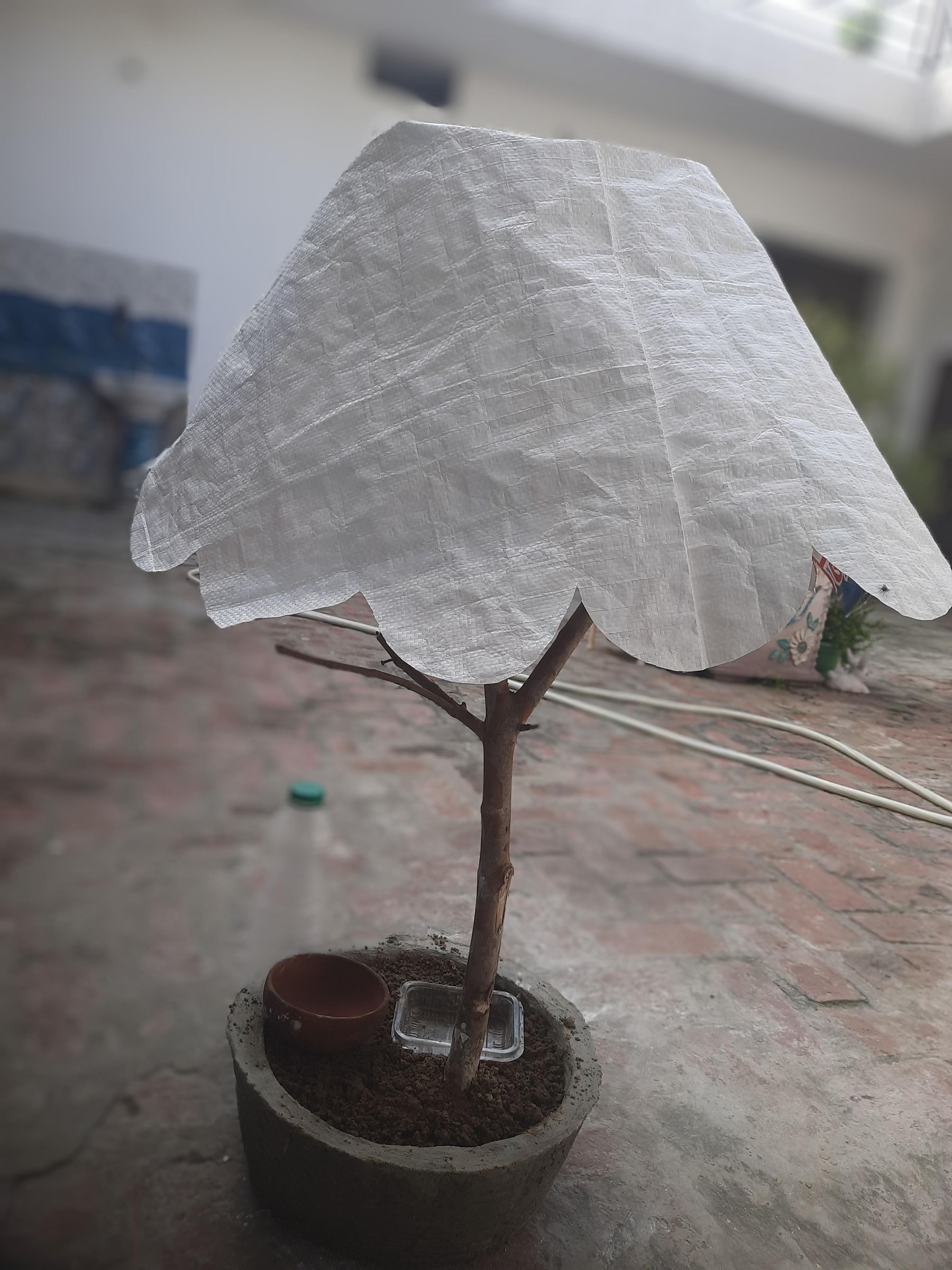
For the roof, I reused an empty wall-putty bag.
First, I cut the bag open so that I had a large flat piece of material.
Then I cut the lower edge into a rounded shape so it could form a simple dome-like roof around the branch.
The purpose of this piece is not to be the final roof. It acts as a lightweight support that helps the climbing plant spread over a defined shape.
Fix the Roof Before Planting
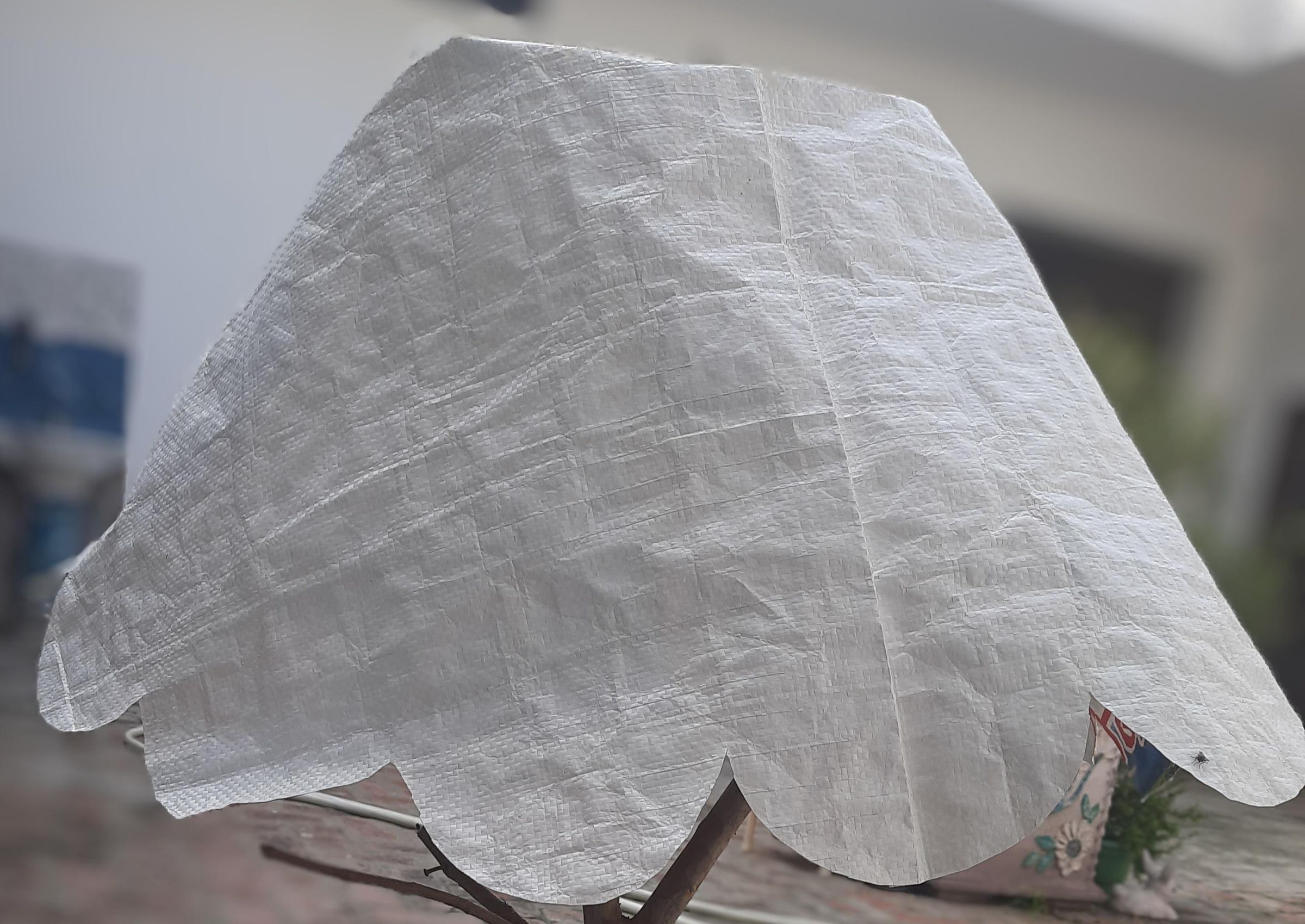
This step is important.
Before planting the climbing plant, position the white roof material around the branch and adjust it until you are happy with its shape.
Make sure there is enough space for the plant to grow around and over it.
Once the plant becomes dense, much of this white material will be hidden beneath the leaves.
Plant the Climbing Plant
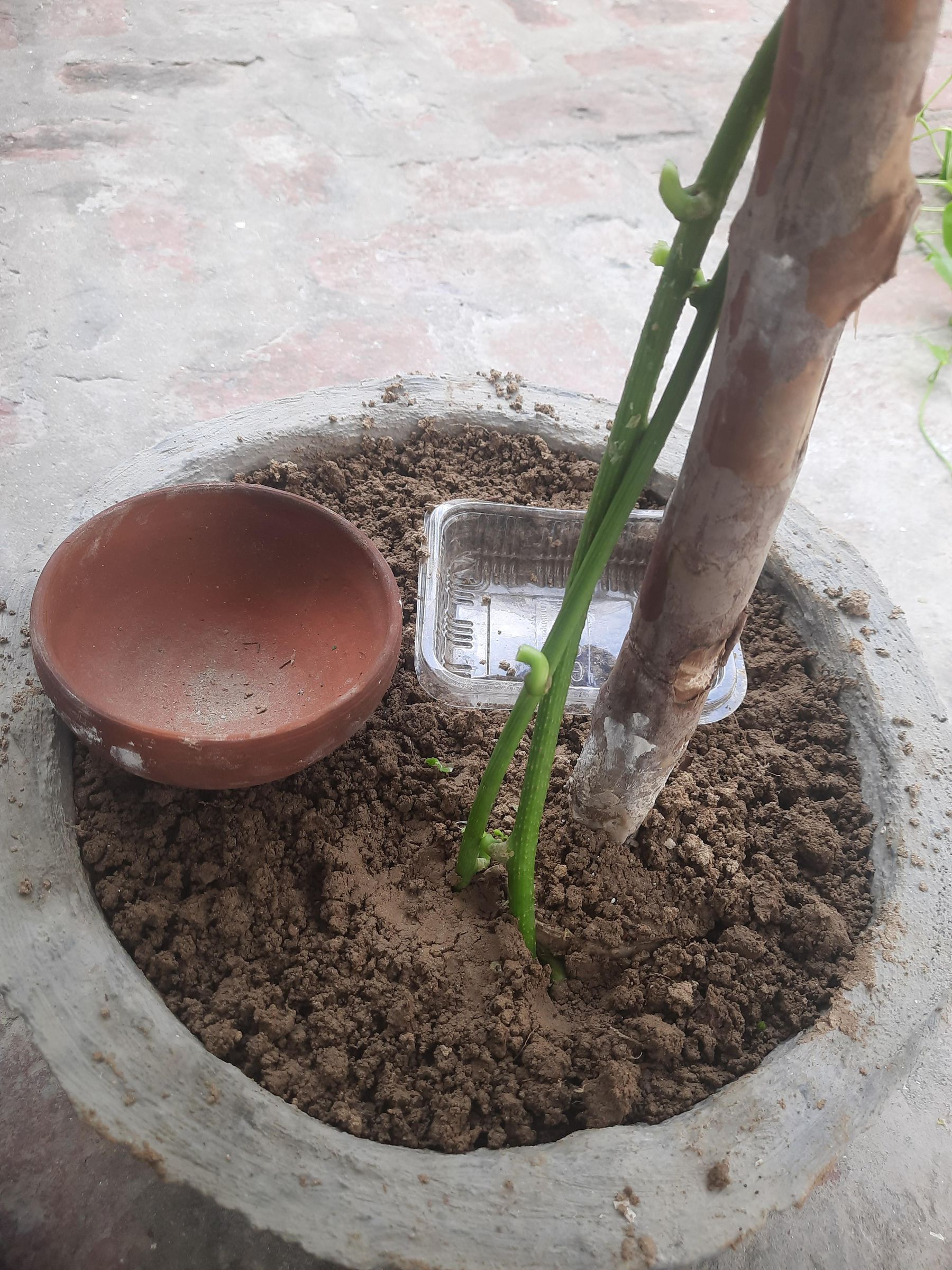
Now plant your climbing or trailing plant around the base of the branch.
Gently guide the young stems toward the roof structure.
You don't need to cover everything immediately.
The plant will gradually grow, spread, and create the green canopy naturally.
Water it according to the needs of the particular plant.
Let Nature Finish the Roof 🌿
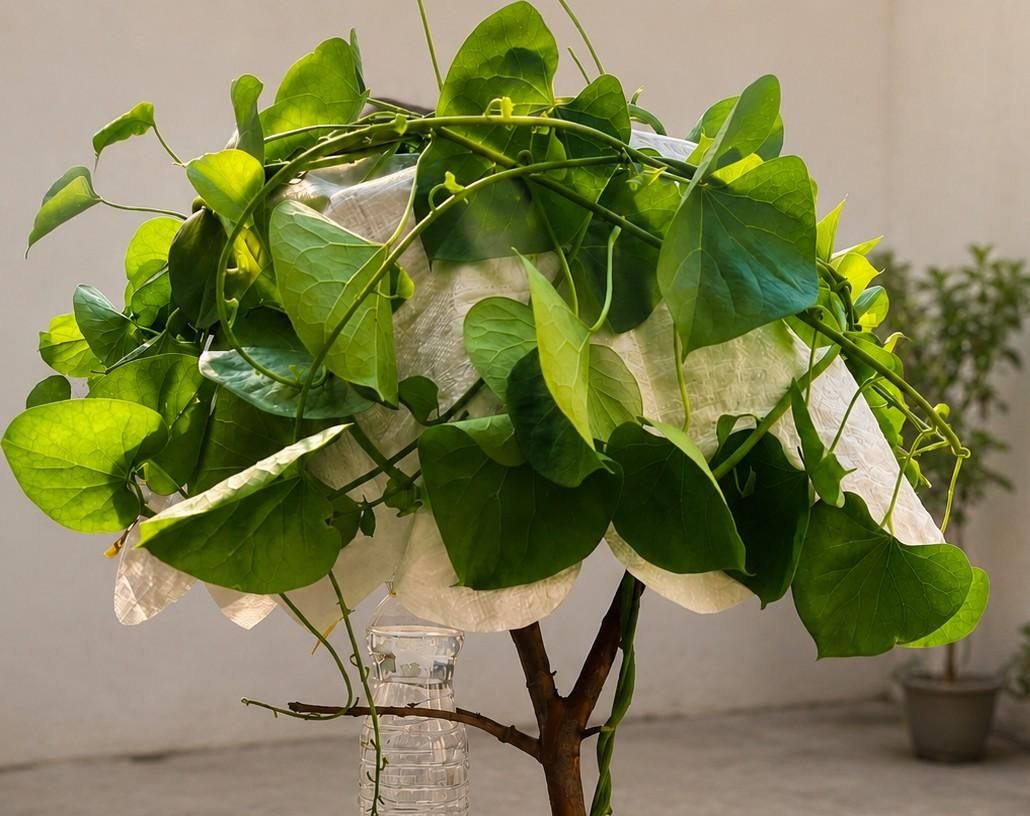
This is the part that requires patience.
At first, the structure may look quite simple and unfinished.
As the plant grows, guide the longer stems over the frame. Eventually, the leaves will spread across the white support and form a dense natural canopy.
After some time, the structure transforms from a simple frame into a living green roof.
How It Works
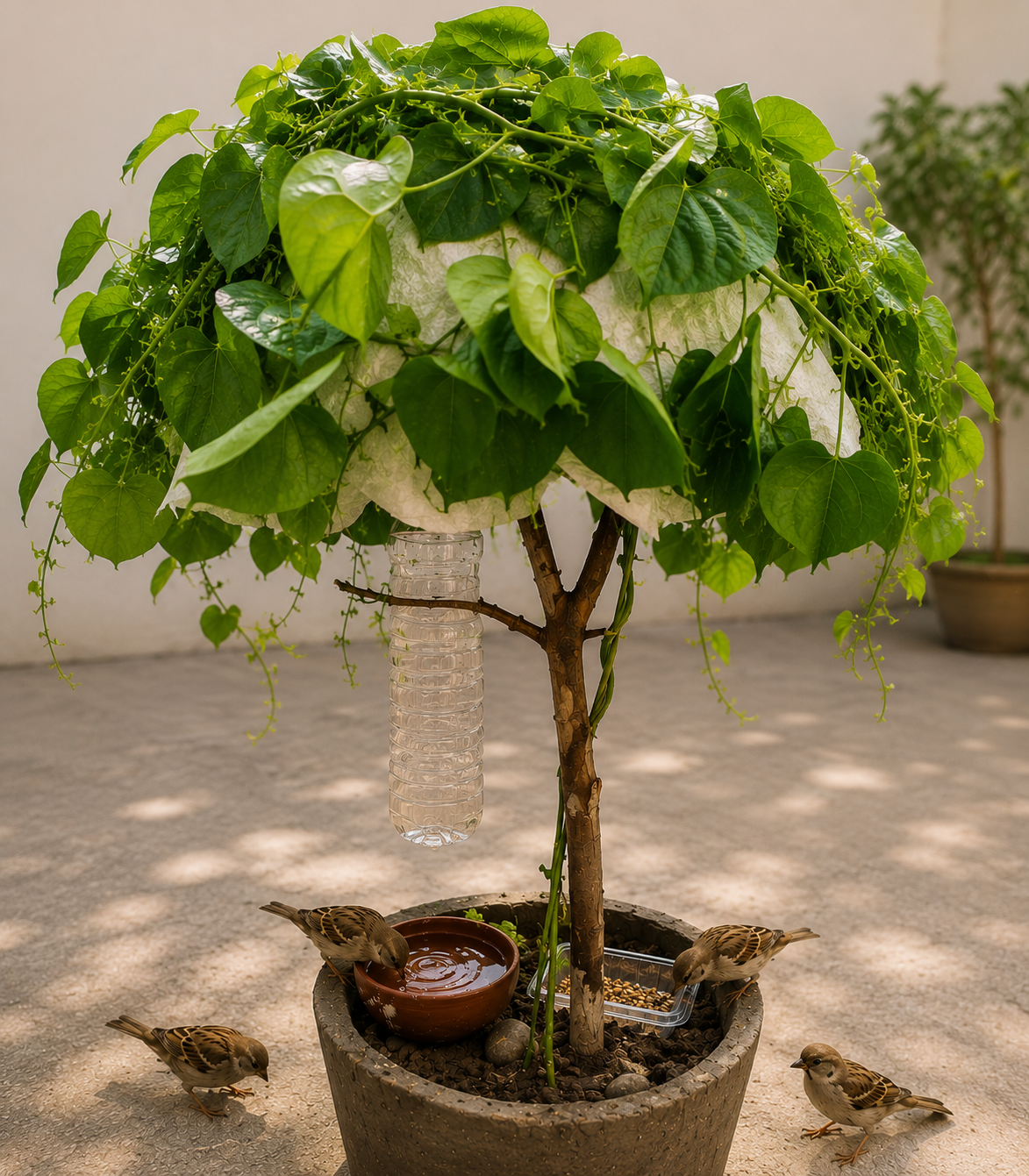
The project combines several simple ideas:
🌿 Living shade:
The dense leaves block much of the direct sunlight and create a shaded area underneath.
💧 Slow water supply:
The recycled bottle releases water gradually into the clay bowl, helping prevent the bowl from becoming empty too quickly when I am away.
🏺 Clay water bowl:
The terracotta bowl provides a simple drinking place for birds.
🐦 Food station:
A reused container holds grains for birds.
♻️ Reused materials:
The structure uses an old branch, an empty wall-putty bag, a recycled plastic bottle, and a waste container.
☀️ Natural heat protection:
The green canopy keeps the bird station out of direct sunlight. Because the water is shaded, it should heat up more slowly than water left exposed to strong direct sun.
Why I Made It
Extreme summer heat can be difficult for small birds, especially when water sources dry up quickly.
I wanted to create something that was:
inexpensive
easy to build
useful for birds
made partly from waste materials
independent of electricity
capable of providing shade, water, and food in one small space
Instead of building a complicated cooling machine, I used plants as the roof.
The best part is that the project becomes better with time. The more the plant grows, the more complete the natural shade becomes.