“A Taste of Tradition: Milk Cake
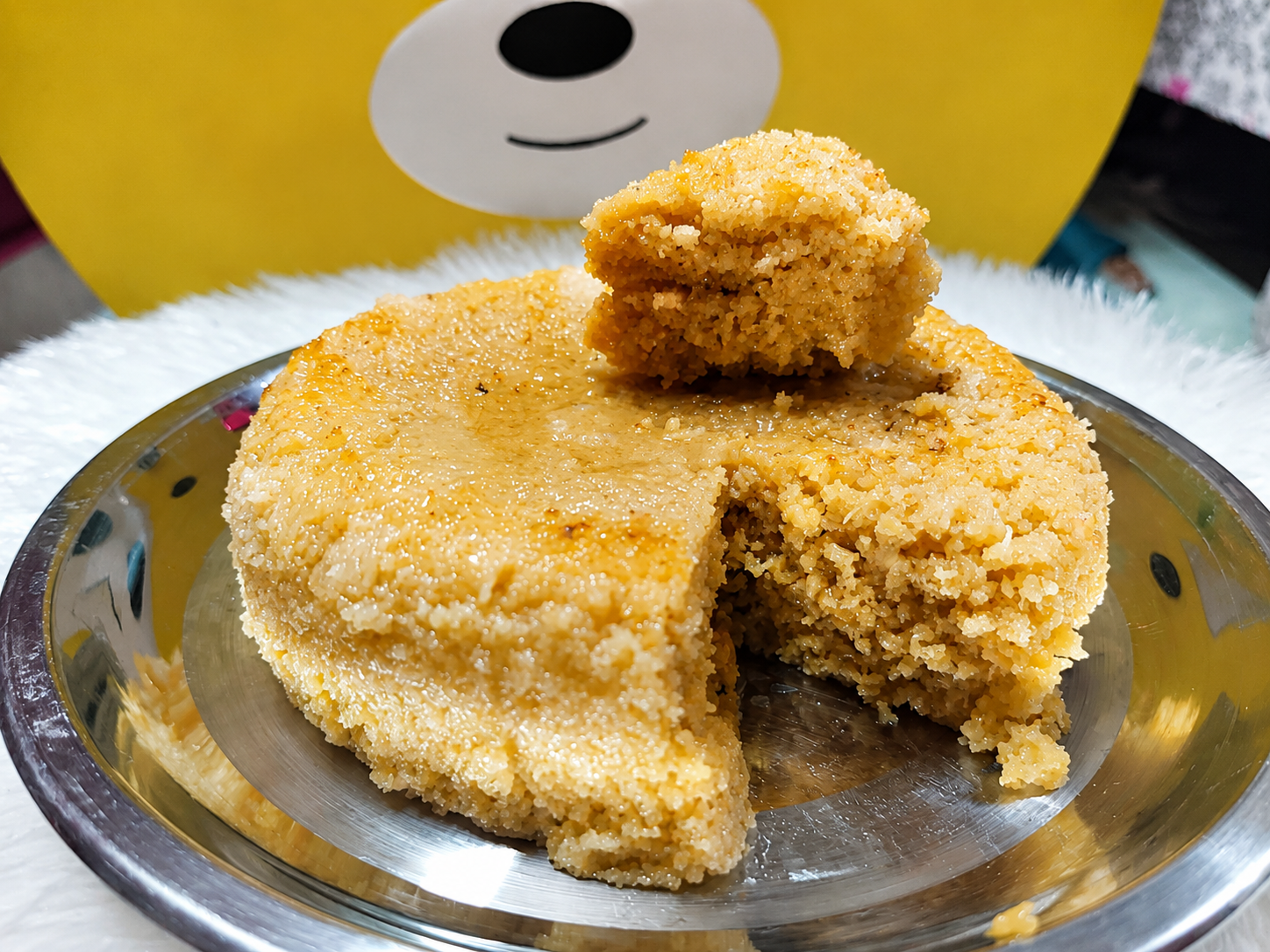
Long before modern kitchens and fancy desserts existed, the heart of every home was its kitchen. In the small towns and villages of India, milk was not just food—it was a symbol of nourishment, prosperity, and tradition.
One day, in a simple kitchen, a woman slowly boiled milk over a flame. She had no written recipe, no precise measurements—only patience and love. As the milk thickened and changed color, something magical happened… a new sweet was born—Milk Cake.
It wasn’t just a dessert. It was a story—of patience, of family, and of tradition.
Today, I stand in my own kitchen, doing the same. As I stir this pan of milk, I am not just making milk cake… I am recreating a connection between the past and the present.
For me, “Making History” is not only about creating something new,
but also about preserving something meaningful. This milk cake is not just about taste— it is about heritage, emotion, and legacy.
In a world full of complex recipes and artificial ingredients, this milk cake proves that true magic lies in simplicity. Made with just three basic ingredients – milk, sugar, and milk cream this dessert is not only delicious but also a healthier alternative to modern bread-based cakes.
Prepared with love and tradition, this cake reflects the richness of homemade sweets while promoting a natural and wholesome lifestyle.
Supplies
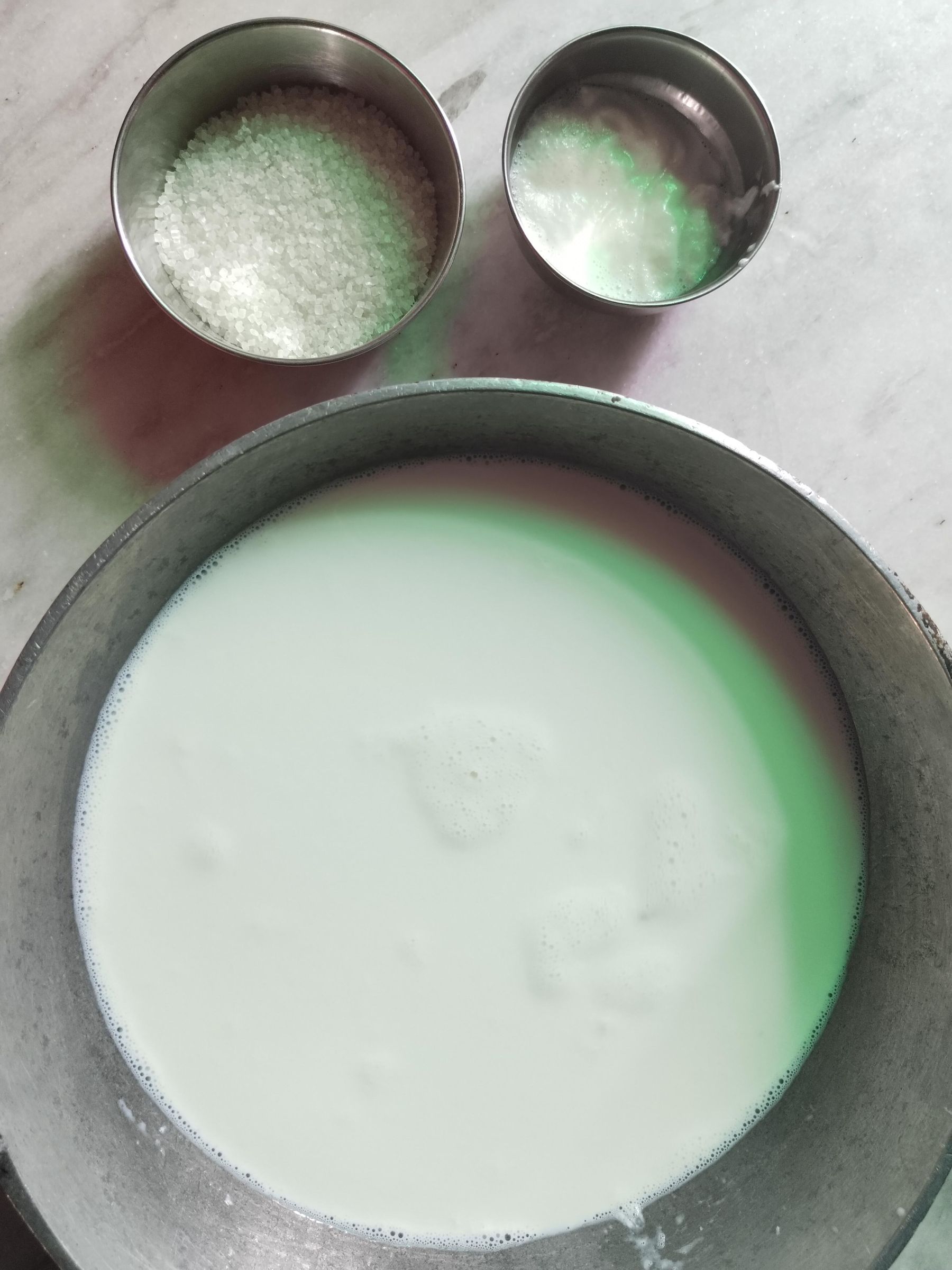
- 2 leter Full-fat Milk: The base of the sweet
- 200gm Sugar: For sweetness.
- 50gm milk cream (optional)
Boiling the Milk
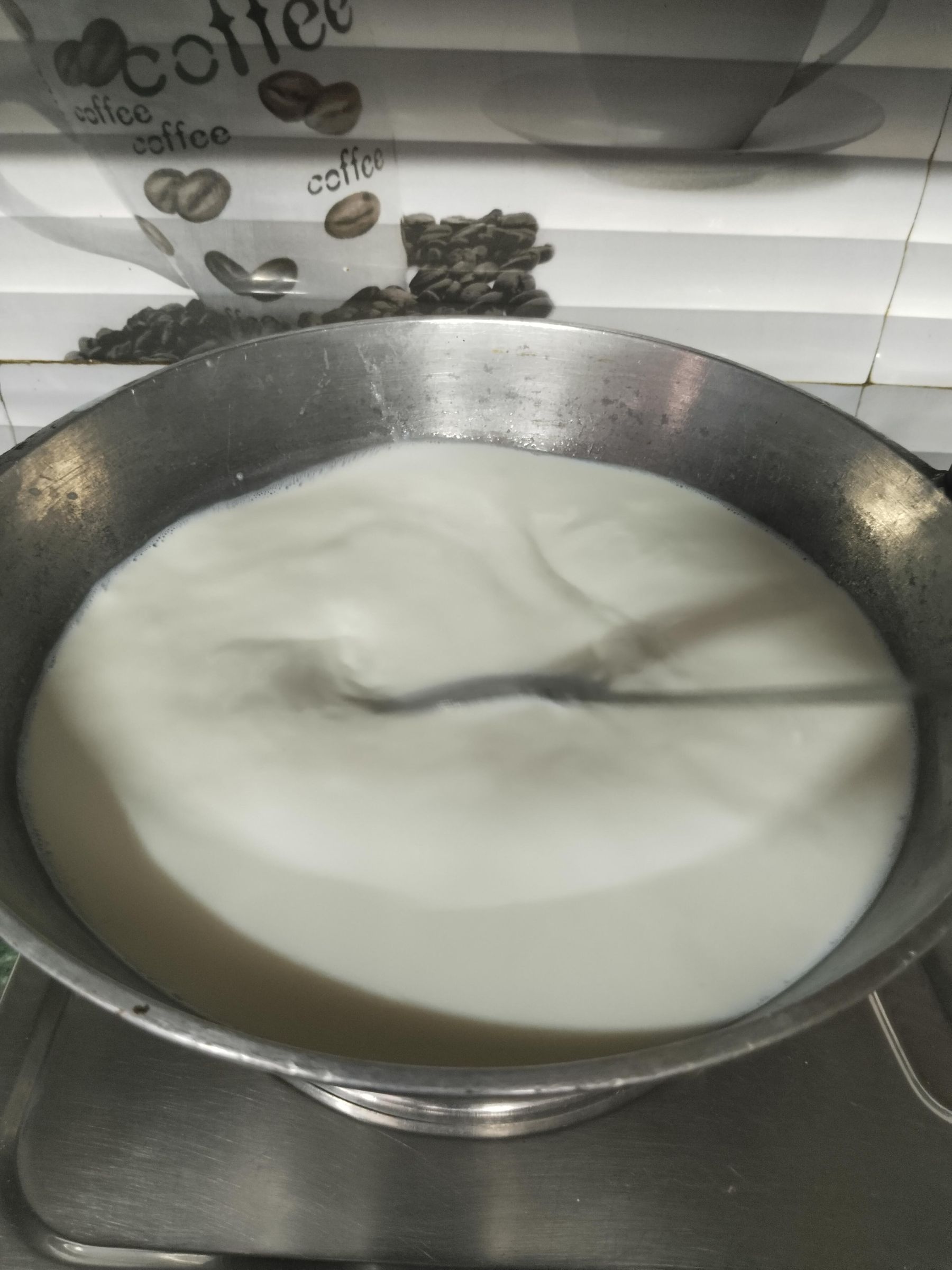
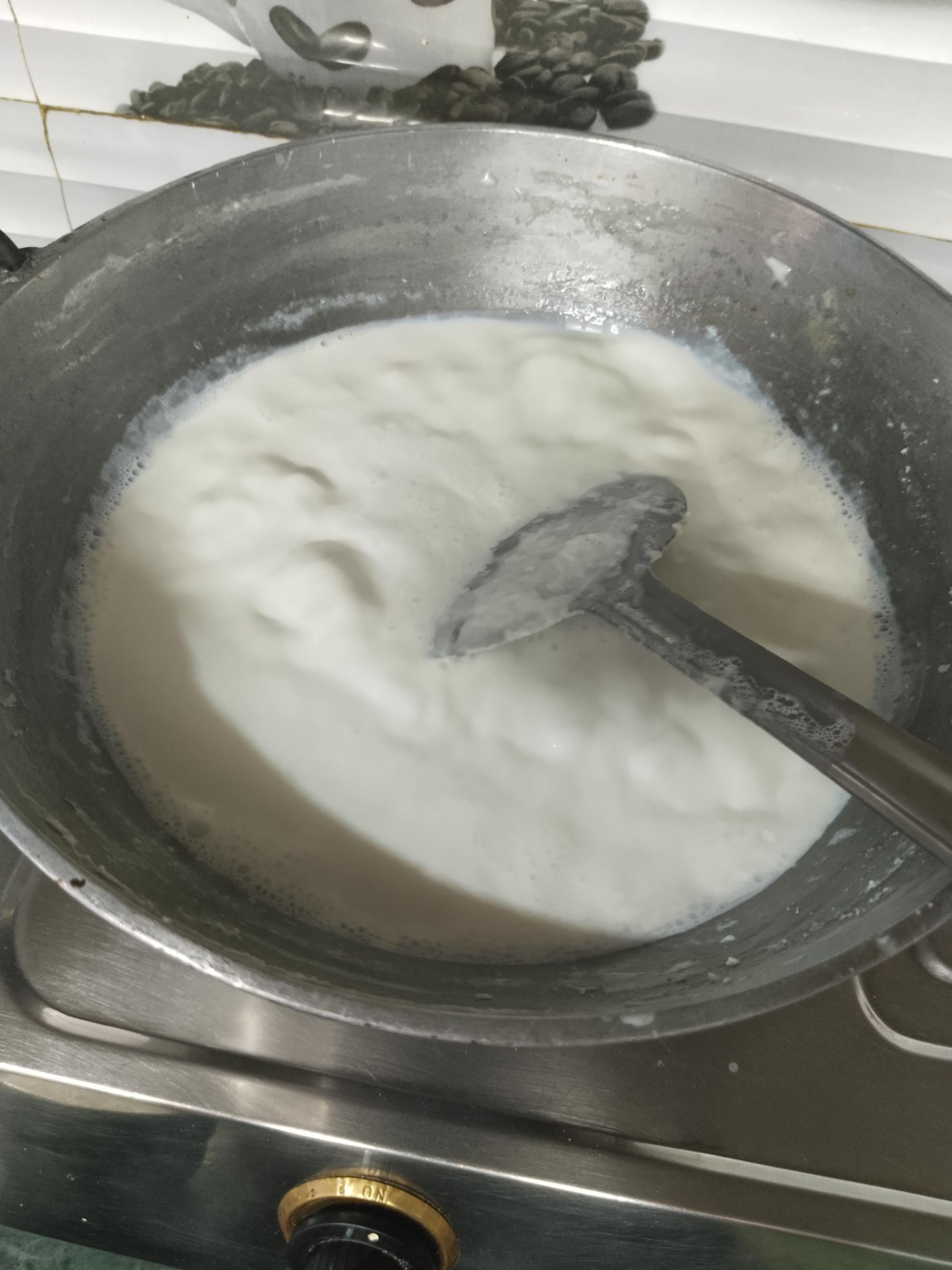
The milk was placed on the stove and stirred continuously. As the water evaporated, the milk thickened into a creamy consistency. You kept scraping the sides to ensure no milk solids were wasted.
Sweetening
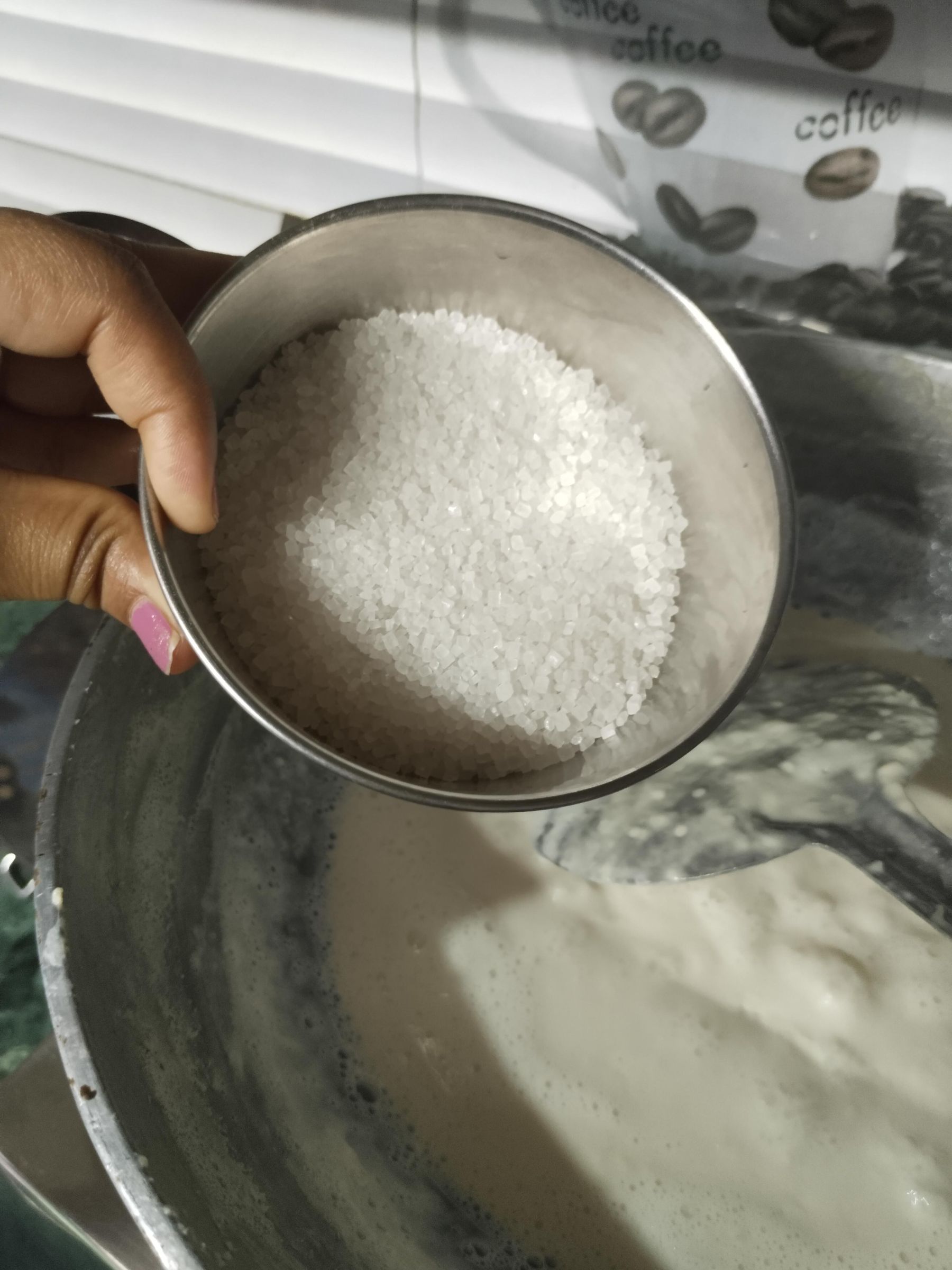
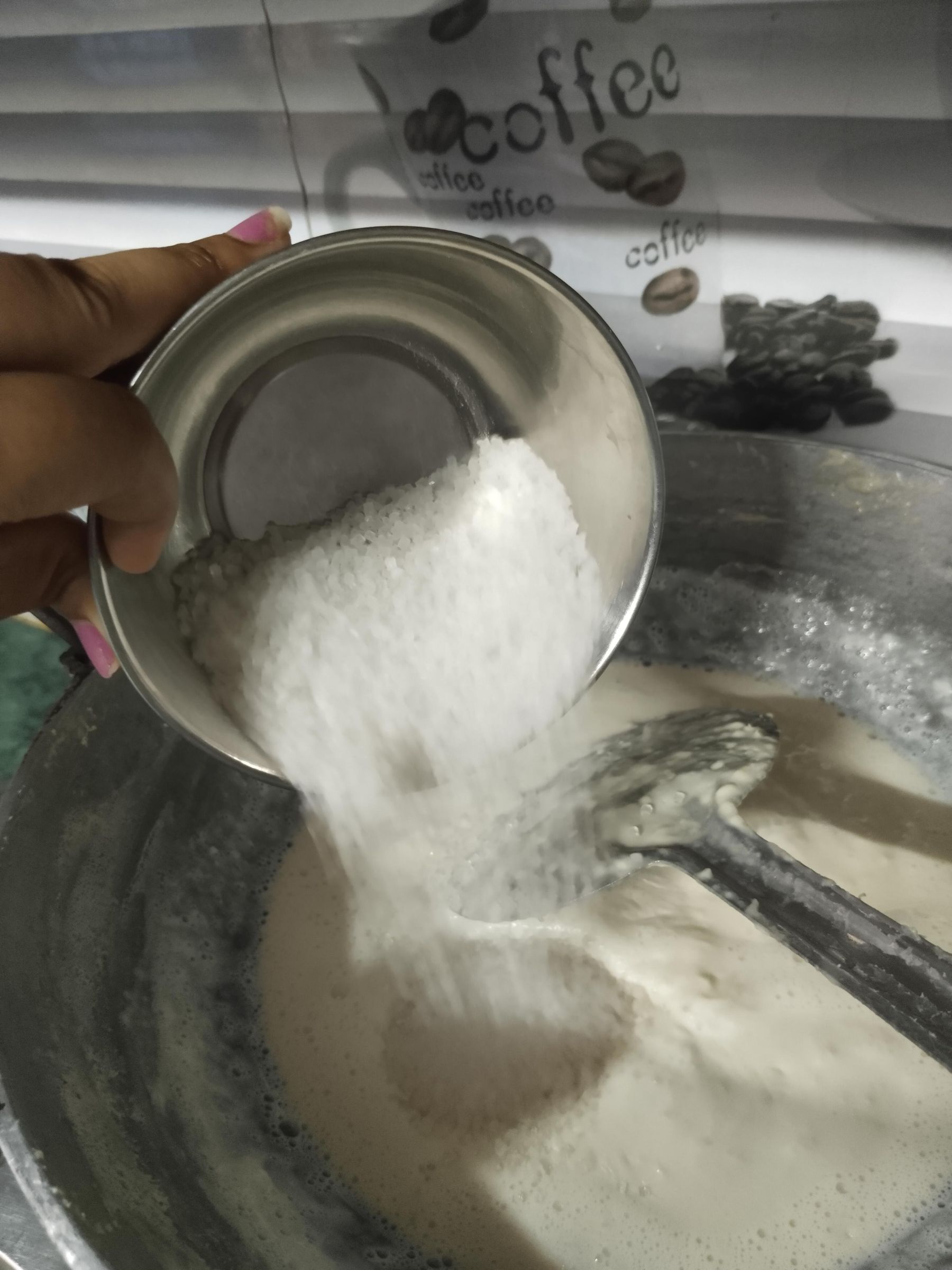
Next came the sugar. Adding sugar at this stage causes it to caramelize slightly as it cooks with the milk solids, which starts giving the mixture its light tan color. You also added the cardamom powder here to infuse the flavor deep into the mawa.
Add Cream
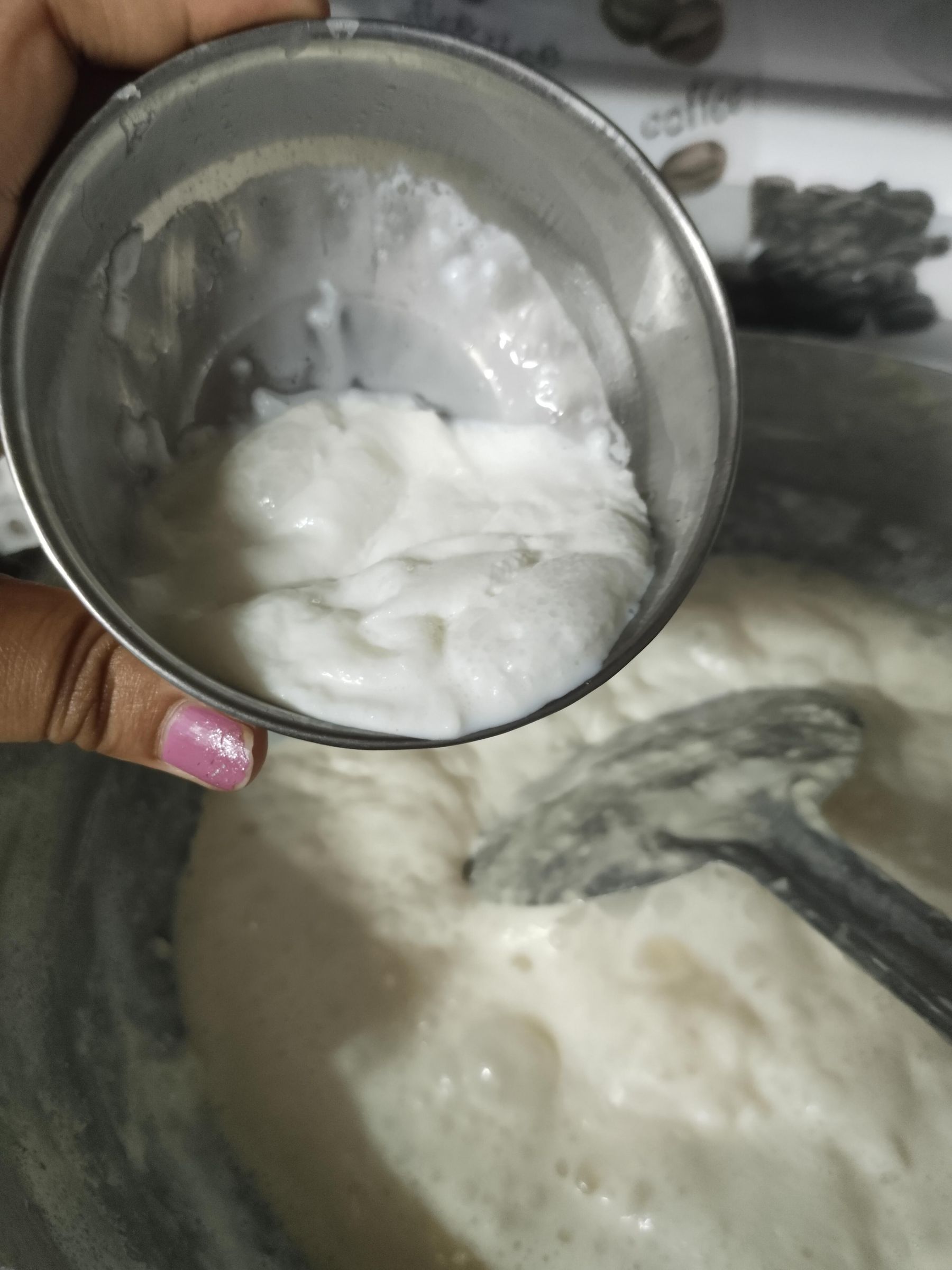
You also added the cream here to infuse the flavor deep into the mawa.
The Final Reduction
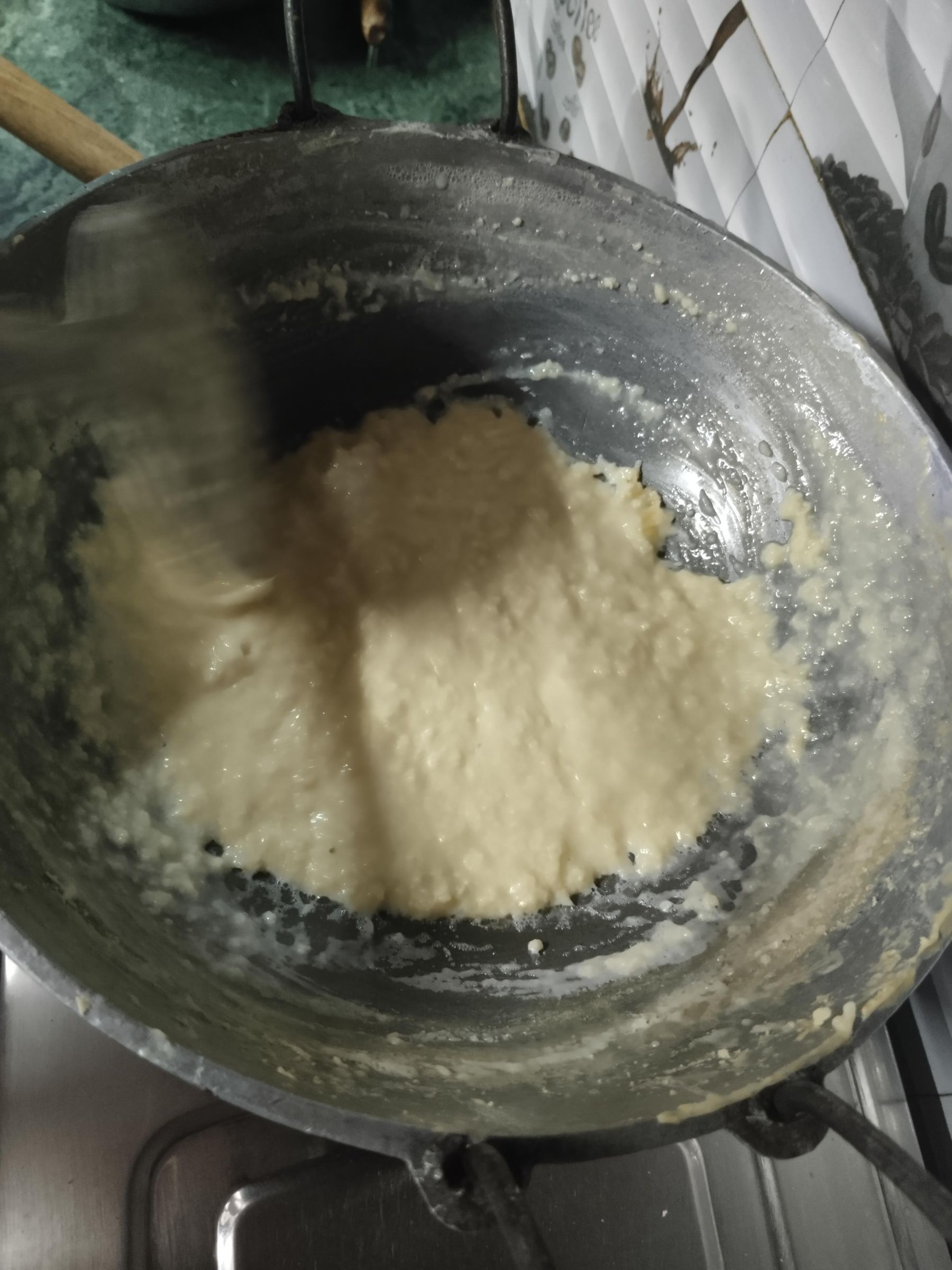
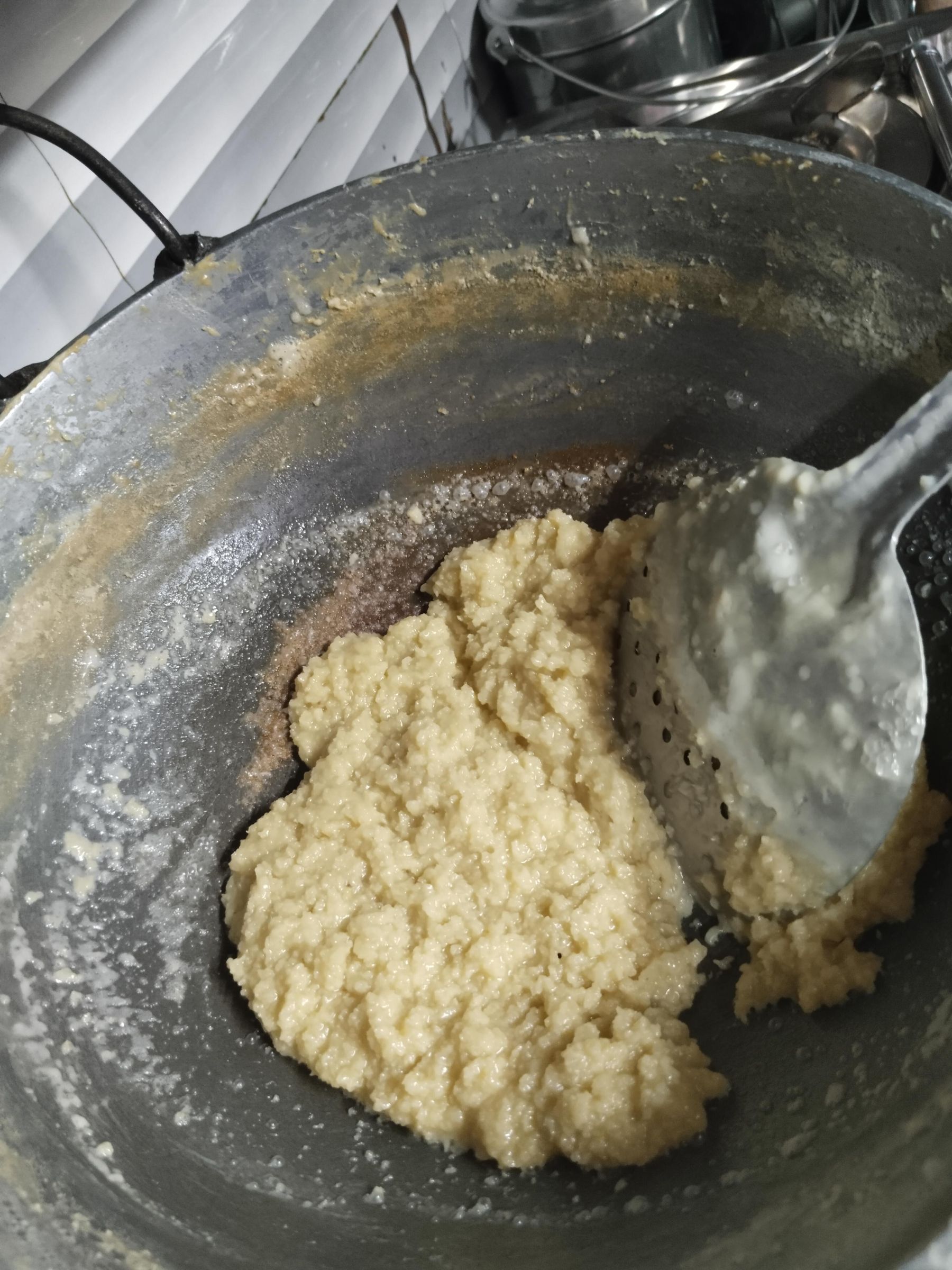
The mixture was cooked until it became a thick, dough-like paste that started leaving the sides of the pan. The color deepened into a beautiful golden brown.
Transferring Into a Bowl
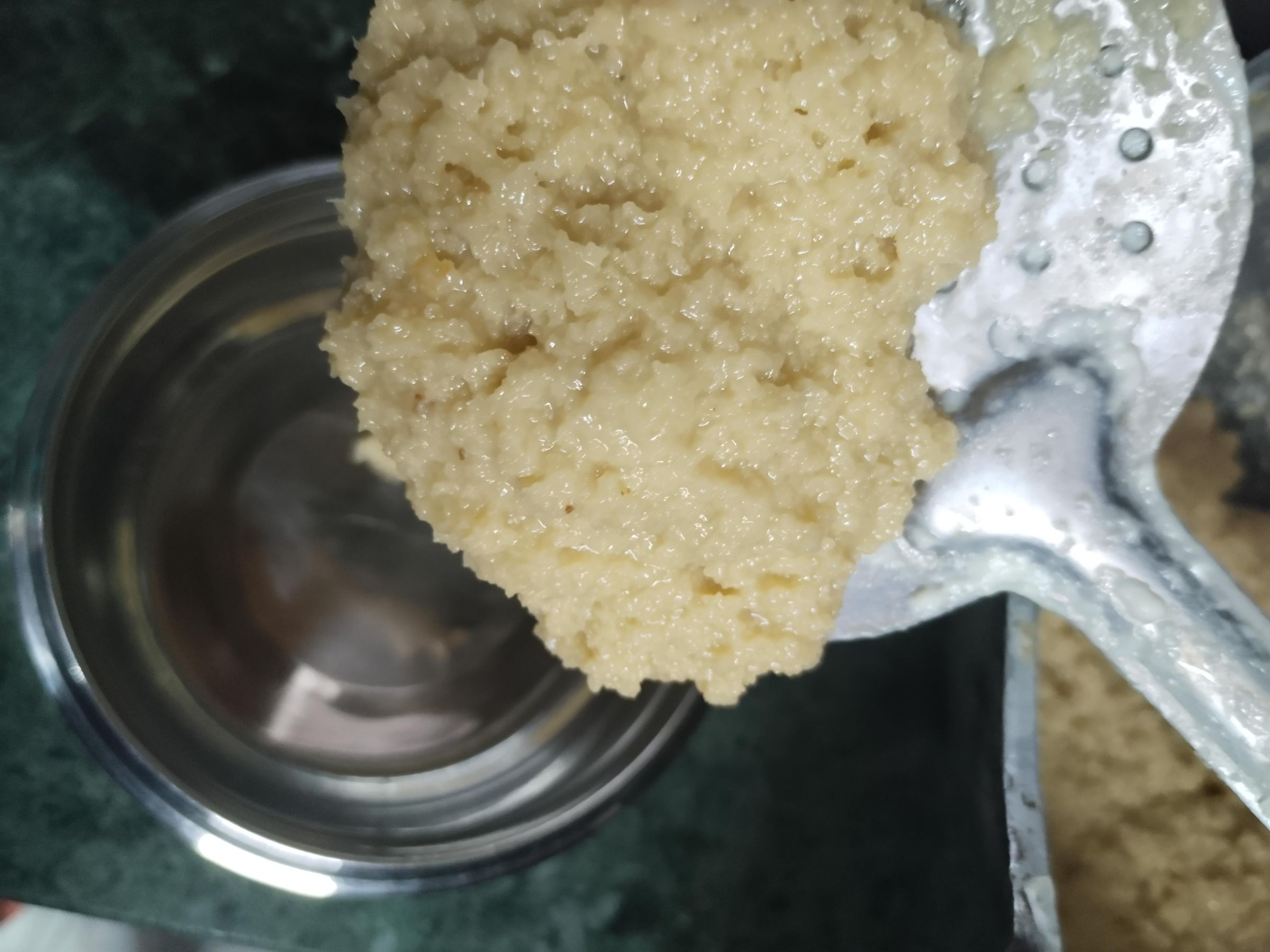
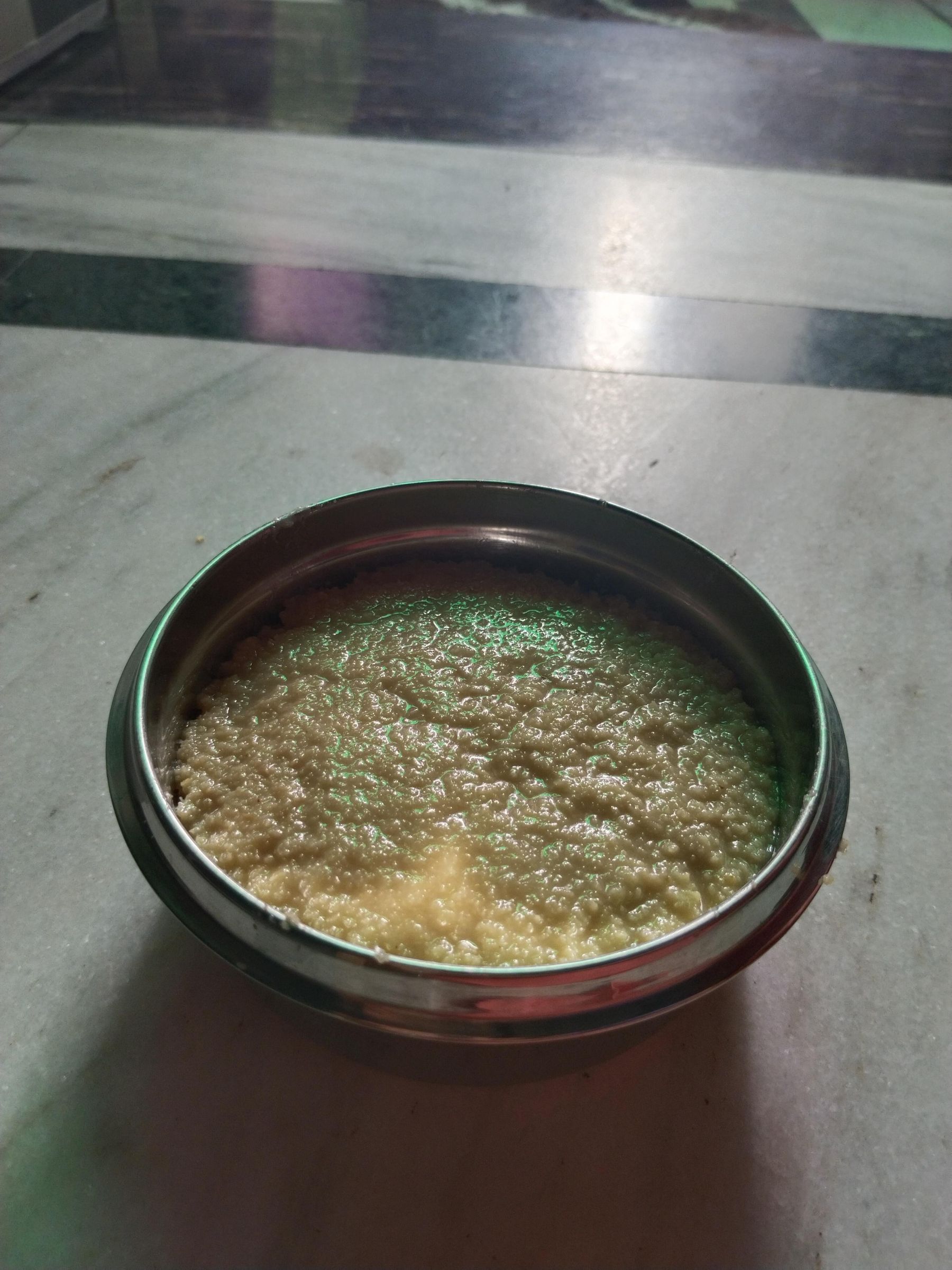
Finally, you transferred the hot mixture into a greased tin or bowl to set.
- The Pro Move: By letting it sit undisturbed, the residual heat continues to cook the center, often resulting in a darker brown core and a lighter exterior.
- The final result is a perfectly set, grainy, and moist cake that looks absolutely authentic.
Final Outcome
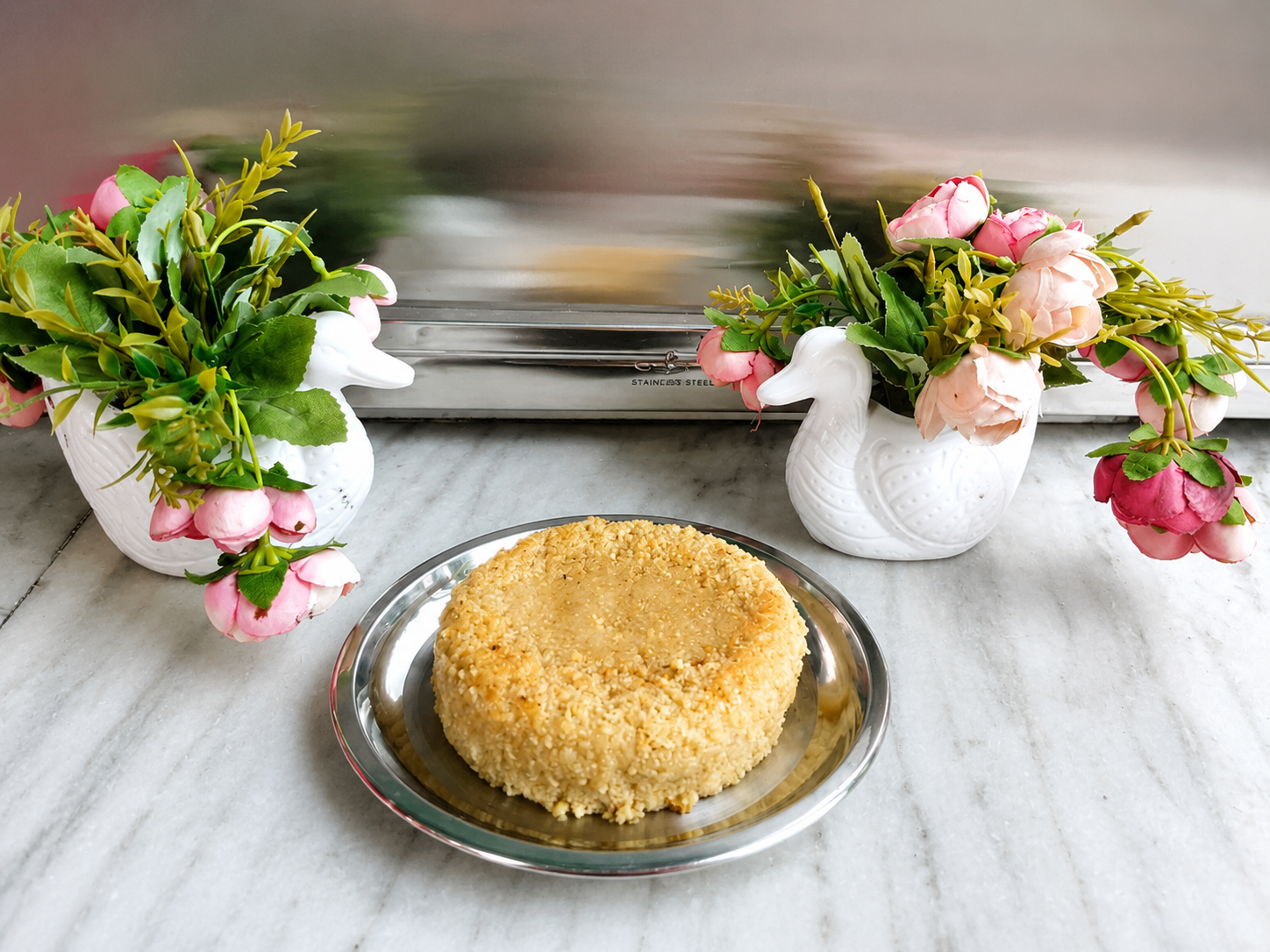
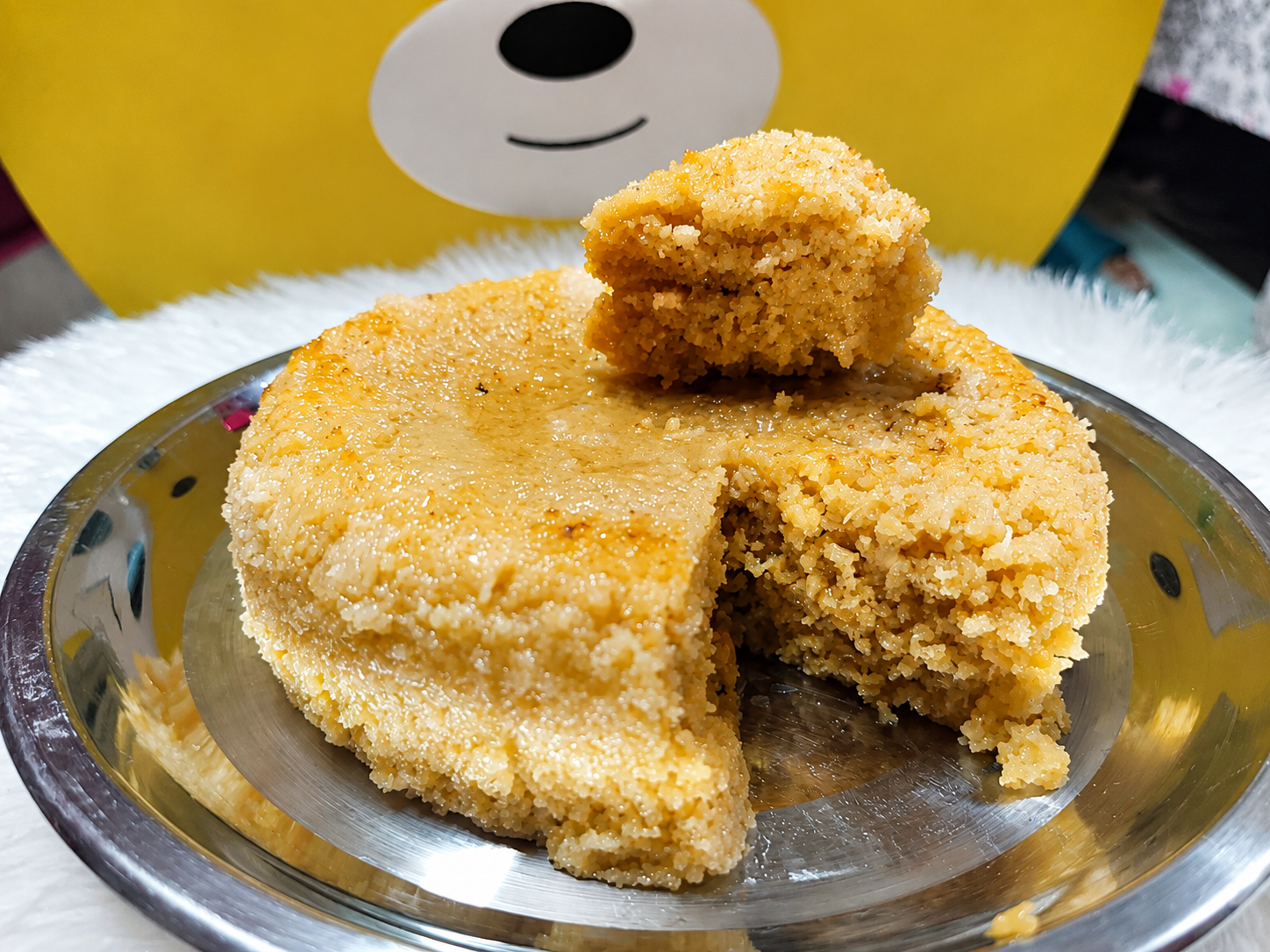
This milk cake represents a time when sweets were made at home with purity, patience, and love. It tells a story of our grandmothers, who turned simple milk into something magical without machines or chemicals.
In today’s fast world, where ready-made cakes dominate, this recipe stands as a reminder that healthy, homemade food is the real luxury. It is my small effort to bring back those traditions and show that even with just three ingredients, we can create something extraordinary.
This is not just a cake — it is a tribute to tradition, health, and the timeless bond of family.