Antique Hearing Aid Display
by wannabemadsci in Living > Education
227 Views, 1 Favorites, 0 Comments
Antique Hearing Aid Display

My wife is an Audiologist and I wanted to make a unique display for her office's waiting room. I found antique hearing aids very interesting so I started collecting them off of eBay. I wanted to show how technology has progressed over the centuries. It is amazing how hearing aid technology has advanced. I have 11 hearing aids that I want to display. Not all of them are antiques, but virtually all use interesting outdated technology.
I did take a bit of liberty with two of the hearing aids being displayed that I could not reasonably source. I created a horn-based aid (the earliest assistive listening device) to display as well as 3D printed a replica of a circa 1915 ear trumpet.
This is the first of many display cases needed to display all 11 hearing aids. This first display box only covers non-electrical hearing aids
This display case does not include glass or acrylic window because its location will be behind glass that is already in place.
The beginning of hearing aids really started when someone took a trumpet made from an animal's horn and held it up to their ear instead of blowing into it. Used 'backwards' it made sounds louder. This was helpful when hunting and trying to find prey. Ultimately this sound amplification would come in helpful to those dealing with hearing loss.
Major advances in hearing aids included ear trumpets (I tried my display model and it works quite well) which collected and directed sound into the listener's ear. When we entered the age of electricity, particularly the era of the telephone, the same technology (batteries, carbon microphones and coil output devices) used for the telephone could be used for amplifying sounds electrically for those with hearing challenges.
With the invention of the vacuum tube we really got things going and could have large amounts of amplification. This was surpassed by hearing aids using transistors which greatly reduced the size and power requirements for hearing aids. Ultimately we have digital hearing aids with microprocessors with millions of transistors in them and even Artificial Intelligence (AI) operating in hearing aids.
All this history is engaging, especially with the opportunity to actually look at a piece of this history.
My display cases will cover all these eras but this one only displays the non-electrical era.
For great information on the history of hearing aids visit the Hearing Aid Museum.
Supplies

Suitable cardboard box
Poster Board background
Self-adhesive LED strip. These were 5V USB powered, 3000K color temperature
USB Power bank or plug-in USB power supply
Flat Black Spray Paint
Gloss White Spray Paint
Wire for mounting the artifact in place, if desired
Hearing Aids
Not Shown:
Foam Core Board
Heavy Card Stock for Captions
Hot Glue Gun and Glue
Razor Knife
Yard Stick
Collect Display Articles
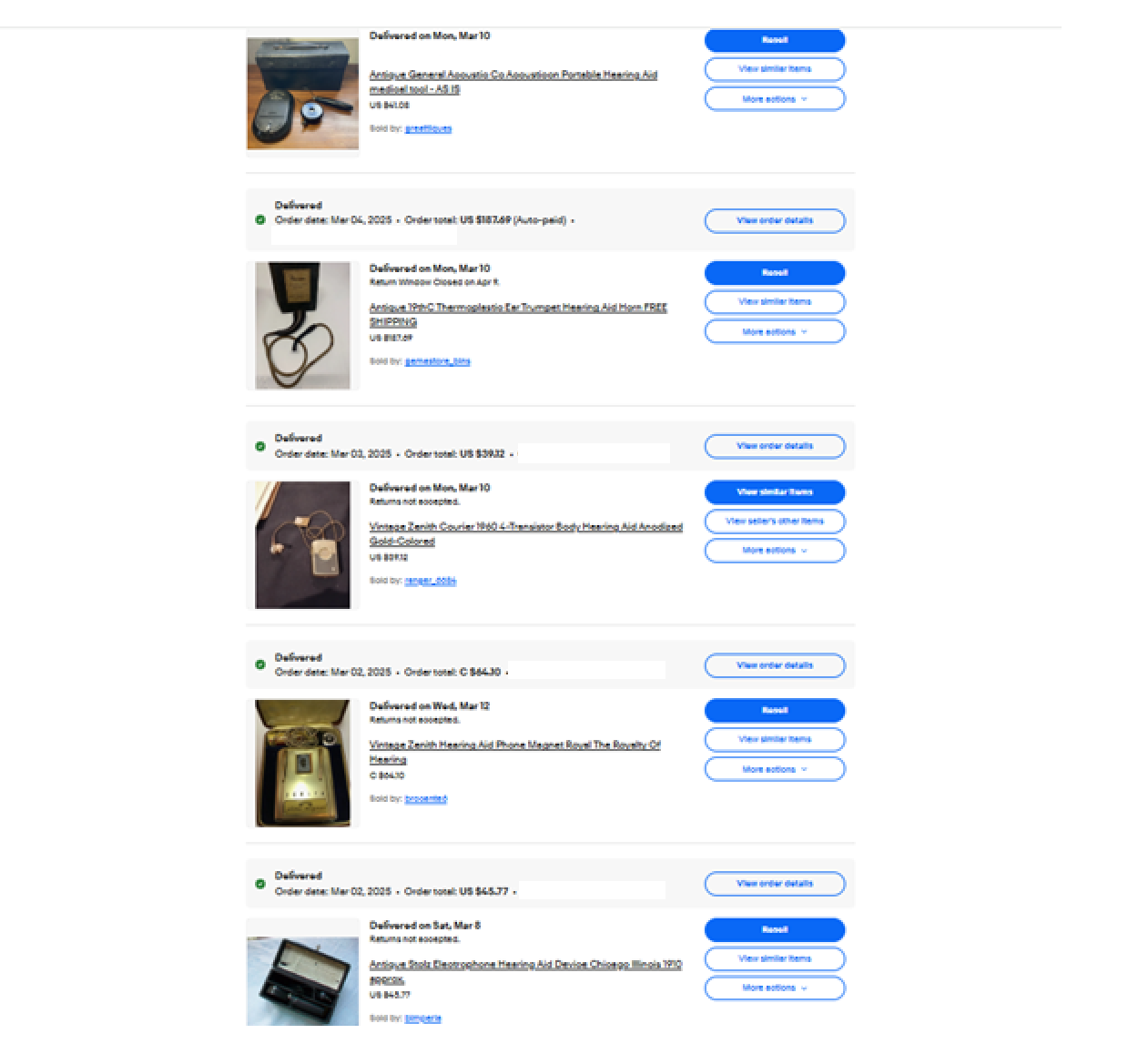

I watched eBay listings for antique hearing aids and tried to purchase different types from various time periods using varying technologies.
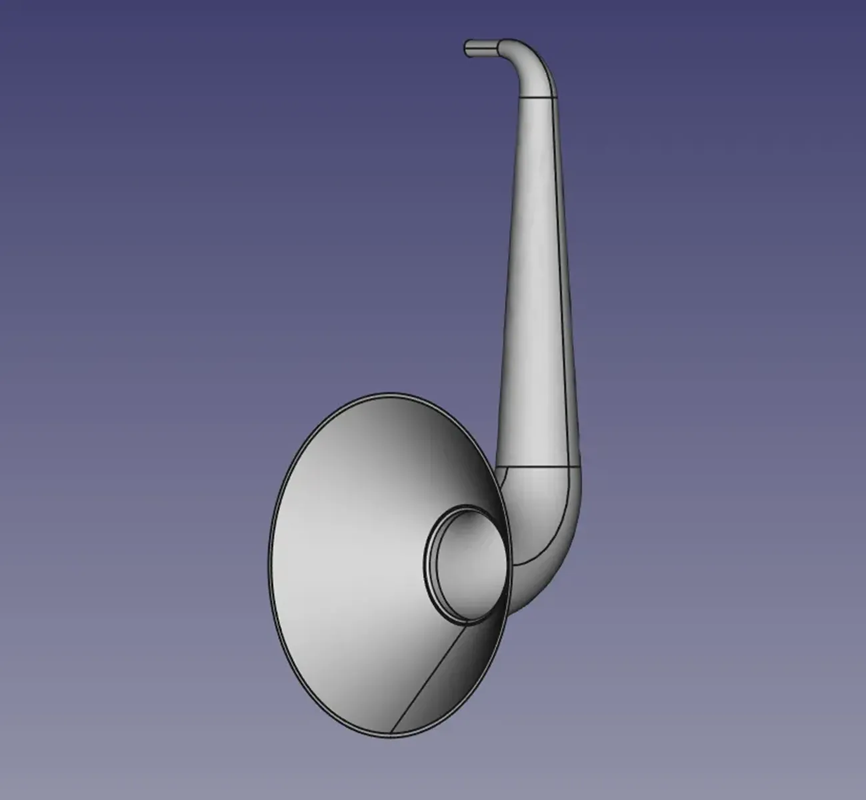
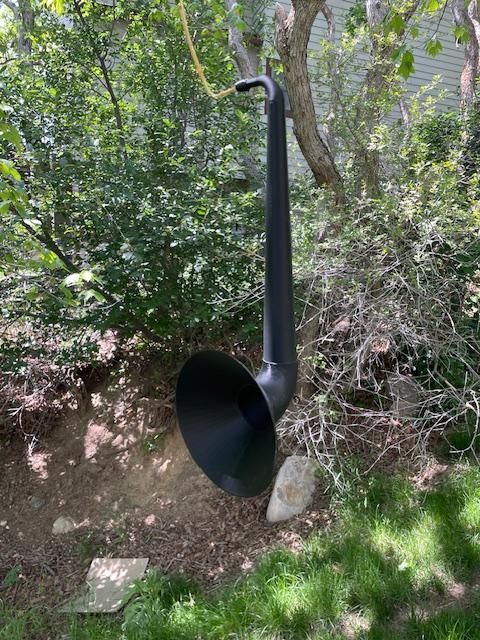
Some, like the ear trumpet, didn't present themselves for sale so I decided to make my own. I slightly modified a 3D model titled "Functional Ear Trumpet" by Dr Romeo Chaire on Printables.com. I took the file and modified the long section of tube located in the middle to make it longer in order to more closely match the historic one. I also created an earpiece that matched the historical version. I printed these pieces in black PLA and spray painted them gloss black to match the period one.
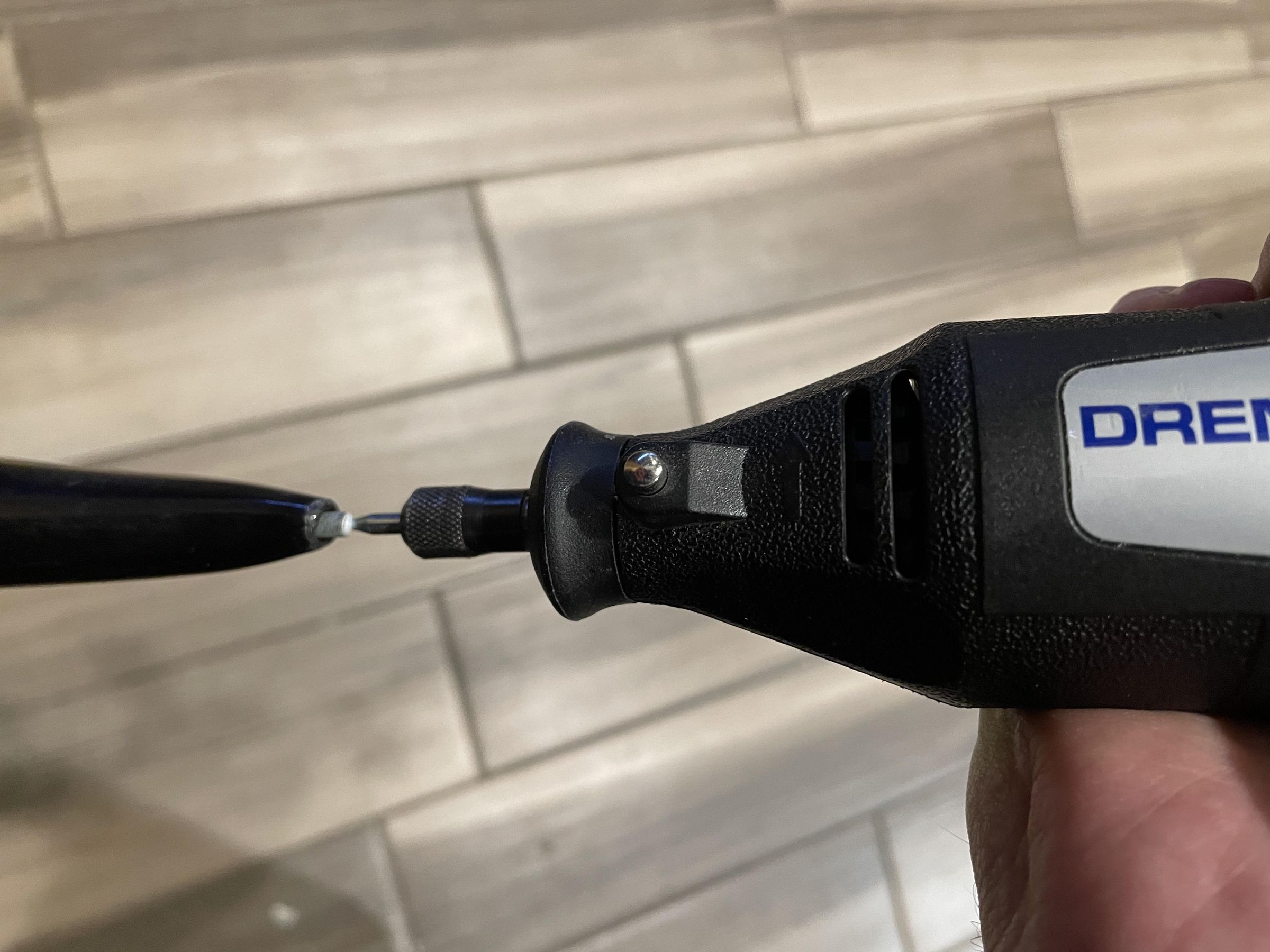
The animal horn hearing aid I found for sale was about $100 but that was a bit to expensive for my taste so I purchased an animal horn vase on Amazon and used a Dremel abrasive bit to bore a hole in the tip of it. It is a very good representation of what was actually used.
The rest of my hearing aids are genuine historic artifacts, some over 100 years old.
Prepare the Box



If you look closely at the image under the Supplies heading you will see a cardboard box hiding under the poster board. It can be hard to find boxes that are large and flat. If you don't find one you might want to consider purchasing a moving box designed for a flat screen TV.
Before cutting the box opening I did a little test with a scrap cardboard box and the LED strip I had purchased in order to determine that an overhang the width of the yardstick was acceptable to allow illumination of the artifacts and still keep the LED strip hidden. Since my test met my expectations I went ahead with the yardstick width overhang, essentially acting as the frame around the opening.
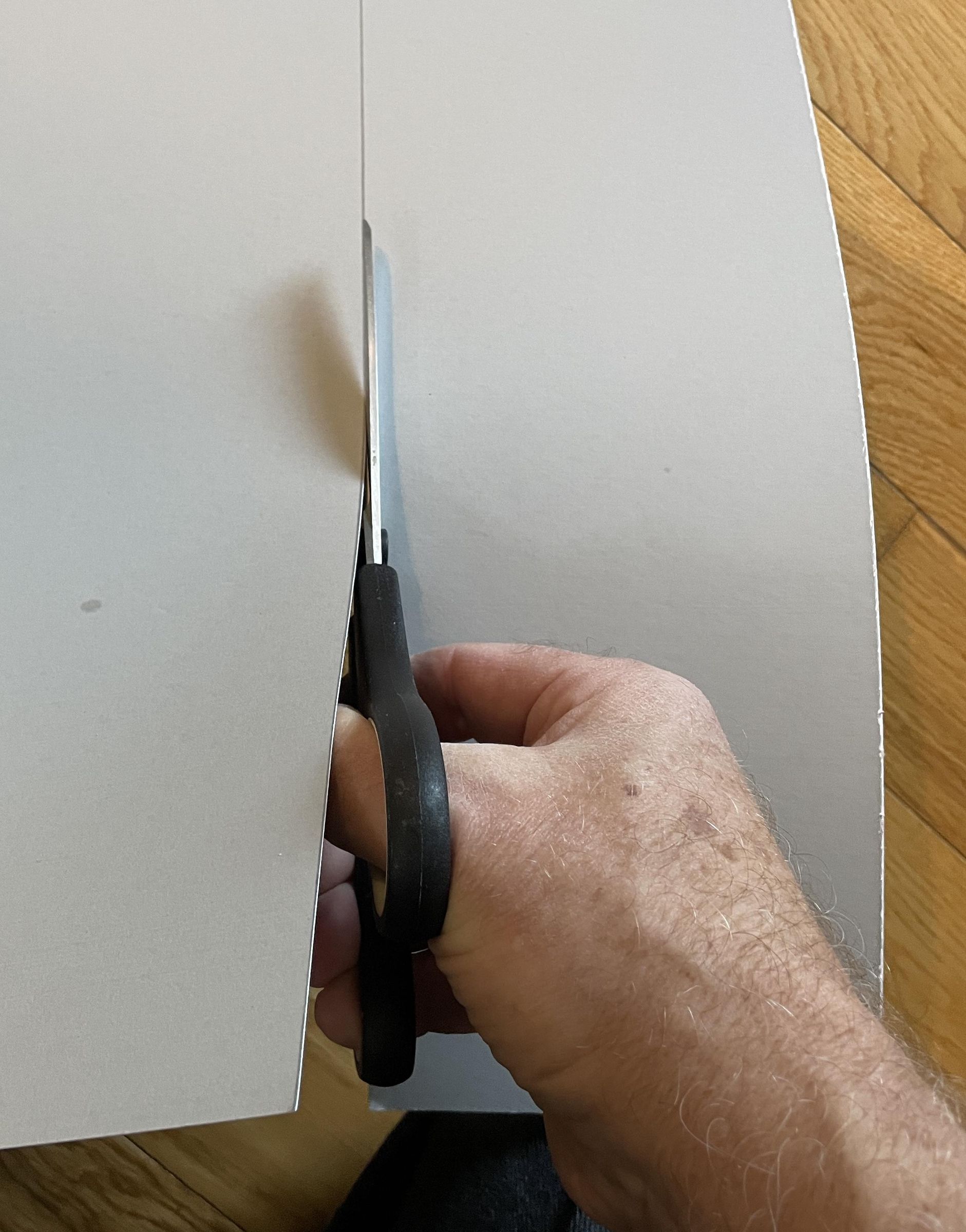
My poster board was a bit shorter in length than my box so I marked its length on the box. I then used the yard stick to draw the perimeter of the opening I wanted to cut in the box. The opening was a yard stick's width in from the poster board marked size. The side cuts were also spaced a yard stick width inward on each side of the box sides. I carefully cut the opening in the box.
I took the poster board and cut its width to match that of the box so it would fit snuggly inside.
Paint the Box
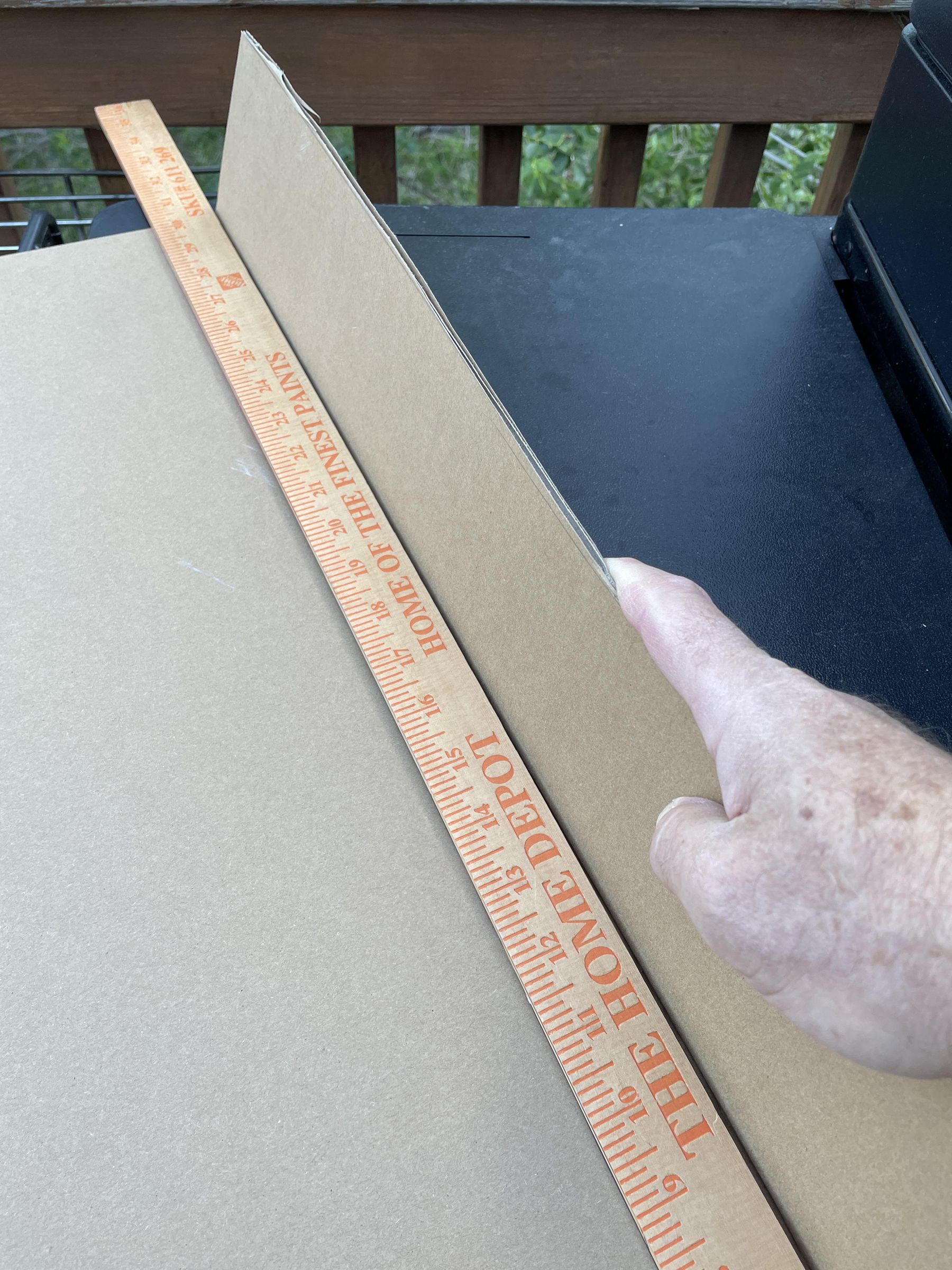


I wanted the box to be flat black. I took the piece I had cut out of the box (from making the opening) and bent it with the yard stick to create a mask I could insert into the box to keep overspray from painting the inside of the box.
I spray painted the perimeter and top of the box black. I also wanted the inside surface adjacent to the opening (the underside of that yard stick wide lip) to be gloss white so that perimeter LED lights would be reflected off of it. I used the same masks to control the white overspray.
Install the LED Lighting
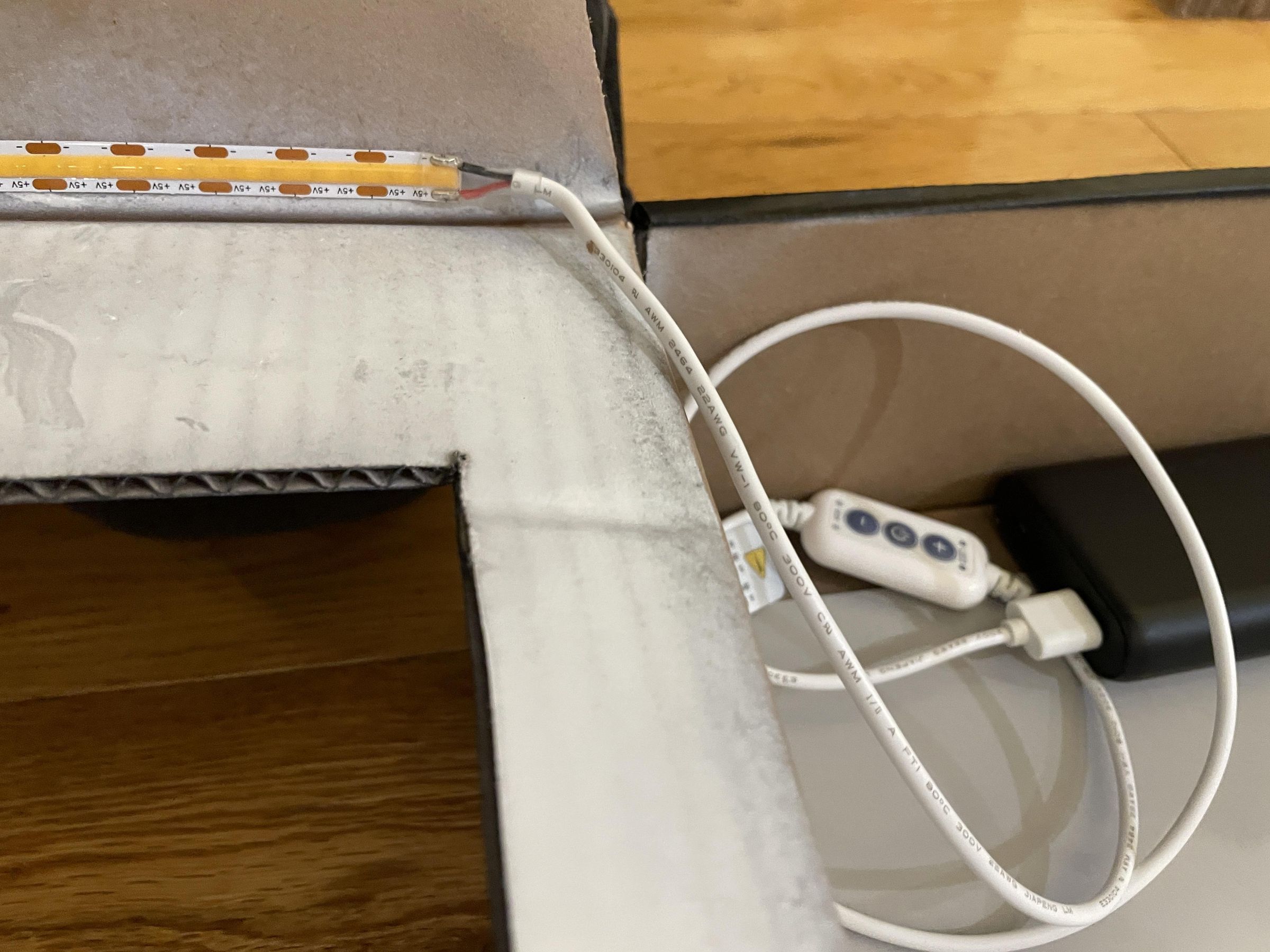

I ran the self-adhesive LED strip around the interior perimeter walls with it located at the top of the wall closest to the opening. Hopefully having the underside of the overhang painted white helped distribute the LED's light.
The power cord can be left with the USB power bank and hidden in the bottom of the case or both run outside the box to an AC USB power source.
Install the Poster Board
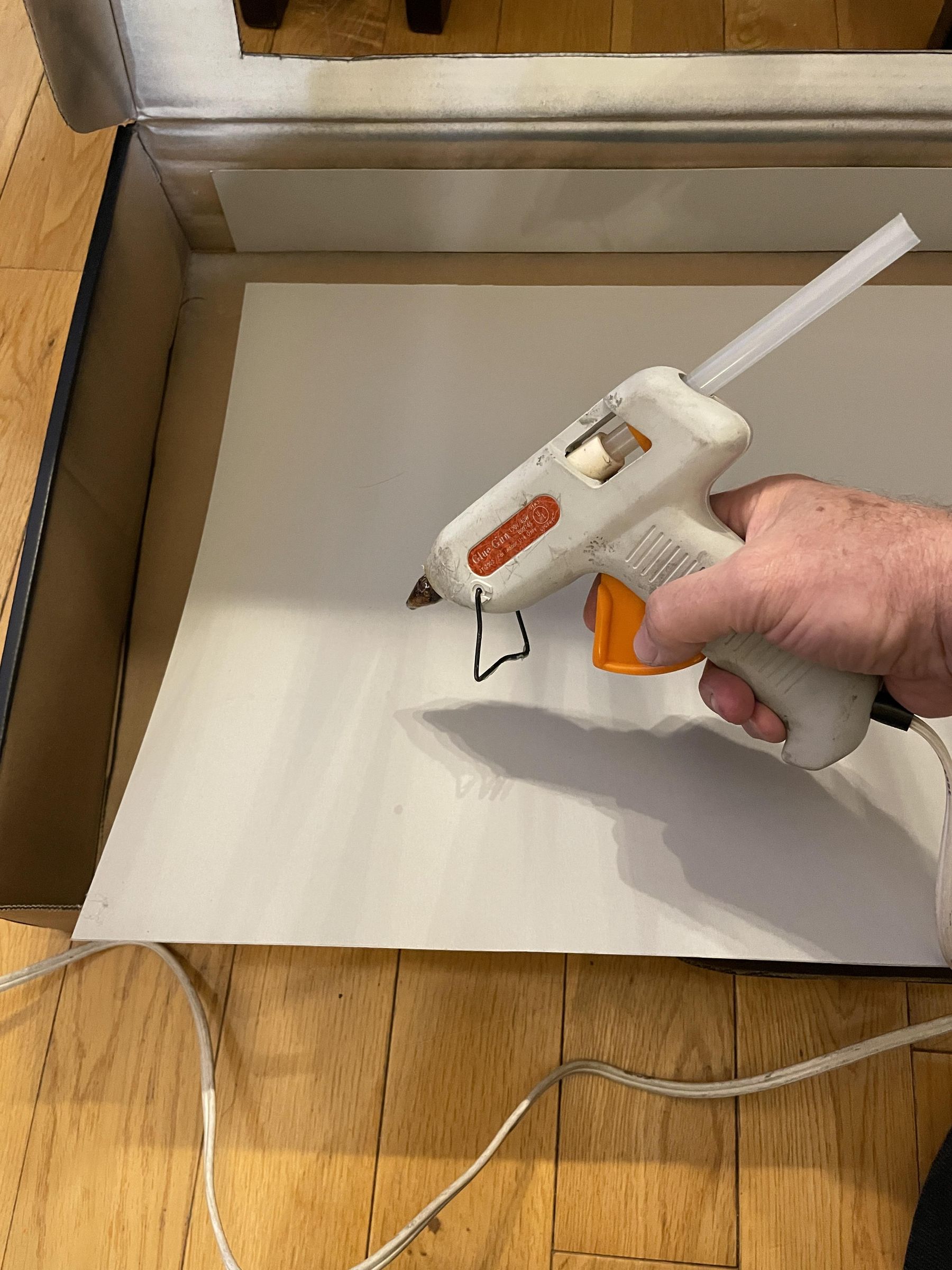

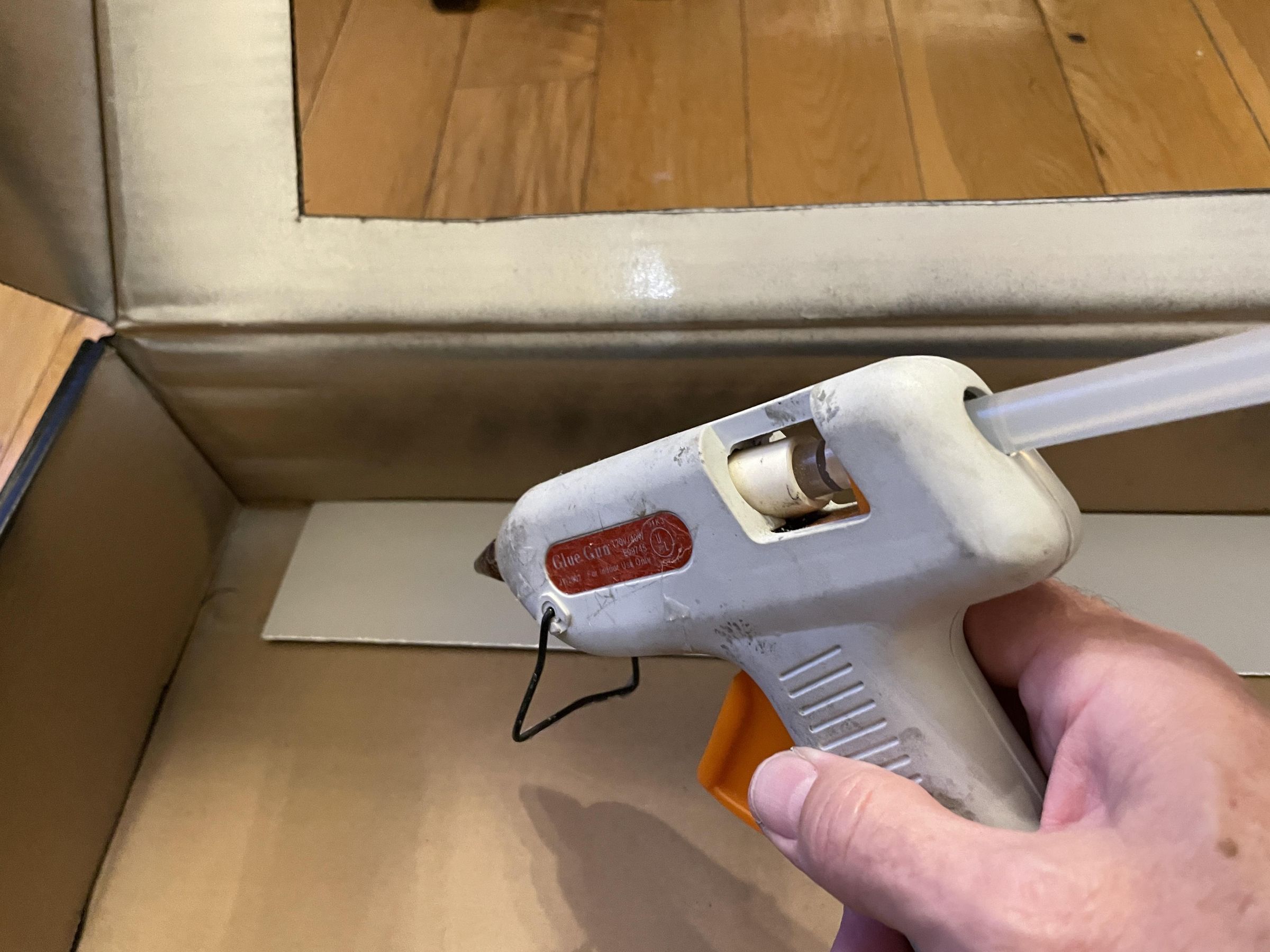

I used hot glue to fasten the large piece of poster board to the bottom of the box.
I took the discarded piece of poster board that was generated by cutting the poster board to the box width and then cut it down the center into two pieces, each to be applied along the sides of the box and glued them in place.
Create Captions


I had researched facts regarding the different hearing aids being displayed and printed them on heavy card stock. I cut the card stock to size and also cut some foam core board slightly smaller to go behind the caption to use in mounting them above the bottom surface of the box. I hot glued them in place.
Here are the captions I created:
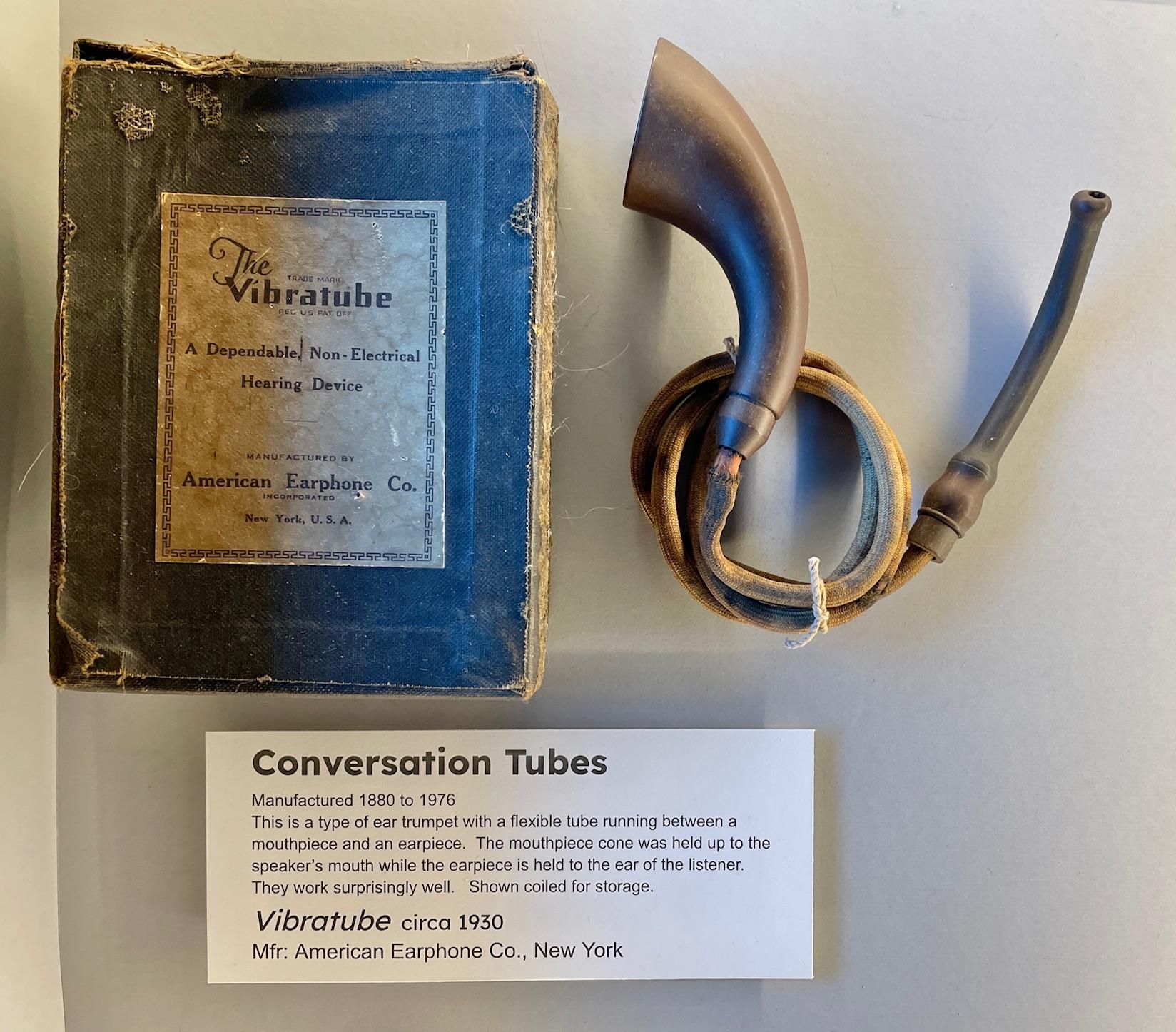
Conversation Tubes
Manufactured 1880 to 1976
This is a type of ear trumpet with a flexible tube running between a
mouthpiece and an earpiece. The mouthpiece cone was held up to the
speaker’s mouth while the earpiece is held to the ear of the listener.
They work surprisingly well. Shown coiled for storage.
Vibratube circa 1930
Mfr: American Earphone Co., New York
Ear Trumpets
Manufactured 1796 to 1963
An ear trumpet consists of a tapered tube that compresses (amplifies)
captured sounds and at the same time funnels them to the listener’s ear.
Replica, original circa 1915
Mfr: Unknown
Animal Horns
There is documentation of animal horns being used as hearing aids
as early as the 1200s. A hollowed out animal horn with an opening at
the tip was held up to the user's ear to collect sound. Originally used
by normal hearing individuals to hear soft sounds; e.g., while hunting.
Artifact is contemporary
Mount Hearing Aids and Captions



I placed the hearing aids into the box. Turned on the LED lights and admired a piece of history.
Enjoy... We are so lucky to have today's great hearing aid technology.