Architecture for Healing: Resiliency and Regeneration
by saria_arch in Design > Architecture
58 Views, 1 Favorites, 0 Comments
Architecture for Healing: Resiliency and Regeneration
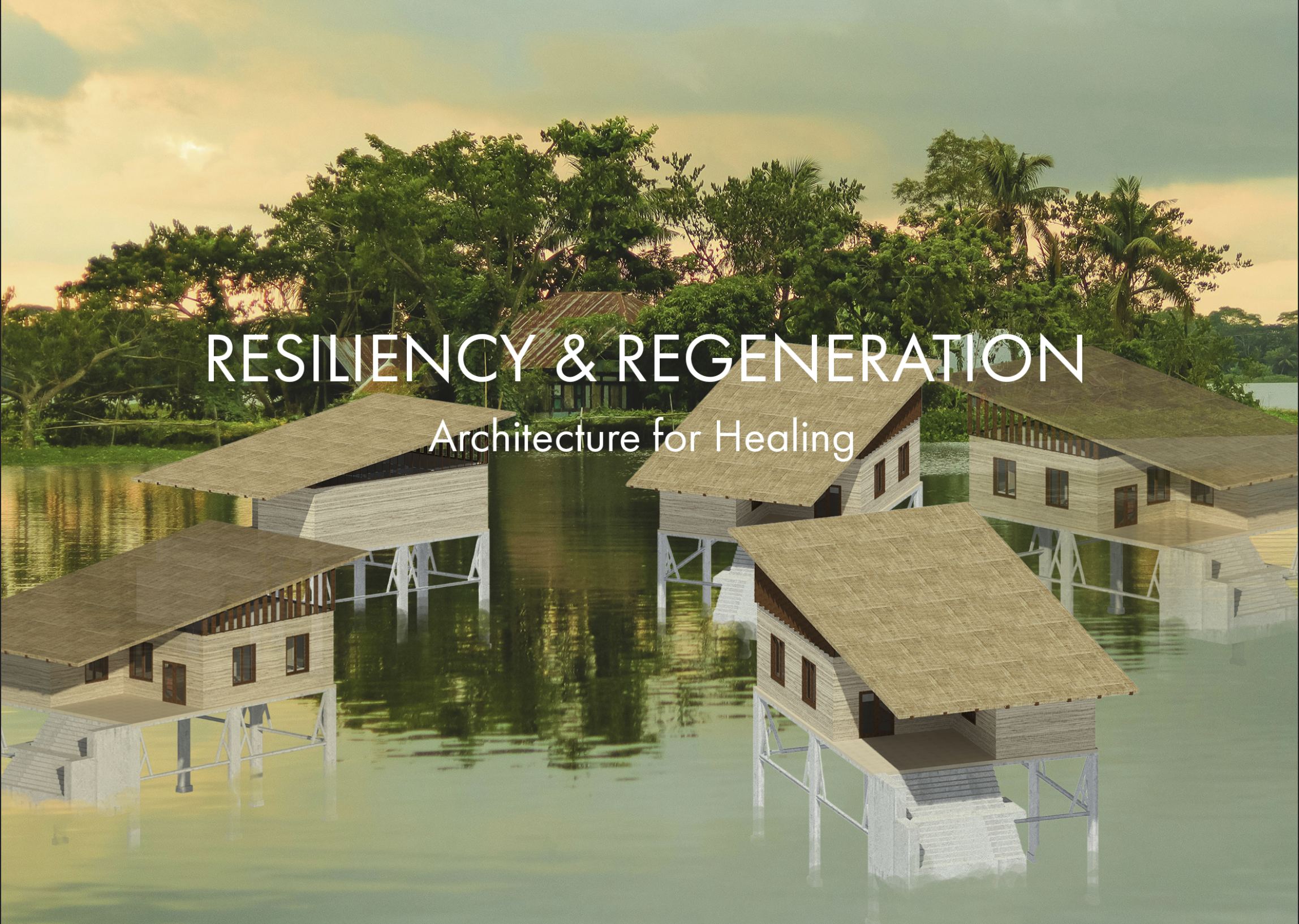
This project focuses on creating housing for vulnerable communities displaced by climate change.
Supplies
Autodesk Revit
Adobe Illustrator
Adobe Photoshop
Problem: a Community Plagued by Climate Change
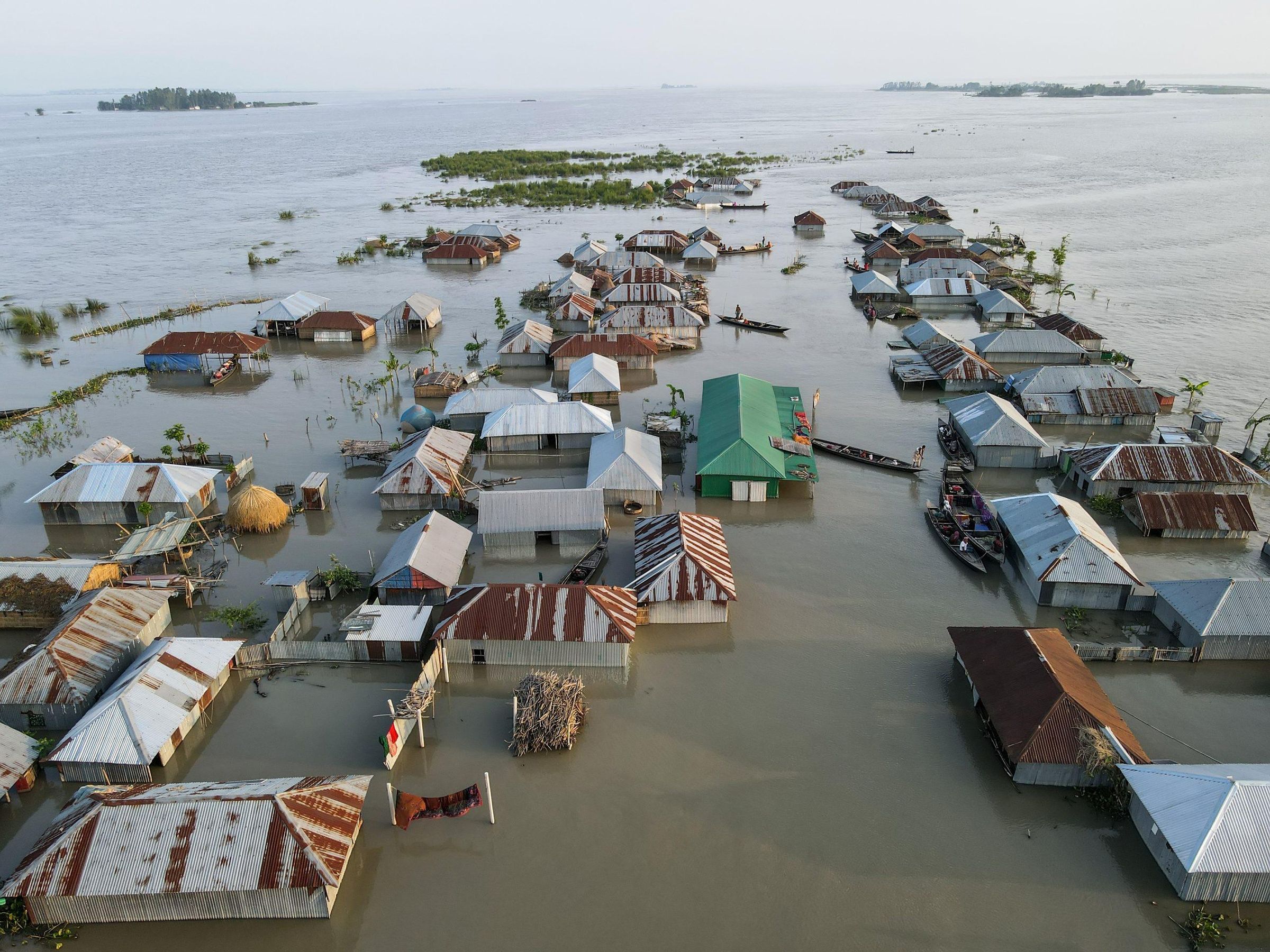
"Climate-induced migration is the human face of climate change"
Bangladesh is one of the countries is the world in which vulnerable communities constantly face displacement and loss of their homes due to the rising sea levels and flooding during the heavy monsoon seasons.
Citations: https://www.iias.asia/the-newsletter/article/recentering-climate-migration-bengal-delta
Research: Site
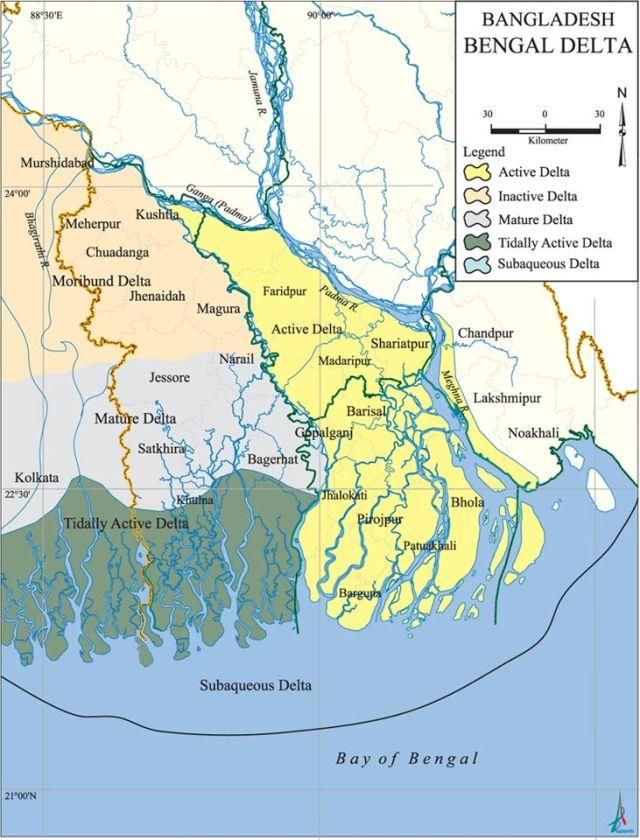
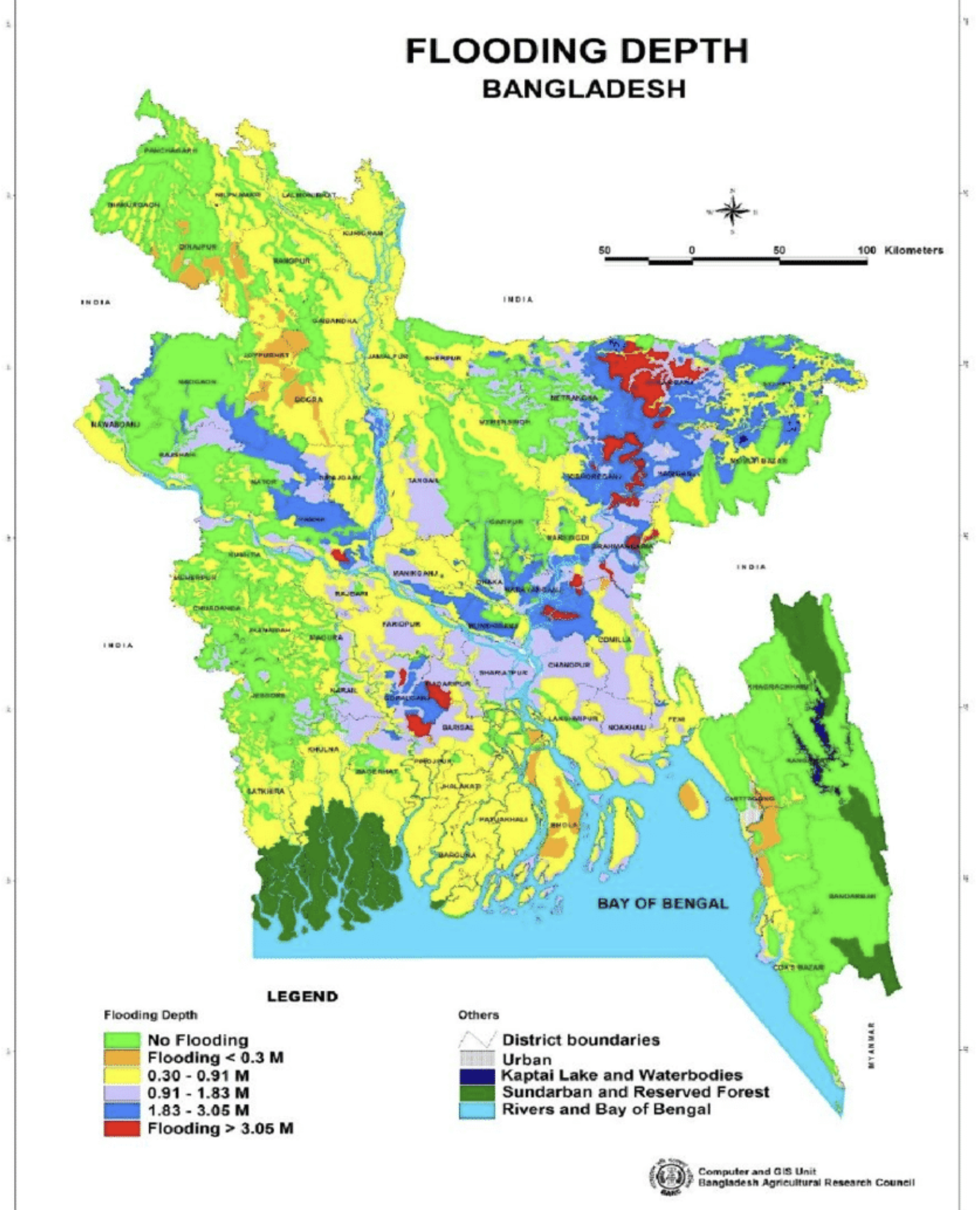
Bangladesh is home to miles and miles of floodplains. The Ganges-Brahmaputra Delta is the world's largest river delta and is the cause of large levels of displacement due the rising sea levels caused by global warming and melting glaciers that flow into the oceans, washing up into the basins of the Ganges.
According to the World Health Organization climate change is expected to increase rates of undernutrition, heart disease, heat stress and the spread of diseases like malaria, leading to an estimated 250,000 additional deaths per year by 2050.
Citations: https://www.fmreview.org/financing-displacement-response/munday/
https://www.researchgate.net/figure/Flooding-depths-of-Bangladesh_fig2_339778760
Research Materials
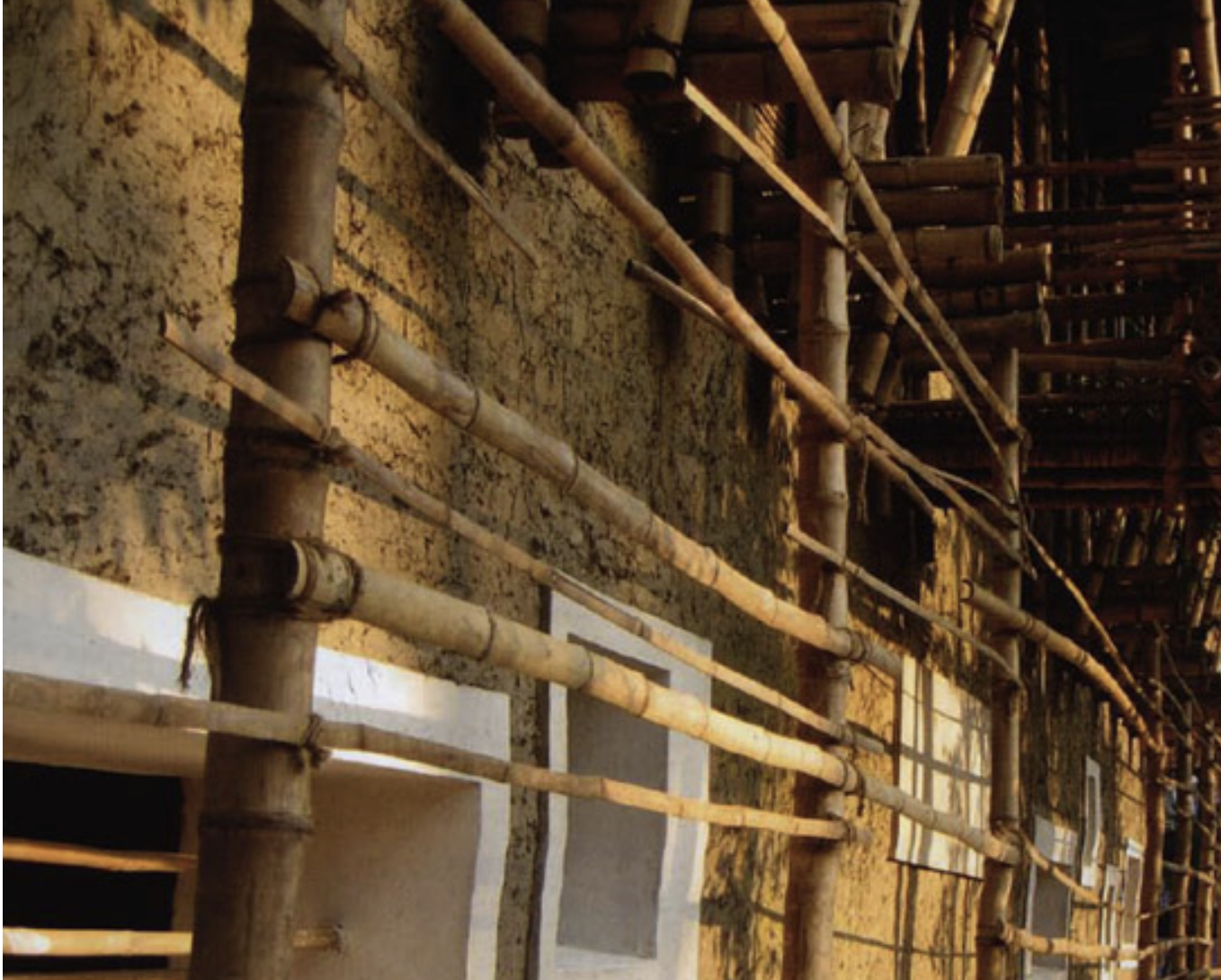

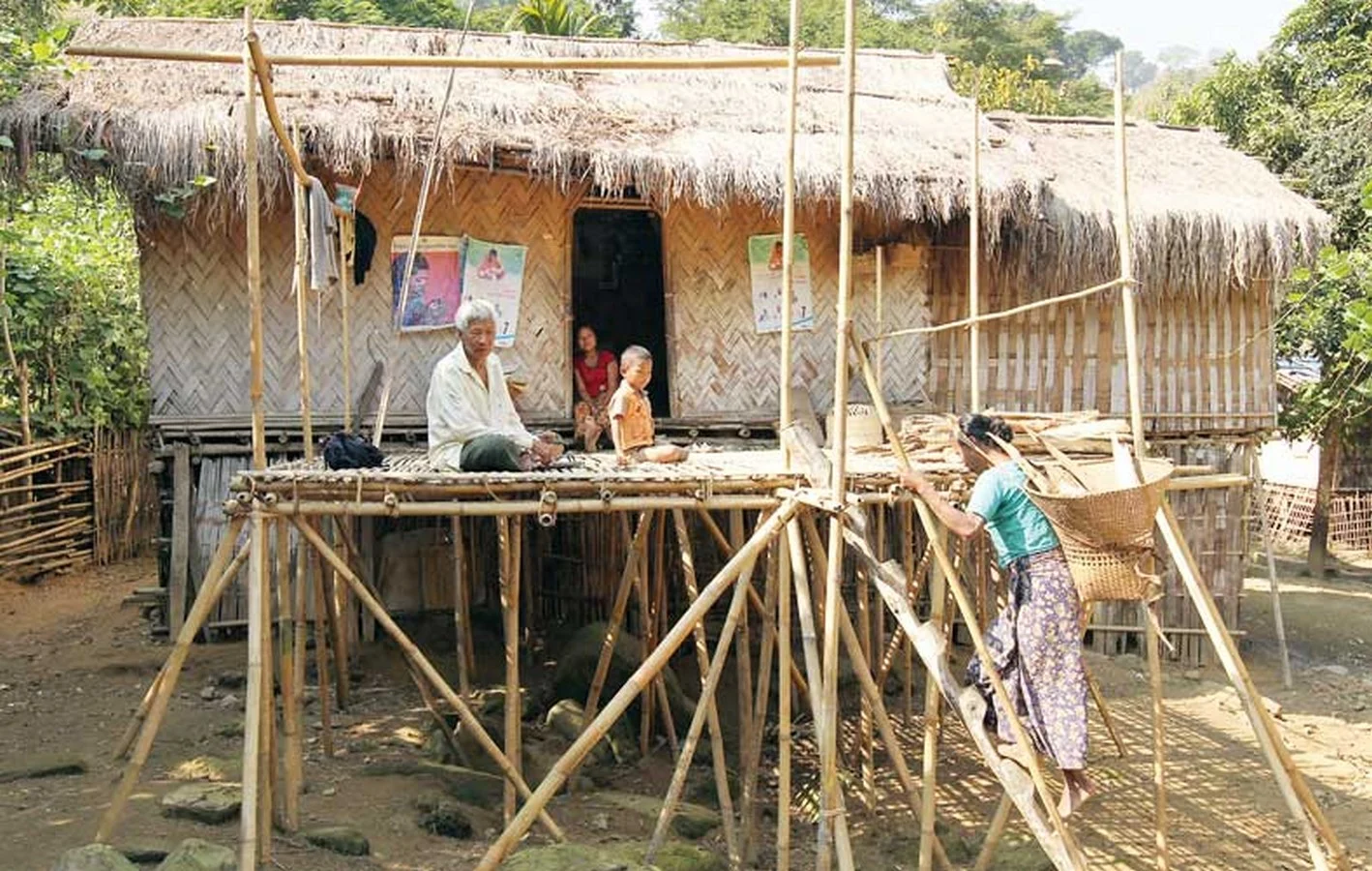
Native and local materials such as locally found materials like mud, bamboo, thatch, and wood. Using these local materials, would support the economy and create environmentally sustainable homes that would transform into energy-intensive housing.
Citations: https://iopscience.iop.org/article/10.1088/1755-1315/1274/1/012041
Precedent Study: Khudi Bari by Marina Tabbasum
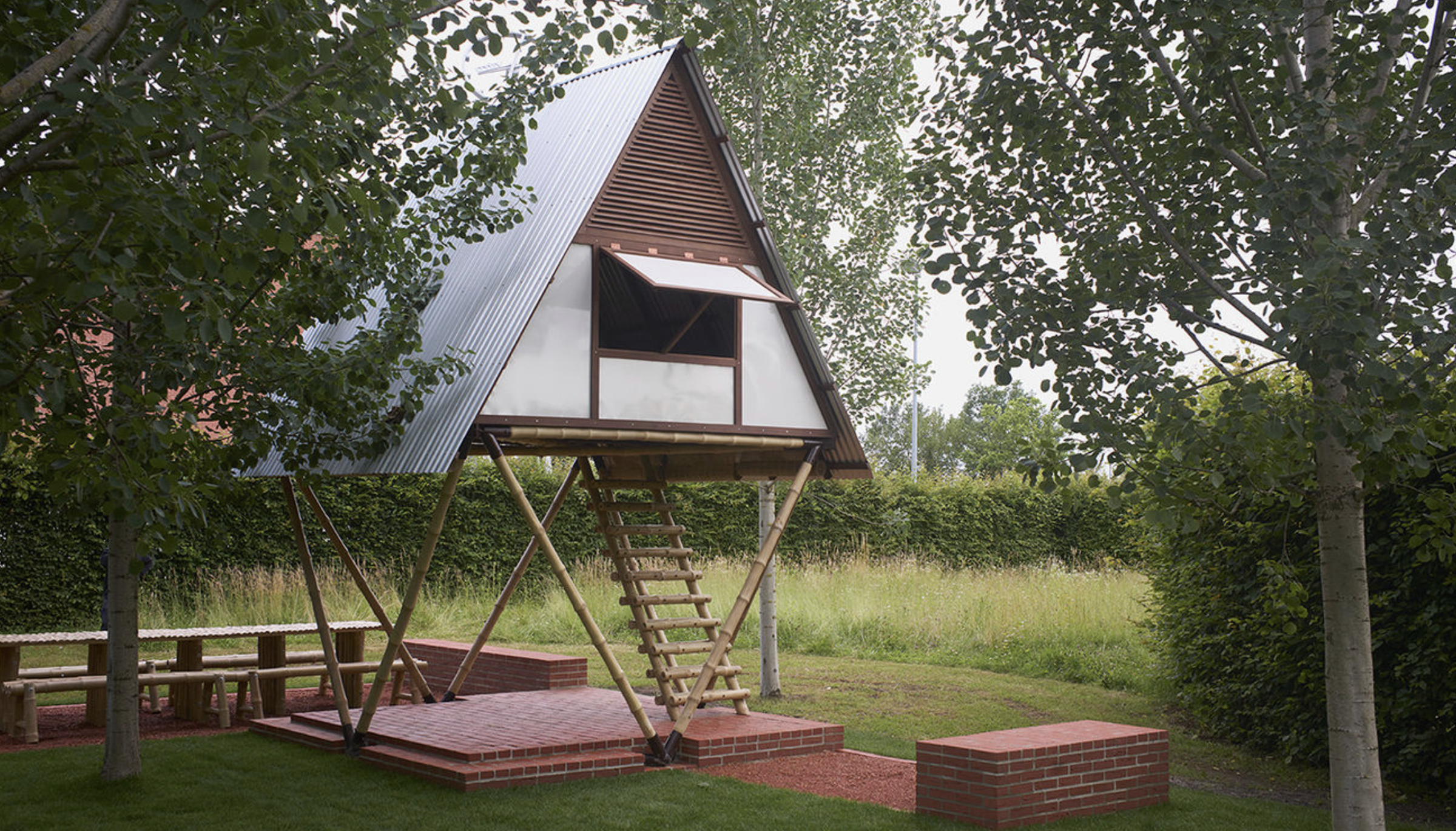
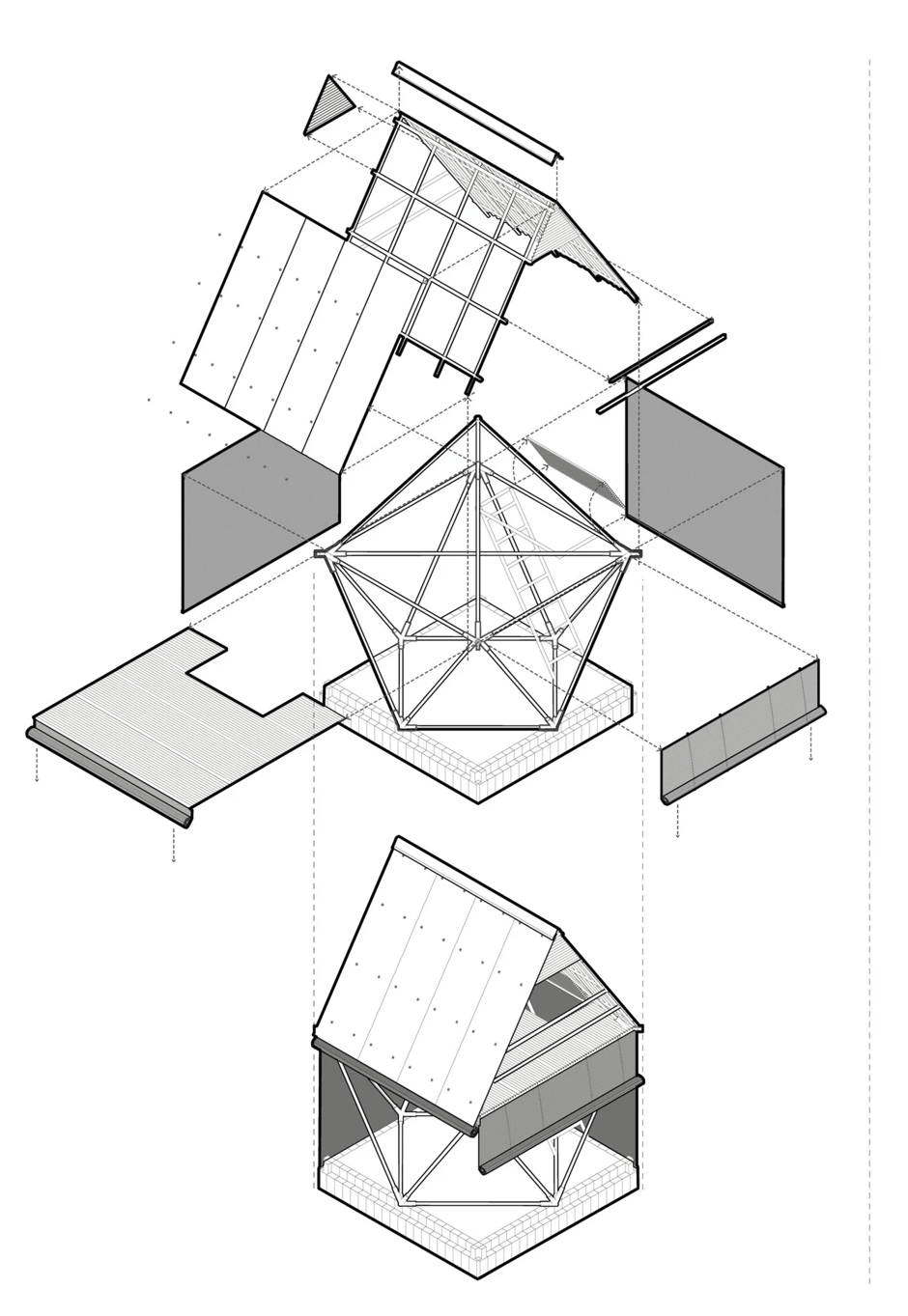
Taking inspiration from the modular structural housing, I using the idea of biogenic materials and single unit living planning into creating the concept of my design.
Base Structure for Flood Vulnerability
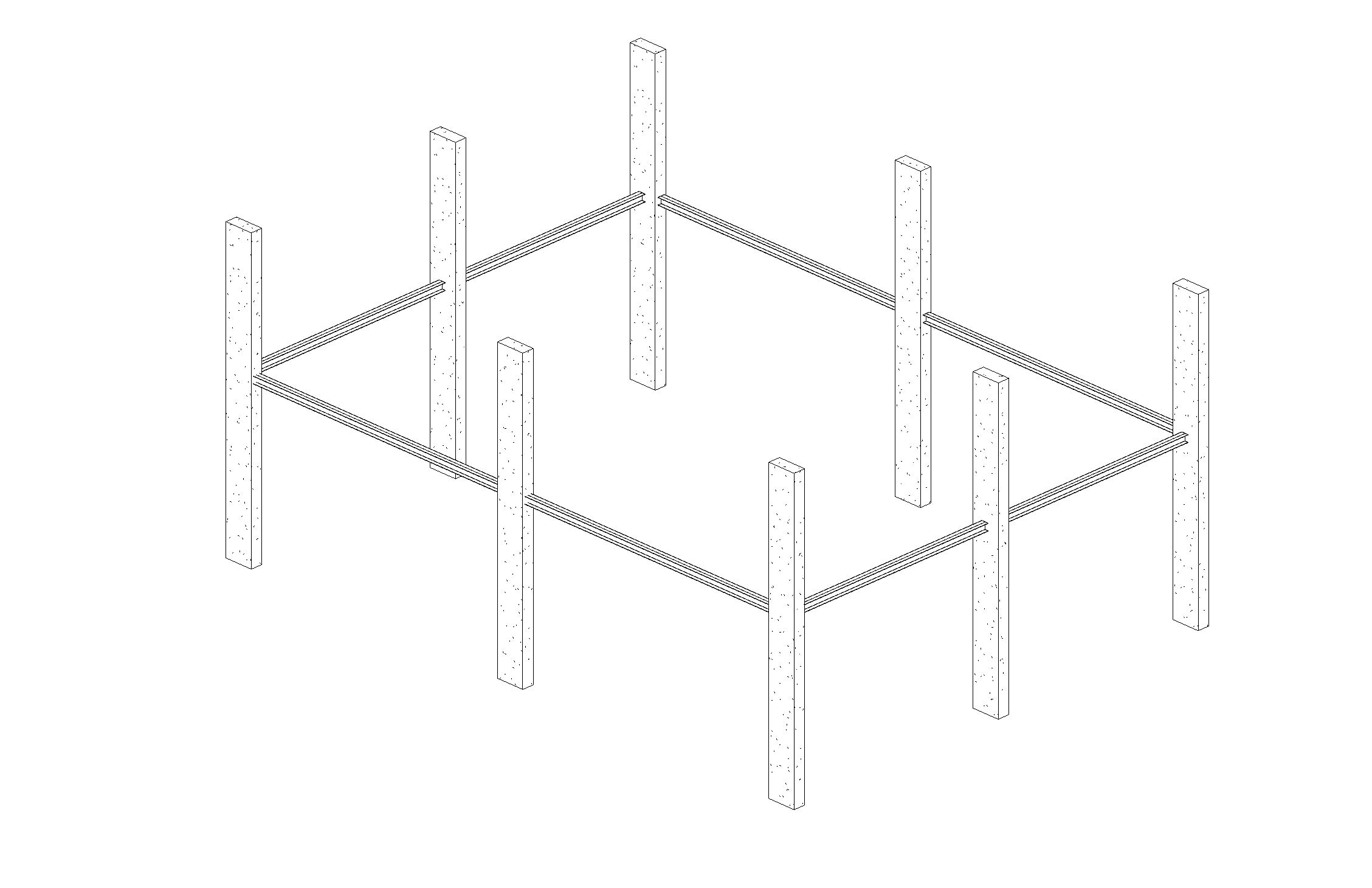
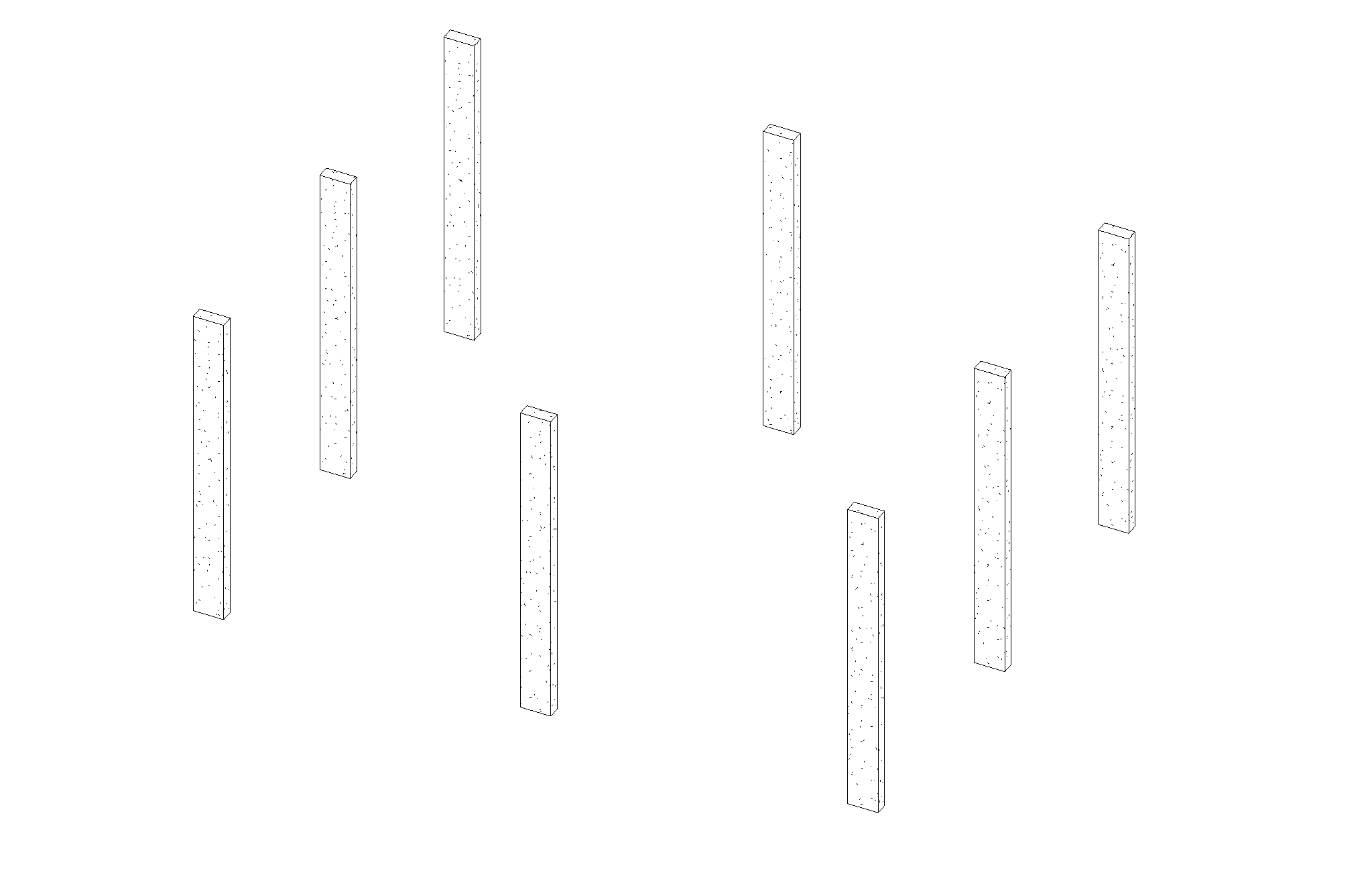
First I added base concrete columns and beams.
Reinforcements
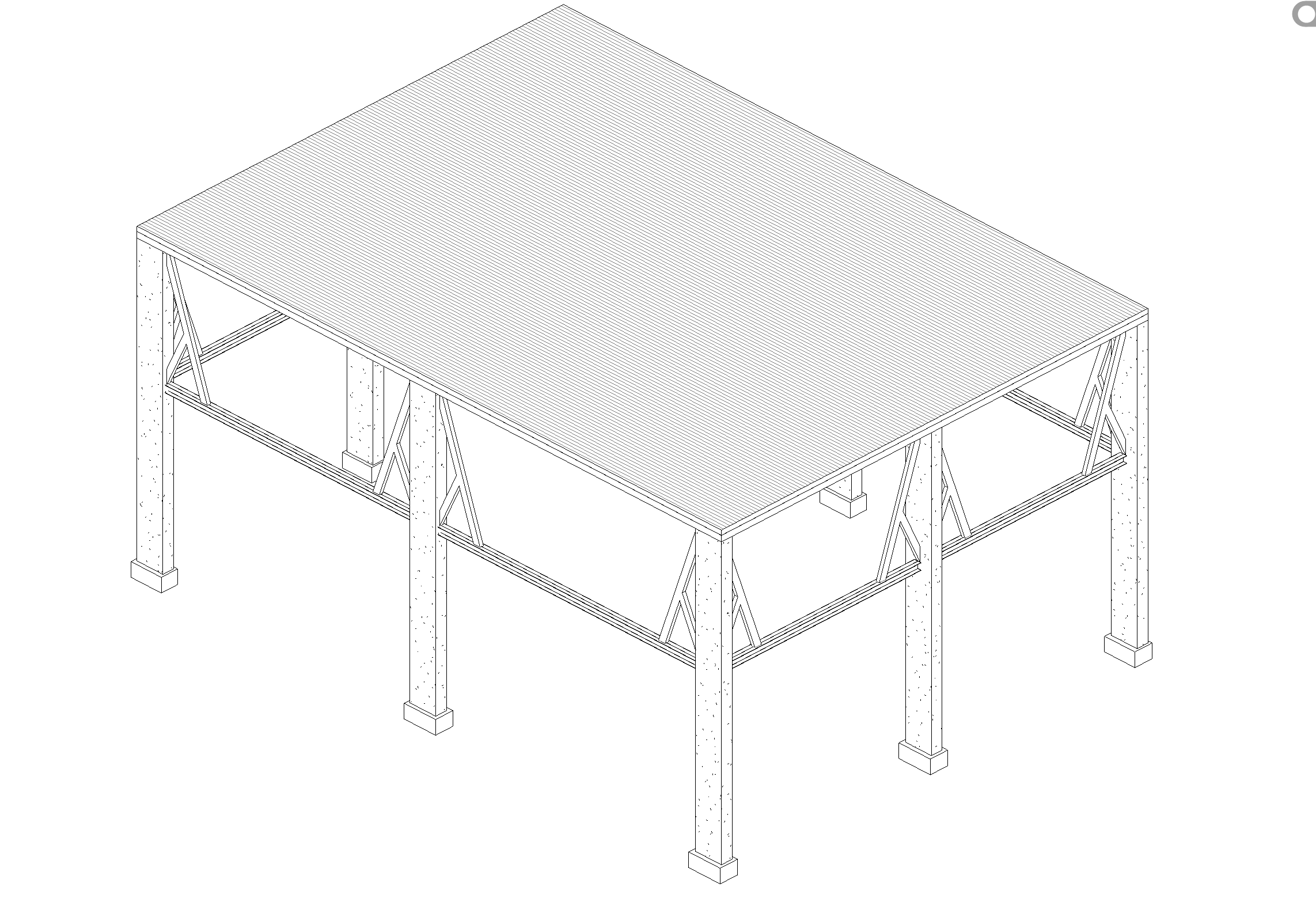
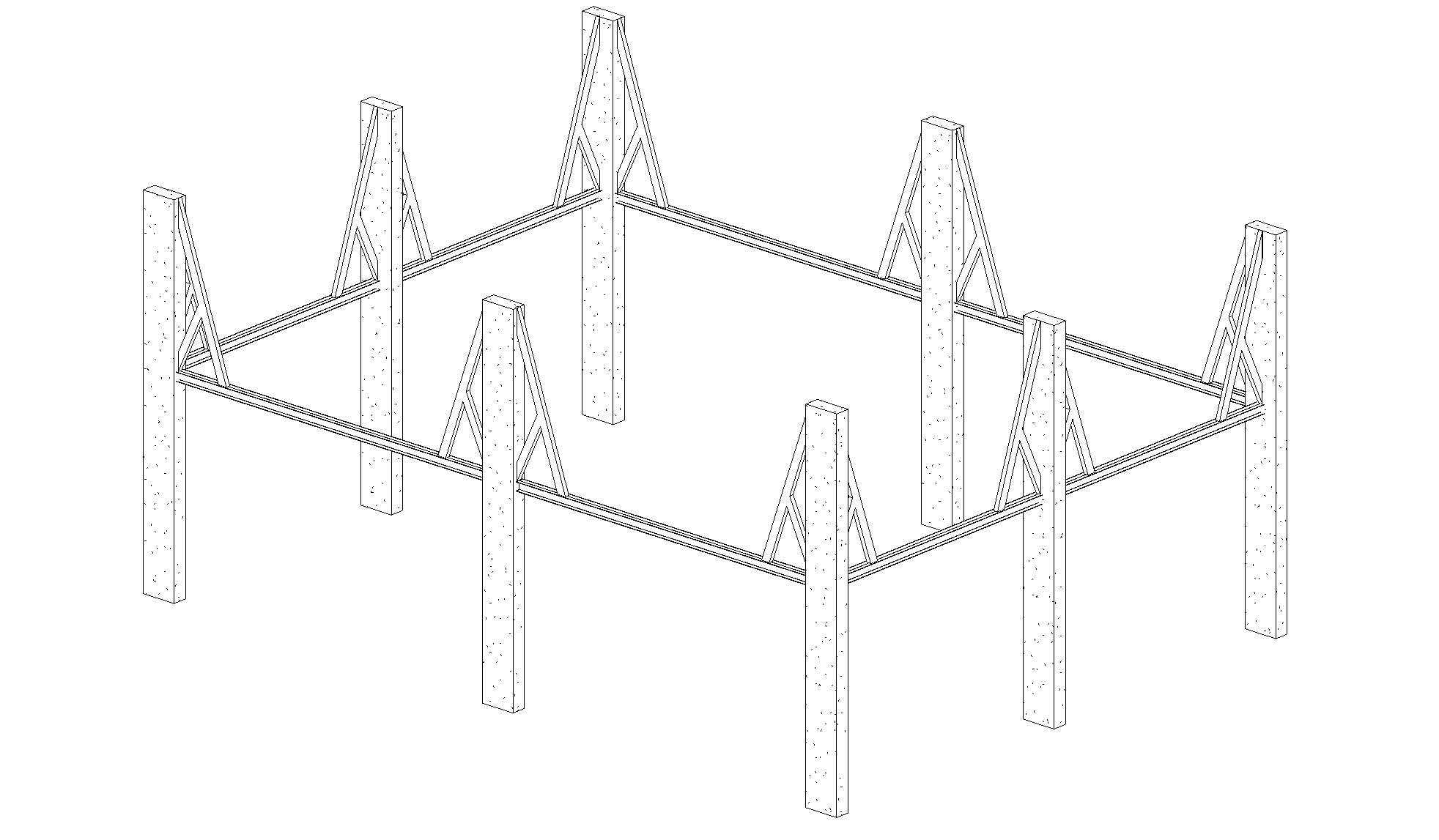
After that I added the supports for the concrete columns and then the base of the structure.
Base
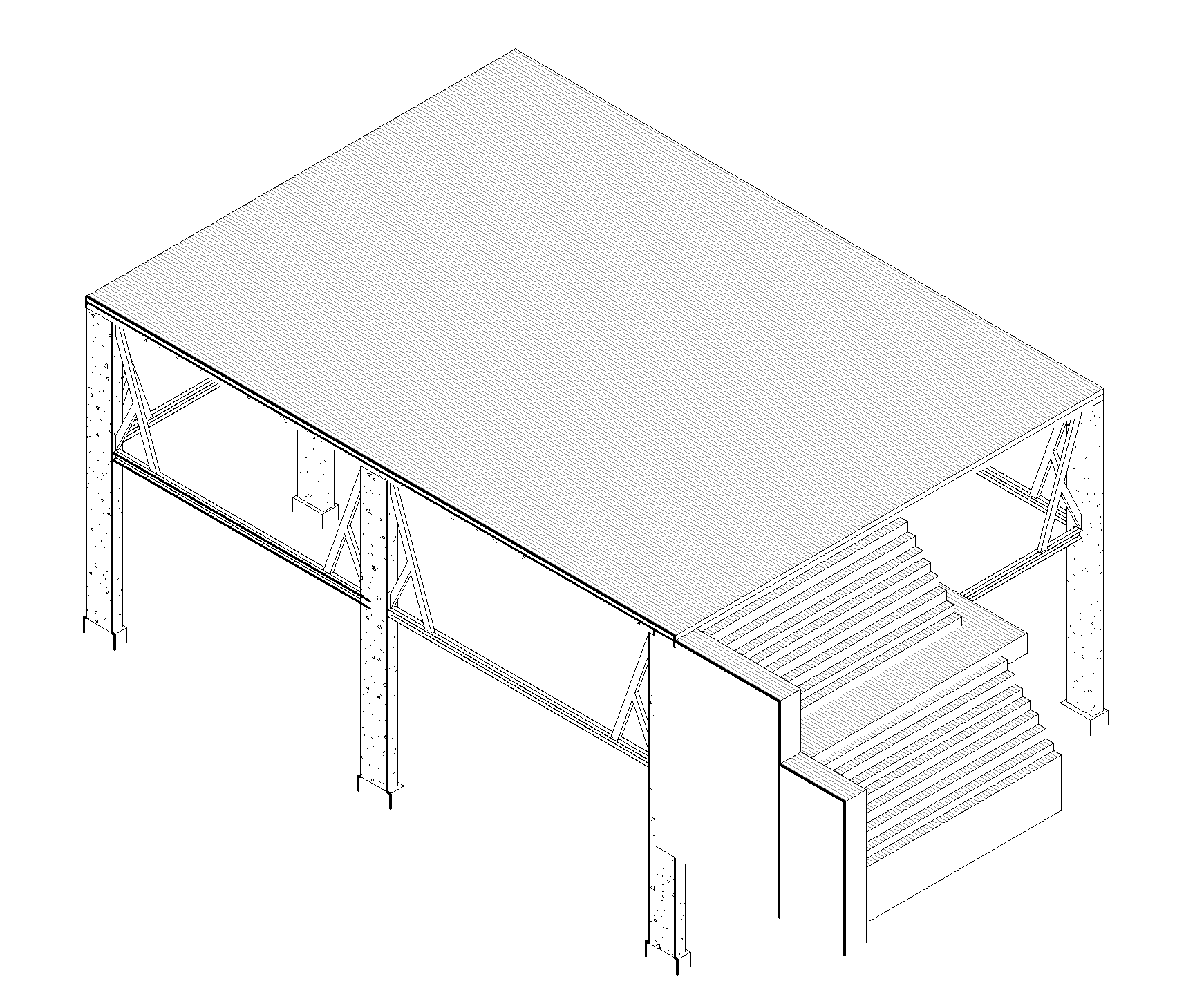
After that I added concrete stairs to access the ground and as a barrier for strong currents.
Roofing
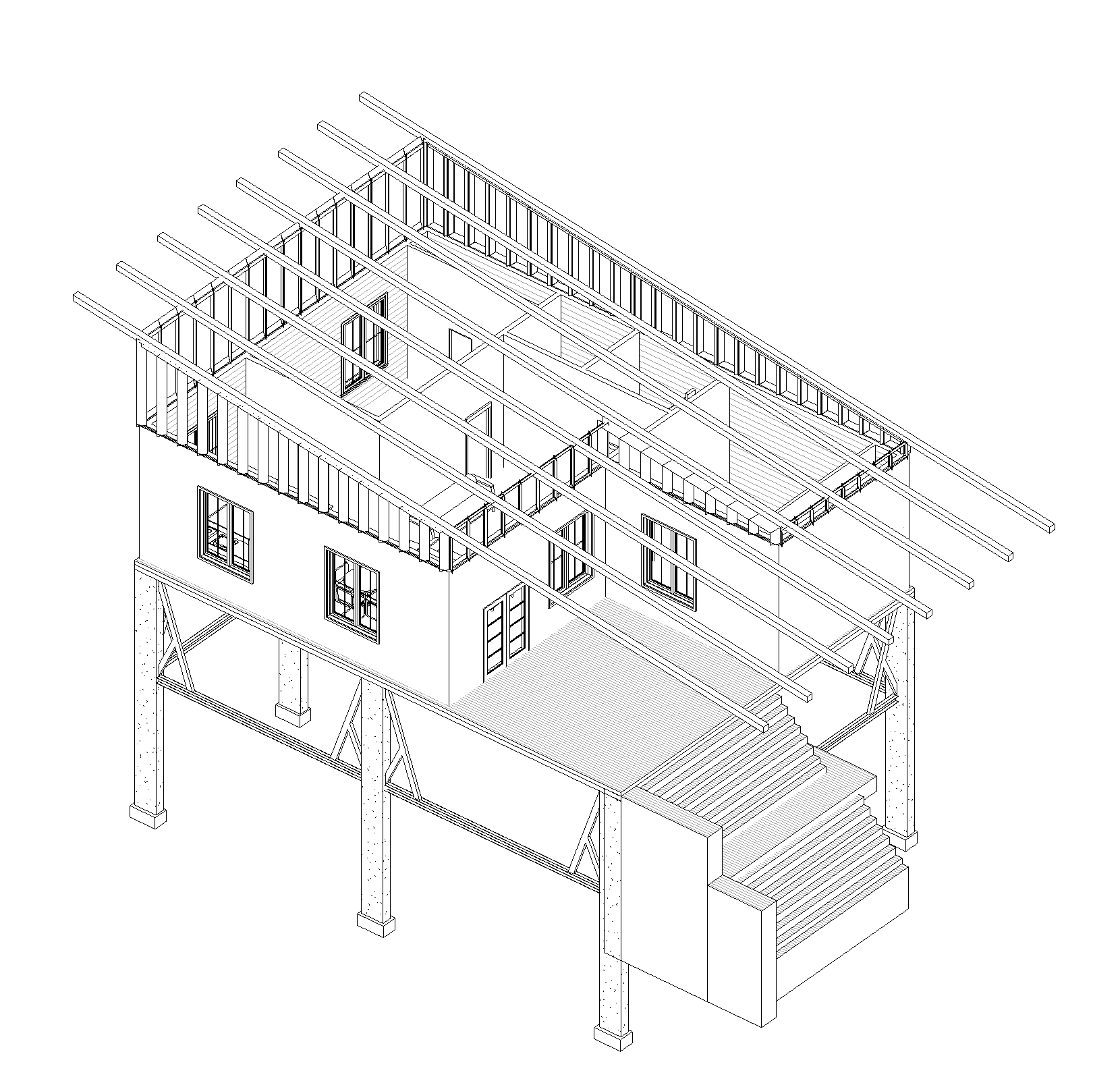
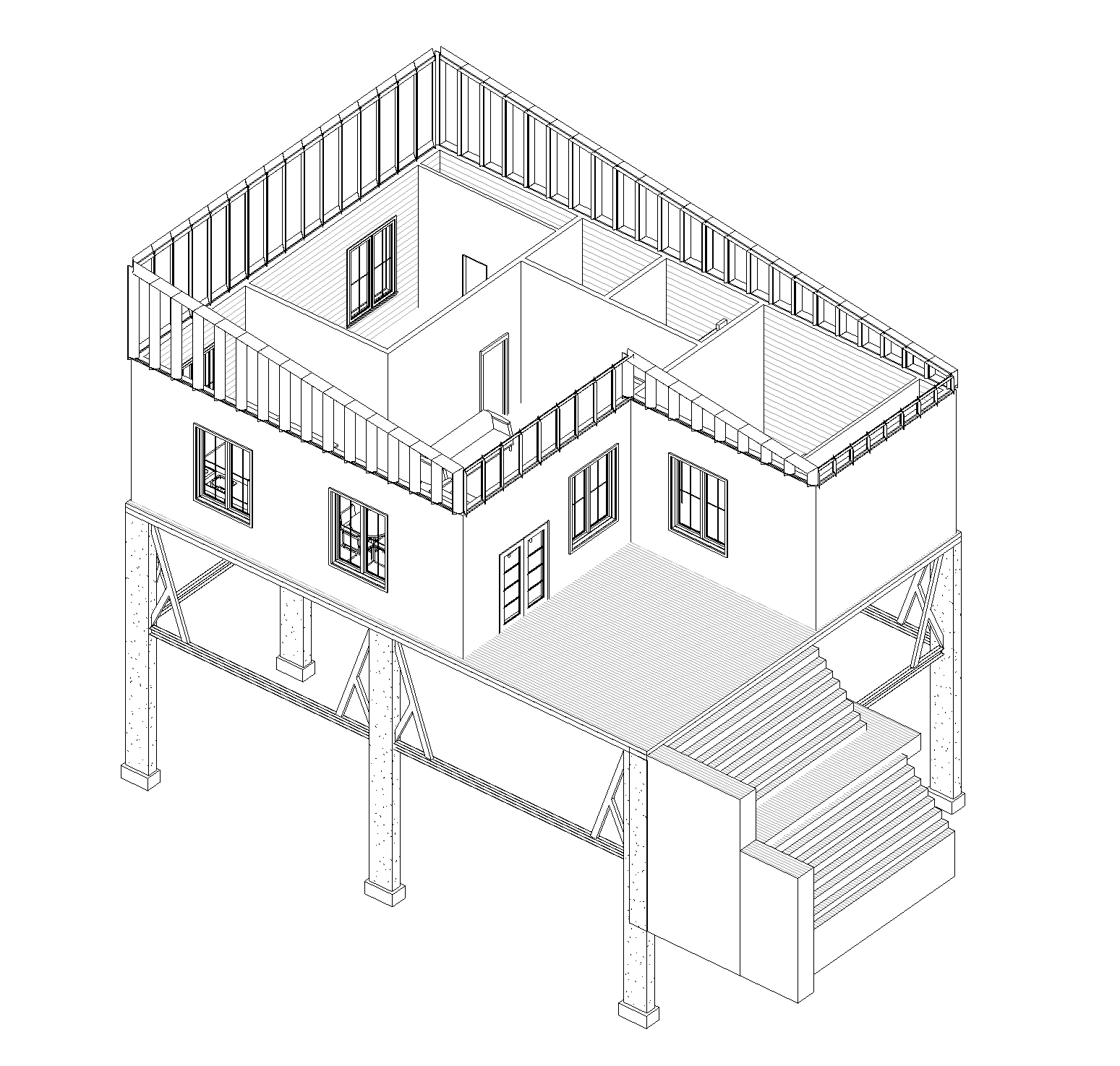
Next was the roof made structurally secure and using natural ventilation with local wood.
Single Unit Design
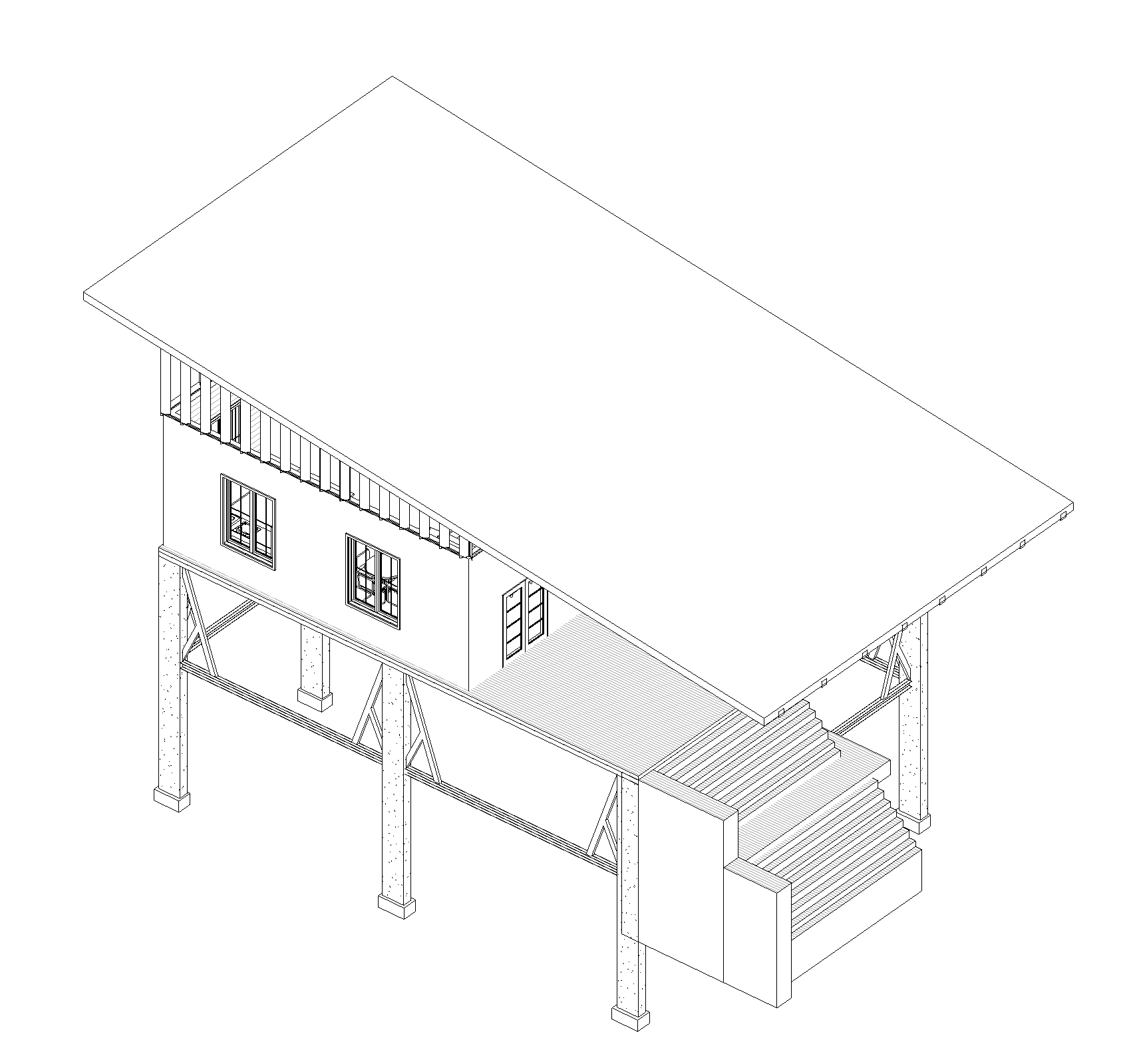
The final roof from fiber straw acts a barrier from heavy rains.
Material Studies
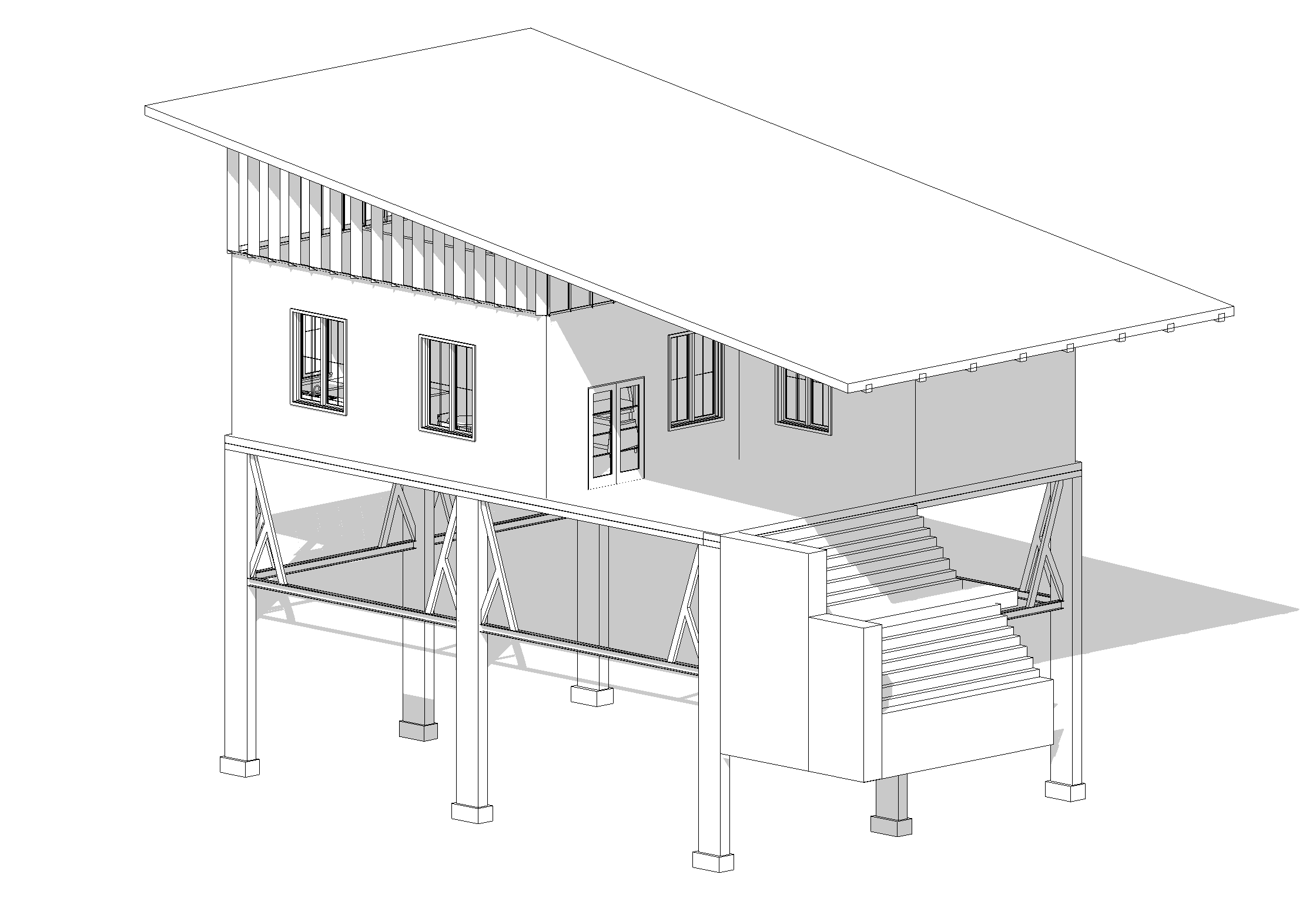
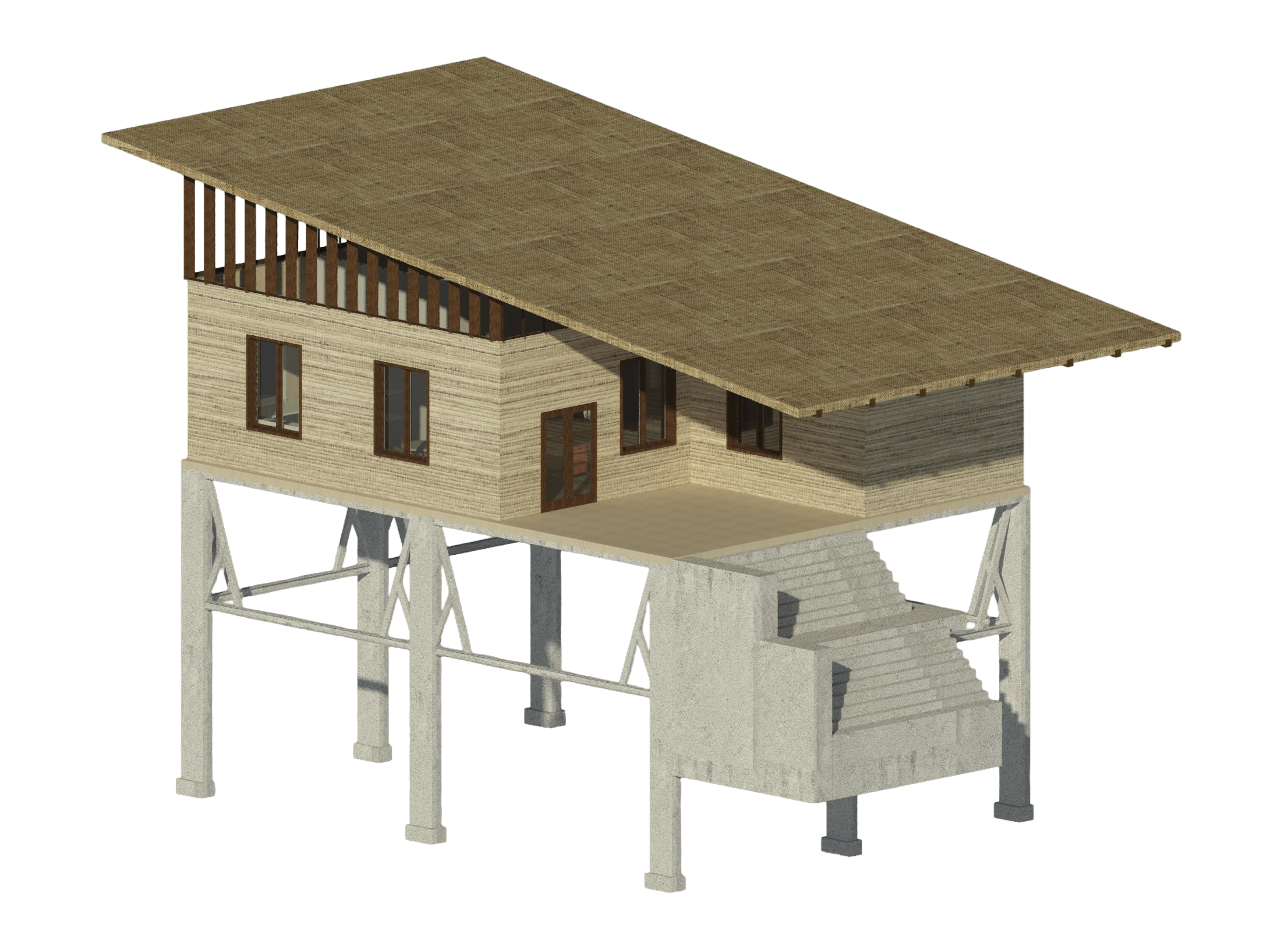
Adding in the materials, I focused on my research of biogenic materials, using straw fiber, wood, and locally made cement.
Designing a Single Family Housing
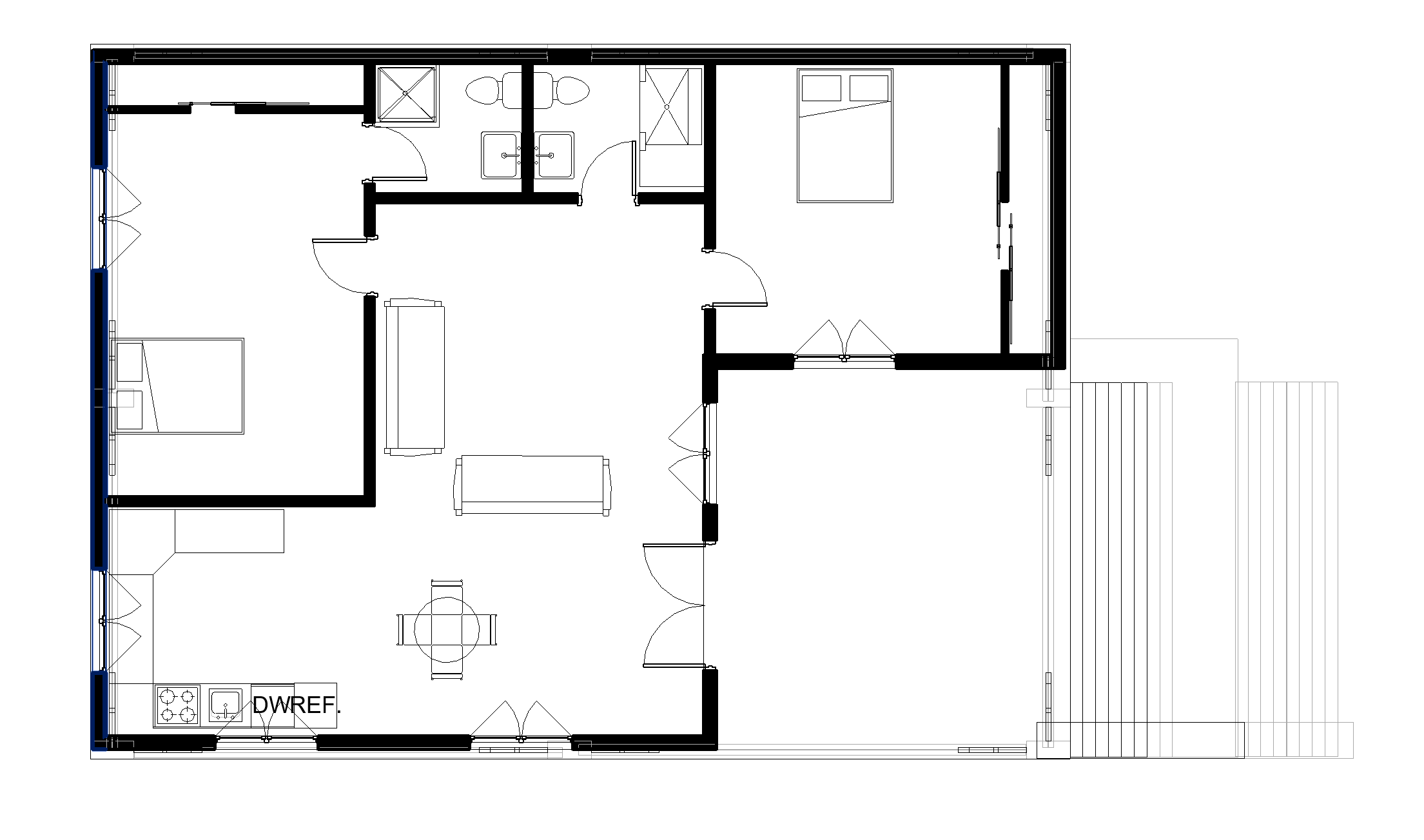
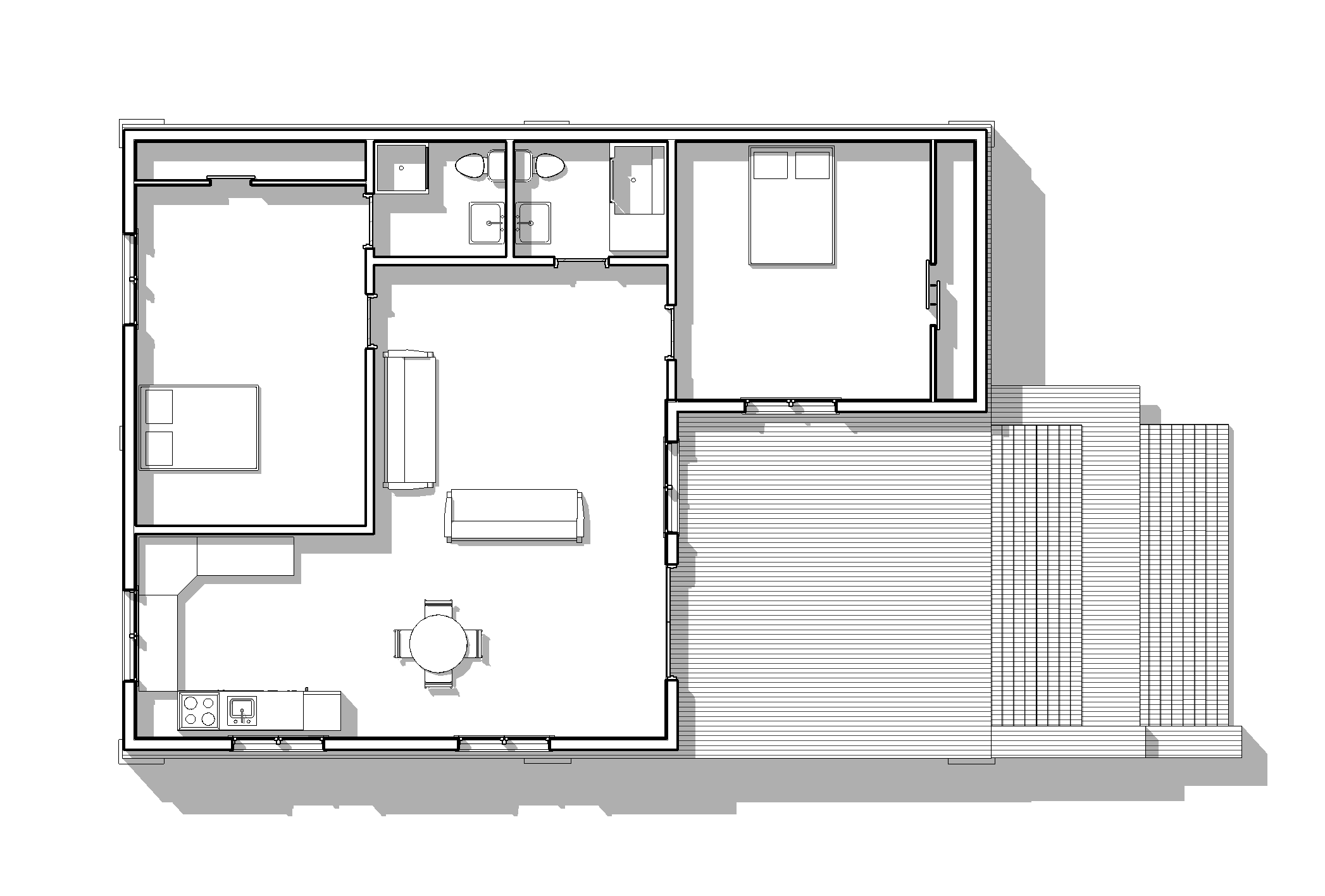
The standard layout of the design focused on a family housing structure with two bedrooms and a standard, kitchen, dining and living area, the
Housing Layout in Context of the Site
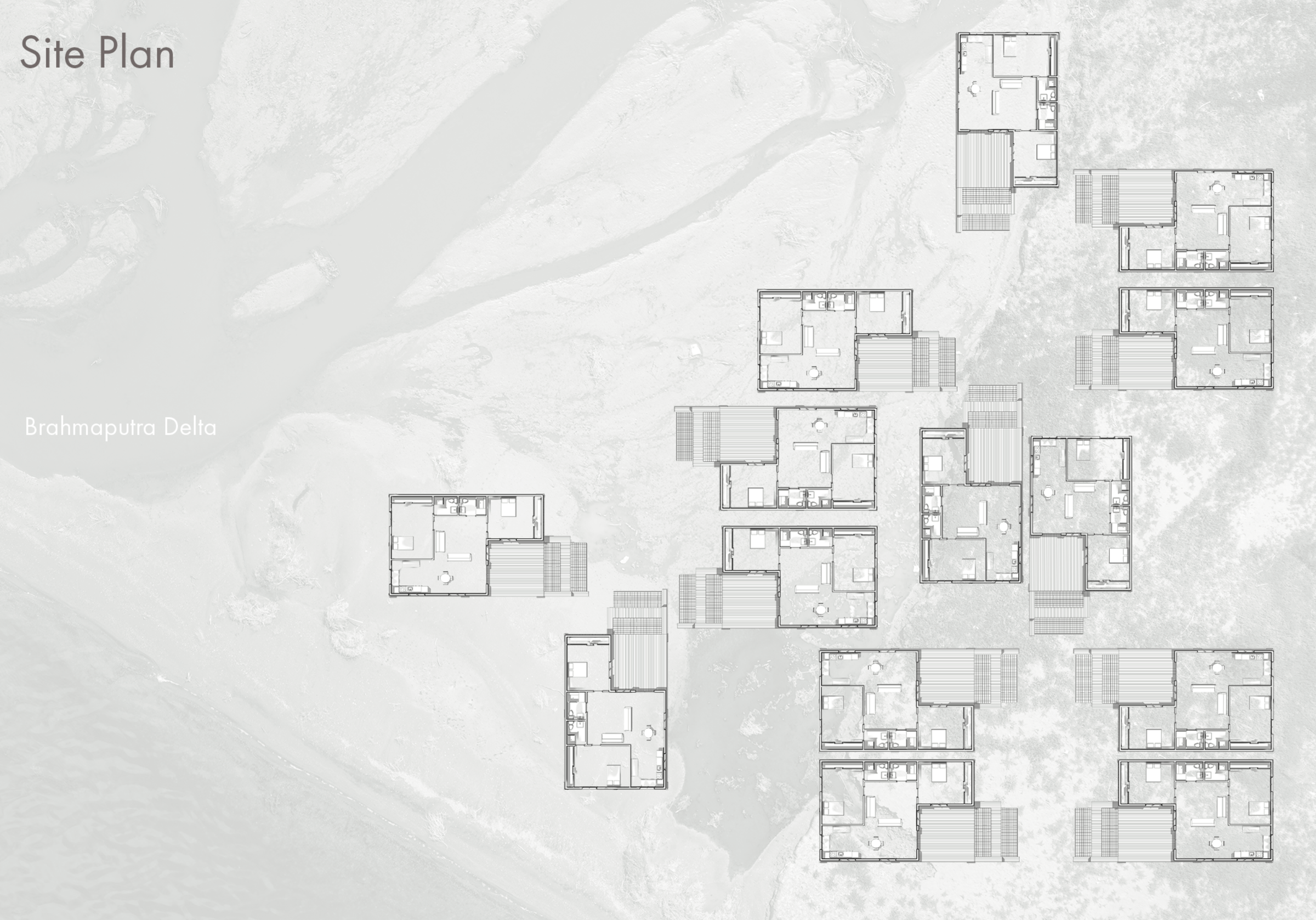
The homes, secure from flooding could be laid out in units creating a community hub in the center where face, grouped in clusters.
Finals Thoughts
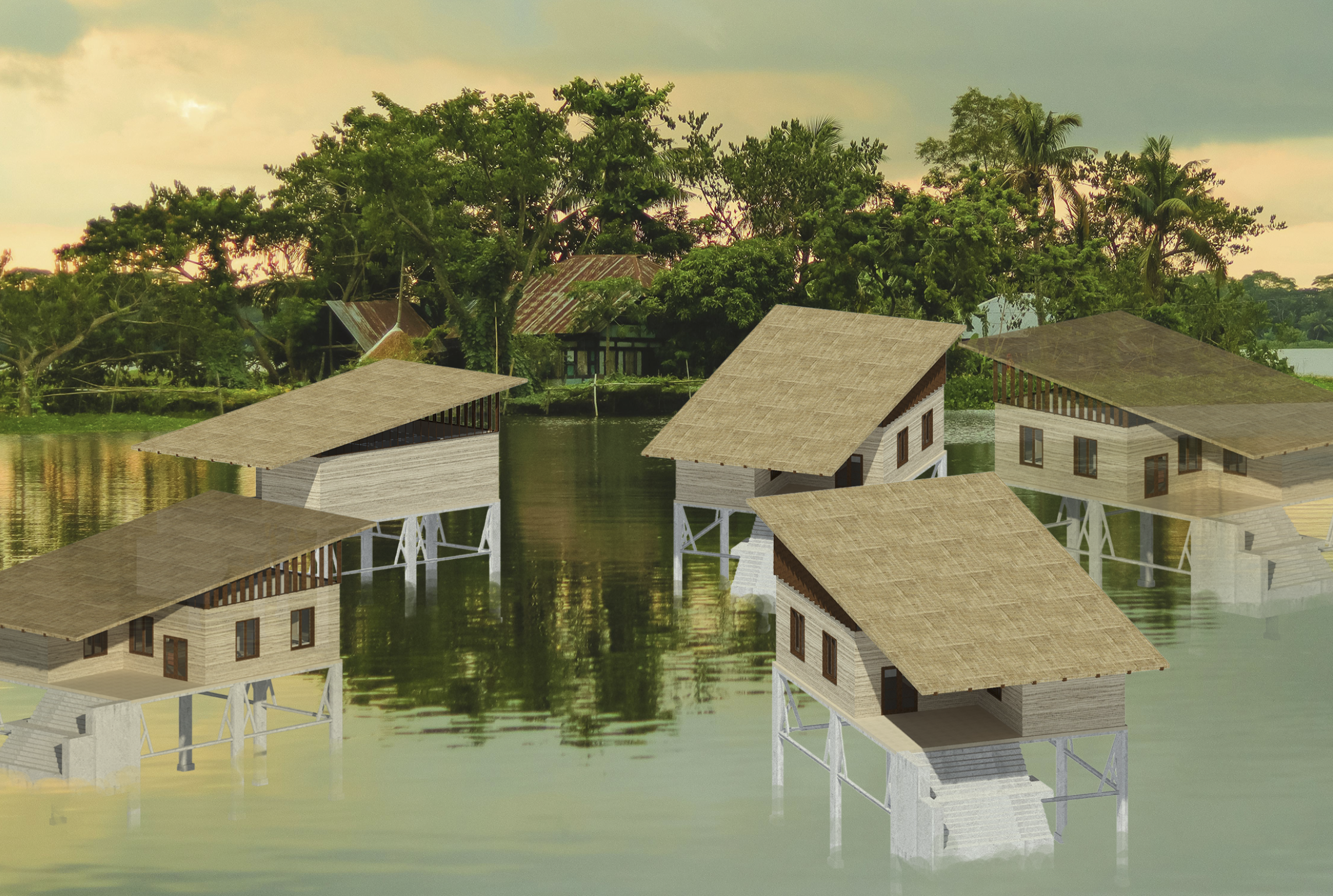
Architecture for healing is about thinking of the most vulnerable communities, and how climate responsive design can uplift people, give them shelter and home. This project highlights how a simple housing structure can help with one the most pressing issues of global warming and rising sea levels.