BioSense: a Compact Open-Source MmWave Radar Visualization Device
by georigin0101 in Circuits > Electronics
77 Views, 1 Favorites, 0 Comments
BioSense: a Compact Open-Source MmWave Radar Visualization Device
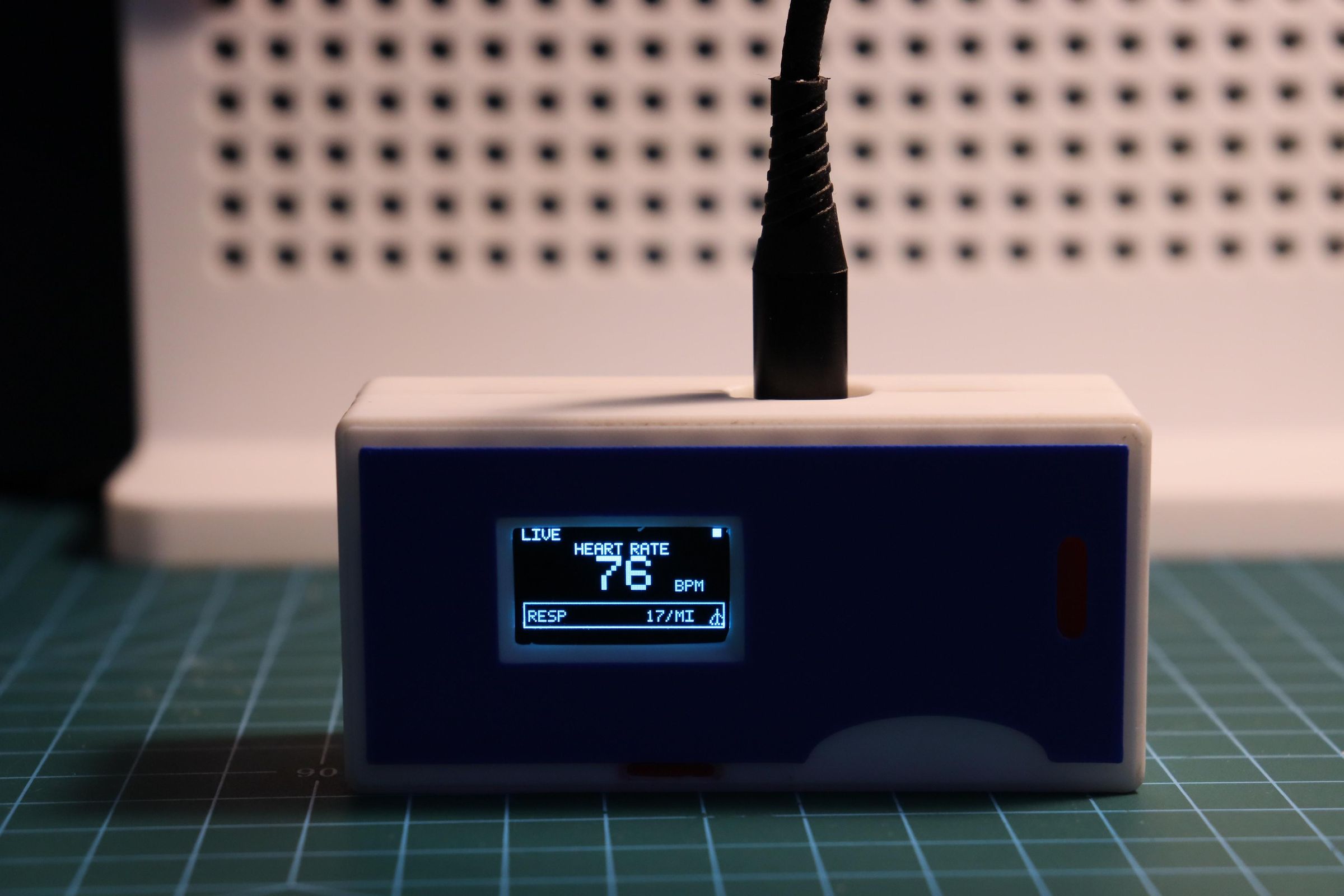
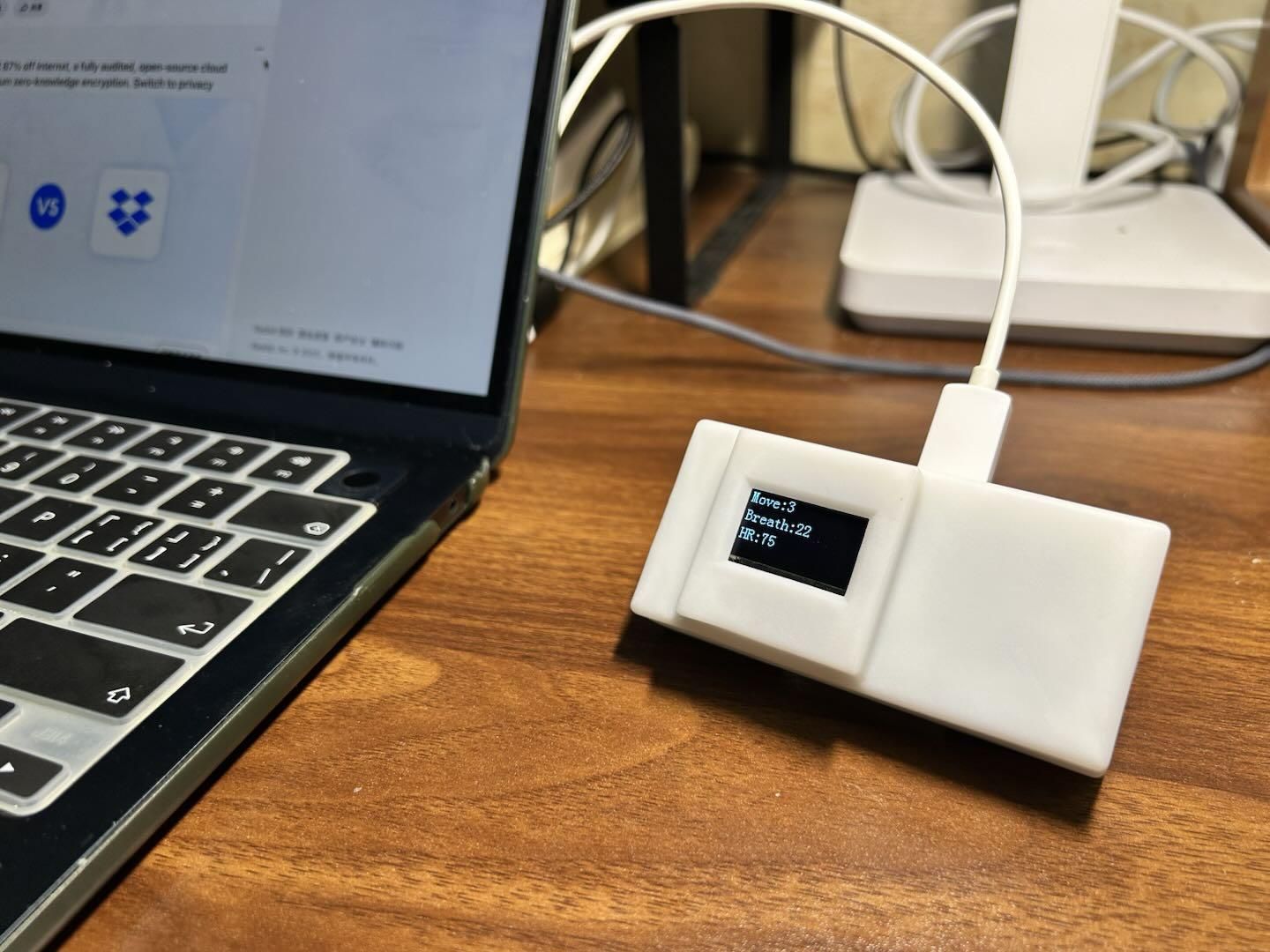
BioSense is an open-source DIY learning platform designed to visualize and explore mmWave radar data.
Supplies
Materials used:
- mmWave radar module
- Custom PCB
- Microcontroller
- Display module
- USB power cable
- 3D-printed enclosure
- Screws and basic electronic components
How BioSense Works
BioSense uses a mmWave radar sensor to detect tiny movements produced by the human body. The radar data is transmitted to the microcontroller, processed in real time, and displayed on the screen as visual data.
Unlike a camera, mmWave radar does not capture images of the user. It can sense movement and very small body motions without requiring physical contact.
The basic signal flow is:
Body movement → mmWave radar → Microcontroller → Data processing → Screen visualization
BioSense is designed as an educational and experimental platform. It allows students, engineers, and makers to observe radar data and modify the open-source code for their own projects.
BioSense is not a medical device and is not intended for diagnosis, treatment, emergency use, or clinical monitoring.
You can use it to build a heart rate display desk setup, or use it as your embedded learning platform.
What Is It Made Of?
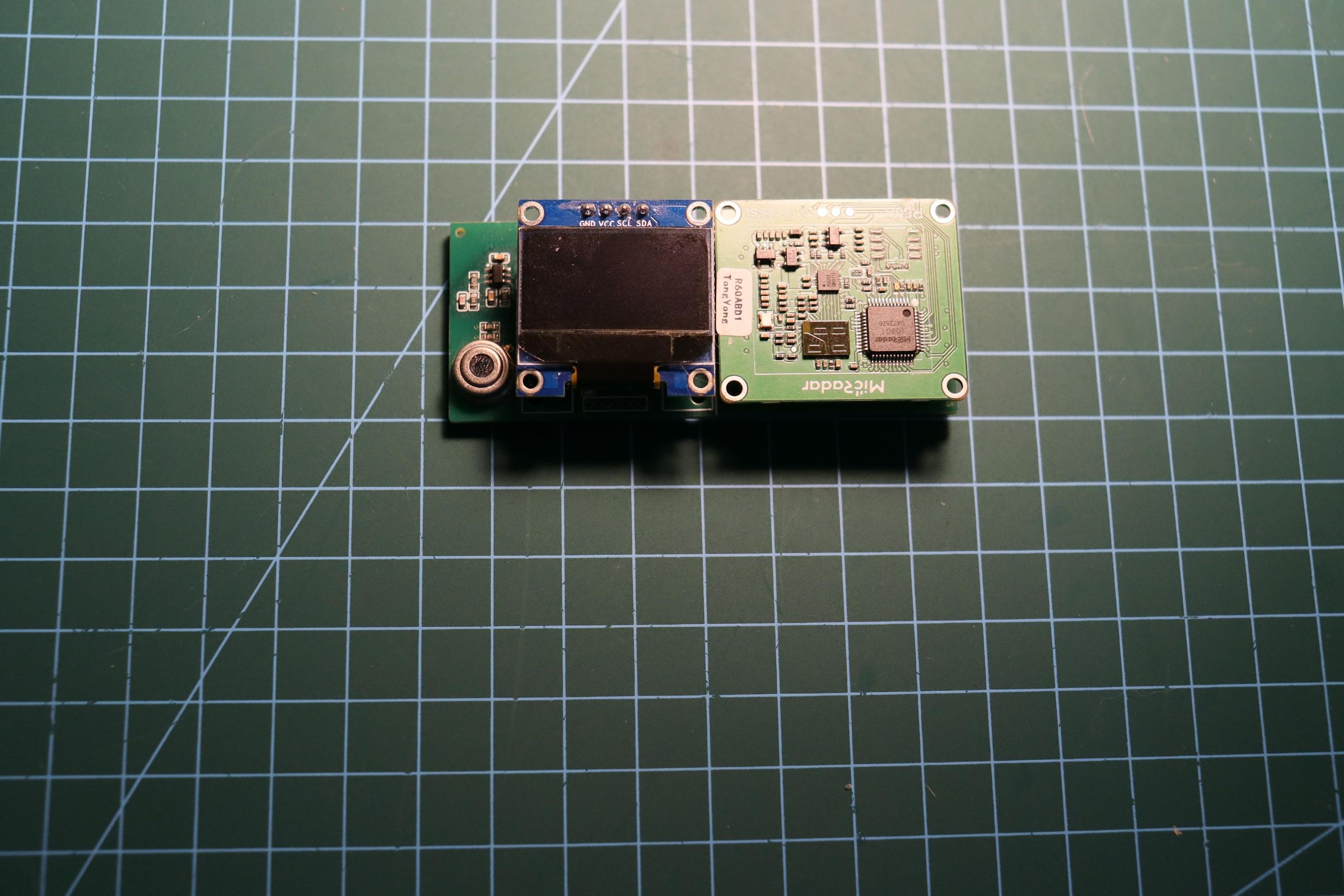
Apart from the PCB I provided, it mainly consists of a millimeter-wave radar and a 0.96-inch OLED display. These two main components are pluggable into the circuit board, rather than being soldered. The datasheet of the millimeter-wave radar has been attached. This millimeter-wave radar can roughly measure heart rate and respiratory rate.
The display is used to show the heart rate and respiratory rate parsed by the main controller. Of course, you can design your own display UI. Here, my UI design is primarily number-based. If you're interested, you could actually design it as a heart rate waveform instead.
Downloads
Regarding the Baseboard Circuit Design
What I'm sharing here is only the schematic. I'll provide the GitHub link for this project at the end of the article, where you can find the PCB files and directly order the printed circuit boards—very convenient. You can also use the schematic as a reference or modify and upgrade it according to your own needs.
It should be noted that I've included a WiFi module and a temperature sensor on both the schematic and PCB, but I didn't solder these two components in the actual build. Because I believe BioSense should mainly focus on being a desk setup piece with visualized heart rate monitoring; temperature measurement and networking functions are secondary. If you're interested, you can add these two features—the PCB already has the interfaces for these two components reserved.
Downloads
Regarding the 3D Printed Enclosure
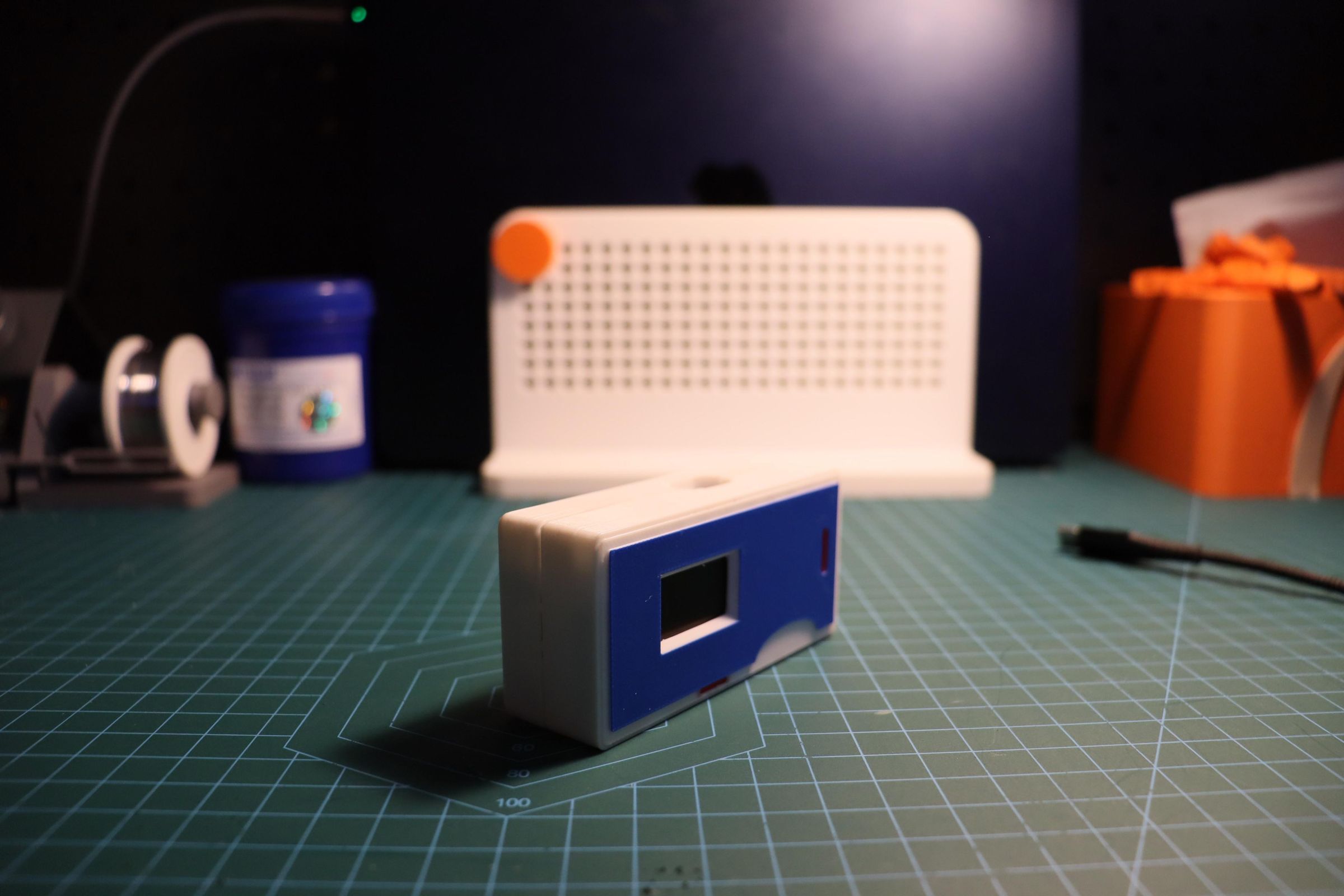
The enclosure is 3D printed. I have already designed the snap-fit structure, the front and back covers, and a small stand. If you know a bit of modeling, you can build your own custom enclosure design on top of my structure — the most difficult part, the snap-fit mechanism, is already taken care of for you. Likewise, the 3D files are available in the GitHub link.
Complete Project Repository and Latest Updates
Here is the GitHub link for my project, which I update from time to time:
https://github.com/BioSeries/BioZero
I have also recently launched BioSense on Indiegogo for crowdfunding. I would be immensely grateful if you choose to support this campaign, and I will mail you a complete BioSense unit around the end of the year. Here is the Indiegogo link:
https://www.indiegogo.com/en/projects/georigin/biosense?ref=search