Bronze Bridges: the Ancient History Diorama of the "Cradle of Civilization" That Started It All
175 Views, 0 Favorites, 0 Comments
Bronze Bridges: the Ancient History Diorama of the "Cradle of Civilization" That Started It All
.jpg)

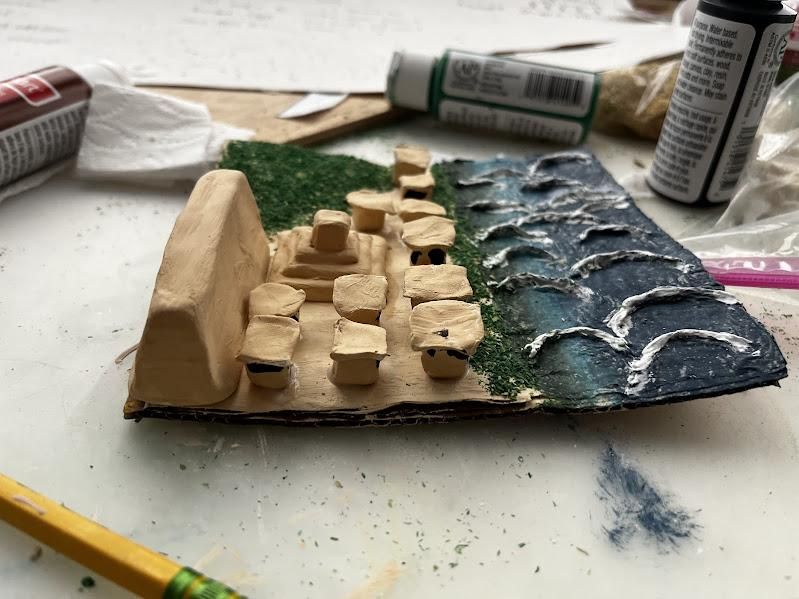


I first realized that I had a lot of leftover art materials that I didn't know what to do with them. If this sounds like you, you're not alone. Many people have leftover things that they don't know what to do with them, and eventually end up throwing them away. Well, don't throw them away! In this project, I will instruct you how to craft a diorama of the "cradle of civilization" of ancient history, Mesopotamia, made using mostly up-cycled scrap art materials. Even if you are a complete beginner with making dioramas, this project uses simple structures and only a few parts that need high detail, so it shouldn't be very challenging. Without further ado, lets get embark on a journey through ancient history!
Supplies

This project will need various supplies, listed down below.
- Clay
- Cardboard
- Glue
- Paints
- Pencil
- Paper
- Toilet paper/Napkins/Paper towels
Research, Research, Research
For those who don't know, Mesopotamia was one of the most important ancient civilizations of the ancient times. That is why I chose to make a diorama out of them. To make sure that we don't leave out any important factors of daily life in either of the civilizations, we must research about them. To start, research about any important monuments or buildings from each civilization (Like the pyramids for ancient Egypt). Next, research what the houses and other buildings might look like, as they are important in this diorama.
Creating the Rough Draft

The rough draft is arguably one of the most important parts of any type of project. For this specific project, however, the rough draft should include:
- The monuments that you will include in each civilization.
- The structures that you will include.
- What will be included on the ground. (Farms, fields, etc.)
- What types of people you will have in the diorama. (Farmers, merchants, etc.)
- Any rivers/hills
(Keep in mind that each civilization should have different and unique things to it than the other civilizations)
If you have included all of these factors you are ready to move on to the next step, Ancient Mesopotamia Part One: Starting the Base.
Ancient Mesopotamia Part One: Starting the Base


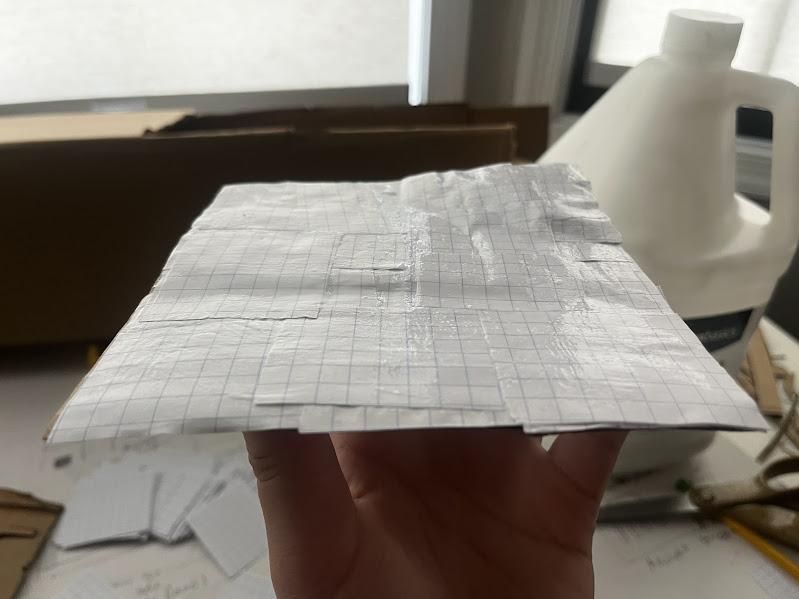
Without the base, the diorama would have no structure and nowhere to be placed on. The base is very important for each diorama and should be different depending on what you are making. To create the base, start by cutting out a six-inch-by-six-inch square of cardboard. Then, create hills by adding more small layers of cardboard on top of each other. Be sure to leave around two inches of space on the cardboard square for a small river, specifically the Euphrates river in Ancient Mesopotamia. Once you have created the hills and everything else needed for the landscape/terrain, cover the base in cut-up paper along with a thin layer of glue to make it more smooth and natural. In alternative to covering it with paper and glue, you have the choice of instead covering it in clay to make the terrain stronger and sturdier if you want too, and another option you have is covering it in tape (which I don't recommend if you are a beginner). After you have finished all of these steps, you are ready to move on to the next step, painting the base.
Ancient Mesopotamia Part Two: Painting the Base

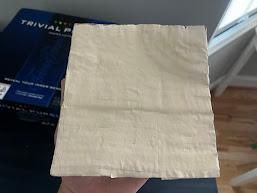
To add more value, color, and realism to the base, we need to paint it. To start, paint the base in a white primer to make the other colors "pop" more once they are one. After letting the white paint dry, continue by adding a mixture of golden brown and brown atop of the white. Because the weather and climate in ancient Mesopotamia was hot and dry, so was the ground, and that is why for the third layer of paint, use a mix of dark yellow, a lot of white, and a bit of brown to create beige and simulate the hot, dry ground of ancient Mesopotamia. When you have completed these instructions, we can then move on to the next step, creating the Euphrates river.
Ancient Mesopotamia Part Three: Creating the Euphrates River


Most city-states in Mesopotamia were created around either the Euphrates or Tigris river. That is specifically why in this step, we are creating the Euphrates river. To start, grab some glue and mix it with water to make a watered-down glue (I recommend using 50% glue 50% water). Next, grab some toilet paper and cut it to the length and width for the space you left for the river on the base. After that, lay down three layers of toilet paper and separate them each with a layer of the watery glue substance to make them stick to each other and the base. To make the ripples in the water, use an object (a brush for example) to push the toilet paper forward to simulate the ripples in the water. Once we have created the waves in the toilet paper, we can then let it dry for a few hours. After that, we have to color the waves. To color the waves, first start with the most shallow water, and to make that color, mix a bit of green and a small bit of brown to make a darker green. Next, to make the next deep part of the water, use blue, a little white, and a small portion of green mixed together to make that color. Last, for the deepest part of the water, use blue, black, and a small bit of brown. After painting, we can then blur the edges of the different layers of paint. To do that, first wet a brush and squeeze out most of the water, but leave a little bit to keep the brush damp. Then, use the brush and press it along the edges of the different layers of paint. For the last step of painting, use some white paint to highlight the ripples in the water by painting the tops of the waves. Once you have finished painting, let the paint dry for a few hours. The last step to creating the river is to cover the river in a thin layer of white glue to give it a more natural look. Once you have finished these steps, we can move on to the last part of the base, adding static grass.
Ancient Mesopotamia Part Four: Adding Static Grass
The base is almost finished, but the land is looking bare with nothing on it. To fix that, we can add some static grass to simulate the vegetation that ancient Mesopotamia would have. To start, grab some fake grass or flocking material you would like to use (That you have either bought or made your own) and also get some glue. Next, apply some glue in places that you think needs some grass, like the banks by the river. Lastly, sprinkle on some of your static grass onto the glue, making the base much better and less bare and plain than before. When this step has been completed, we have officially completed the base and can now move on to constructing the city walls.
Ancient Mesopotamia Part Five: Constructing the City Walls


The city-states of ancient Mesopotamia were known for their massive walls to protect the people from invaders. Because of that, in this step, we will create the walls for our model of Mesopotamia. To start, grab some clay and start molding it out into a rectangle. Next, pinch the upper part of the wall to make it thinner than the base and also taller until you get something like the shape of the image above, and then wait for the clay to dry. After that, mix a lot of white, brown, and some dark yellow to create a sandstone colored paint. After creating the paint, apply some paint around the wall and leave it to dry. Last, apply some glue on the bottom of the wall and stick it onto the base wherever you think it should go. With that, we can then move on to the next step, creating the Ziggurat.
Ancient Mesopotamia Part Six: Constructing the Ziggurat


Just like walls, the ziggurat of a city-state was very important. A ziggurat was a pyramid-like structure with a temple on top and was used for religious purposes. To start, grab some clay and mold it into a square. Next, mold another square, but make it slightly smaller than the other one, then stick the small one on top of the large one. Repeat this process until you have a pyramid looking structure. Once you have finished, carve a cube of clay to act as a temple, then stick it onto the base of the ziggurat. Once you have finished molding the ziggurat with clay, let it dry for a few hours, and using the same paint that we used for the wall, paint the ziggurat and leave it to dry. Once the paint has dried, you can then glue the ziggurat onto the base. Once you have completed these steps, we can then move on to the next step, creating the first house.
Ancient Mesopotamia Part Seven: Constructing the Houses


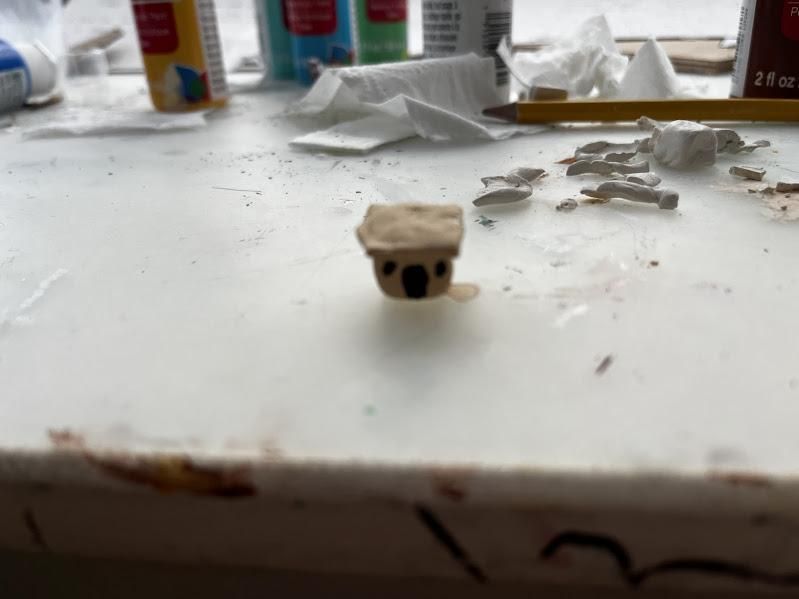
Congratulations! You have officially made it to the last step for the Mesopotamia diorama. In this step, we will be creating the houses that will go on the diorama. To start, grab some clay and mold it into a cube, just like the temple for the ziggurat. After that we can then mold a roof for the house. To build the roof, start by molding a thin square like the image above. Since most houses in ancient Mesopotamia had flat roofs, we are also making one. Once, you have molded the roof, you can either stick it right onto the house or you can let it dry then glue it on later, and any one of these options work. Once you have finished that, leave it to dry for a few hours, then, using the same paint that we have used for most structures, paint it over. Lastly, using black paint, paint over the details in the house, like doors and windows, and once you have finished, you have officially made your first house. Remember, if you ever need to build more houses, just repeat these steps.
Wrapping Up
.jpg)
We have learned many things on our journey through the past in building our diorama. For example, we have learned how to create a diorama, and that even scrap art materials can be used to create something beautiful. We can use these ideas in the world in many ways to create new things out of scrap material. I hope you had just as much fun making this as I did. Goodbye! Hope to see you later!