CBT for Insomnia Online: How Insomnia Therapy and Sleep Therapy Can Help
by insomniatherapy in Workshop > Energy
38 Views, 0 Favorites, 0 Comments
CBT for Insomnia Online: How Insomnia Therapy and Sleep Therapy Can Help
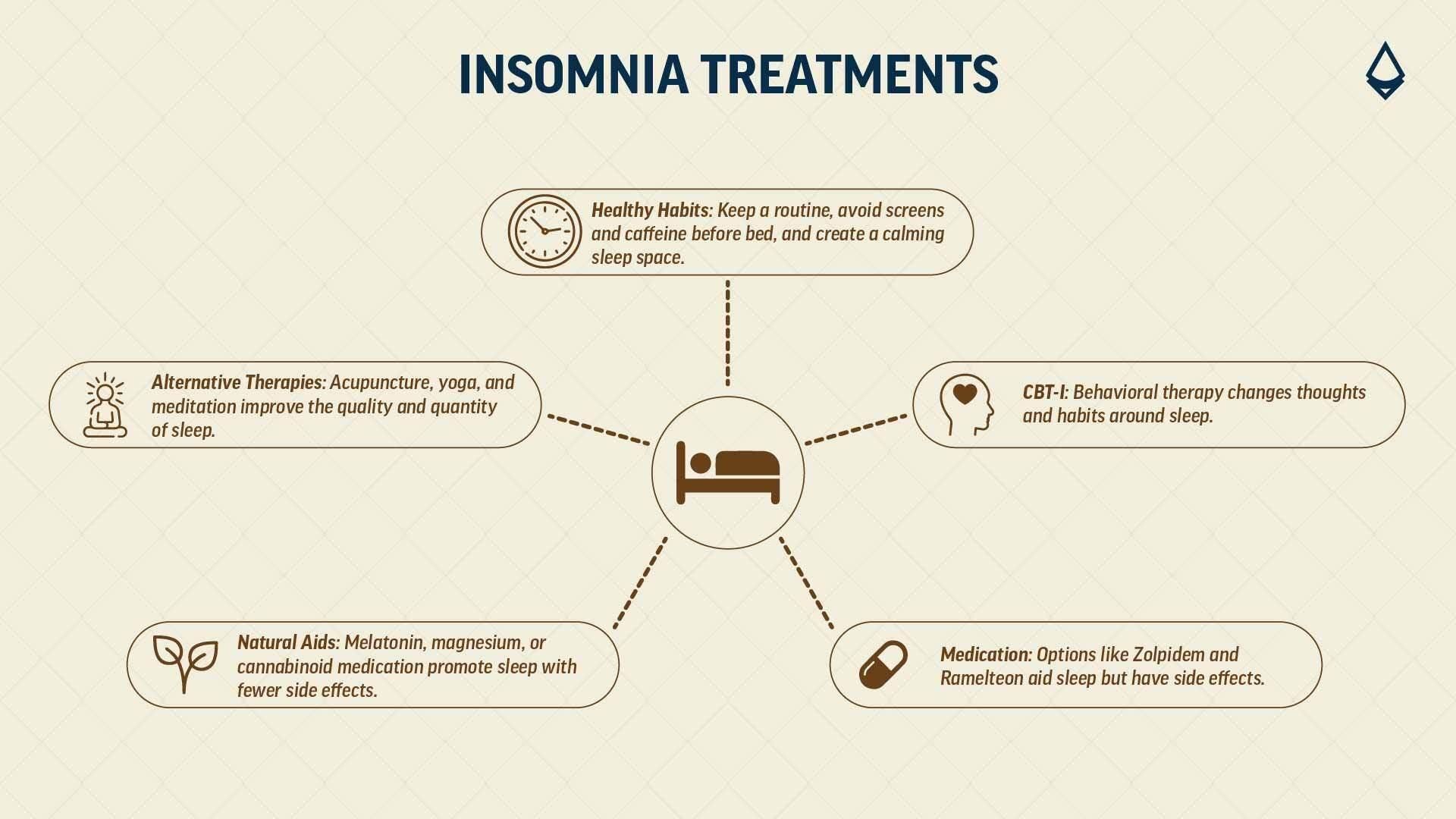
Sleep problems can affect many areas of everyday life, including concentration, mood, energy, productivity, and overall wellbeing. When difficulty sleeping continues over time, it can become frustrating and difficult to manage without professional support.
CBT for insomnia online is an increasingly accessible way to receive structured psychological support for persistent sleep difficulties. Online sessions can allow people to work with a qualified professional from a private and convenient location.
Insomnia therapy can help individuals understand patterns that may contribute to ongoing sleep problems and develop practical strategies for improving their sleep habits. More broadly, sleep therapy can provide support for people experiencing difficulties with their sleep routine, thoughts about sleep, or behaviours that may interfere with healthy rest.
This guide explains how CBT for insomnia works, what online treatment may involve, and what to consider when looking for professional sleep support.
Supplies
What Is Insomnia Therapy?
Insomnia therapy refers to professional support aimed at helping people understand and manage persistent difficulties with sleep.
Insomnia can involve different experiences. Some people have difficulty falling asleep, while others wake frequently during the night or wake earlier than intended.
What Is CBT for Insomnia?
Cognitive Behavioural Therapy for Insomnia, commonly known as CBT-I, is a structured approach designed specifically for persistent insomnia.
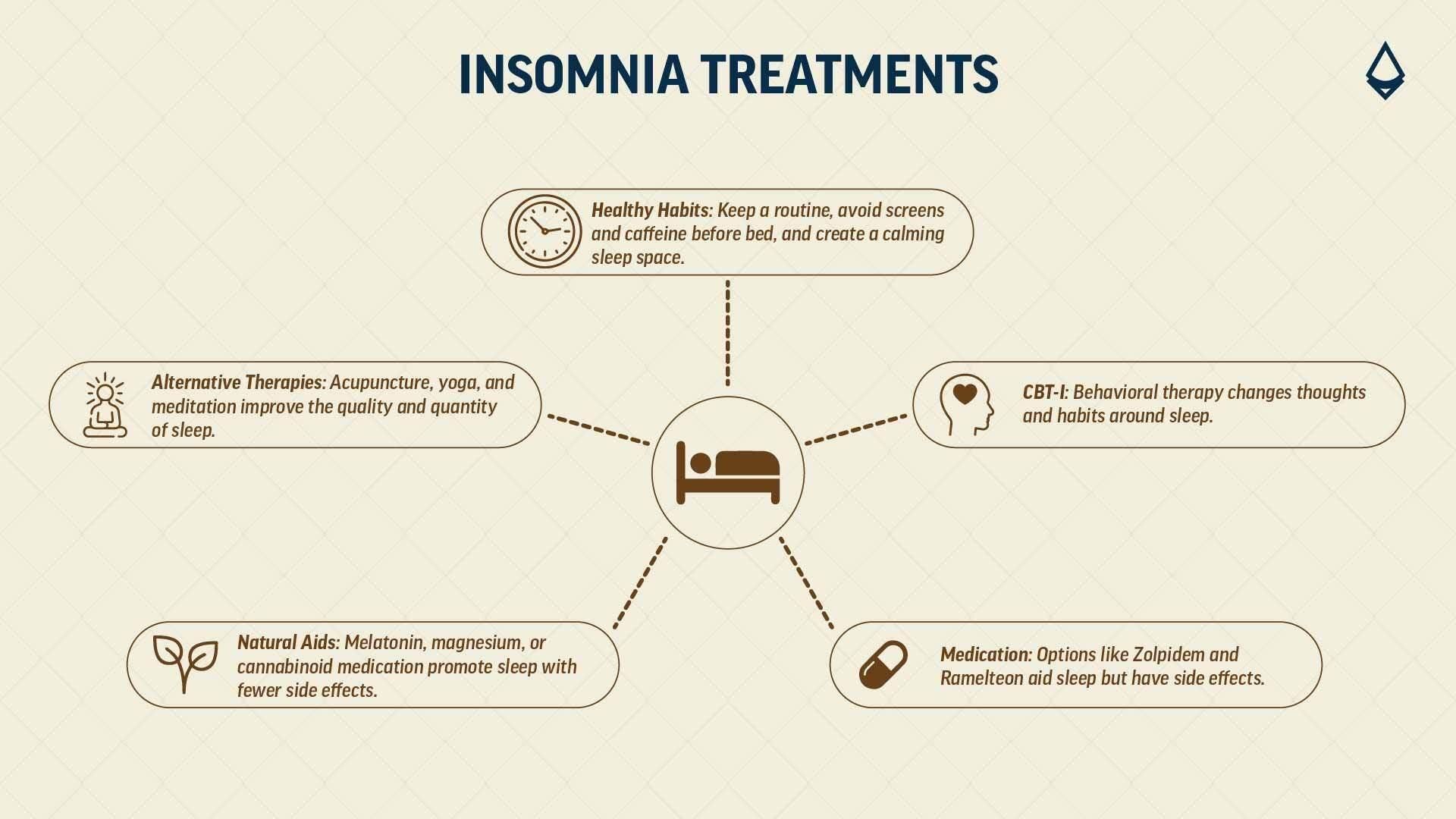
Rather than focusing only on sleep medication, CBT-I addresses thoughts, behaviours, routines, and habits that can contribute to sleep difficulties.
A person's response to poor sleep can sometimes create a cycle. For example, worrying about not sleeping may increase tension at bedtime. Spending long periods awake in bed may then reinforce frustration and anxiety around sleep.
CBT-I aims to identify these patterns and introduce strategies that can help break the cycle.
How Does CBT for Insomnia Online Work?
CBT for insomnia online typically involves sessions conducted through a secure video platform. The exact structure depends on the therapist and treatment programme.
An initial appointment may involve discussing your sleep history, current routine, lifestyle factors, and the difficulties you are experiencing.
The therapist may also ask about:
- Bedtime routines
- Sleep and wake times
- Night-time awakenings
- Daytime tiredness
- Thoughts about sleep
- Evening activities
- Environmental factors
- Previous attempts to improve sleep
This information can help establish a clearer understanding of your sleep difficulties.
What Is Insomnia Therapy?
Insomnia therapy refers to professional support aimed at helping people understand and manage persistent difficulties with sleep.
Insomnia can involve different experiences. Some people have difficulty falling asleep, while others wake frequently during the night or wake earlier than intended.
Therapy may explore the factors that contribute to these difficulties and provide practical strategies for changing patterns that may maintain poor sleep.
Importantly, treatment should be based on an individual's circumstances rather than assuming that every person's sleep problem has the same cause.
What Is Sleep Therapy?
Sleep therapy is a broader term that can describe psychological or behavioural support for sleep-related difficulties.
Depending on the professional and treatment approach, sleep therapy may address:
- Difficulty falling asleep
- Frequent night-time waking
- Early morning waking
- Irregular sleep routines
- Anxiety about sleep
- Unhelpful bedtime habits
- Worry related to poor sleep
- Daytime consequences of sleep difficulties
CBT-I is one specific evidence-based approach used for chronic insomnia.
Common Components of CBT-I
CBT-I can include several components designed to address different aspects of insomnia.
Sleep Education
Understanding sleep can help people develop realistic expectations. For example, occasional changes in sleep are normal, and worrying excessively about every poor night's sleep may increase stress.
Education can provide a foundation for making practical changes.
Sleep Scheduling
A therapist may work with you to establish a consistent sleep and wake schedule.
The aim is to develop a routine that supports a more stable sleep pattern.
Stimulus Control
Stimulus control techniques are designed to strengthen the association between the bed and sleep.
This may involve reviewing what you do when you are unable to sleep and making changes to reduce prolonged wakefulness in bed.
Cognitive Strategies
Thoughts about sleep can sometimes increase anxiety and frustration.
CBT-I may help identify unhelpful beliefs about sleep and develop more balanced ways of thinking.
Behavioural Changes
Daily routines and evening behaviours can influence sleep. Treatment may explore factors such as activity, caffeine, screen use, timing of meals, and other habits that may affect sleep.
The appropriate changes depend on the individual.
Benefits of CBT for Insomnia Online
Online treatment can offer several practical advantages.
Convenient Access
You can attend sessions without travelling to a clinic. This can make treatment easier to fit around work, education, family responsibilities, or other commitments.
Flexible Scheduling
Online appointments may provide greater flexibility, depending on the therapist's availability.
Comfortable Environment
Some people prefer discussing personal concerns from a familiar environment. A private space at home can feel more comfortable than travelling to an unfamiliar setting.
Access to Specialist Support
Online therapy can make it possible to work with professionals outside your immediate local area.
Is CBT for Insomnia Suitable for Everyone?
CBT-I can be helpful for many people experiencing persistent insomnia, but treatment should be tailored to the individual.
Sleep difficulties can have different causes. Certain medical conditions, medications, mental health difficulties, shift work, lifestyle factors, and other issues can affect sleep.
For this reason, a professional assessment can be useful before starting treatment. A therapist can consider your circumstances and determine whether their approach is appropriate.
If you have significant or unexplained sleep problems, it may also be appropriate to discuss them with a healthcare professional.
How to Choose an Online Insomnia Therapist
Finding the right professional is an important part of accessing effective support.
Check Qualifications
Look at the therapist's professional qualifications and training. If you specifically want CBT-I, check whether they have appropriate training or experience in treating insomnia using CBT-based approaches.
Ask About Experience
Ask whether the professional regularly works with people experiencing insomnia and other sleep difficulties.
Understand Their Treatment Approach
Different professionals may use different approaches. Ask what treatment normally involves and how sessions are structured.
Check Online Arrangements
Before starting, clarify how sessions are delivered, how long appointments last, how frequently sessions are recommended, and what happens if you need to cancel an appointment.
Consider Confidentiality
Online therapy should take place through an appropriate secure platform and in a private environment. Discuss confidentiality arrangements with your therapist before beginning treatment.
Questions to Ask About Insomnia Therapy
Before booking an appointment, you may want to ask:
- What training do you have in insomnia treatment?
- Do you provide CBT-I or another form of sleep therapy?
- How does your online treatment programme work?
- How frequently are sessions normally scheduled?
- How long does treatment usually last?
- What happens during the first appointment?
- Will I have practical exercises or strategies to practise between sessions?
- How will progress be monitored?
These questions can help you understand whether the service is appropriate for your needs.
Developing Better Sleep Habits
Professional treatment can be supported by healthy sleep habits. Simple routines can help create a more consistent environment for sleep.
For example, you may find it useful to maintain regular sleep and wake times, create a relaxing bedtime routine, and make your bedroom comfortable and suitable for sleep.
However, persistent insomnia is not always solved by general sleep-hygiene advice alone. When sleep difficulties continue, structured treatment such as CBT-I may provide a more comprehensive approach.
When to Seek Professional Help
Occasional poor sleep is common. However, persistent insomnia can affect daily functioning and quality of life.
Consider speaking with a healthcare or mental health professional if sleep problems continue, regularly affect your daytime activities, or cause significant distress.
Professional assessment can help identify possible contributing factors and determine what type of support may be appropriate.
Final Thoughts
Persistent sleep difficulties can affect both nights and days, but professional support can help people understand the patterns surrounding their sleep.
CBT for insomnia online provides a convenient way to access structured CBT-based support without travelling to a clinic. Insomnia therapy can help address thoughts, behaviours, and routines associated with ongoing sleep difficulties, while sleep therapy is a broader term covering different approaches to sleep-related concerns.
When choosing online support, consider the professional's qualifications, experience, treatment approach, and online arrangements. With the right assessment and an appropriate treatment plan, people experiencing persistent insomnia can work toward developing healthier and more sustainable sleep patterns.