Convert a Ride-on Mower Into a Scammell Truck
by rog8811 in Workshop > Metalworking
23757 Views, 50 Favorites, 0 Comments
Convert a Ride-on Mower Into a Scammell Truck



.JPG)
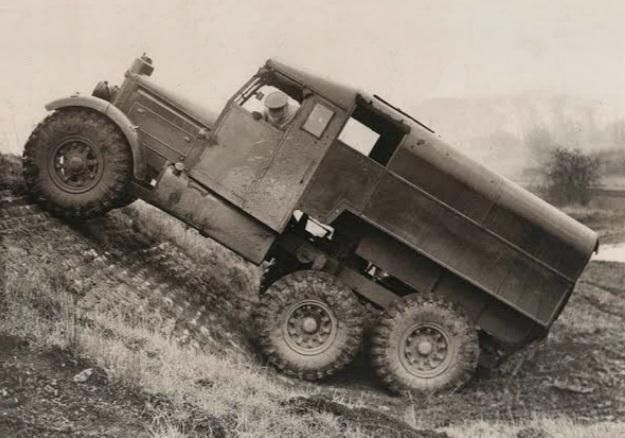
In 1927 The British truck builder Scammell designed and built a 6 X 4 tractor unit for the oil and forestry industries called the pioneer. In 1932 the UK MOD (ministry of defence) realised it could find many uses for it in the armed forces and by the end of the 2nd world war scammell had produced around 3500 pioneers, a mix of heavy recovery, tank transporter motive unit and R100 gun tractors. Production ended in 1945 and the trucks were phased out by the MOD in the years after the war, many found use in civvy street.
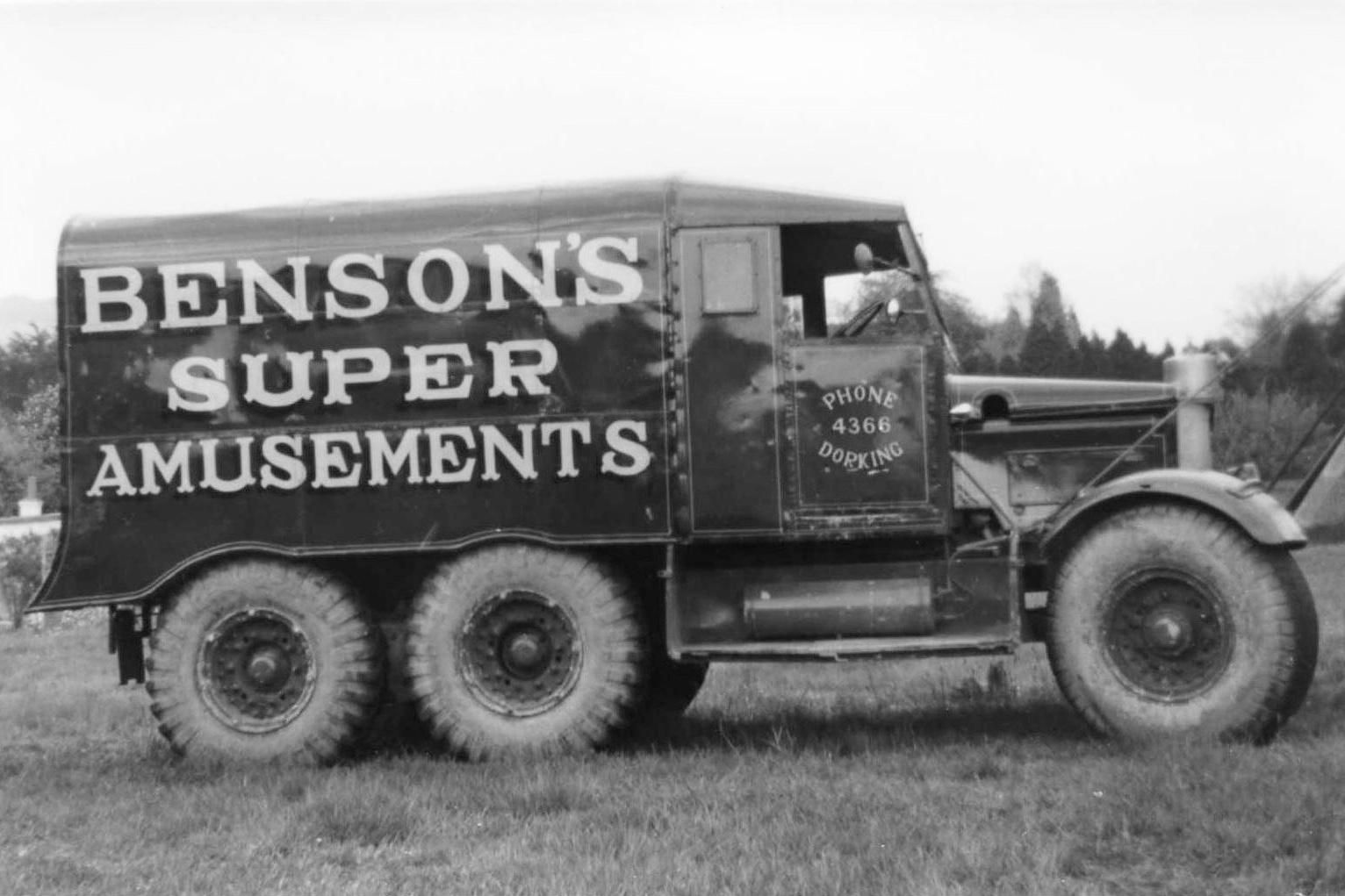
As a kid in the late 1950's I could sit at my school desk and see, out of the window, just beyond the playing field, our local showland family nosing trailors in and out of their yard, they had many fantastic vehicles but the ones that captured my imagination were the Scammell R100 gun tractors (AKA Scammell Pioneer) converted to fairground use.
My love for these vehicles has never waned, I never aspired to own a full sized one but for a number of years I had a thought in the back of my mind that I might make a model of one.
After building my ride-on Jeep a few years ago I started to think that maybe a ride-on Scammell could be fun to build.
Edit: As I have been writing this instructable it has dawned on me how large a project this became, I could never make it a complete "how to" and anyway this is a bit niche and I don't think anyone will be copying what I have built!
What I have concentrated on is the thought process I went through to design/build/problem solve and have split the build into seperate tasks to give a flavour of how I progressed from ride-on mower to nearly completed Scammell.
Supplies
It would be impossible to list the supplies required to make this vehicle, its build involved the use of steel angle and flat bar, sheet aluminium, loads of timber and plywood, much glue of different types, plastics for vacuum forming and construction, loads of paint and myriad screws nuts and other fixings.
Equipment? well the same goes for the build involved: welding, soldering, silver soldering, cutting, drilling, milling, turning, folding, bending, forming, glueing and painting. That is probably only half of it, it needs a lot of equipment!
Getting Parts Together... No Hurry!

.JPG)
It must be 8 years ago I won a set of 6 wheels from ebay for next to nothing, when they arrived they turned out to be brand new, still with the sprues on the tyres, result! These sat on the top rack of shelving in the workshop....waiting for the day....
Around 6 years ago I saw a westwood ride-on with an 11.5 HP briggs engine on ebay that was very local, a few days later it was mine for the princely sum of £20.
At some point my son asked if I was interested in a transaxle he had found, it is an MTD single speed, forward and reverse unit that is much smaller than the existing 4 speed transaxle I realised it would be ideal for my purposes, that was soon secreted behind the workshop.
That was all until..........
Lock Down!
.JPG)
.JPG)
.JPG)
When Covid hit and lockdown began I needed a project to keep me sane.
The ride-on was dragged out from behind the greenhouse and a couple of hours fettling had it running for the first time since I got it.
The Westwood was hauled onto the bench and the most obvious difference between the mower and the Scammell was addressed, mower 4 wheels/ Scammell 6 wheels.
I quickly mocked up the twin axle look and then began to plan the build.
Scale and Design.


I looked online for photographs and drawings of Scammell pioneers, I produced the only drawings I used for the build and set the scale of the project.
How did I set the scale? I measured my wheels and tyres and measured the wheels and tyres on my drawings, a quick bit of maths and I was able to work out my dimensions for the whole build. There is a bit of "out of scale" as the tyres I am using are wider in proportion than on the full size vehicle but I can live with that.
Further Research
.JPG)
.JPG)
.JPG)
.JPG)
Serendipity
In early 2021 my uncle sadly died and I had to sort out his estate, amongst his effects was a camera, I was amazed to find the above photographs on the SD card! I didn't know the photo's existed! I did know the fact that the Scammell had been in store in the next village for 50 or so years and was removed around 5 years ago as the building it was stored in was being demolished.
These photo's would be crucial later in the build when I wanted to get some good detail.
Adding a Second Driven Axle
.JPG)
.JPG)
.JPG)
.JPG)
.JPG)
.JPG)
I cut up the existing back wheels ,leaving me with hub discs to which I welded studs to mount the new wheels, I made up some hubs for the new axle and mounted the axle on stand-offs. Also at this time I added a chain drive on one side to make both axles driven, as these are transaxles they both have differentials so cornering should not be a problem.
It was obvious that the chassis would need to be modified to clear the new wheels. After much cutting and welding ...... and a bit of red paint, the wheels could be fitted.
The Front Axle, the Mock Up.

.JPG)
.JPG)
.JPG)
The existing front axle was removed and the chassis was cut about again in preperation for fitting the new body once it was built.
The axle centre pivot and steering quadrant were retained to be reused the rest was scrapped.
I purchased a pair of trailor wheel hub sets and mocked up the front axle position on the bench, it can be seen that the existing chassis is a little on the short side, some chassis work is needed.
Front Chassis Extensions.

.JPG)

.JPG)
.JPG)
The chassis was extended using steel channel section, the back end was bolted under the existing chassis and tied into the new axle, the front end was tied together with frame horns and a cross tube making a sturdy mount for the front axle assembly.
The Front Axle, Construction Part 1 the Steering

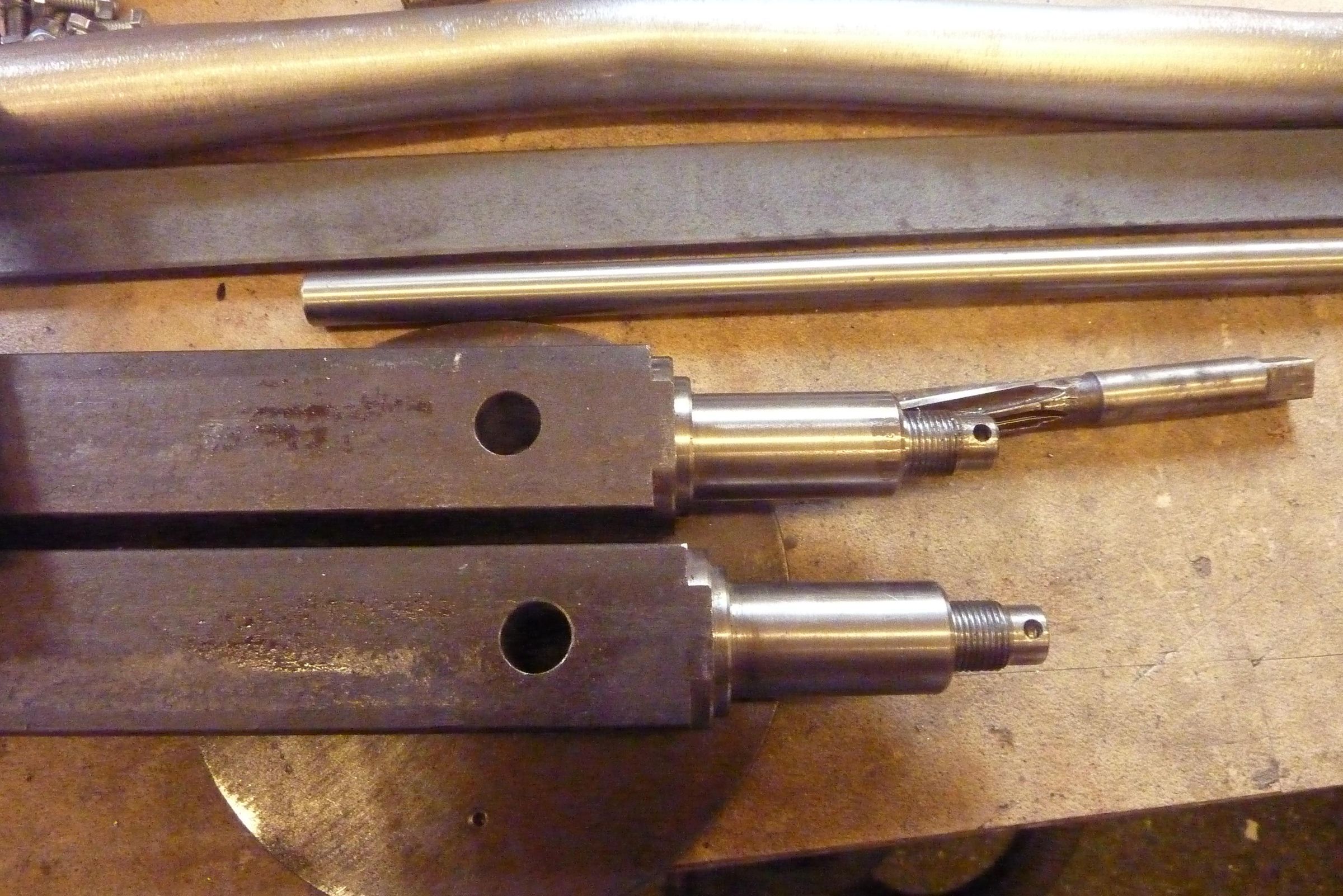
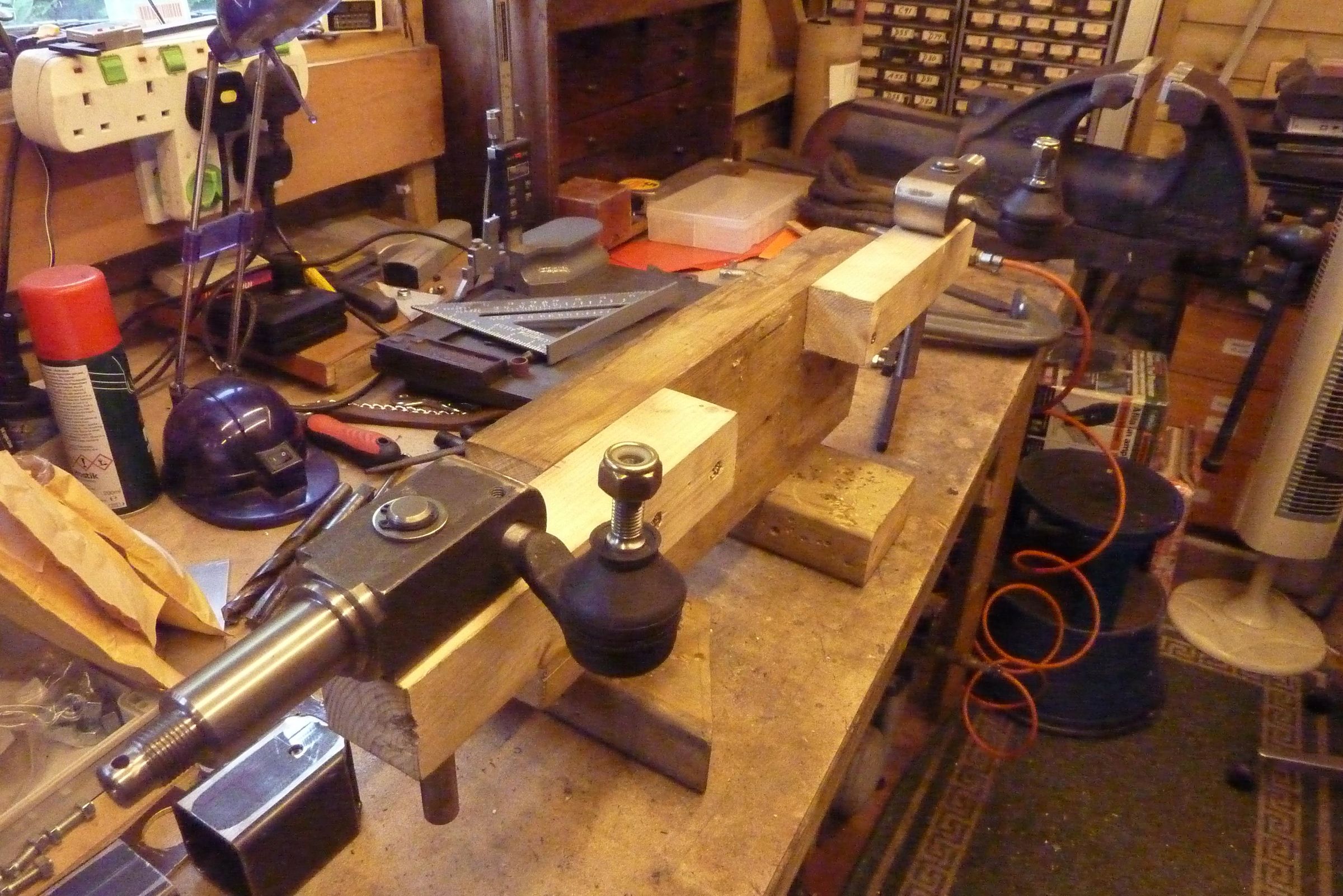


The first picture gives an idea of what I needed to construct, pair of car steering joints were sourced on ebay, steering pivots were made and bronze bushes inserted.
Side plates for the pivot block were cut out and welded to steering pivots, Silver steel pivot pins were turned up and fitted.
These parts were then mounted up on a wooden block to set them up to the correct distance apart and an adjustable steering link bar joined them together.
The Front Axle, Construction Part 2 the Articulation and Mounting


I filled a piece of heavy walled tube with dry sand and bent it to shape with a bit of heat, once cut to length, threaded end pieces were inserted and plug welded, this assembly became the curved tube that joins up the steering pivot blocks.
Ladder bars were cut and shaped from channel section steel, they were bolted to the steering pivot blocks and tack welded to the old front axle that was cut down in length.
The whole lot was then removed and fully welded.
The Front Axle, Construction Part 3 the Dummy Spring

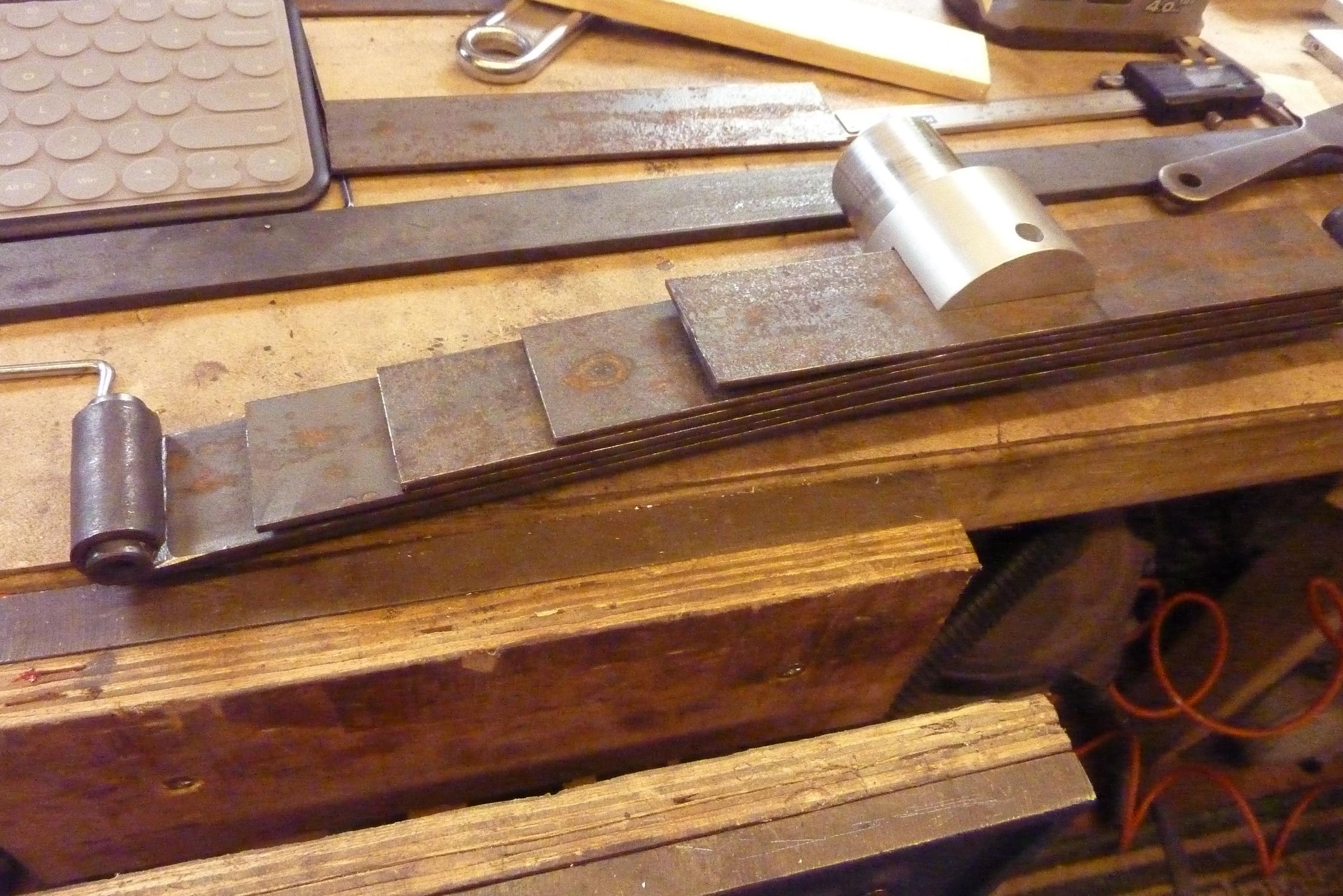


I searched and searched for a leaf spring for a trailor or similar that might be somewhere near the size I needed, nothing was found. I had a rethink of how to support the chassis front end and came up with this, the transverse spring is made from layers of flat mild steel bar, the longest having pivot sleeves to connect to the steering pivot blocks, this does not support the full weight of the front end, the real support is hidden out of the way behind the axle, pushing against the ladder bars, it is not as per the full size vehicle so I am happy it cannot be seen.
The Front Axle, Construction Part 4 the Steering Link and Mud Guard Mounts


.JPG)
.JPG)
.JPG)
.JPG)
.JPG)


Attachments for steering and mudguards were cut, machined and welded then attached to the front hub assemblies.... so much work so few words :)
The "Coffee Pot" Radiator Part 1


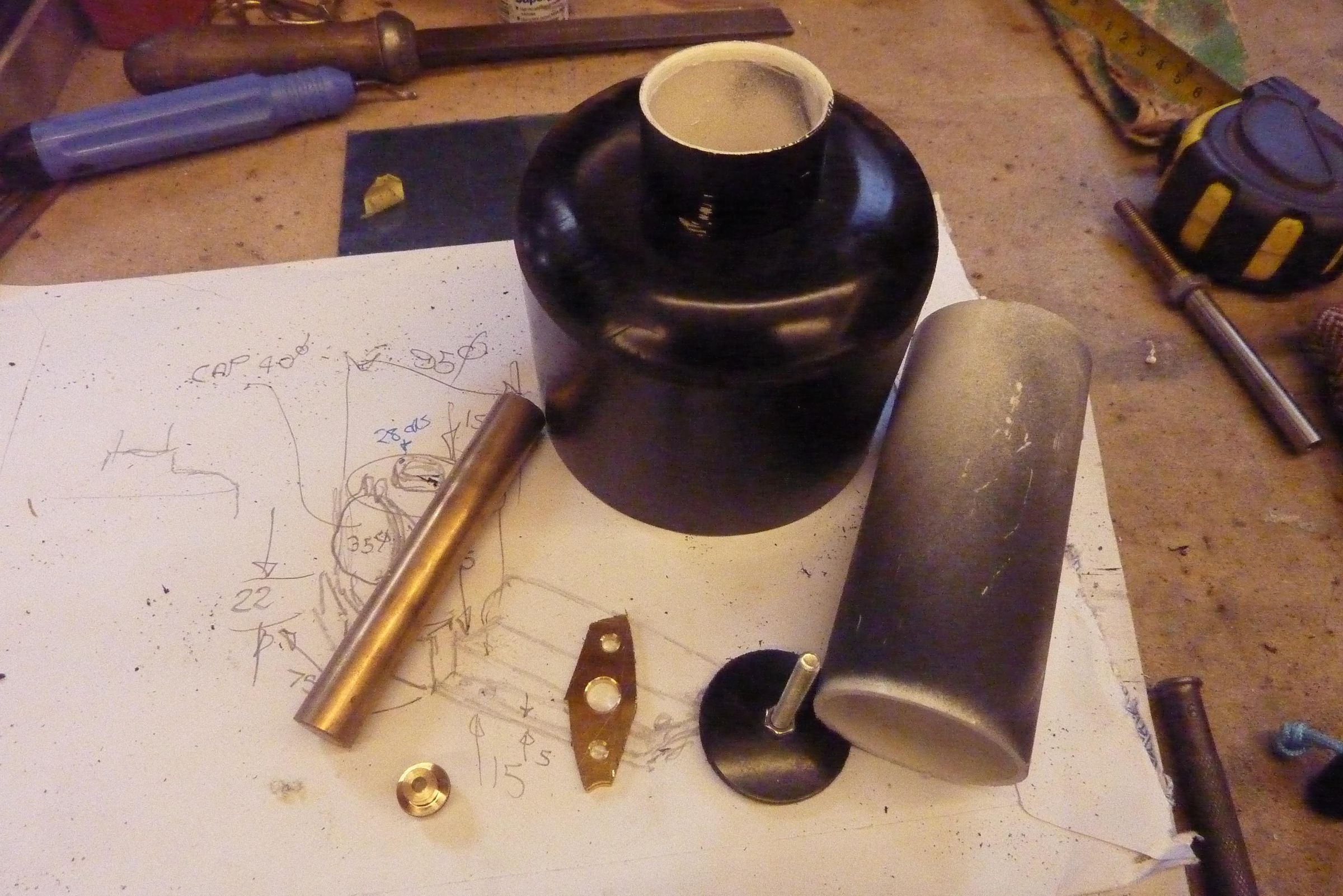


One of the outstanding features of the Scammell pioneer is its rather splendid radiator, Top and bottom plates are aluminium plates, The coffee pot itself is made of plastic pipe, some of it vacuum formed for a nice domed shape.
The Scammell badge is 3D printed
The "Coffee Pot" Radiator Part 2
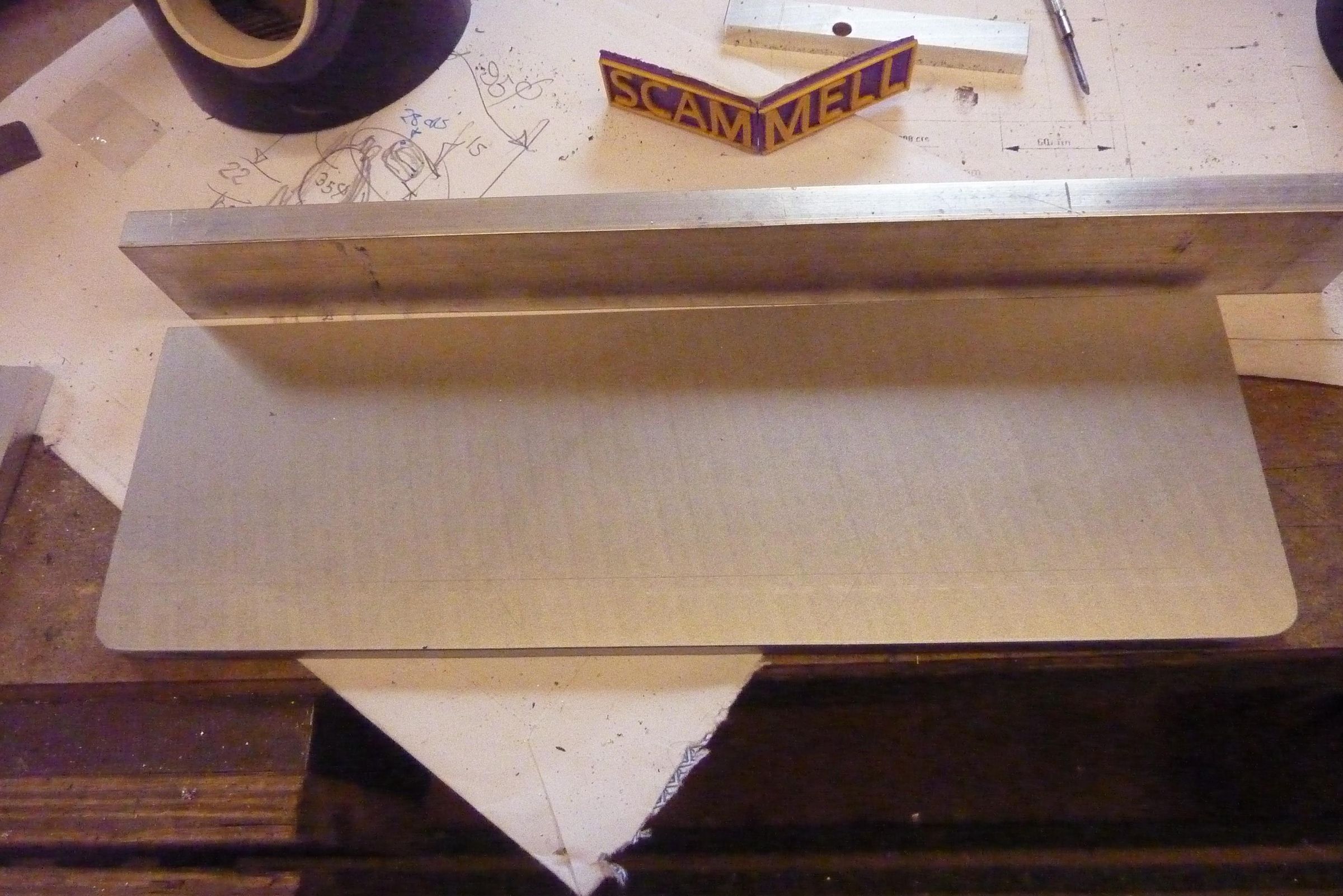


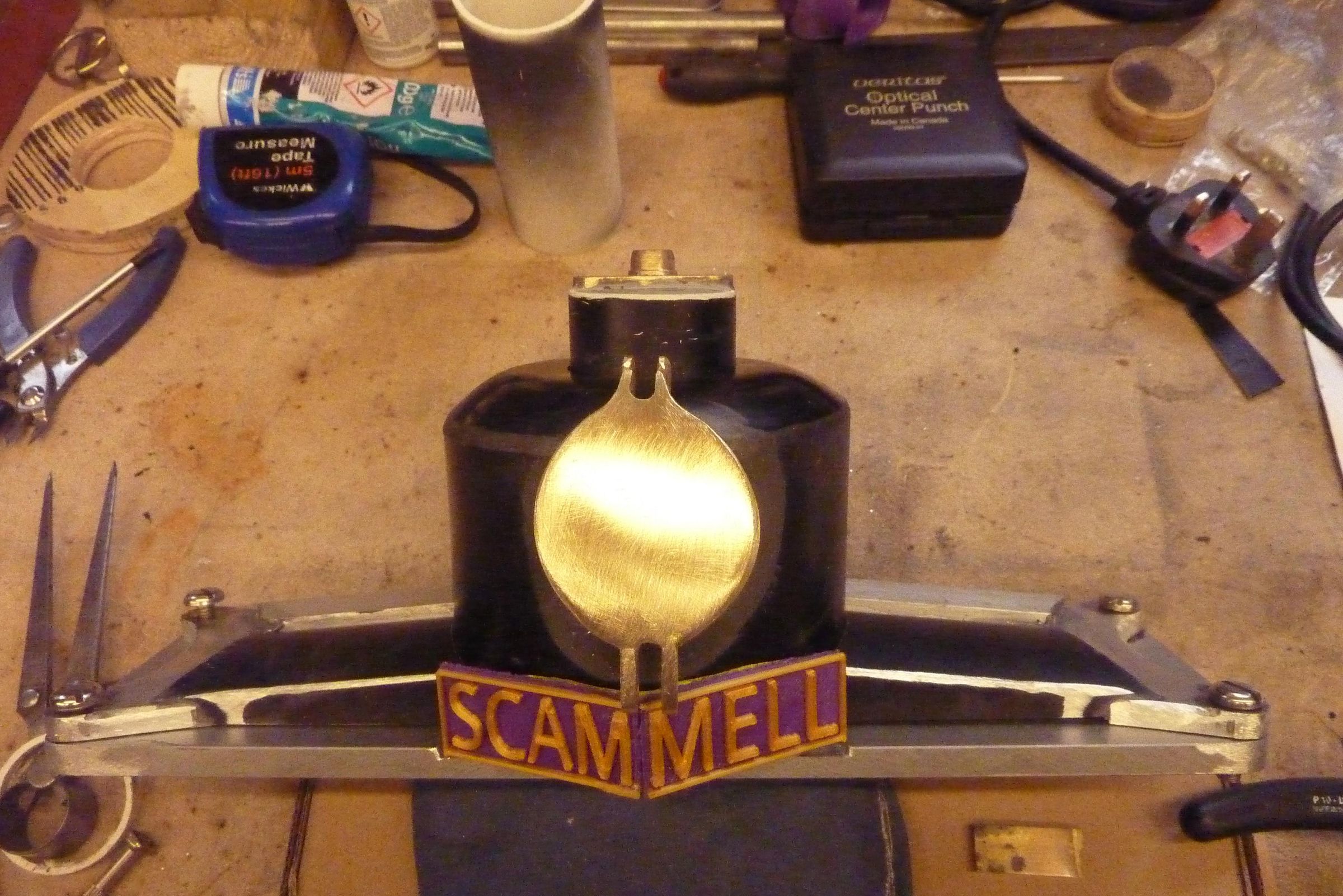
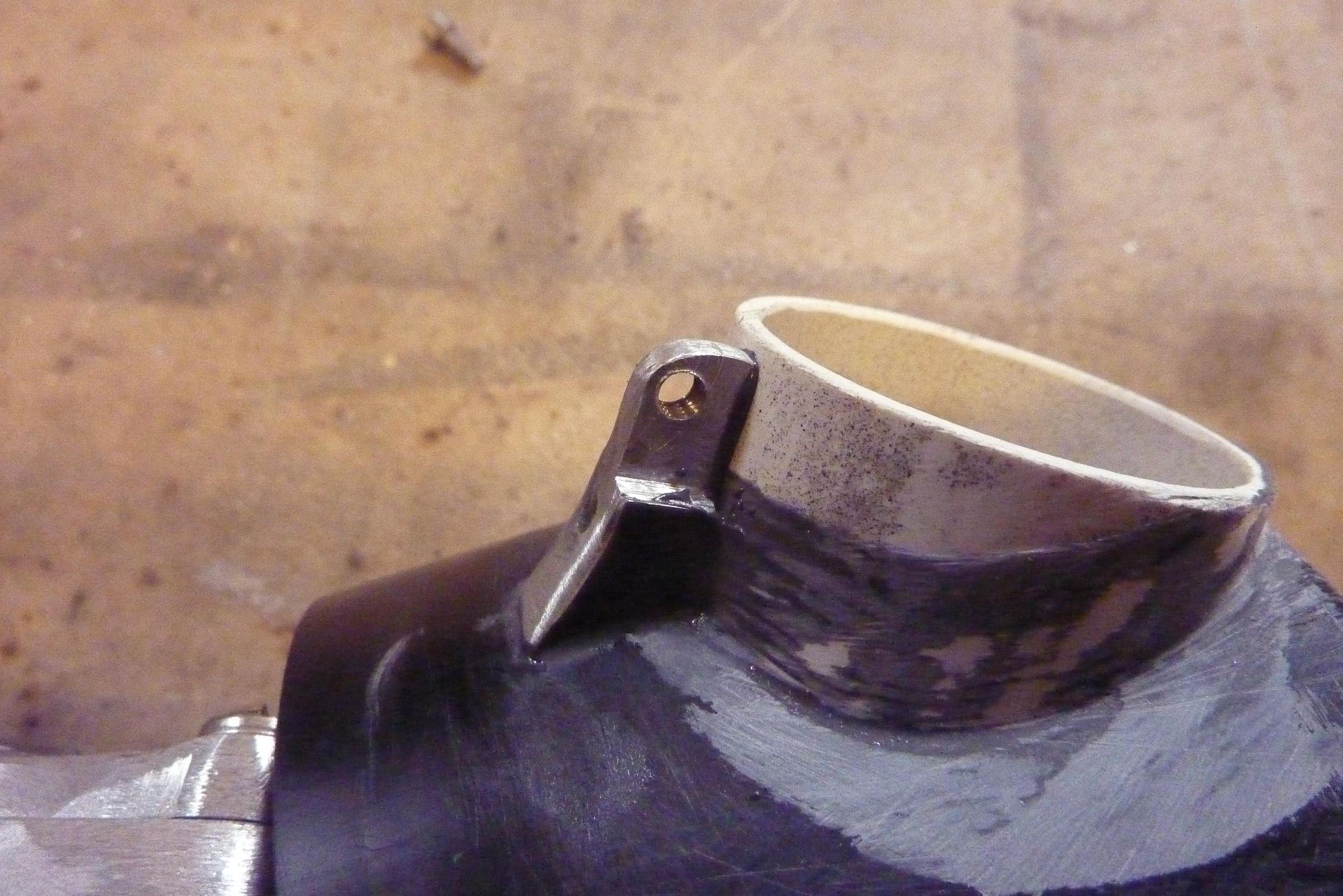

The top plate is aluminium, the other parts are a mix of aluminium and plastic, glued and screwed together. To make it look like a casting corners are rounded off with filler.
The cap was formed from 2 pieces of sheet brass which were anealed and then formed to shape the two parts were silver soldered together, the mount for it is aluminium screwed and glued in place on the coffee pot.
The "Coffee Pot" Radiator Part 3


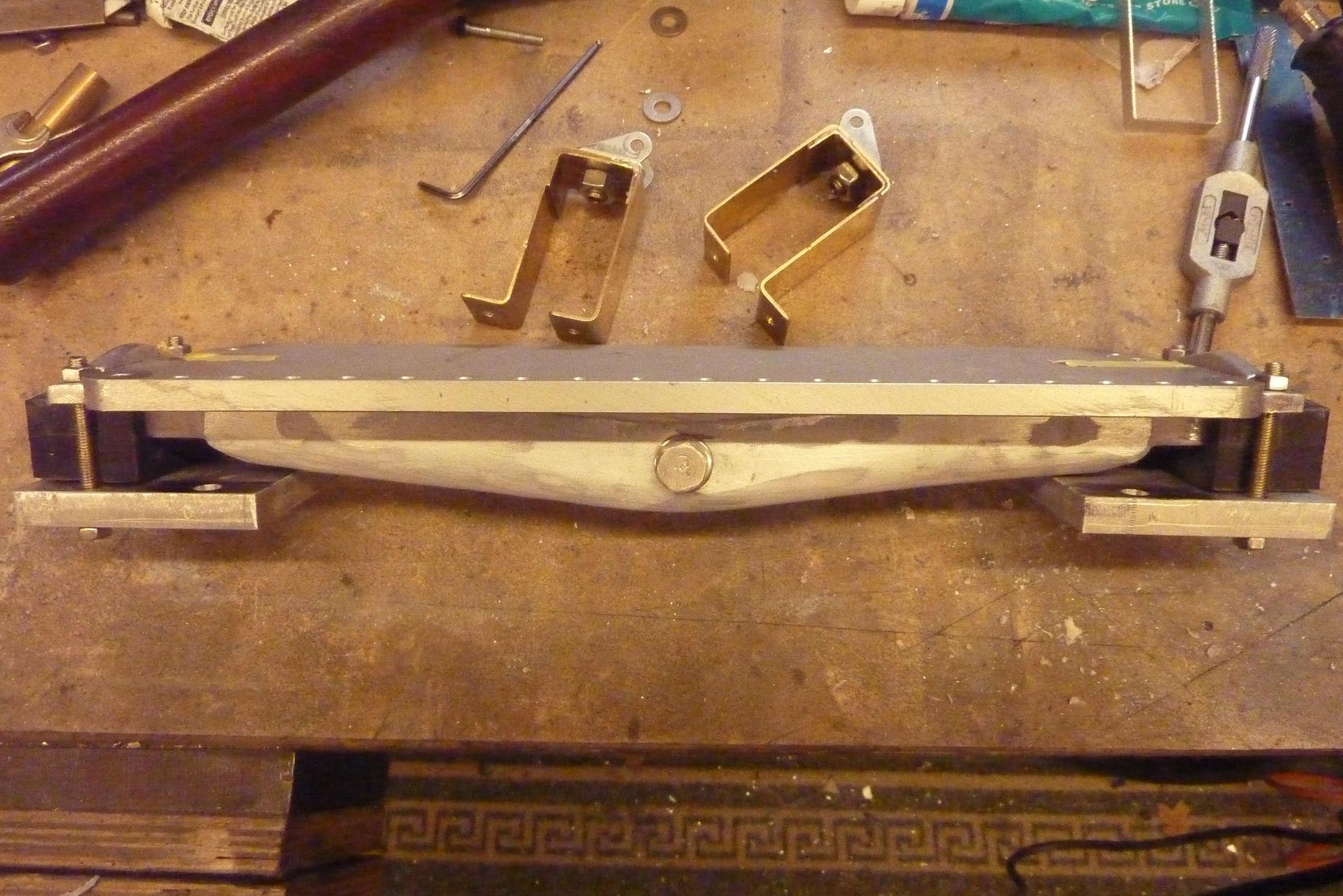
The base of the rad is aluminium plate, the black mounts are 3D printed, the dummy bottom tank is just sheet aluminium formed to shape and screwed and glued in place, also shown are the headlamp brackets folded from 1.5mm sheet brass.
The "Coffee Pot" Radiator Part 4
.JPG)
.JPG)
.JPG)
.JPG)
.JPG)
.JPG)
.JPG)
.JPG)
The sides are 2mm aluminium sheet glued and screwed to corner pieces that were machined from 12mm aluminium bar, these complete the outside frame.
The core is mounted on 3mm plastic sheet attached, top and bottom, with aluminium angle.
The tubes are lengths of electric cable conduit, 3D printed plugs top and bottom keep the condiuts in place, the purple 3D printed parts are to keep the conduit straight.
I then had one of those "stand back and appreciate where you have got to" moments as I assembled the front end fully for the first time.
Cab
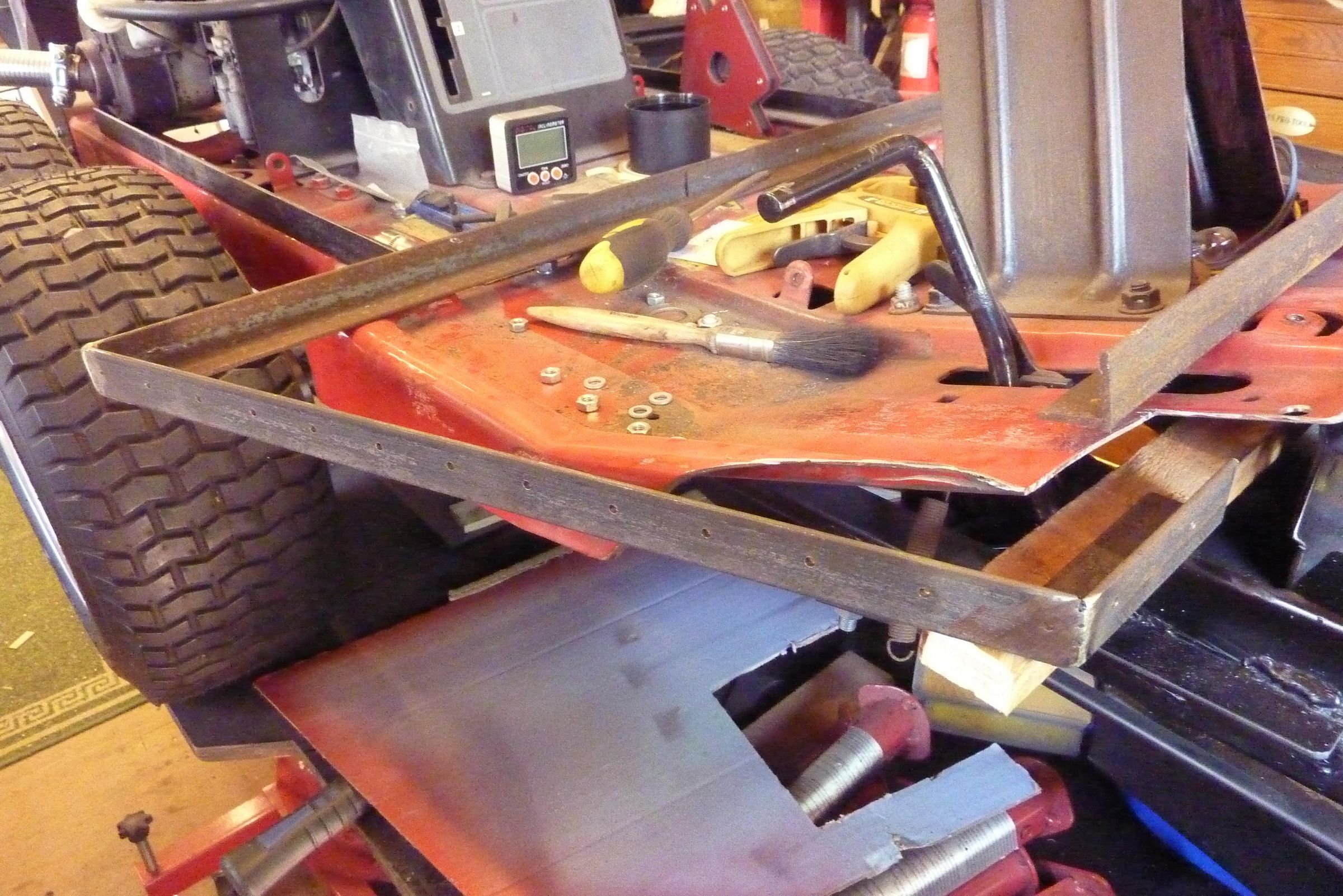


As this Scammell is going to be in fair ground guise it gave me an easy way to build the cab, the paintwork will be maroon panels outlined in black, I decided to frame the cab with 25mm angle which will get painted black, with wooden panels that can be painted maroon before assembly.
The cab frame came together quite quickly and was mounted onto the chassis.
A bit further into the build I found I was not happy with the look of the cab when mounted with the radiator, I sat and looked at it from all angles for best part of a day...... all part of the design proccess, I eventually came to the conclussion that the cab needed to be mounted higher, 2 pieces of 1" square tube were cut and drilled and it "looked right" at last.
Cab Roof Part 1


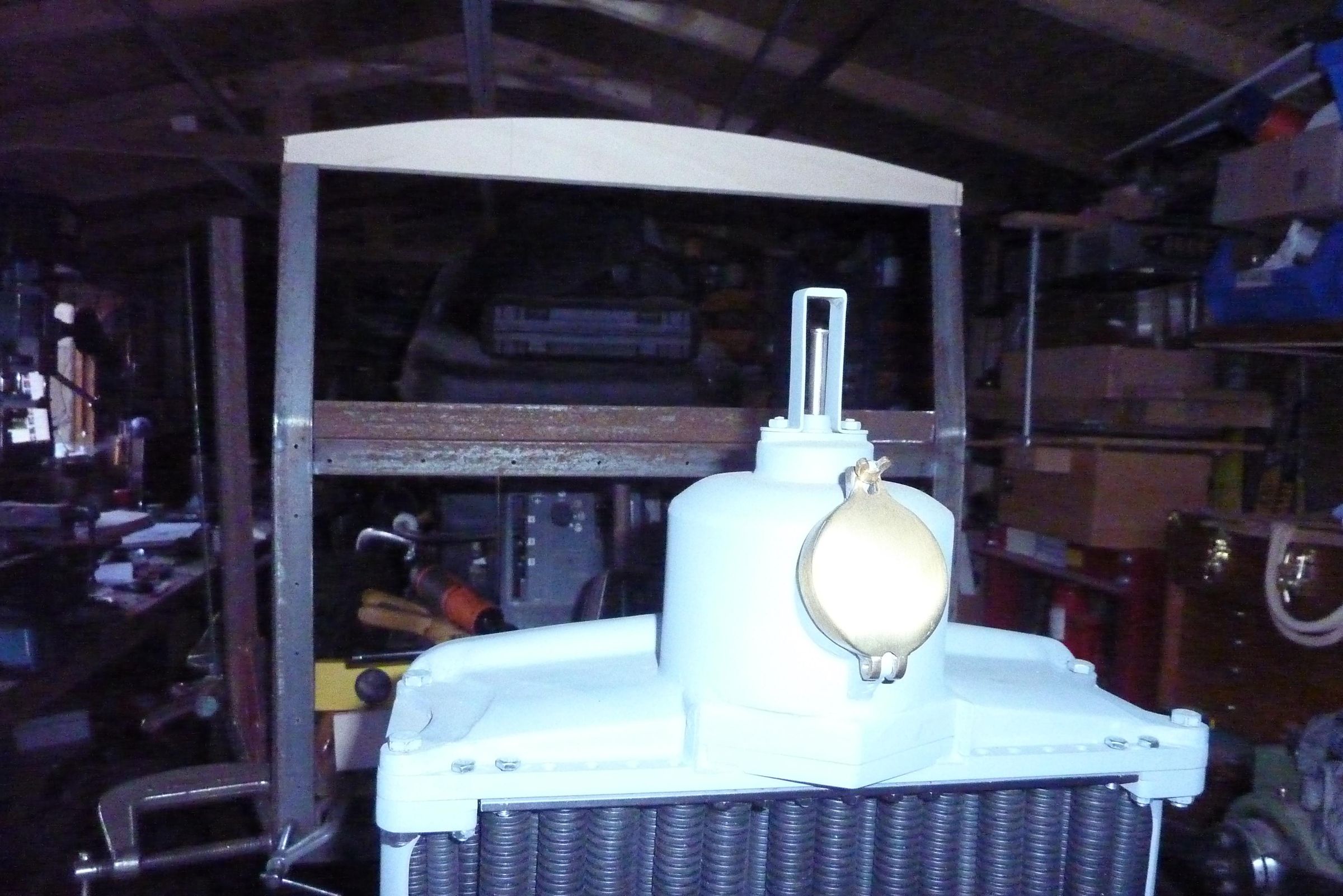

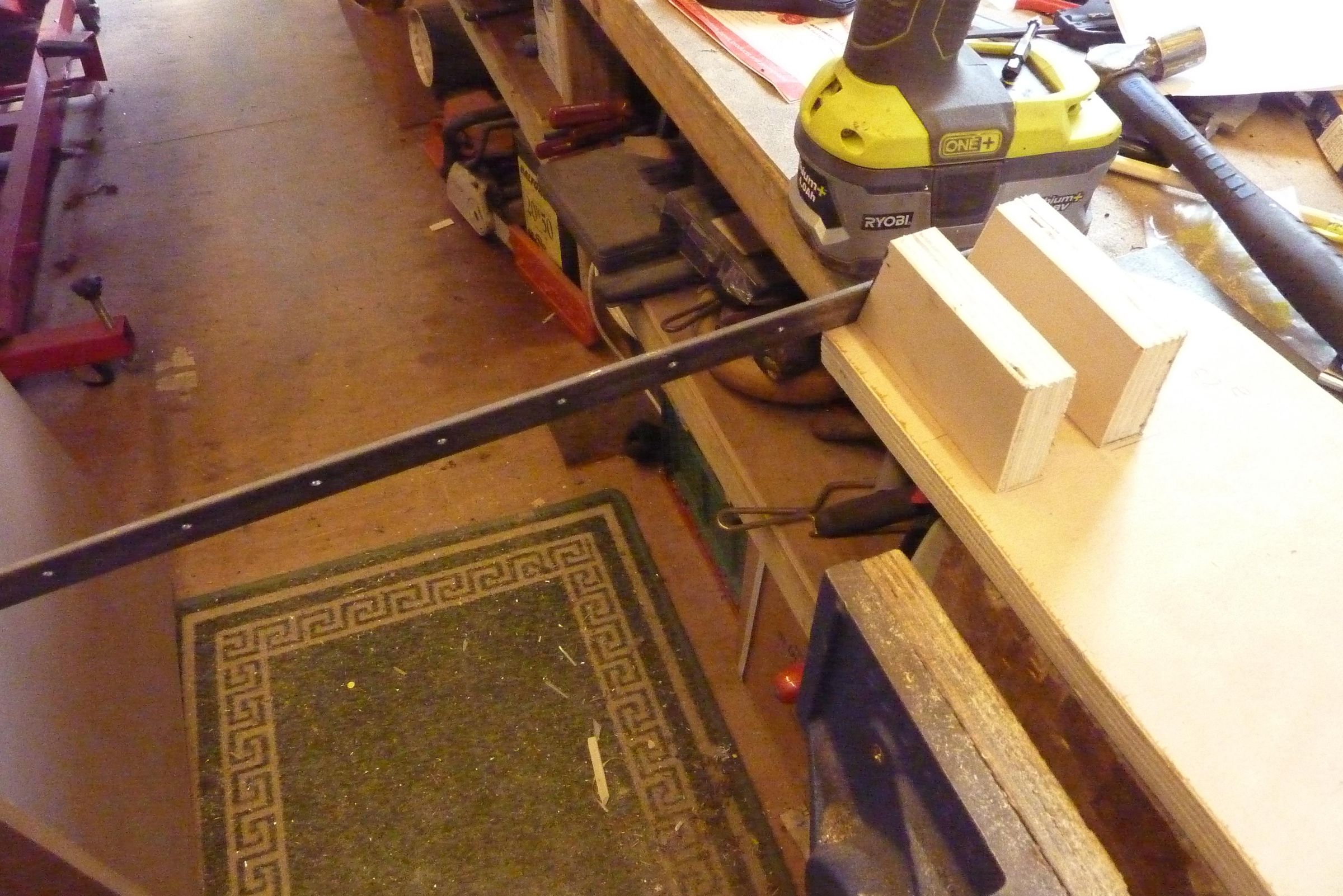

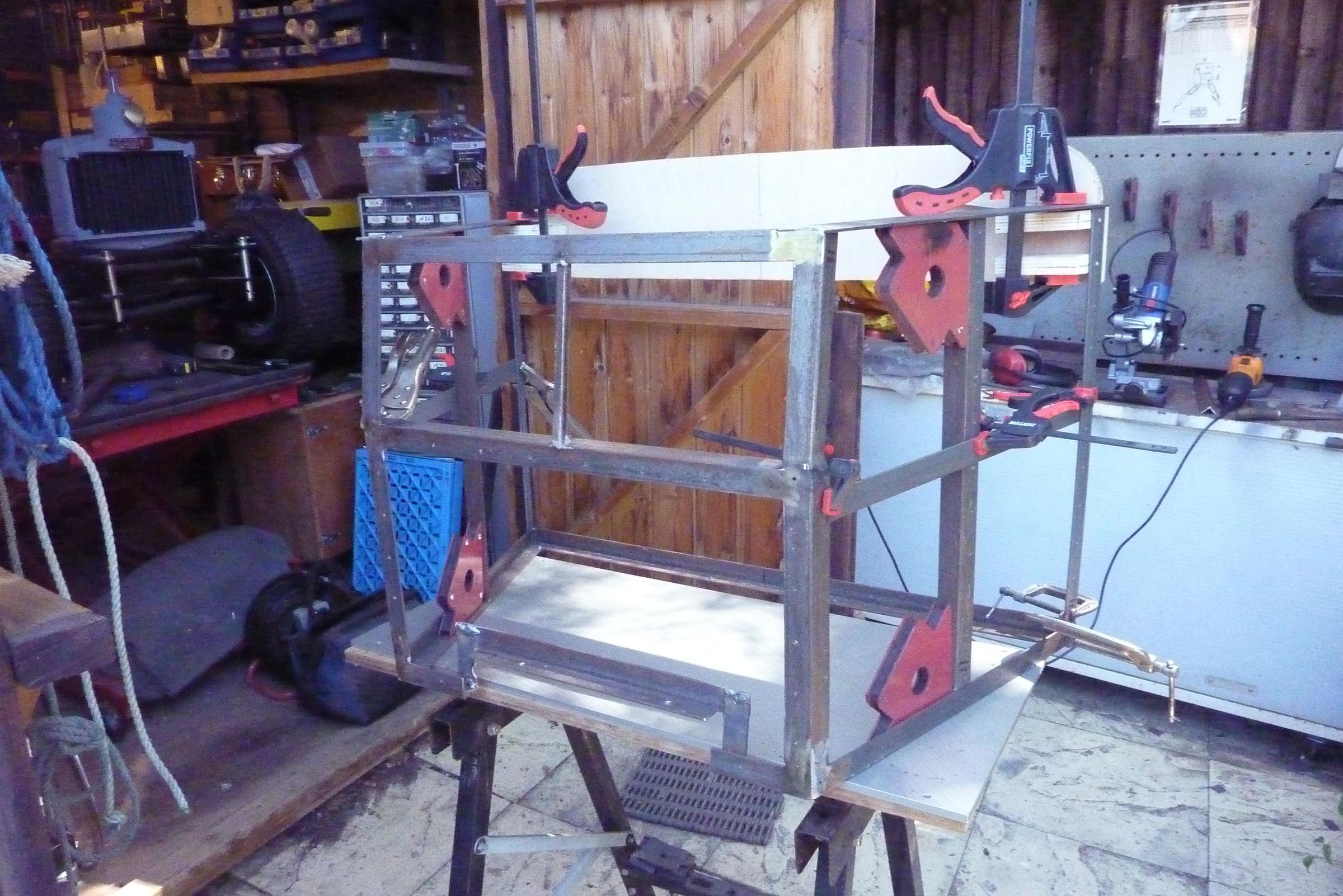
The roof is mainly plywood construction, it has curves and radii that are important for the look and took a bit of planning.
The front piece was first, the bottom is flat and the top has a big radius, this was marked out using a long piece of string with a pencil in the loop at the end, it was then cut out on my bandsaw.
The back board was marked out and cut out then attached to the back upright of the cab frame. this allowed me to position the last parts of the metal framework and weld it all up.
Doors

.JPG)
.JPG)
.JPG)
.JPG)
.JPG)
.JPG)
.JPG)
.JPG)
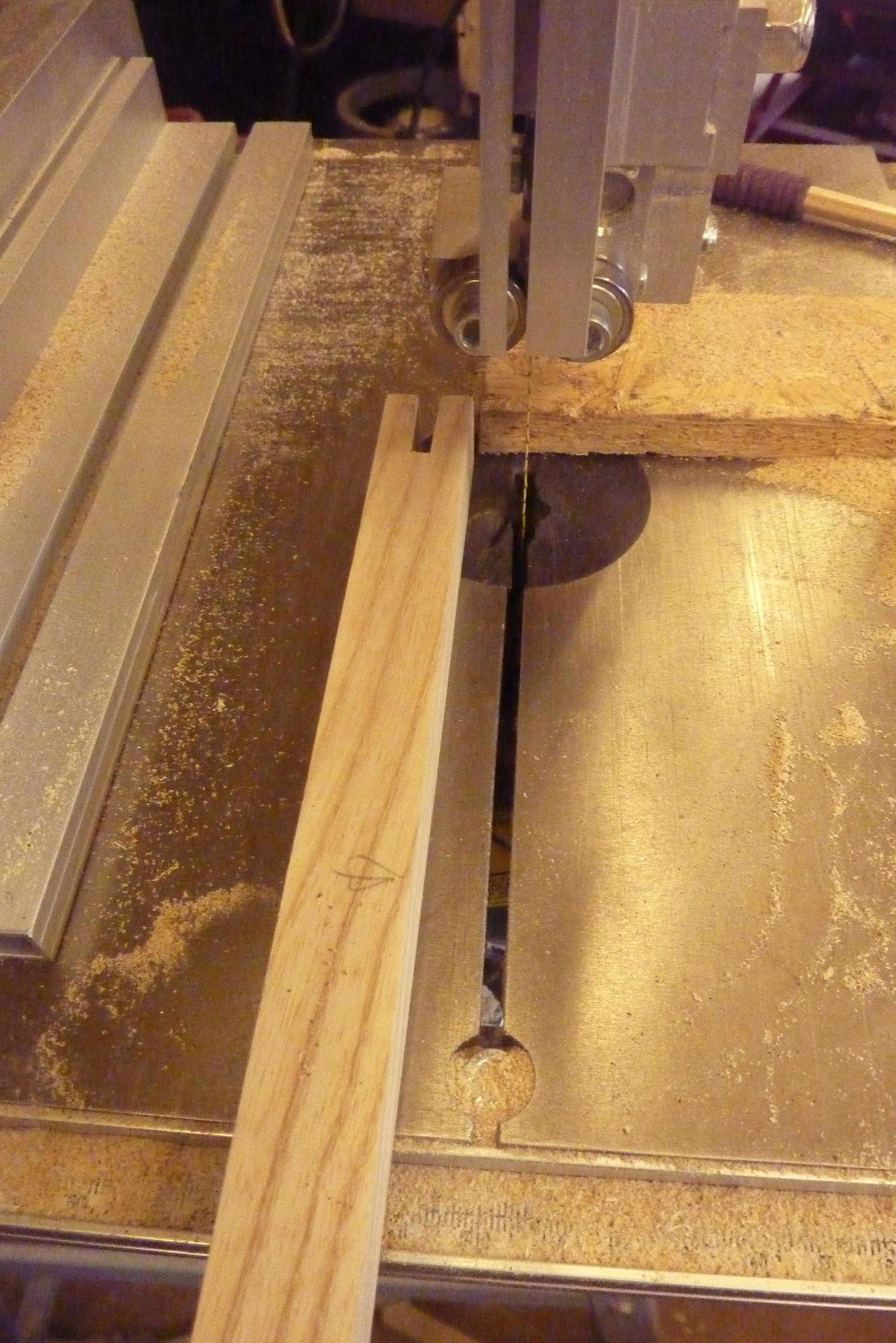
Made with 20mm x 20mm ash for the inner frame, 3mm ply for the panel with a 25mm sheet steel angle frame.
The frame parts were cut out for hinges, drilled for panel fixing then spot welded together, the joints were caulked with soft solder.
Wooden frames were glued and the panel attached.
Doors were finished off with working catches.
Other Panels


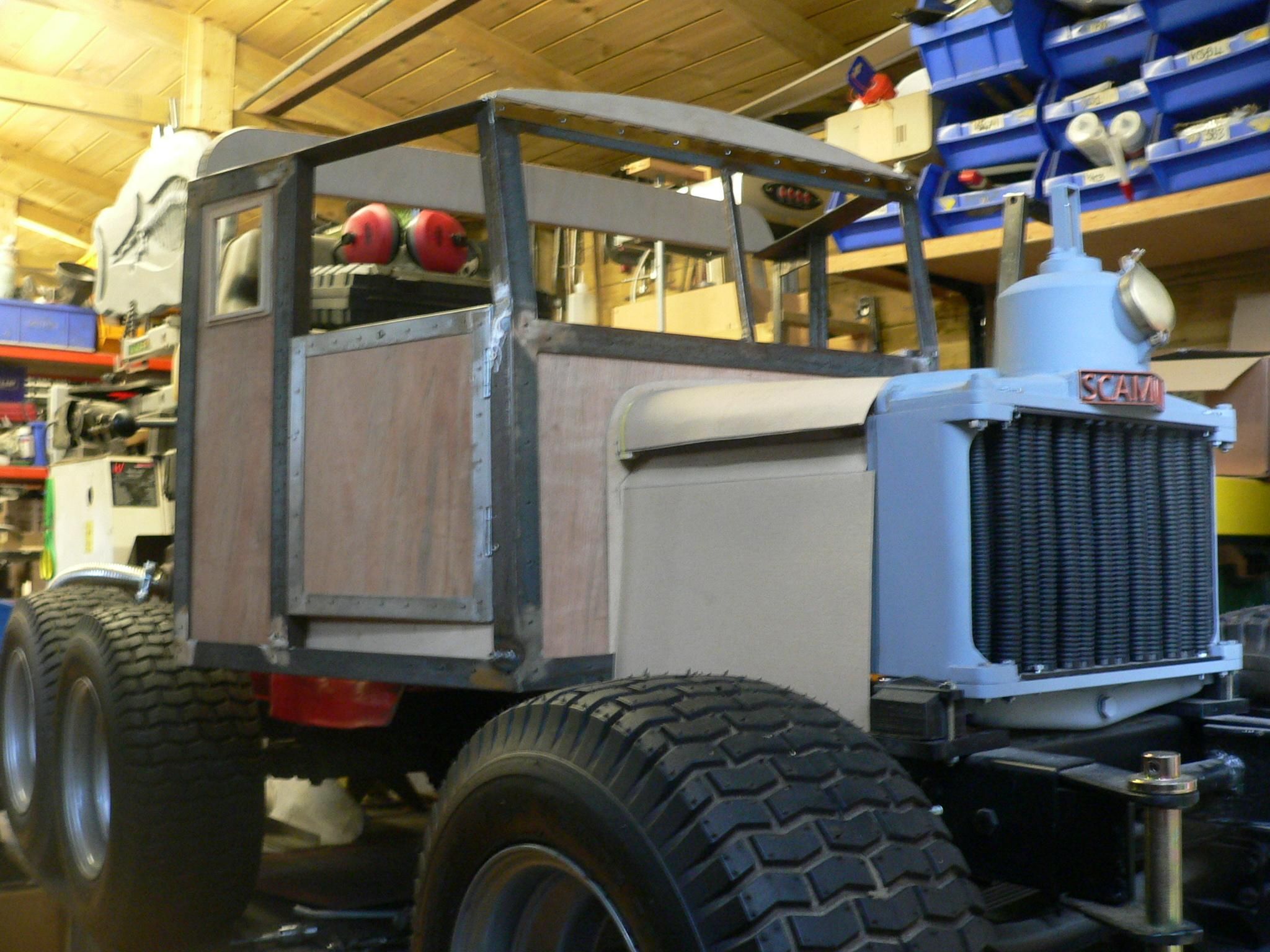
The other panels were simply cut from 3mm ply, they will be held in place with screws and nuts through pre-dlilled holes in the frame. There is a small framed window in each quarter panel, this was framed out with thin stripwood the security glass effect is from sandwiching a piece of plastic mesh between 2 pieces of clear acrylic.
The bonnet and engine panels are shown mocked up in cardboard, a useful source of prototyping cardboard is the A3 card packages that amazon delivers you stuff in :)
Cab Roof Part 2
.JPG)
.JPG)
.JPG)
.JPG)
.JPG)
.JPG)
.JPG)
.JPG)
.JPG)
.JPG)
.JPG)
The middle section was easy, with a little bit of steaming I got the ply to conform to the correct shape. The next part was a bit fraught and I forgot about taking pictures until it was done as I have to get some pretty severe bends into the 2 side pieces, after much steaming and clamping and not a little sweating the woodwork was complete, it was now just the job of cladding the roof in .05mm aluminium sheet, I did this in 3 pieces with joggled joints. once the basic form was sorted I glued the aluminium in place and finally peened all the edges over for a neat finish.
Rear Body Part 1 Basic Frame.


As this vehicle has to be driven the rear body needs to be quite substantial as it will need to take the weight of the driver when he or she climb in and out ( will revisit that comment in around three years time), rather than using metal I decided that wood would be the way to go, to this end I purchased 6 lengths of 44mm square planed timber and some 18mm plywood.
Using the rear view photo of the full sized truck for reference I built a rear support for the body from 25mm angle iron, I also made a pair of steel tube supports for the front end.
The main framework was cut, jointed, screwed and glued, the top bar matches the shape of the rear of the cab.
As can be seen I tried the fuel tank at the back but it soon became clear that filling it would be difficult so I relocated it to the side of the engine.
Rear Body Part 2


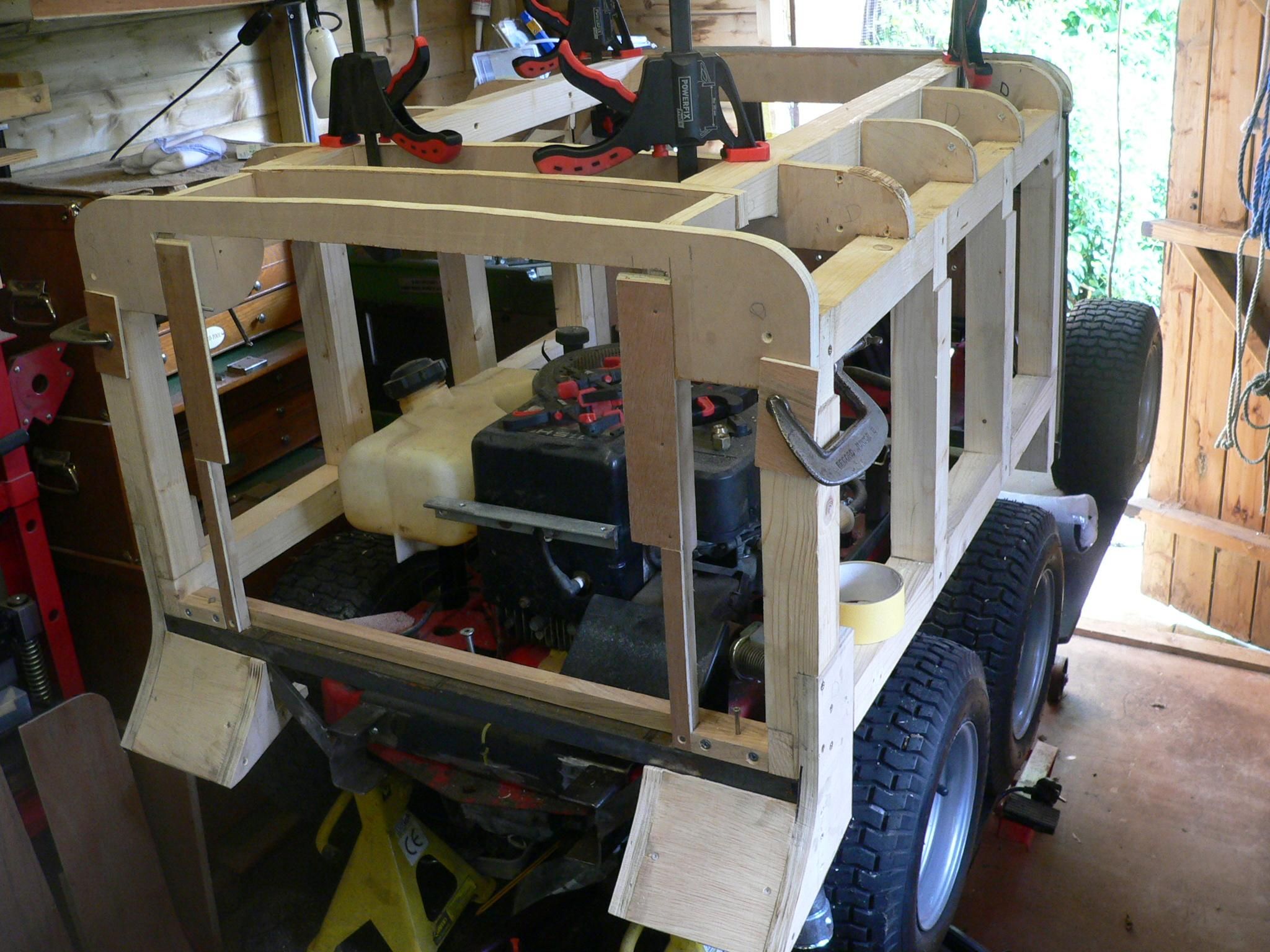


Framing of the rear body continues, as can be seen this is all quite substantial, the rear mud guard extensions have a nice swooping shape, the plywood was steamed and pulled into place with clamps.
Rear Body Part 3


Before I went any further I decided to see if I could fit inside... it seems I can so on with the build!
The rear will have a roller shutter (third picture shows the mounts for the roller shutter) at the top and a drop down tail gate, planks were cut for the tailgate and the hinges and straps were manufactured and mounted in place
Catches


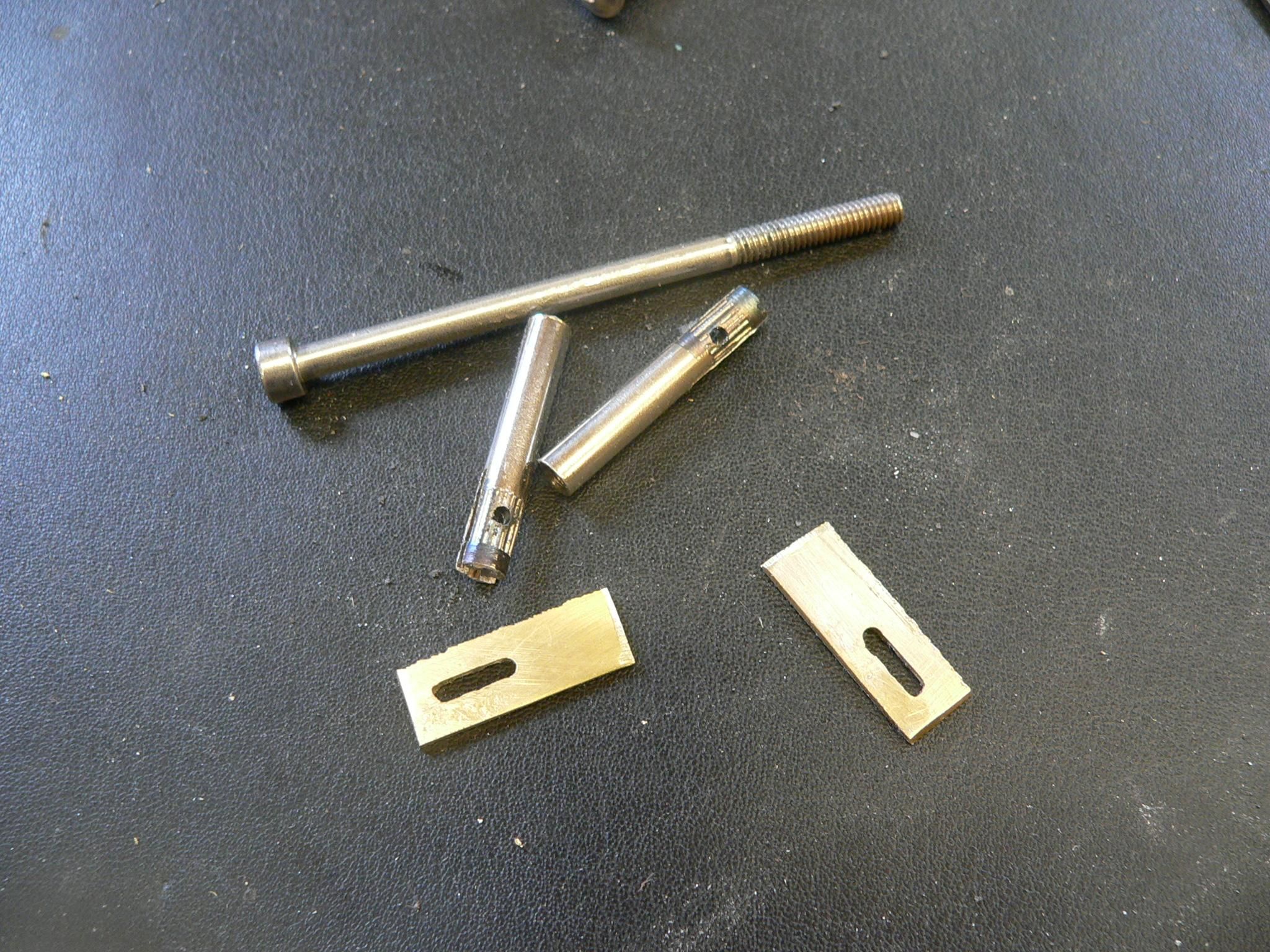


The tailgate needs catches, so here are a series of photos showing how I went about it, finishing with a couple of shots showing the roller shutter.
Rear Body Part 4


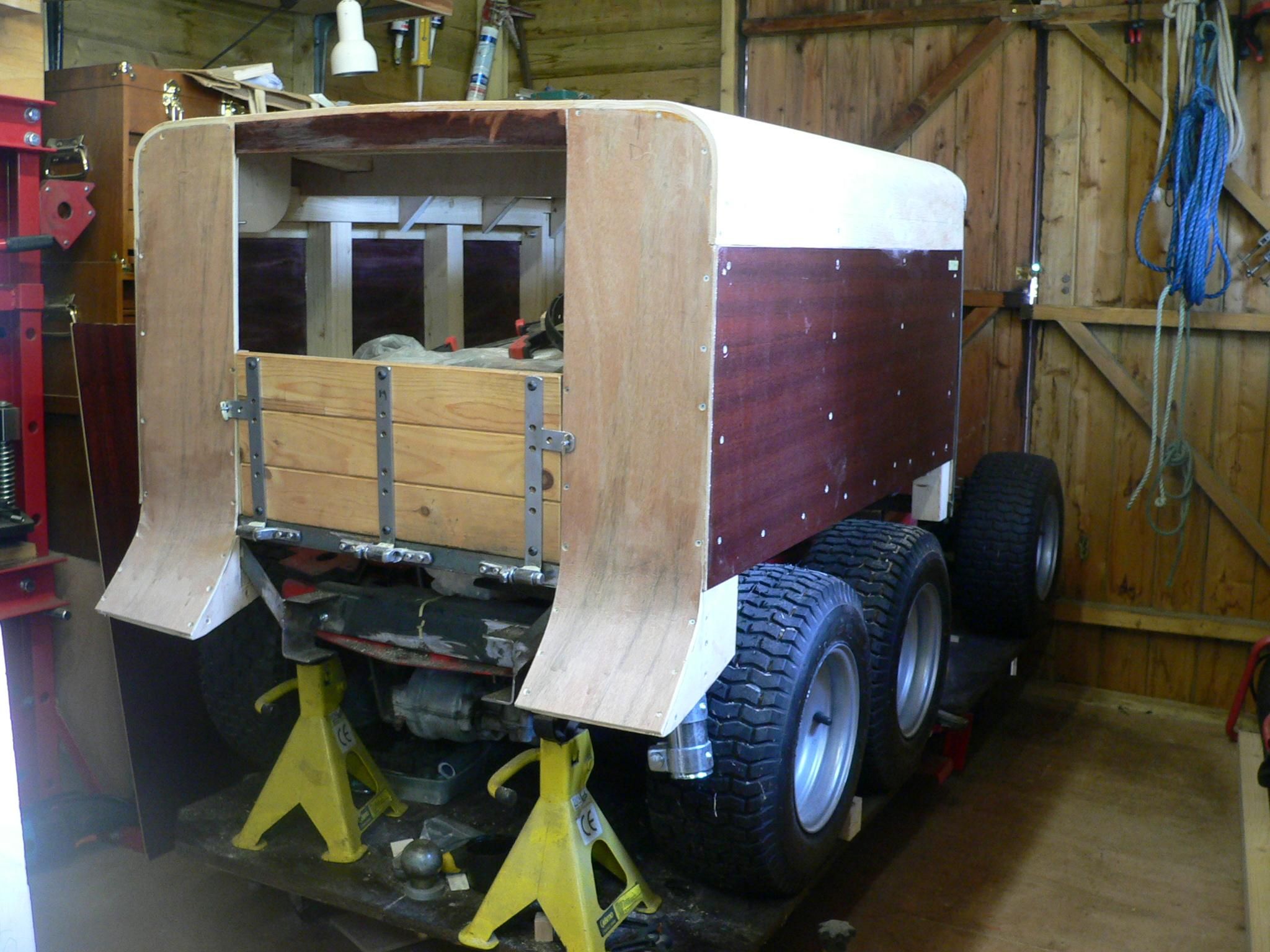

I obtained some plywood that is easily bendable on one axis, this was ideal for the curved roof edges. After cutting to a rough size the bottom edges were clamped in place and, after covering with plastic sheet I steamed the ply to allow me to bend it into shape. The sides were filled in with, what was once, the back of a wardrobe.
Rear Body Part 5


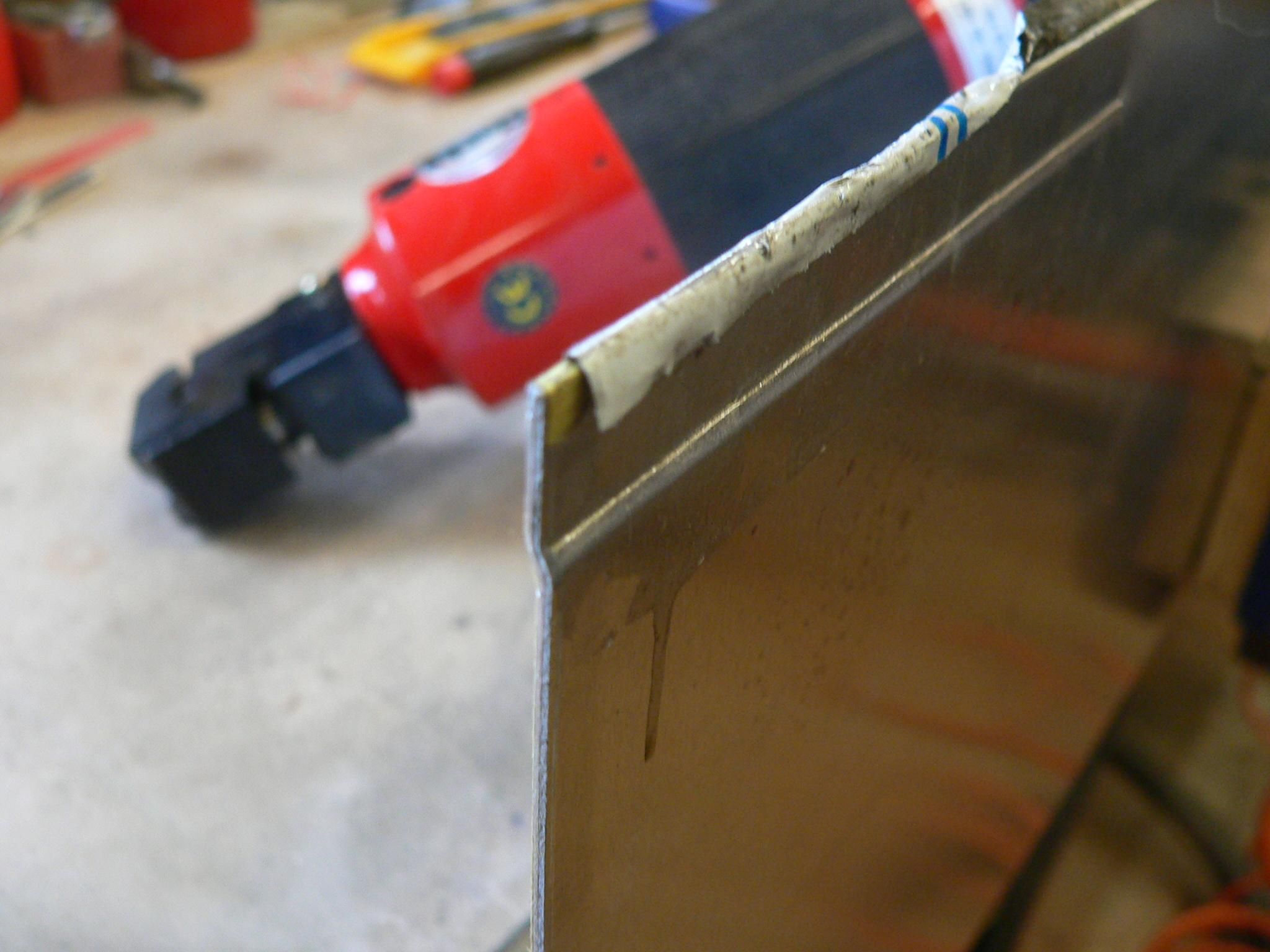


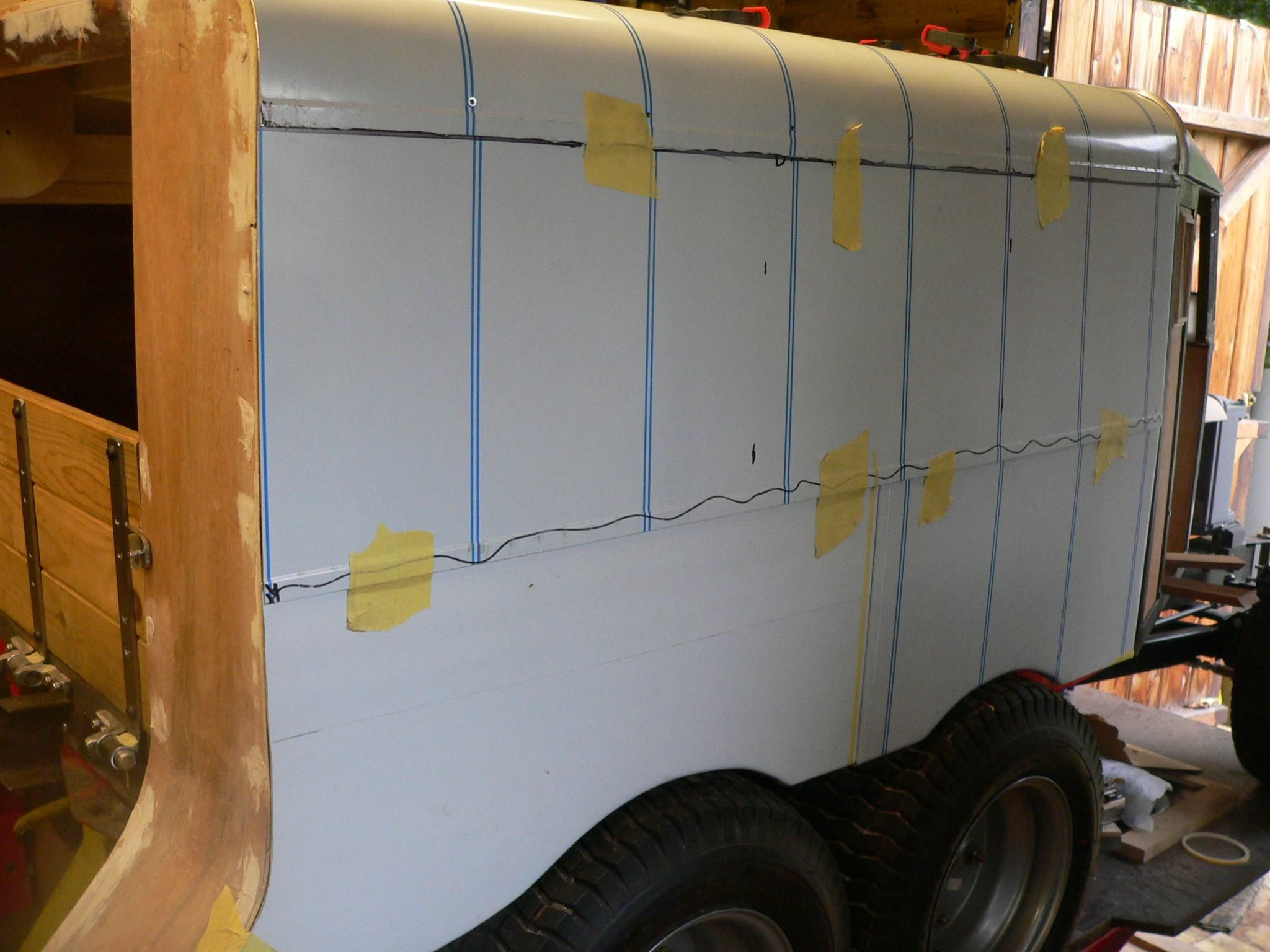
The roof and sides needed more than just a coat of paint so I set to cladding the sides and top with aluminium sheet.
I cut wardrobe back templates for the area over the wheels to make sure I got the metalwork right first time. I joggled all joints so that they will overlap neatly and the lower edges were all rolled under for strength.
Wheel Covers
.JPG)
.JPG)
.JPG)
.JPG)
.JPG)
.JPG)
.JPG)
.JPG)
.JPG)
.JPG)
The 4 stud wheels don't look very "big truck" like so I set to making hub covers. I started by making a wooden buck of the wheel design used on the full size Scammell, I then vacuum formed them out of sheet plastic.
Rear Lights and Number Plates
.JPG)
.JPG)
.JPG)
.JPG)
.JPG)
.JPG)

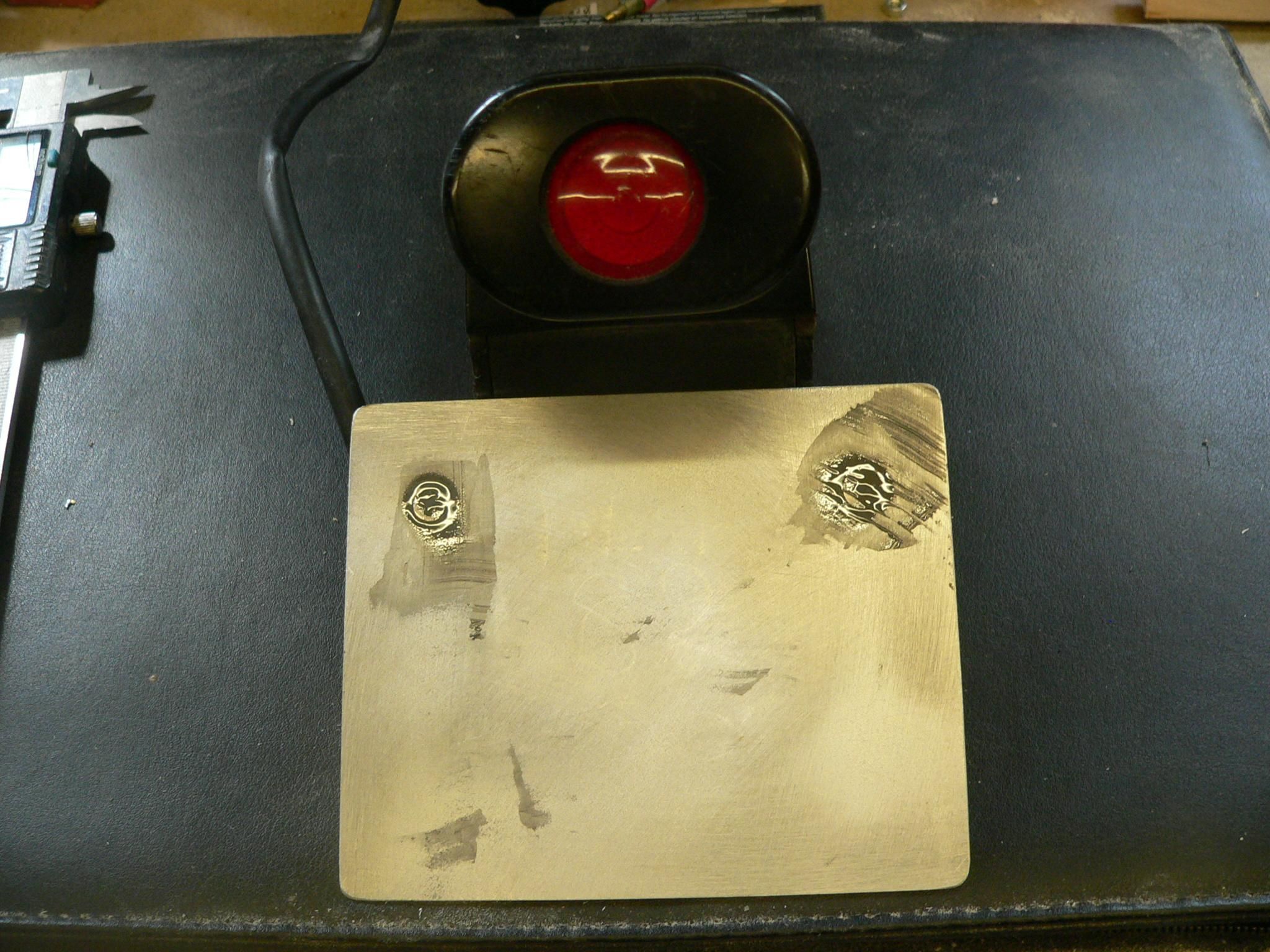
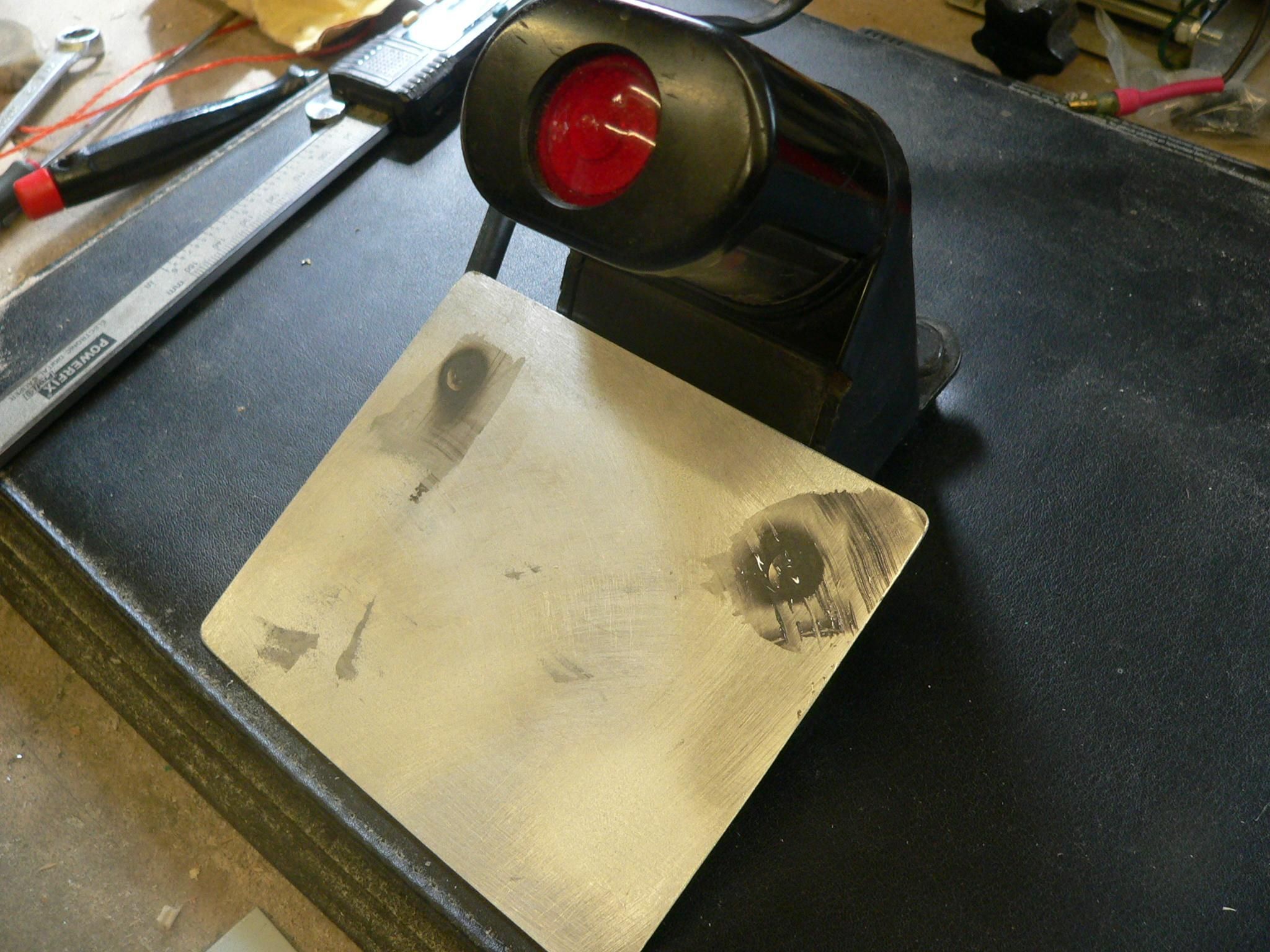


The numberplate is genuine registration number of a Bensons Scammell from the 1960's, the numberplate light is based on a motorcycle light that I added a rear light to. The red lens is a slice of an old land rover rear lens I had knocking around.The numberplates themselves are printed on sticky backed plastic.
Side Lights






.JPG)
.JPG)
.JPG)
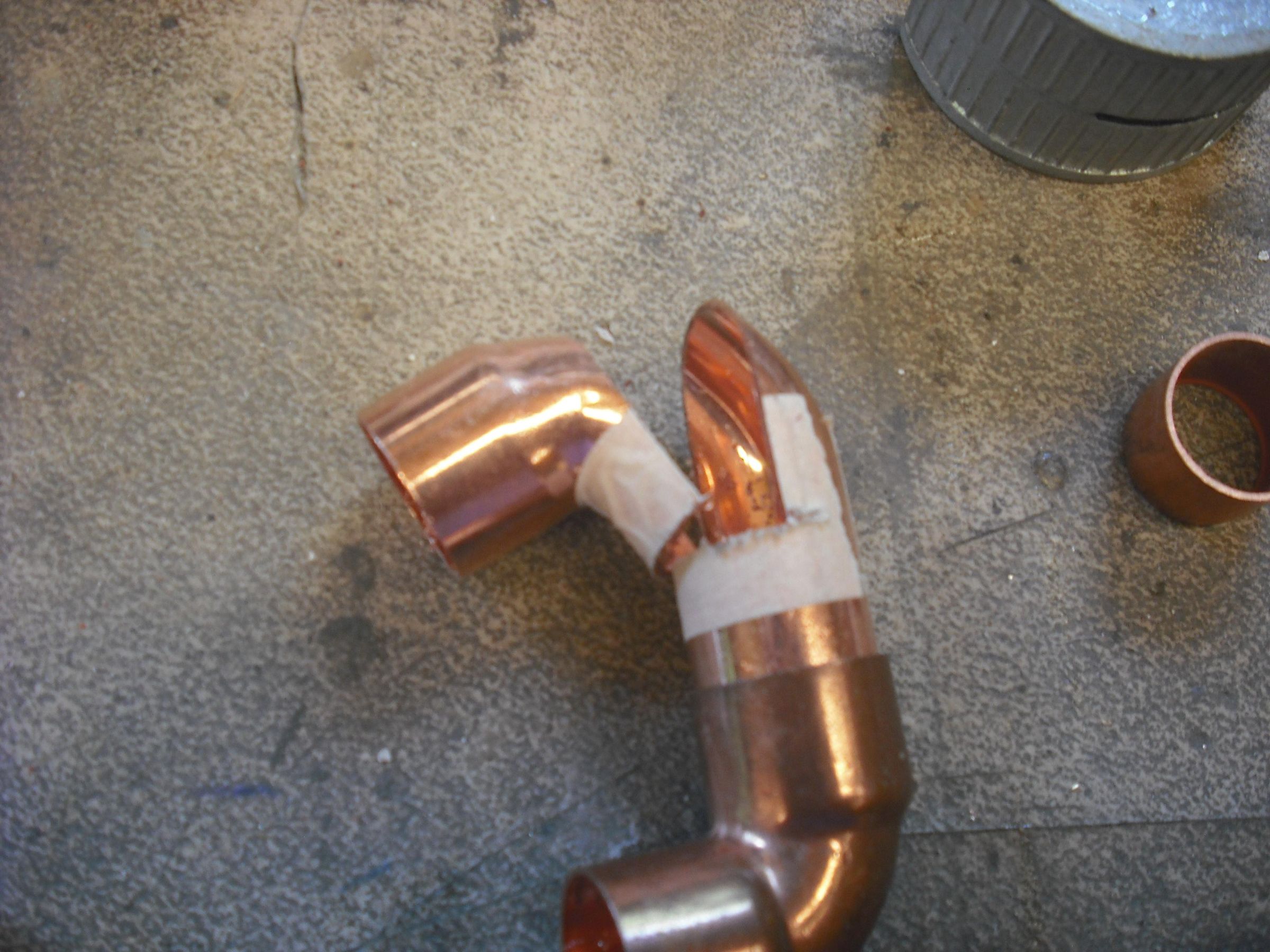
The cab-mounted side lights were made from copper plumbing elbows and lit with LED marker lights. This involved a lot of cutting, reshaping, soldering, and faffing, but the end result looks pretty close to the prototype.
Somewhere to Sit
.JPG)
.JPG)
.JPG)
.JPG)
.JPG)
.JPG)
.JPG)
.JPG)
.JPG)
.JPG)
I initially looked at using an old mower seat but decided it was too bulky I also had to consider that the seat will get in the way of the oil filler, fuel filler. gear change, air filter housing and the cooling fan on the engine.
I decided on a lift out seat made from 18mm ply supported at one end by the back body and at the other end by a support bracket mounted to the chassis above the engine. The seat is located left, right, fore and aft by blocks screwed under the seat board.
Next job is to make a bit of upholstery.
Padding the Seat
.JPG)
.JPG)
.JPG)
.JPG)
.JPG)
.JPG)
.JPG)
.JPG)
.JPG)
.JPG)
Not being an aficionado of the sewing machine, I asked Mrs Rog if she could rustle me up a nice seat cover out of faux leather while I cobbled together a few bits of foam rubber to make the pad.
I then fixed one end of the cover in place and stuck down the foam rubber with double sided tape.
The cover was pulled into place and affixed on the underside with staples.
Another Door
.JPG)
.JPG)
.JPG)
.JPG)
.JPG)
.JPG)
.JPG)
.JPG)
.JPG)
.JPG)
.JPG)
I started this project in 2020, I then became ill and the scammell was left collecting dust. It is now, at time of writing this, 2025 and it is only recently that I have started work on the project once more. When you get into your 70's you become less flexible. I tried out the new seat and discovered that I struggled to get into the vehicle so I decided a new door was needed!
This is not ideal as it was not part of the original plan the rear of the vehicle was never designed to have an opening but after searching out a pair of hinges and doing a bit of measuring, I marked out and cut a hole in the side of the vehicle!
I used various hand saws to remove a large chunk of the body and then began to hinge it and make good the unsupported edges of the panel.
Cladding the Door and Side Panel
.JPG)
.JPG)
.JPG)
.JPG)
All the aluminium panels for cladding the side of the rear body were already made (I am not showing how as it is pretty much a repeat of what I did for the cab roof), I now had to modify them to fit again, it was all a bit of a faff but eventually everything was recut, refolded and fitted with the use of no nails glue and screws.
Bits and Pieces

.JPG)

.JPG)
.JPG)
.JPG)
.JPG)
.JPG)
.JPG)

Getting into the detail parts that match the full sized truck, a side step with air tanks under the driver's side door, knocked up from folded aluminuim, wooden framing and drain pipe with 3D printed ends for the dummy air tanks.
Under the passenger side door, a dummy fuel tank made from plastic pipe and plywood for the frame wrapped in an aluminium skin.A front support bracket was tinkered and 3D printed.
Just the Painting and a Bit of Rewiring to Do!


All the major construction is now complete, The truck will need to be blown apart for painting before final assembly.
While it is in bits the mechanics will be serviced. The new lights will need wires run so that they will work.
I am not sure when or even if this will get finished as age has really caught up with me, I will update this instructable should it happen!