Crafting a 2.5D Treasure Map
by technocraftStudio in Living > Travel
188 Views, 4 Favorites, 0 Comments
Crafting a 2.5D Treasure Map
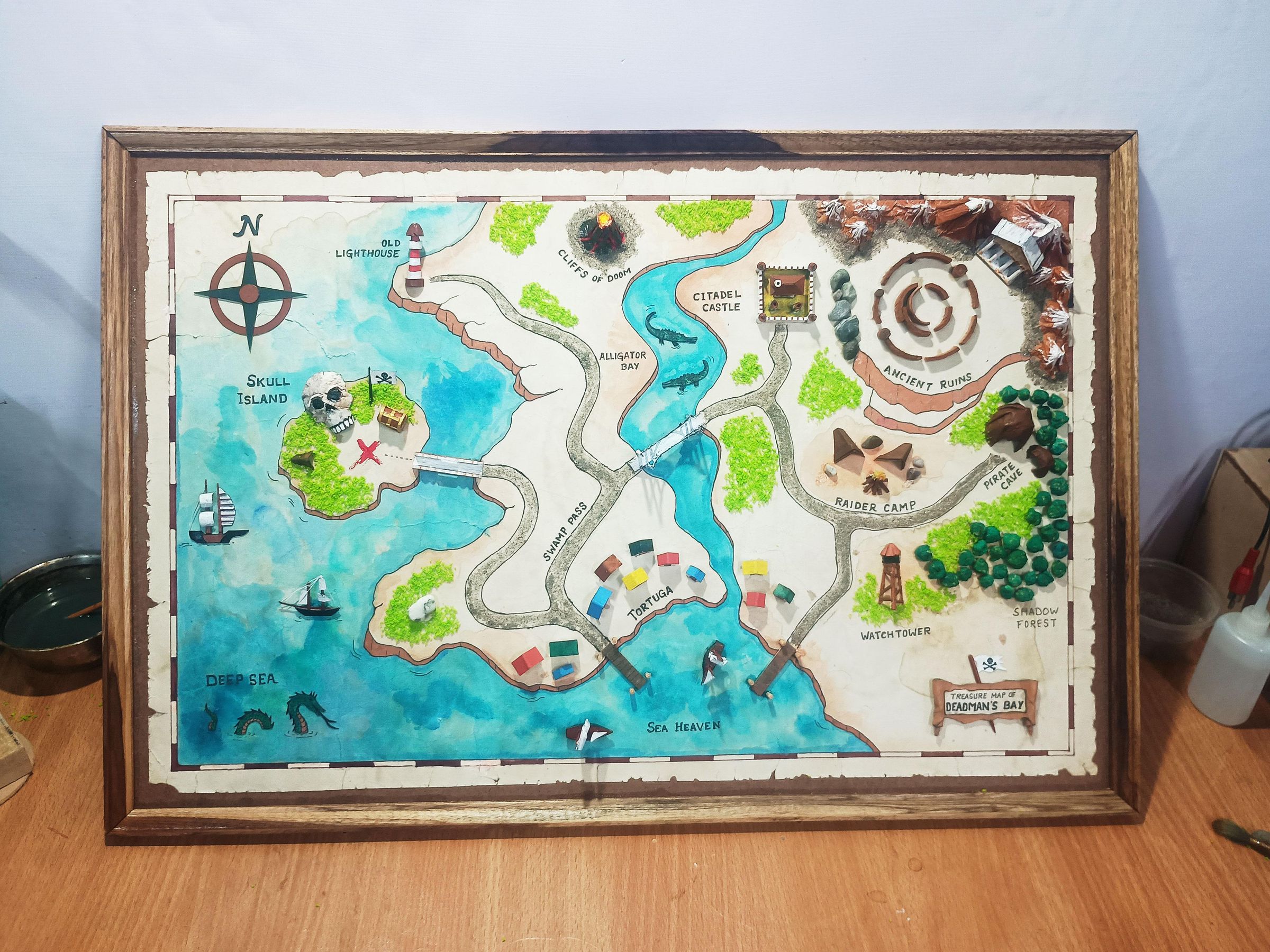


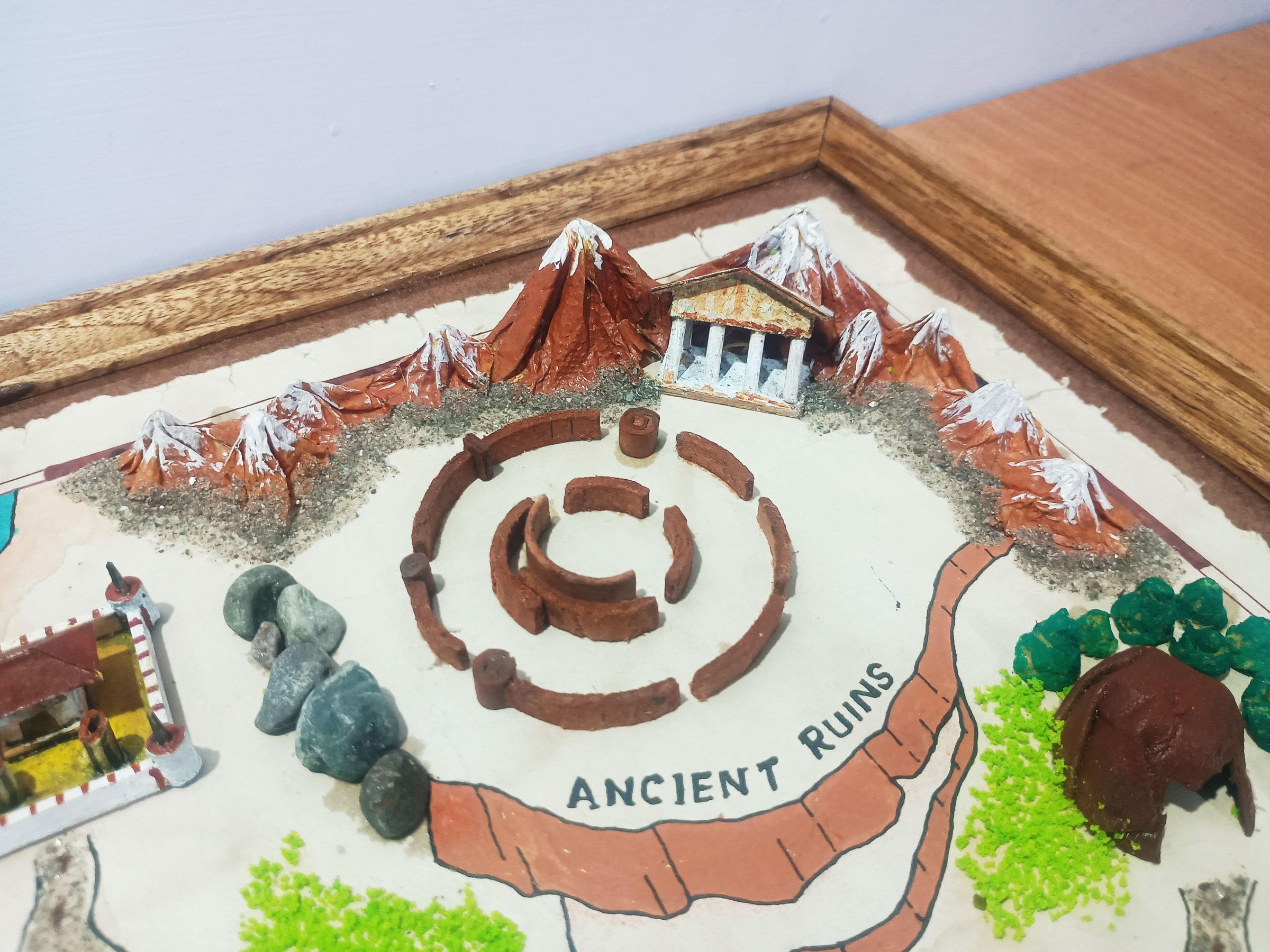
Welcome to my 2.5D Mixed-Media Map project! There is something magical about an old treasure map, but I wanted to take that magic off the flat page and bring it into the third dimension. To challenge myself for this year's Map Contest, I wanted to experiment with depth and texture. So, I decided to create a 2.5D mixed-media treasure map that looks like it was pulled straight out of an explorer's journal.
Using a sturdy MDF board as my canvas, I build up layers with everyday materials like, paper, ice cream sticks, scenic grass powder, sand, and colors to make the terrain & texture. I turned a flat drawing into a tactile landscape you can actually feel. Whether you want a unique piece of wall art or a prop for your next tabletop campaign, here is how you can craft your own dimensional world!
Before you start your own, here is a quick look at what works beautifully with this method, and what challenges you might face:
⚖️ Pros & Cons:
Pros
- Budget-Friendly: Uses incredibly cheap and accessible materials like popsicle sticks and paper.
- High Visual Impact: The 2.5D effect catches shadows & depth beautifully when hung on a wall, making it look much more expensive than it is.
- Highly Customizable: You can adapt this technique to make fantasy maps, historical maps, or even a 3D layout of your hometown.
Cons
- Drying Time: Working with layers of mixed-media paste, glue, and paint requires a lot of patience & time between steps.
- Texture Shedding: Loose elements like grass powder can create a bit of a mess during application and may shed later if not sealed correctly.
🗺️ Practical Uses:
- Statement Wall Art: Because it is mounted on MDF, it is ready to be framed or fitted with hanging hardware to become a unique focal point in a room.
- Tabletop RPG Prop: Perfect for Dungeons & Dragons or tabletop gamers who want a high-end, tactile map for their campaigns.
- Educational Craft: A fantastic weekend project to teach kids or students about geography, scale, and textures.
Supplies

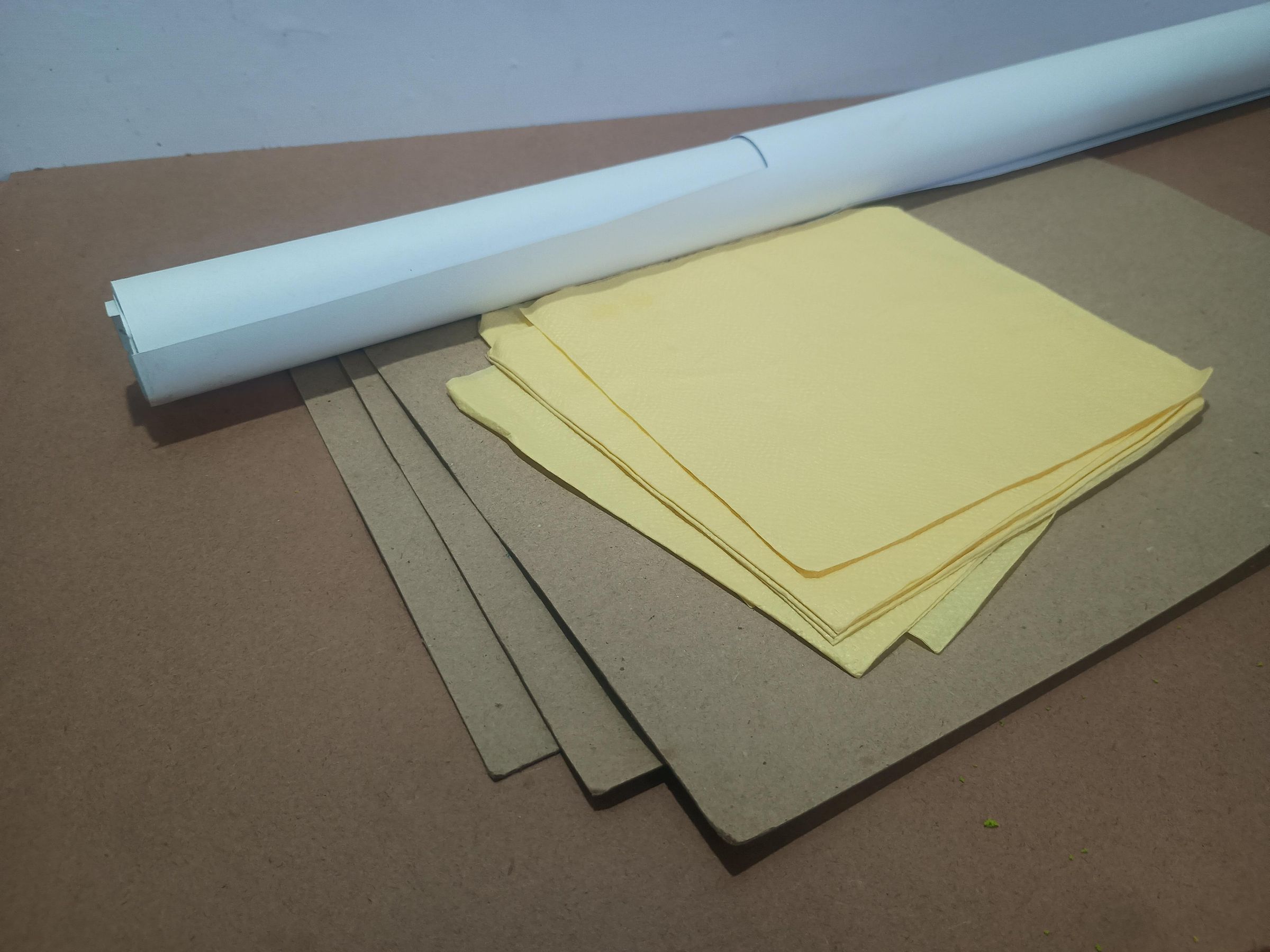


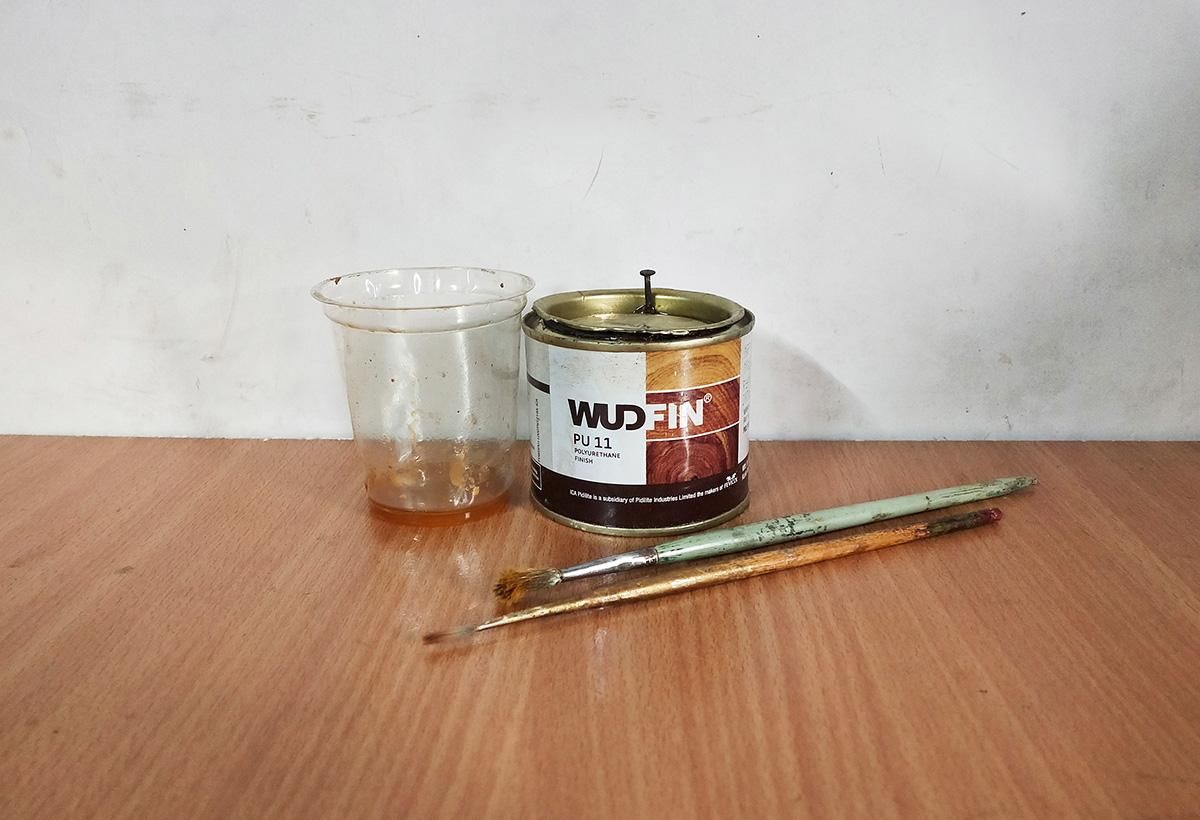
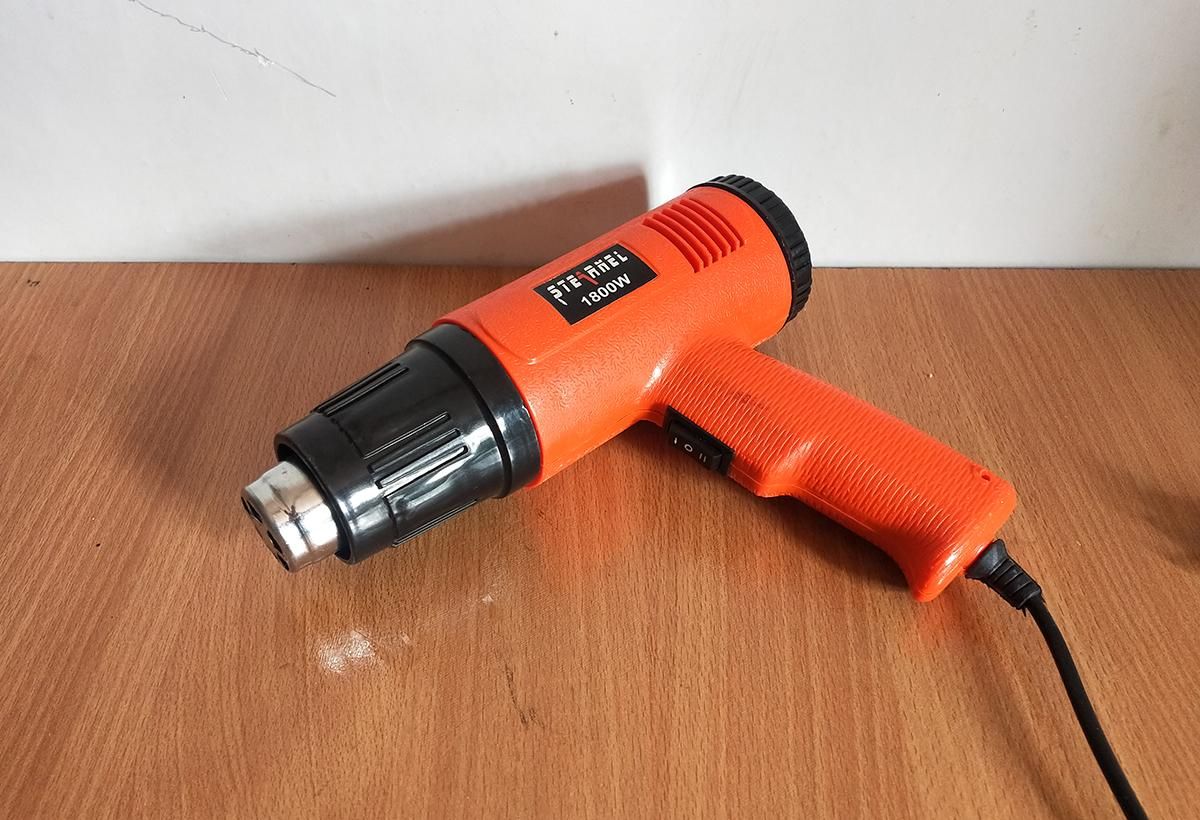


Supplies List :
- Board: MDF board, Corner wooden beads, Varnish.
- Canvas: Chart-paper, Coffee powder (for staining).
- Adhesive: Fevicol or Wood glue and Superglue.
- Dimensional Elements: Hard paper, Ice cream sticks, Tooth-pick or Bamboo stick, Tissue paper, Grass powder (terrain), Sand, Stones.
- Color & Texture: Acrylic paints & Brushes (red, black, white, blue, green, golden, yellow, brown).
- Tools: Hacksaw, Scissors, Craft knife or Cutter, Plier, Sandpaper, Ruler, Pencil, Pen (brown & black), Iron or hot air gun
Preparing the MDF Base Frame

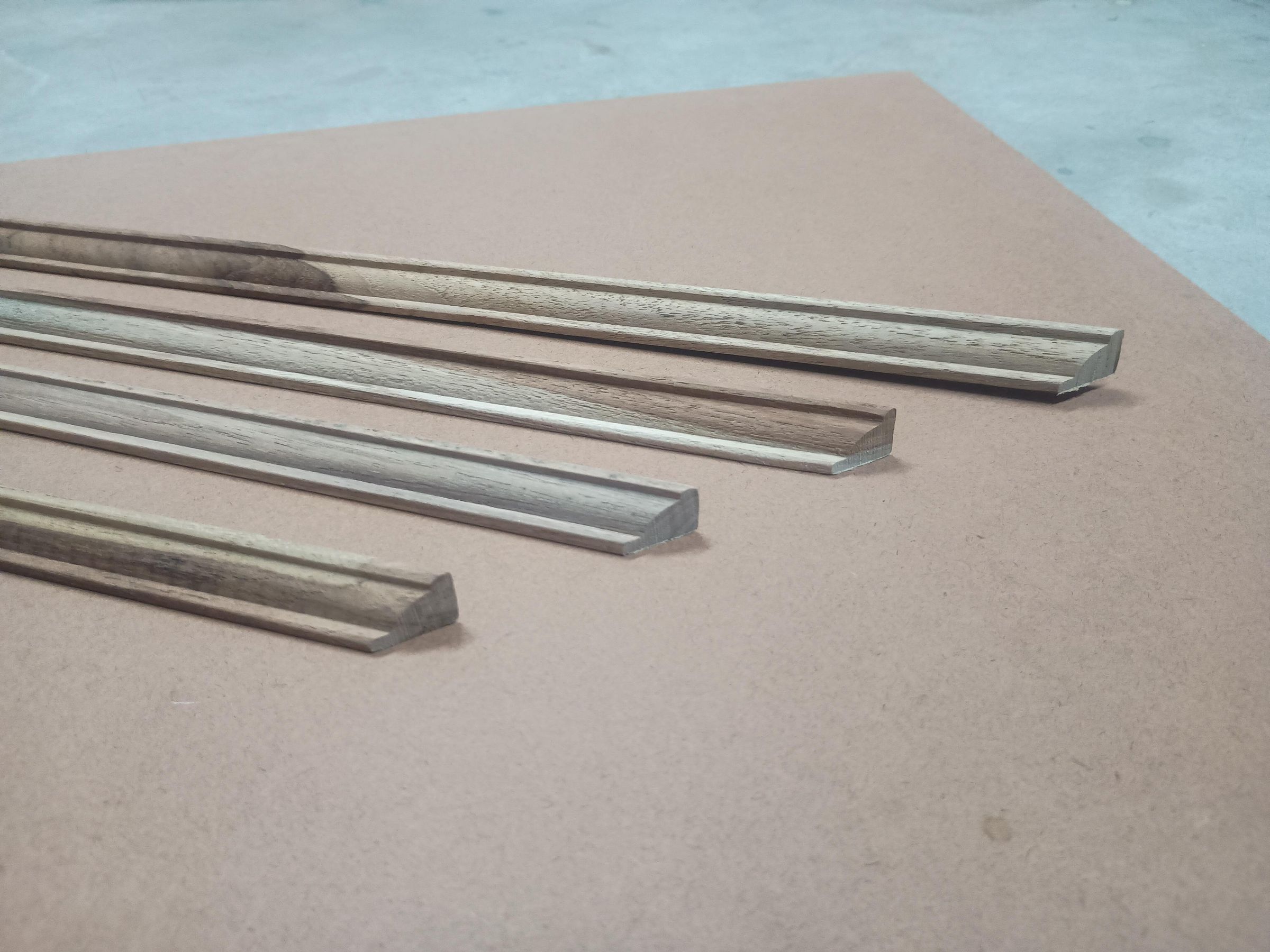

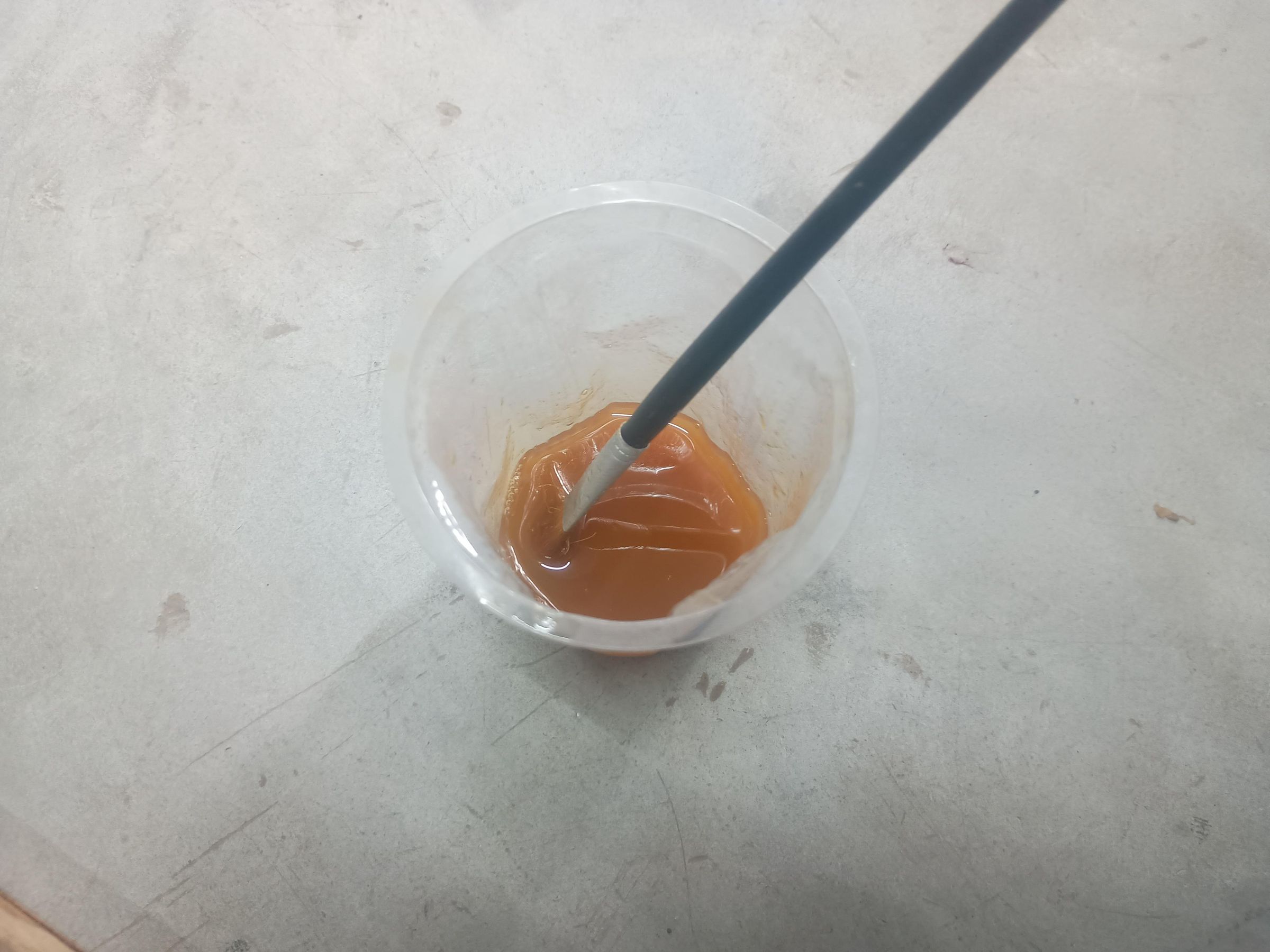
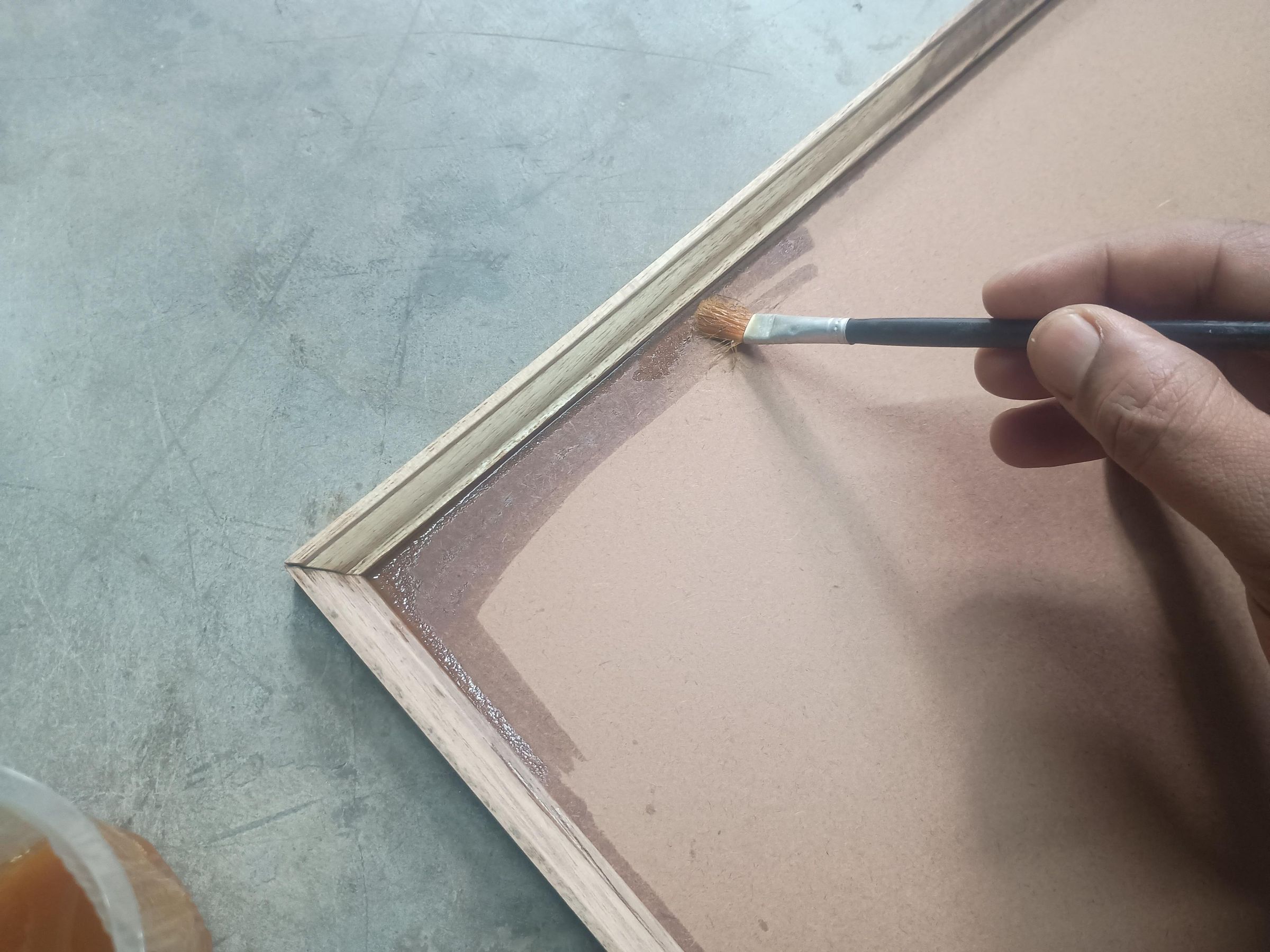

Every great adventure needs a solid foundation! Using an MDF board prevents your map from warping under the weight of wet glue and heavy textures, while the wooden border creates a beautiful "shadow-box" frame.
🔨 What to Do:
- Cut & Smooth: Measure your map layout, cut the MDF board to size using a hacksaw, and sand down the rough edges until smooth.
- Frame the Border: Measure your corner wooden beads to fit the outer edges of the board. Cut the corners at a 45-degree angle so they fit together like a picture frame.
- Glue it Down: Apply a steady line of wood glue to secure the frame to the MDF base.
💡 Quick Tip: Add a few drops of superglue alongside the wood glue. It bonds instantly, acting as a "chemical clamp" so you can keep working without waiting for the wood glue to dry!
Designing and Aging the Canvas

![Screenshot_20260525-194023.Gallery[1].png](/proxy/?url=https://content.instructables.com/FQG/EPI0/MPEDV2AL/FQGEPI0MPEDV2AL.png&filename=Screenshot_20260525-194023.Gallery[1].png)
![Screenshot_20260525-194111.Gallery[1].png](/proxy/?url=https://content.instructables.com/FRI/7KD2/MPEDV2BI/FRI7KD2MPEDV2BI.png&filename=Screenshot_20260525-194111.Gallery[1].png)

![Screenshot_20260525-194216.Gallery[1].png](/proxy/?url=https://content.instructables.com/FEA/O6JT/MPEDV2CG/FEAO6JTMPEDV2CG.png&filename=Screenshot_20260525-194216.Gallery[1].png)
![Screenshot_20260525-194249.Gallery[1].png](/proxy/?url=https://content.instructables.com/F5N/VF3E/MPEDV2DF/F5NVF3EMPEDV2DF.png&filename=Screenshot_20260525-194249.Gallery[1].png)


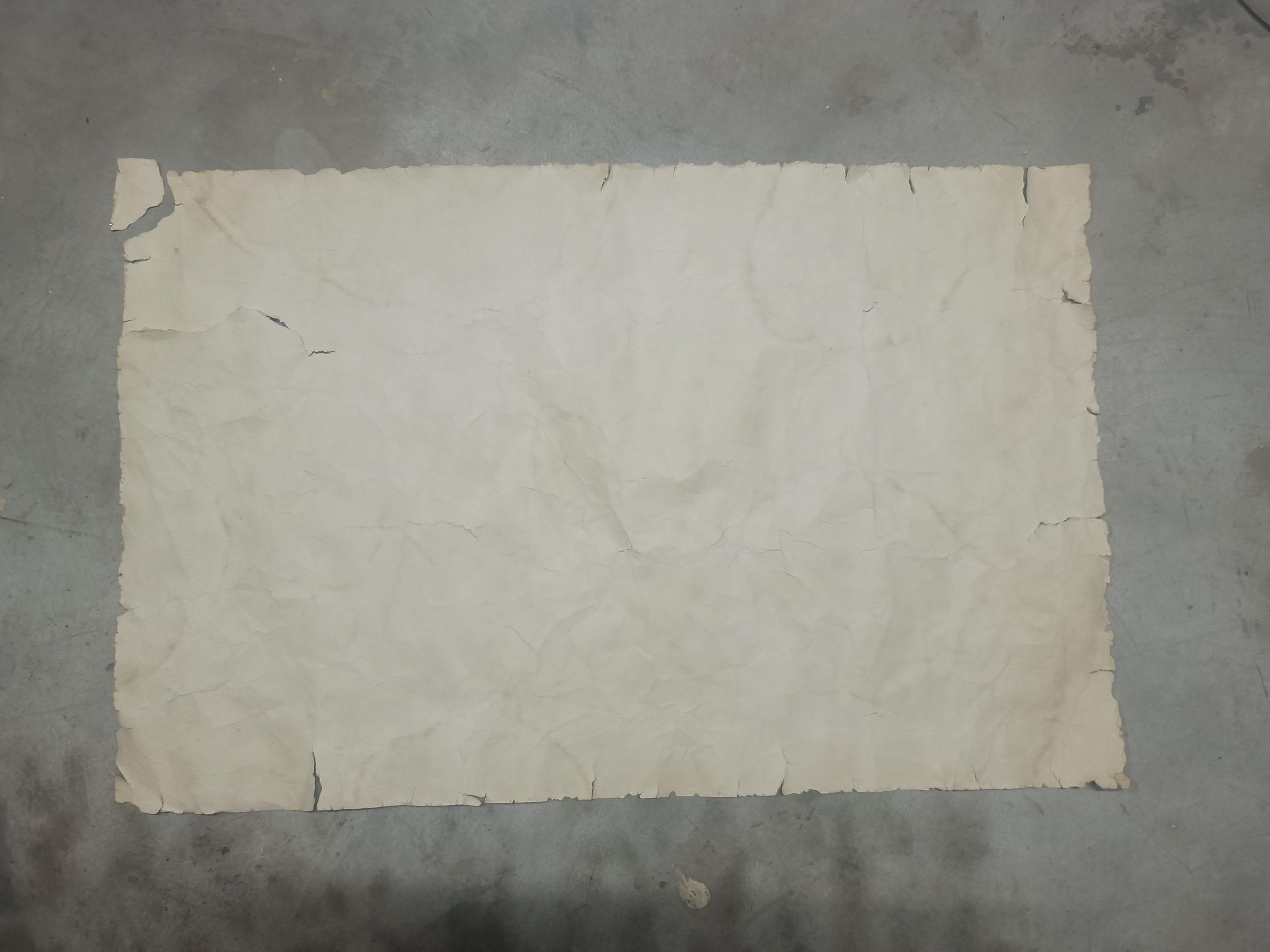
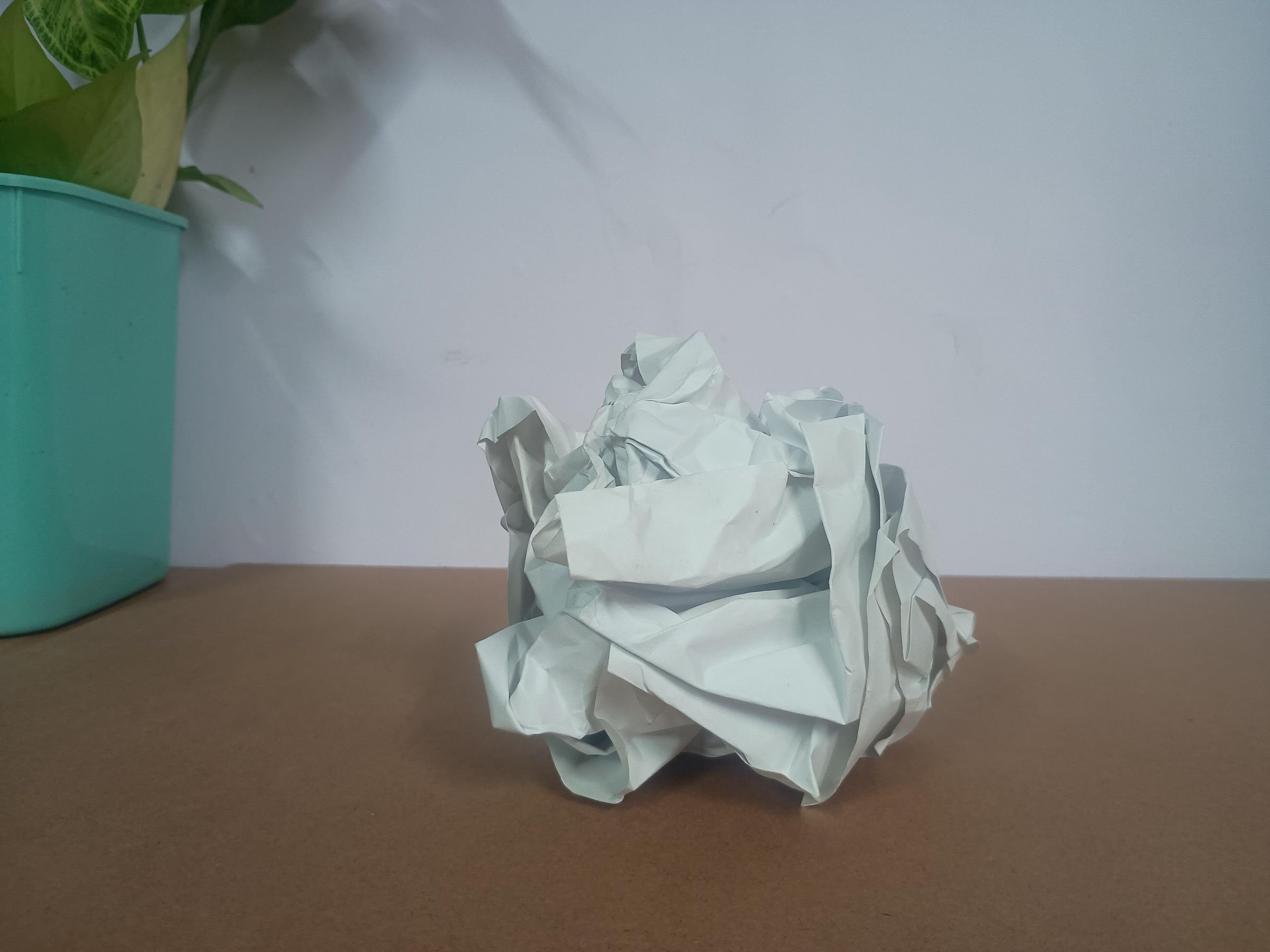
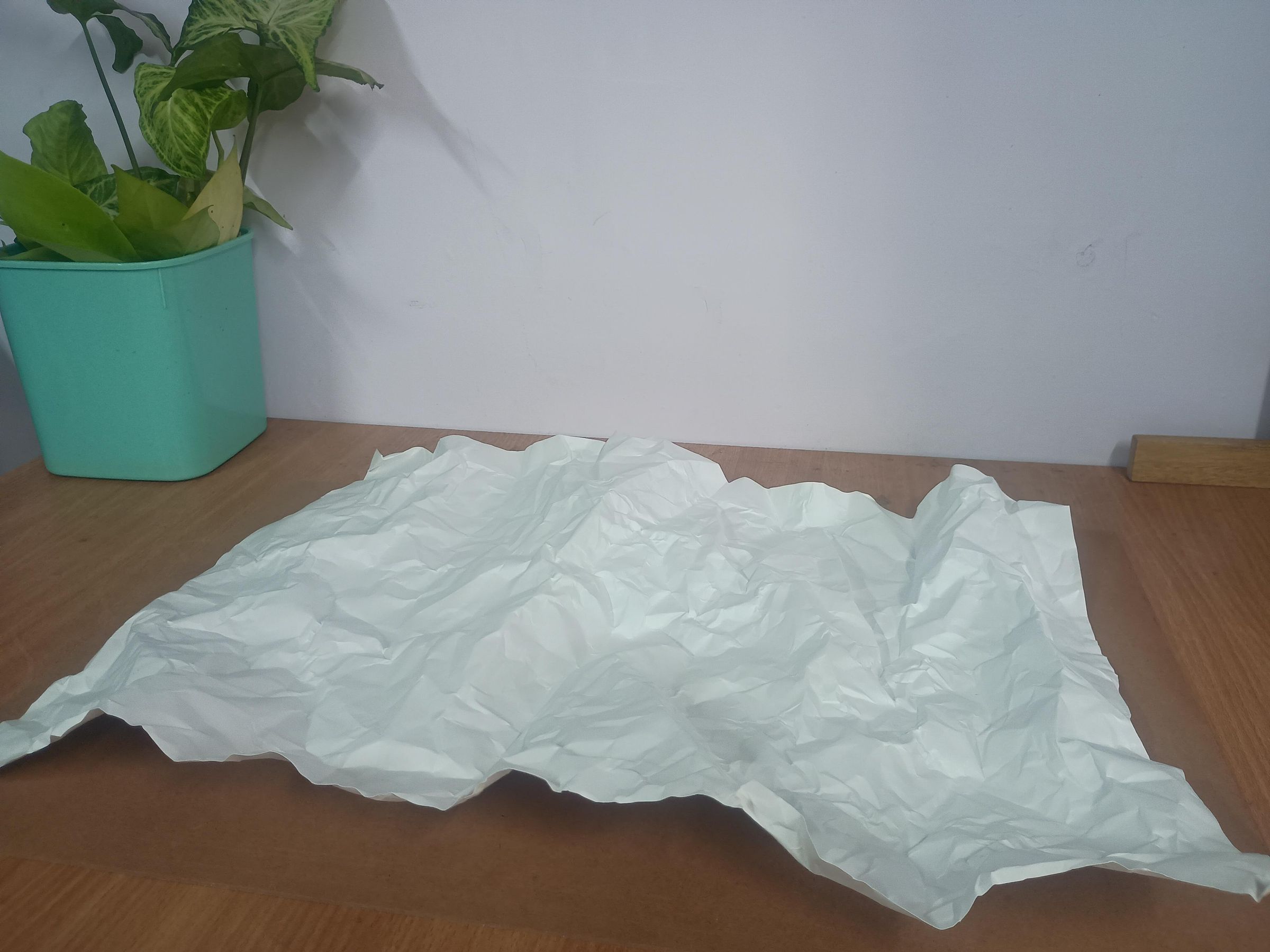
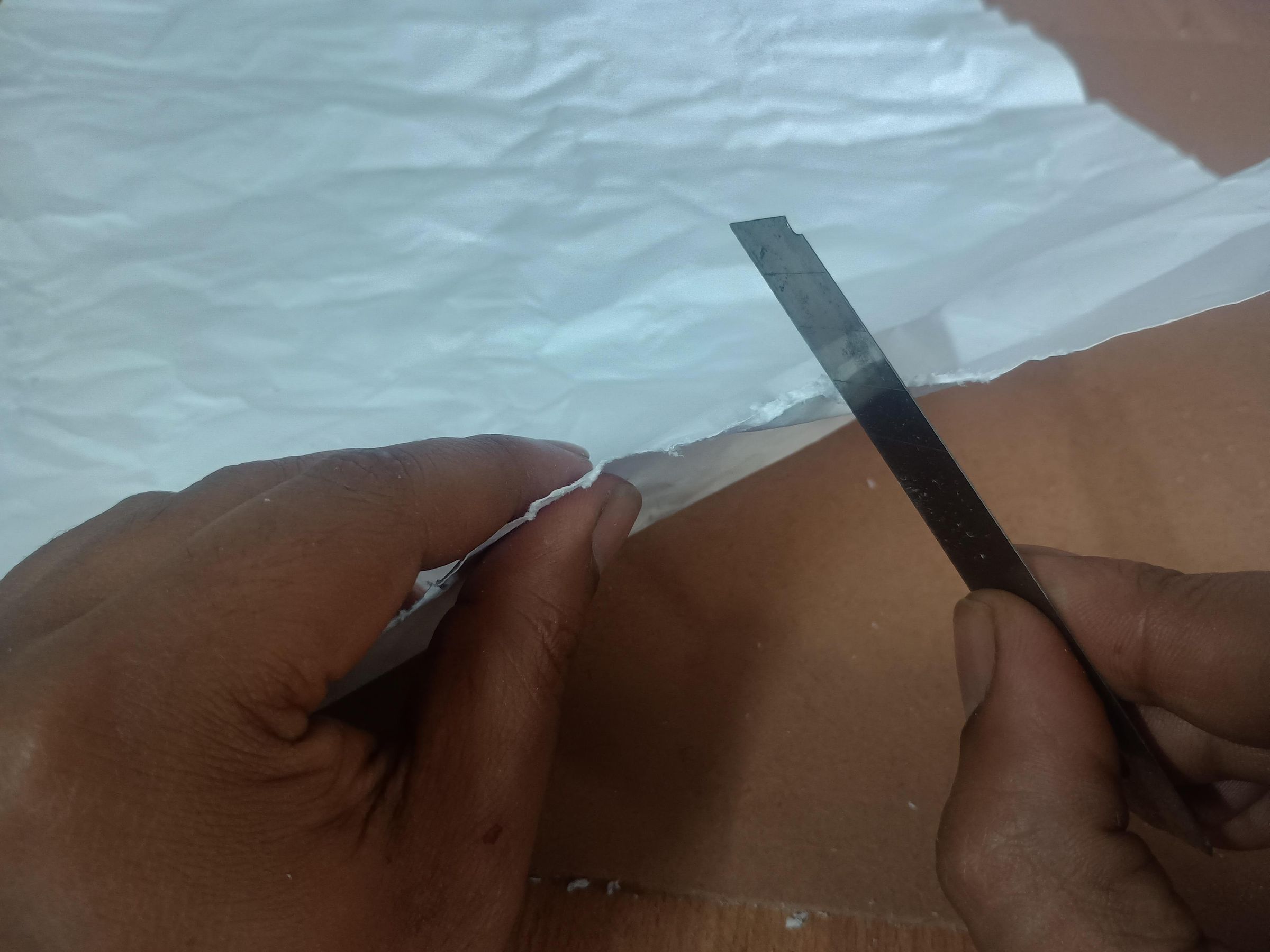
To make your map look like a centuries-old artifact recovered from a shipwreck, you need to transform bright white chart paper into weathered, rugged parchment using the magic of coffee staining.
📜 What to Do:
- Crushing Process: First take the chart paper, cut according to your desired size and then crumble the paper into a ball, so that it gets the old vintage paper texture.
- Singed Edges: Carefully use your cutter or knife to rub out the outer edges of the paper, giving it that classic, fire-survived or broken explorer look.
- The Coffee Bath: Mix a strong batch of instant coffee powder and warm water. Coat your chart paper evenly using a brush or by dipping.
- Flash-Drying: Place it under direct sunlight to dry or use a hot air gun to dry the wet paper completely. The intense heat will quickly bake the coffee into the fibers, leaving behind organic, varied brown stains. Later on Iron the paper to even or flatten the paper.
💡 Quick Tip: drop few extra coffee water into random places, it gives different marks on different areas, actually make the map look more authentic.
Pre-Marking the Canvas


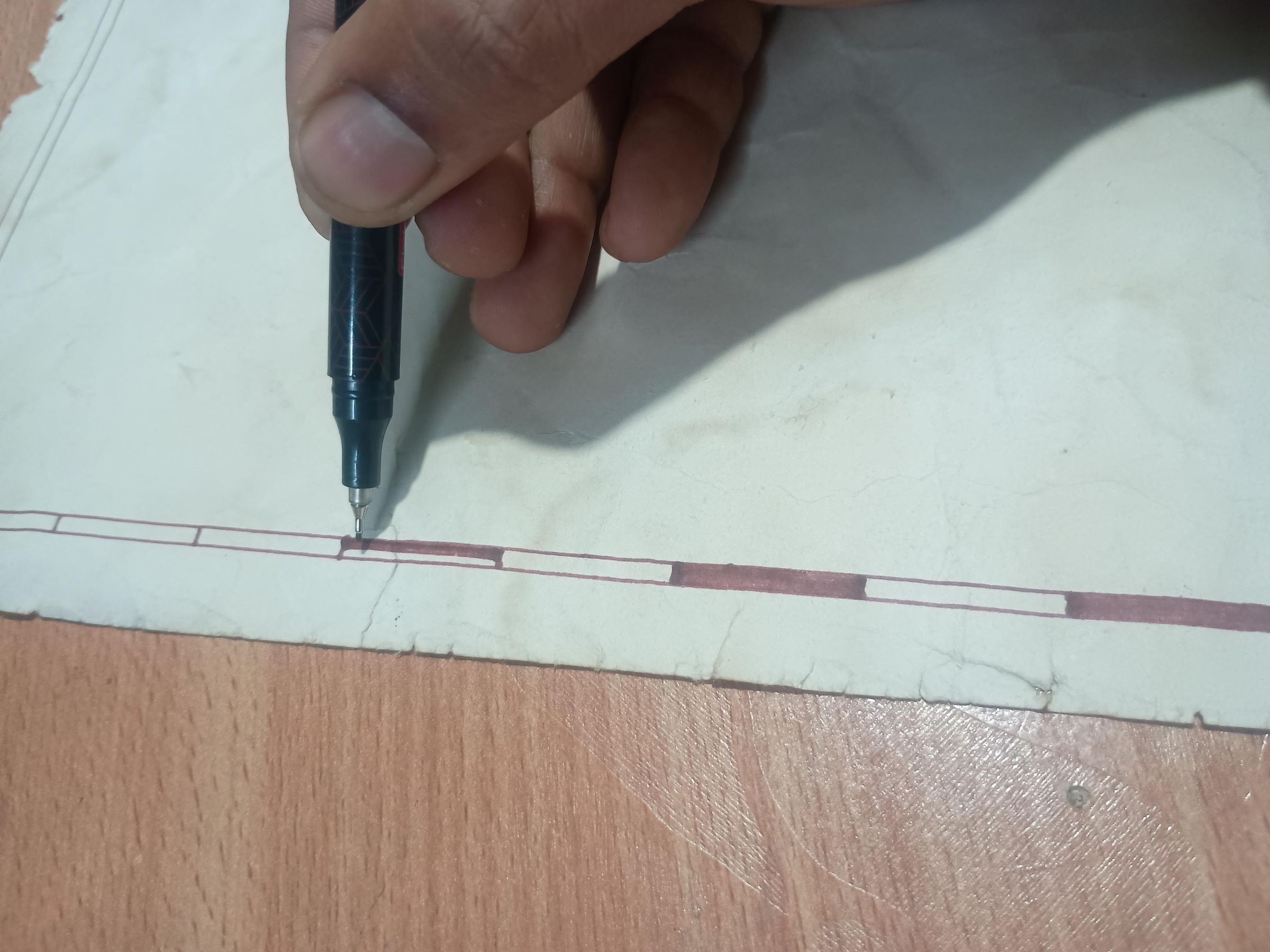


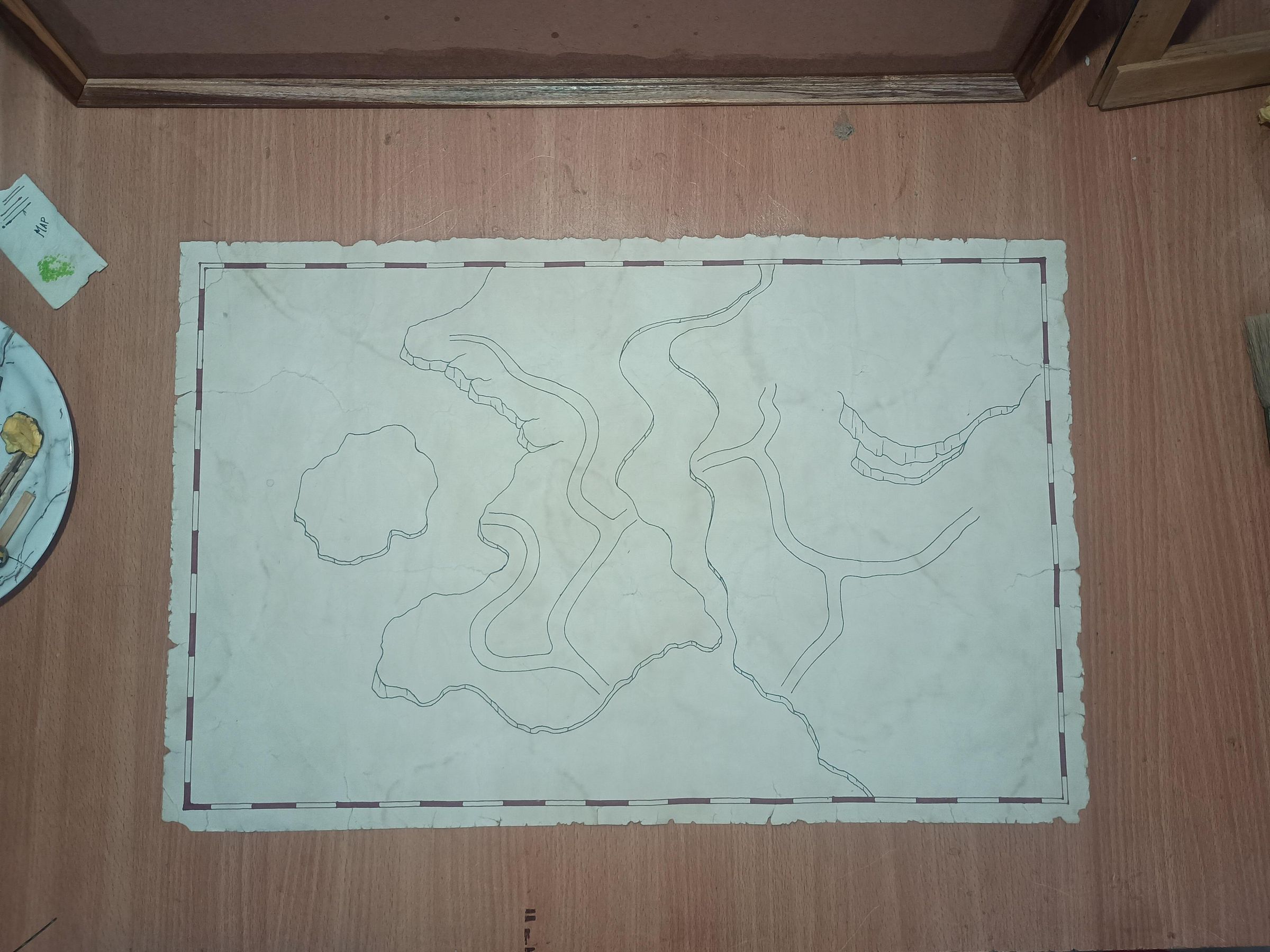
Before we glue anything down or build upward, we need a precise game plan. Pre-marking allows you to lock in your layout, map out exactly where your 3D elements will sit. Here we designed the border and marked the terrain (land, ocean & river).
🖋️ What to Do:
- The Pencil Sketch: Lightly sketch your entire world using a pencil. Draw your main landmasses, rivers, mountain ranges, and the final "X" marks the spot.
- Ink the Details: Trace over your pencil lines with black and brown fineliner pens. Add classic cartography details like compass roses, ocean wave ripples, and old-school labels.
- Plot the 3D zones: Lightly shade or mark the exact spots where your 3D assets (like the castle, lighthouse, and mini houses) will be glued later. This keeps your composition balanced.
💡 Quick Tip: Don't worry about making your ink lines perfect! Shaky hands and slightly bleeding ink actually make the map look more authentic and hand-drawn.
Designing the Terrains
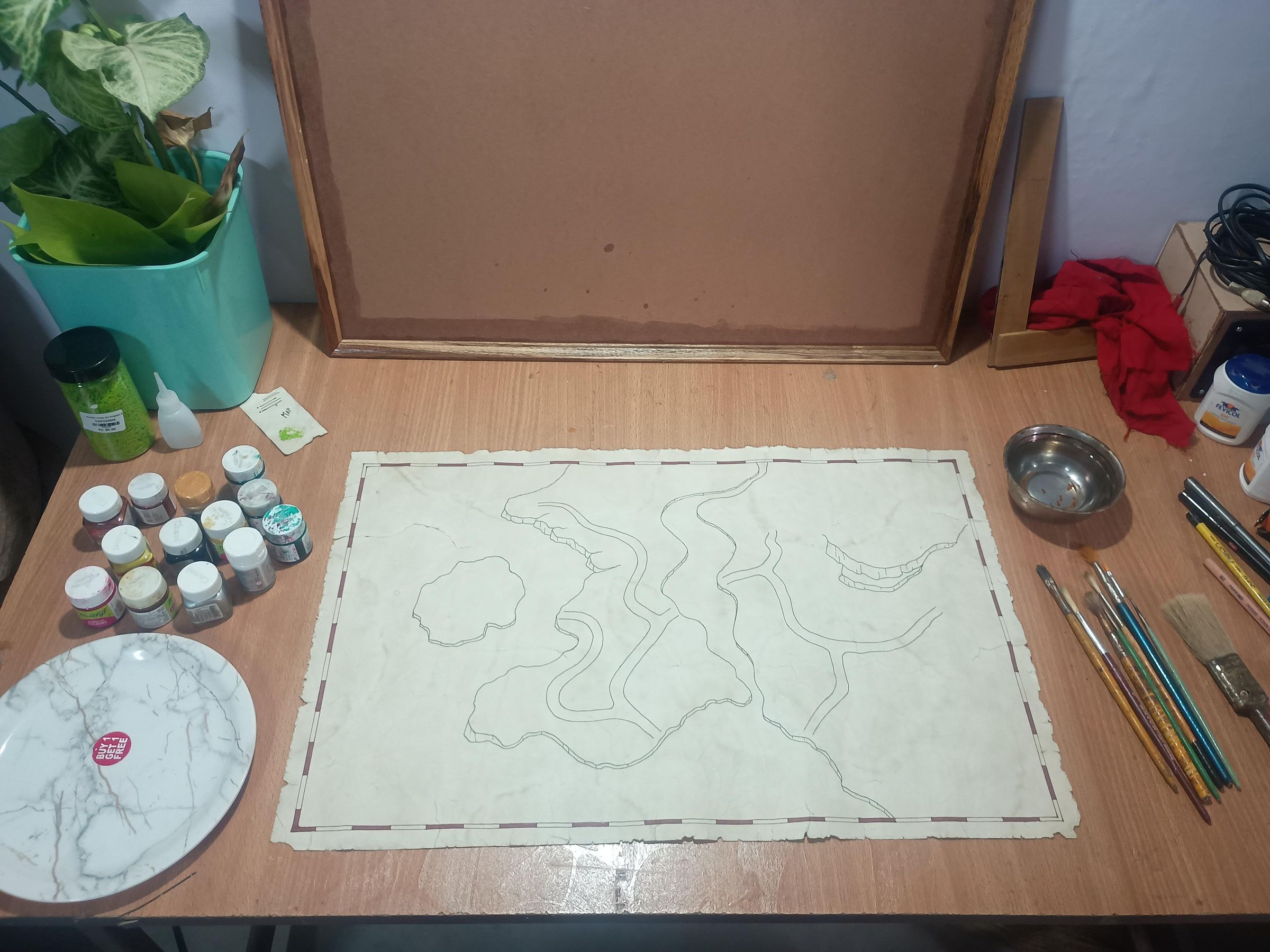
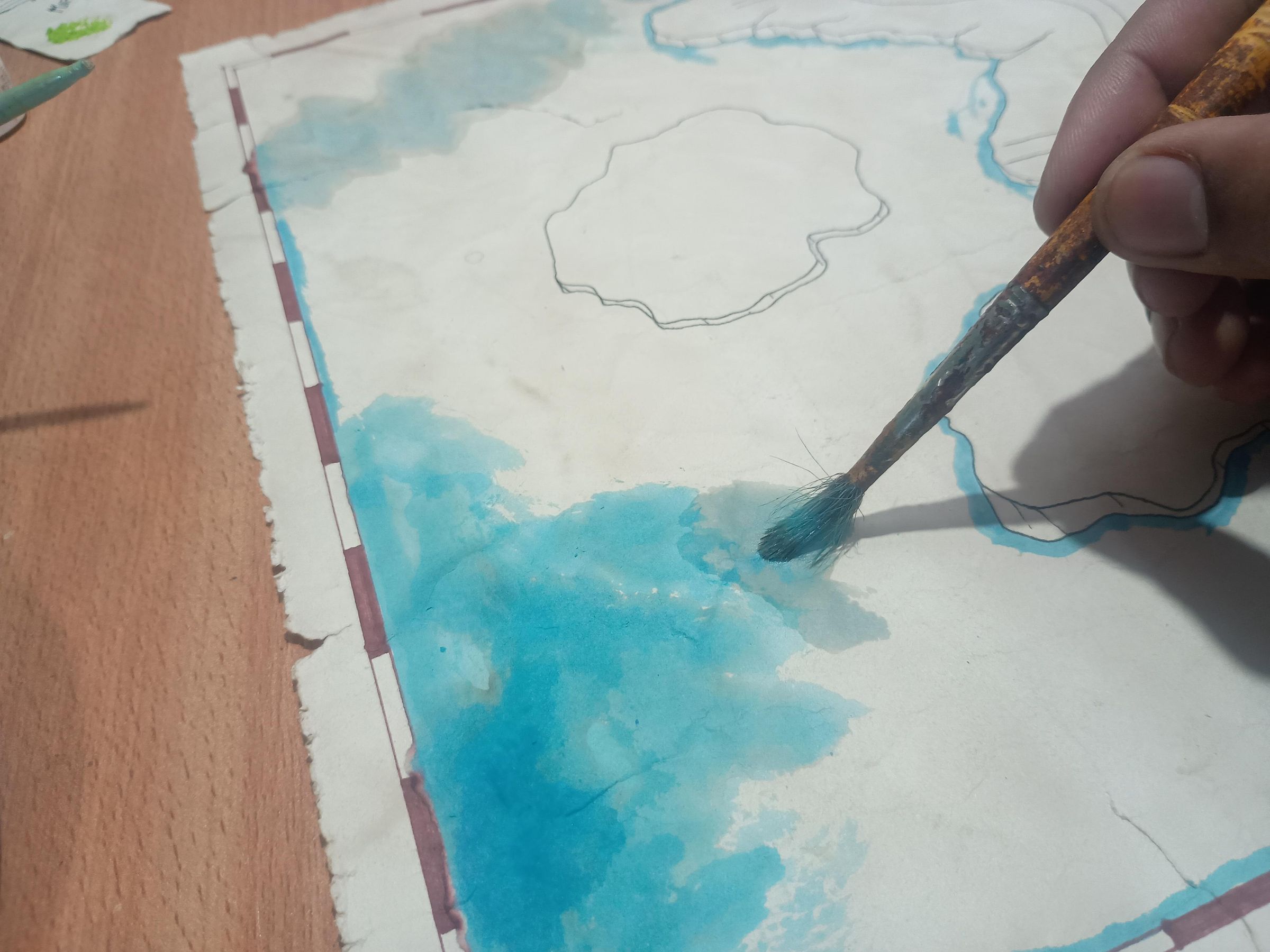

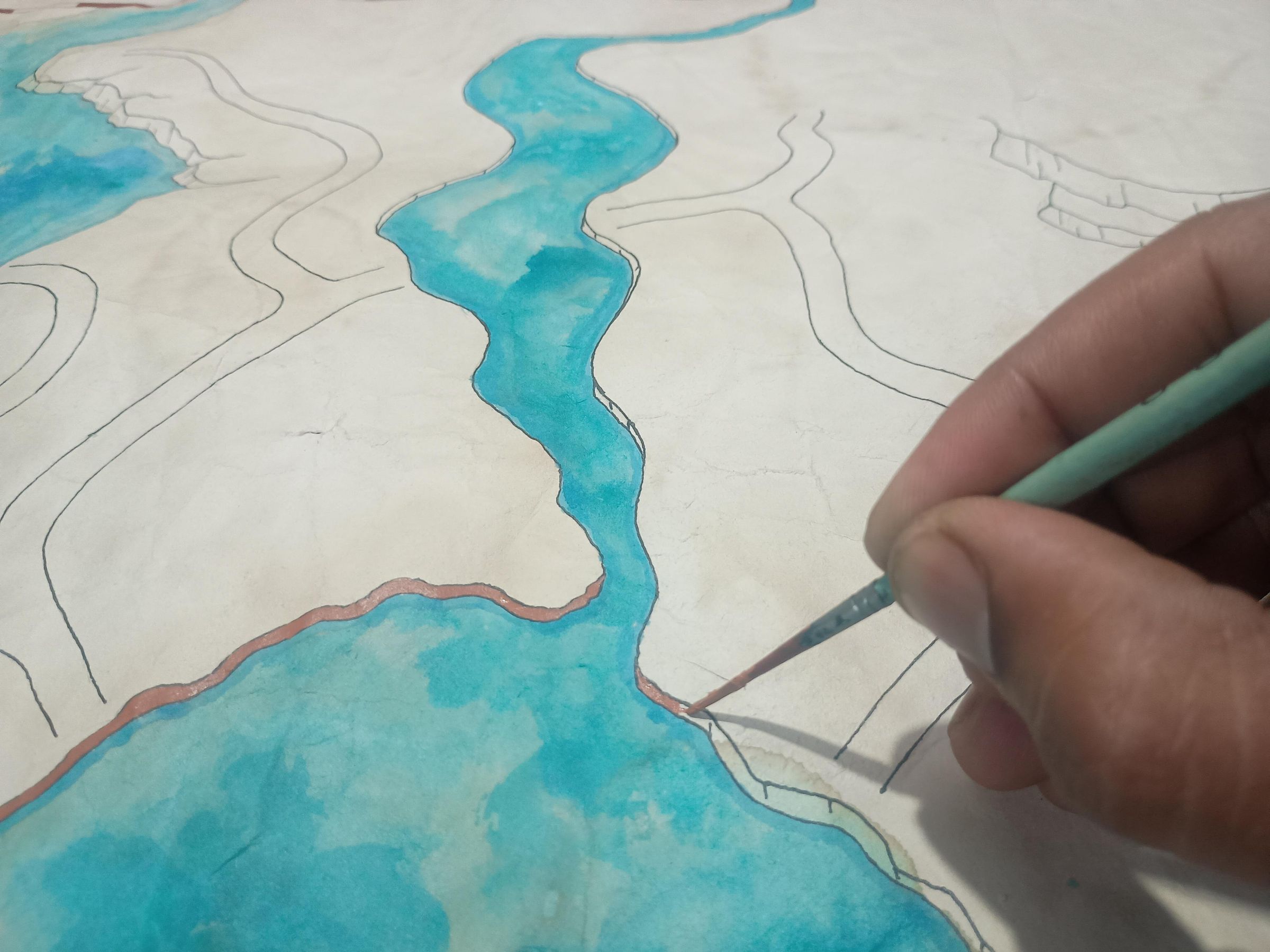
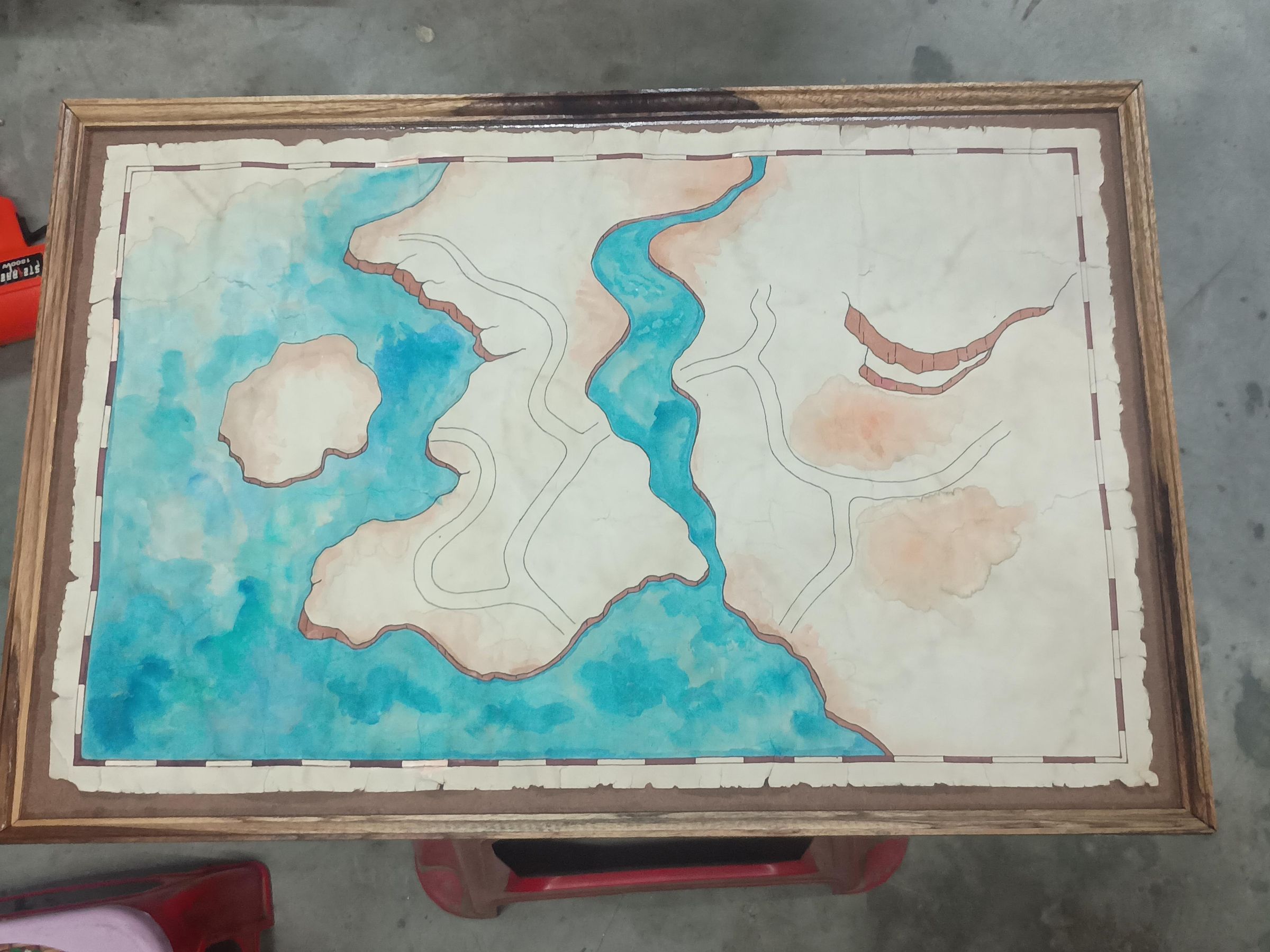

With the physical shapes locked in, it’s time to bring your world to life with color! Using a mix of acrylic paints and classic hobby weathering techniques, you can make your deep oceans look treacherous.
🎨 What to Do:
- Paint the Base Layers: Use your acrylic paints to block out the primary colors. Use deep blues for the open ocean, lighter turquoise near the coastlines, and rich browns for the islands and landmasses.
💡 Quick Tip: When painting the water, blend your blue paint out into a lighter gradient as it approaches the shore. This creates a beautiful "shallow water" illusion that makes your 2.5D coastlines visually pop!
Attach the Canvas to the Base
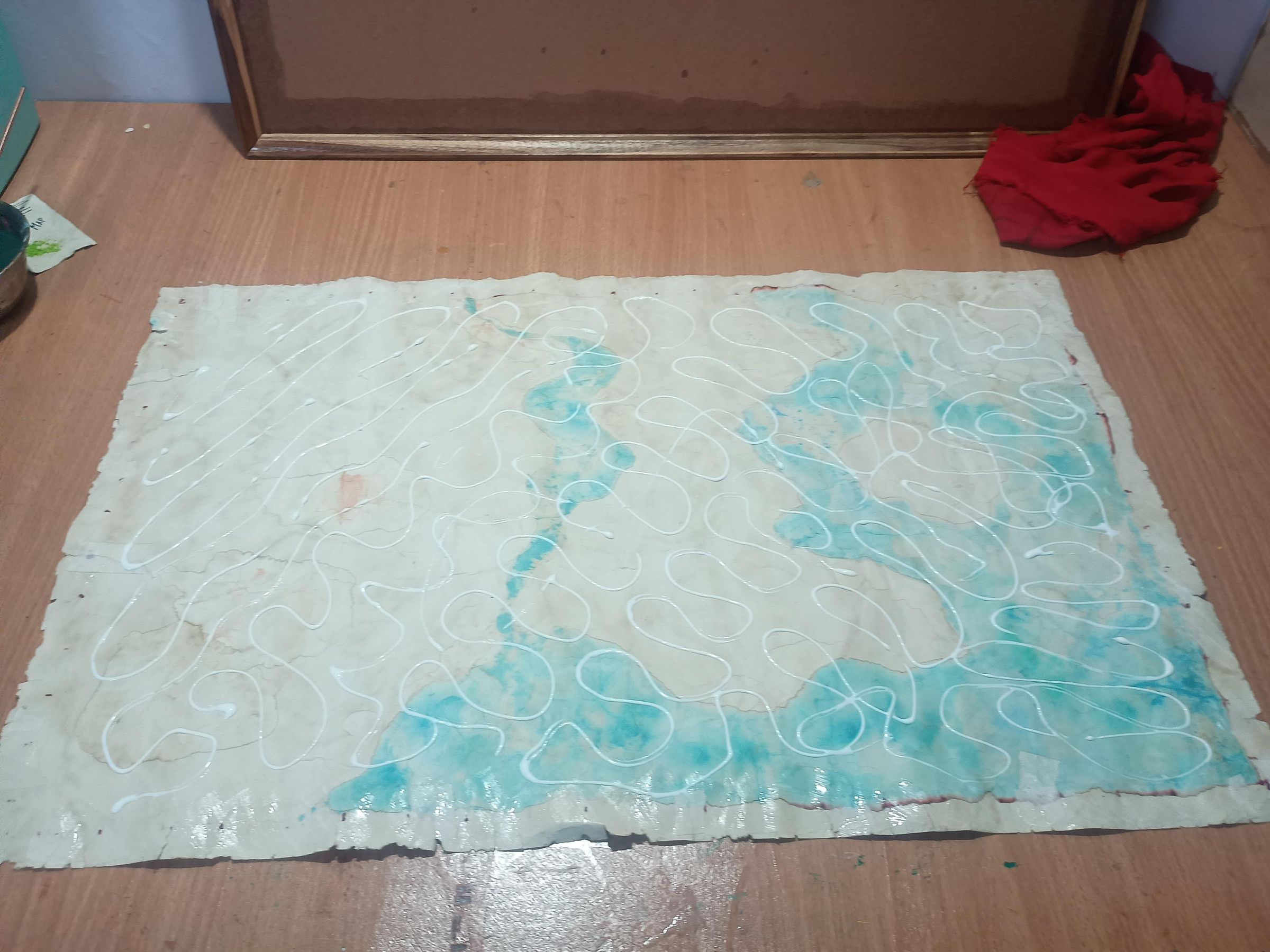
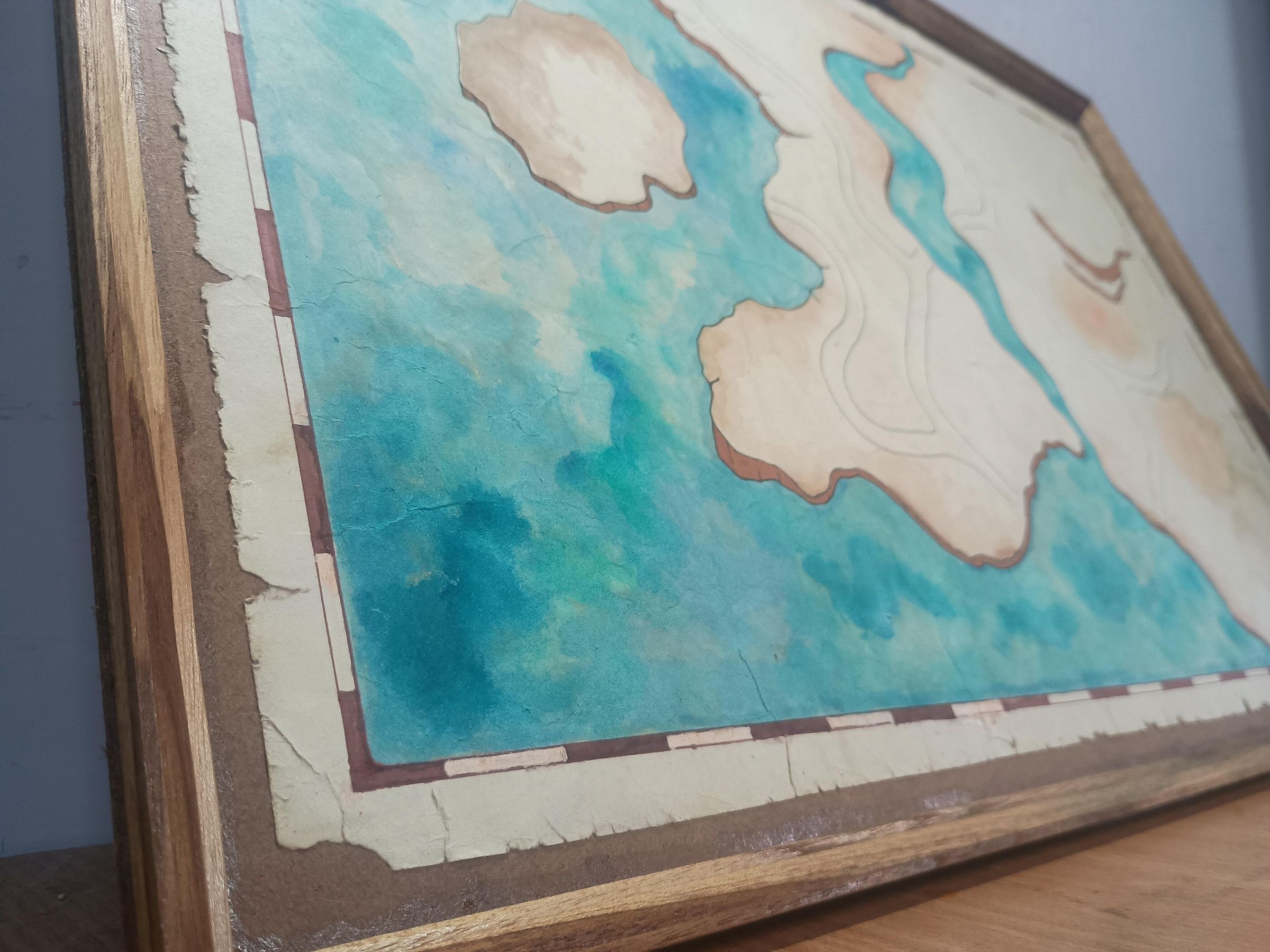
Now that your canvas is aged, marked, and base-colored, it’s time to permanently fix the chart paper to your sturdy MDF base. This locks everything into place and prepares your map for the final 3D details.
🪵 What to Do:
- Clean the Surface: Wipe down your MDF board with a dry cloth to remove any dust or leftover wood particles from your sanding step.
- Apply the Adhesive: Spread a generous, even layer of wood glue or Fevicol across the entire back surface of the canvas. Use a scrap piece of cardboard or an old brush to smooth out the glue so there are no large puddles.
- Press and Smooth: Carefully lower your aged chart paper canvas into the frame. Starting from the center and moving outward, firmly press the paper down to push out any trapped air bubbles.
- Let it Cure: Place a few heavy books on top of the flat areas of the map for about 20–30 minutes to ensure a perfectly flat, seamless bond without any lifting edges.
💡 Quick Tip: Be gentle when smoothing out the paper! Because the canvas has been coffee-stained and painted, it can be a little fragile while the fresh glue beneath it is wet. A light, steady touch is all it takes.
Designing the Map Routes
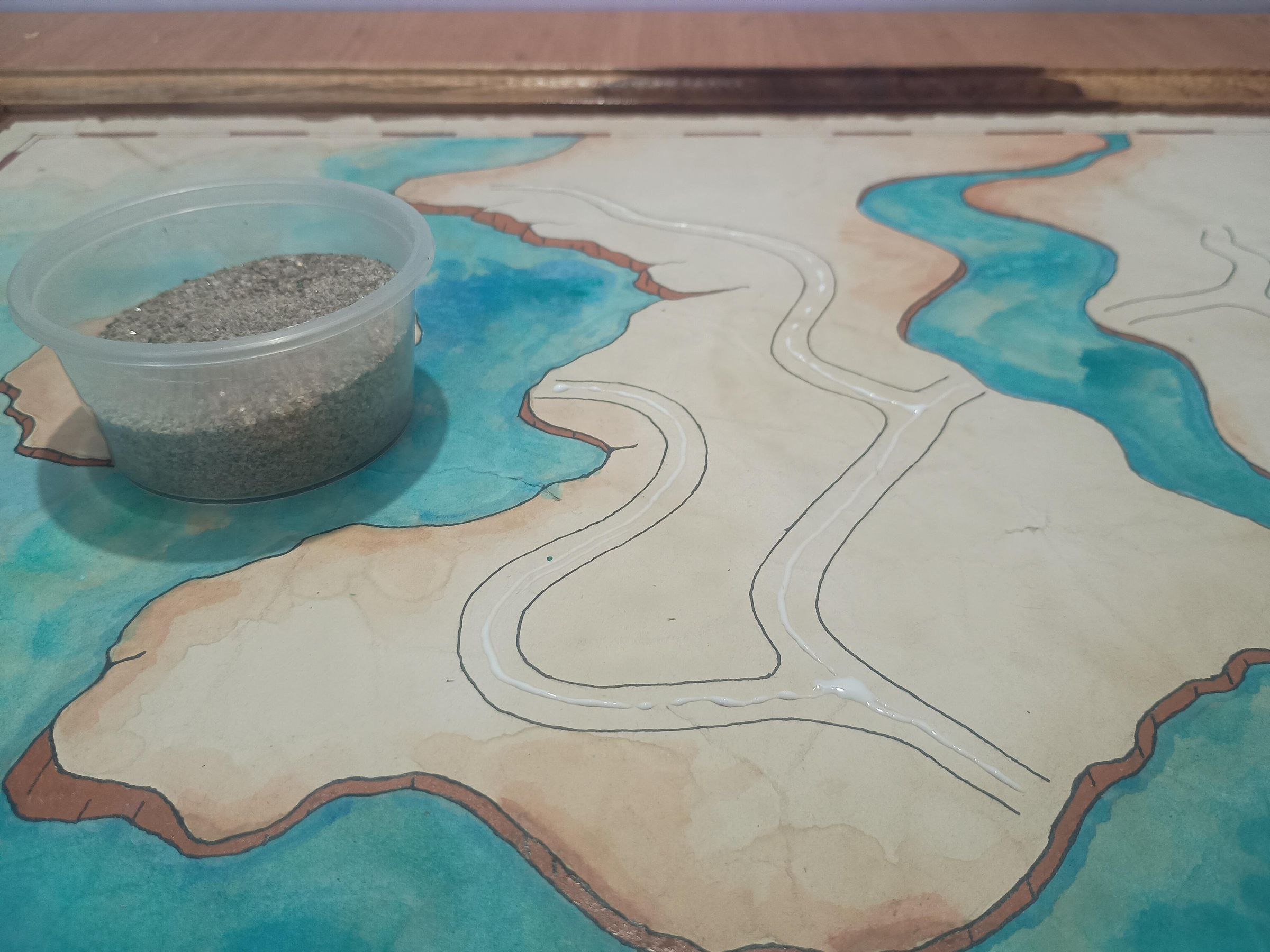

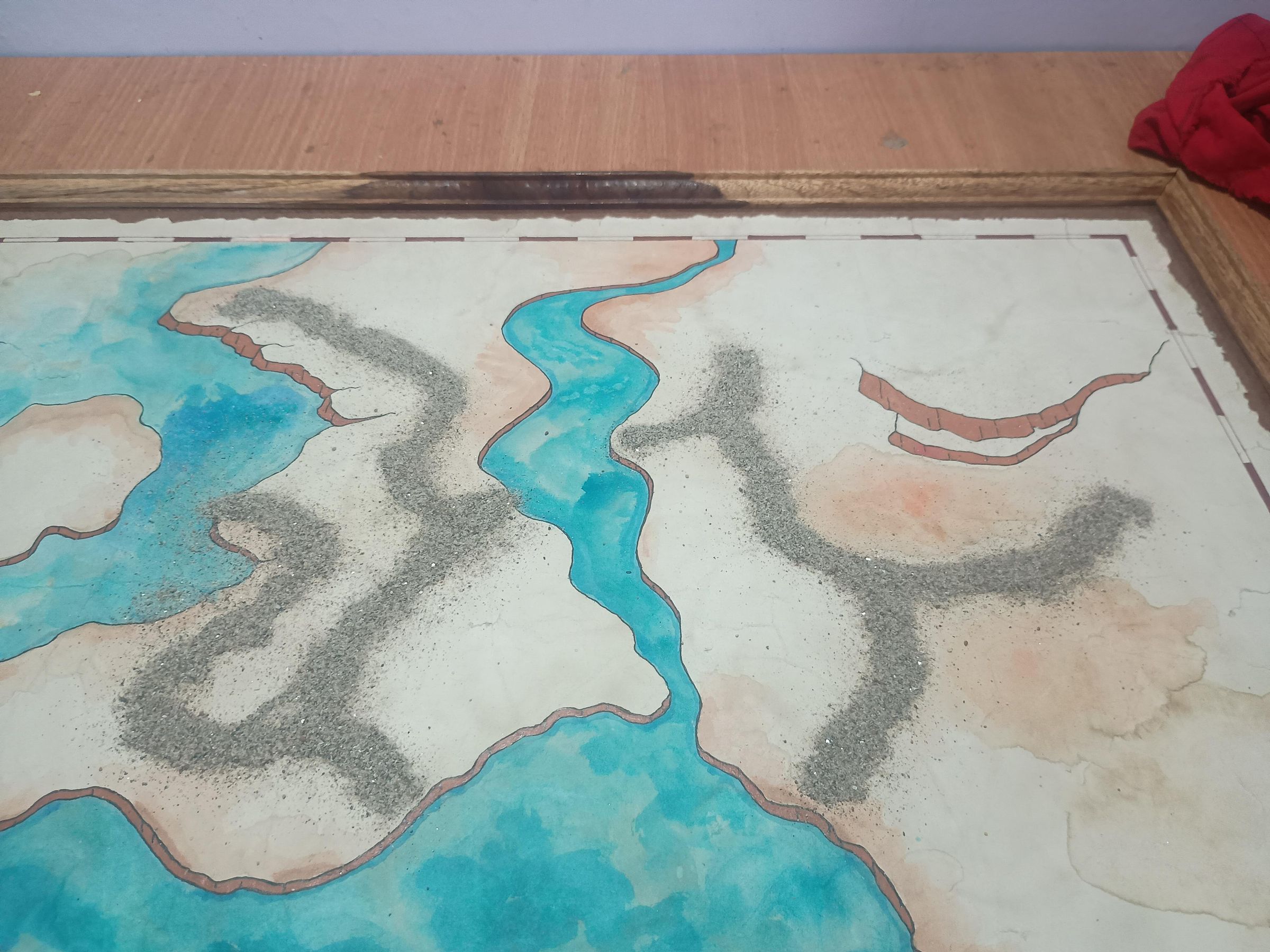


What is a treasure map without a perilous path to follow? Instead of simply drawing your routes with a pen, you will use texture to turn your explorer’s trail and coastlines into raised, tactile elements.
🏜️ What to Do:
- Trace the Trail: Apply a thin layer of wood glue along the routes, across the map.
- The Sand Shower: While the glue is completely wet, generously sprinkle your fine dry sand over the entire map, ensuring all glued areas are completely covered.
- The Big Reveal: Let it sit for a few minutes, then tip the MDF board on its side and gently tap the back. The excess sand will slide right off, leaving behind beautiful, textured, raised paths.
💡 Quick Tip: Save your excess sand! Tilt the map over a large piece of folded paper so you can easily pour the leftover sand back into its container to use on future hobby projects.
Building the 3D Map Elements

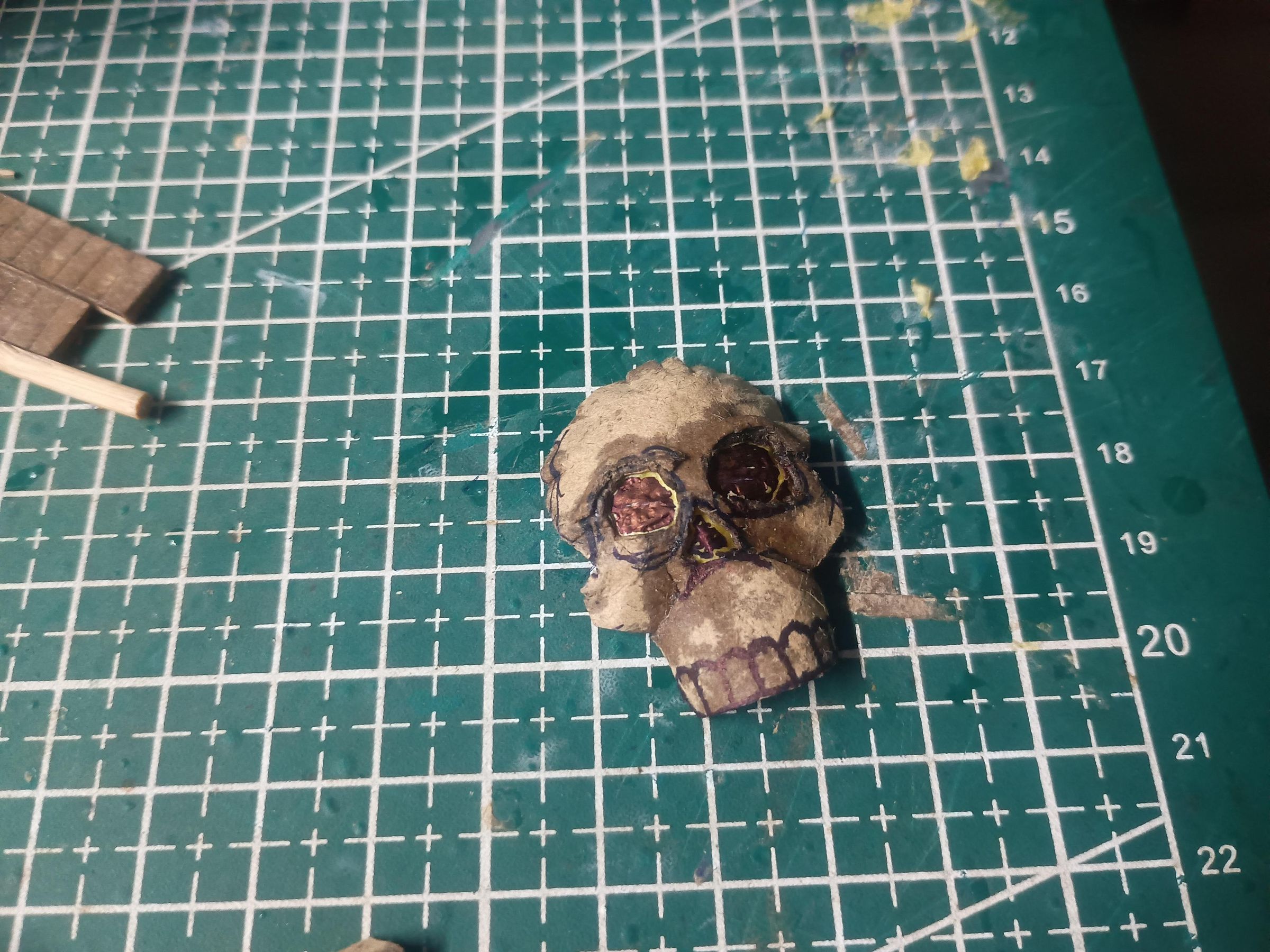


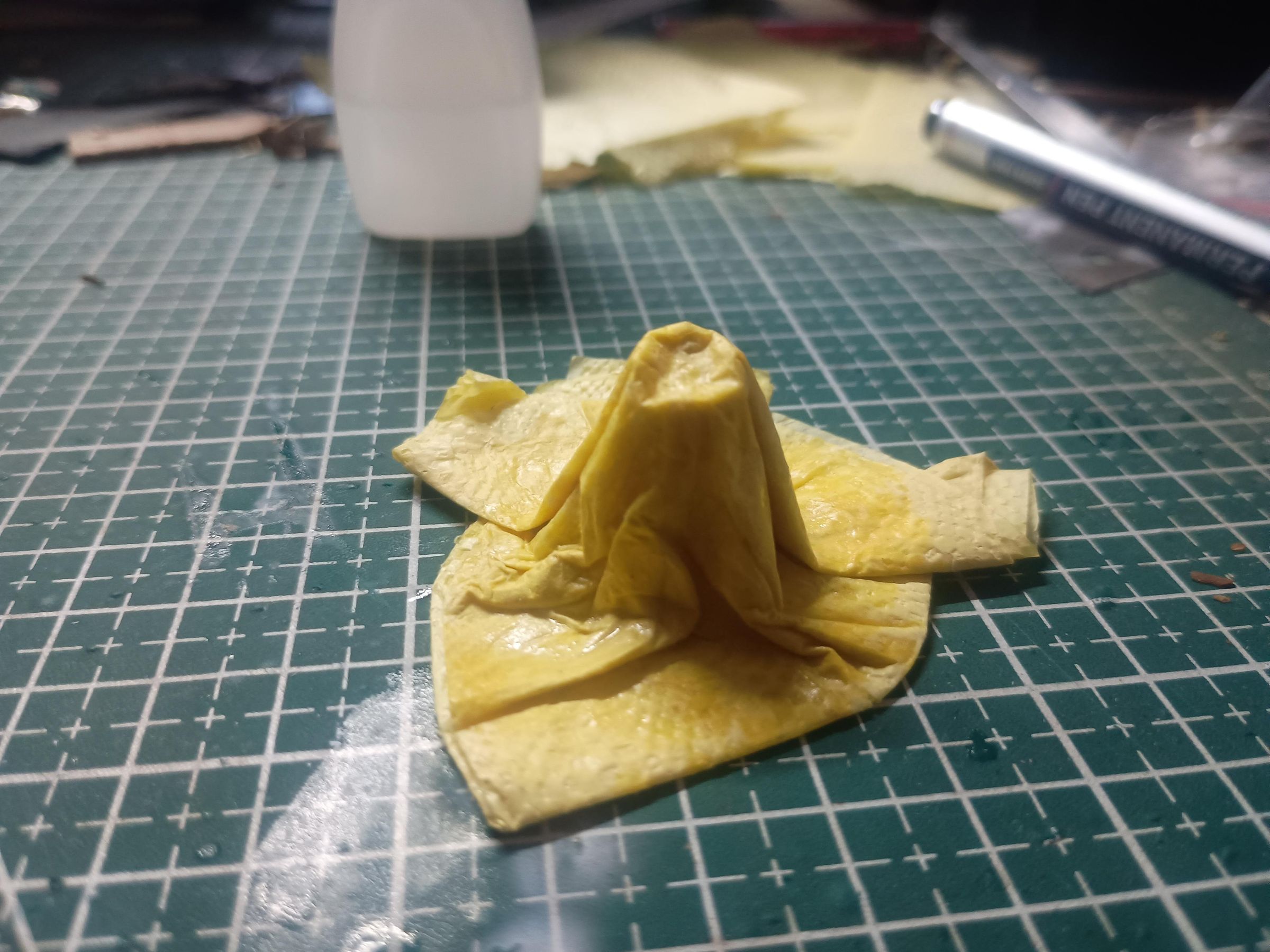


This is the ultimate storytelling step! By crafting miniature landmarks from scratch, you turn your map into a living, breathing world. From epic castles to treacherous shipwrecks, these tiny elements are what make your 2.5D project truly unforgettable.
🏗️ What to Do:
- Use your craft knife and pliers to shape your raw materials into custom miniatures.
- Use layered hard paper and tiny wood scraps to meticulously craft the ultimate map icons: a mini treasure chest, a skull for dangerous waters, camps & born-fire, caves, volcano, etc.
💡 Quick Tip: Work on a cutting mat or a piece of scrap cardboard when building these tiny assets. It keeps your fingers safe, protects your workspace from superglue accidents.
Making the Compass
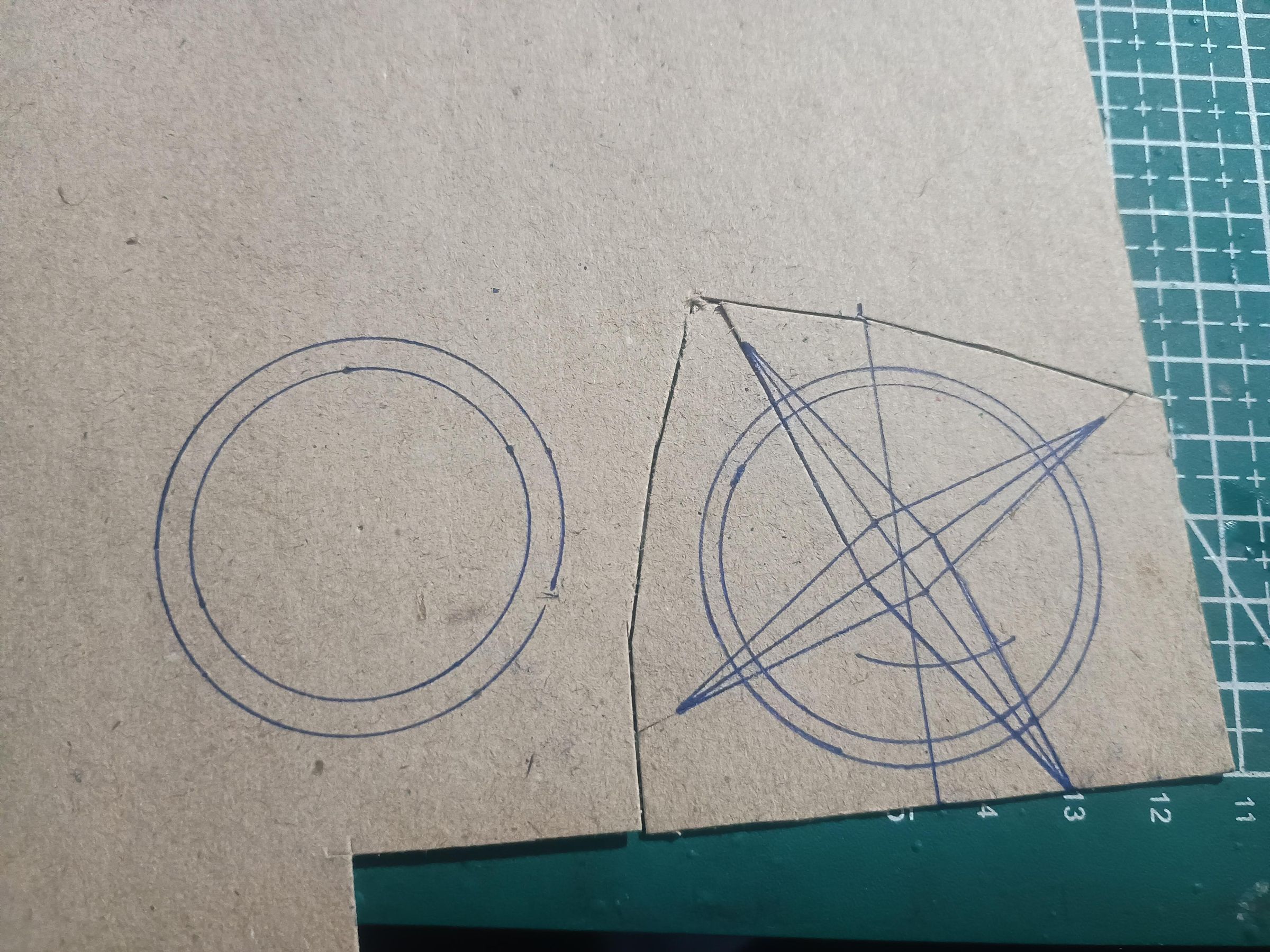
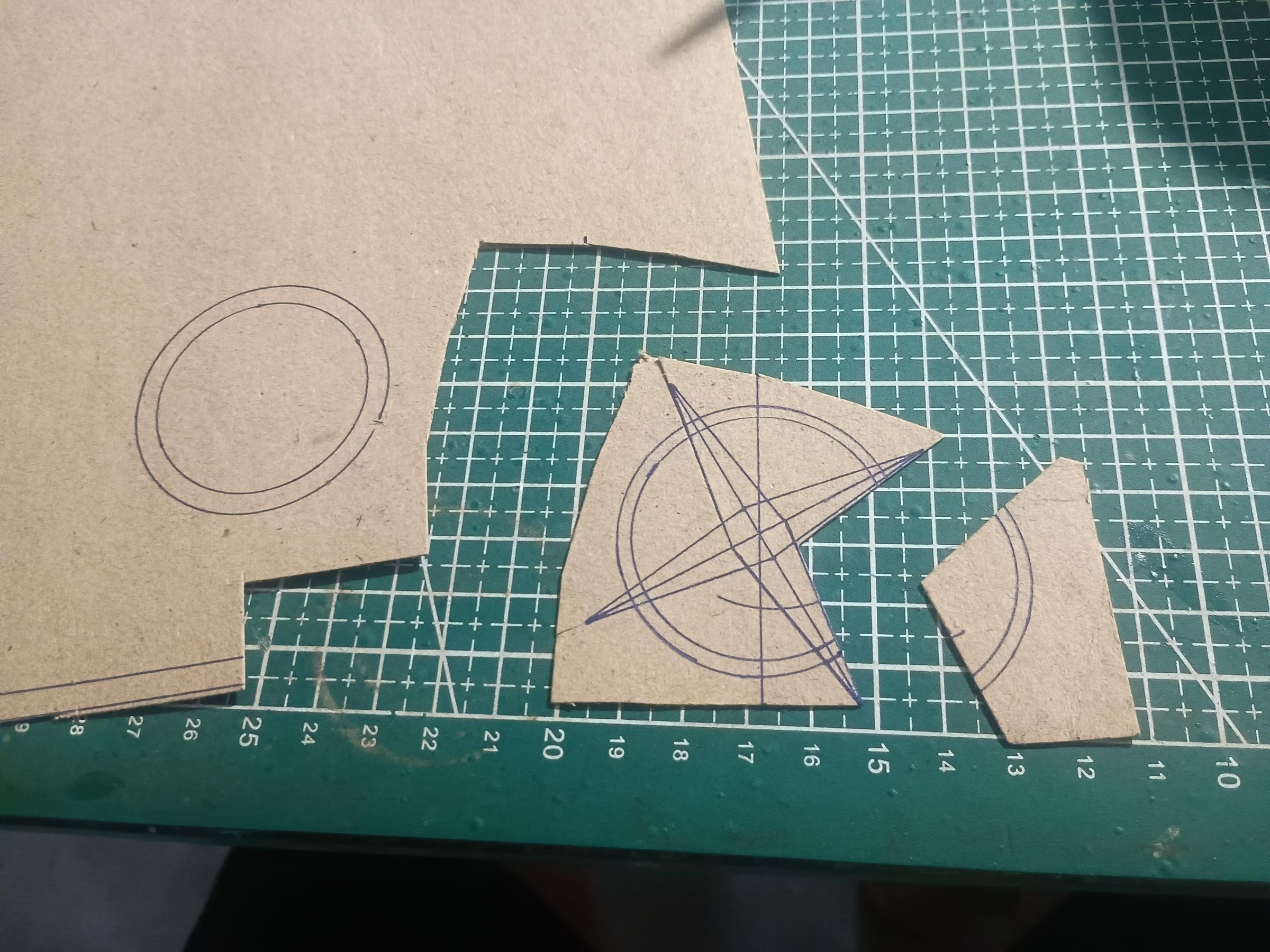



No explorer can navigate without a trusty compass. Instead of just painting a flat circle, you will create a multi-layered paper compass rose that physically stands out from the map, adding an elegant, focal point to your canvas.
🧭 What to Do:
- Cut the Base Rings: Cut out circles from your hard paper. This creates the tiered base for your compass.
- Build the 3D Needle: Cut a sharp, stylized arrow shape out of a separate scrap of hard paper to act as your compass needle.
- Layer and Elevate: Stack your cutouts from bottom to top and glue together.
💡 Quick Tip: Cut out two or three concentric circles of varying sizes and stack your cutouts from largest to smallest. This creates the tiered base for your compass.!
Making the Flag, Watch Tower & Name Plate

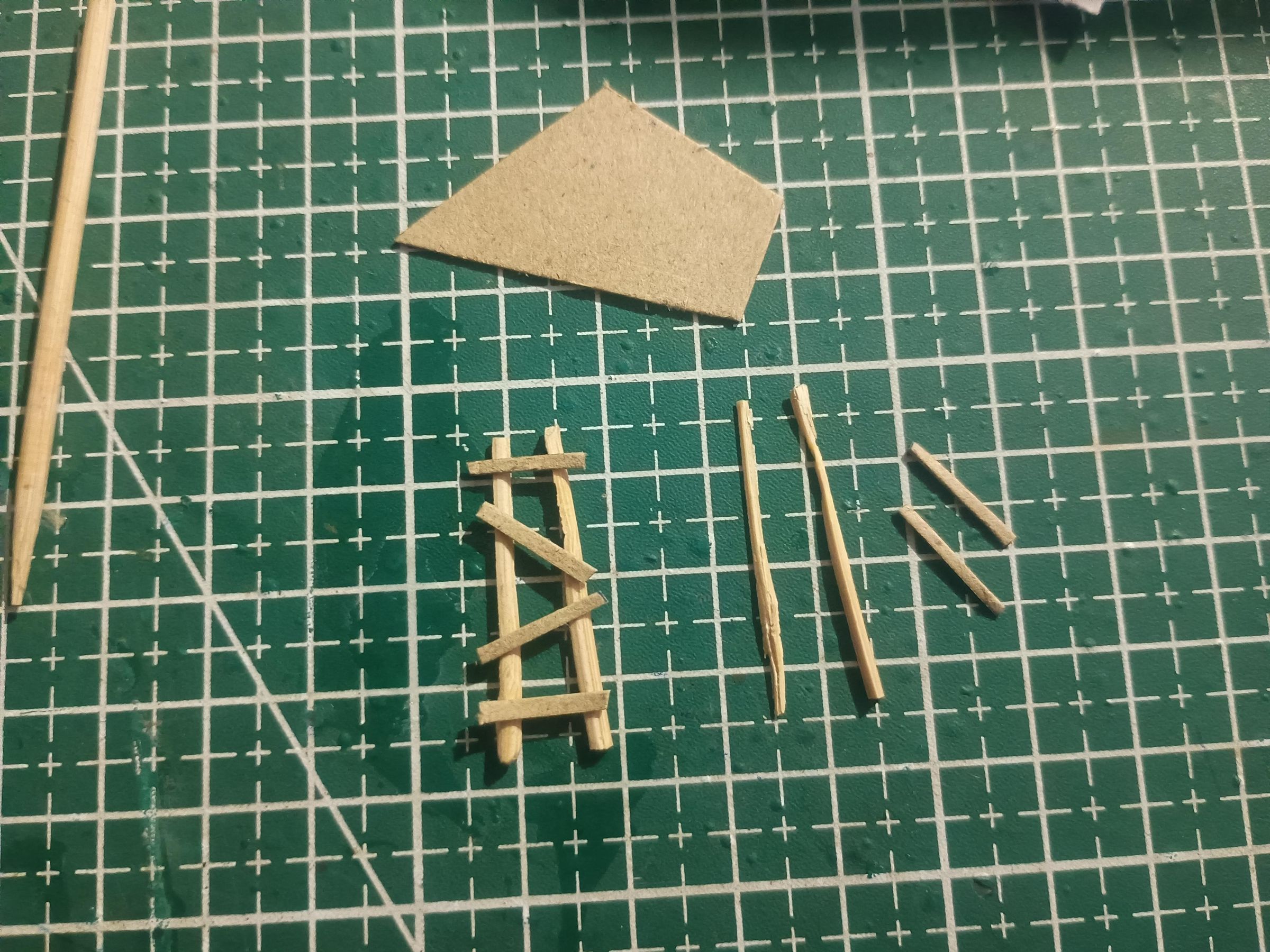


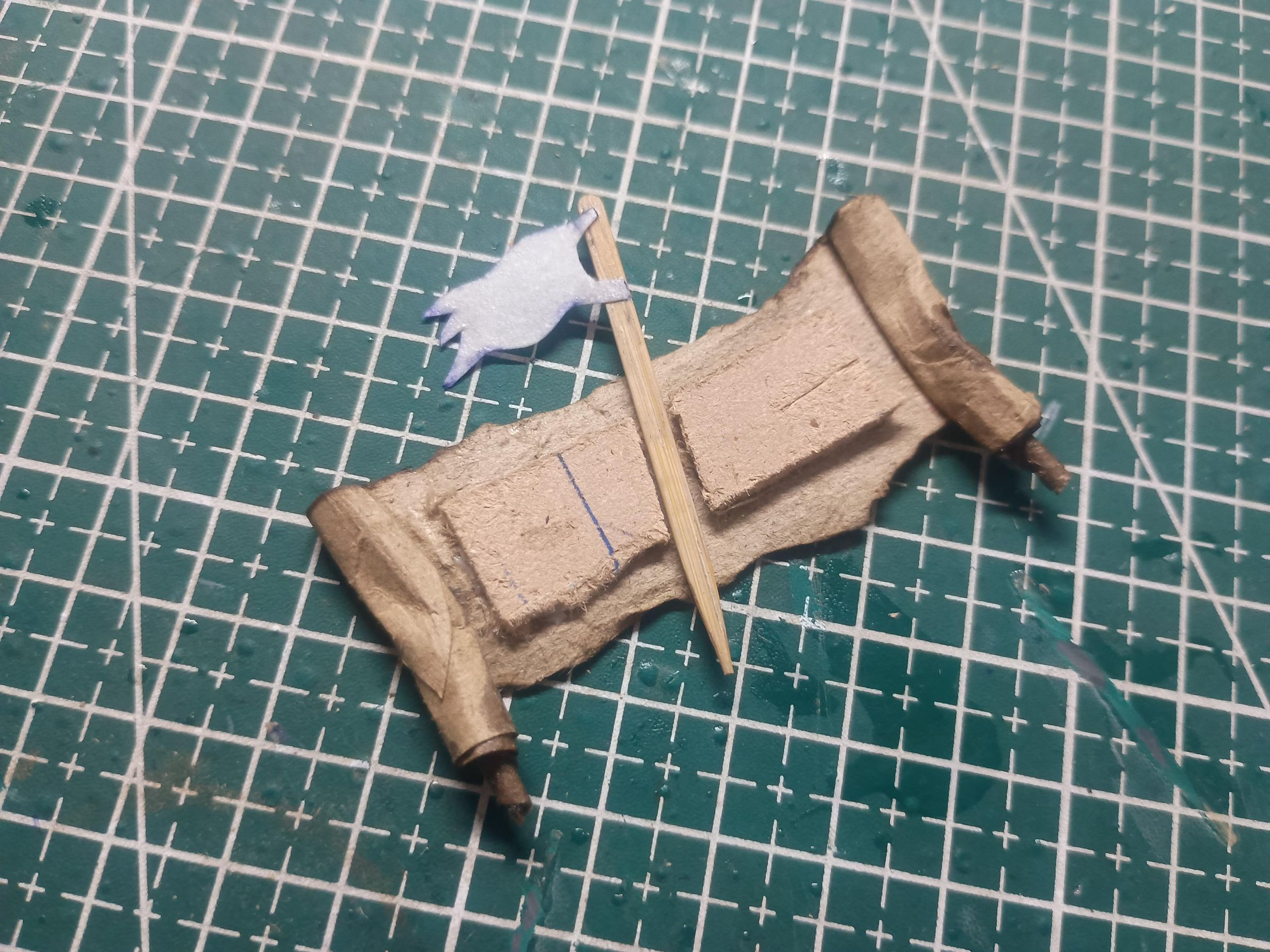
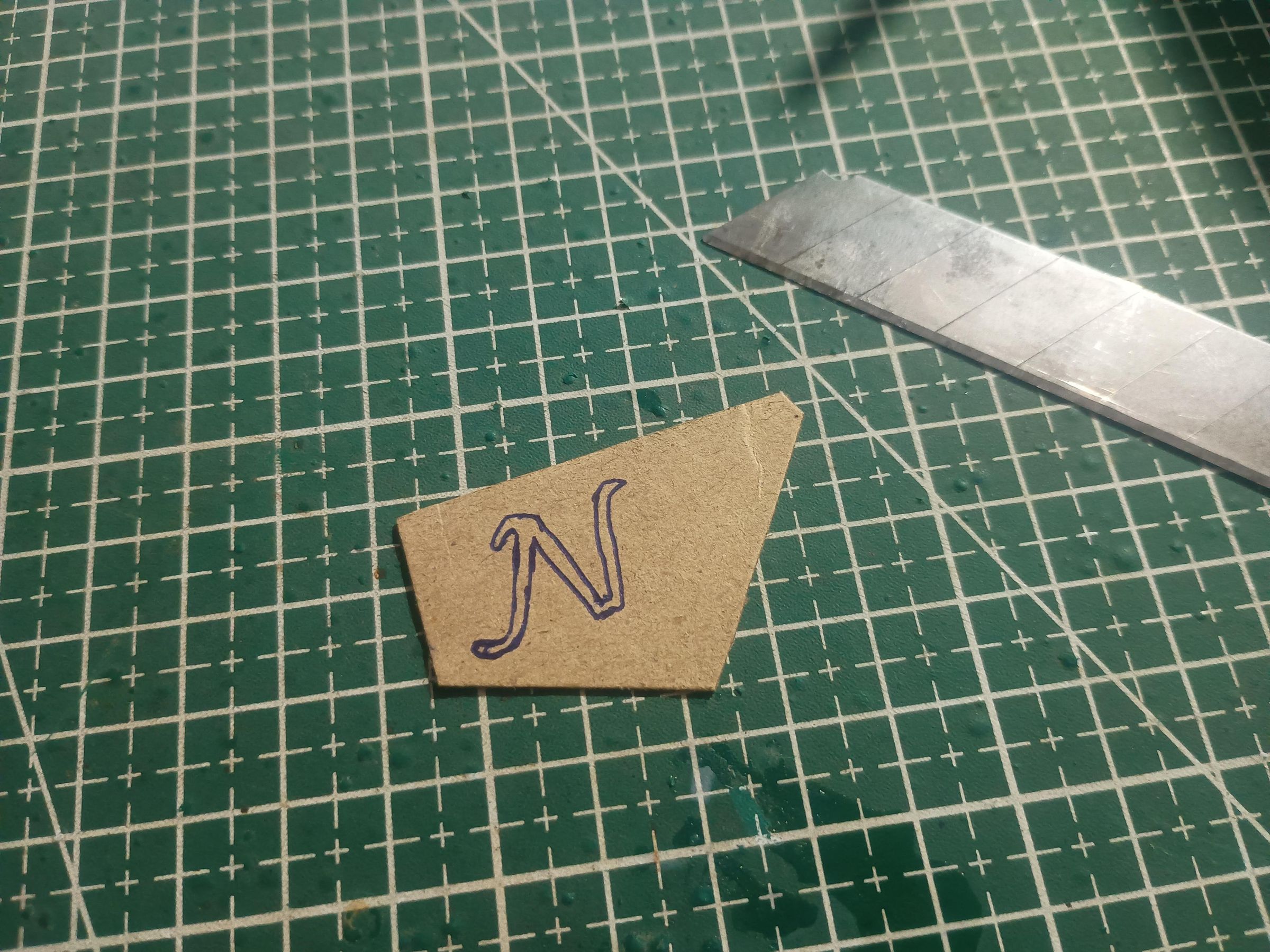
It's time to add those final, intricate landmarks that give your map its distinct narrative flair. By combining bamboo, aged paper, and tiny wood scraps, you will craft custom tactical assets to populate your newly formed territory.
🚩 What to Do:
- The Watch Tower: Cut three identical lengths of toothpicks or bamboo sticks to serve as the structural legs. Glue them into a tapered tower frame. Cut a small block from an ice cream stick or hard papers to act as the elevated lookout platform, and top it with a tiny, conical hard paper roof.
- The Territory Flags: Slice a razor-thin splinter from a toothpick for the flagpole. Cut a tiny triangle or swallowtail shape out of your aged chart paper. Paint a miniature symbol on it (like a black skull), wrap the edge around the flagpole with a dot of superglue, and curve the paper slightly to give it a "windswept" look.
- The Scroll Name Plate: Cut a long, rectangular banner out of your coffee-stained chart paper. Gently roll the left and right edges inward using a pencil to create a classic, frayed scroll effect. Use your black fineliner pen to elegantly write the title of your map (e.g., "Treasure Map Of DEADMAN'S BAY"), then glue it flat onto the bottom corner of your base.
💡 Quick Tip: To make the watch tower look seamlessly integrated into the landscape, add a tiny dab of Fevicol around its wooden legs once it's glued to the map, and sprinkle a pinch of your scenic grass powder around the base to look like overgrown overgrowth hiding the structure!
Making the Ancient Ruins
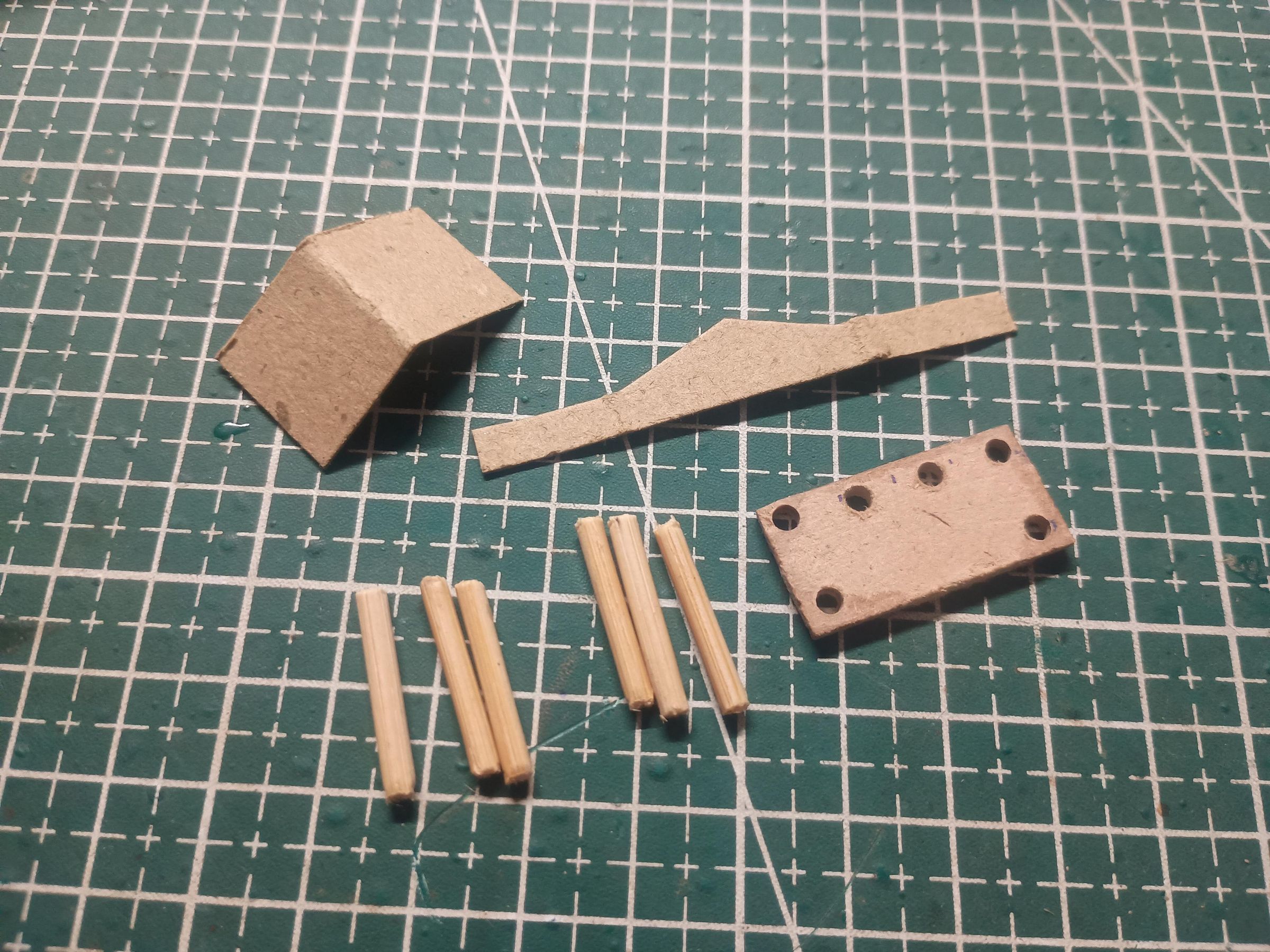

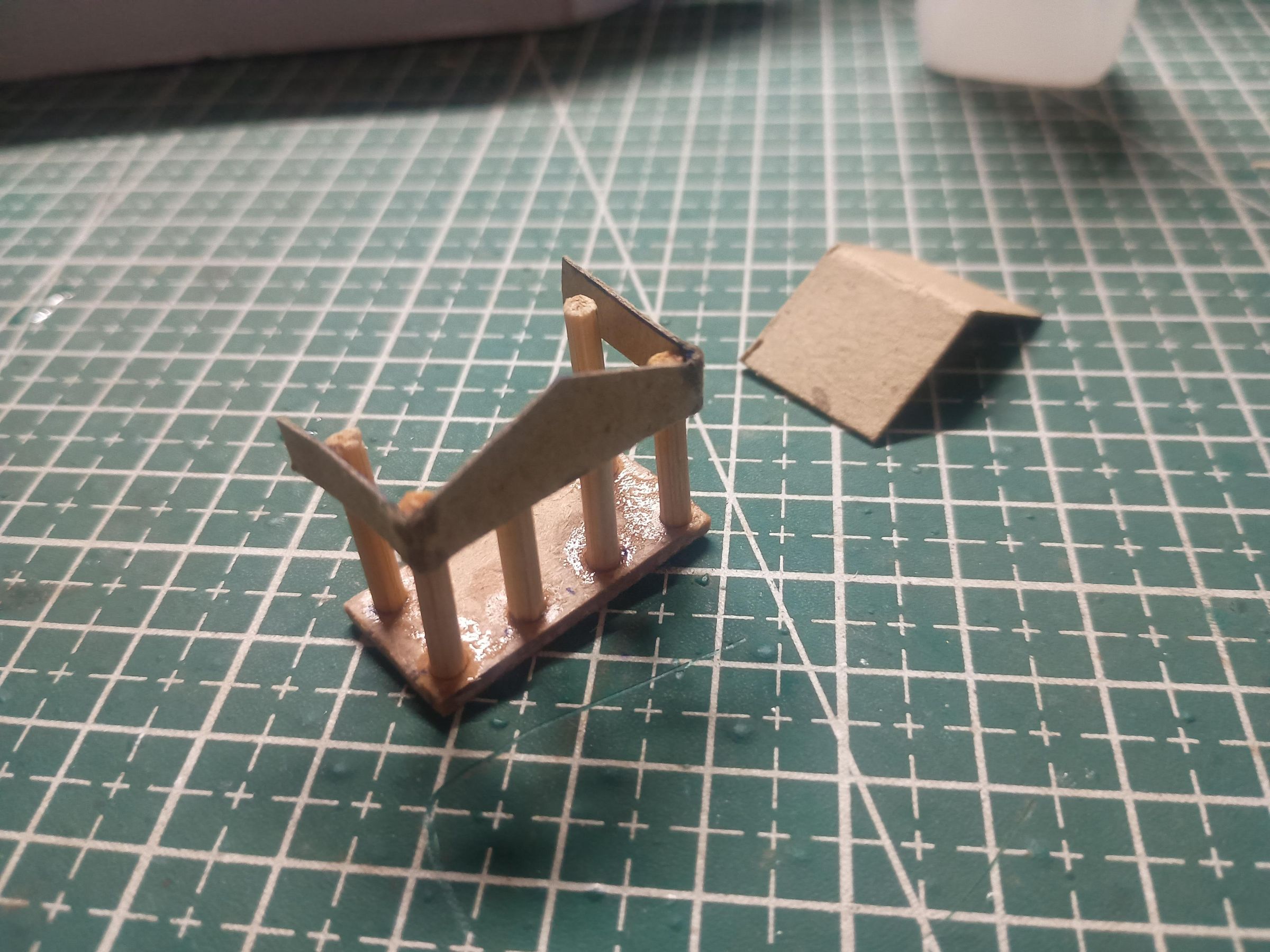
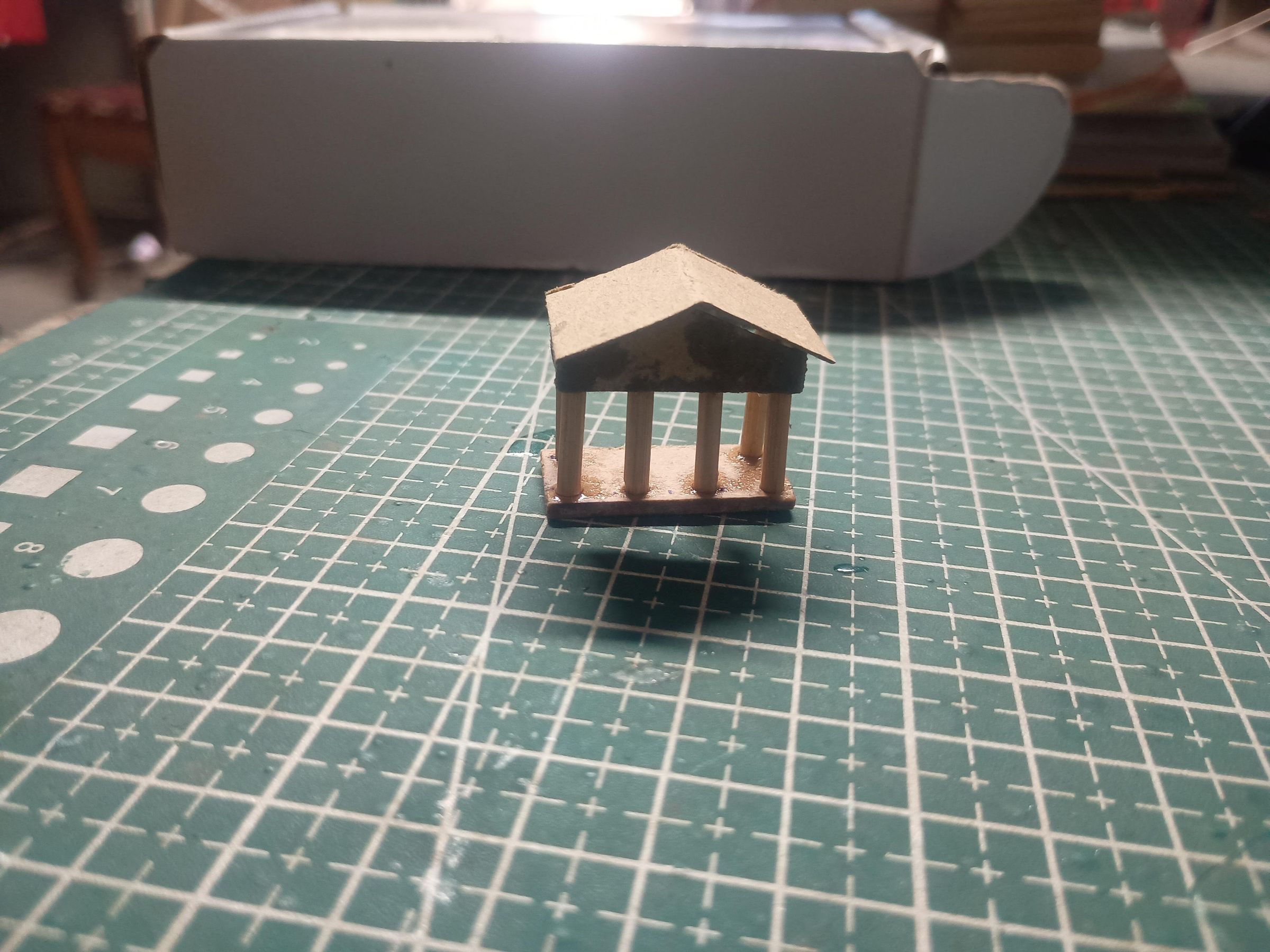
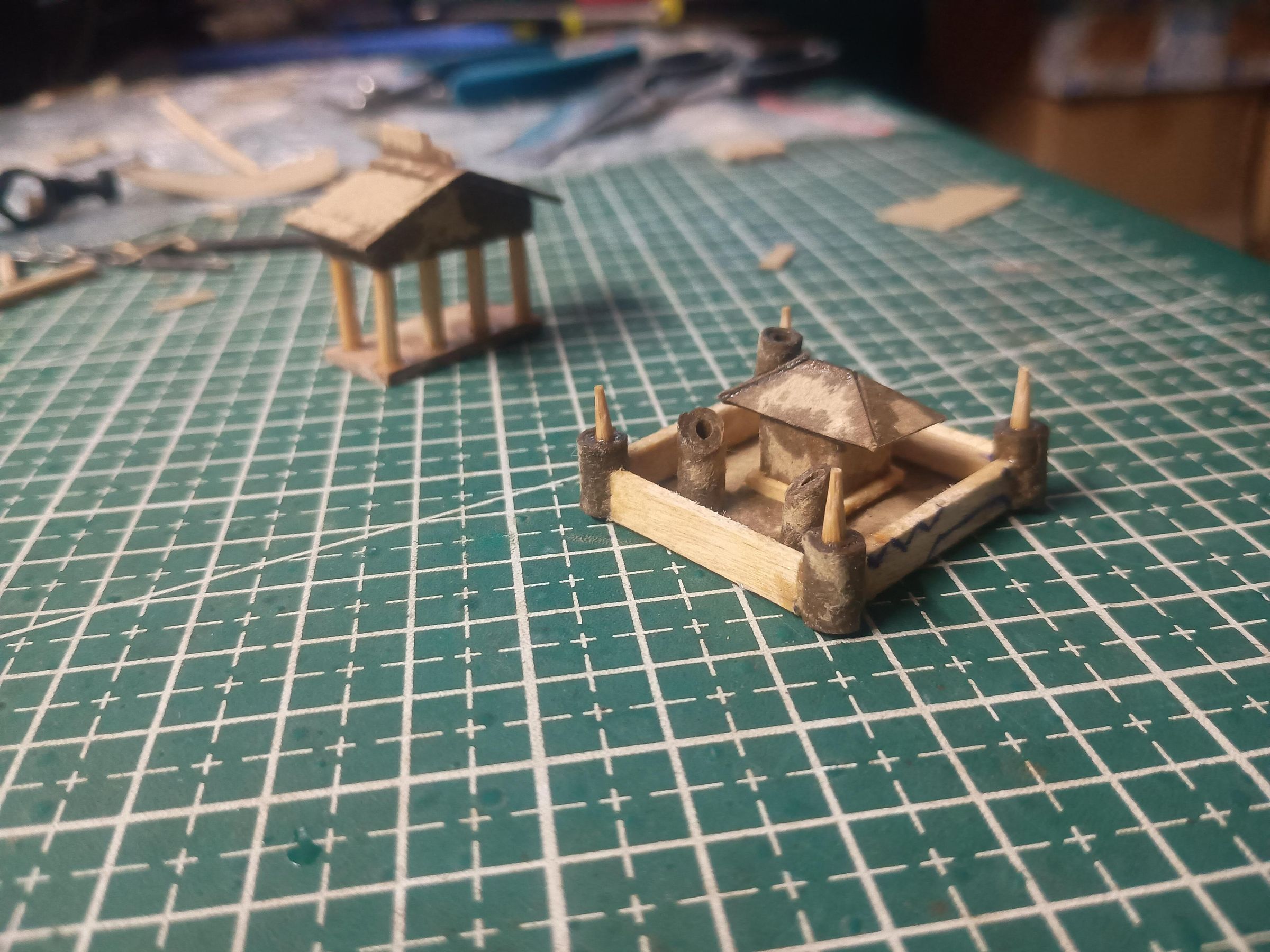
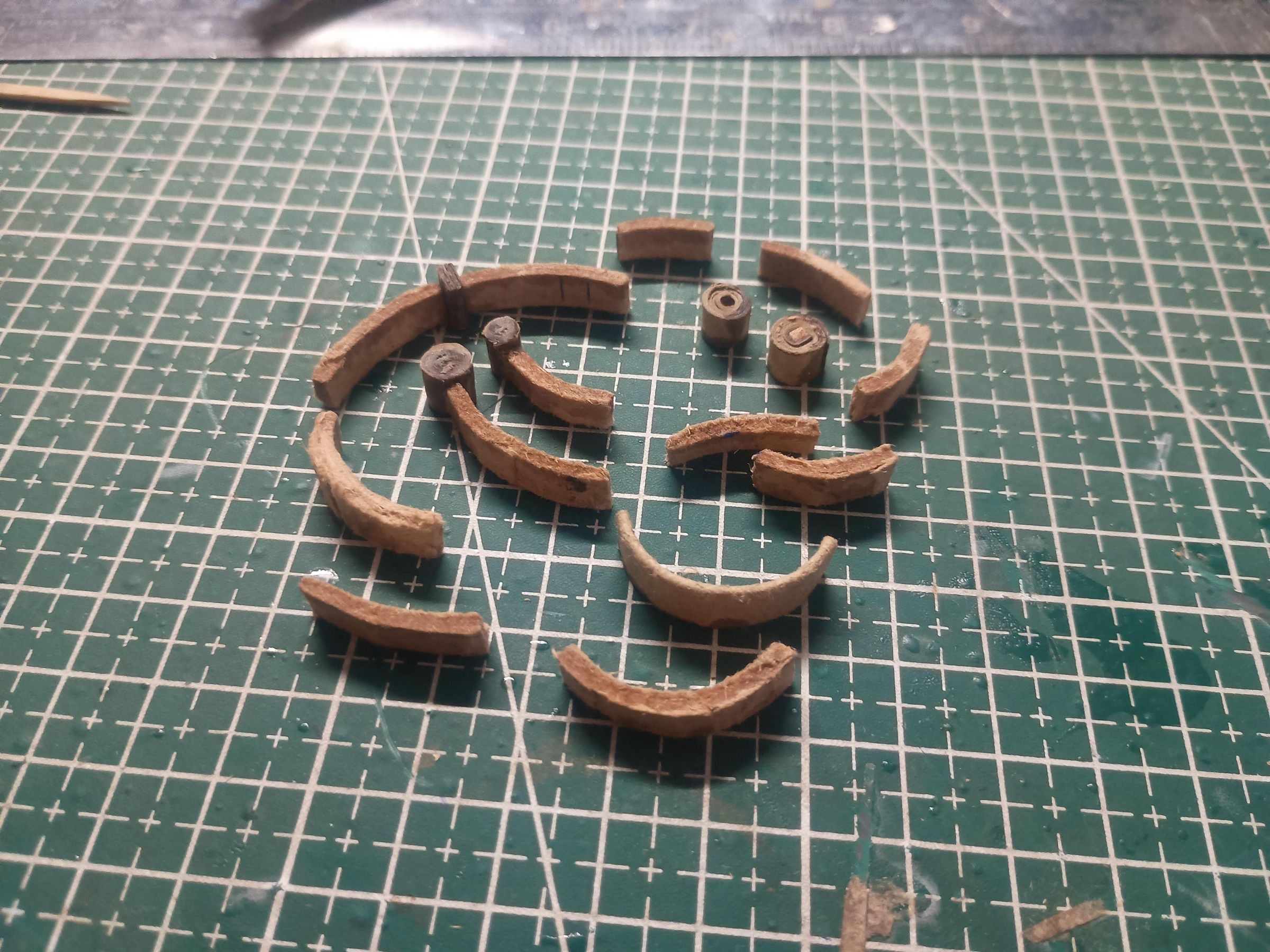
To give your map a sense of deep history, you need places that look like they have stood for thousands of years. By intentionally breaking down your craft materials and blending them with real stone textures, you can create crumbling, ancient architecture that tells a story of a forgotten civilization.
🏛️ What to Do:
- Construct the Main Building: Use your craft knife to slice clean bamboo sticks and hard paper to build the solid foundation, standing walls, and pillars of your intact structures.
- Create the Crumbling Ruins: Take your leftover wooden scraps and intentionally snap them using your pliers to create jagged, splintered edges. Glue these broken pieces at odd angles or in circles to look like collapsed roofs and shattered walls.
💡 Quick Tip: For an awesome "archaeological" detail, you can use shallow horizontal and vertical lines or use stones to give it an ancient look!
Making the Alligator & Sea Monster
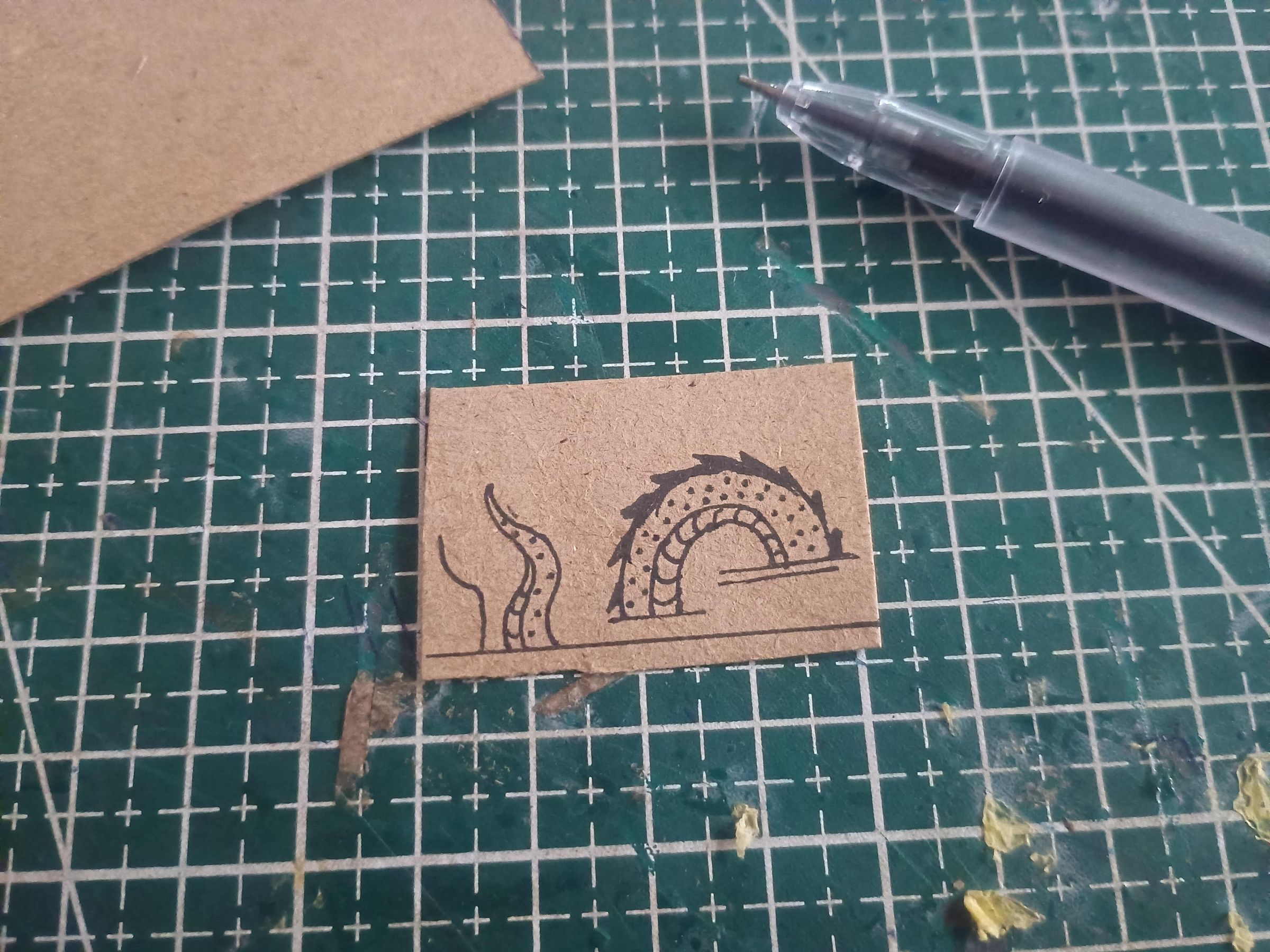


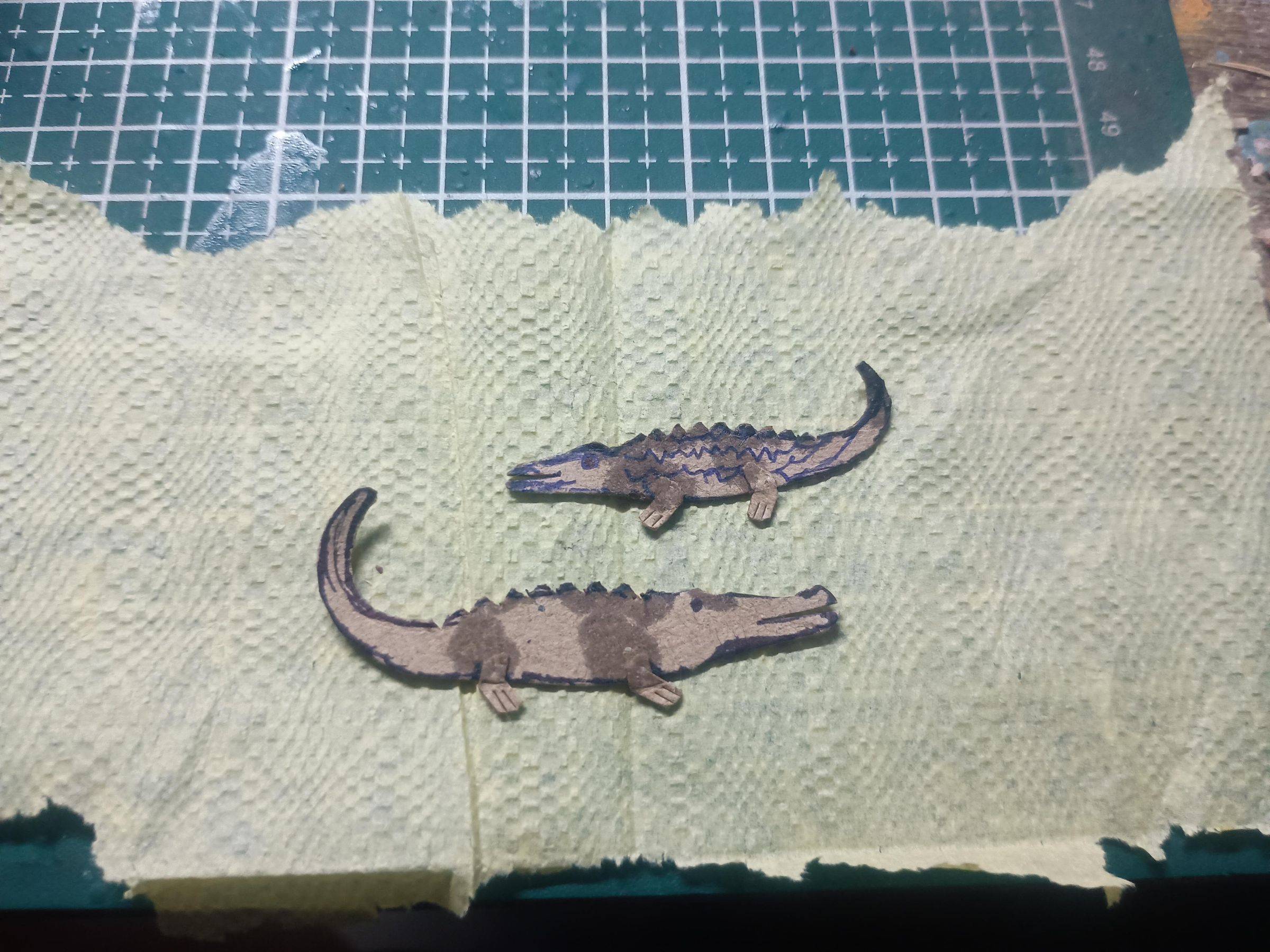
No legendary treasure map is complete without a warning that "Here Be Monsters!" Instead of just drawing them on, you will create 2.5D paper sculptures of a massive reptile guarding Alligator Bay and a coiled sea serpent rising up from the deep Ocean to terrorize passing ships.
🐊 What to Do:
- The Alligator Bay Guardian: Cut an elongated alligator silhouette out of your hard paper. Use the tip of your craft knife to gently ridged spine. Snip tiny triangles along its back to mimic rough, scaly armor, and paint it a muddy, swampy green.
- The Deep Ocean Serpent: Cut a long, wavy strip out of your hard paper. Using your fingers or a pencil, gently crimp and fold the paper into a series of small arches. When glued down, these arches will look like a giant serpent’s body coiling in and out of the open water.
- Animate the Water: Glue the alligator into the shallow waters of your bay and the serpent into the deep ocean. To make them look like they are actively breaking the surface.
💡 Quick Tip: paint small white streaks around their waterlines to simulate churning foam and crashing waves!
Making the Jungle & Mountains


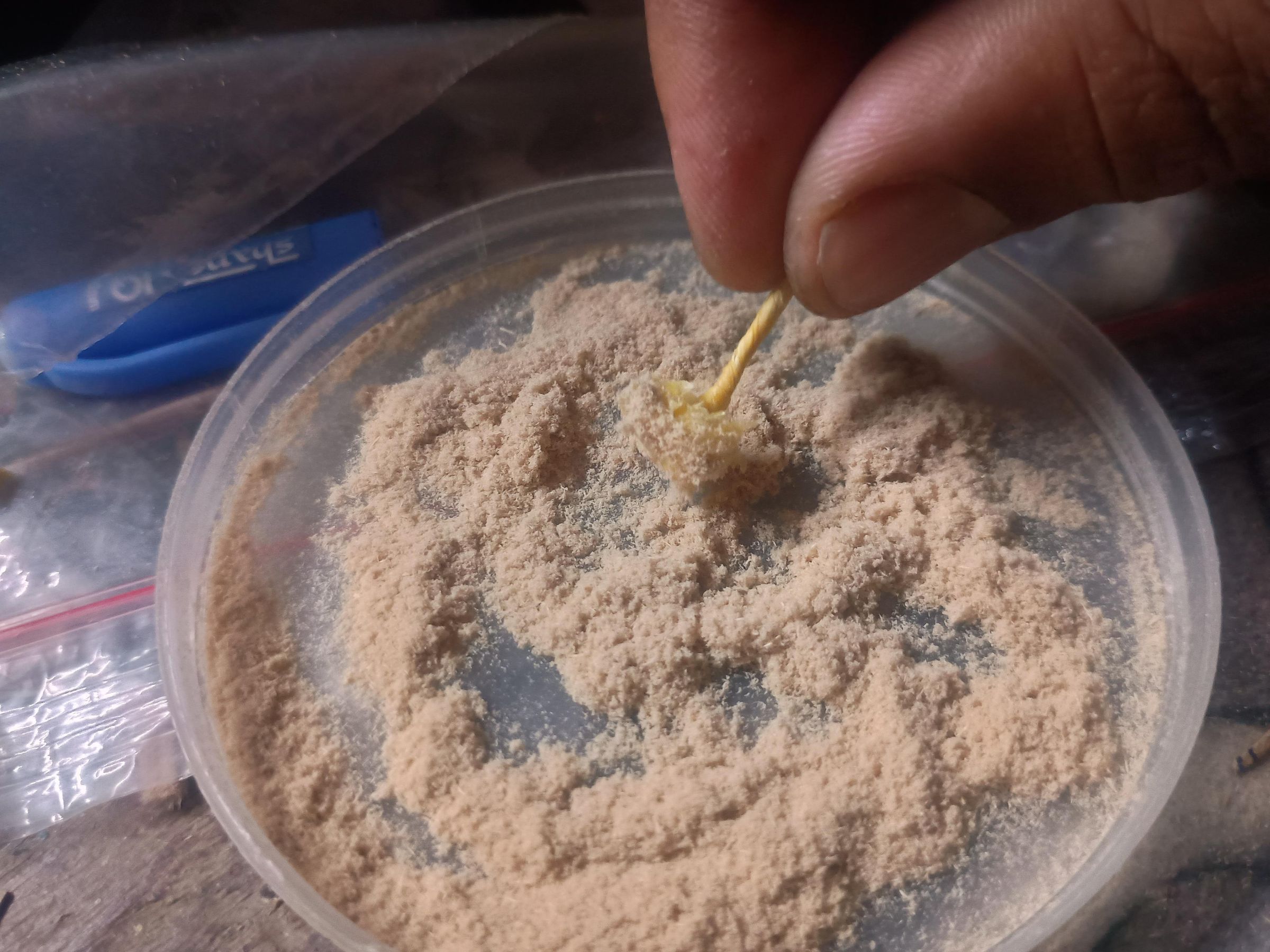


Instead of using expensive plastic modeling clay, you can use ordinary tissue paper and glue to sculpt incredible 2.5D terrain. When soaked, tissue paper becomes incredibly pliable, allowing you to mold jagged mountain peaks and dense, rolling jungle ridges that dry rock-hard.
⛰️ What to Do:
- Prep the Glue Mixture: Mix equal parts wood glue (or Fevicol) and warm water in a small container to create a smooth, runny paper-mache liquid.
- Form the Mountain Peaks: Crumple sheets of tissue paper into tight, elongated cones. pour superglue into the elongated cones to form mountain ridges.
- Layer the Jungle Forest: For the dense jungle floor, tear tissue paper into smaller, loose scraps. Bunch them up softly, dip them in the glue mixture, and dip into wood powder, lay them down around the base of your mountains to create an uneven, rolling canopy texture.
💡 Quick Tip: Don't smooth out the wet tissue paper! The more accidental folds, wrinkles, and crinkles left in the paper as it dries, the more realistic your final rocky cliffs and dense jungle foliage will look once painted.
Making the Bridges
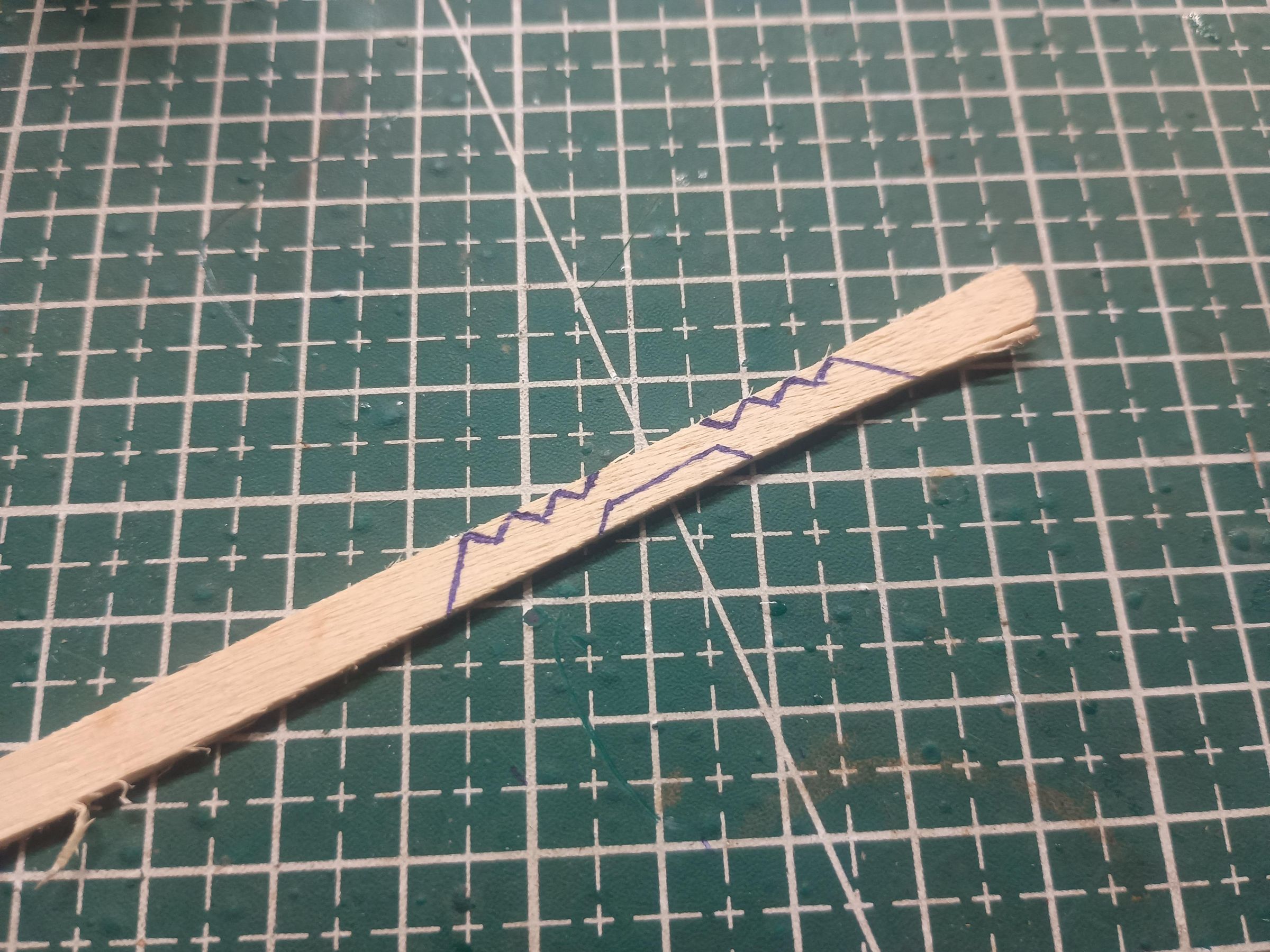


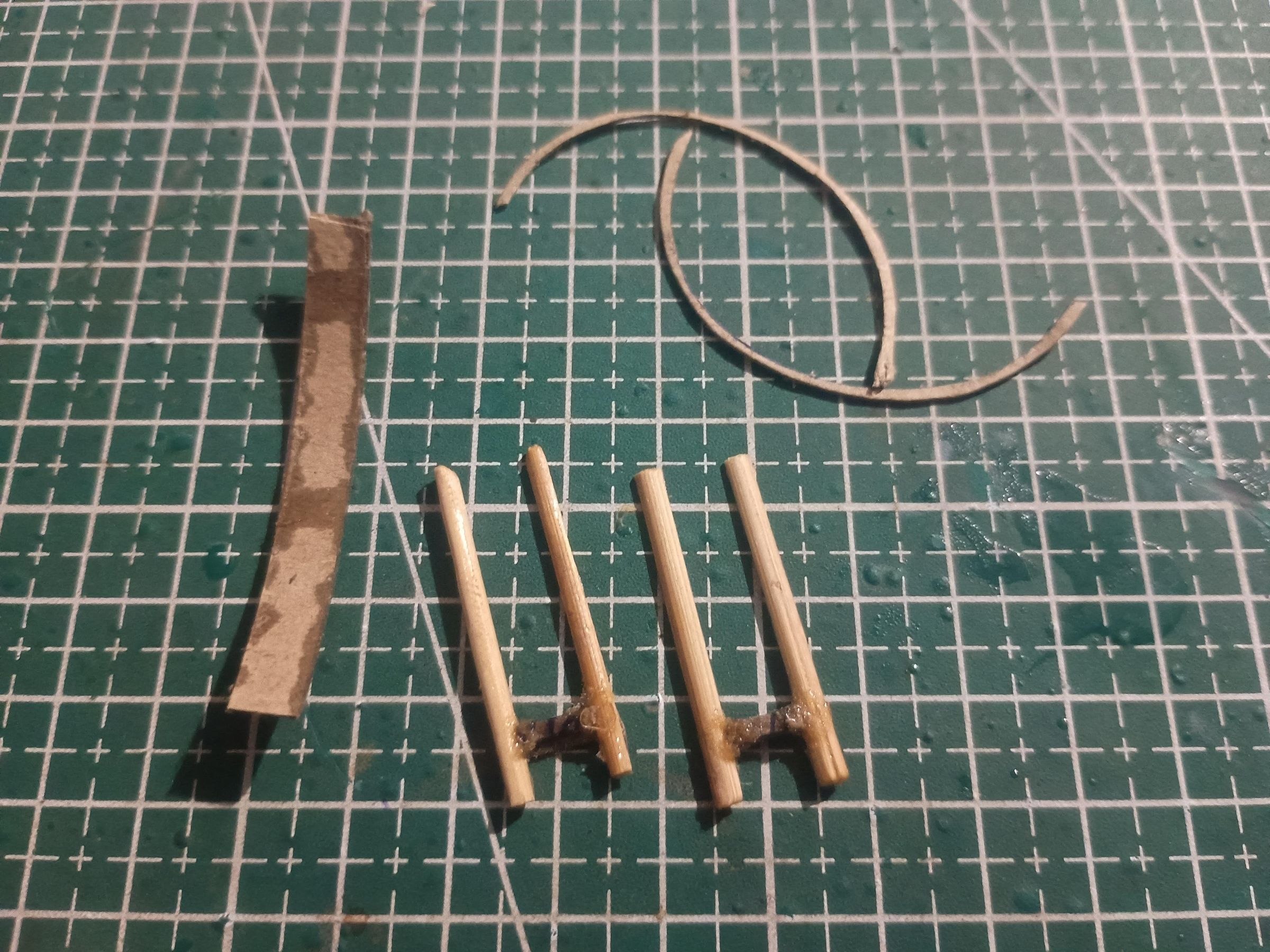
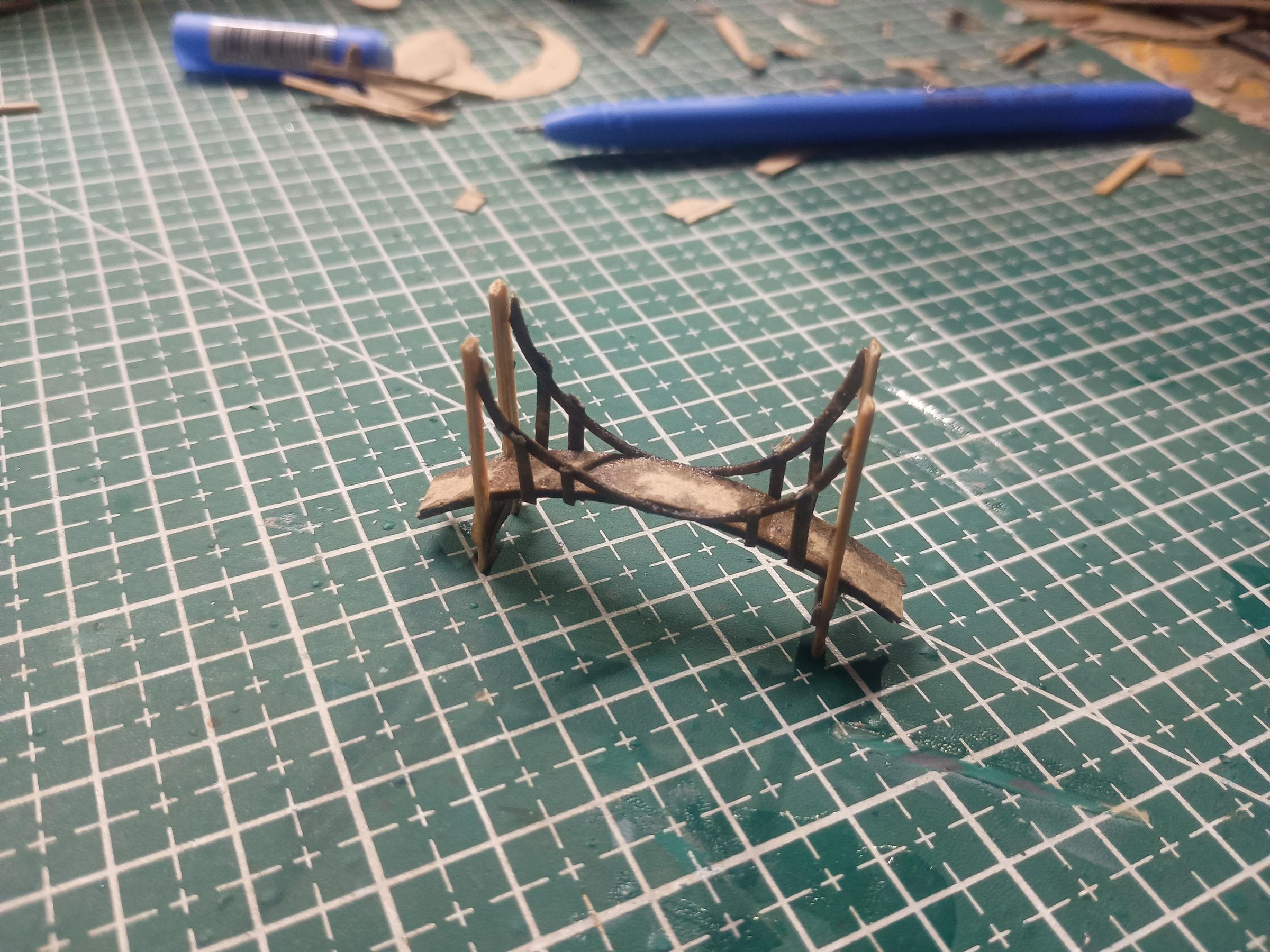
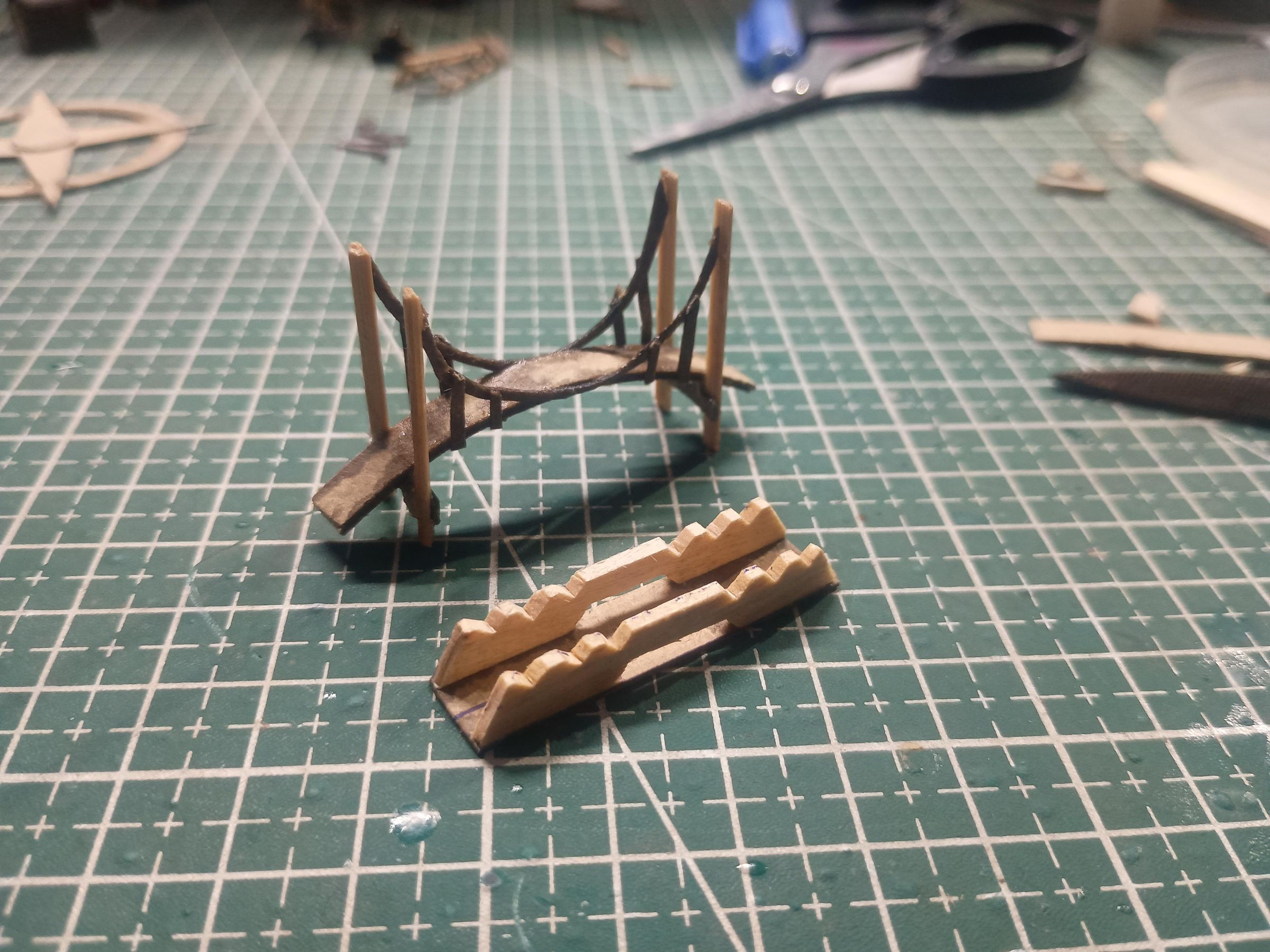
To connect your scattered 2.5D islands and span across deep river gorges, you will craft miniature bridges. By combining rigid wood and flexible hard paper, you can easily build structural suspended paths or classic arched walkways for your miniature world.
🌉 What to Do:
- Use your craft knife to slice an ice cream stick, bamboo sticks, cut two thin matching strips from your hard paper to act as the main suspension cables or structural beams. Lay the two paper strips parallel to each other. Place a tiny drop of superglue on each wooden plank and stick them down across the paper strips. If your bridge crosses a river, gently curve the flexible hard paper base upward before gluing the ends down to the banks. This gives it a beautiful, structural arched shape.
💡 Quick Tip: For an awesome "rope bridge" look, let the paper cables extend slightly past the wooden planks on both ends. You can glue these paper extensions directly to the sides of your terrain, making it look like the bridge is realistically anchored into the rock!
Making the Colony Houses


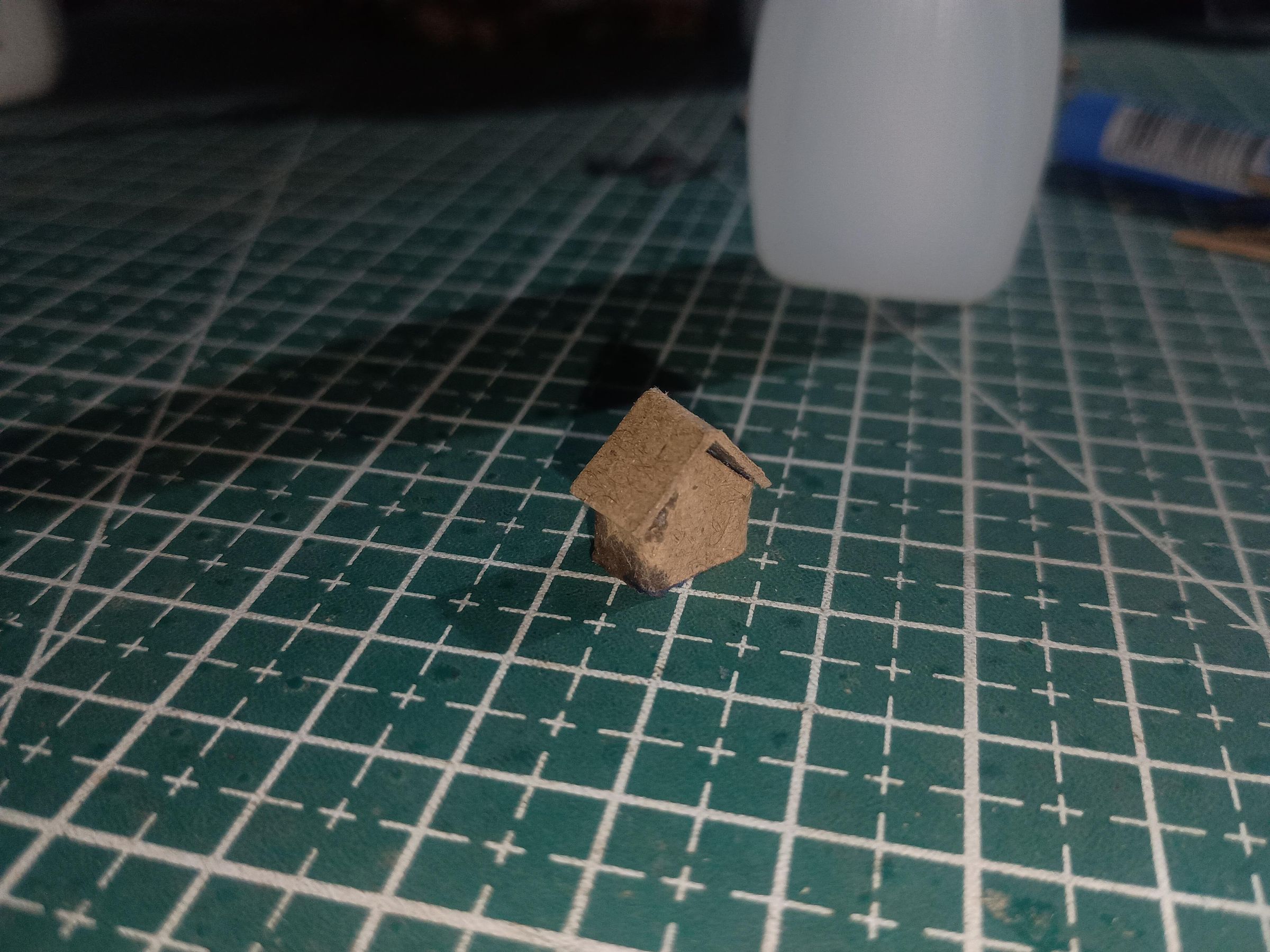
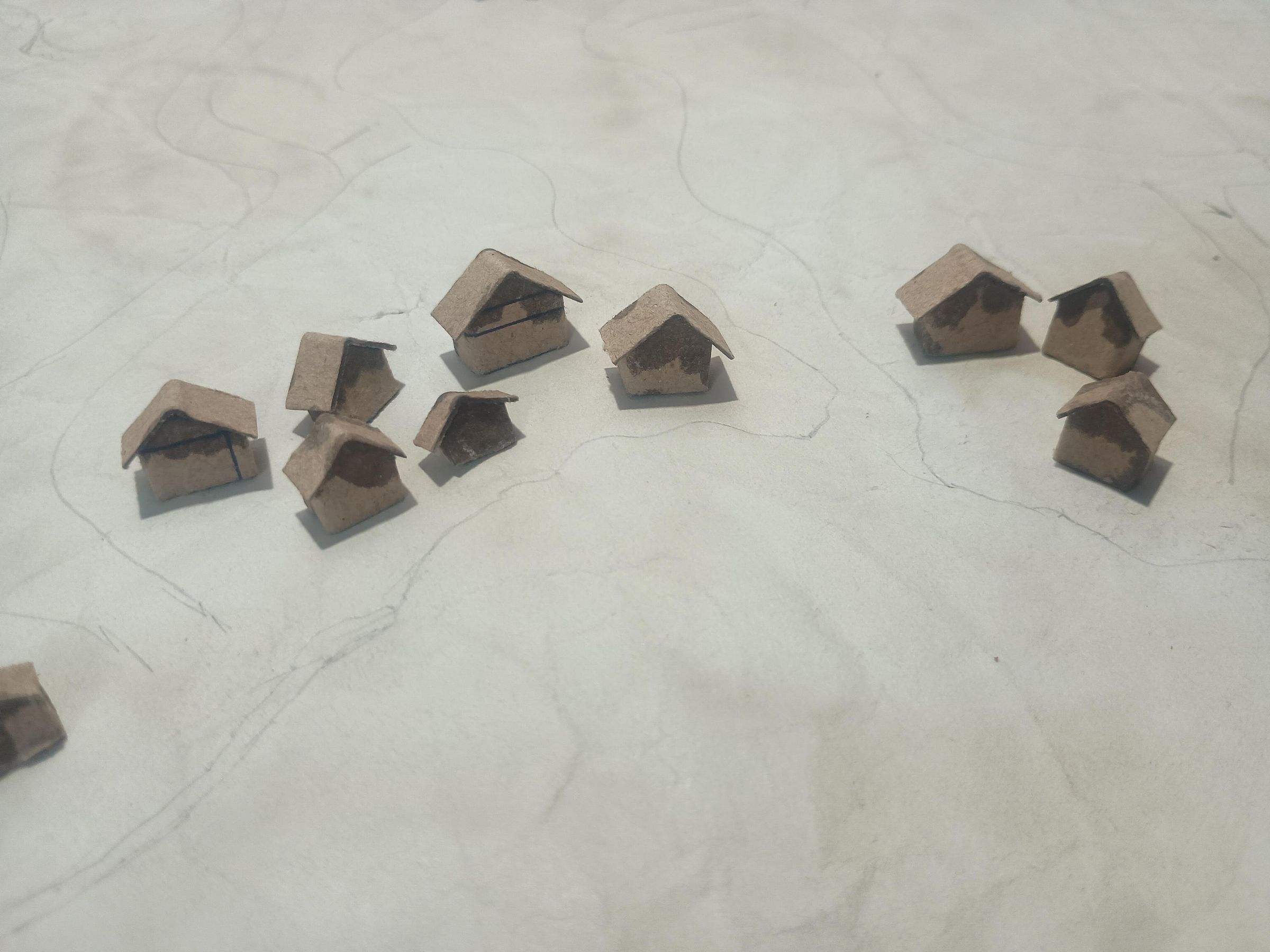
To make your map feel inhabited, you will construct a tiny coastal settlement or a hidden woodland village. Using simple geometric cuts from your hard paper, you can quickly build a cluster of rustic, miniature colony houses.
🏠 What to Do:
- Cut the House Blocks: Use your craft knife to slice hard paper into small, identical squares or rectangles to serve as sturdy main walls of your houses.
- Fold the Paper Roofs: Cut a thin strip of hard paper and snip it into small rectangles. Fold each rectangle exactly in half to create a sharp, "V-shaped" pitched roof.
- Assemble the Structures: Add a tiny drop of superglue to the top edge of your wall blocks and press the folded paper roofs firmly into place.
- Add Settler Details: Use your black fineliner pen to dot on tiny windows and a front door onto the wall face of each house.
💡 Quick Tip: To make your colony look realistic, place them near natural resources on your map—like right next to a riverbank, or lined up along a sandy beach to form a bustling port town!
Making the Ships
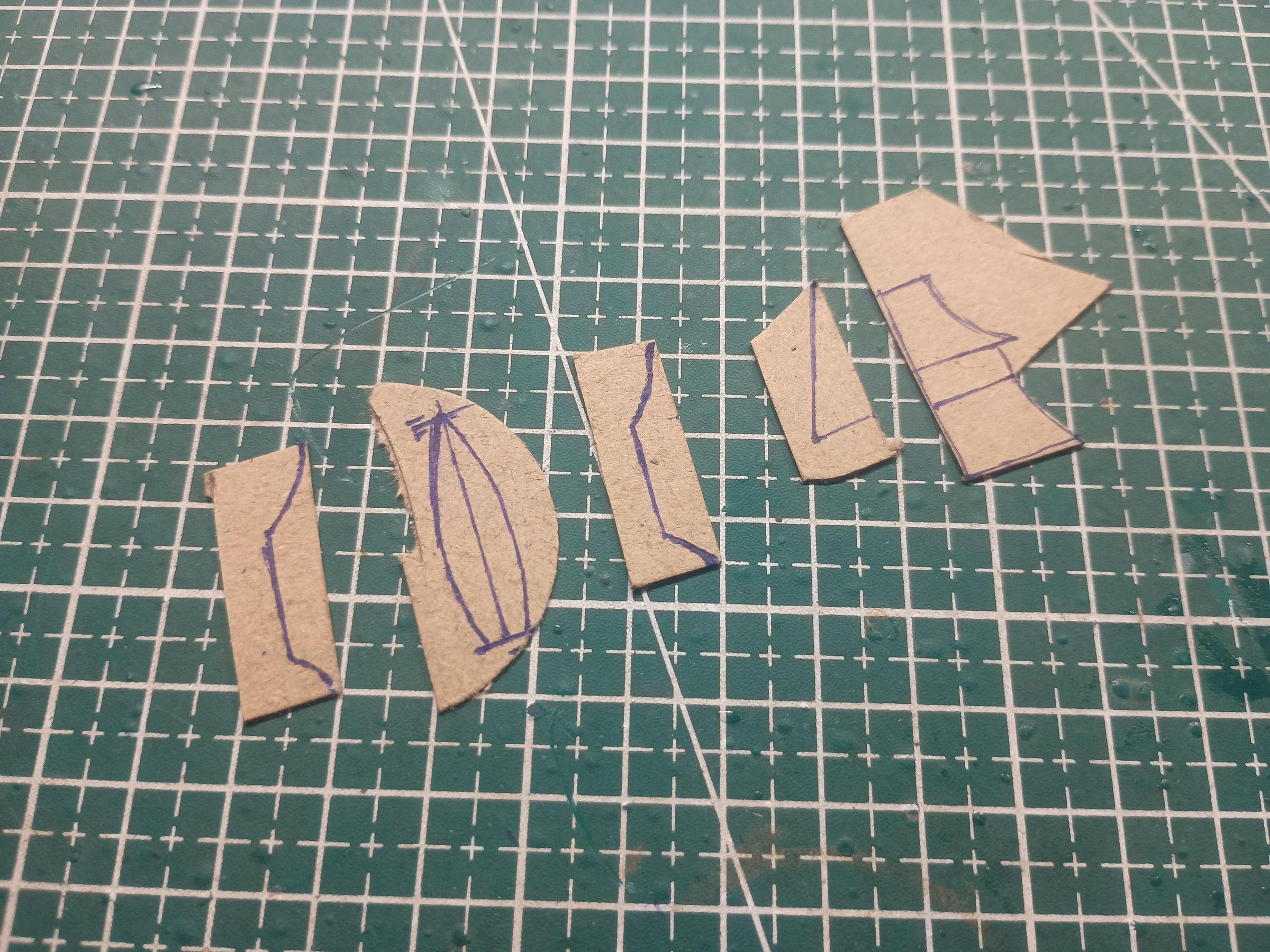

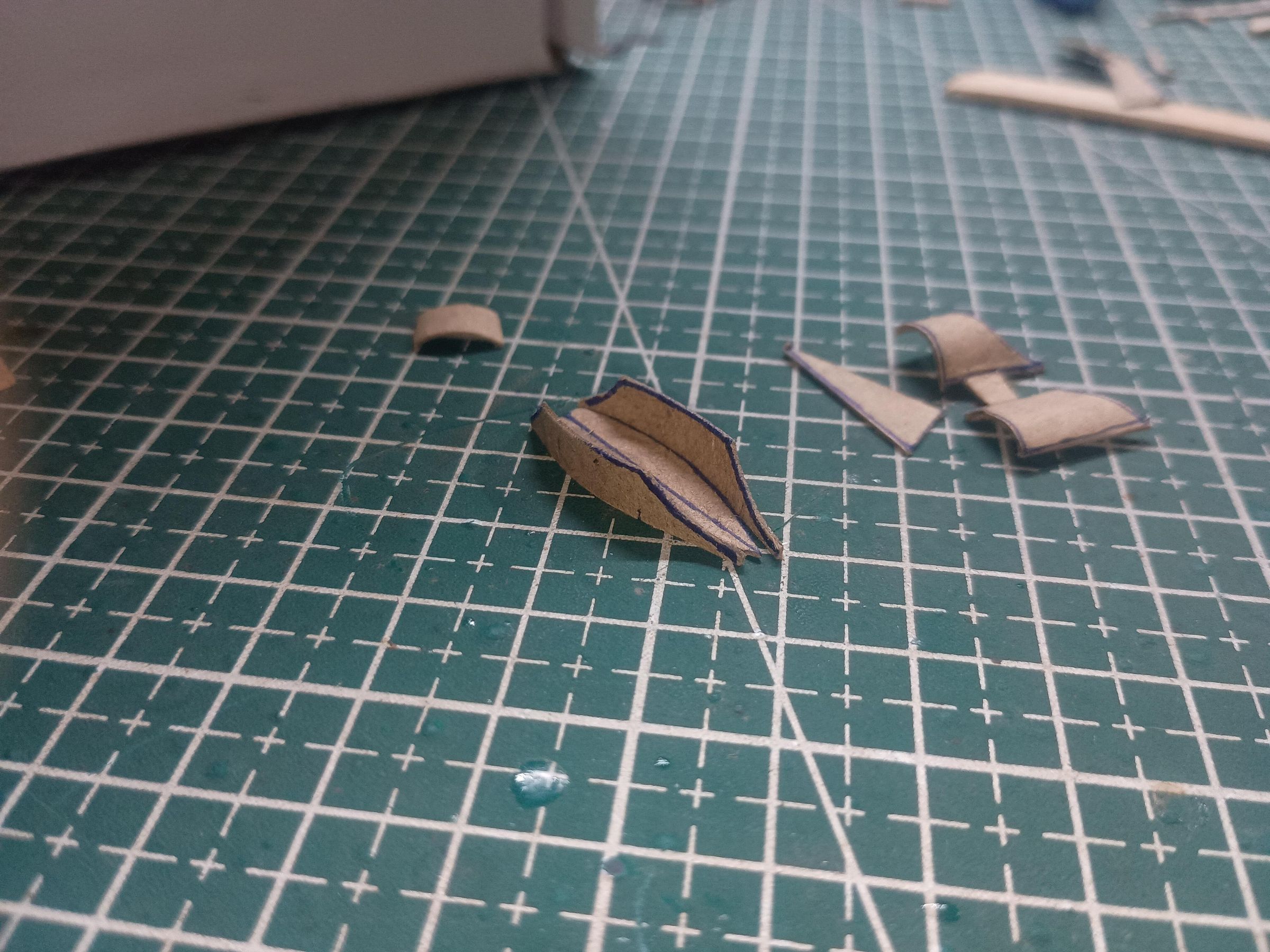

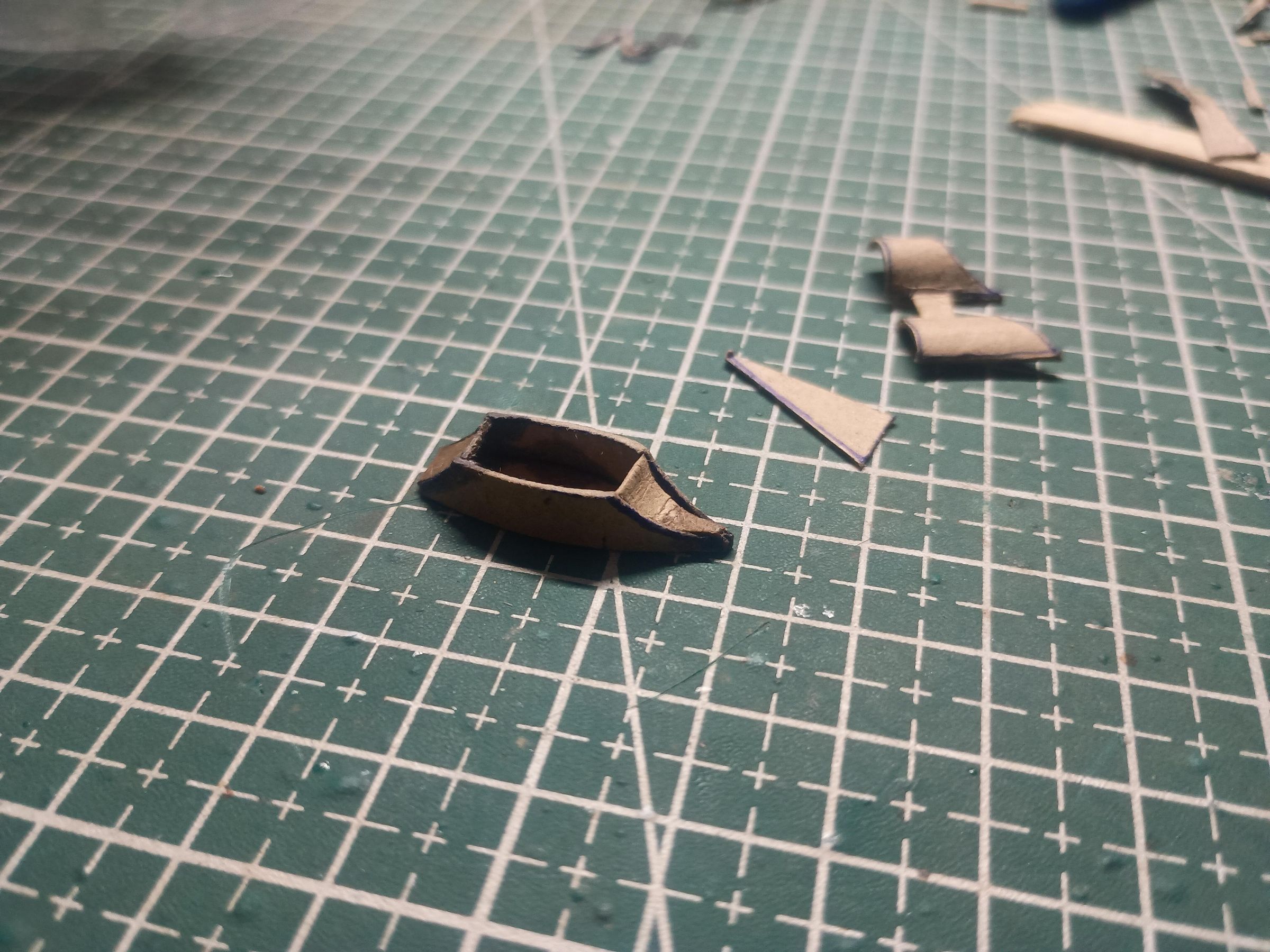
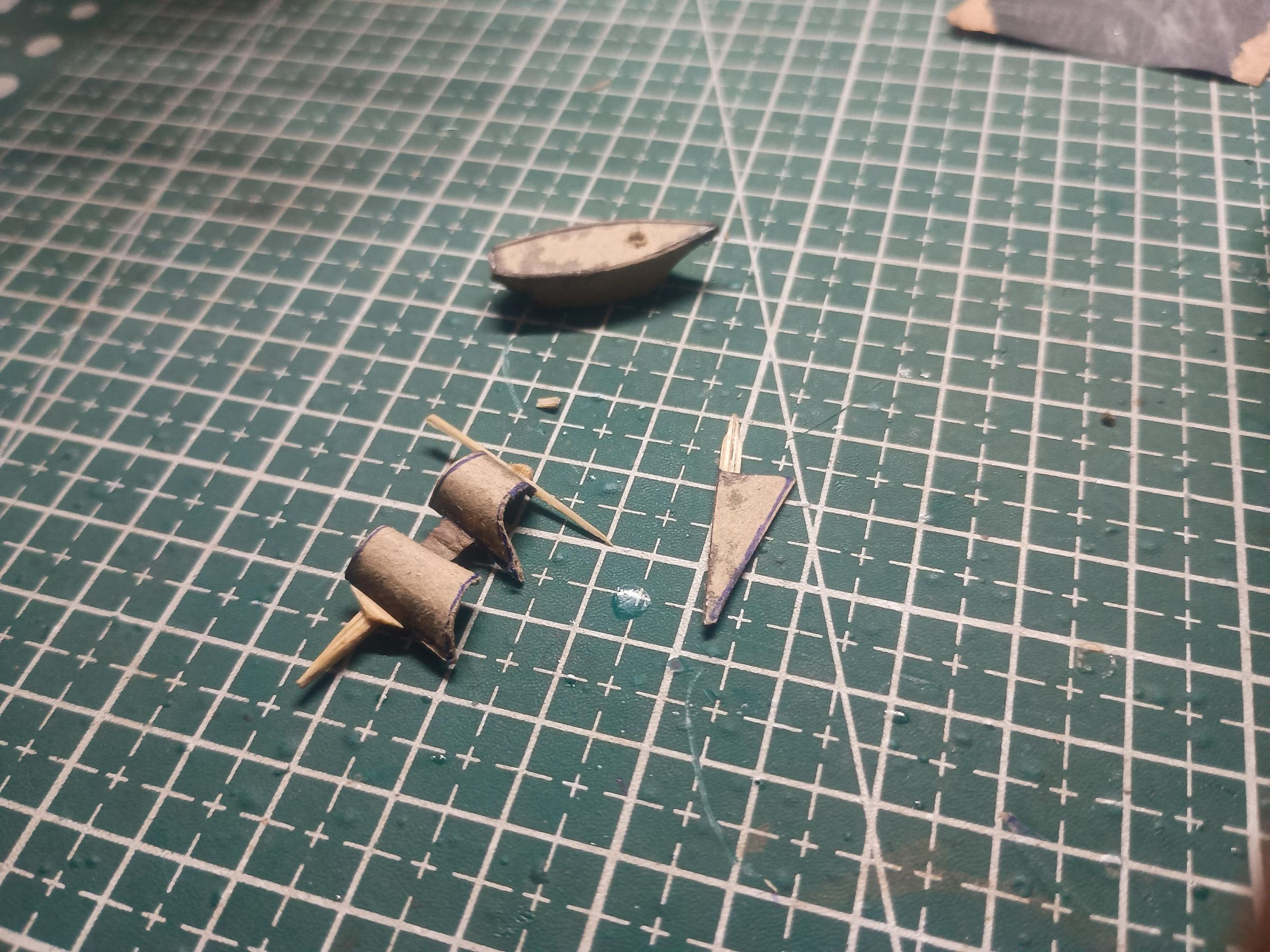

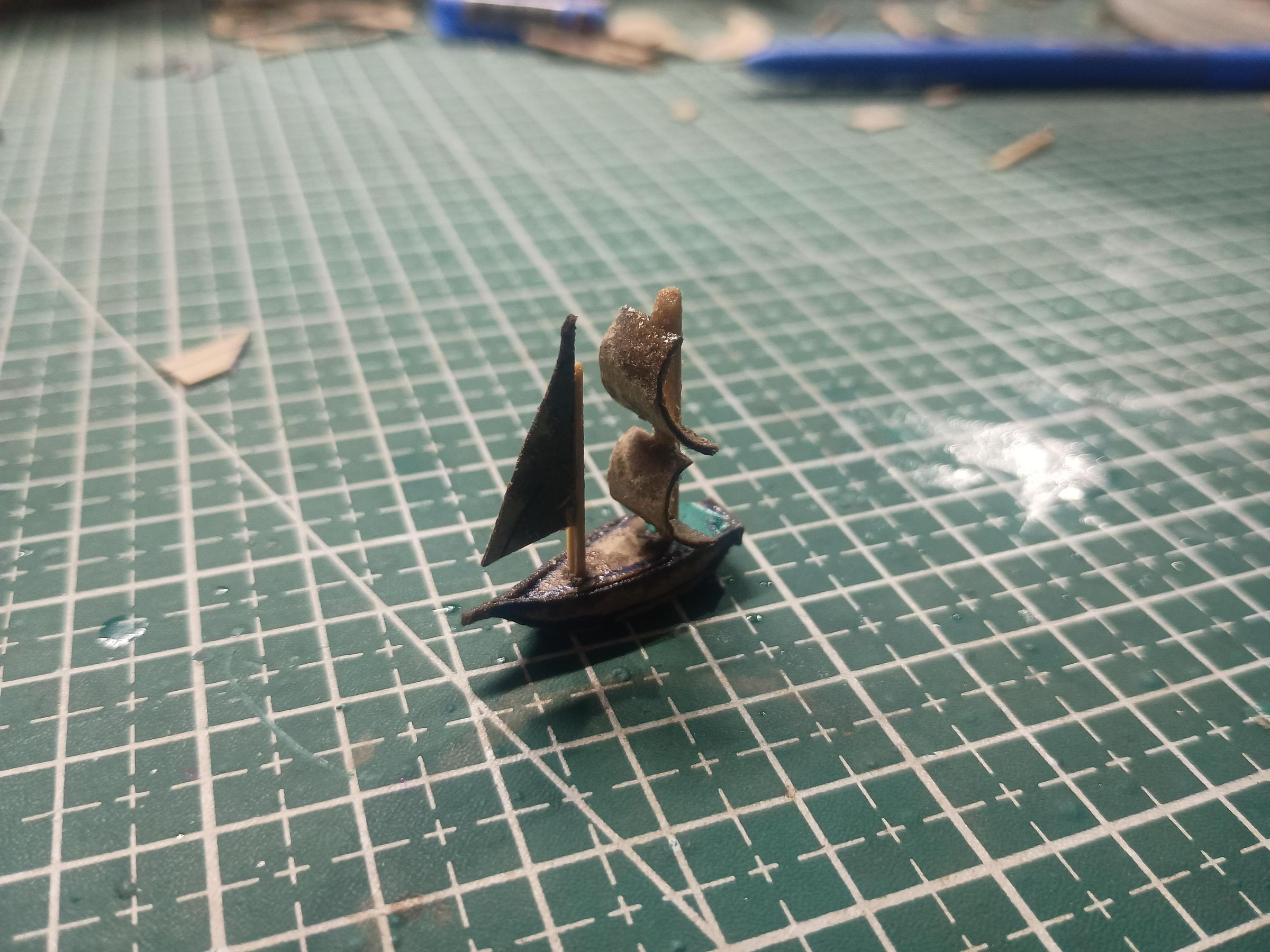
Every great explorer map needs a fleet of vessels navigating its treacherous waters. Using scraps of hard paper and toothpicks, you will construct tiny, majestic sailing ships that look like they are actively charting your newly designed world.
⛵ What to Do:
- Hull: Cut a small paper diamond, pinch the front tip for a sharp bow, and fold the sides up.
- Masts: Superglue short pieces of toothpicks upright inside the paper hull.
- Sails: Pierce small, curved paper squares onto the toothpicks so they look full of wind.
- Deploy: Paint the hull brown or white and glue the ship at a slight angle into your ocean zones.
💡 Quick Tip: To make your ships look like they are dynamic and moving, glue them down at a very slight tilt (heeling) as if they are leaning into a sharp ocean breeze!
Painting the 3d Elements


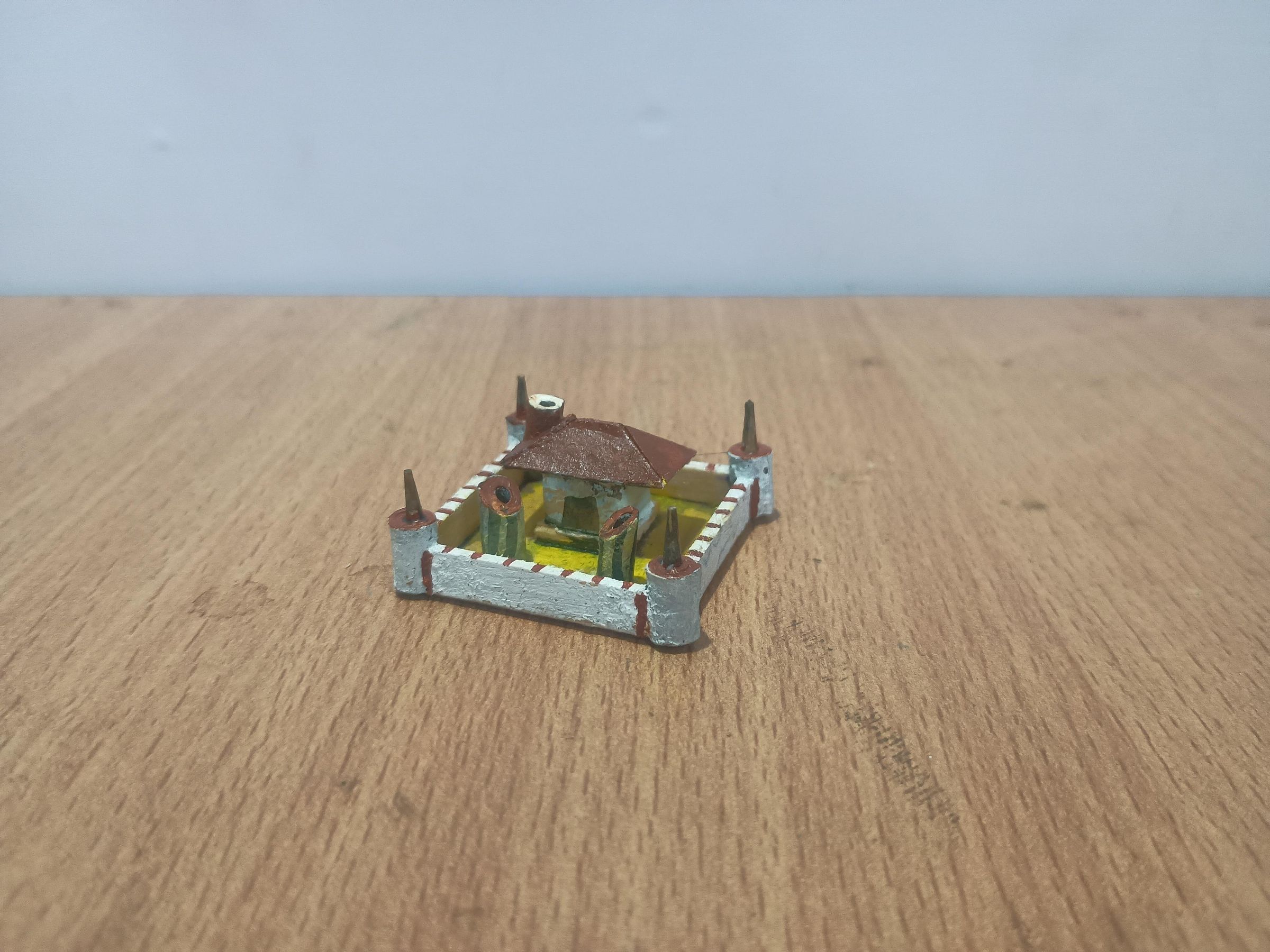

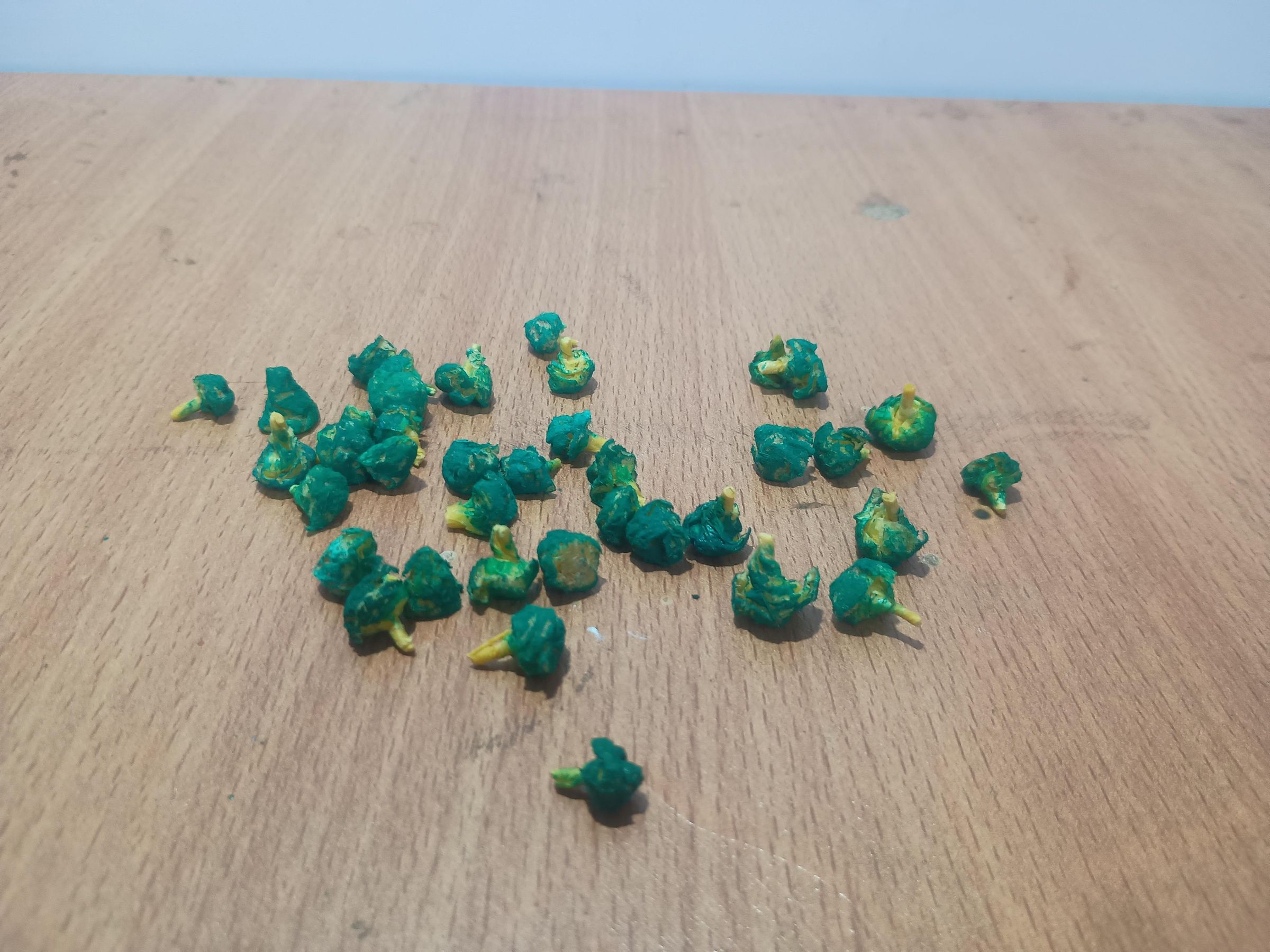
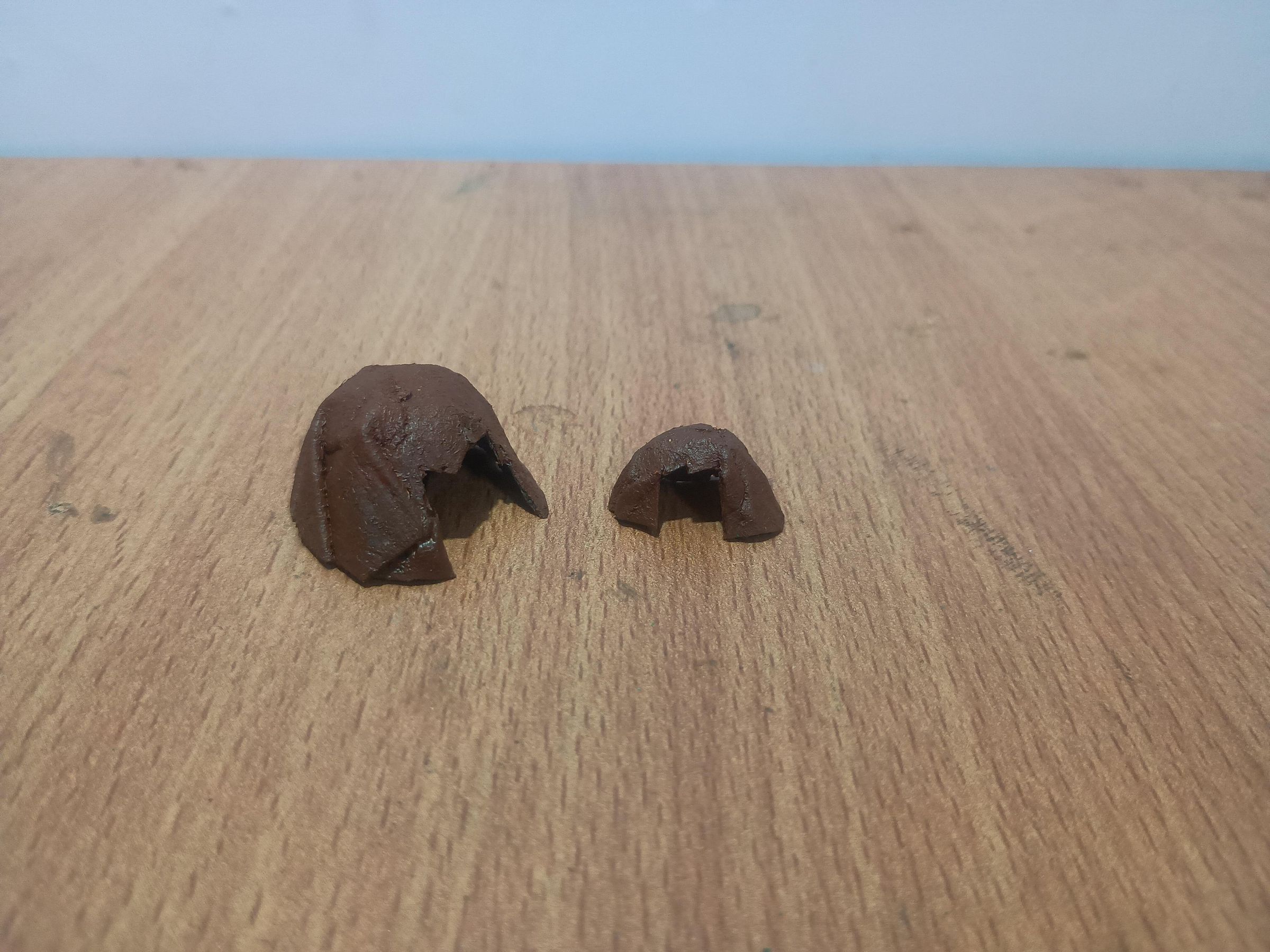


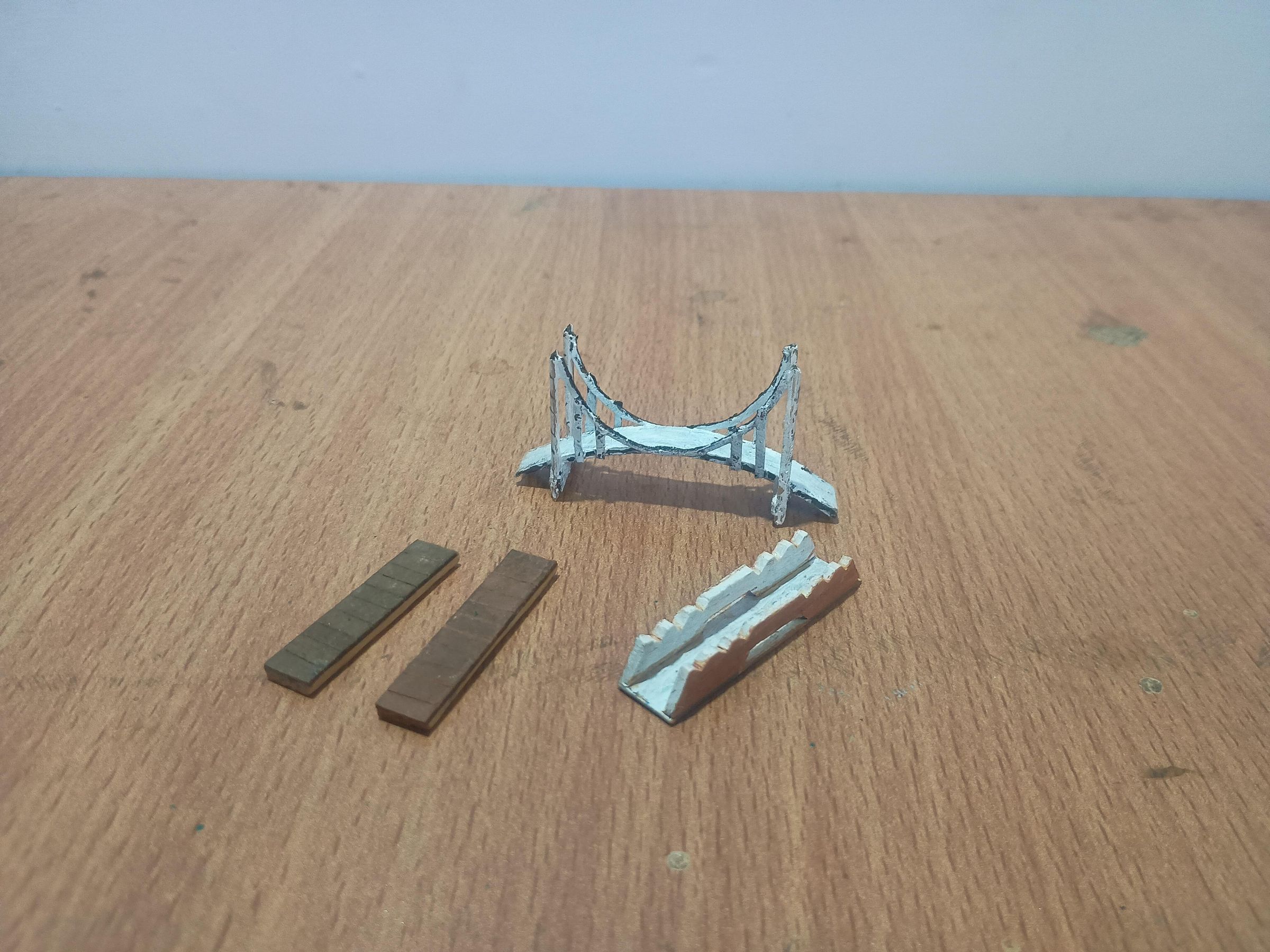

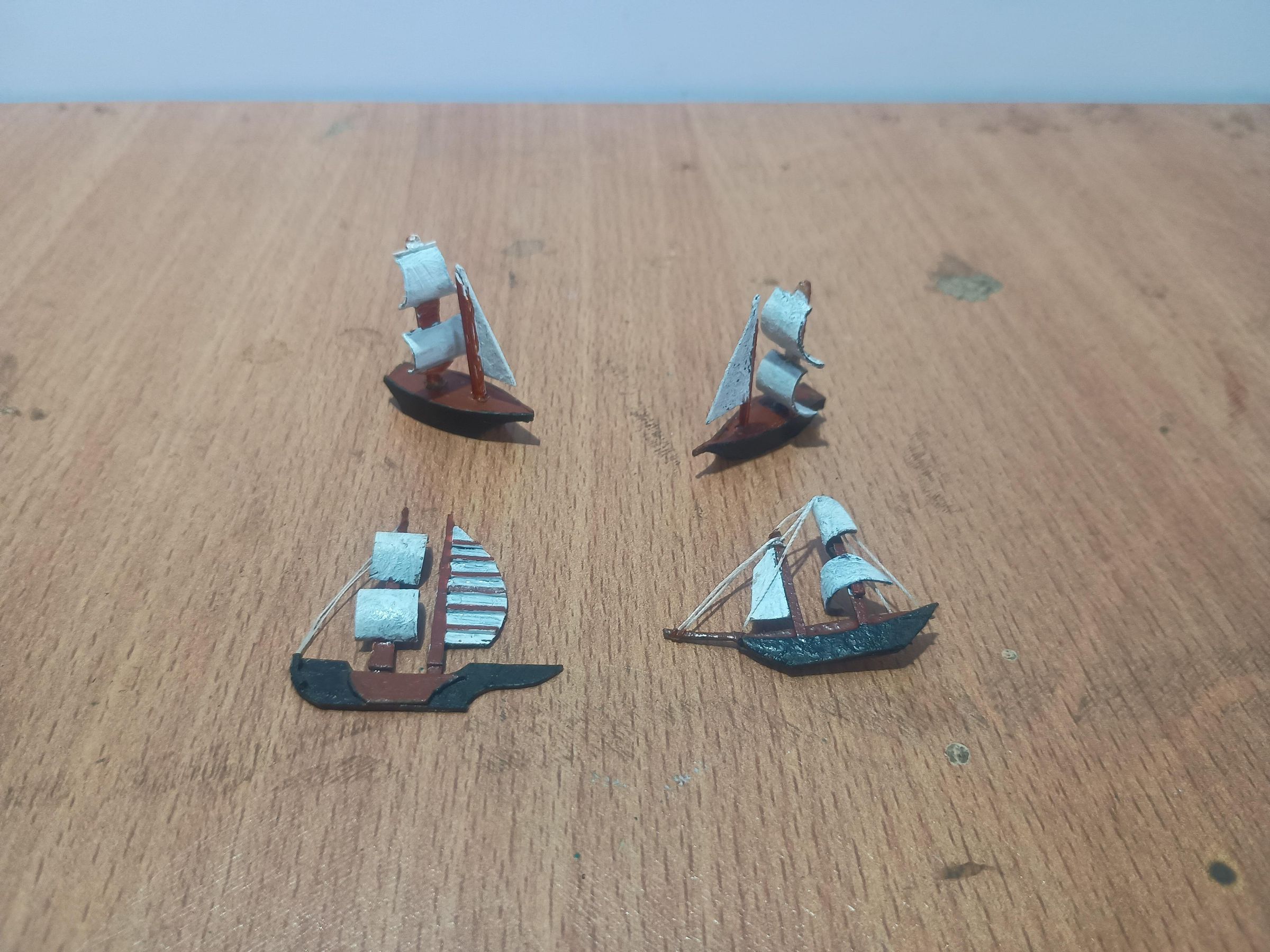
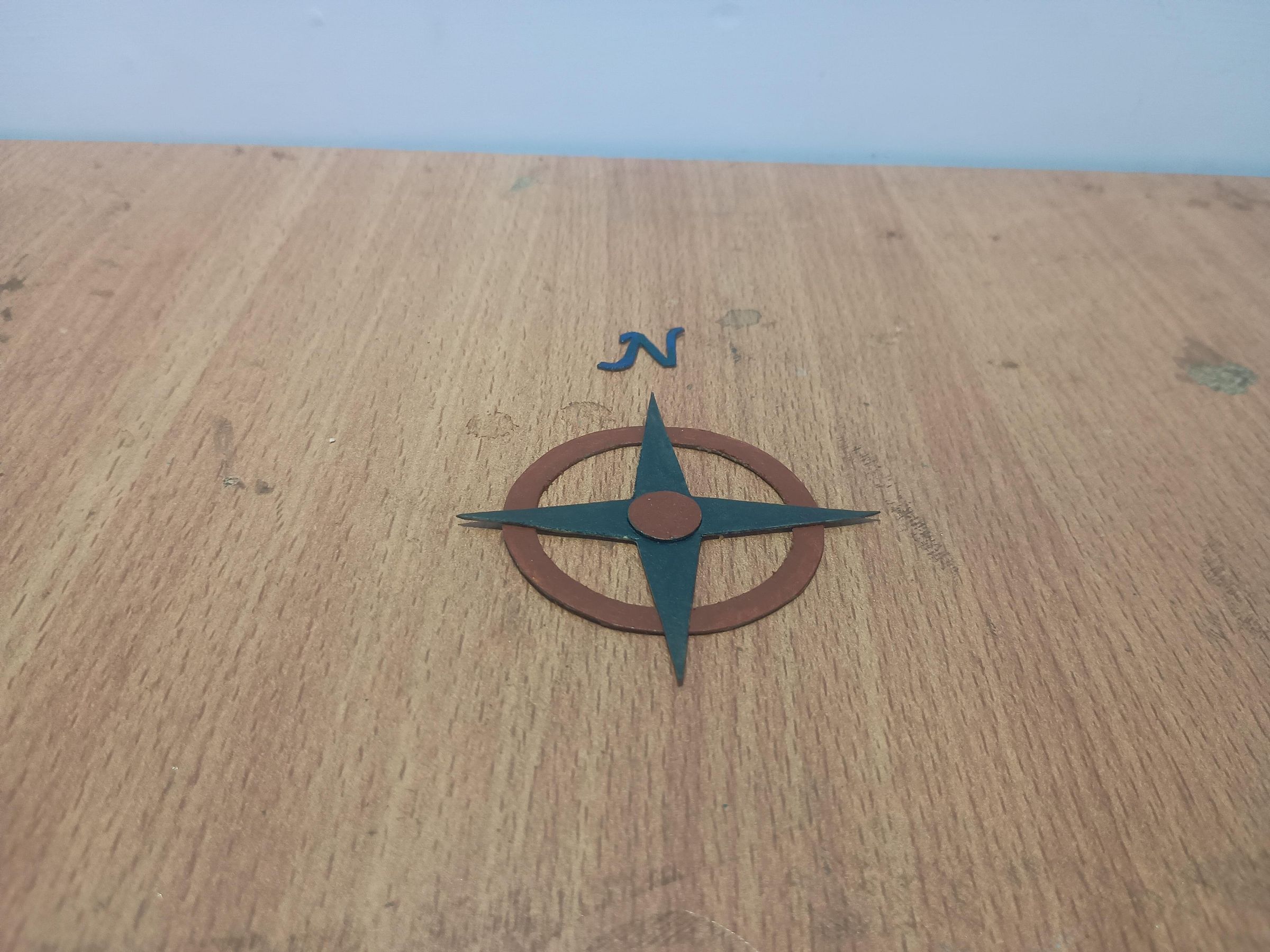
With all your custom landmarks, ships, and colony houses constructed and anchored to the landscape, it’s time to add the final layer of color. This step is where you transform plain wood and paper into a cohesive, atmospheric world.
🎨 What to Do:
- Base Coat: Block out solid colors (gray stone, brown wood, red roofs) with acrylic paint.
- Shadow Wash: Flood the structures with a watery mix of black and brown paint so it pools into the cracks.
- Highlight: Lightly skim a nearly dry brush of light gray or tan paint over the topmost edges.
- Finish: Add bright detail pops, like metallic gold on treasure chests or crisp white on flags.
💡 Quick Tip: Don't worry about making your paint jobs look perfectly neat! These elements are supposed to be centuries-old structures braving the elements. A slightly uneven, weathered paint job looks far more authentic on an ancient map than clean, perfect lines.
Adding Map Elements

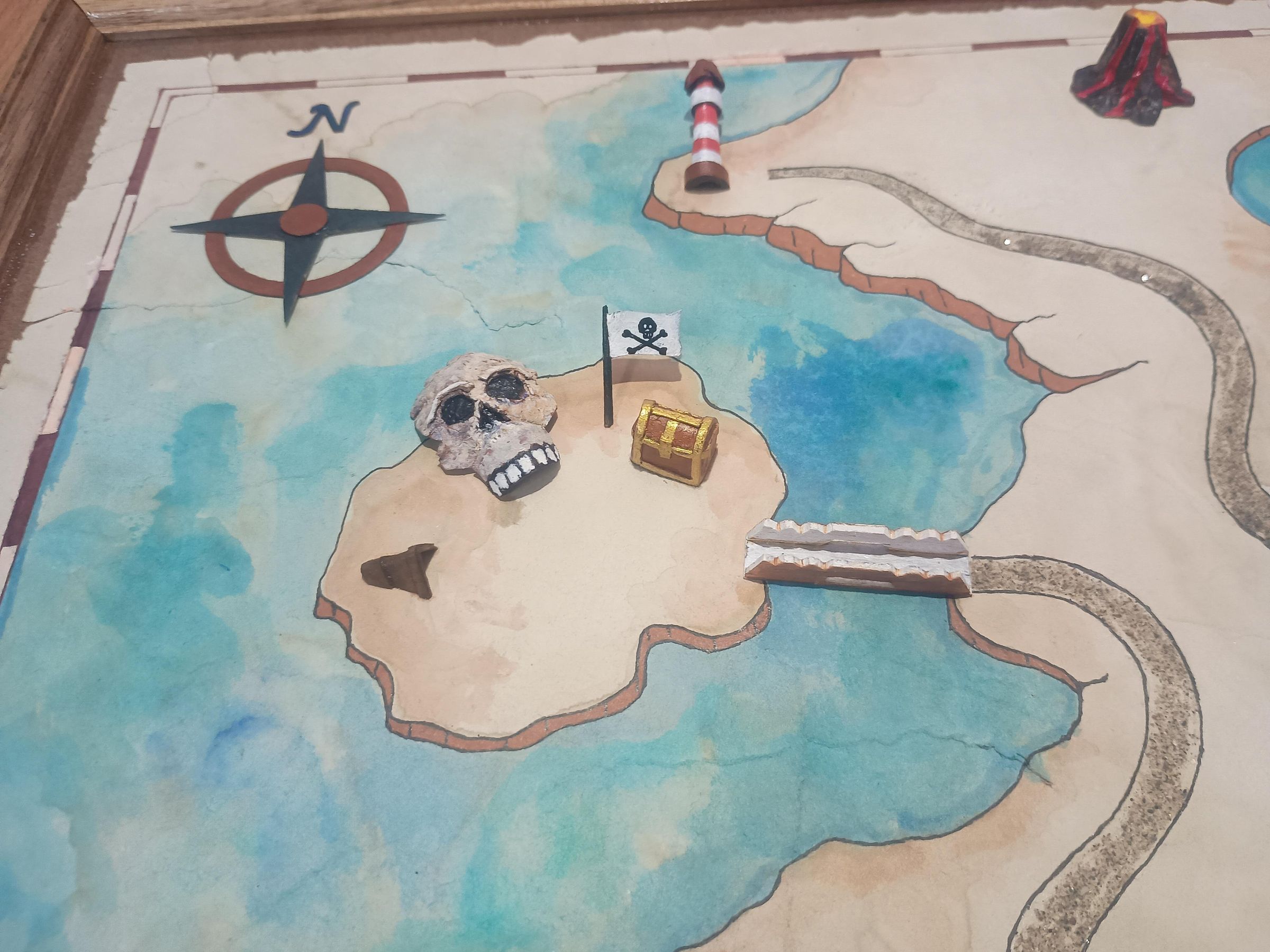


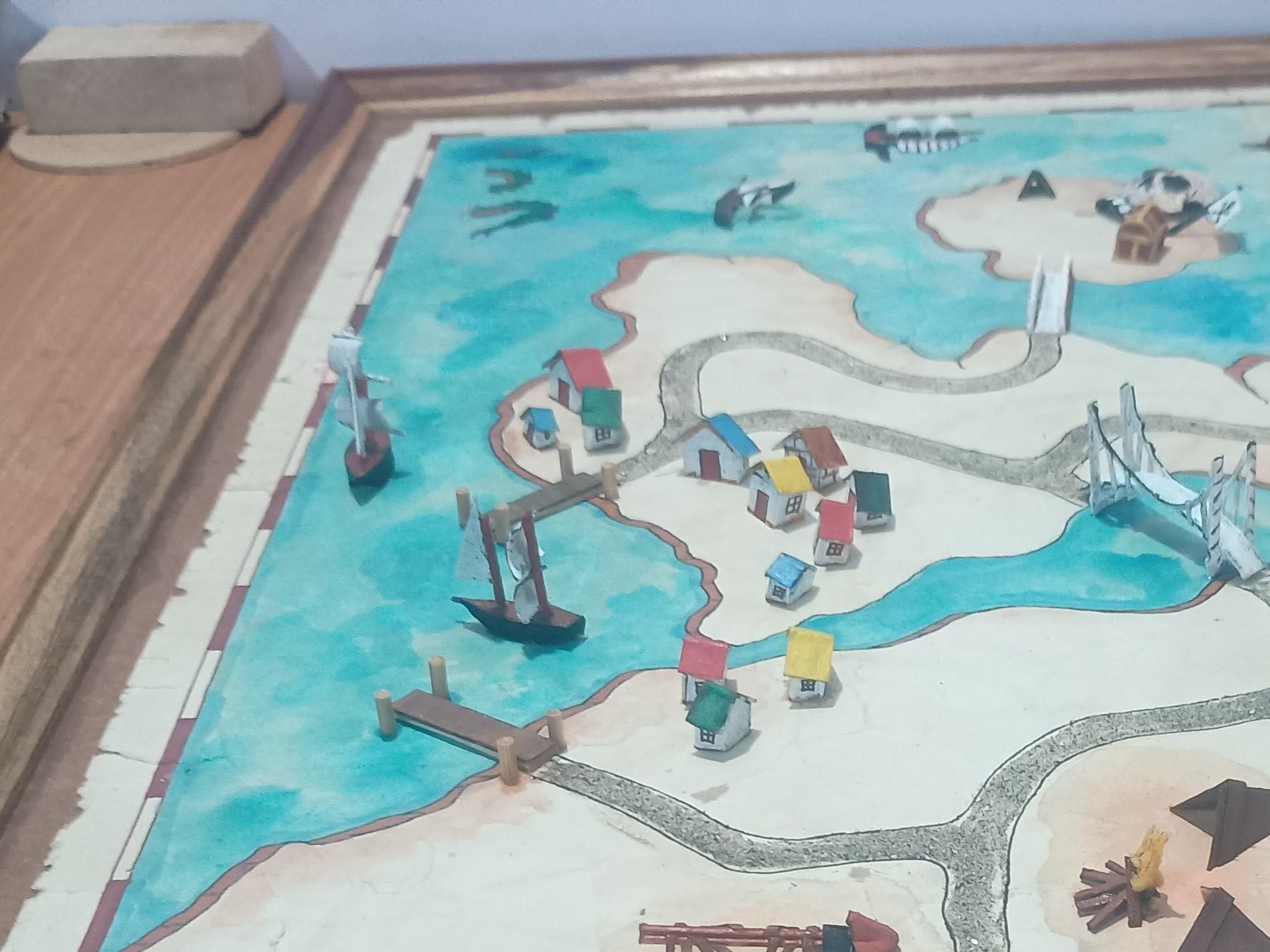
It is time to bring your landscape to life! By strategically mounting your crafted miniatures, you will transform your flat canvas into a fully realized 2.5D world.
📍 What to Do:
- Plan the Layout: Place your houses, ships, and monsters onto the map without glue first to map out your colonies, shipping lanes, and dangers.
- Anchor the Pieces: Lift each element, apply a drop of superglue to its base, and press it firmly onto the canvas for 10 seconds.
- Blend the Foundations: Apply a tiny dab of wood glue around the base of your buildings and mountains.
- Final Check: Ensure your ships are in the water, your colony sits safely in the valley, and your watchtower has a clear view of the horizon.
- re chests or crisp white on flags.
💡 Quick Tip: Use a pair of tweezers to position your tiniest elements, like the ships and colony houses. It keeps your fingers out of the way, prevents accidental superglue smudges on your painted map, and allows you to place each piece with pinpoint accuracy!
Adding Terrain & Texture

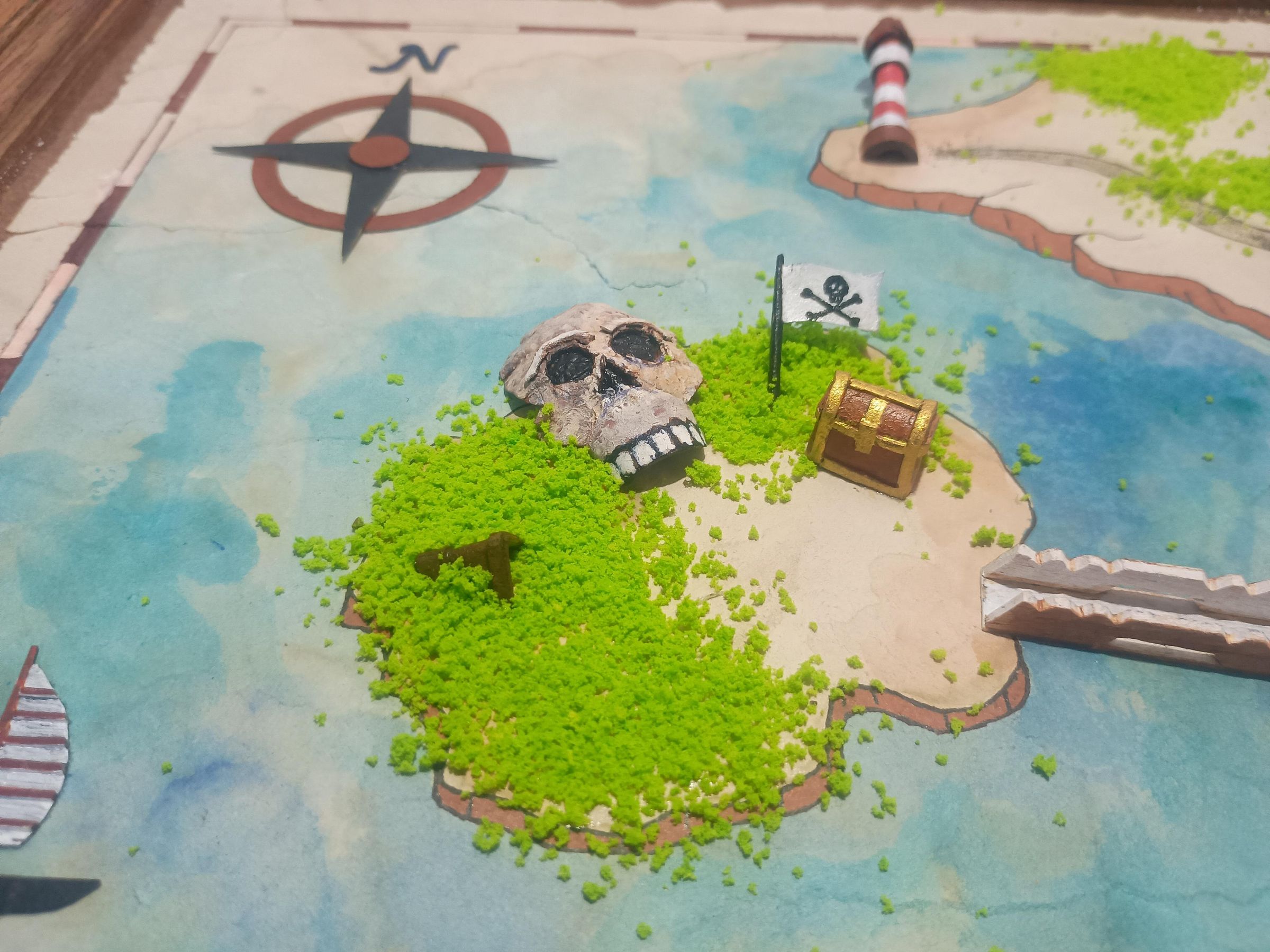
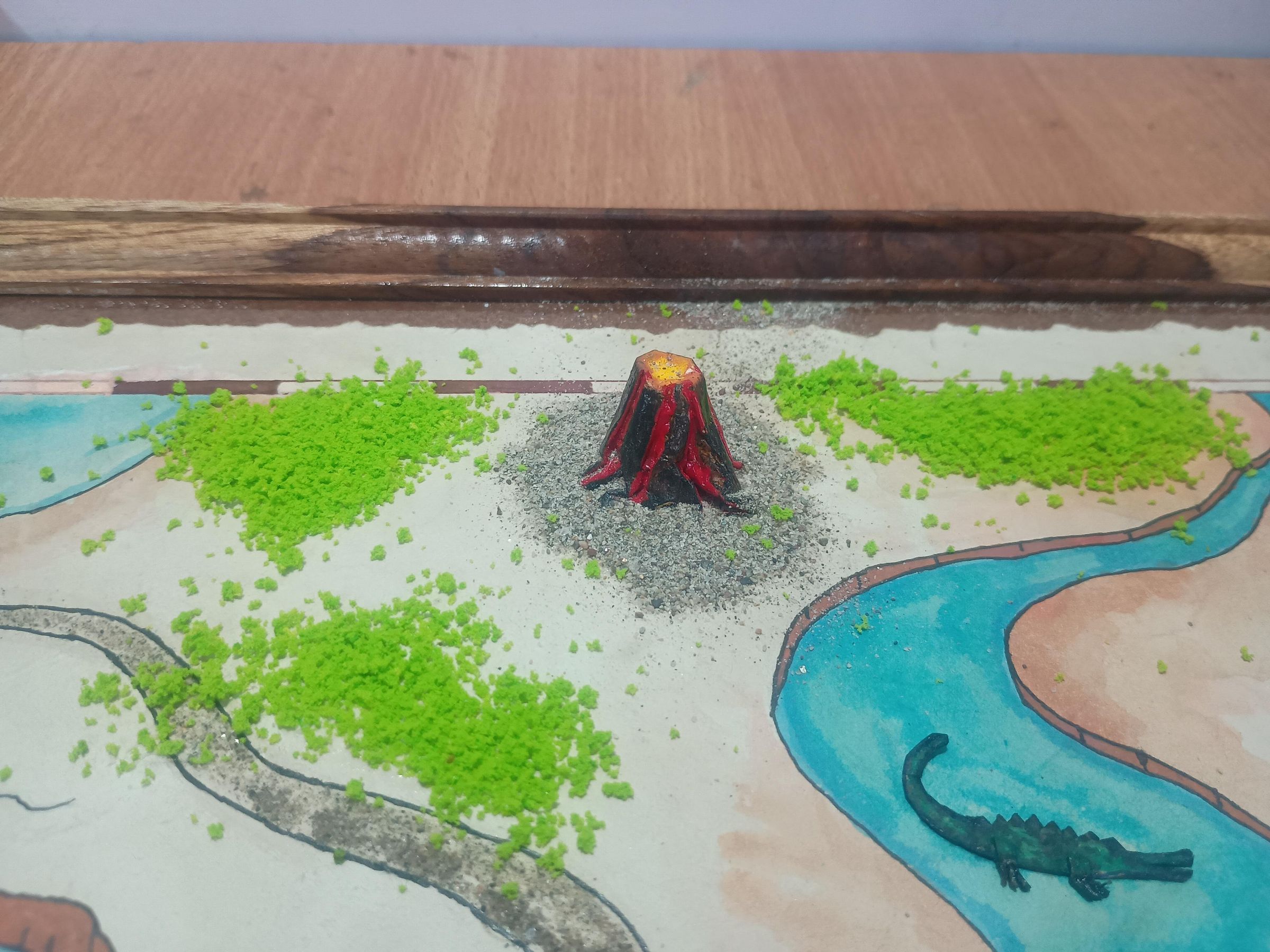

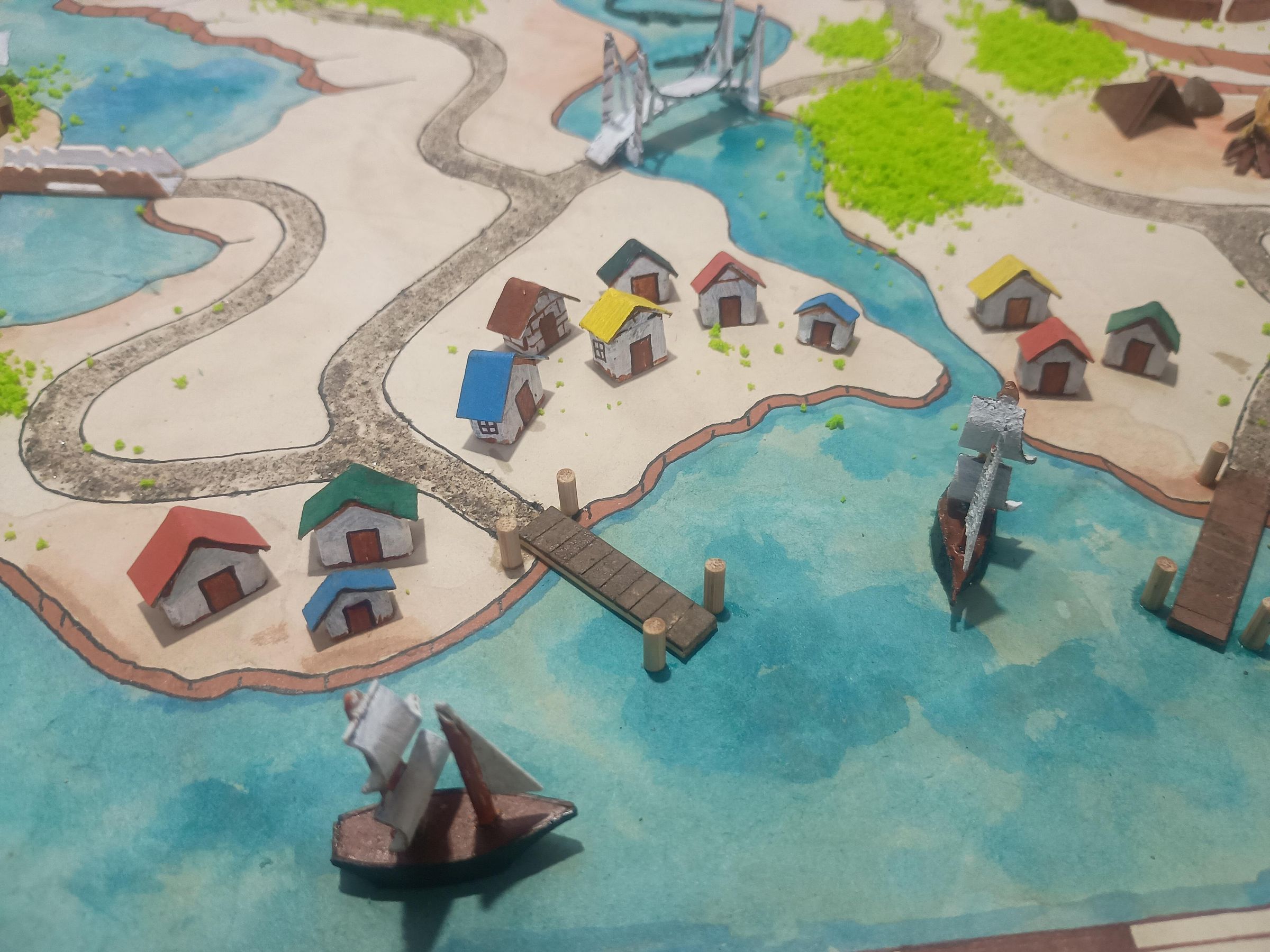
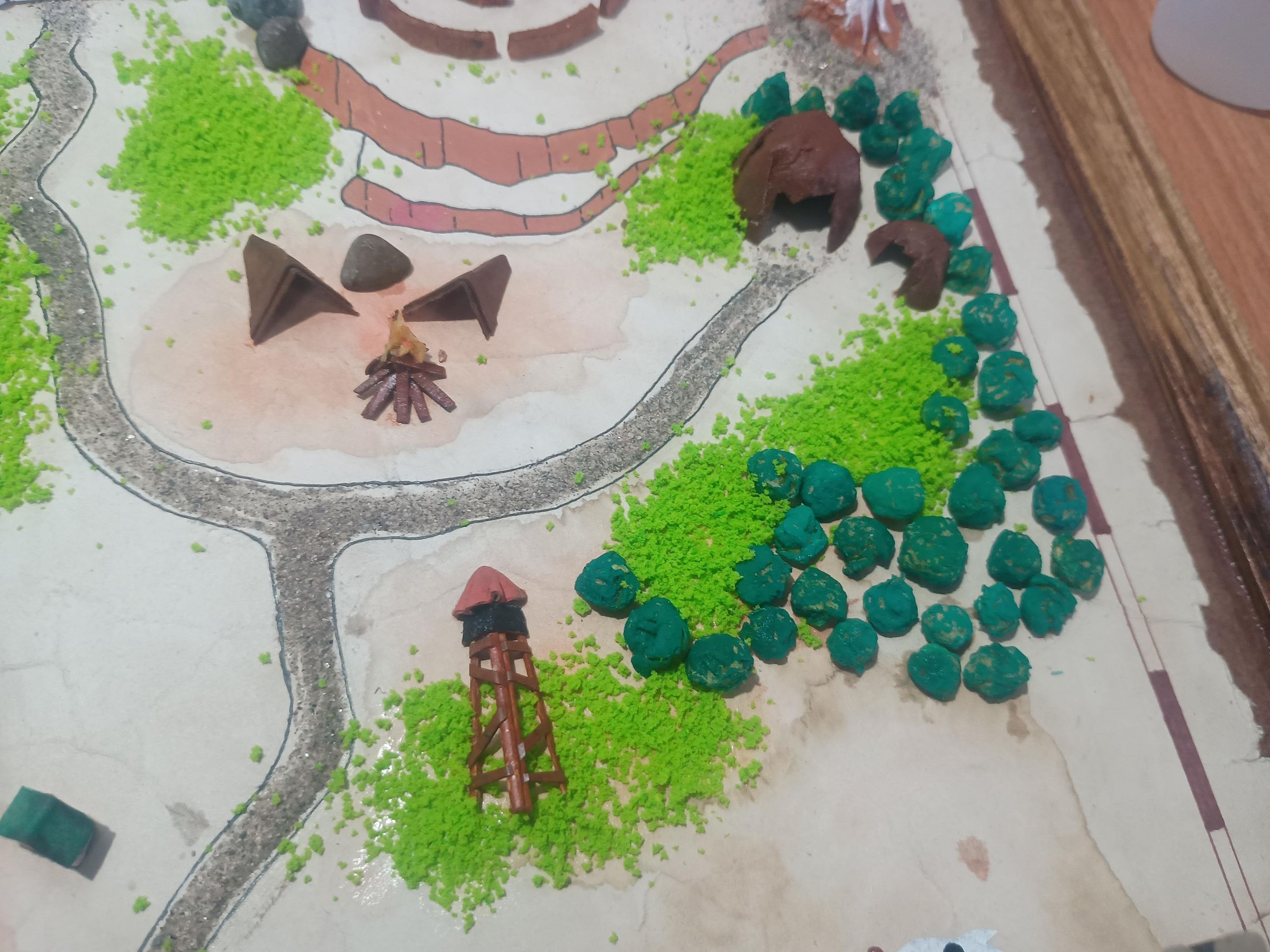
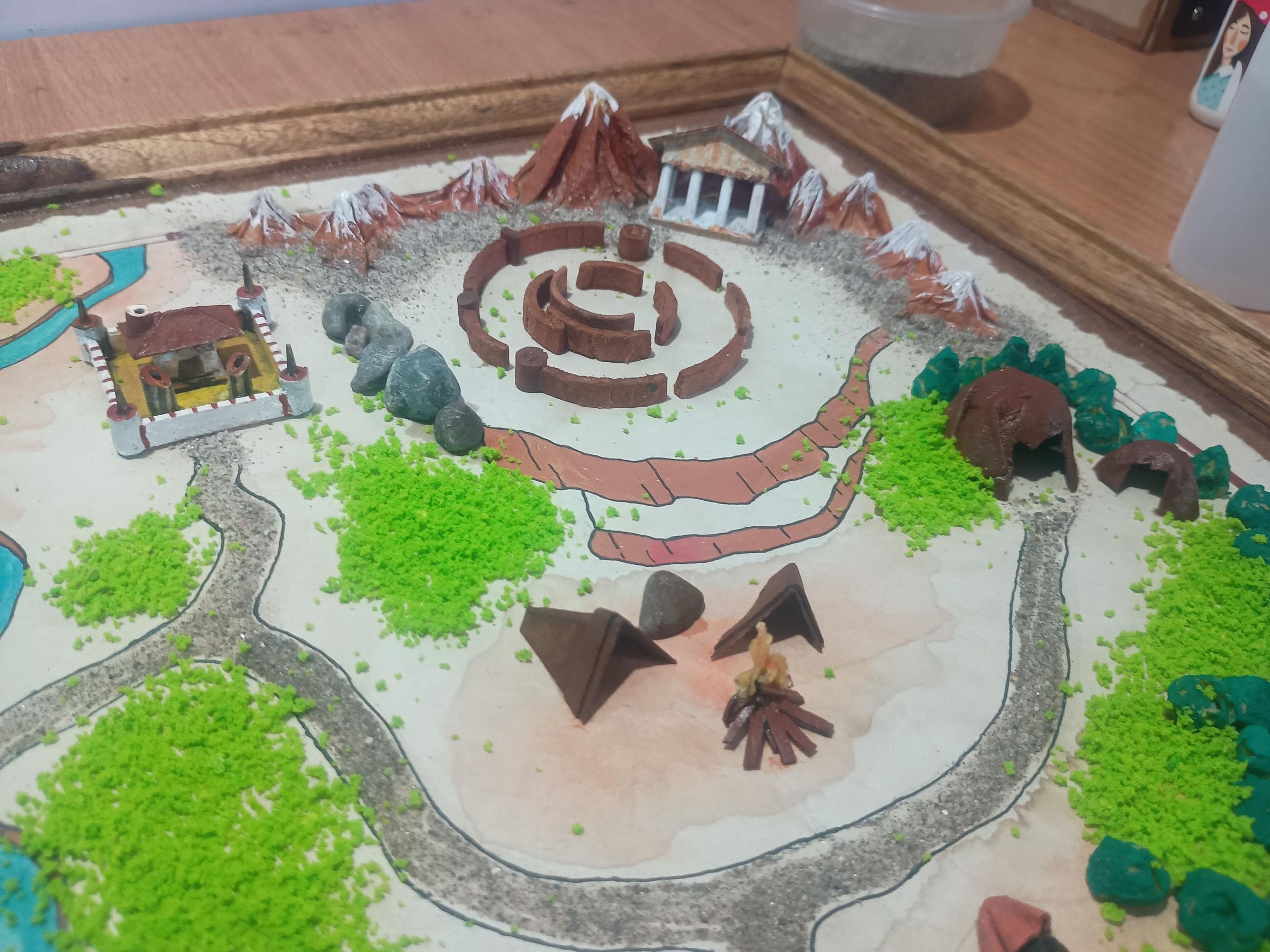
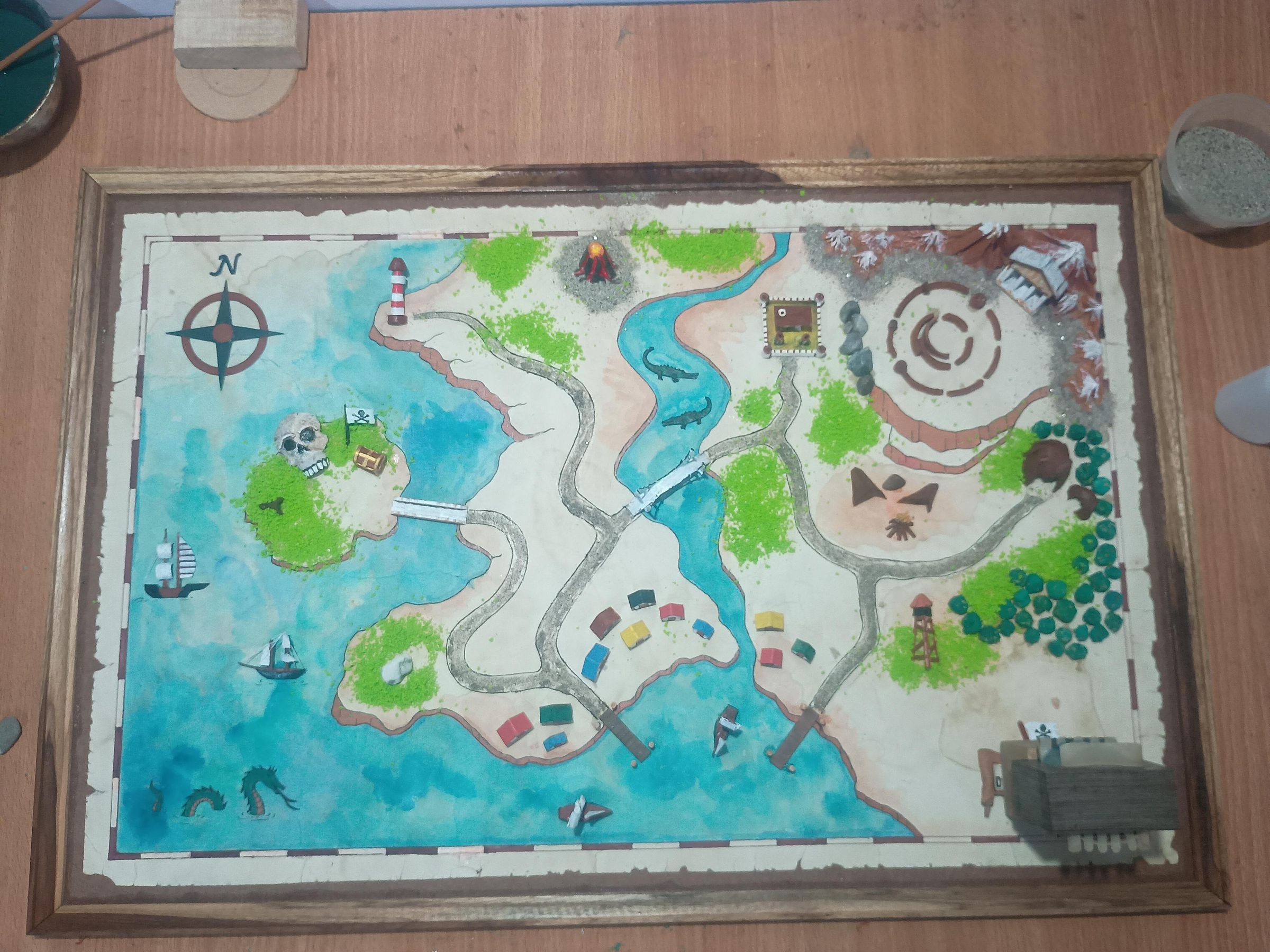
To make your landmasses feel tactile and realistic, you will layer different textures directly onto the map. By using everyday sand and scenic powders, you can instantly define your beaches, plains, and dense wild zones.
🏜️ What to Do:
- Define the Terrain: Apply a thin layer of wood glue along edges using a small paint brush. Heavily sprinkle fine sand over the wet glue, let it sit for a minute, then tilt the map to shake off the excess.
- Grow the Grasslands: Brush a layer of glue over your flat inland territories. Shower these areas with your green scenic grass powder, gently pressing it down with your fingers to ensure it sticks uniformly. (I added grass powder here to give the illusion of a dense, unexplored forest, contrasting with the smooth paper of the oceans).
- Clean Up: Once the glue dries completely, take the map outside and give the back of the MDF board a firm tap to clear away any remaining loose particles.
💡 Quick Tip: Mix a tiny bit of your sand directly into your green grass powder before sprinkling it on the plains. This simple blend creates an uneven, patchy look that perfectly mimics wild, untamed terrain!
Sealing & Finishing Touches


With your landscape fully sculpted, painted, and textured, it’s time to lock everything in place and add the final cartographic details. This step adds the classic "treasure map" look while protecting your hard work for years to come.
🖋️ What to Do:
- Seal the Terrain: Spray a light, even coat of clear matte sealer (or a 50/50 mix of water and wood glue) over the entire map. This locks down your loose sand and grass powder so they never shed.
- Ink the Trade Routes: Use your sketch pen to carefully draw neat, dotted lines along your sand roads, linking your colony houses to the ancient ruins and docks.
- Label the Landmarks: In your neatest calligraphy or bold lettering, write out the names of your key locations directly onto the map or your paper nameplates (e.g., "Alligator Bay", "Pirate Cove", or "Cliffs Of Doom").
- Add Nautical Details: Draw tiny subtle wave ripples in the open ocean around your paper ships, sea serpent, shores to fill any empty space.
💡 Quick Tip: When drawing your dotted travel lines over textured sand or grass, use a fine-tip acrylic paint marker or a sketch pen instead of a standard ink pen. The paint marker won't clog on the rough textures and will leave crisp, highly visible dots!
Conclusion & Summary


Bringing this 2.5D treasure map to life has been an incredible journey in mixing textures and materials. By combining the mixed-media, this project proves that you don't need expensive 3D printers or complex tools to create stunning dimensional art. It turns simple, everyday craft supplies into a tangible piece of storytelling that breaks the boundary of a flat page.
Whether you are building this as a decoration, a craft piece, a cartographer's keep, or just to explore mixed-media art, the process of layering and texturing is incredibly rewarding.
__
Thank you so much for following along on this map-making adventure! I hope it inspires you to look at everyday craft supplies in a whole new, dimensional way. If you enjoyed this guide, please consider giving it a Vote in the Map Contest, leave a comment below, and click 'I Made It' to show off your own custom cartography creations. Happy making!
🌐 Connect With Me!
If you want to see more of my mixed-media art, behind-the-scenes progress, and upcoming DIY projects, feel free to follow me across my social channels:
- YouTube: technocraftStudio
- Instagram: technocraftStudio
- Facebook: technocraftStudioPage