DIY High-Frequency Induction Heater
by utsource_ic in Circuits > Electronics
30 Views, 0 Favorites, 0 Comments
DIY High-Frequency Induction Heater

Introduction
In this project, you'll learn how to build a simple high-frequency induction heater using only a few common electronic components. This circuit can rapidly heat iron, steel, and other ferromagnetic metals without direct contact, making it ideal for educational demonstrations, DIY experiments, and induction heating research.
Supplies
Supplies
- 2 × IRFP460 MOSFET
- 2 × Fast Recovery Diodes (UF4007 or similar)
- 2 × 200 Ω Resistors
- 4 × High-Voltage Polypropylene Capacitors
- Ferrite Toroidal Core
- Enamelled Copper Wire
- Copper Heating Coil
- Heat Sinks
- 12–36 V DC Power Supply
- Connecting Wires
Tools
- Soldering Iron
- Solder Wire
- Wire Cutter
- Multimeter
- Screwdriver
- Power Supply
Gather the Components
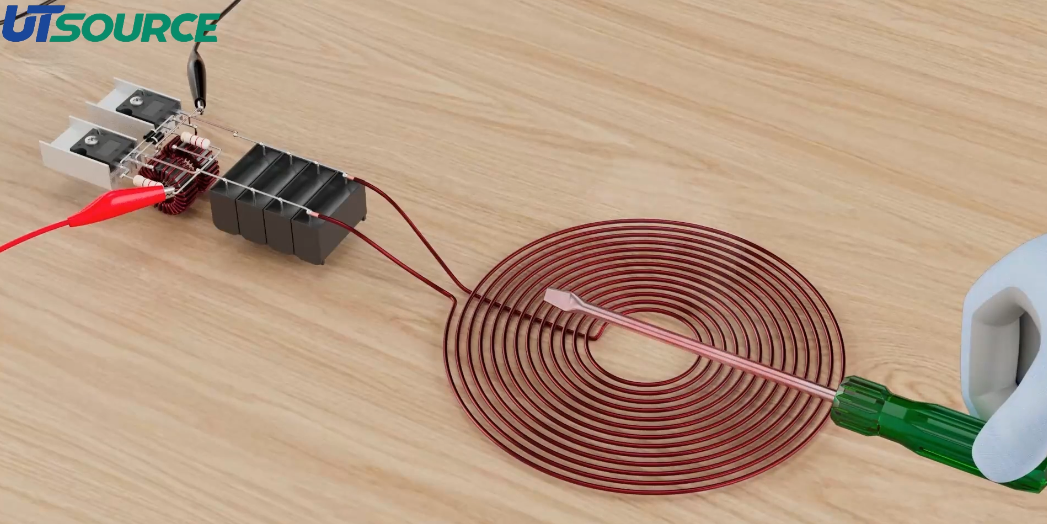
Prepare all electronic components before assembly. This induction heater requires only a few parts, making it an excellent beginner-friendly project.
Main components include:
- 2 × IRFP460 MOSFETs
- Copper wire
- Resonant capacitors
- Ferrite toroidal core
- High-current power supply
- Heatsinks
Understanding the MOSFET
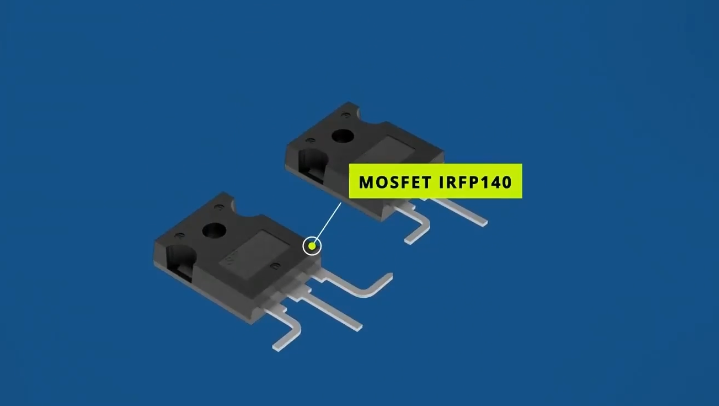
The IRFP460 MOSFET acts as the main switching device. It rapidly converts DC power into high-frequency alternating current required for induction heating.
Wind the Driver Transformer
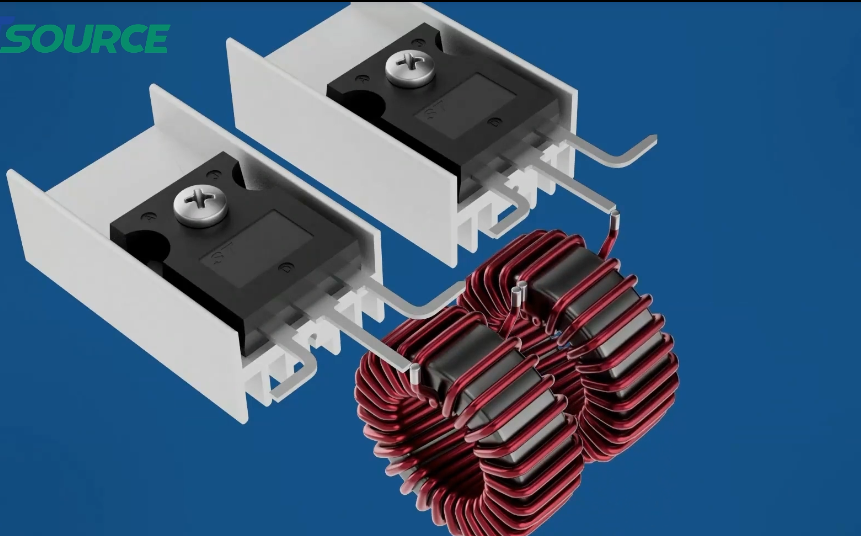
Wind the ferrite toroidal transformer carefully. Equal turns on both windings ensure proper oscillation and balanced gate drive.
Install the Gate Resistors
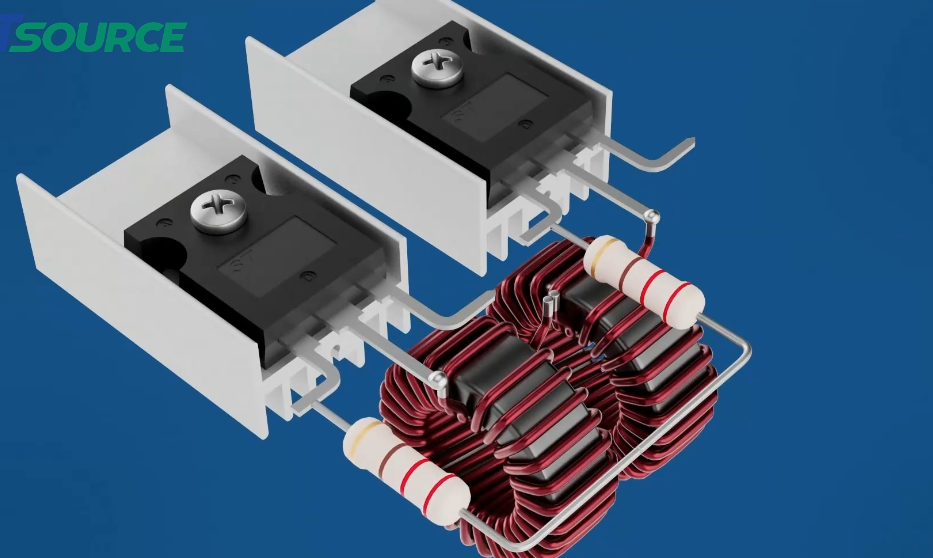
Install the gate resistors between the transformer outputs and MOSFET gates. These resistors stabilize switching and reduce oscillation.
Add Flyback Protection
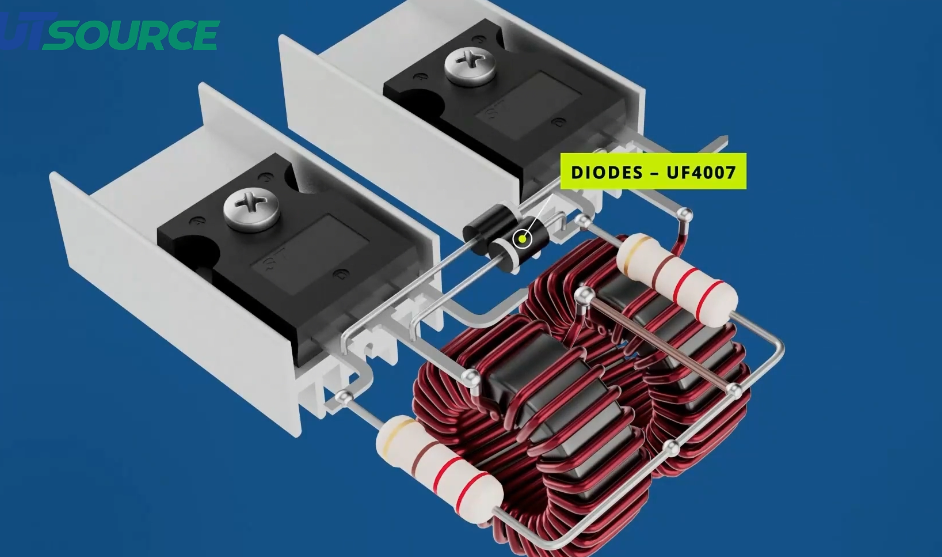
Connect fast recovery diodes across the MOSFETs to safely suppress reverse voltage spikes generated during switching.
Install the Resonant Capacitors
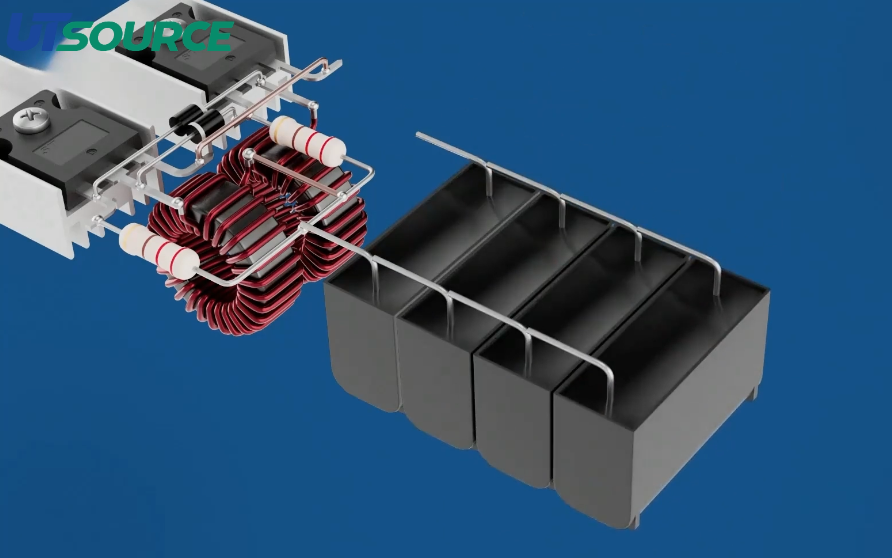
Use four high-voltage polypropylene capacitors connected in parallel to create the resonant tank circuit.
These capacitors must have:
- Low ESR
- High pulse current capability
- High voltage rating
Connect the Heating Coil
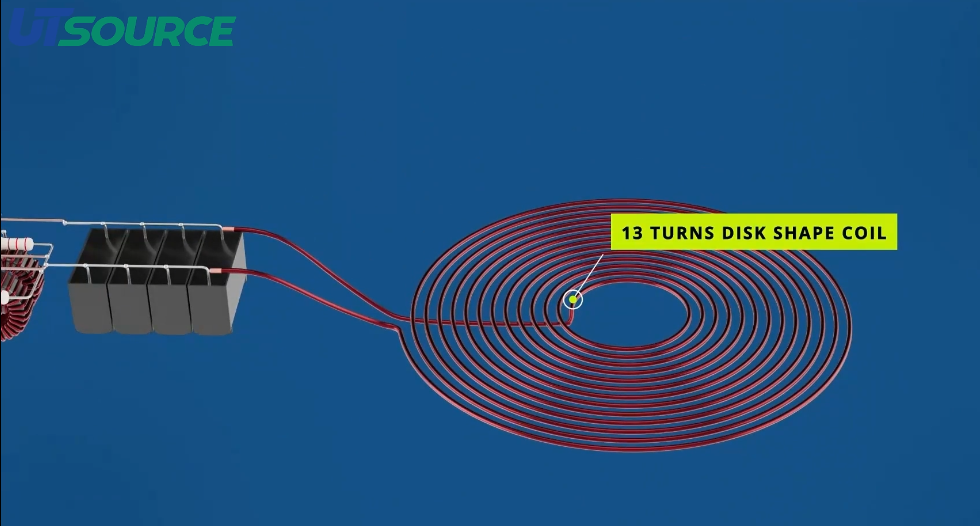
Connect the flat spiral induction coil to the resonant circuit. This coil produces a strong alternating magnetic field.
Test the Circuit
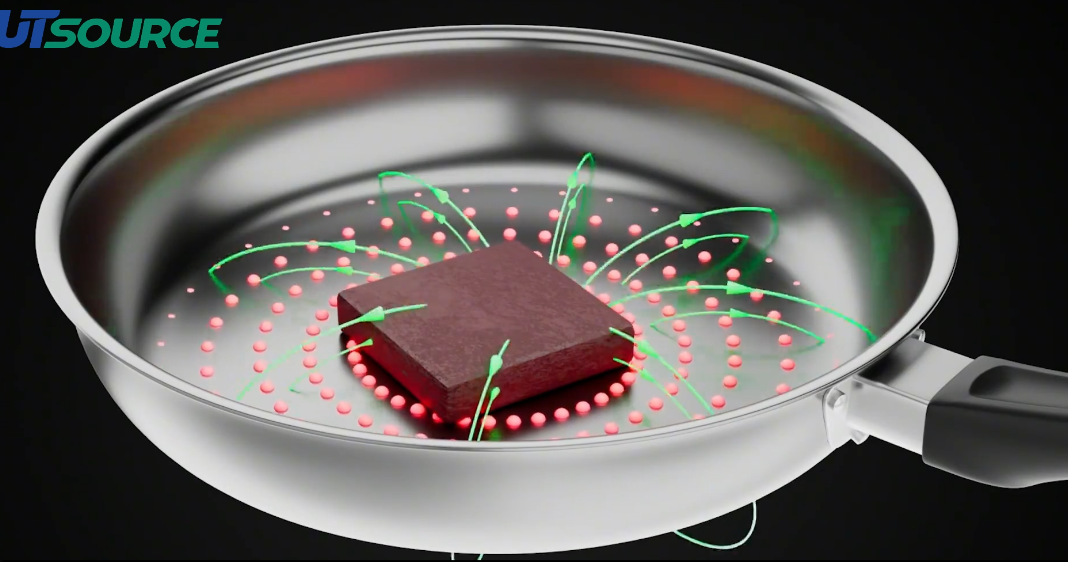
After power is applied, place a ferromagnetic metal object inside the induction coil.
The alternating magnetic field induces eddy currents inside the metal, causing it to heat rapidly without direct electrical contact.
Real-World Demonstration
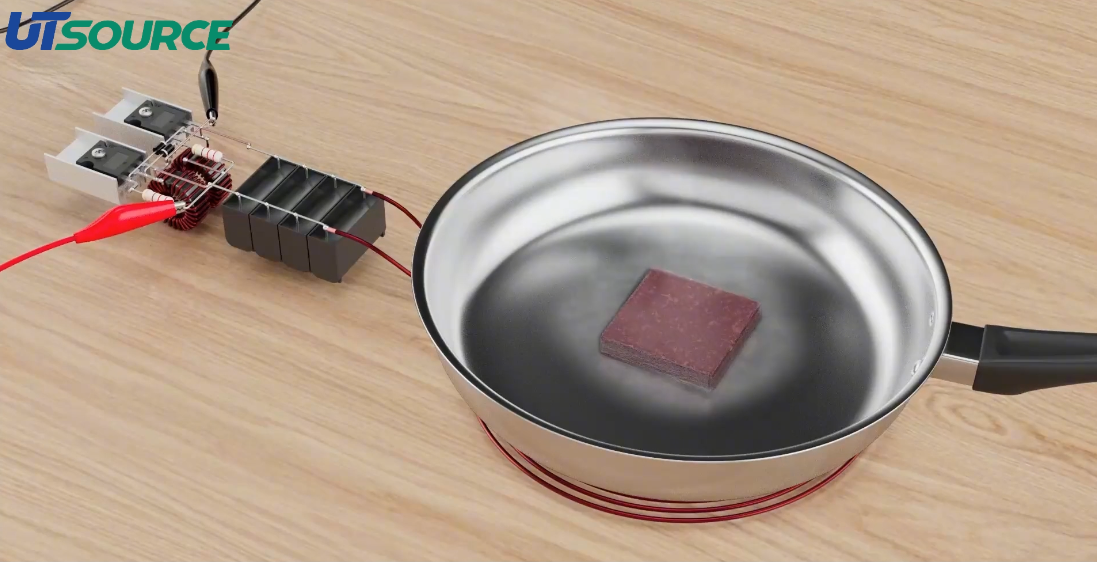
The completed induction heater can raise the temperature of small steel objects within seconds.
Always operate the circuit with adequate cooling and avoid touching heated objects immediately after testing.
Conclusion
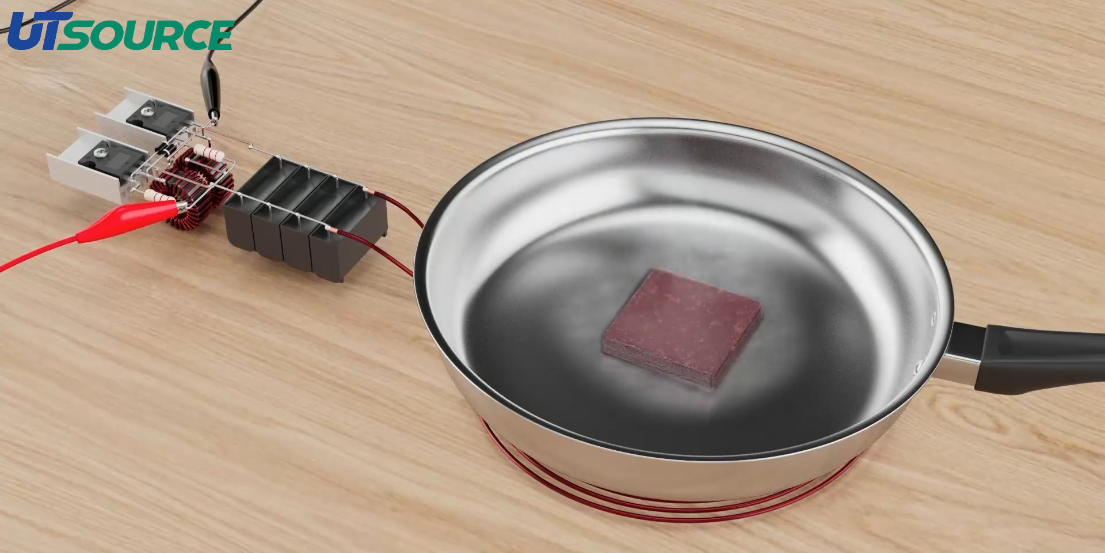
This DIY induction heater demonstrates the principles of high-frequency resonance and electromagnetic induction using only a handful of components.
It is an excellent educational project for learning about:
- Resonant circuits
- MOSFET switching
- Electromagnetic induction
- High-frequency power electronics