DIY Portable Magnetic Field Mapping Device With ESP32 Heatmap Display
by edosari50 in Circuits > Sensors
2306 Views, 16 Favorites, 0 Comments
DIY Portable Magnetic Field Mapping Device With ESP32 Heatmap Display


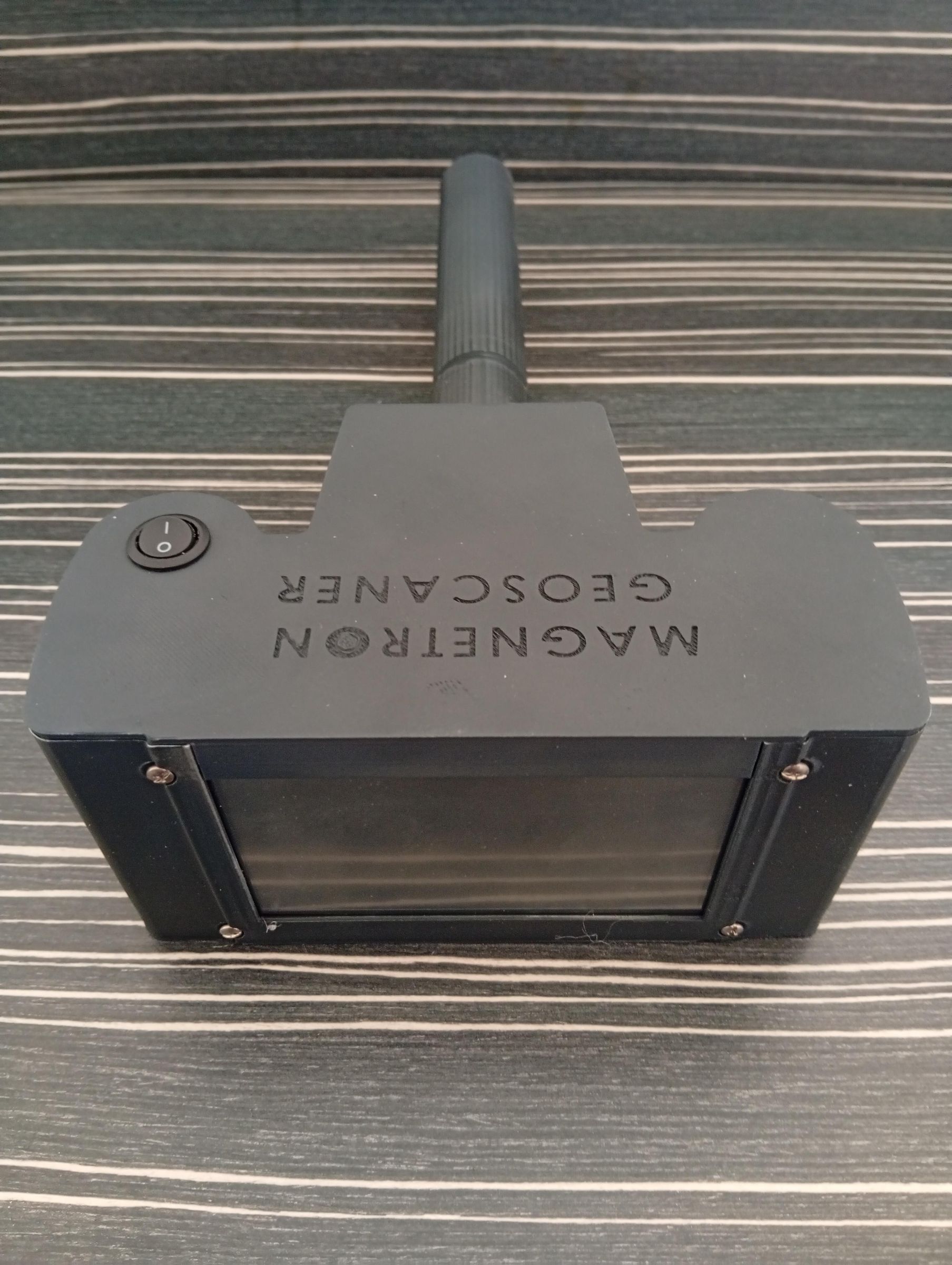


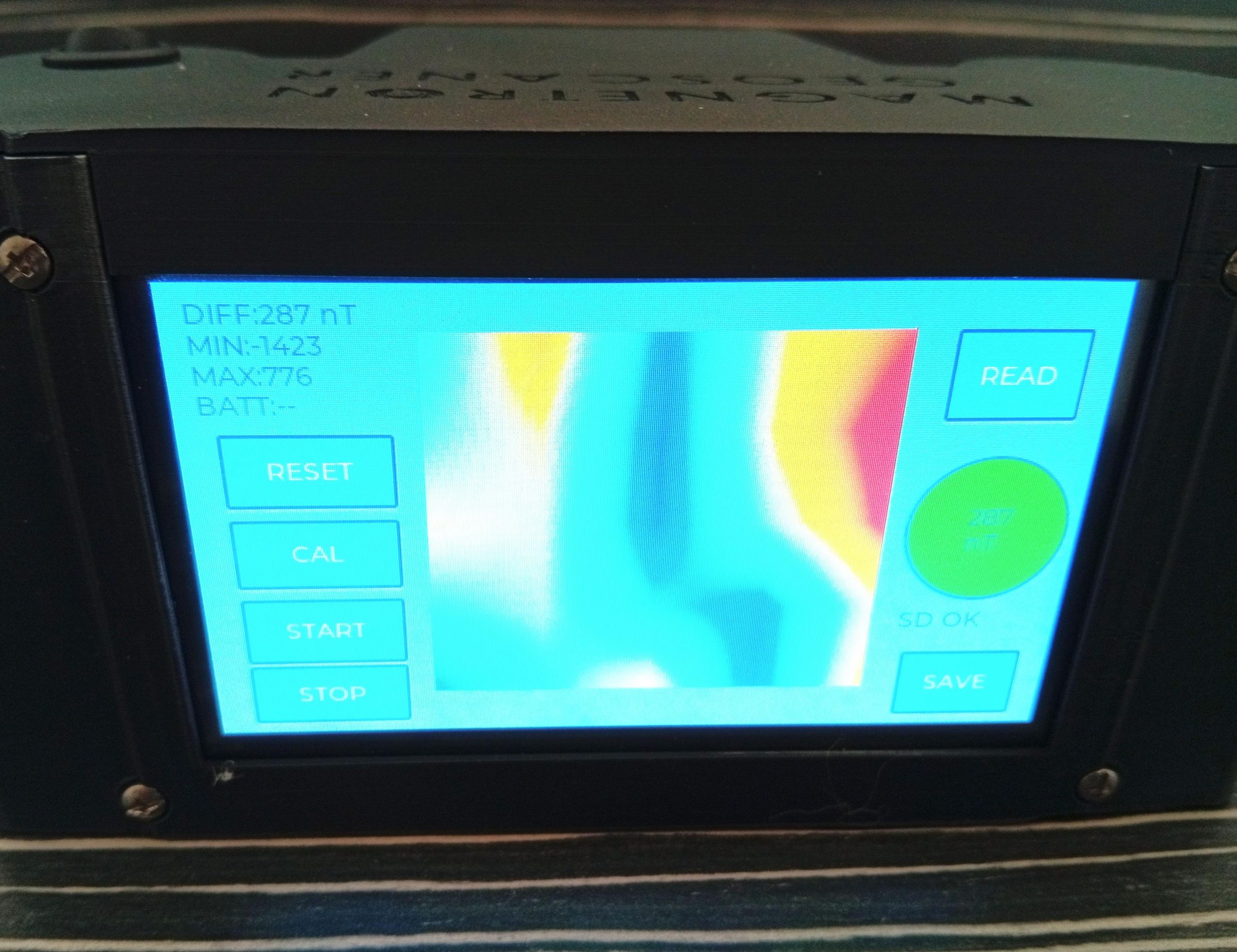
In this project, I designed and built a fully portable magnetic field mapping device called the MAGNETRON GEOSCANNER BASIC.
The system is designed for experimental magnetic field scanning, magnetic anomaly visualization, DIY research, educational projects, and field mapping applications.
Unlike conventional metal detectors, this device does not directly identify specific metals or guarantee underground object detection. Instead, it measures small variations and disturbances in the surrounding magnetic field and visualizes them as a real-time color heatmap.
The device uses:
- Dual analog magnetic field sensors
- Arduino Nano based sensor processing
- ESP32 touchscreen HMI interface
- Real-time heatmap rendering
- Portable rechargeable battery system
- SD card data saving support
The working principle is based on differential magnetic field analysis between two vertically aligned sensors. During scanning, the system compares magnetic field variations between the sensors and generates a visual heatmap of the scanned area.
Subsurface structures, geological formations, buried metallic objects, cavities, minerals, disturbed soil, and environmental magnetic changes may create detectable magnetic anomalies over time. Non-magnetic structures may also indirectly affect surrounding magnetic distribution patterns.
The final interpretation of scan results always depends on:
- ground structure
- mineral composition
- environmental conditions
- scanning technique
- user experience
The purpose of this project is experimental visualization and mapping of magnetic field variations.
This BASIC version was intentionally designed as a simple and portable standalone platform without PC dependency. More advanced MAGNETRON systems currently under development include:
- PC connectivity
- larger area scanning
- real-time wireless data streaming
- advanced analysis software
- autonomous scanning platforms
The project combines:
electronics,
embedded software,
3D design,
sensor integration,
portable power systems,
and real-time visualization into a compact DIY field scanning platform.
I wanted to create something that feels closer to a real portable field instrument rather than only a simple electronics prototype.
Additional project information, future developments, and other MAGNETRON systems: www.magnetrongeoscan.com
Supplies

Main Components Used
- Arduino Nano
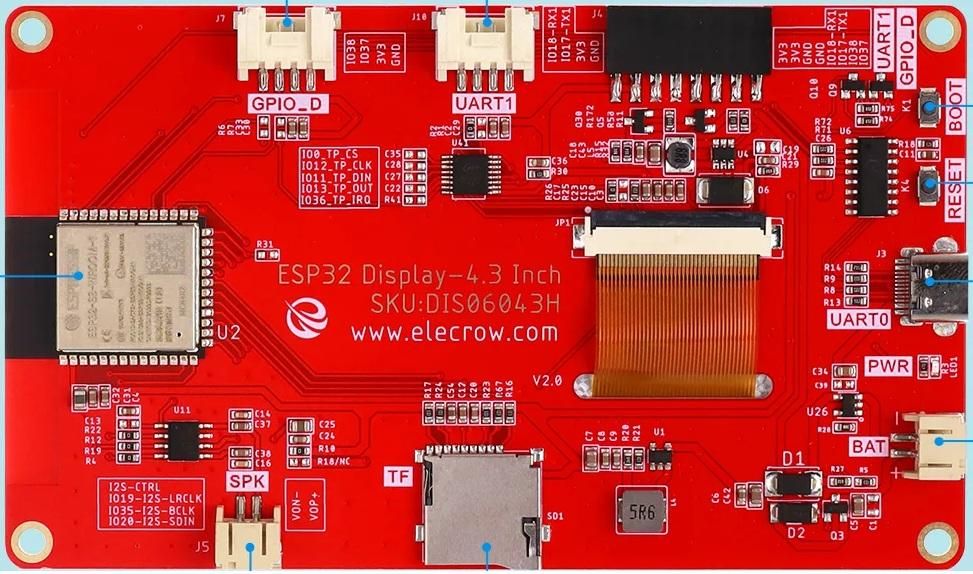
- Elecrow ESP32 4.3" Touchscreen Display
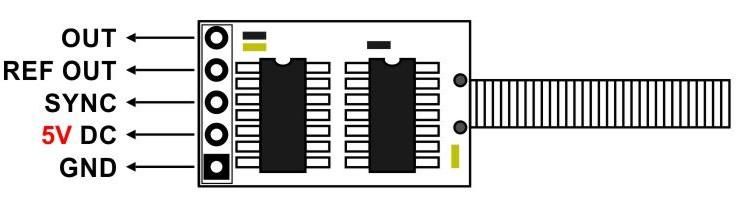
- 2x EMS100 Fluxgate Magnetic Sensors
- XL4005 or XL4015 DC-DC Converter
- 2S Li-Ion Charging Module
- 2x 18650 Li-Ion Batteries
- MicroSD Card
- Power Switch
- 10K + 20K/22K resistors for UART level shifting
- Custom 3D Printed Body
- Wiring and connectors
supported sensor options
- EMS100
- FLC100
- FGN-3
- DRV425 analog magnetic sensor modules
Compatible analog magnetic field sensors can also be adapted by advanced users.
Tools Used
- 3D Printer
- Soldering Iron
- Wire Cutters
- Small Screwdrivers
can be accessed through the project page below: https://cults3d.com/:4399628
Full project resources including:
- STL files
- firmware
- wiring diagrams
- assembly documents
- component lists
Assembly and Internal Wiring

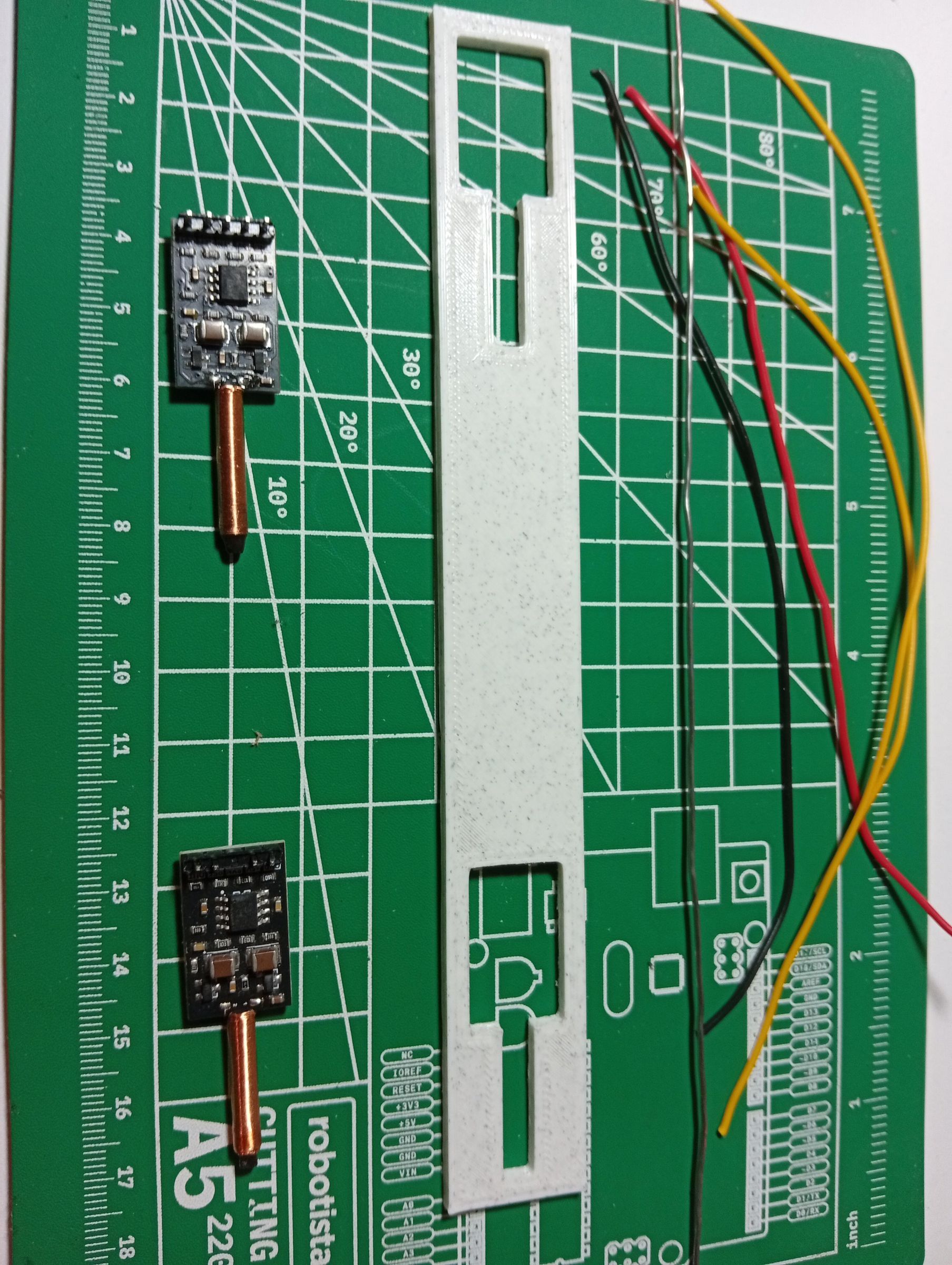
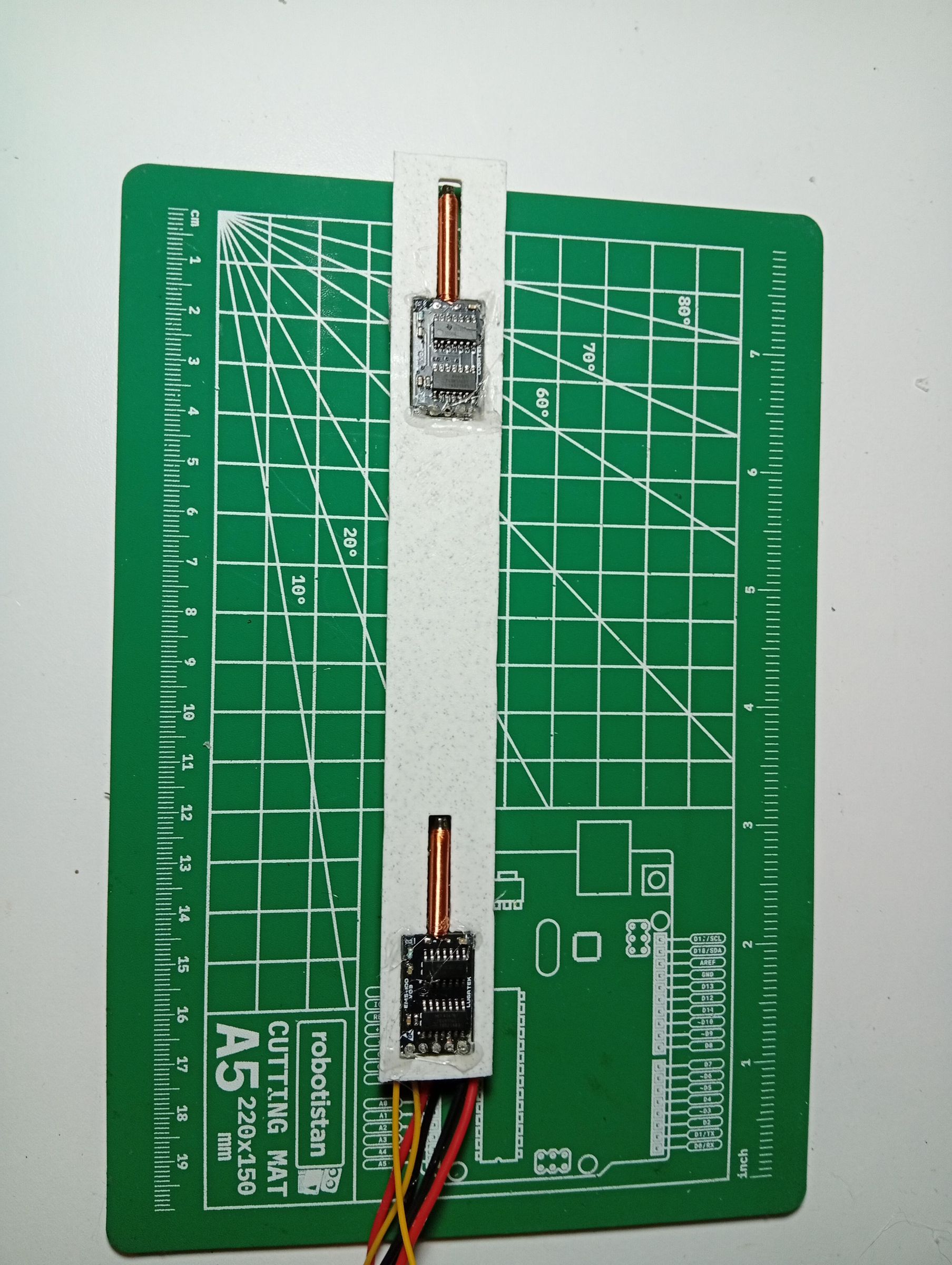


Step 1: Assembly and Wiring
The device body and mounting parts were designed for simple DIY assembly and compact portable use.
Start by printing all STL parts included in the project package.
Recommended materials:
- PLA+
- PETG
Recommended print settings:
- 0.20 mm layer height
- 20% to 40% infill
After printing the parts, begin assembling the sensor tube section.
The magnetic sensor boards are mounted inside the sensor tube in a vertically aligned configuration. Correct vertical alignment between the two sensors is important for proper differential magnetic field operation.
The sensor tube is then attached to the main body using the provided connector parts.
Next, prepare the main electronics section inside the enclosure.
The internal system includes:
- Arduino Nano
- ESP32 touchscreen display
- DC-DC converter
- charging module
- batteries
- SD card system
- power switch
Follow the provided wiring diagram carefully during assembly.
UART communication between the Arduino Nano and ESP32 display uses a resistor divider level shifting circuit:
- 10K resistor
- 20K or 22K resistor
This is used to safely reduce the Nano TX voltage level before reaching the ESP32 RX input.
After wiring is completed:
- secure the modules inside the enclosure
- organize the internal wiring
- verify polarity and voltage connections
- check sensor orientation
- verify stable power output before powering the system
The assembly process was intentionally kept simple so the system can be reproduced and modified easily by makers and experimental users.
Advanced users may also adapt alternative compatible analog magnetic field sensors using the same basic wiring structure.
wiring diagram
https://app.cirkitdesigner.com/project/e2c5e83c-da9e-49df-8644-86f5b57a3613
Full project resources including:
- STL files
- firmware
- wiring diagrams
- assembly documents
- component lists
can be accessed through the project page below: https://cults3d.com/:4399628
Additional MAGNETRON project information: