From Scrap to Self-Sustaining Rooftop Backyard: Chicken Coop, Fruit Garden & Recycled Planters
by noyon2004mia in Living > Gardening
290 Views, 2 Favorites, 0 Comments
From Scrap to Self-Sustaining Rooftop Backyard: Chicken Coop, Fruit Garden & Recycled Planters
Introduction
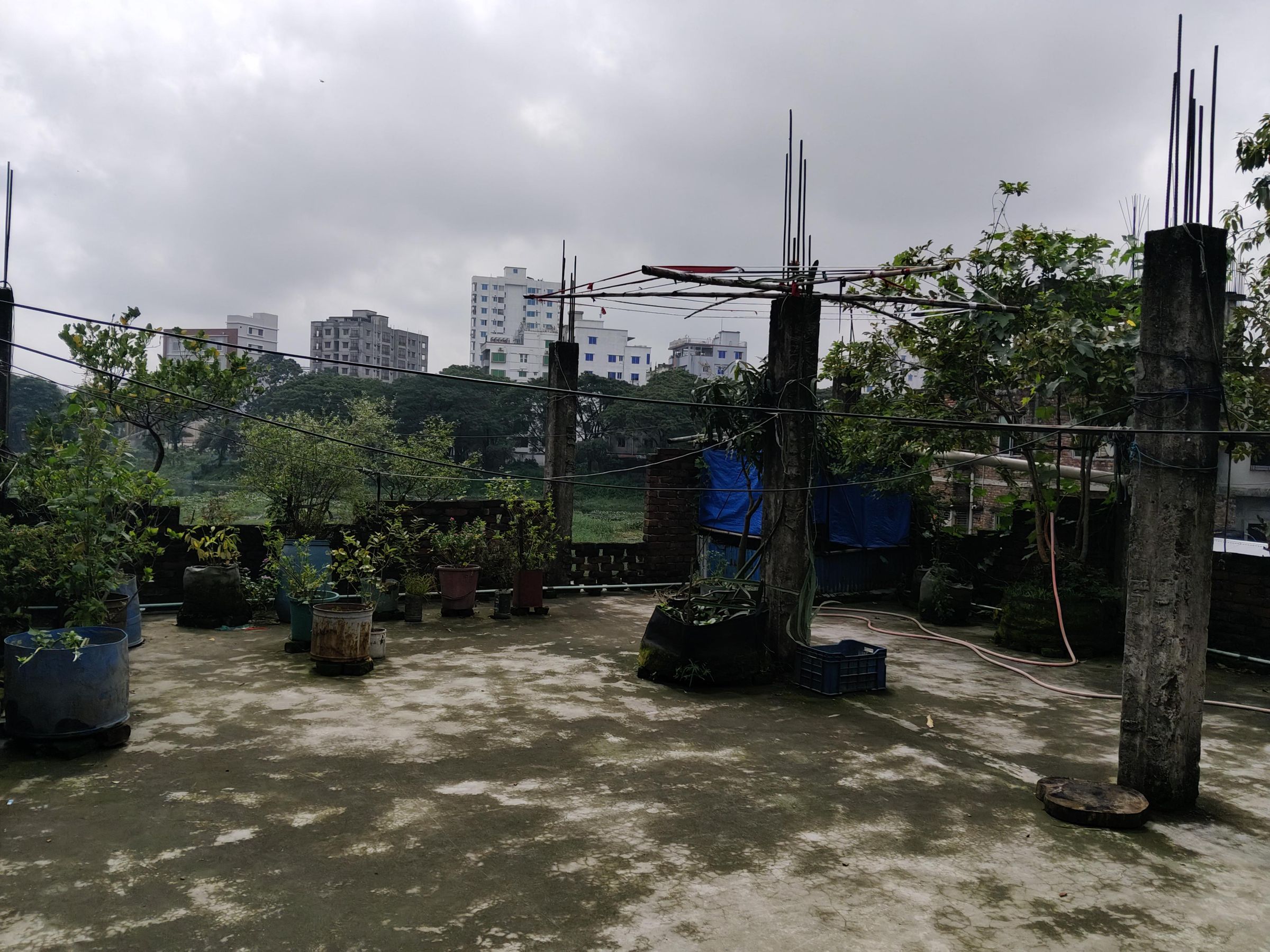
What started as an empty rooftop gradually became my family's own little backyard. Instead of throwing away old materials, I challenged myself to transform them into something useful, beautiful, and productive. With a limited budget but plenty of patience, I reused old corrugated metal sheets, bamboo, bricks, wire mesh, plastic bottles, used oil drums, and grow bags to create a small rooftop ecosystem that provides fresh food, a home for my chickens, and a relaxing green space.
One of the main features of this project is a 4 ft × 6 ft chicken coop built mostly from recycled materials, where I keep chickens and small birds as a hobby. Around it, I created a rooftop garden using repurposed containers. Two old oil drums became large planters—one grows a mango tree that rewarded us with 53 delicious mangoes this season, while the other produces fresh Malabar spinach (pui shak) that our family harvests once or twice a week during the rainy season, providing enough vegetables for a meal for four people.
To make better use of every corner of the rooftop, I also converted plastic bottles into colorful flower planters that add beauty to the space. Two grow bags are home to a guava tree surrounded by blooming rain lilies and a dragon fruit plant that has already produced its first fruit. A recycled plastic drum supports a healthy lemon tree that provides fresh lemons almost all year round—more than enough for our family, with extra to share with our neighbors.
This project is more than just a rooftop garden. It demonstrates how creativity and recycling can turn a small unused space into a productive backyard that grows organic fruits and vegetables, supports small-scale poultry keeping, reduces waste, and brings people closer to nature. Every plant, every recycled material, and every harvest reminds me that sustainability does not require a large budget—only the willingness to start with what you already have.
I hope this project inspires others to look at discarded materials differently and discover that even a small rooftop can become a thriving backyard full of fresh food, greenery, and life.
Supplies
Supplies
Most of the materials used in this project were recycled, reused, or collected from around my home. My goal was to build a productive rooftop backyard with the lowest possible cost while giving old materials a second life.
Building Materials
- Recycled corrugated metal sheets (old roofing tin)
- Bamboo poles (used as the main structural posts)
- Reused bricks
- Galvanized wire mesh (GI mesh)
- Tarpaulin sheet (used during winter to protect the chickens from cold wind)
- Old fabric strips and cloth rope
- Nails and screws
- Binding wire
Gardening Materials
- Two recycled plastic oil drums
- One recycled plastic drum
- Two grow bags
- Recycled plastic bottles
- Garden soil
- Organic compost/cow manure
- Small stones or broken bricks for drainage
Plants
- Grafted mango tree (purchased for about 400 BDT two years ago)
- Lemon tree (grown from a graft taken from my neighbor's tree)
- Guava tree (brought from my village)
- Dragon fruit plant (grown from a cutting)
- Malabar spinach (Pui Shak)
- Rain lily flowers
- Other ornamental flowering plants
Poultry
- Chickens
- Small pet birds
Dragon Fruit Trellis
- Three recycled bamboo poles
- Old cloth rope
Tools
- Measuring tape
- Marker
- Hammer
- Hand saw (for cutting bamboo)
- Knife or cutter
- Drill
- Pliers
- Shovel or hand trowel
- Safety gloves
- Safety glasses
Estimated Cost
Except for the mango tree, the GI wire mesh, and the two grow bags, almost everything in this project was made from materials already available at my home. The plastic oil drums, roofing sheets, bamboo, bricks, plastic bottles, cloth, ropes, and many other materials were all reused instead of being thrown away.
The mango tree cost about 400 BDT when I bought it two years ago. The lemon tree was propagated from my neighbor's tree by grafting, the guava tree was brought from my village, and almost all of the remaining plants were grown from seeds or cuttings.
By recycling and reusing materials, I was able to create a productive rooftop backyard at a very low cost while reducing waste and making better use of unused resources.
Planning the Rooftop
Planning the Rooftop
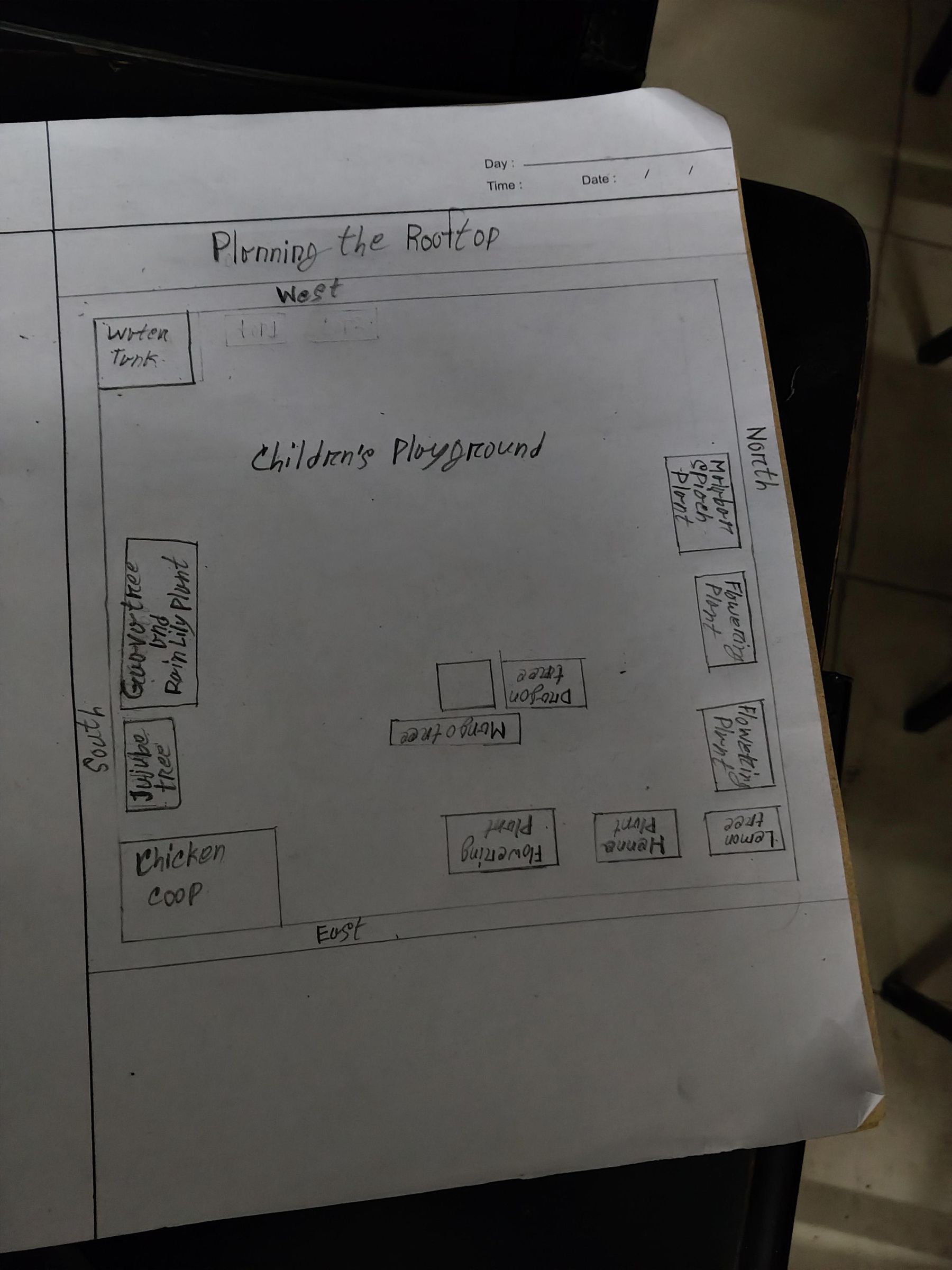
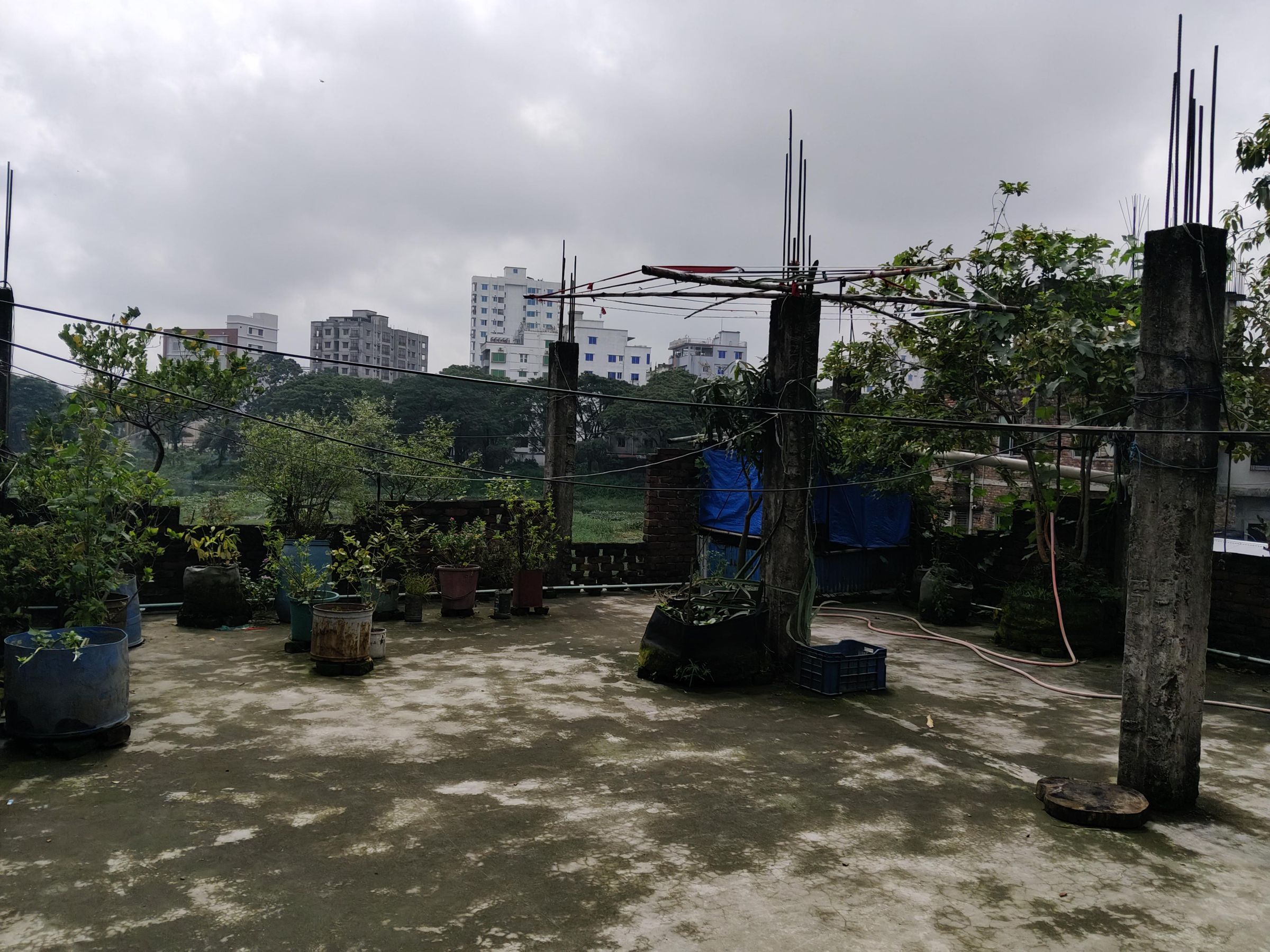
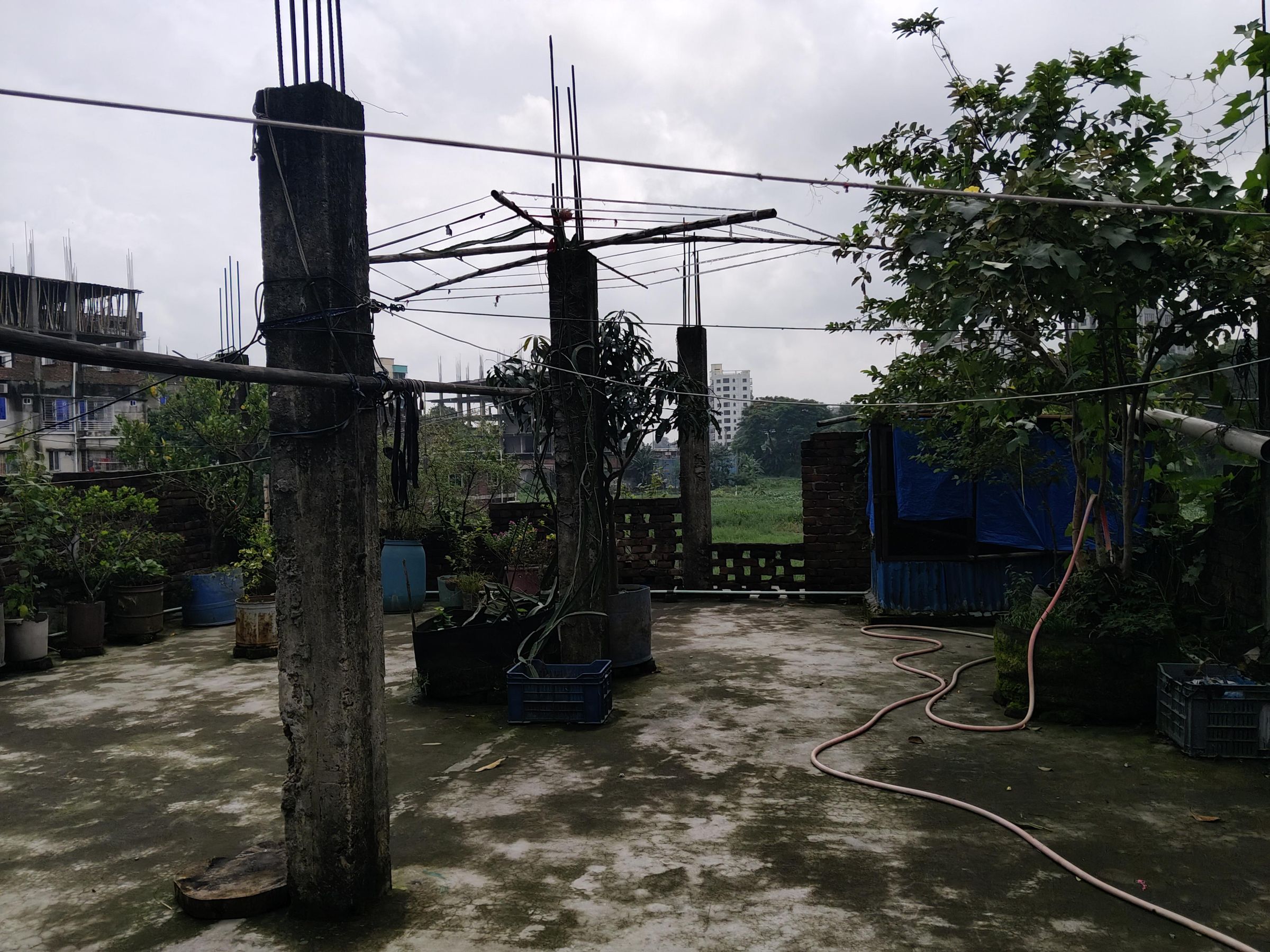
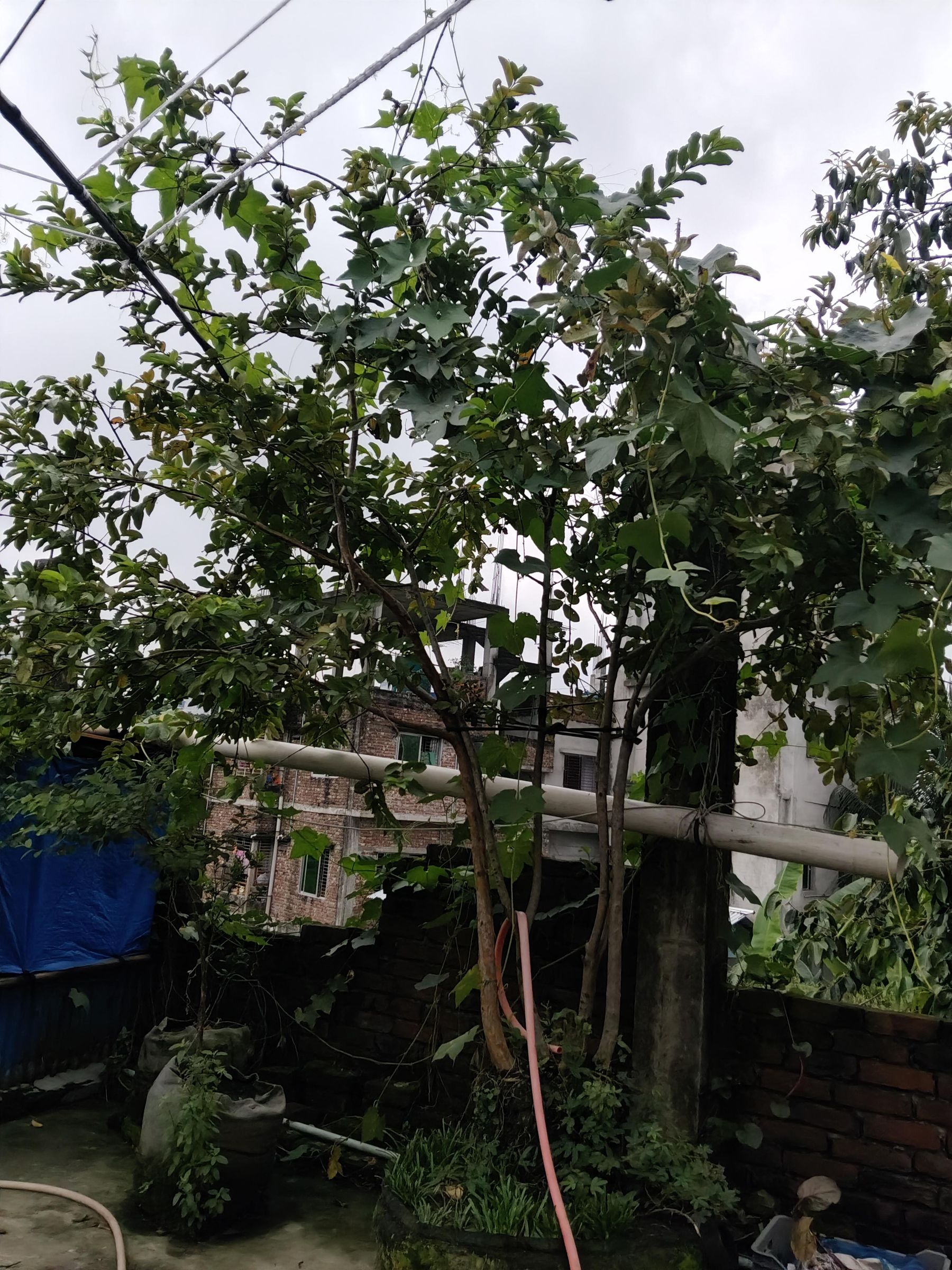
Before building anything, I carefully looked at my rooftop and planned how to make the best use of the available space. My goal was to create a small backyard that could provide fresh food, a safe place for my chickens, and a pleasant green environment for my family—all without spending much money.
I decided to divide the rooftop into different areas. One corner was reserved for a 4 ft × 6 ft chicken coop, while the remaining space was used for growing fruits, vegetables, and flowers. I also wanted to leave enough walking space so the rooftop would remain easy to maintain.
Since I wanted this project to be affordable and environmentally friendly, I planned to reuse as many old materials as possible. Instead of buying new construction materials, I collected old corrugated metal sheets, bamboo poles, bricks, plastic oil drums, plastic bottles, and other reusable items that were already available at home. Only a few items, such as the GI wire mesh and grow bags, were purchased.
When deciding where to place each plant, I considered the amount of sunlight each one would receive. Larger plants like the mango and lemon trees were placed where they could get full sunlight, while flowers and other plants were arranged to make the rooftop more colorful and attractive.
This simple plan became the foundation of my rooftop backyard, proving that even a small unused rooftop can be transformed into a productive and beautiful space with careful planning and creativity.
Materials
Materials
One of the things I love most about this project is that I didn't need to buy many expensive materials. Instead of throwing useful items away, I gave them a second life. Most of the building materials came from my own home, making this project both affordable and environmentally friendly.
The main structure of the chicken coop was built using recycled bamboo poles, old corrugated metal sheets, and reused bricks. I purchased GI wire mesh from a local market to keep the chickens safe while allowing plenty of fresh air and sunlight. During the winter season, I cover part of the coop with a tarpaulin sheet to protect the chickens from cold winds.
For the garden, I reused plastic oil drums, a plastic drum, plastic bottles, and grow bags as planters. Instead of throwing these containers away, they became durable homes for fruit trees, vegetables, and flowers.
Most of the plants also have their own unique story. The mango tree is a grafted plant that I bought about two years ago. The lemon tree was propagated from my neighbor's tree by grafting. The guava tree was brought from my village, while the dragon fruit, Malabar spinach (Pui Shak), rain lilies, and several other plants were grown from seeds or cuttings.
The dragon fruit trellis was also built using three old bamboo poles tied together with reused cloth rope, proving that simple recycled materials can be transformed into something both useful and long-lasting.
Using recycled materials not only reduced the project cost but also helped minimize waste and showed that anyone can build a productive rooftop backyard with creativity instead of a large budget.
Materials Used
- Recycled corrugated metal sheets
- Recycled bamboo poles
- Reused bricks
- GI wire mesh
- Tarpaulin sheet
- Old cloth rope
- Plastic oil drums
- Plastic drum
- Grow bags
- Plastic bottles
- Garden soil
- Organic compost
- Mango tree
- Lemon tree
- Guava tree
- Dragon fruit plant
- Malabar spinach (Pui Shak)
- Rain lily flowers
- Chickens
- Basic hand tools
Building the Chicken Coop
Building the Chicken Coop
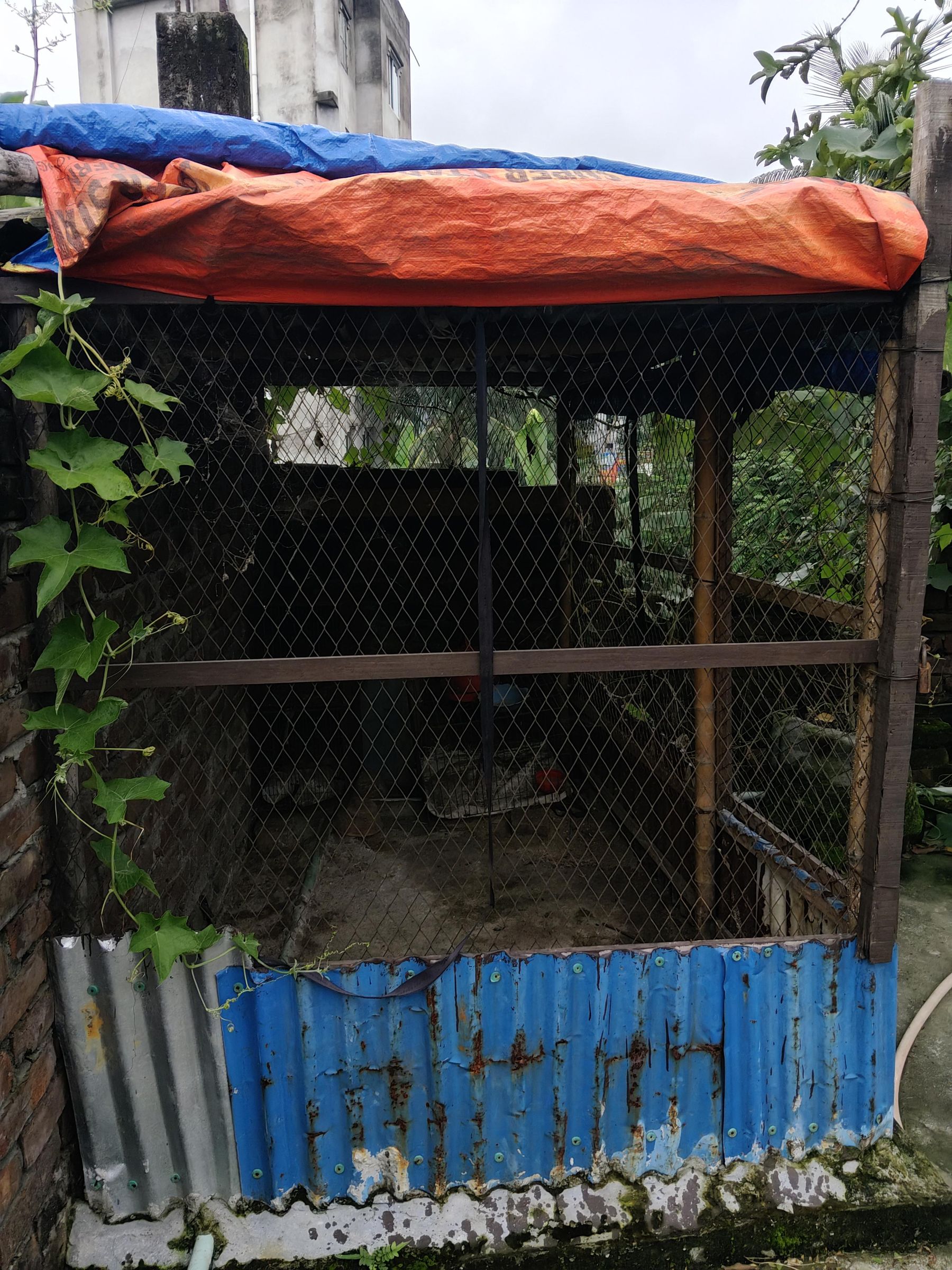
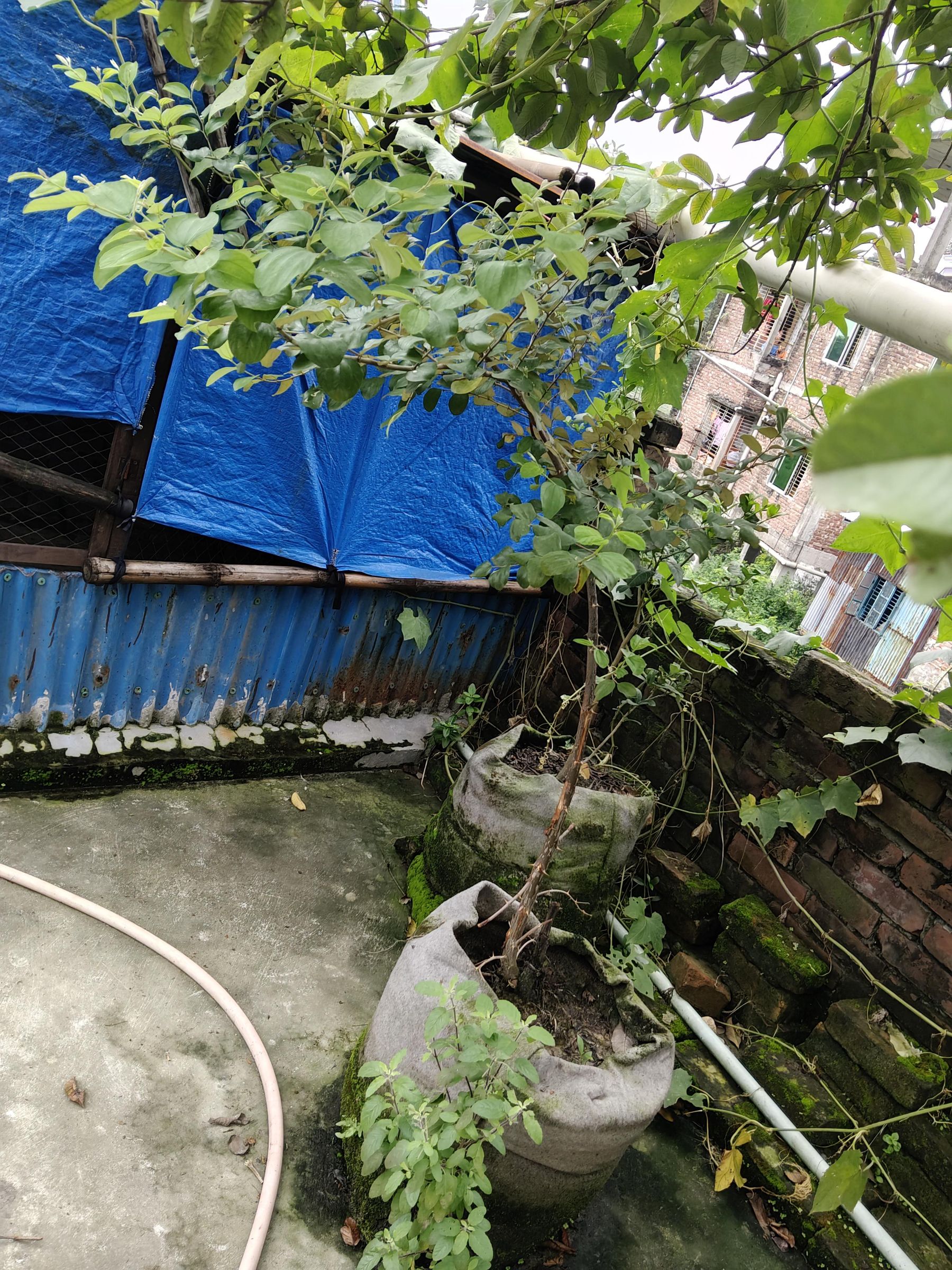
One of the most important parts of my rooftop backyard is the 4 ft × 6 ft chicken coop. I wanted it to be strong, inexpensive, and built mostly from recycled materials. The coop provides a safe and comfortable place for my chickens and small pet birds while taking up very little rooftop space.
I first selected a suitable corner of the rooftop where the coop would receive good sunlight and fresh air but would not block access to the rest of the garden. After measuring the area, I used reused bricks to create a solid base and keep the structure stable.
The main frame was built using old bamboo poles because bamboo is lightweight, strong, inexpensive, and easy to work with. I then attached GI wire mesh to all sides of the frame to provide proper ventilation while protecting the birds from predators.
For the roof, I reused old corrugated metal sheets that were already available at my home. These sheets protect the chickens from rain and direct sunlight while keeping the inside of the coop dry.
During the winter season, I cover part of the coop with a tarpaulin sheet to reduce cold winds and help keep the chickens warm. This simple addition makes the coop more comfortable during colder weather.
Today, this small recycled chicken coop provides a safe home for my chickens and birds while perfectly fitting into my productive rooftop backyard.
Construction Steps
- Measured a 4 ft × 6 ft area.
- Built a stable base using reused bricks.
- Installed bamboo poles to create the main frame.
- Fixed GI wire mesh around the structure.
- Installed recycled corrugated metal sheets as the roof.
- Added a simple door for easy feeding and cleaning.
- Covered the coop with a tarpaulin sheet during winter for extra protection.
The result is a durable, low-cost chicken coop made mostly from recycled materials that has been serving my backyard successfully.
Recycled Oil Drum Planters
Recycled Oil Drum Planters
Instead of throwing away old plastic oil drums, I decided to turn them into large planters for growing fruit trees and vegetables. Their size makes them perfect for plants that need plenty of room for healthy root growth, and reusing them helps reduce plastic waste while saving money.
The first plastic oil drum became a home for my grafted mango tree. I carefully cleaned the drum, made several drainage holes at the bottom to prevent waterlogging, and filled it with a mixture of garden soil and organic compost. Two years later, the tree rewarded my family with an amazing harvest of 53 delicious mangoes in a single season. Even more fruits had started growing, but many fell during strong winds. Watching the tree grow from a small sapling into a fruit-producing tree has been one of the most rewarding parts of this project.
The second plastic oil drum was used to grow Malabar spinach (Pui Shak). This fast-growing vegetable produces fresh leaves throughout the rainy season. We usually harvest it once or twice every week, and each harvest is enough to prepare a meal for a family of four. Having fresh vegetables available just a few steps away from our kitchen is both convenient and satisfying.
Large recycled containers like these provide excellent space for root development, retain moisture well, and are much cheaper than buying large commercial planters. Most importantly, they give discarded plastic drums a new purpose instead of becoming waste.
How I Made the Drum Planters
- Cleaned the recycled plastic oil drums thoroughly.
- Drilled several drainage holes in the bottom.
- Added small stones for better drainage.
- Filled the drums with garden soil mixed with organic compost.
- Planted the mango tree and Malabar spinach.
- Watered the plants regularly and provided proper care.
These two recycled drum planters have become some of the most productive parts of my rooftop backyard, providing fresh fruits and vegetables for my family while proving that waste materials can be transformed into something both beautiful and useful.
Plastic Bottle Flower Garden
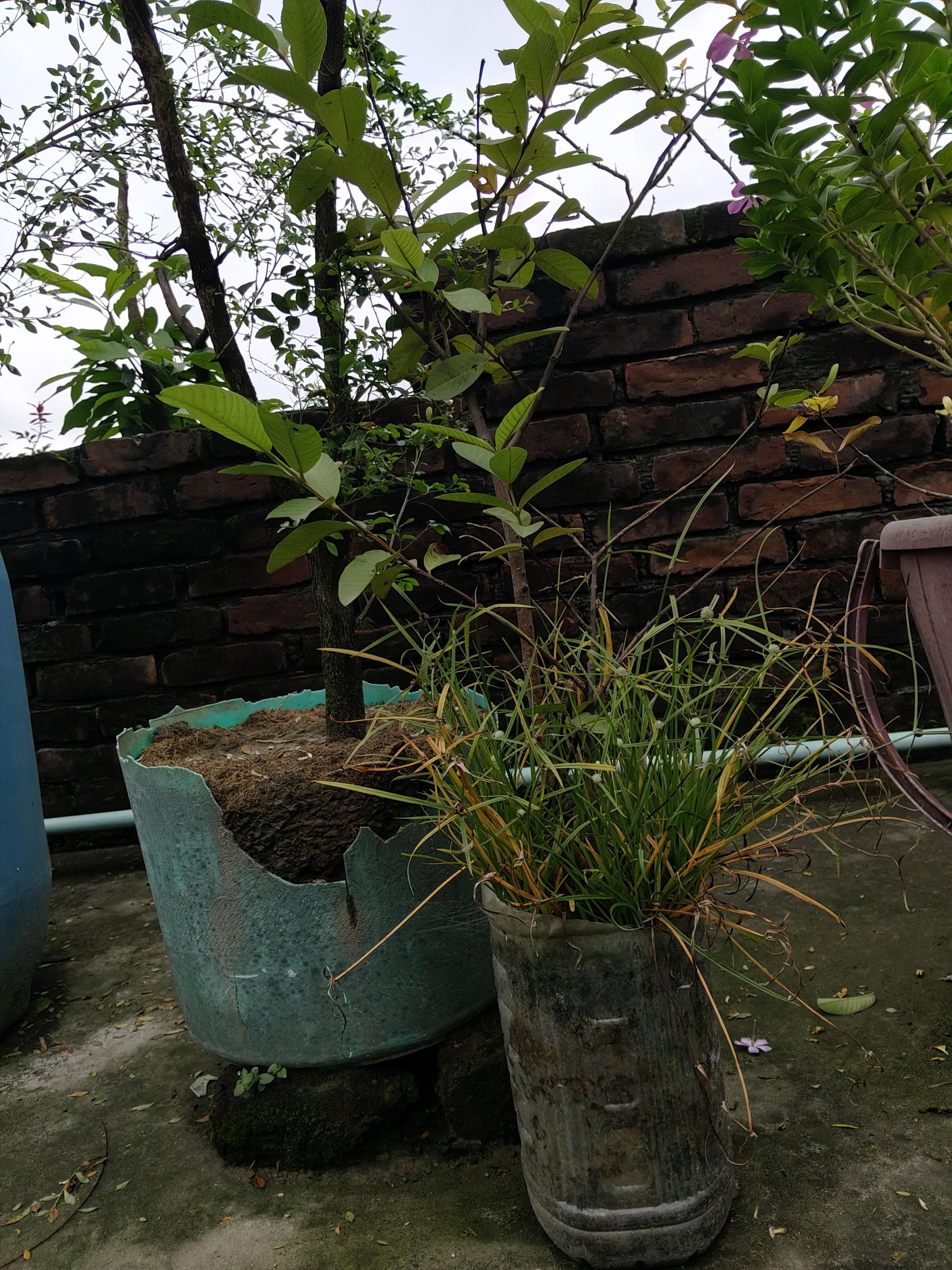
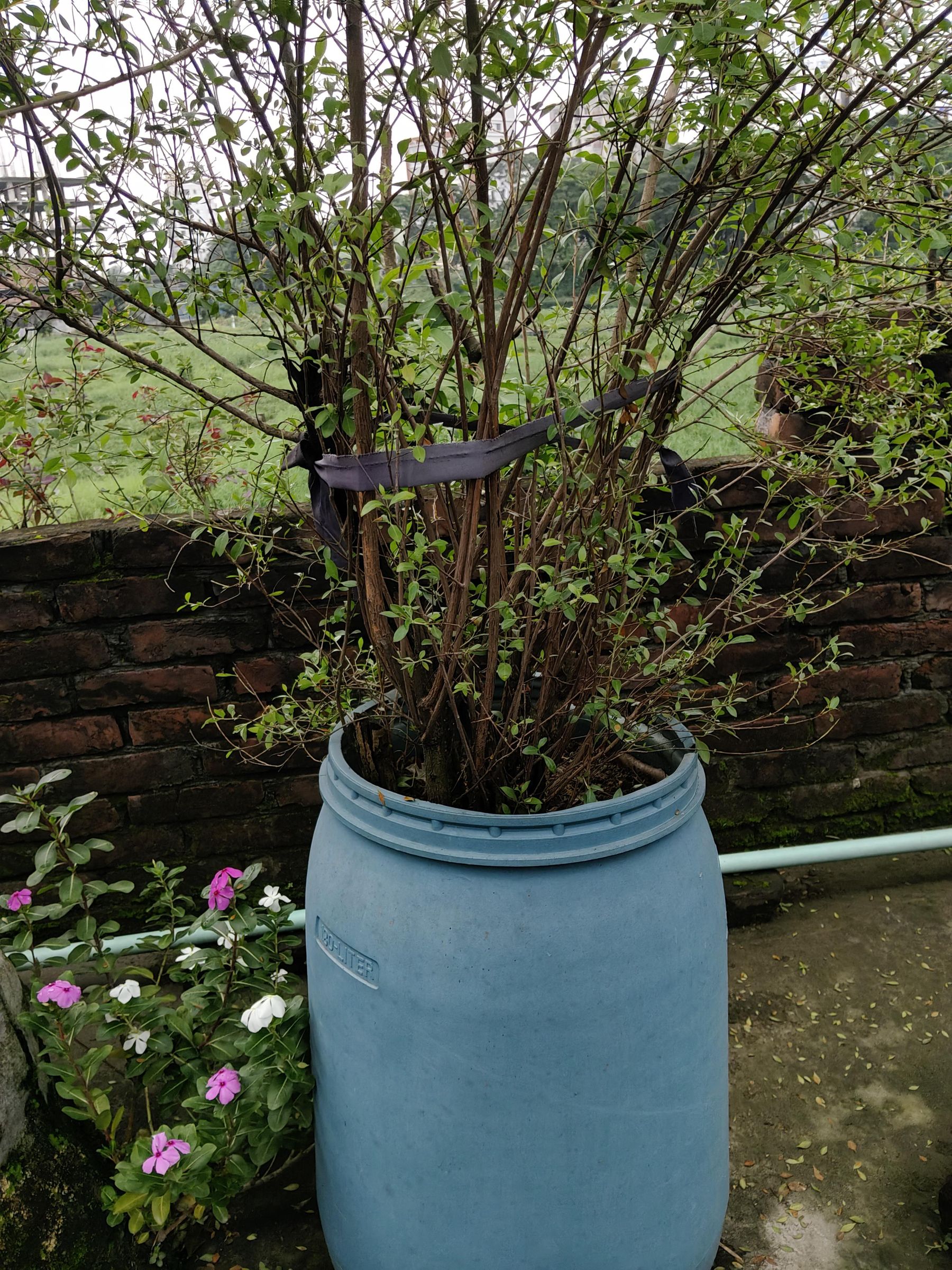
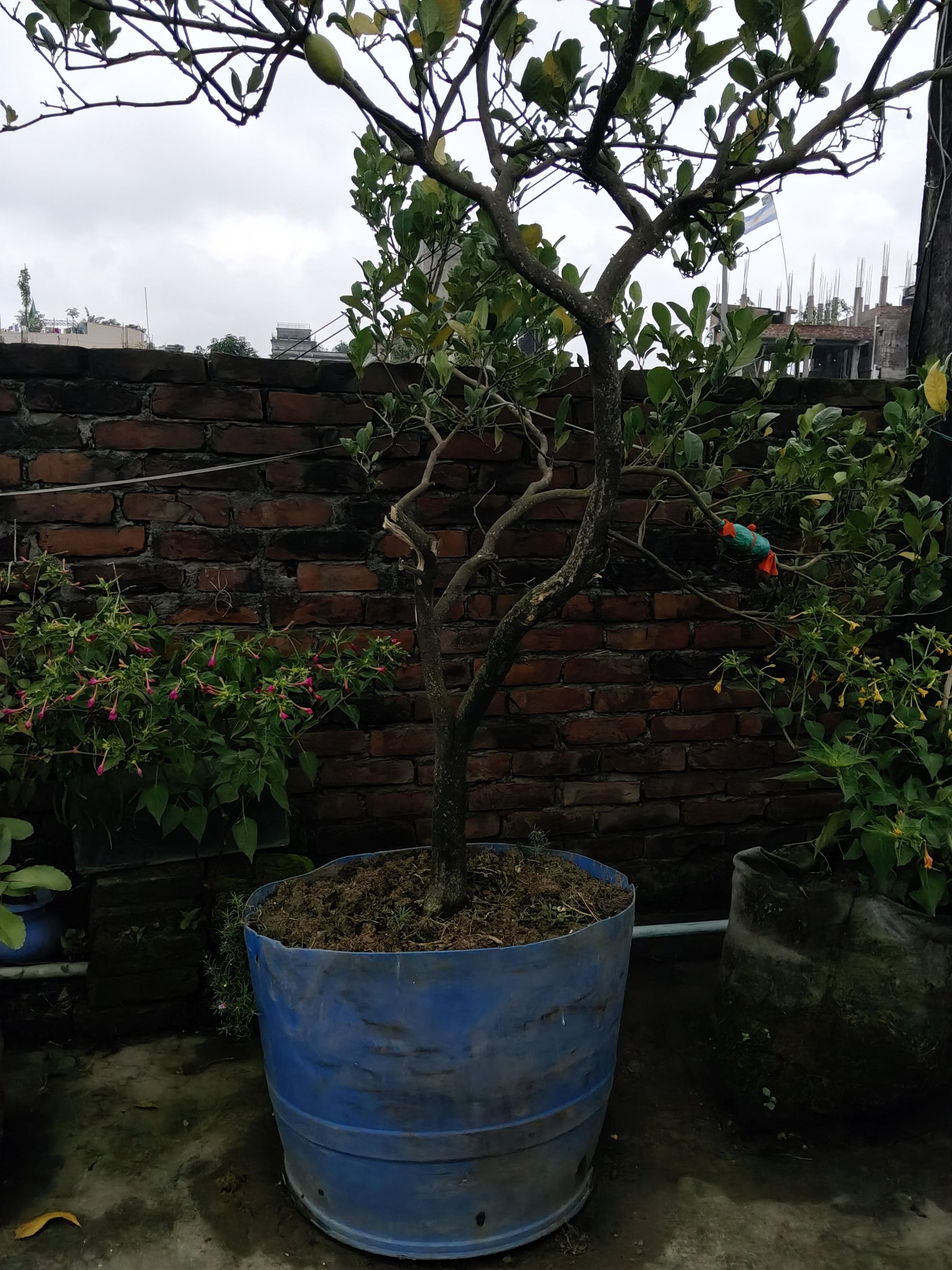
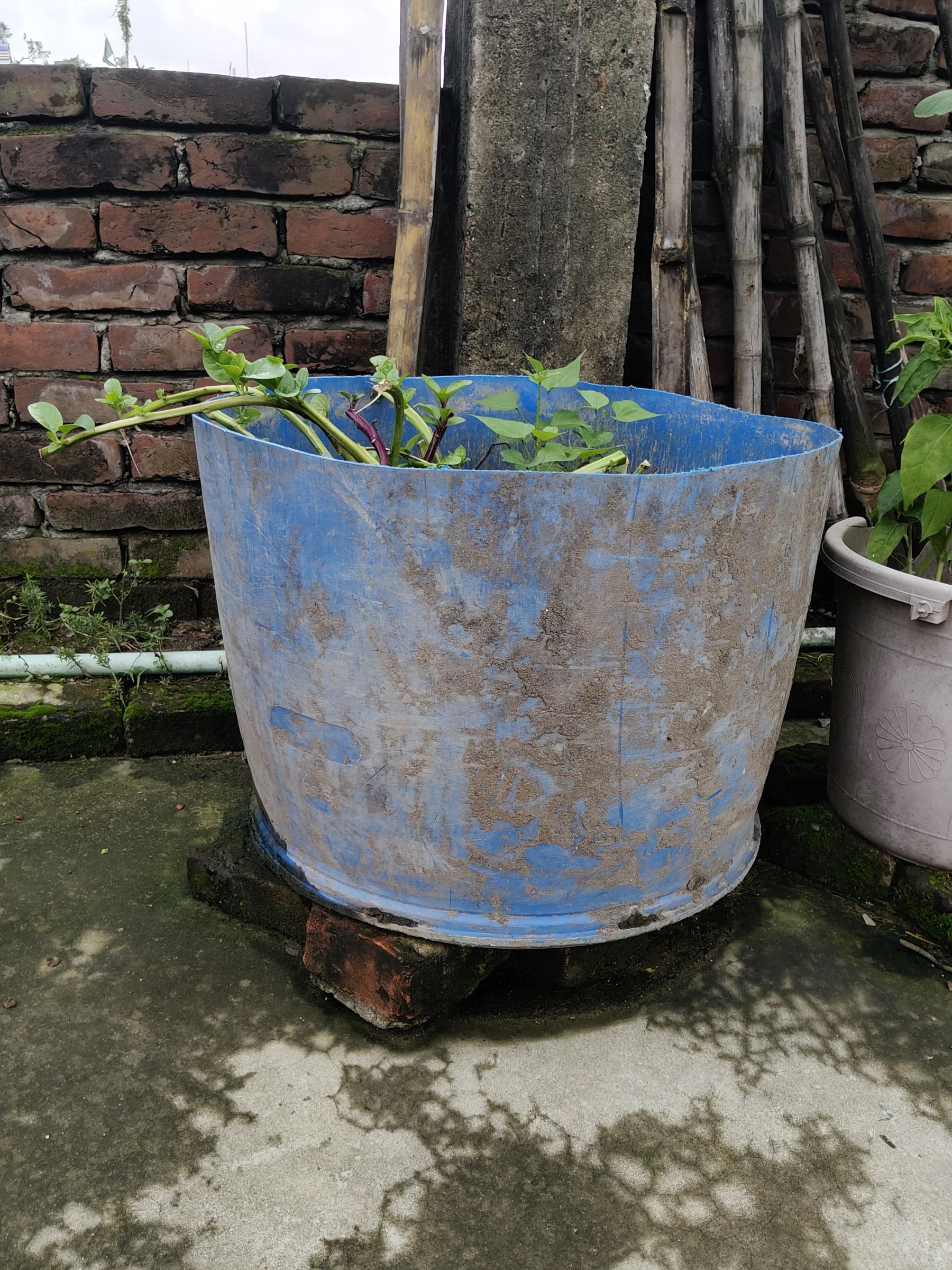
Plastic Bottle Flower Garden
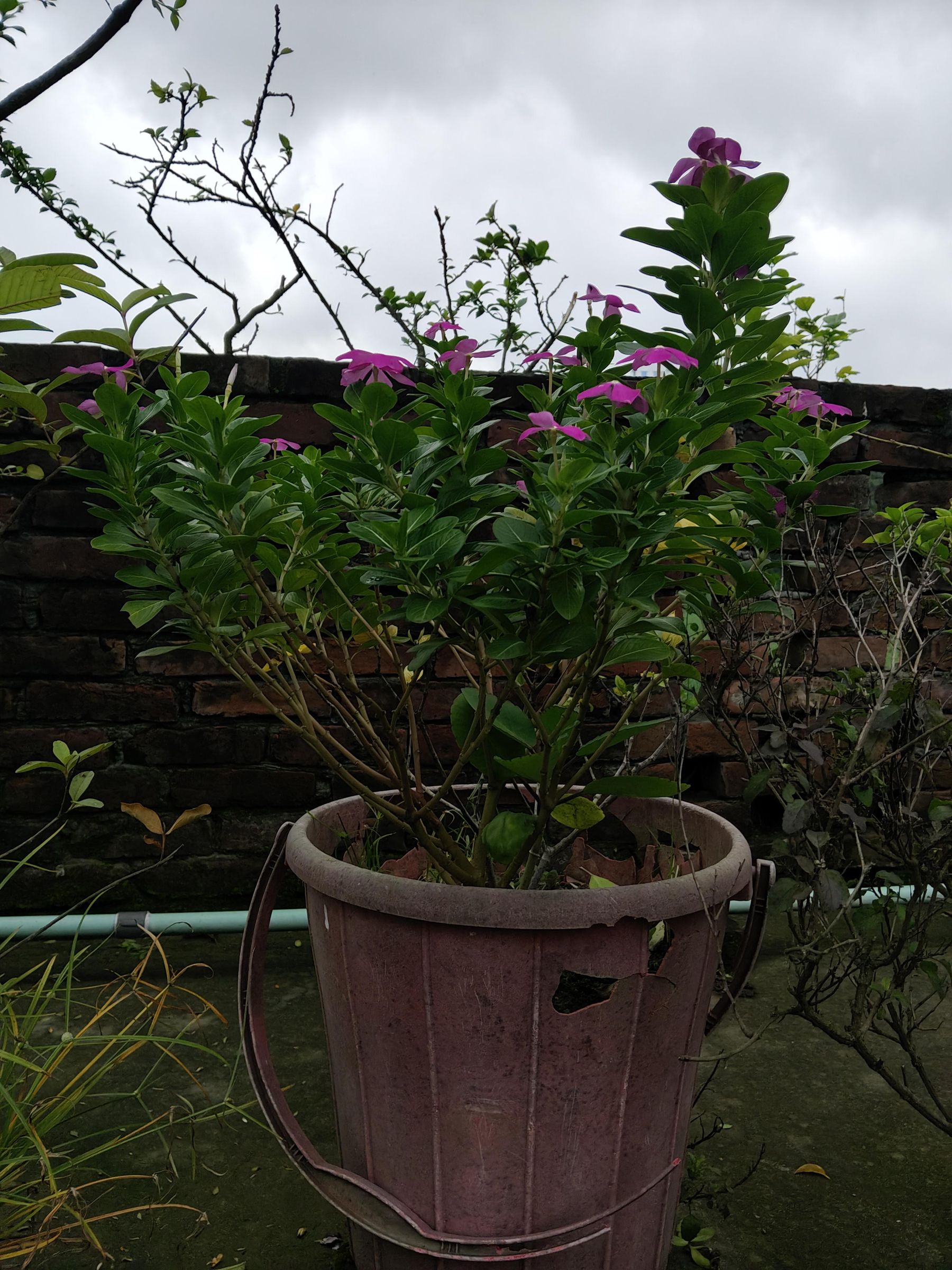
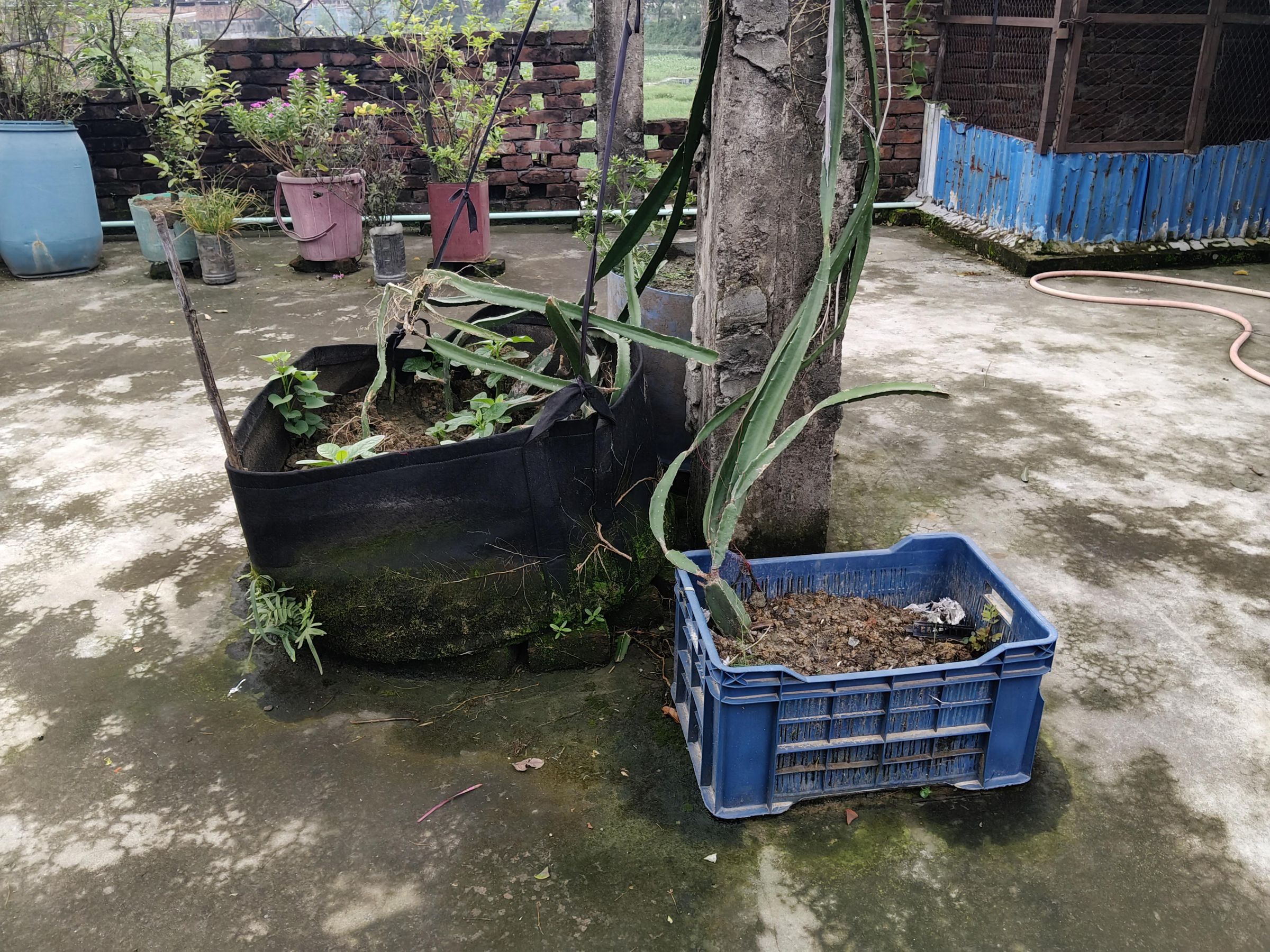
Small ideas can make a big difference. Instead of throwing away used plastic bottles, I transformed them into colorful hanging planters to decorate my rooftop. This simple recycling project not only reduced plastic waste but also added beauty and life to every corner of the garden.
After cleaning the bottles, I cut openings for the plants, made small drainage holes at the bottom, and created holes for hanging them securely. Each bottle was then filled with garden soil mixed with organic compost before planting flowering plants.
I placed these bottle planters around different parts of the rooftop where they receive enough sunlight while making the space look more attractive. As the flowers bloom, they bring color, attract butterflies and bees, and create a peaceful environment around the chicken coop and fruit trees.
This project proves that even an ordinary plastic bottle can become a beautiful planter instead of ending up as waste. It is one of the easiest and most affordable ways to recycle household plastic while creating a greener home.
How I Made the Bottle Planters
- Collected used plastic bottles.
- Washed and cleaned them thoroughly.
- Cut an opening for planting.
- Made drainage holes at the bottom.
- Added garden soil mixed with organic compost.
- Planted flowering plants.
- Hung the bottles around the rooftop to create a colorful vertical garden.
These recycled bottle planters cost almost nothing to make, yet they greatly improve the appearance of my rooftop backyard while giving discarded plastic a new purpose.
Growing Fruits in Grow Bags
Growing Fruits in Grow Bags
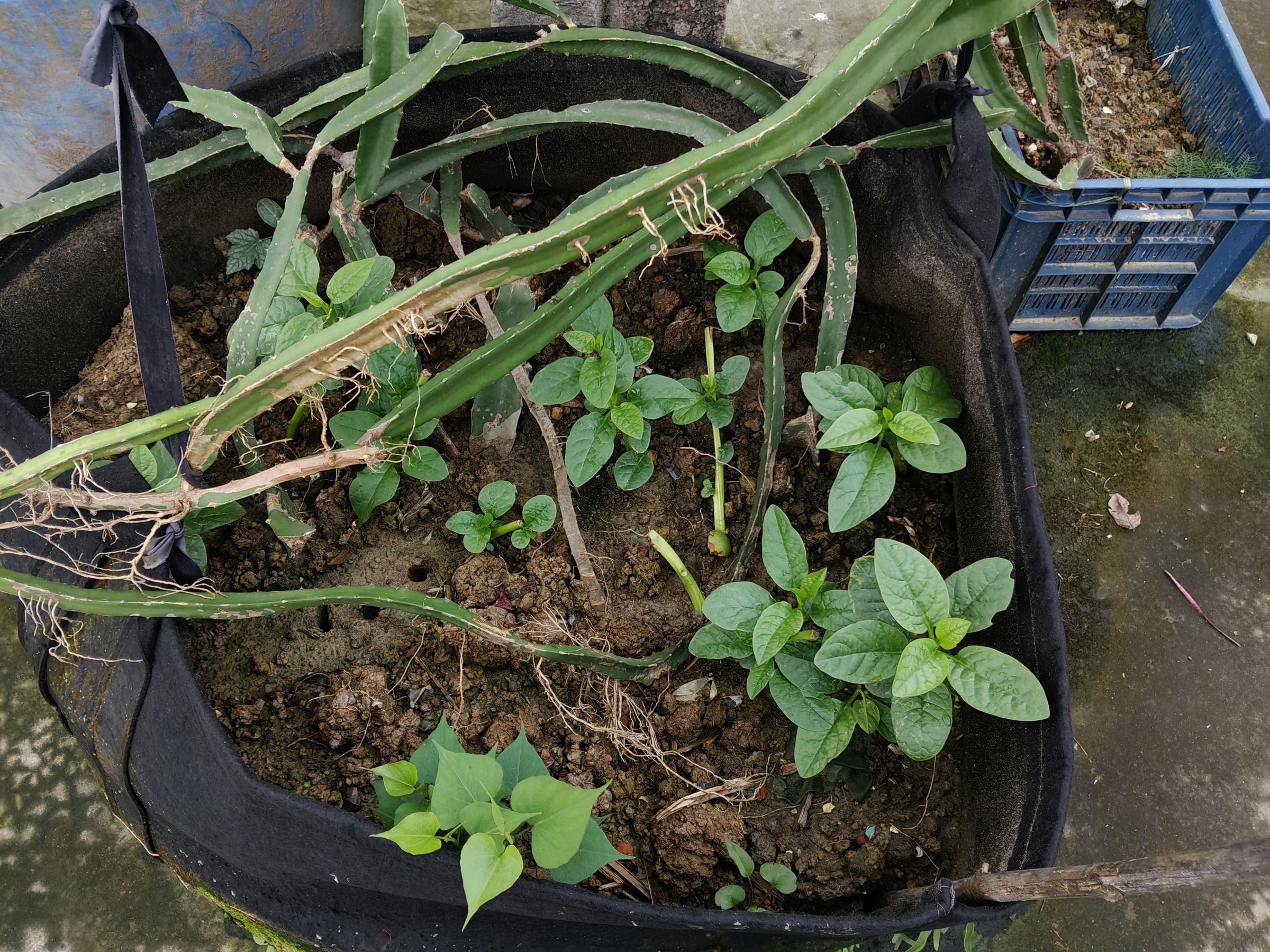
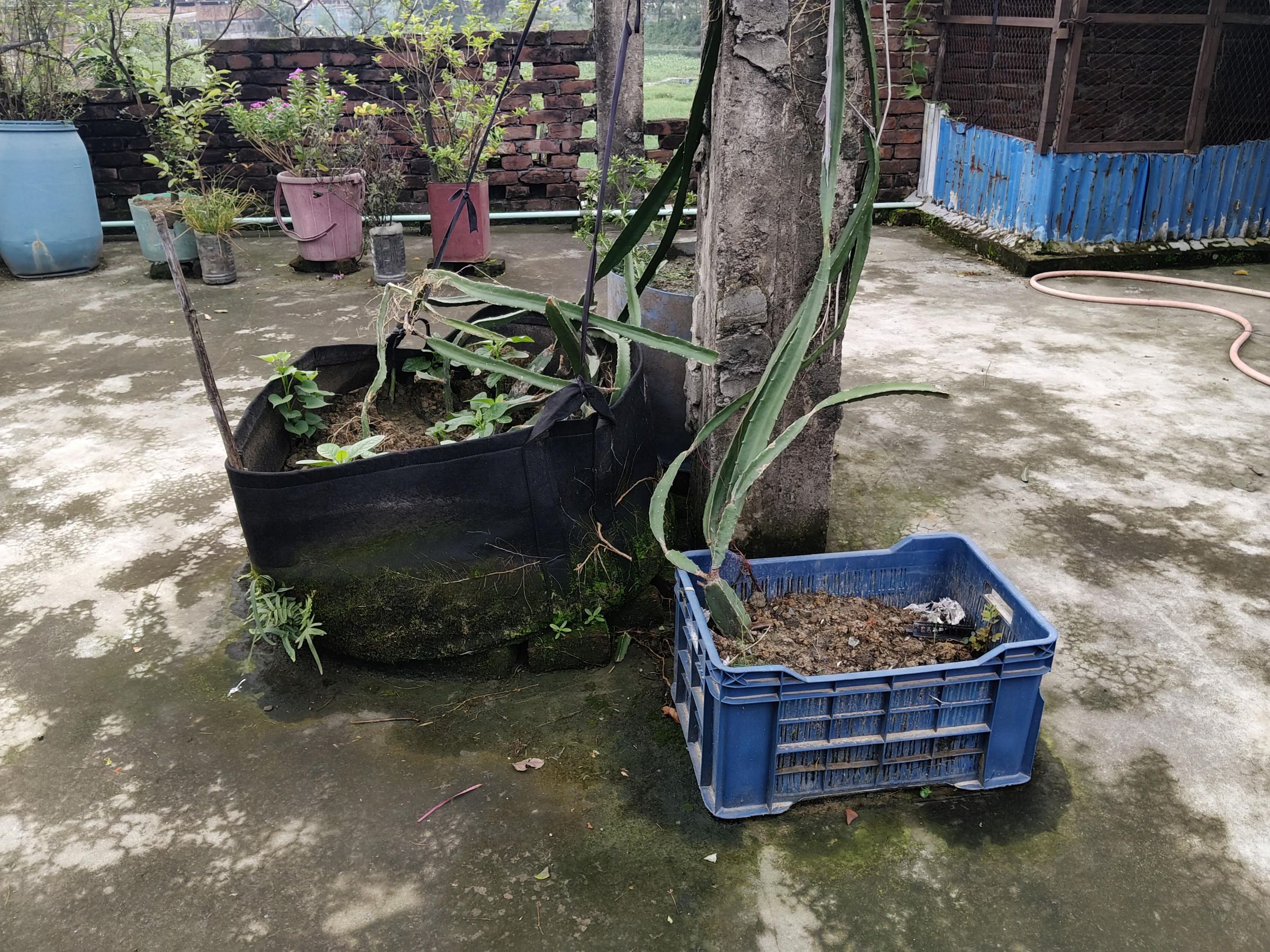
Grow bags are a great solution for rooftop gardening because they are lightweight, easy to move, provide good drainage, and allow healthy root development. I used two grow bags to grow fruit plants while making the best use of the limited space on my rooftop.
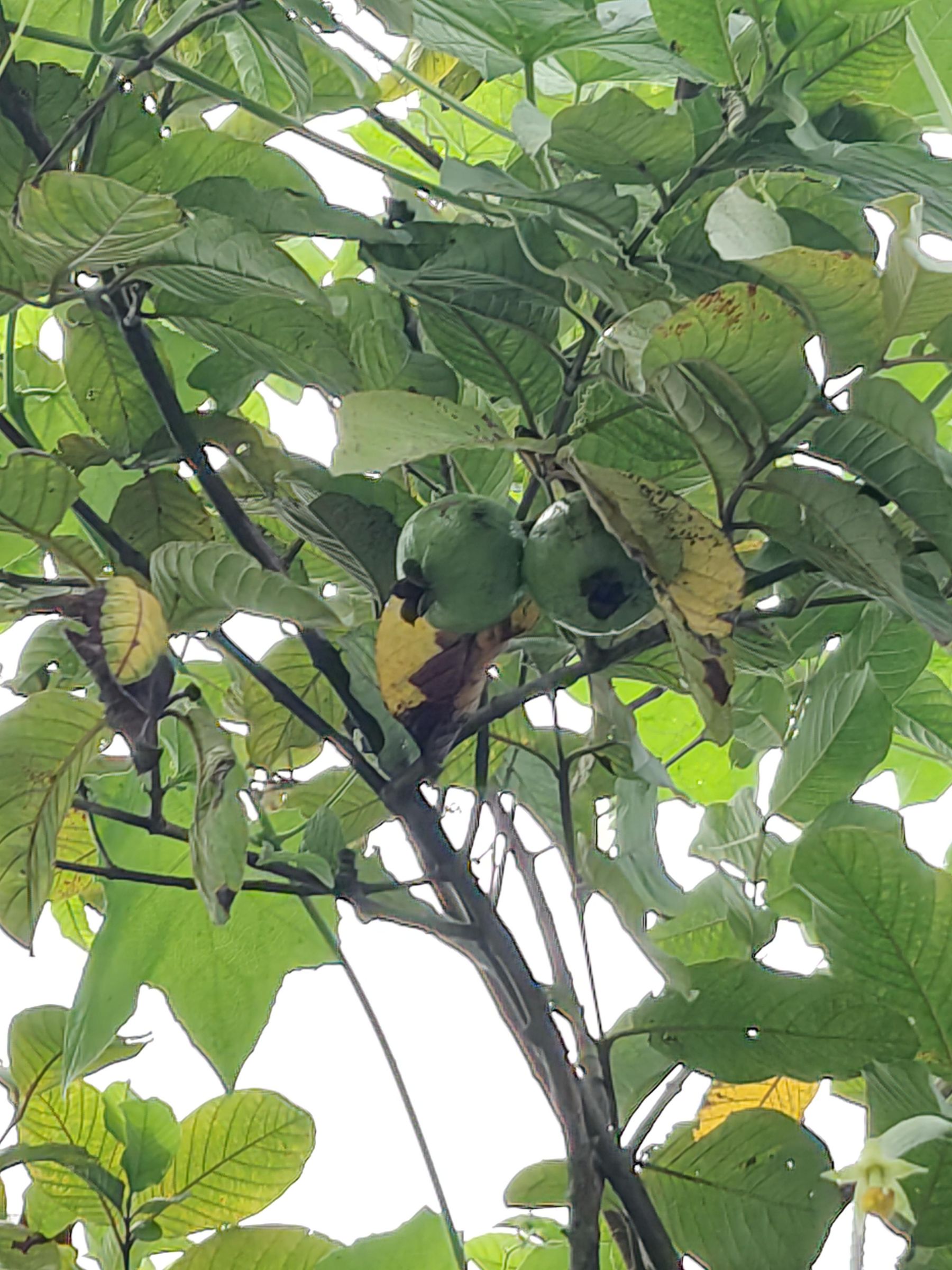
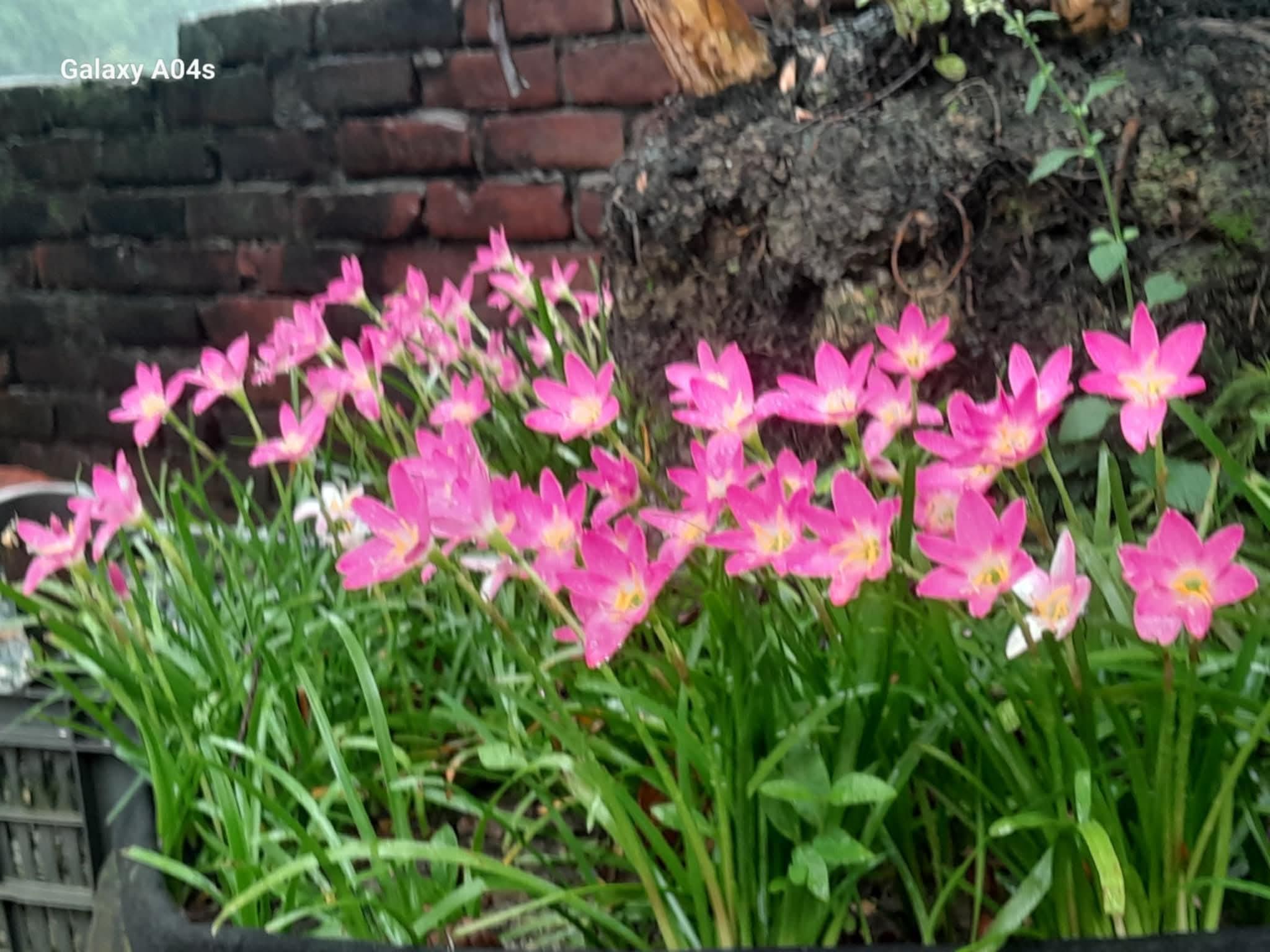
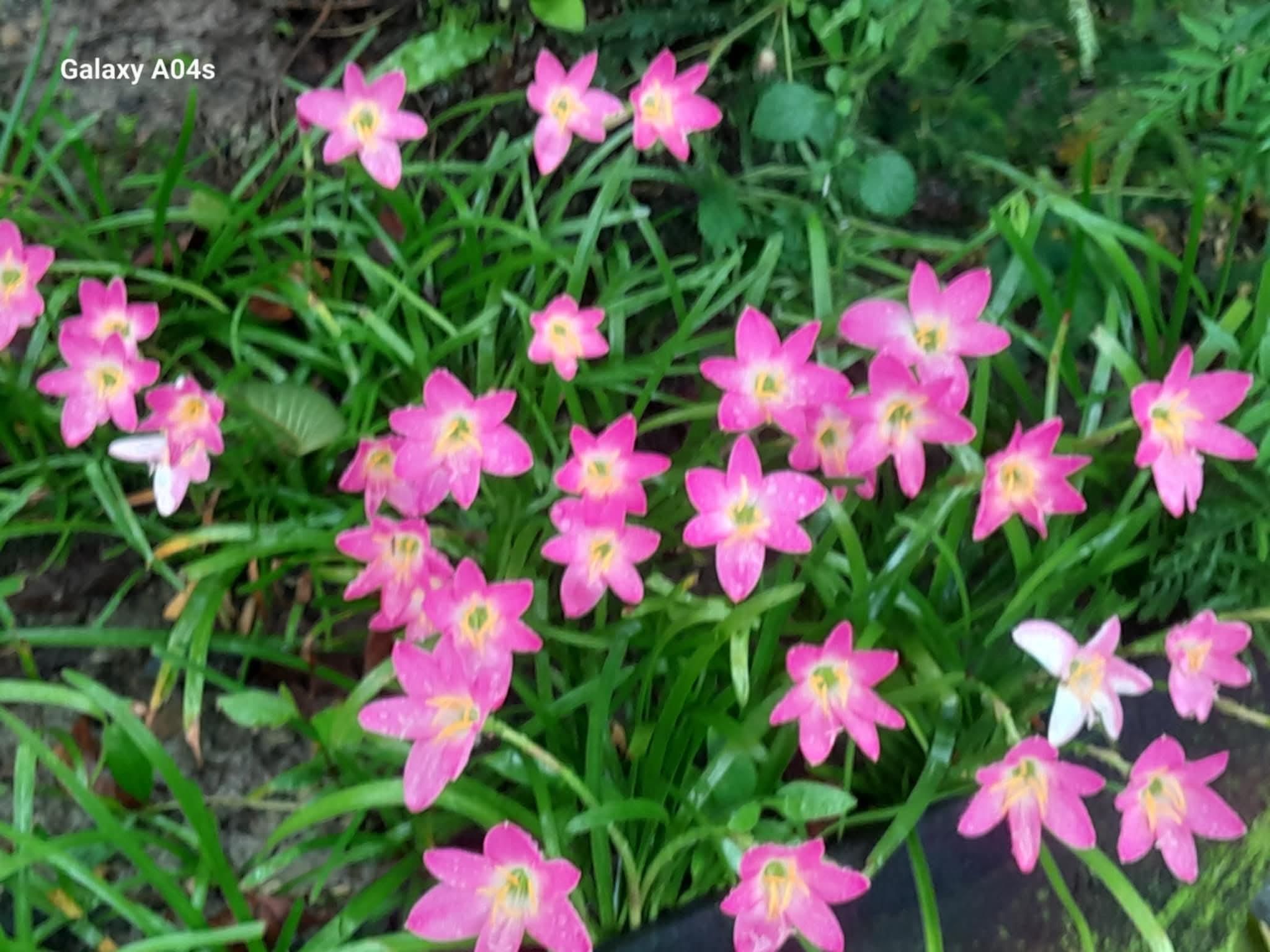
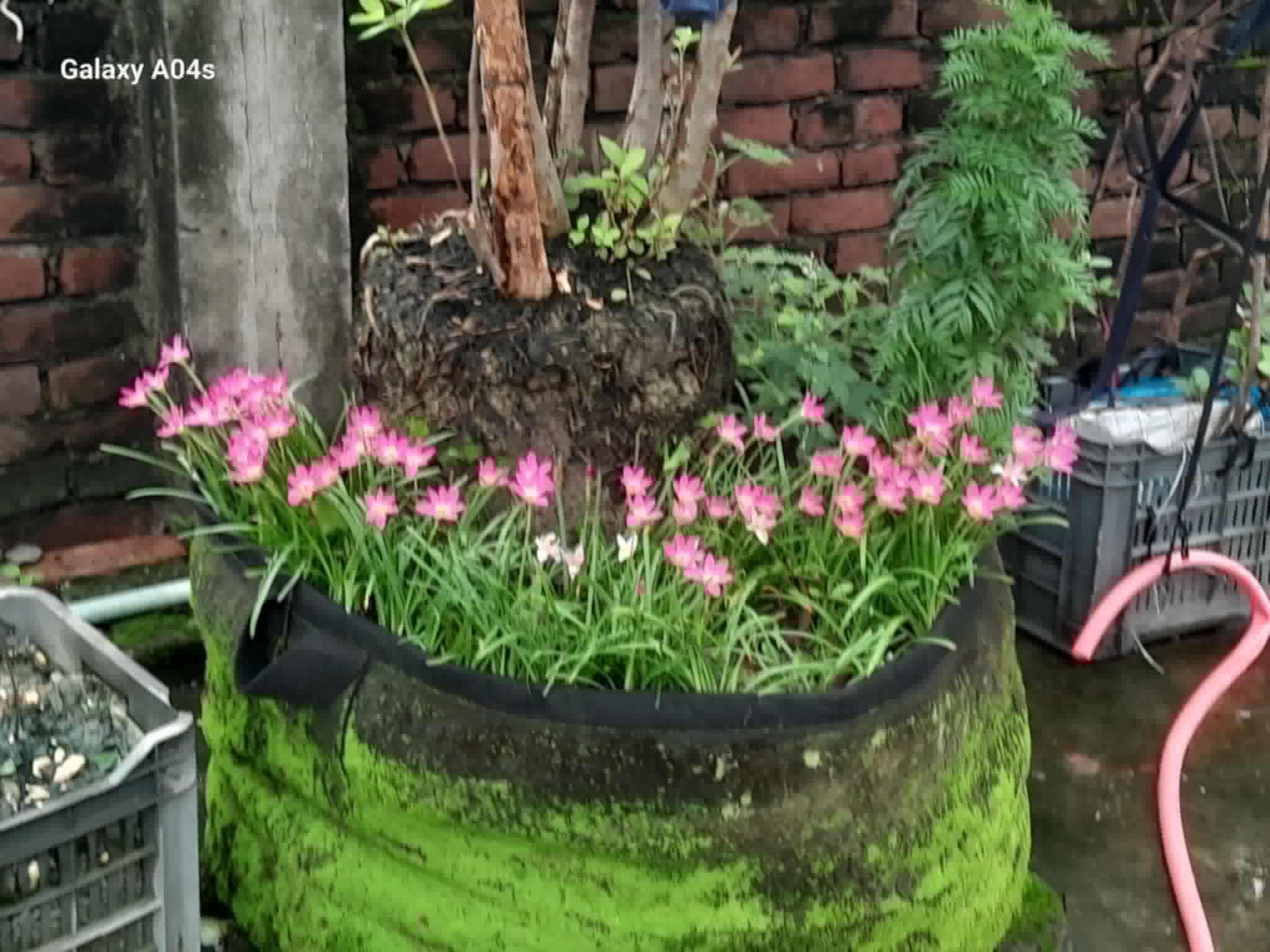
The first grow bag contains a guava tree, and around its base I planted rain lilies to add color and beauty. The guava tree produces a large number of fruits almost throughout the year. My family enjoys fresh organic guavas, but we are not the only ones who benefit from it. Since food sources for wild birds are limited in a busy city like Dhaka, many free-flying birds regularly visit my rooftop to eat the ripe guavas. Watching birds come and go every day has become one of my favorite parts of this backyard project. The tree has turned my rooftop into a small, welcoming habitat for urban wildlife.
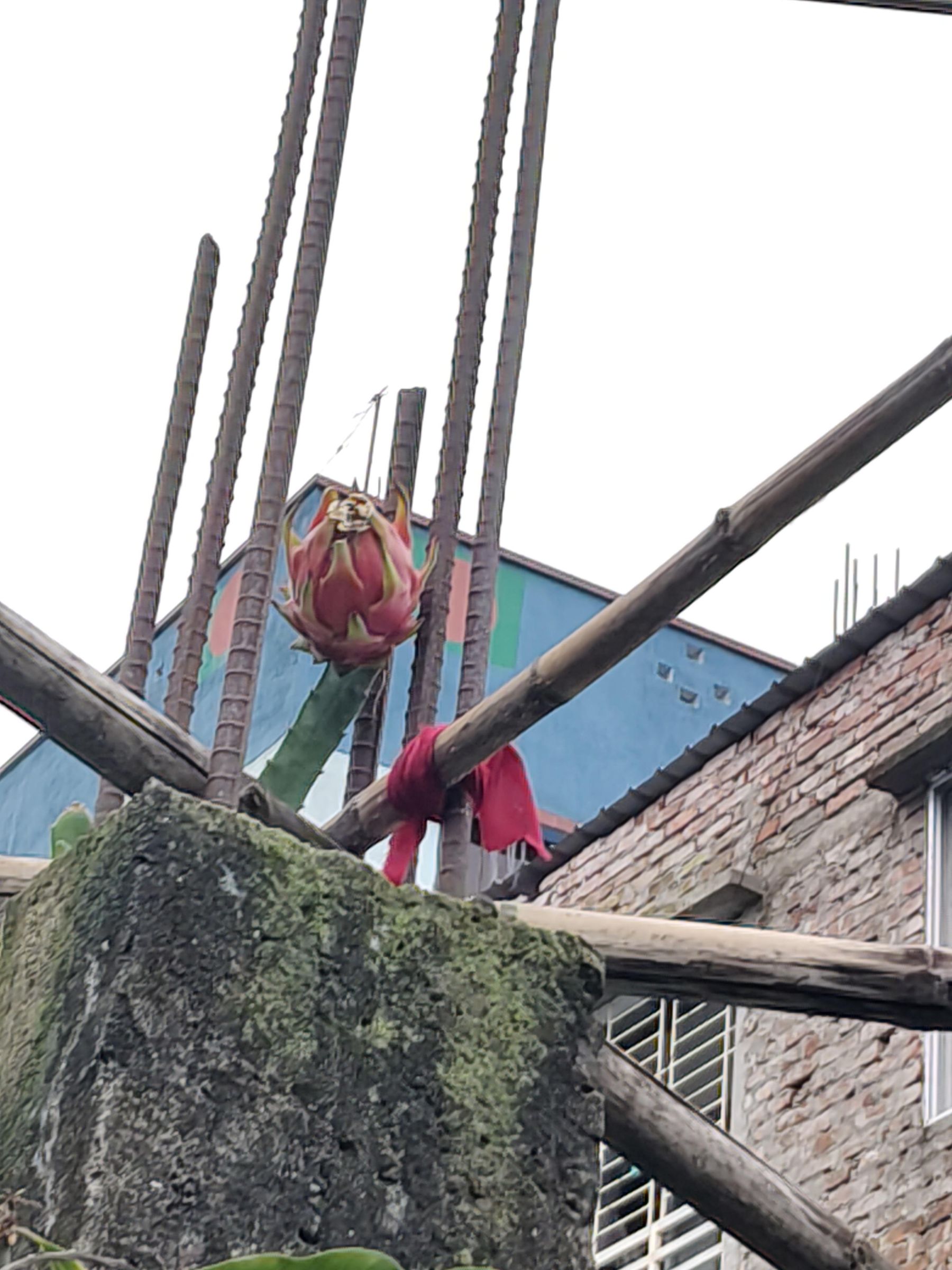
The second grow bag is used for a dragon fruit plant. To support its growth, I built a simple trellis using three old bamboo poles tied together with reused cloth rope. Even though the plant is still young, it has already produced its first dragon fruit, which was an exciting milestone.
These grow bags have shown me that even a small rooftop can produce fresh fruits while also creating a greener environment for both people and wildlife. With very little investment, they have become one of the most productive and enjoyable parts of my rooftop backyard.
How I Set Up the Grow Bags
- Filled the grow bags with a mixture of garden soil and organic compost.
- Planted the guava tree and dragon fruit plant.
- Built a bamboo support for the dragon fruit using recycled materials.
- Planted rain lilies around the guava tree for extra beauty.
- Watered the plants regularly and provided seasonal care.
Growing fruits in reusable grow bags is a simple, affordable, and space-saving way to create a productive rooftop garden while supporting nature in the middle of a crowded city.
Harvest – Enjoying the Results
Harvest – Enjoying the Results
After months and years of care, watering, pruning, and patience, my rooftop backyard has become a productive source of fresh food for my family. The greatest reward is harvesting healthy fruits and vegetables that we have grown ourselves.
The biggest success of this project has been the mango tree, which produced 53 delicious mangoes this season. Even more fruits had started growing, but some fell during strong winds before they could fully ripen. Seeing such a large harvest from a recycled plastic oil drum made all the hard work worthwhile.
The Malabar spinach (Pui Shak) also performs exceptionally well during the rainy season. We usually harvest it once or twice every week, and each harvest provides enough fresh vegetables for a meal for our family of four.
Our lemon tree produces fresh lemons throughout most of the year. We use them regularly in our daily meals, and the tree often gives us more lemons than we need, allowing us to share them with our neighbors.
The guava tree produces plenty of sweet guavas. My family enjoys the fresh fruits, but many wild birds also visit the tree every day to eat them. It is wonderful to see nature becoming a part of our rooftop, especially in a crowded city where birds often struggle to find food.
This year, the dragon fruit plant rewarded us with its first fruit, marking another exciting milestone in the growth of the garden. Along with the colorful flowers blooming throughout the rooftop, every harvest reminds me that even a small unused space can become a productive and beautiful backyard.
Every fruit, every vegetable, and every flower is a reminder that recycling, patience, and proper care can transform a simple rooftop into a sustainable source of fresh food, happiness, and a welcoming place for both people and wildlife.
How My Family Benefits
How My Family Benefits
This rooftop backyard has become much more than a gardening project—it has become a part of our daily life. It provides fresh food, creates a peaceful place to relax, reduces household waste, and brings our family closer to nature.
One of the biggest benefits is having fresh organic fruits and vegetables just a few steps away from our kitchen. We regularly harvest mangoes, lemons, guavas, Malabar spinach (Pui Shak), and other seasonal plants without worrying about harmful chemicals. Fresh ingredients are always available whenever we need them.
The chicken coop has also become a wonderful hobby. Caring for the chickens and watching them grow brings enjoyment and teaches responsibility while making the rooftop feel more alive.
By reusing old roofing sheets, bamboo, plastic oil drums, bottles, bricks, and many other discarded materials, this project has given waste a second life instead of sending it to a landfill. It shows that recycling can be both practical and beautiful.
Growing our own food also helps reduce some of our household grocery expenses. Even though this is a small rooftop garden, it supplies fruits, vegetables, and herbs that we would otherwise need to buy.
One of the greatest joys of this project is sharing. Our lemon tree often produces more lemons than our family can use, so we happily share them with our neighbors. It is a wonderful feeling to give away fresh fruits that we have grown ourselves.
The guava tree has created another unexpected benefit. In the busy city of Dhaka, wild birds often struggle to find food. Because our guava tree produces plenty of fruit, many free-flying birds visit our rooftop every day. Seeing them eat, rest, and return regularly has made our rooftop feel like a small sanctuary for urban wildlife.
Above all, this project has transformed an ordinary rooftop into a beautiful, productive, and peaceful backyard that provides food, supports nature, reduces waste, and brings happiness to our family throughout the year.
Project Cost
Project Cost
One of my main goals was to build this rooftop backyard with the lowest possible budget. Instead of buying new materials, I reused many items that were already available at my home. As a result, the total cost of the project was much lower than it would have been if everything had been purchased new.
Item Approximate Cost (BDT)
GI Wire Mesh
___
Two Grow Bags
___
Mango Tree (Grafted)
400 (purchased about two years ago)
Garden Soil & Organic Compost
___
Nails, Binding Wire & Small Hardware
___
Other Purchased Materials
___
Recycled Materials (No Cost)
- Old corrugated metal sheets
- Bamboo poles
- Bricks
- Plastic oil drums
- Plastic drum
- Plastic bottles
- Old cloth rope
- Tarpaulin sheet
- Guava tree (brought from my village)
- Lemon tree (propagated from my neighbor's tree)
- Dragon fruit cutting
Most of the materials used in this project were recycled or reused from around my home. Only a few items, such as the GI wire mesh, grow bags, and the grafted mango tree, were purchased. By giving old materials a second life, I was able to build a productive rooftop backyard at a very low cost while reducing waste and promoting sustainable living.
Future Improvements
Future Improvements
Although I am very happy with the results of my rooftop backyard, I believe there is always room for improvement. In the future, I would like to make this project even more productive, sustainable, and environmentally friendly.
One of my future goals is to install a rainwater harvesting system. By collecting rainwater from the rooftop, I can reduce the use of tap water and provide a natural water source for my plants throughout the year.
I also plan to add solar-powered lighting around the chicken coop and garden. This will improve visibility at night while using clean, renewable energy and reducing electricity consumption.
Another improvement I hope to make is an automatic irrigation system. This will help water the plants at the right time every day, especially when I am busy or away from home, ensuring healthier plant growth while saving water.
To reduce household waste even further, I would like to build a compost bin where kitchen vegetable scraps, fruit peels, and garden waste can be turned into organic fertilizer for the plants. This will create a natural recycling cycle within the backyard.
Finally, I want to grow more vegetables, herbs, and seasonal fruits so that my family can enjoy an even greater variety of fresh organic food. I also hope to attract more butterflies, bees, and wild birds by adding additional flowering plants and fruit trees.
This project has shown me that even a small rooftop can become a productive backyard. My future goal is to continue improving it, making it greener, more self-sustaining, and an inspiration for others who want to create their own rooftop gardens using recycled materials.
Final Rooftop Tour
Final Rooftop Tour
Welcome to the final tour of my rooftop backyard! What was once an empty rooftop has now become a small, productive, and peaceful space built mostly from recycled materials. Every corner of this rooftop has a purpose—from growing fresh food to providing a safe home for my chickens and creating a welcoming place for birds and pollinators.
The 4 ft × 6 ft chicken coop, built mainly from old bamboo, recycled corrugated metal sheets, reused bricks, and GI wire mesh, has become a comfortable home for my chickens and pet birds. It is simple, durable, and blends perfectly with the rest of the garden.
Around the rooftop, recycled plastic oil drums, plastic bottles, grow bags, and other reused containers have been transformed into productive planters. The mango tree has already produced 53 delicious mangoes, the lemon tree provides fresh lemons throughout most of the year, the guava tree feeds both my family and many wild birds, the dragon fruit plant has produced its first fruit, and the Malabar spinach provides fresh vegetables every week during the rainy season.
The flower garden adds color and attracts butterflies, bees, and birds, making the rooftop feel full of life. Every morning and evening, this rooftop becomes a peaceful place where I can relax, enjoy nature, and appreciate the rewards of my hard work.
This project is more than just a rooftop garden. It demonstrates how recycling, creativity, and patience can transform a small unused space into a sustainable backyard that produces fresh food, reduces waste, supports urban wildlife, and creates a healthier environment for everyone.
Thank you for taking the time to explore my rooftop backyard. I hope this project inspires others to reuse old materials, grow their own food, and transform unused spaces into beautiful and productive green areas. Even a small rooftop can make a big difference when we work with nature instead of against it.
Thank you for reading my Instructable, and I hope you enjoyed the journey!