How To: Quill With Metal | DIY Quilled Wire Lettering | Door Sign
by FernMakes in Craft > No-Sew
2408 Views, 16 Favorites, 0 Comments
How To: Quill With Metal | DIY Quilled Wire Lettering | Door Sign


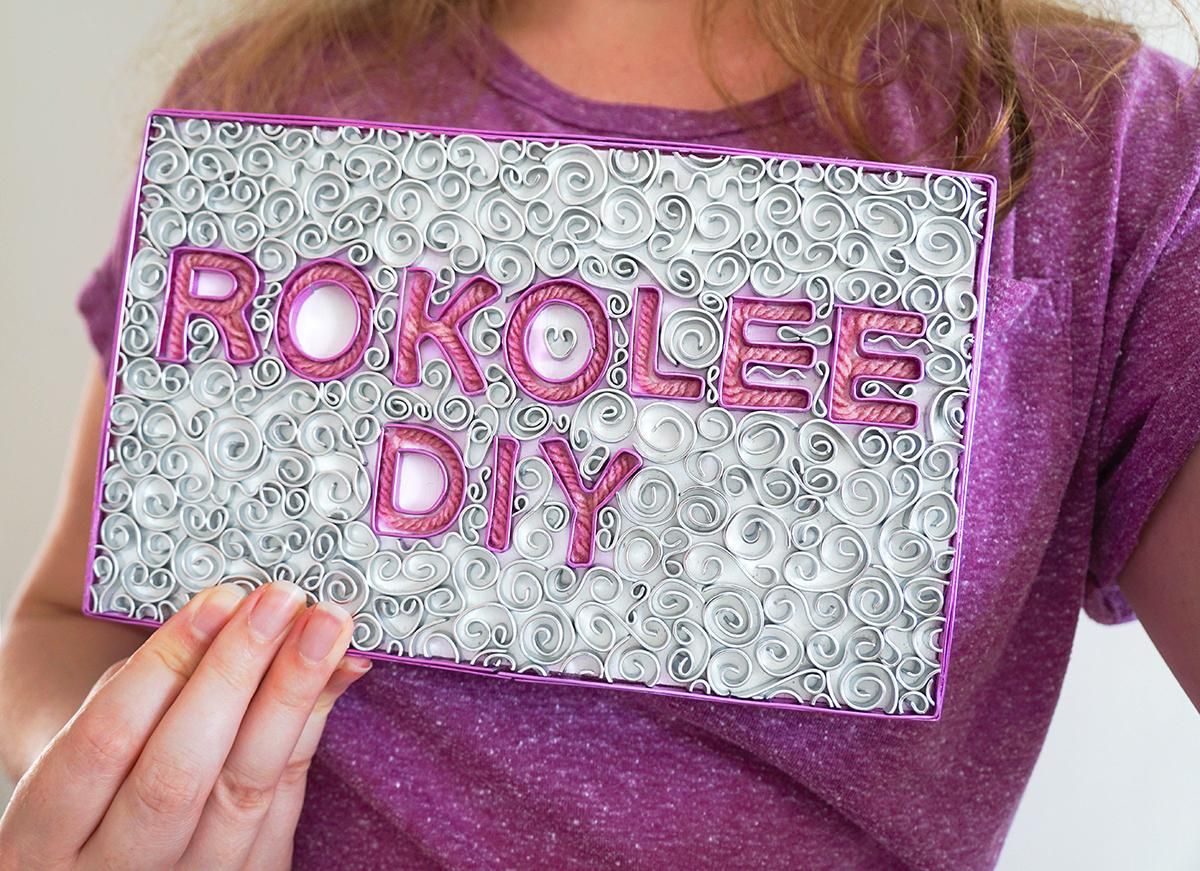
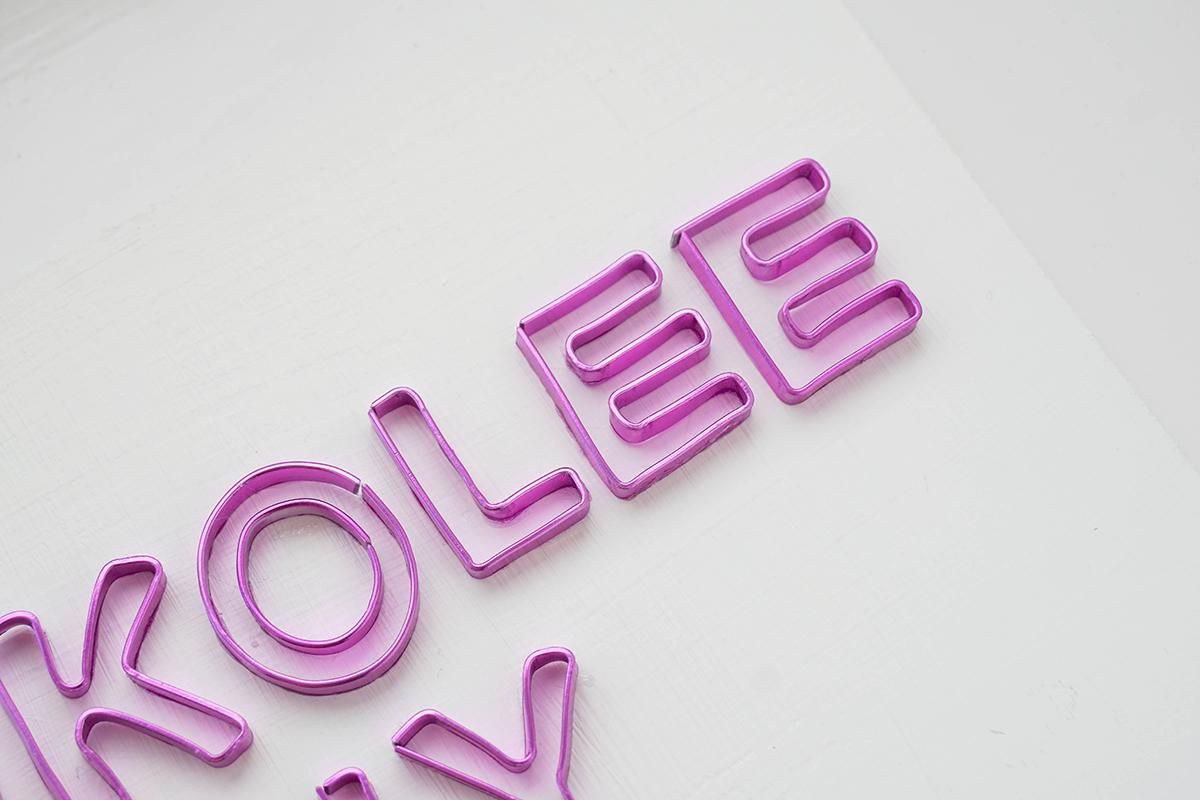

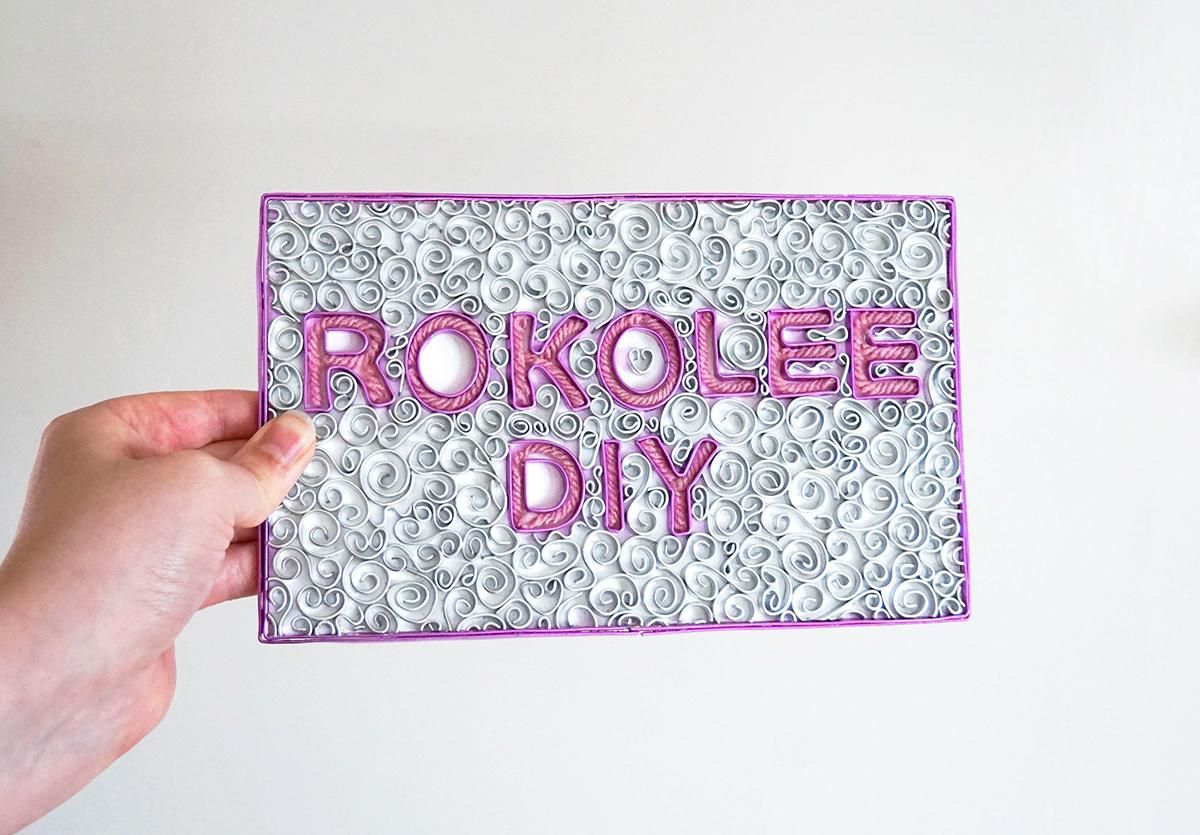

Quilling is a technique that usually involves paper strips, where the strips are used either as single lines or coiled shapes in order to 'draw' a picture. I wondered if it was possible with strips of other materials instead, particularly metal, so this was my experiment!
I made a little sign for my YouTube channel and I really like how the filigree effect looked in the finished result. I hope you like it too :D
Supplies

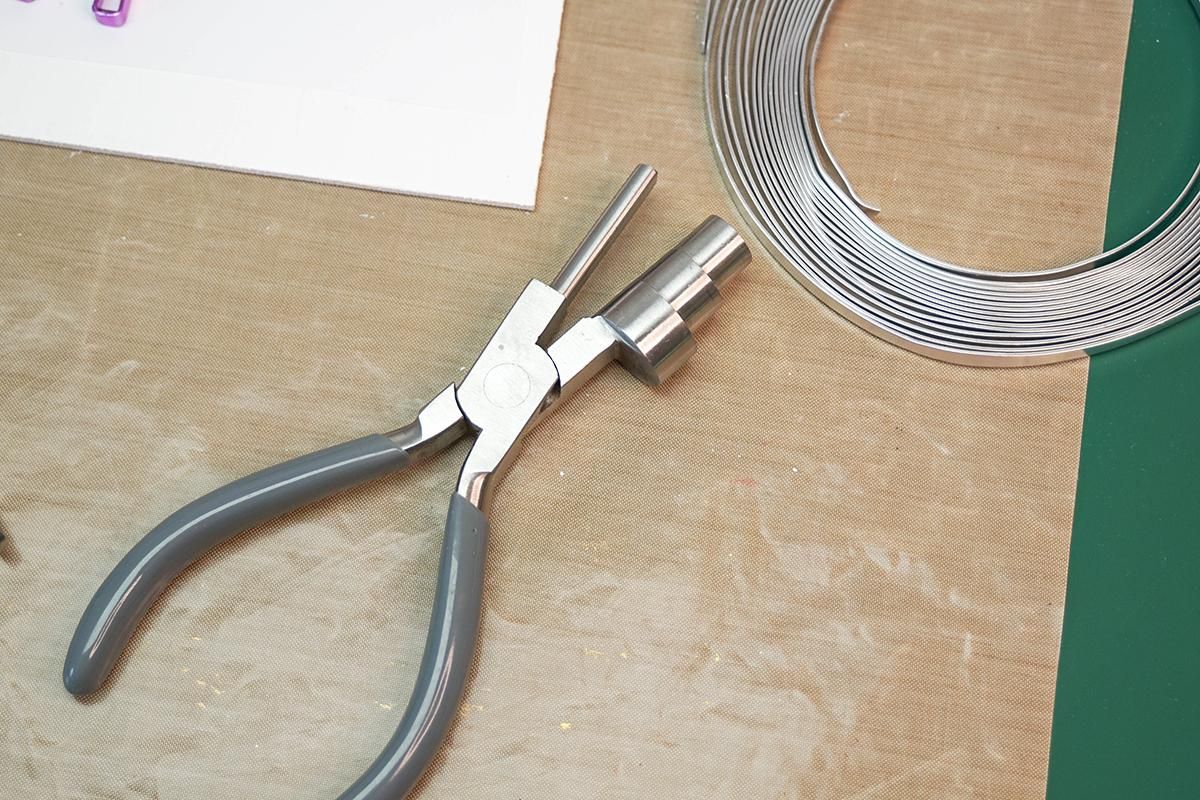
- Flat Aluminium Florist/Jewellery Wire; I used wire 5 mm wide and 1 mm thick. I used nearly 10m of silver, and up to 2m of the pink.
- Jewellery-Making Pliers; wire looping/bail making pliers and needle nose pliers especially
- Wire Cutters
- PC & Printer (although you could draw out the letters instead)
- Paper
- Pencil/pen
- A Backing Board; I used 3mm MDF. You can cut this out yourself or buy something pre-cut. MDF, plywood, hardboard – anything that is stiff and can be painted/glued onto.
- Gesso/primer & paint for your board; I used white gesso and white acrylic paint
- Paintbrush
- Strong, Clear-Drying Glue; I used UHU all-purpose adhesive
- Masking Tape/Painter’s Tape
- Ruler
- Scissors
- Safety glasses
- Maybe safety gloves too, for the sharp wire edges
- Tweezers (optional)
- Yarn & PVA Glue (optional)
- Bandsaw (optional)
Prepare the Backing Board
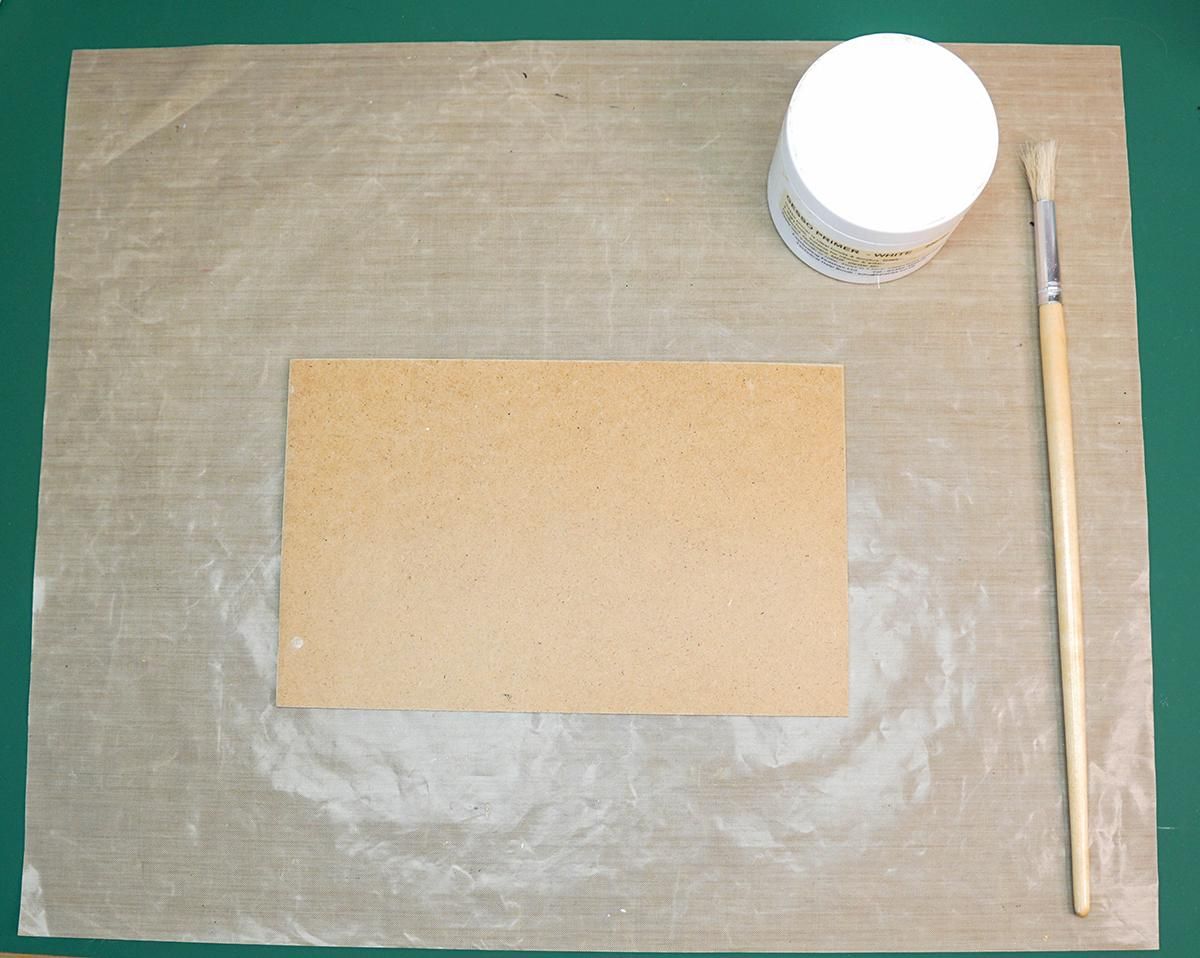

The first thing you need to do is cut out the piece of wood that you want to use as the backing board. I'm using a piece of 3mm MDF that measures 13 x 21.5 cm (5 x 8.5").
You'll then likely want to paint the board, first with a primer and then with the final paint colour.
I applied a layer of white gesso, and then when that was dry I added a layer or white acrylic paint.
Prepare the Text
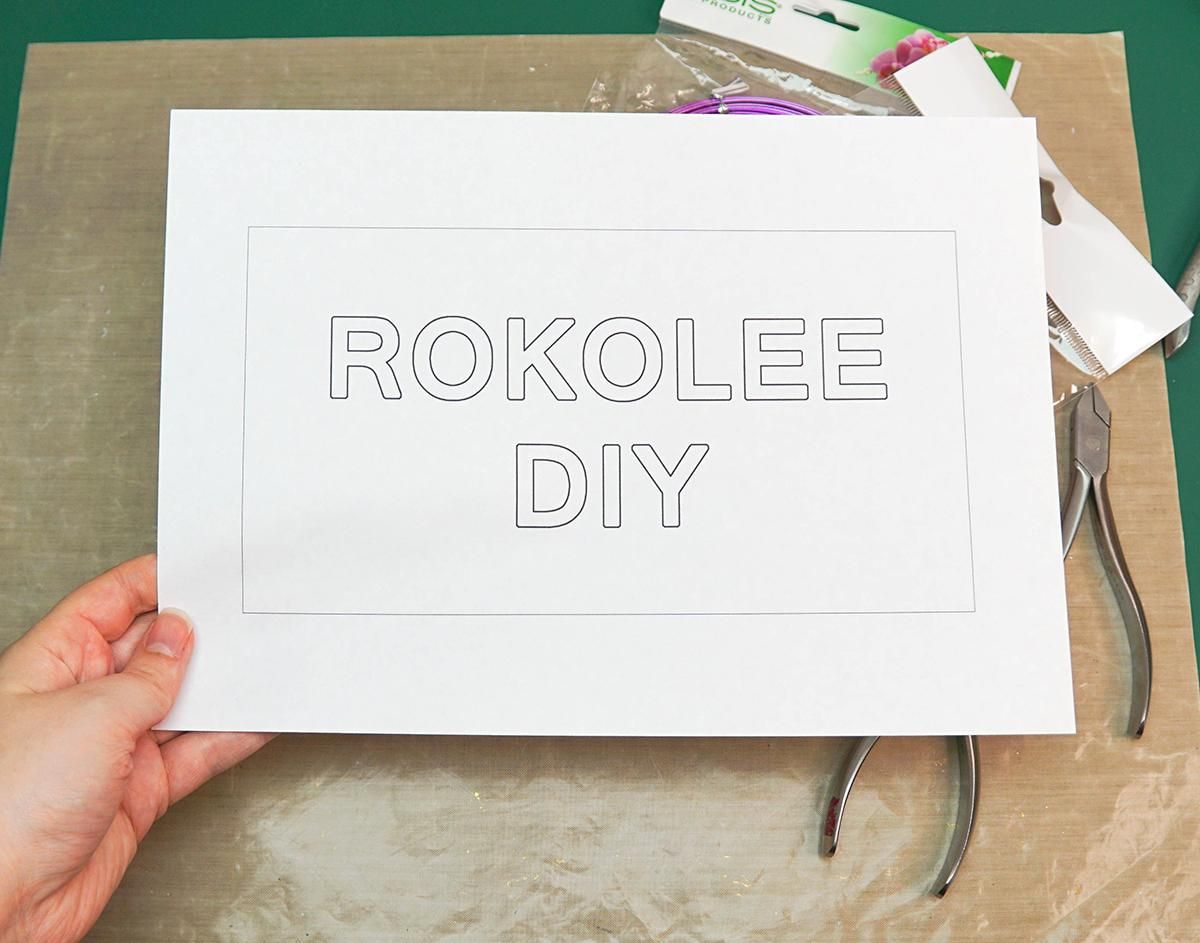
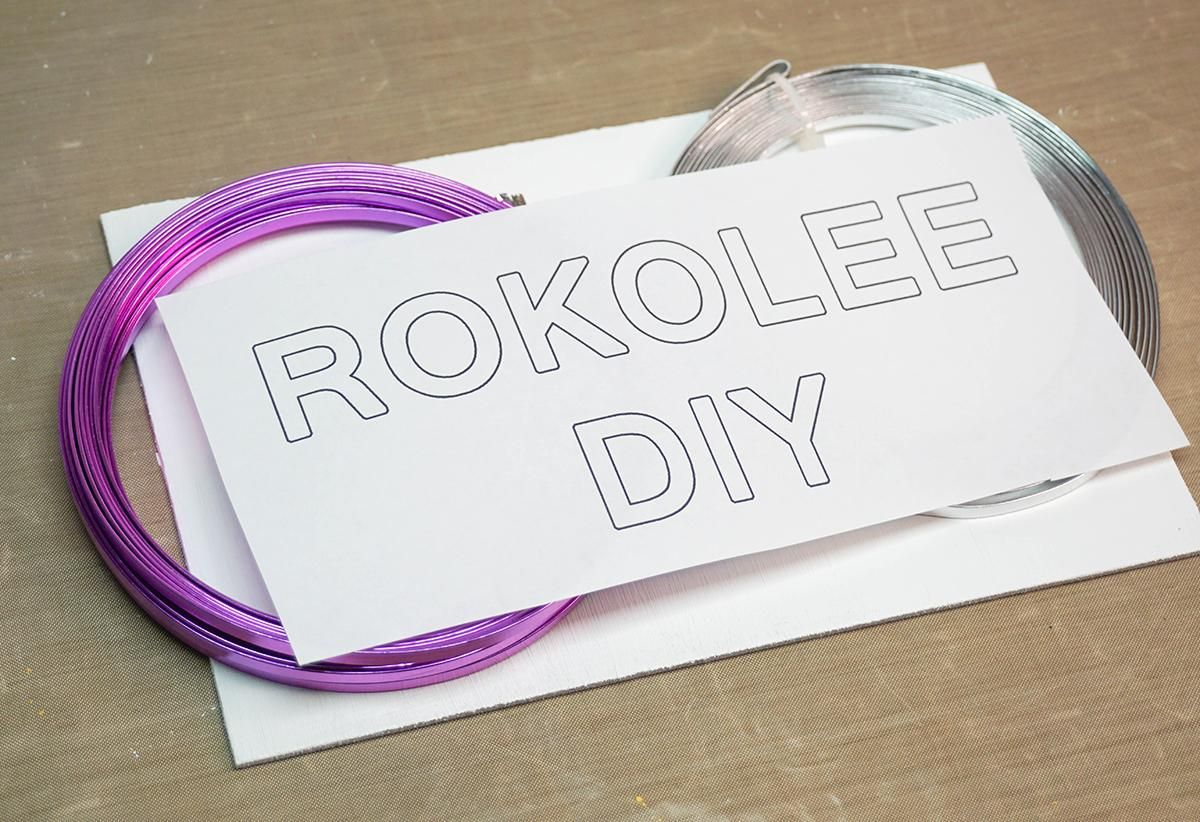
You'll then need to choose the words that you want on your sign and type these words into the computer (or you can draw them out on paper).
I typed my YouTube channel name into Photoshop and then I tried to find the chunkiest sans serif font to use. Basically, you want the letter shapes to be as simple as possible.
I changed the words to a white colour and added a black 'stroke' (outline) around the outside edges.
I made sure the letters were the same size as I wanted the final letters to be and then I printed these out.
These outlines will be your guide for the next step.
Shaping the Letters
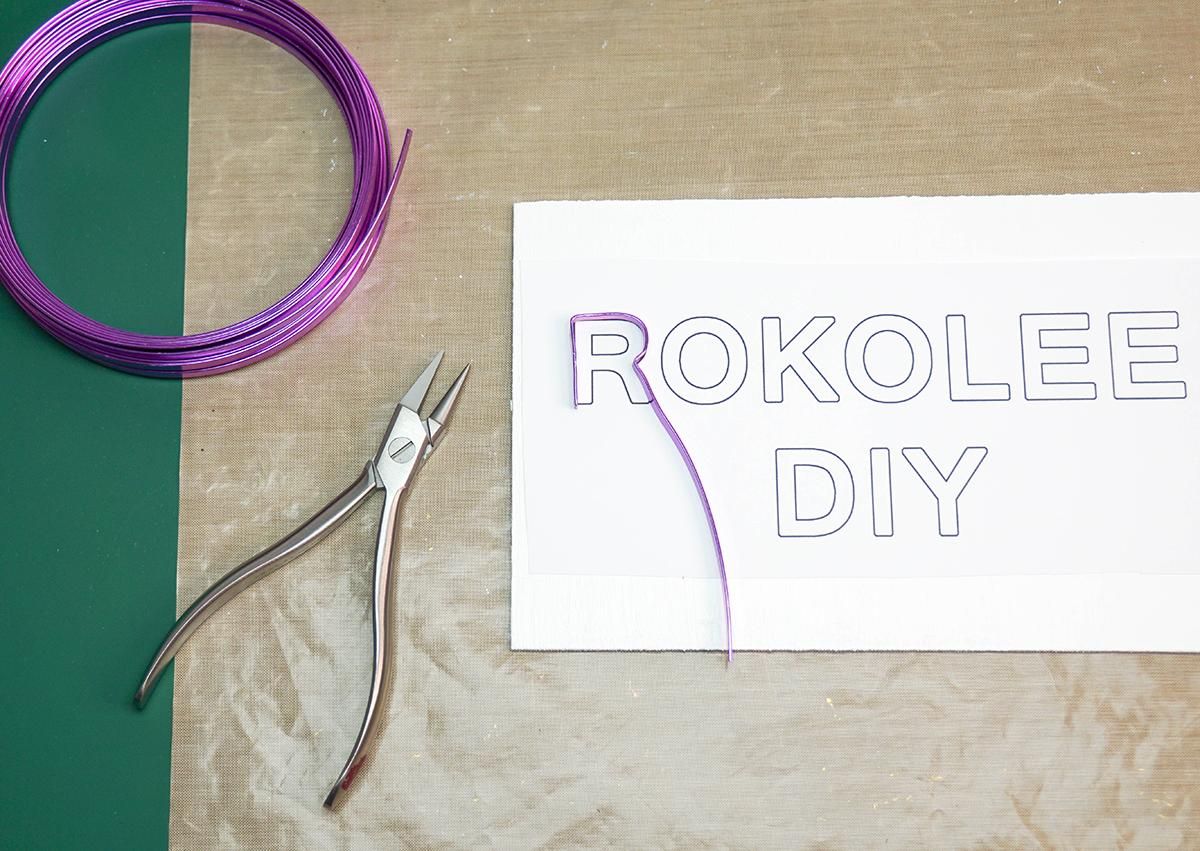

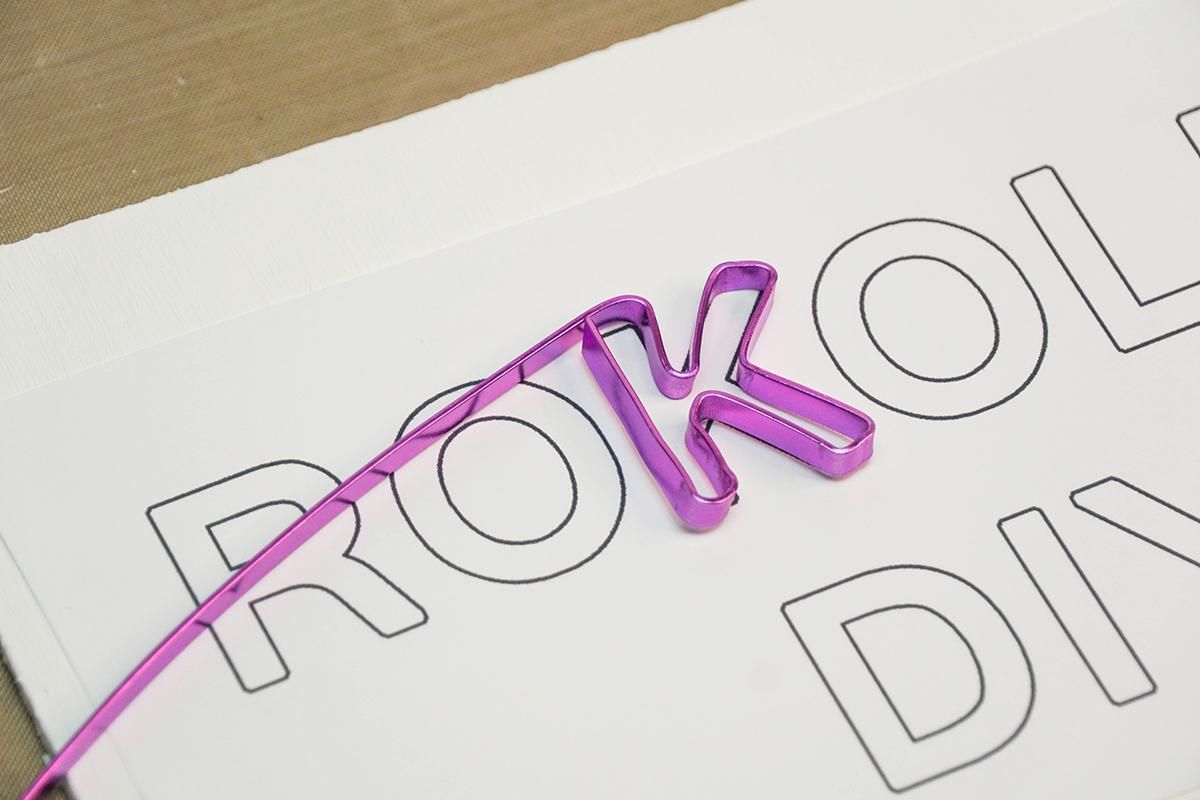


You then need to shape the wire so it follows the outlines of these letters. Use your jewellery pliers (and fingers) to do this.
I chose to use the pink wire for the text so that the letters contrasted well with the silver, and therefore could be read clearly.
Whenever you're cutting the wire, I would recommend wearing safety glasses just in case the wire pieces fly upwards.
To make your life a bit easier, I'd recommend using large bail-making or wire-looping pliers once you get to the curved letters.
Attach the Letters
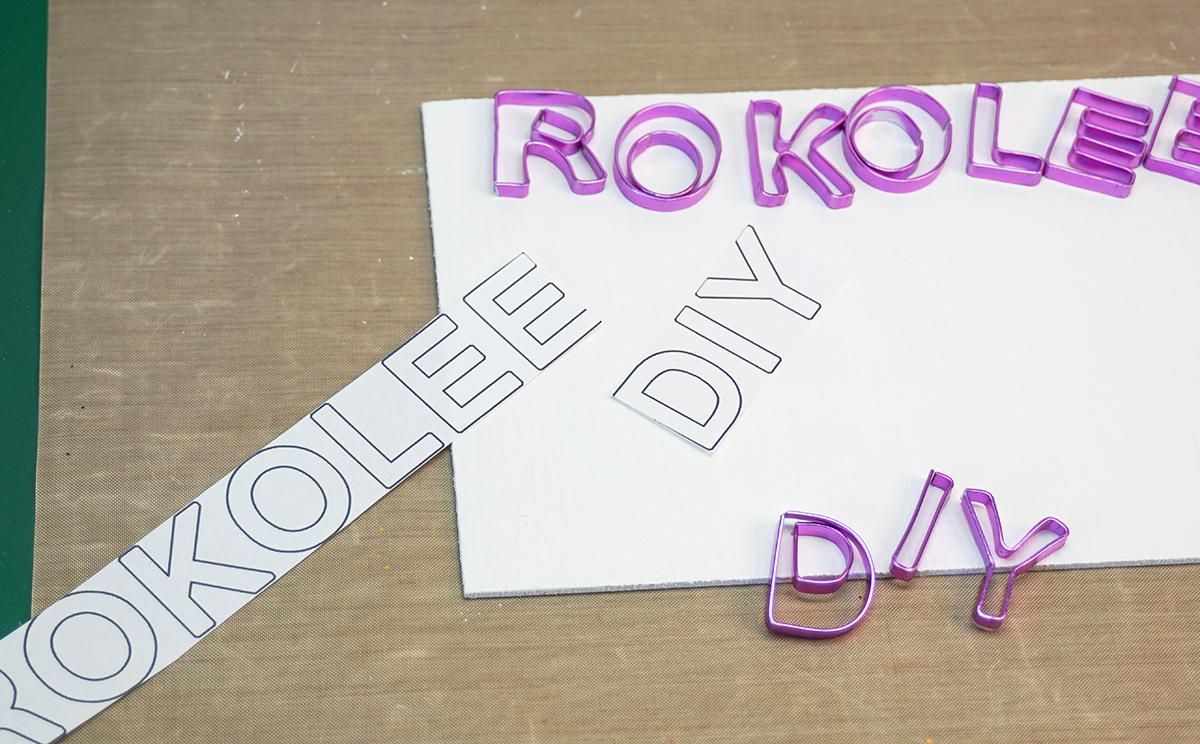

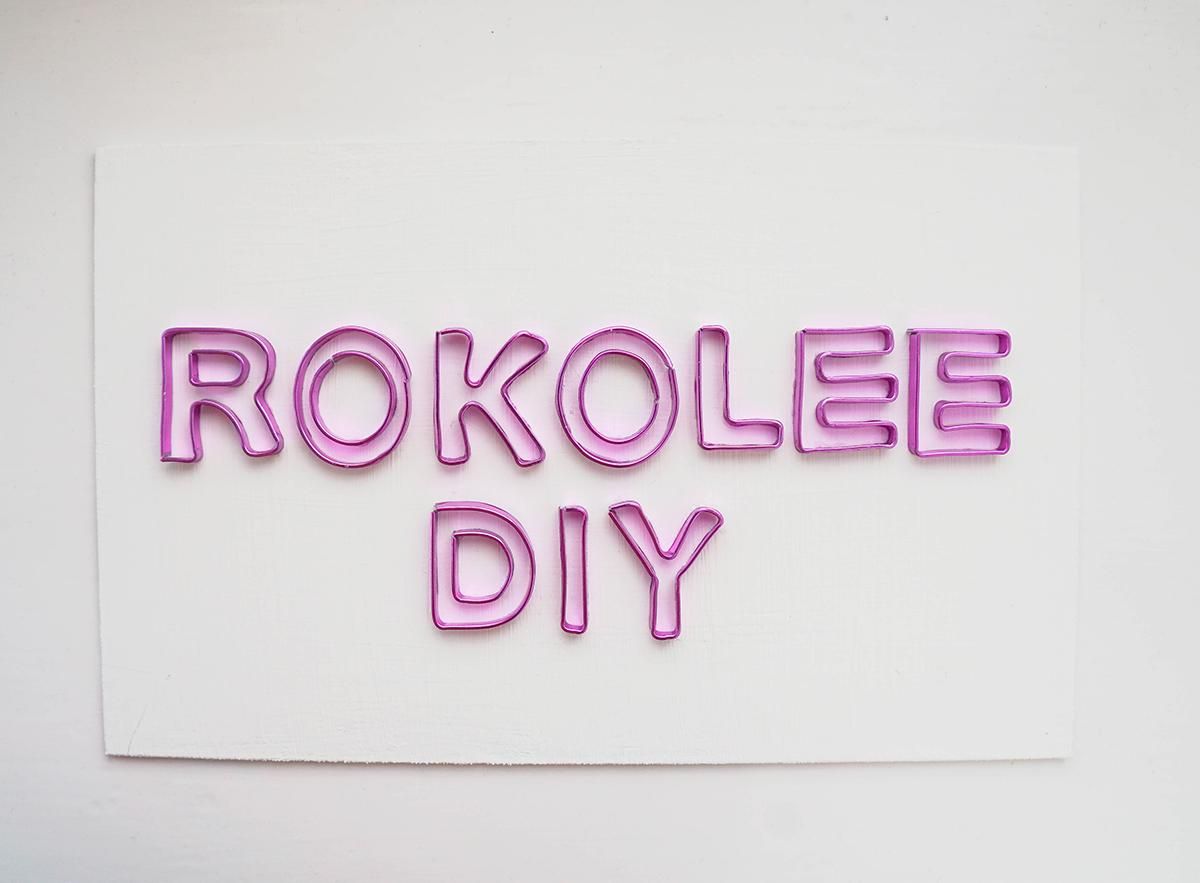
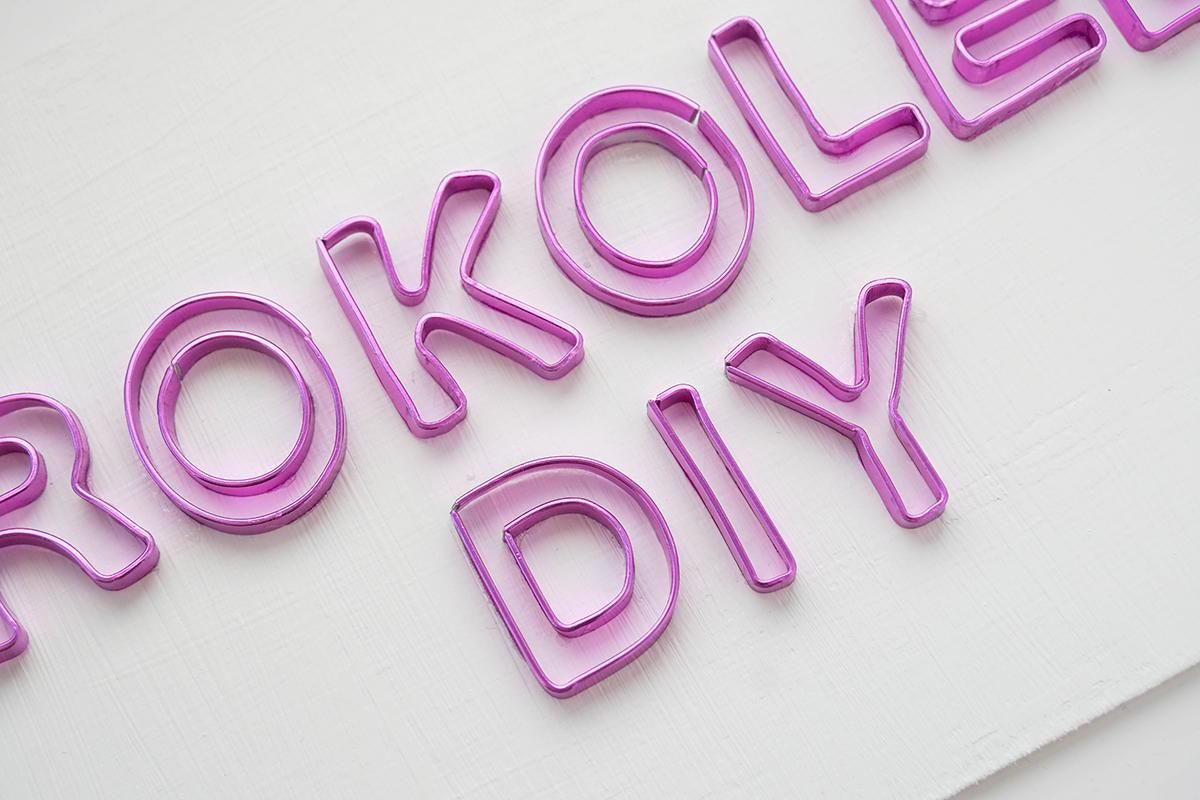
Cut out the printed (or drawn) words very closely along the top and bottom.
Centre these words on the board, making sure they are positioned where you want them to be in the finished sign.
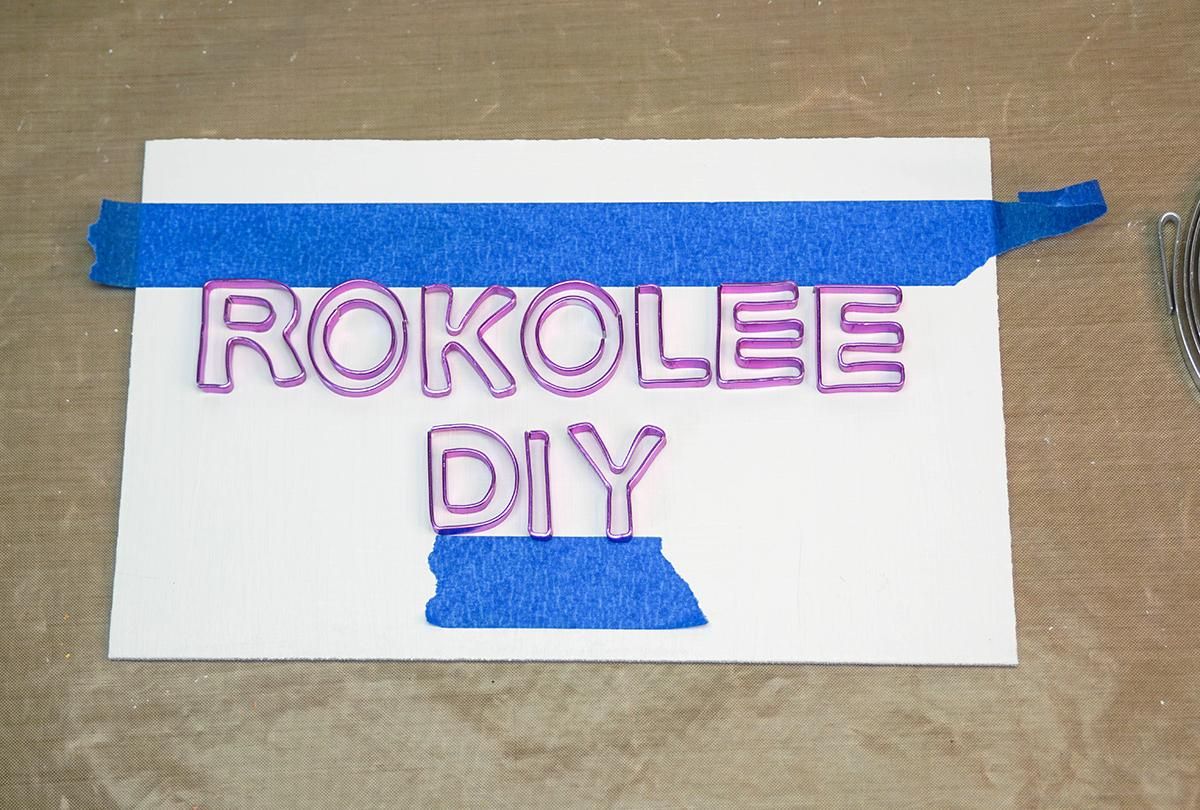
Place strips of masking tape along the top or bottom edge of each word.
Remove the pieces of paper and then glue the wire letters in place, using the tape as a guide for keeping the letters lined up straight.
(For the glue, I'm using UHU allpurpose adhesive.)
It's best to start with the first letter and the last letter of each word just to make sure that these are placed an equal distance from the edges of the board.
Then, once you've attached the first & last letters, mark the tape where each letter should begin and end, to give you a guide for glueing the remaining letters neatly.
Shape the Silver Wire
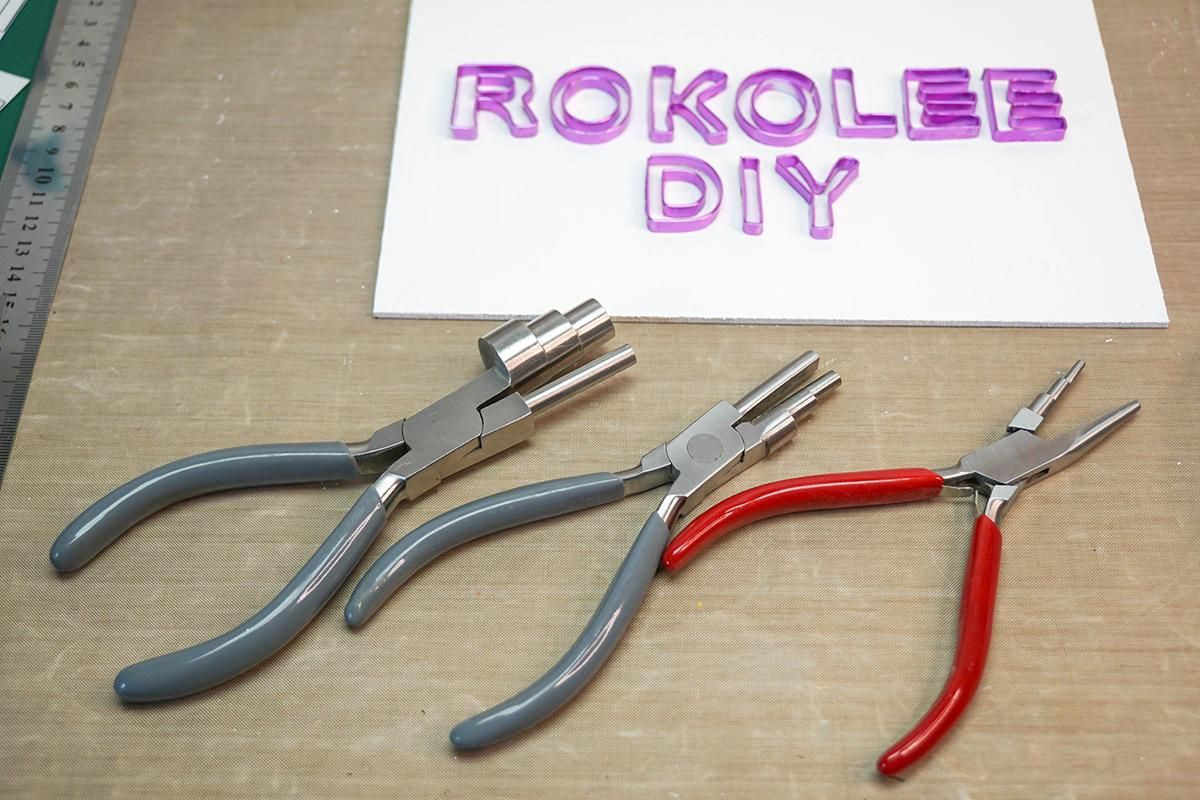

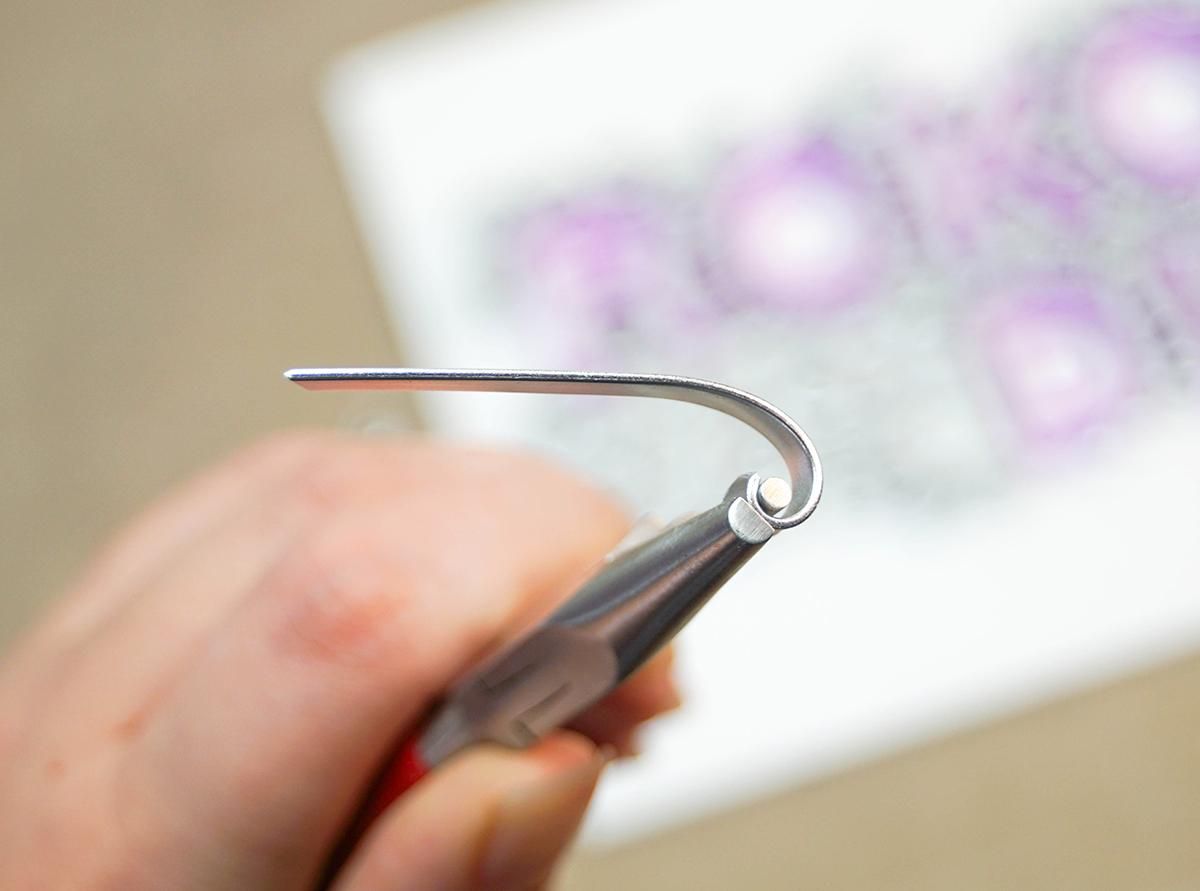
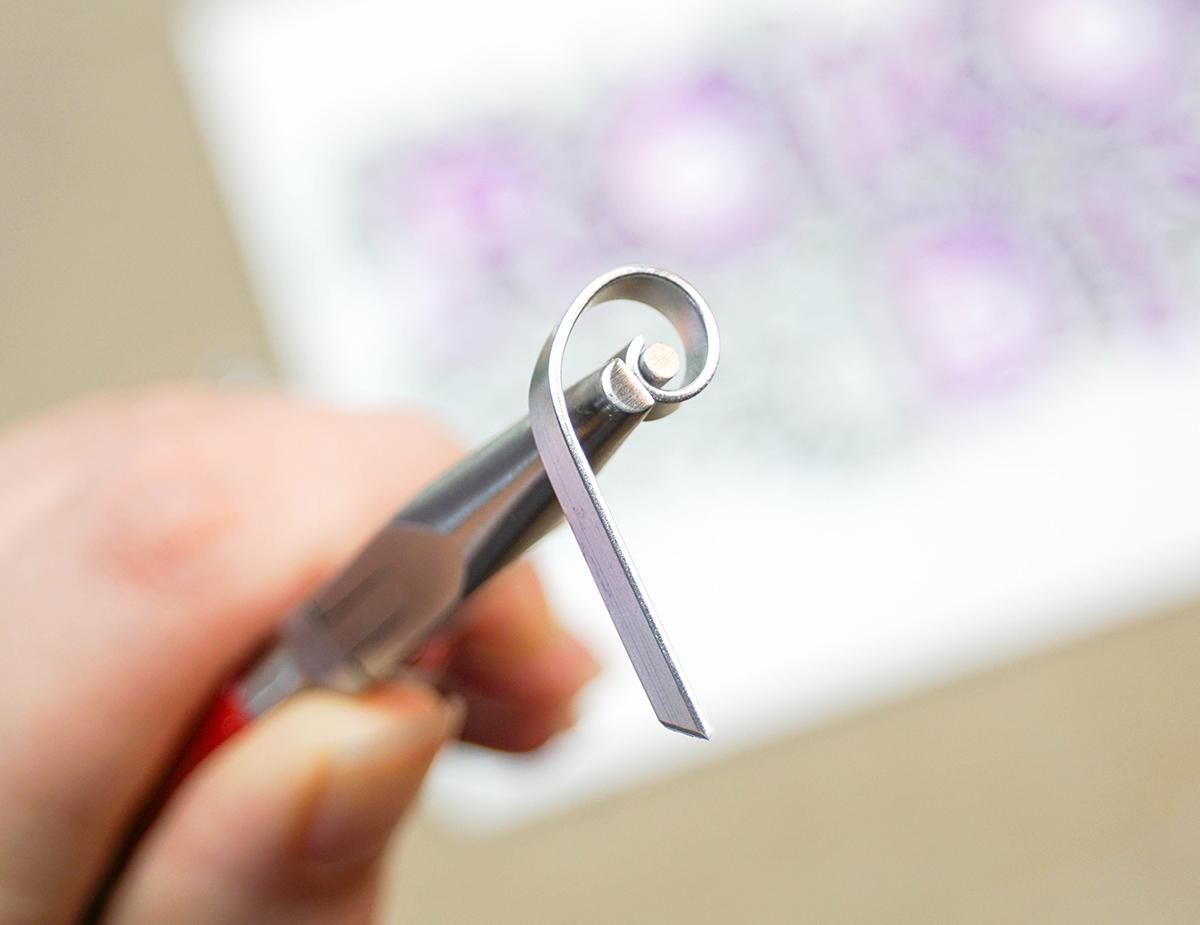

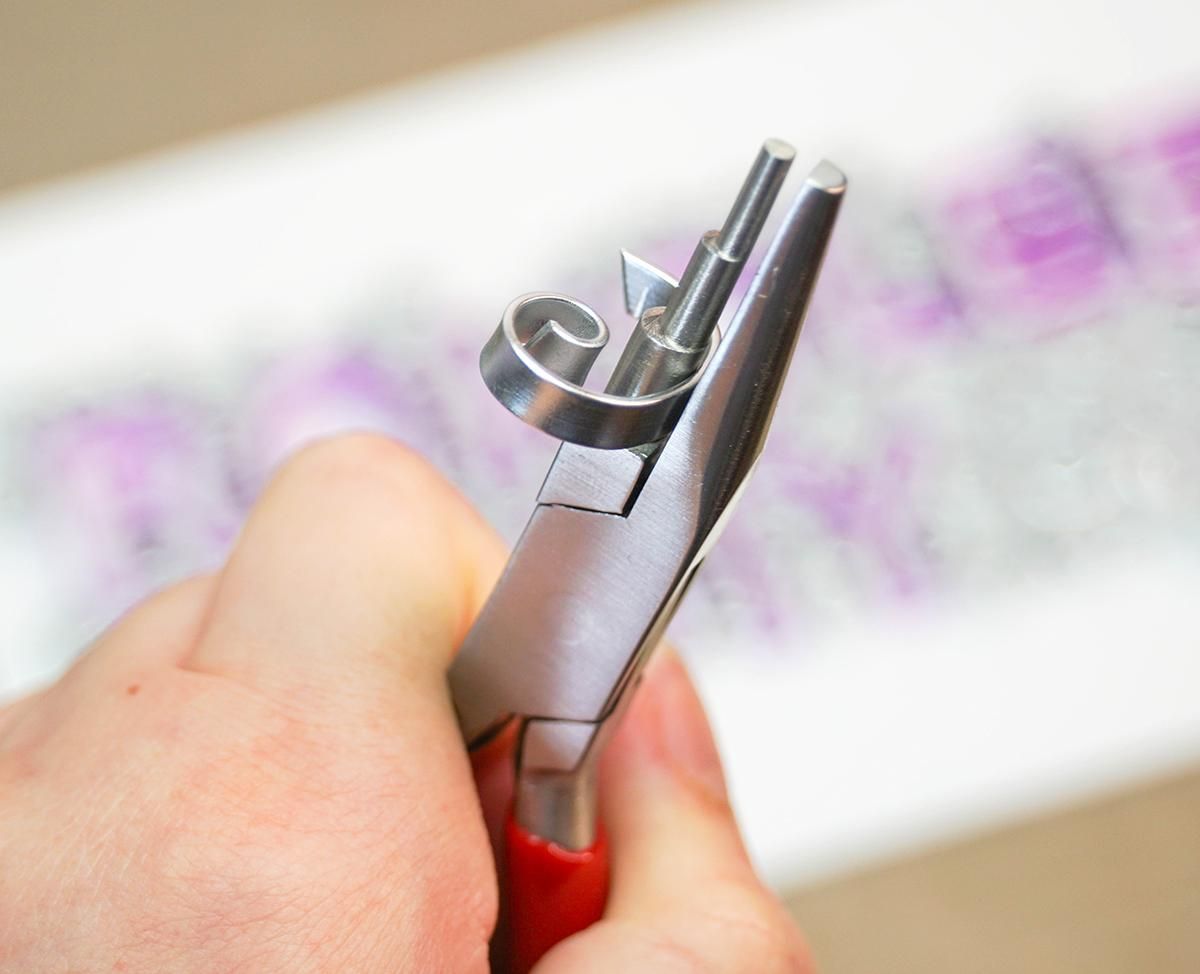
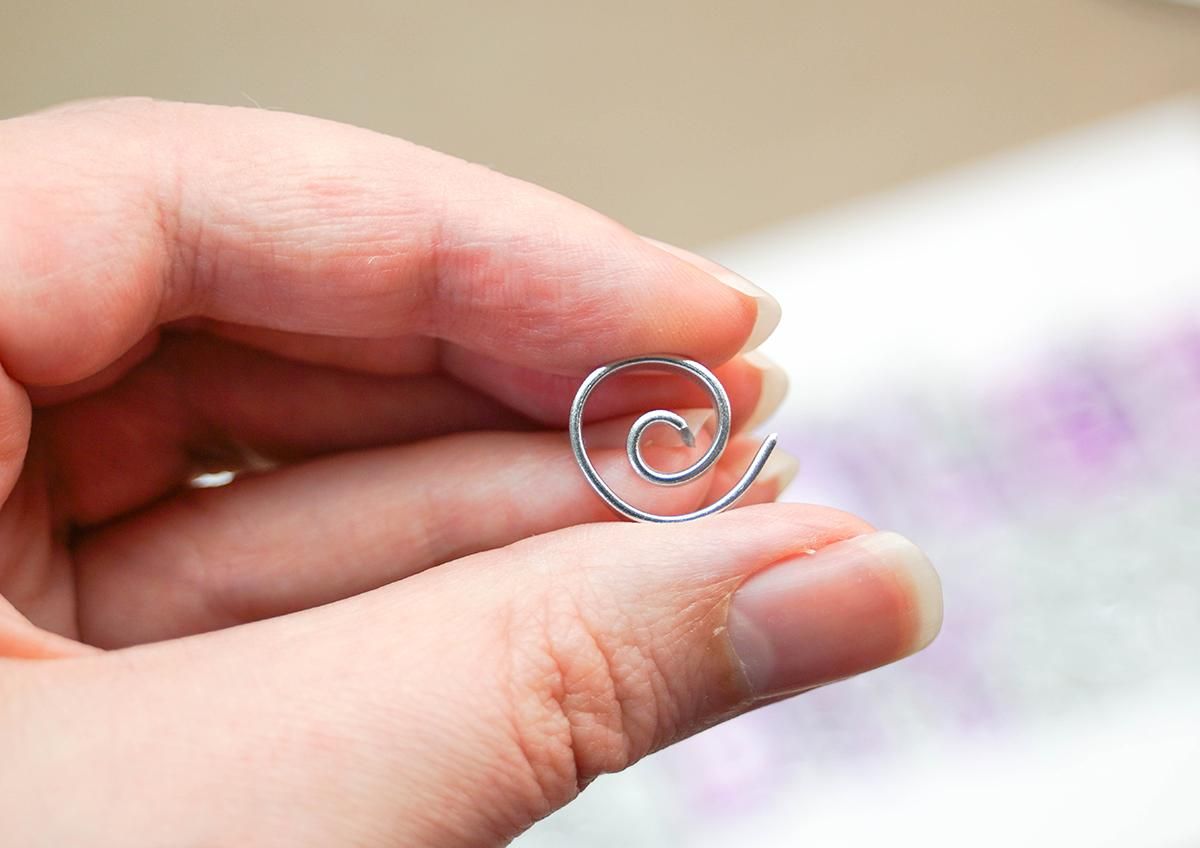
Once the letters are attached, it's then time to fill in the spaces around them with silver wire shapes.
To do this, I'm mostly using the smaller wire looping pliers, but any round-nose pliers should work well.
It's best to make a variety of shapes and sizes; I mostly made spirals, scrolls, and waves. I also made a little heart for inside one of the O shapes.
You'll probably want to try and fill in the smaller gaps between the letters first, then move on the larger areas.
It's a timeconsuming process, but it's also fun to do!
Continue Quilling & Filling


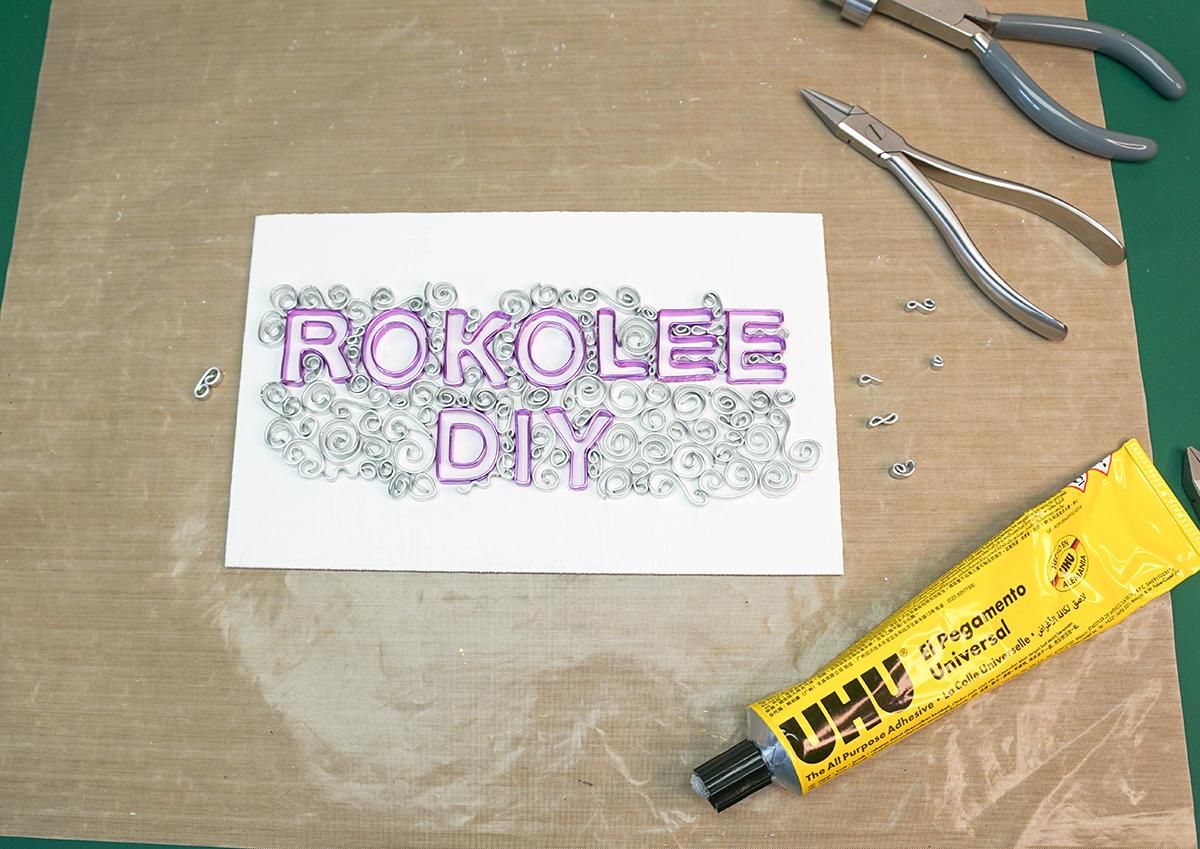
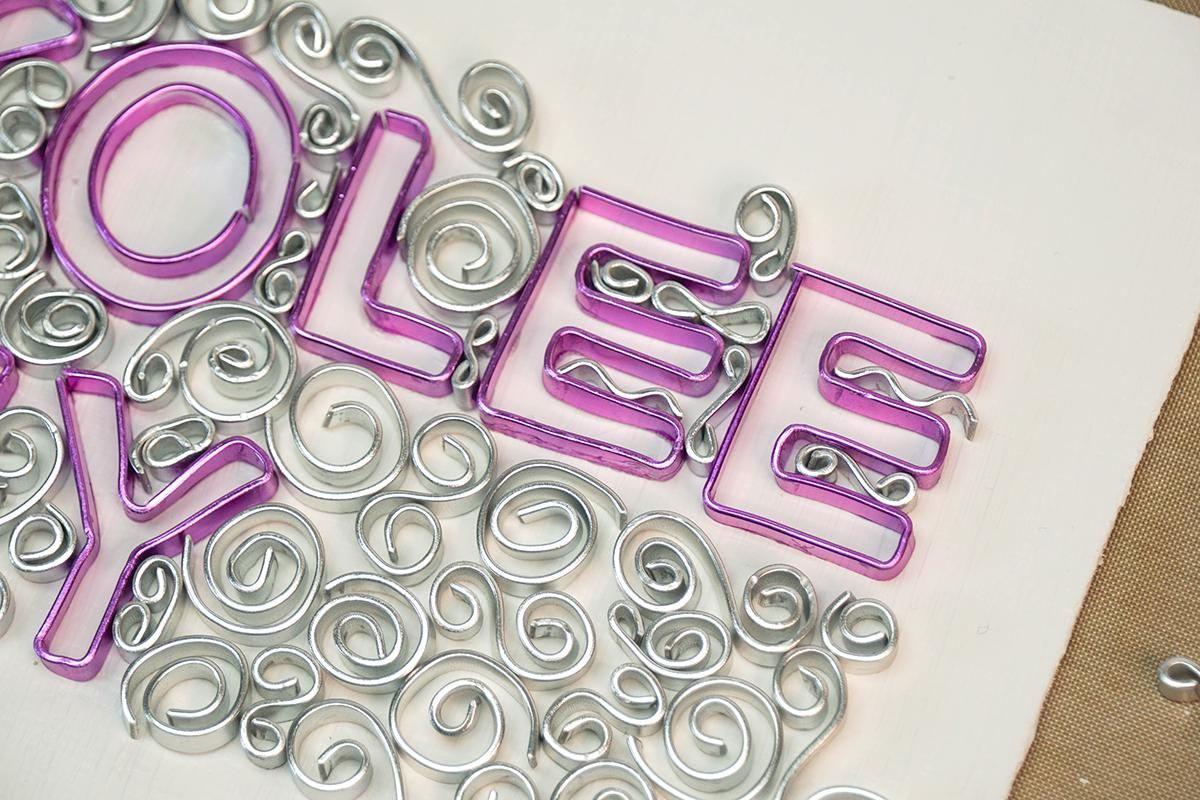
And once you've made a fair number of shapes and you're happy with their position, it's time to glue them into place.
To help you do this, it's very handy to have some tweezers or needle-nose pliers for precision.
Just keep making shapes and attaching them to the board until the entire board is covered. I definitely think it's more efficient to glue the shapes in batches rather than after you've made each one.
Complete the Quilling


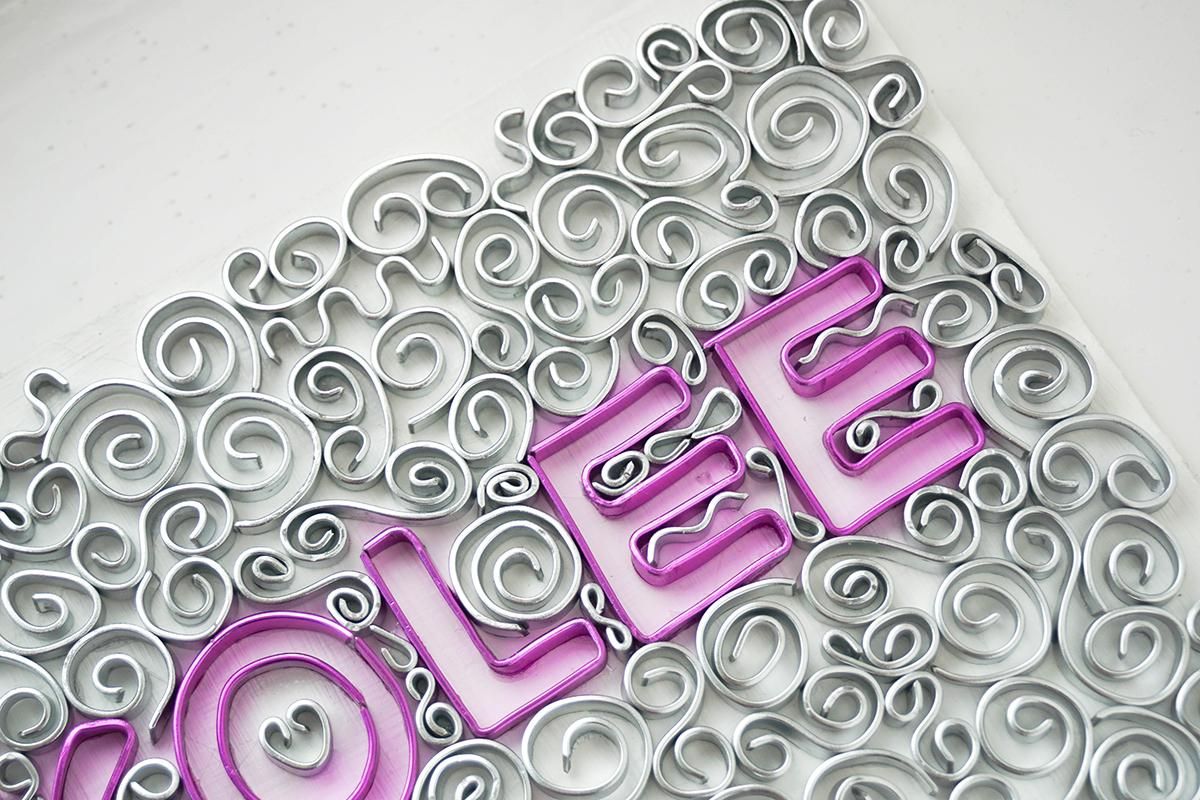

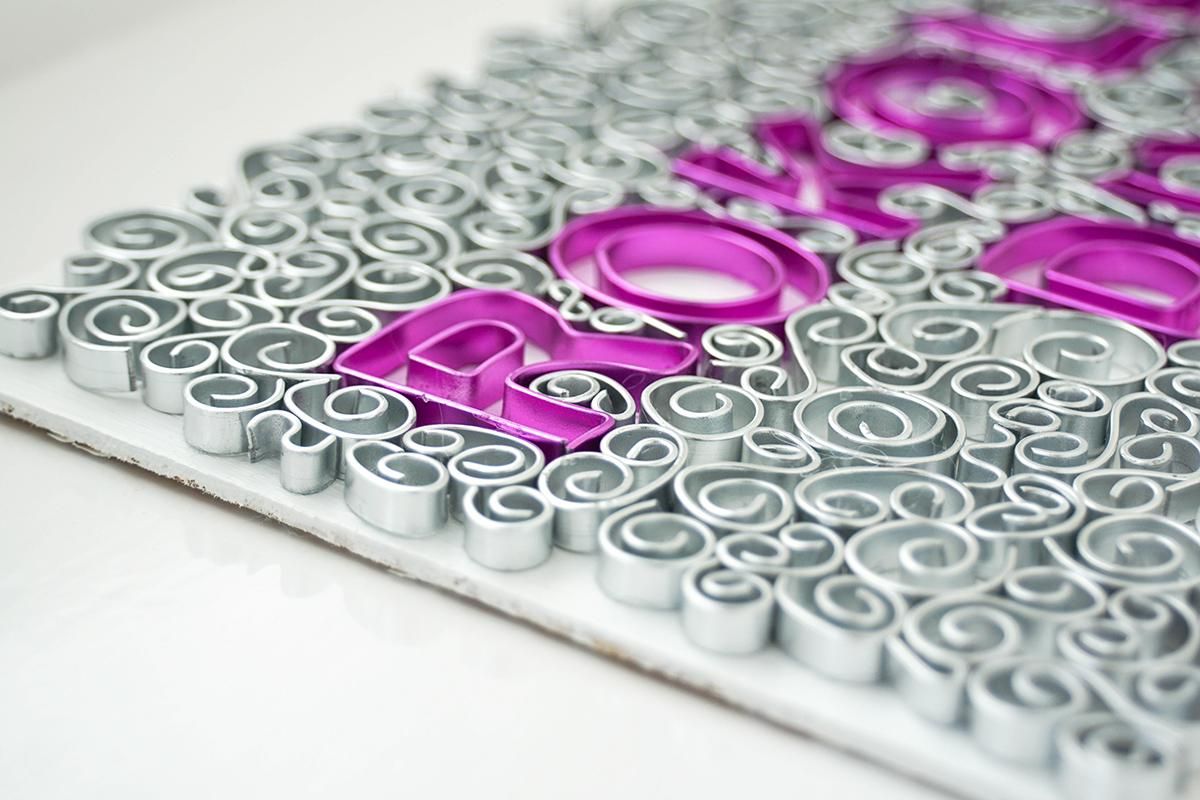
Either fill in all the space except for the very edges, and then move onto the next step (if you have access to a bandsaw)...
OR now try to use smaller shapes to fill all of the way up to the edges and make them as neat as possible.
Another option to finish the sign here is to add a rectangular wire border on top of the board, just inside the edge.
Bandsaw the Edges
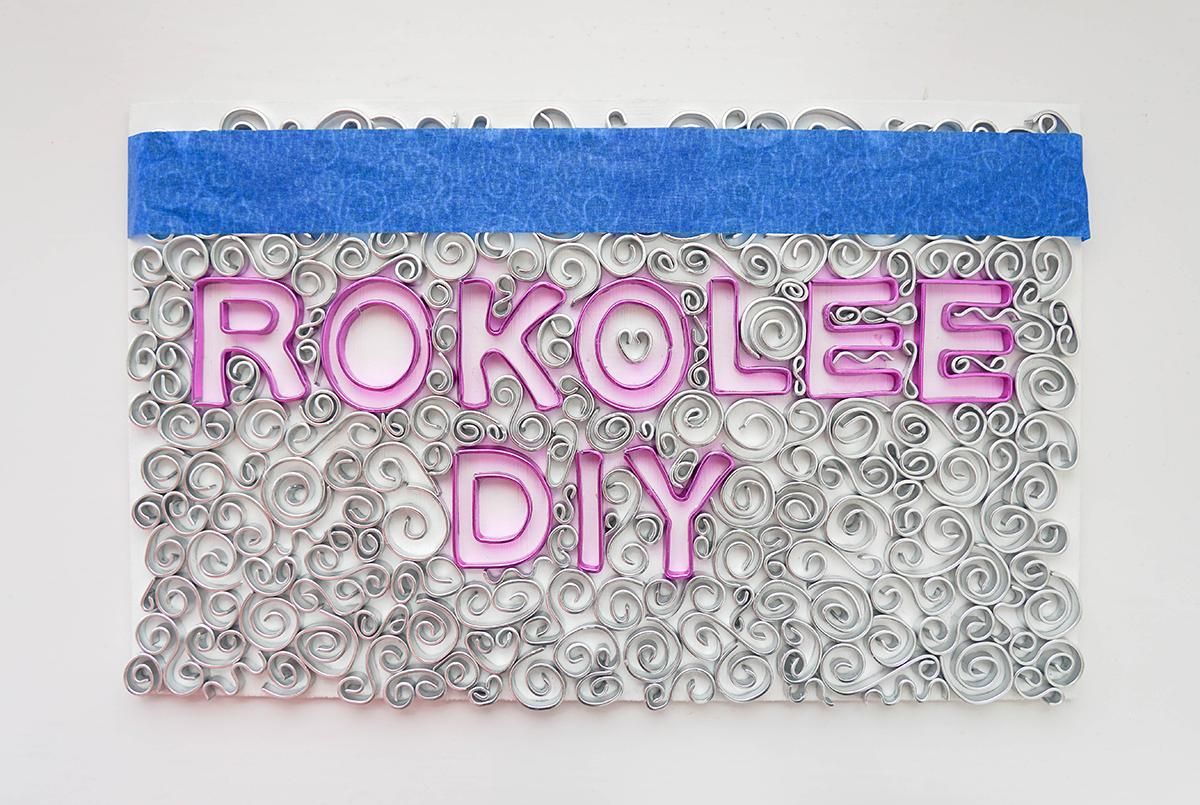
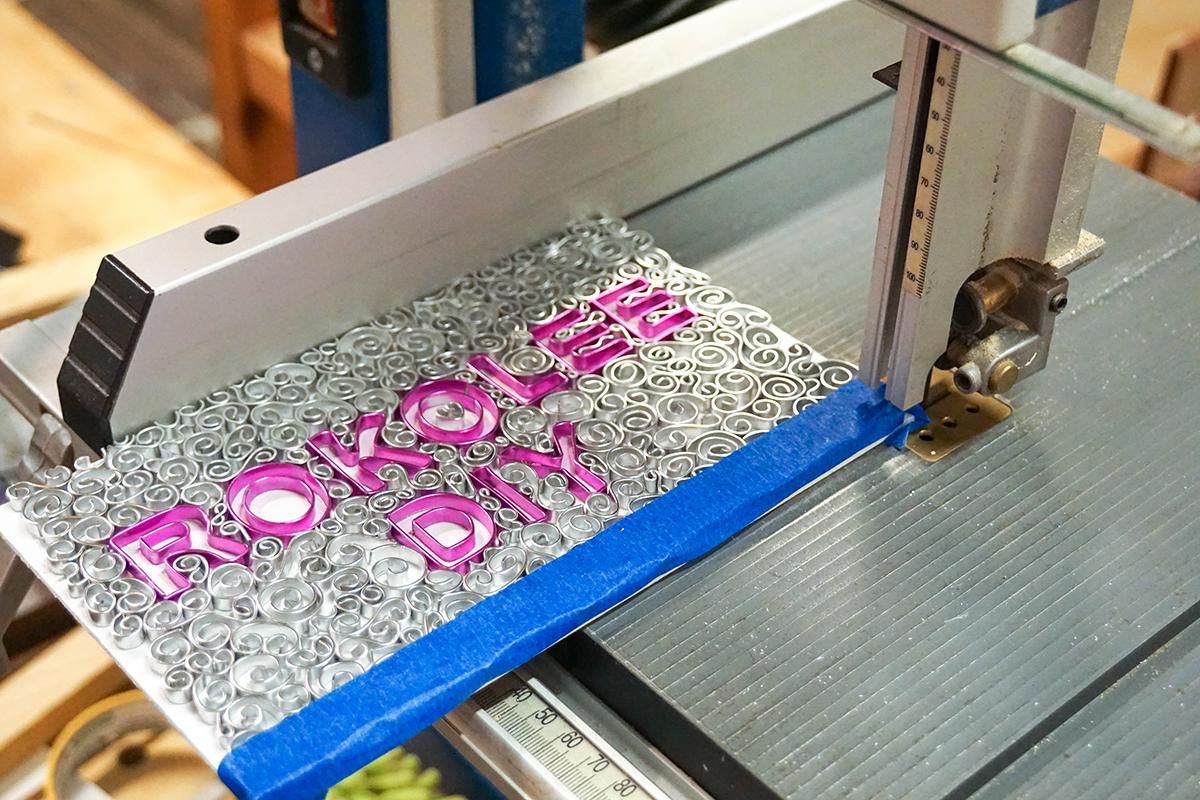
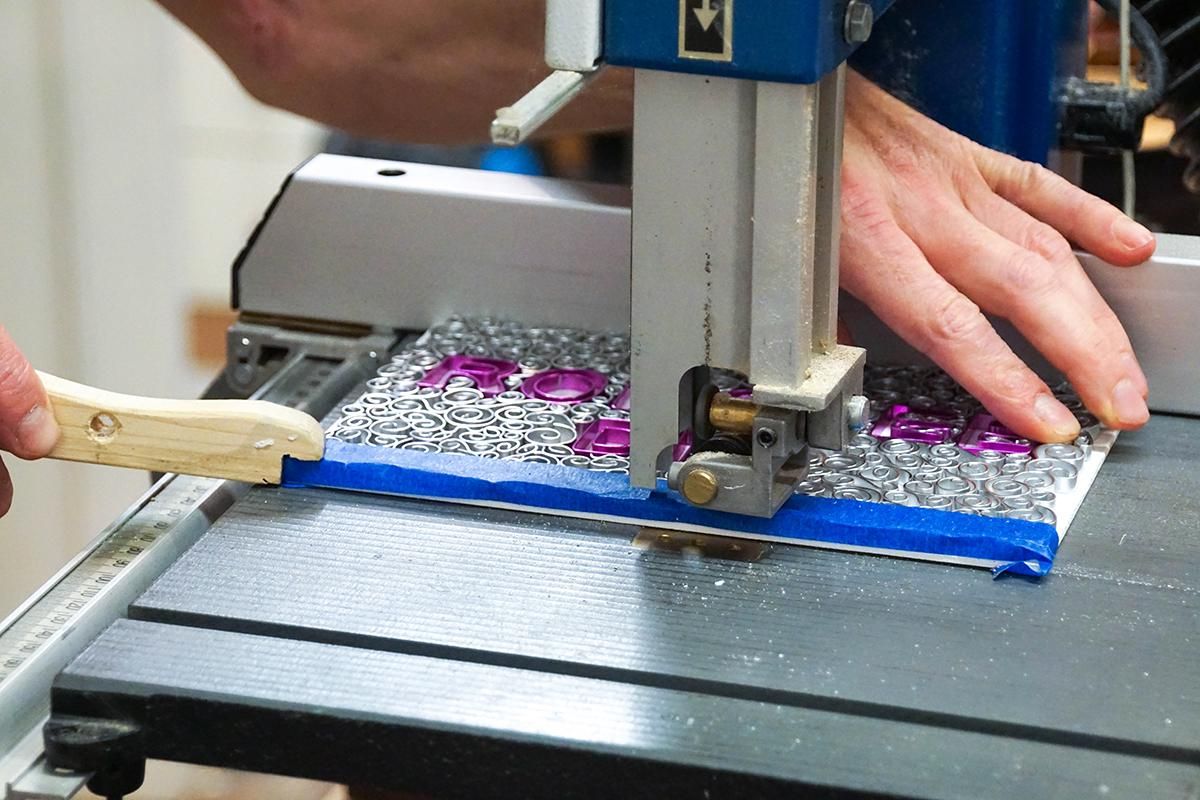
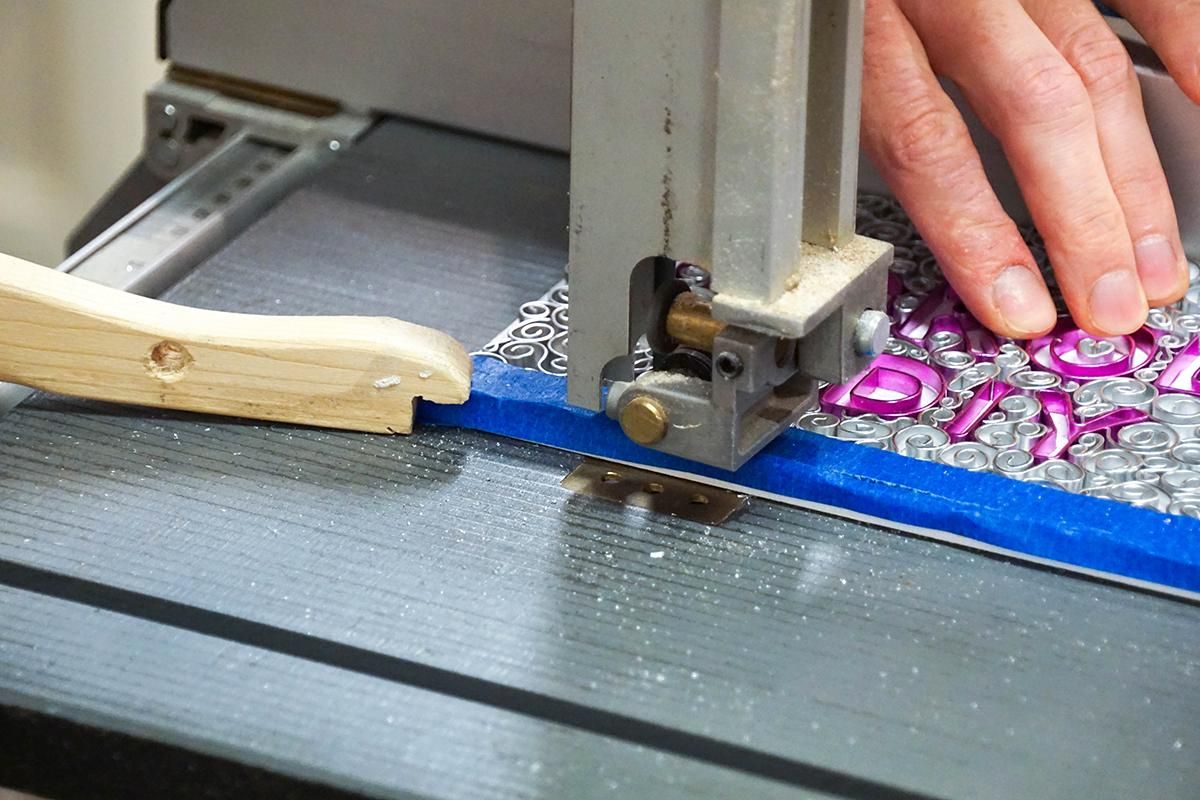
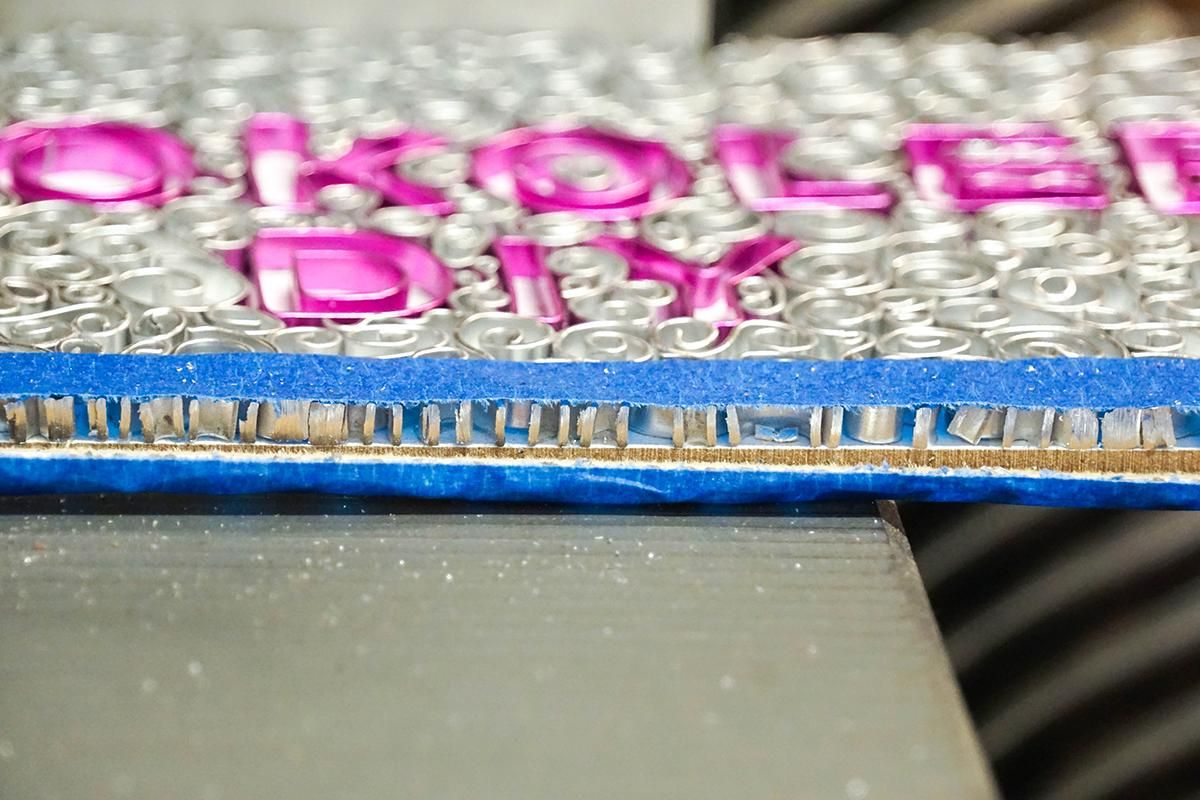
Because I have access to a band saw, I decided to saw off the sides so the quilling would completely cover the board and go right up to the edges to give a neat finish.
So, first I added some masking tape to the sign where I wanted to cut, and then I just cut straight through. Go slowly, use a guide to making sure the edges are straight & corners are square, and use a scrap wood stick to help push the board through.
Also make sure you wear safety glasses because these wire shapes can fly off in any direction, and be careful of sharp edges.
Once I peeled off the tape, some of the metal pieces came off too, so I then reglued those parts back onto the board.
Border

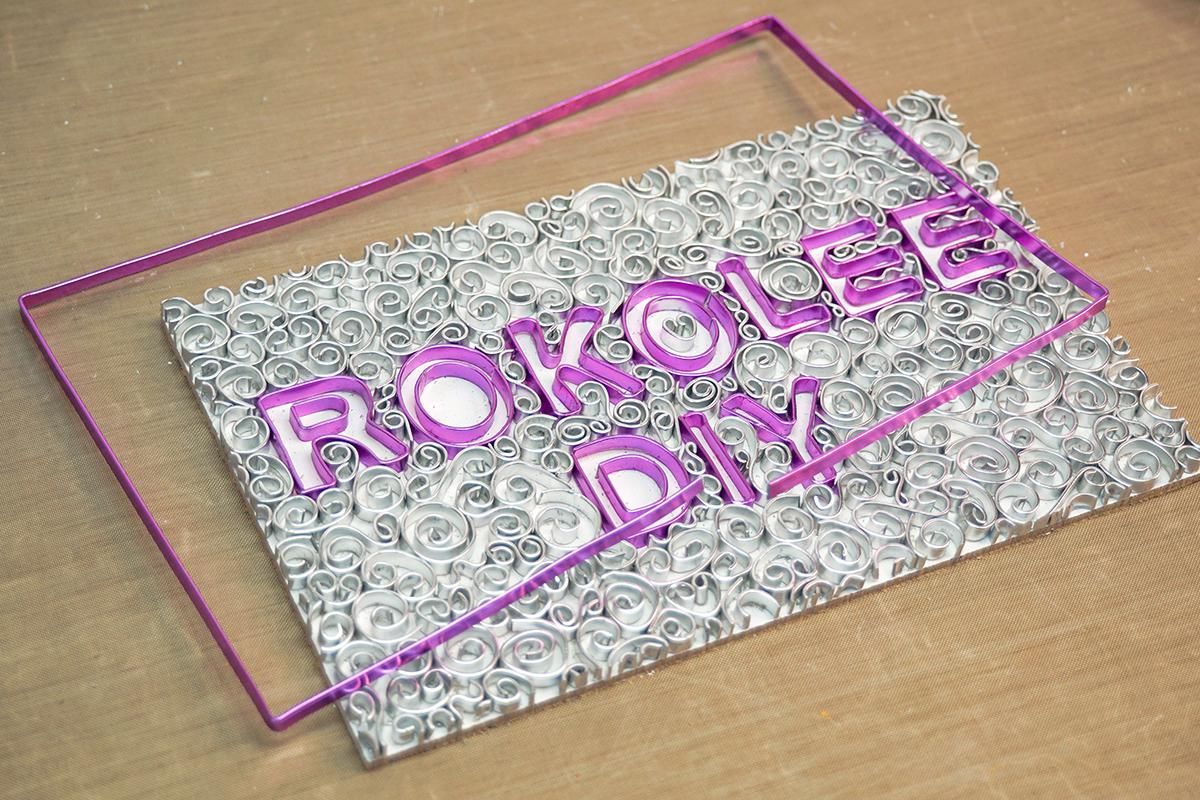
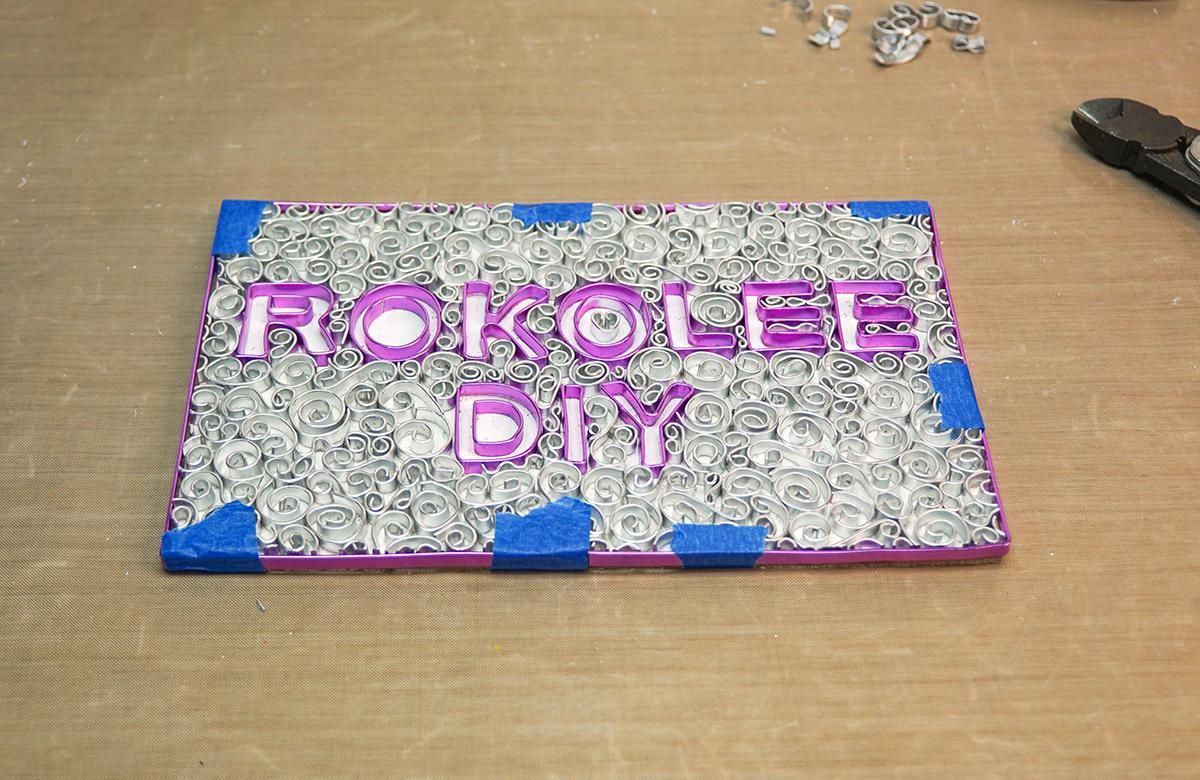

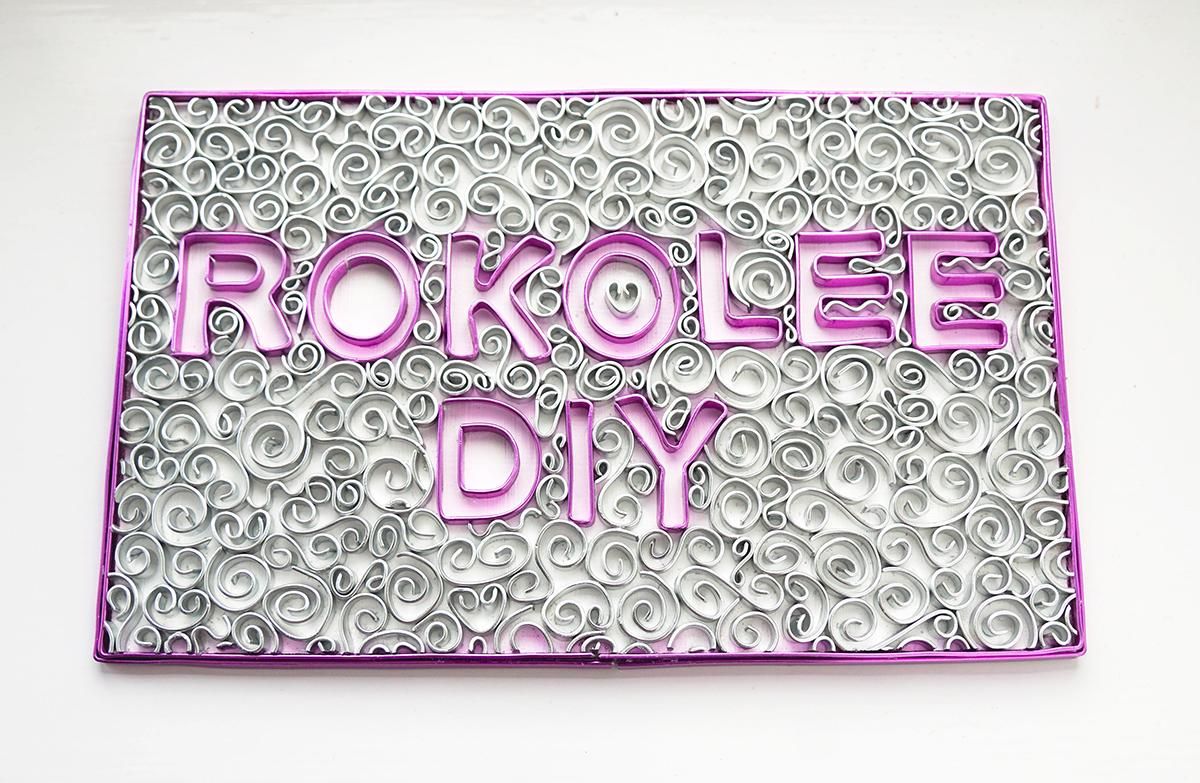
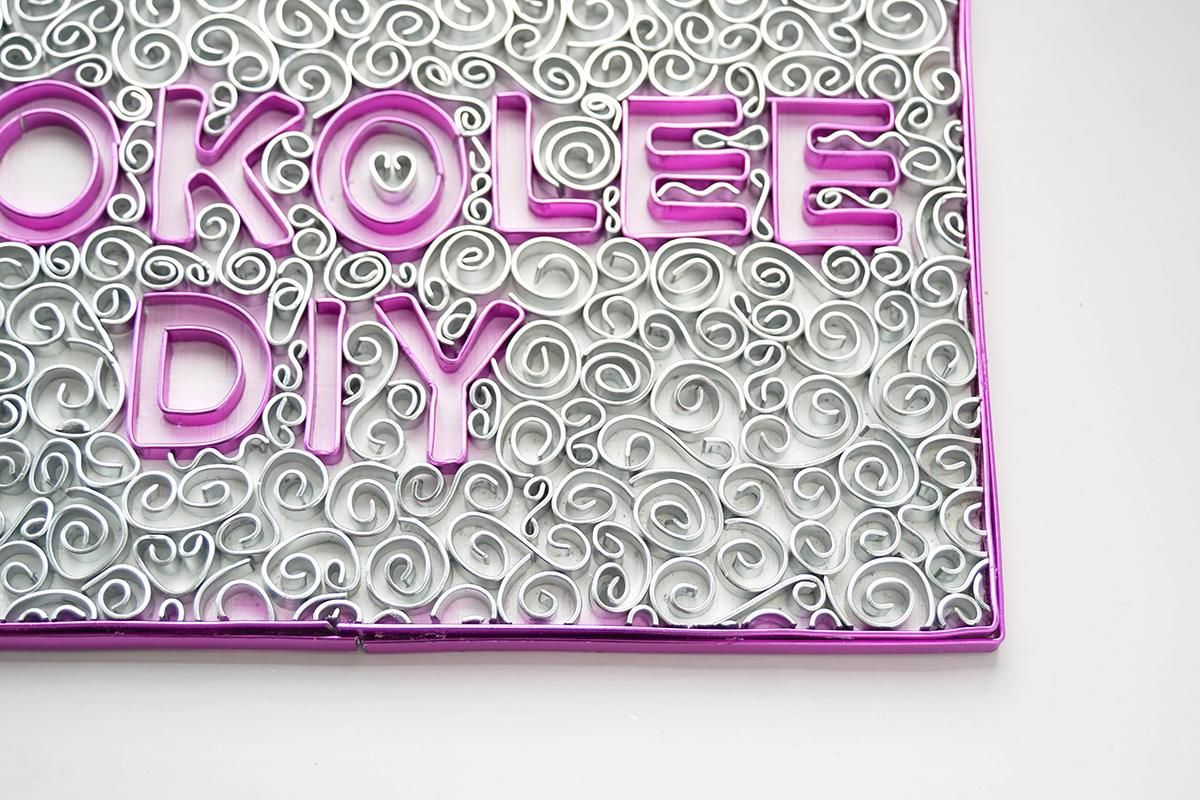
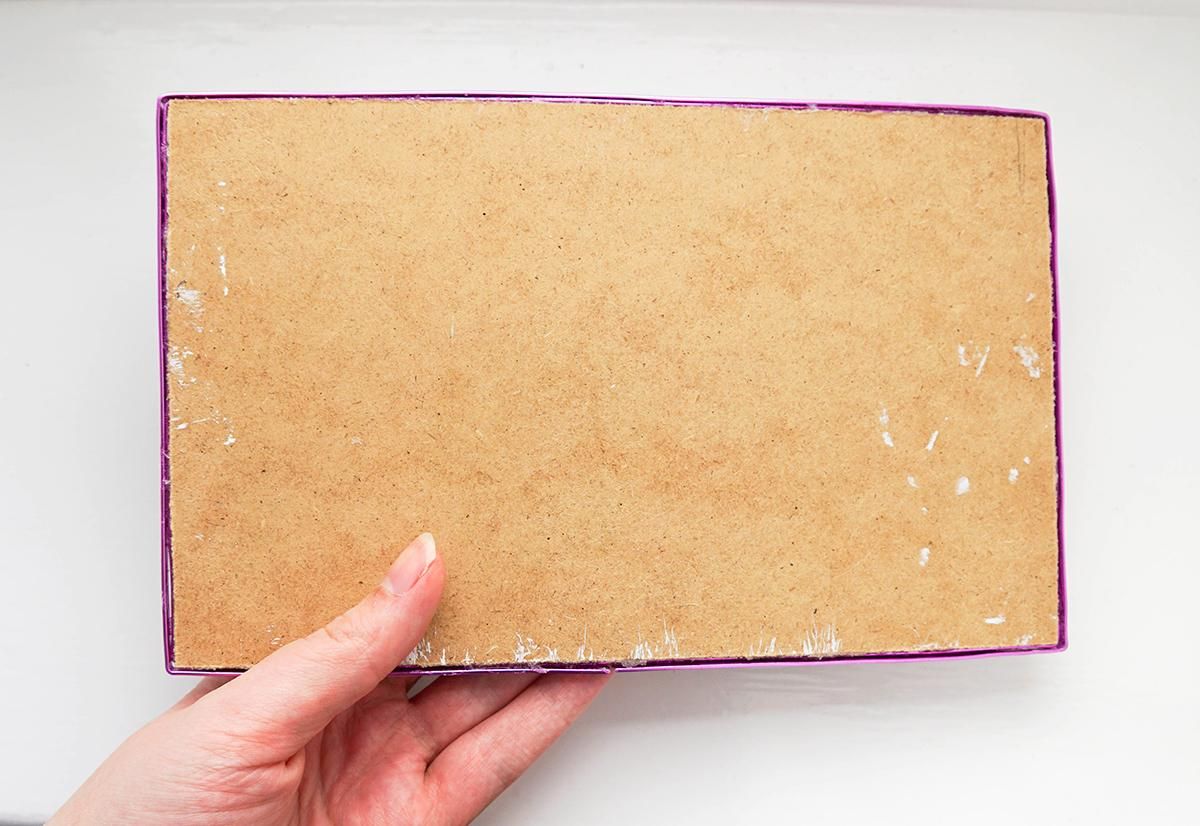
A border finishes off the board nicely, and to do this I simply made a pink wire rectangle that fit around the outside, and glued it in place. Masking tape helped to hold it in place as it dried.
I then repeated this again so I had a 'double border'.
Take the sign over to a bin and use a brush to remove all the little flecks of metal to clean it up.
Yarn Embellishment

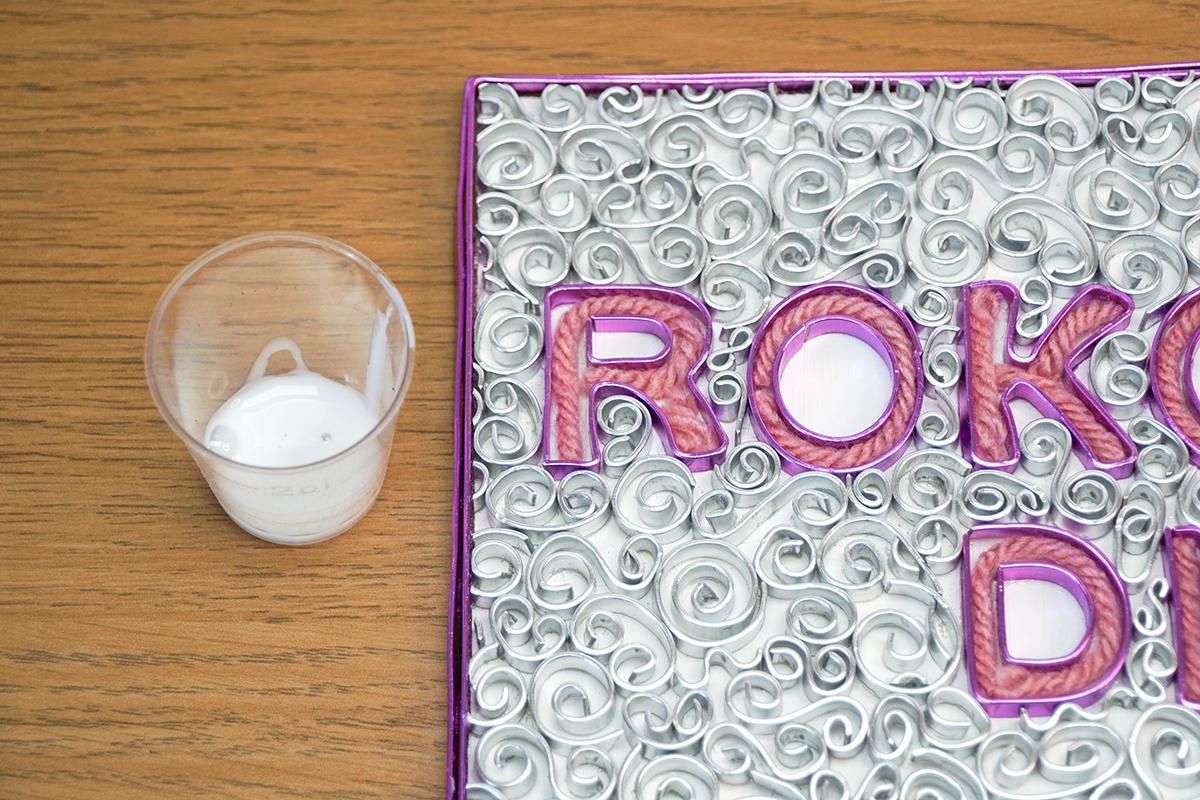

And as the very last step, in order to add a bit of softness and variety to the textures, I then glued some yarn inside the letters using PVA glue.
Finished!
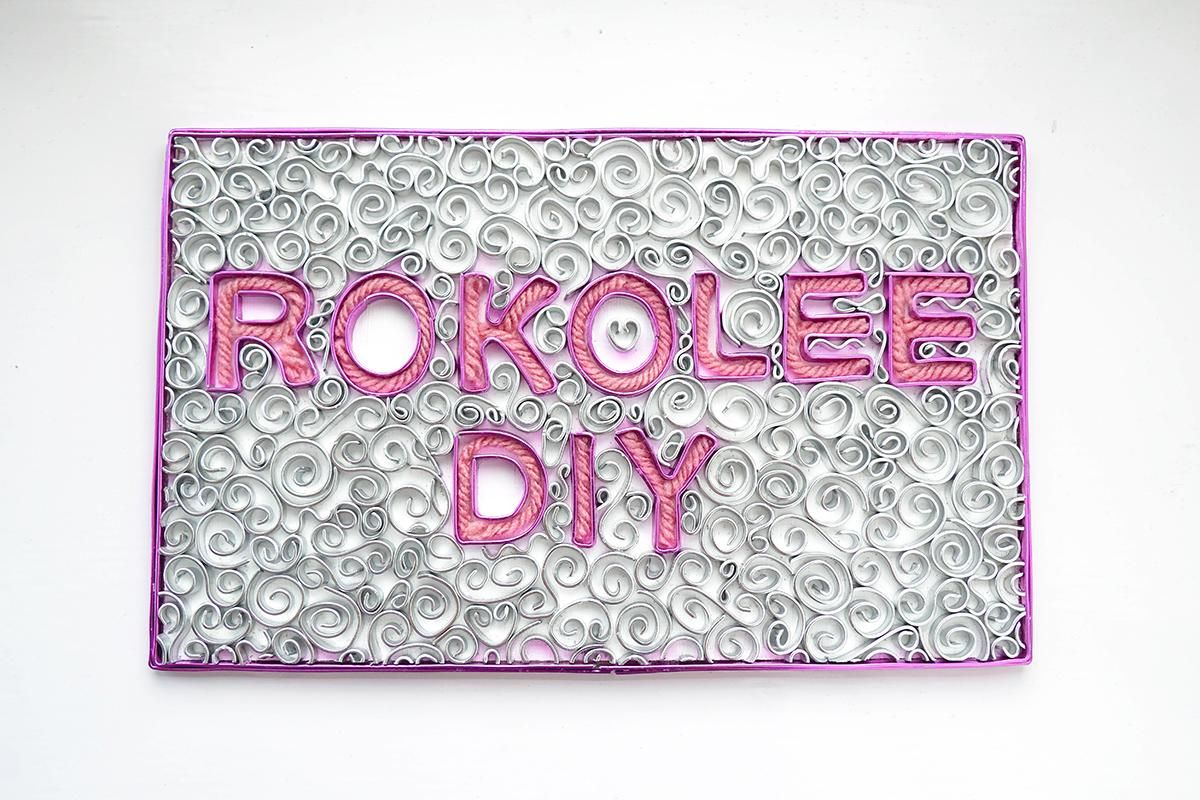
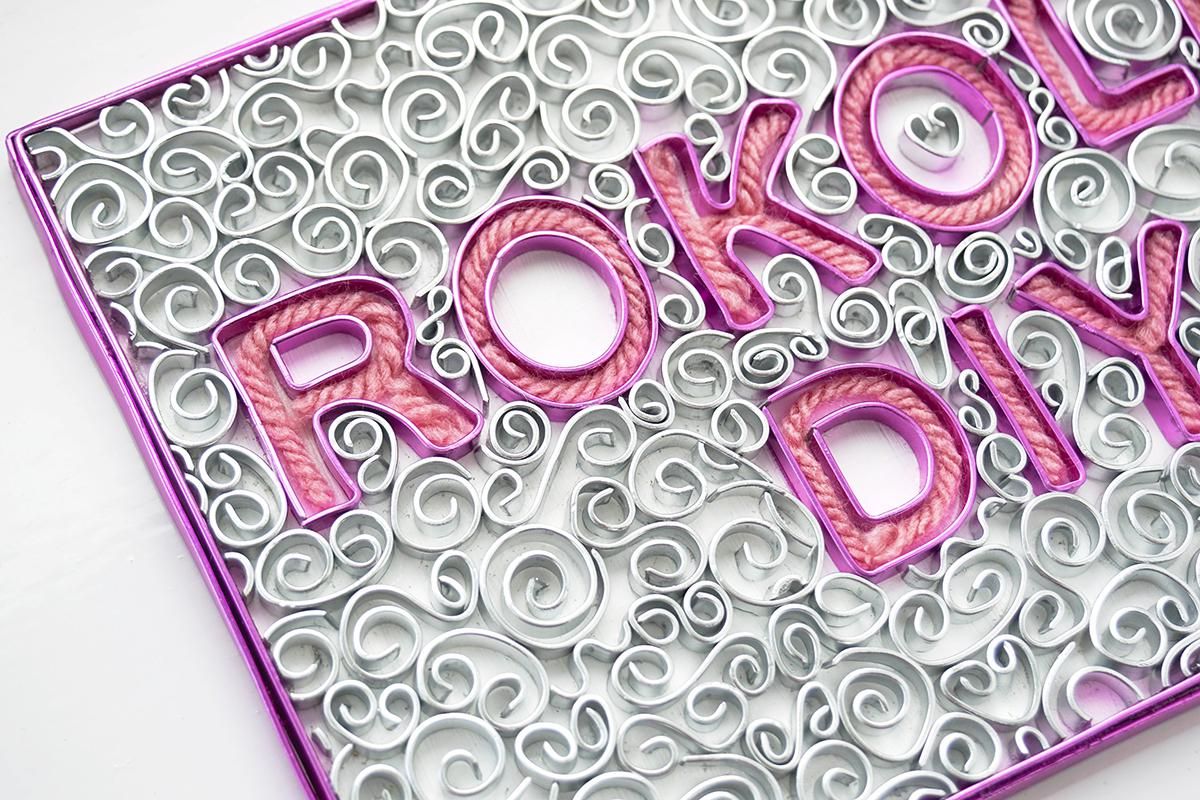
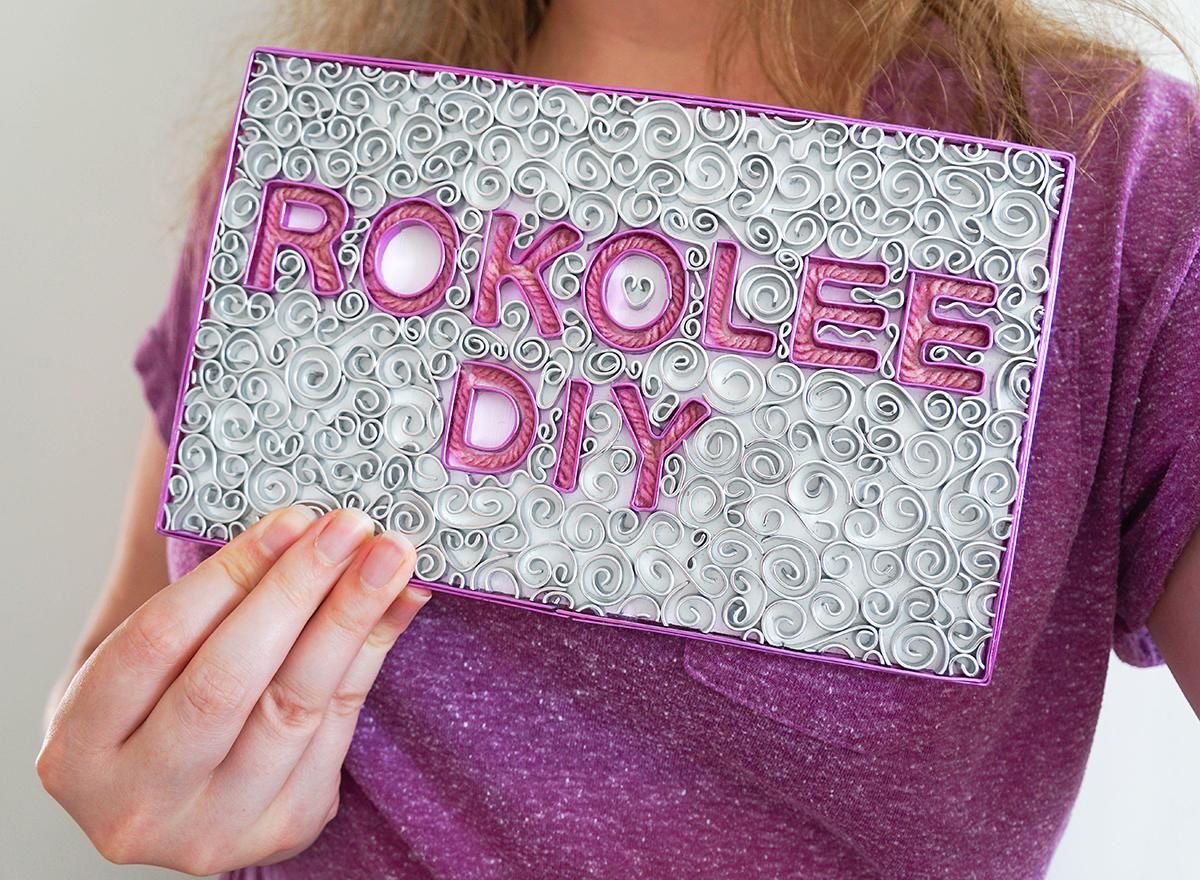
And that's it, that's how you quill with metal!
I really hope you enjoyed this project :)