How to Add a Hidden Pocket to an Academic Robe
by lainealison in Craft > Sewing
2317 Views, 9 Favorites, 0 Comments
How to Add a Hidden Pocket to an Academic Robe

Originating in the Middle Ages (400–1399), academic regalia's trademark long robes worn by scholars and clergy were first seen in early universities such as the University of Oxford and Cambridge. These garments were designed for warmth, modesty, and scholarly identity, and their basic form has remained recognizable for centuries. While academic robes have remained largely unchanged, everyday clothing has evolved significantly since that time, especially during the Victorian era (1800–1899), when hidden pockets and more functional clothing adaptations became increasingly common. This project reimagines academic regalia if it were created in the Victorian era and solves a real, present-day problem I face several times a year: Where do I put my phone when I'm wearing a graduation robe?
This project explores how academic gowns may have been designed if they were introduced in the 1800s and adopts one key Victorian innovation: hidden pockets. The "hidden pocket" that emerged in the Victorian Era was primarily a large, pear-shaped, detachable pouch worn under skirts and accessed via side-seam slits. These versatile pockets allowed women to carry substantial items, including keys, money, and sewing supplies, without disrupting the silhouette of their dresses. The goal of this project is to emulate this using one of the only "side seams" available on a graduation gown - the side seam of the billowy sleeve. (While many high school graduation gowns do have side seams down the body of the gown, higher-quality robes often used for those with advanced degrees are created differently and, to be frank, are shockingly low on accessible or useful seams for pockets.) By sewing a discreet hidden pocket into a modern graduation gown, I aimed to preserve the traditional silhouette of an academic robe while adding the practical functionality characteristic of 19th-century garment design.
And for readers who are less interested in the historical inspiration, this Instructable serves as a practical step-by-step guide for adding functional hidden pockets to a graduation gown for someone with only basic sewing skills.
Supplies
For this project, you will need the following:
Materials
- Graduation gown
- 6" zipper
- Less than 2 square feet of fabric (for the pocket)
- Thread
Tools
- Needle
- Seam ripper
- Scissors
- Sewing machine (optional)
Size and Create the Pocket

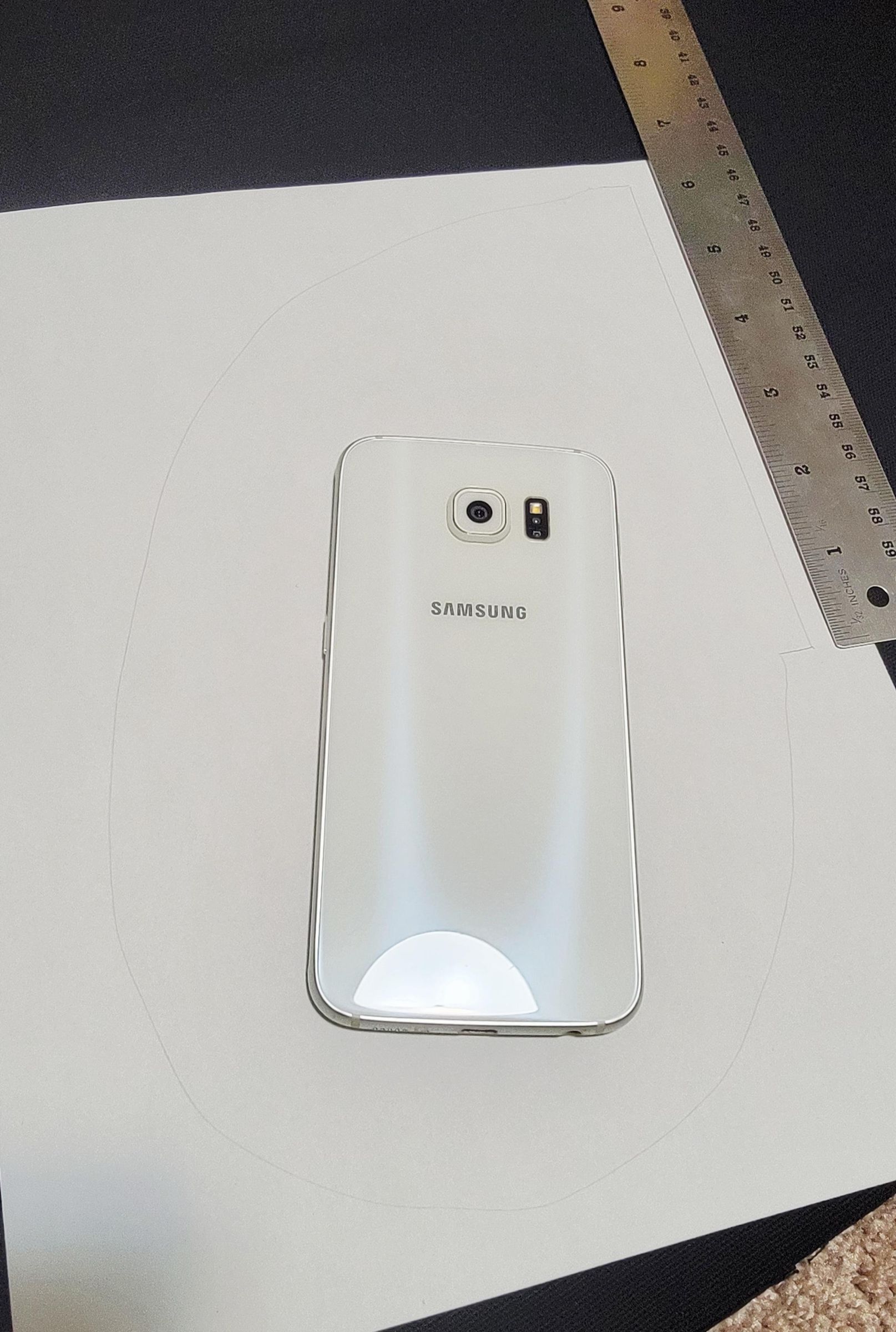

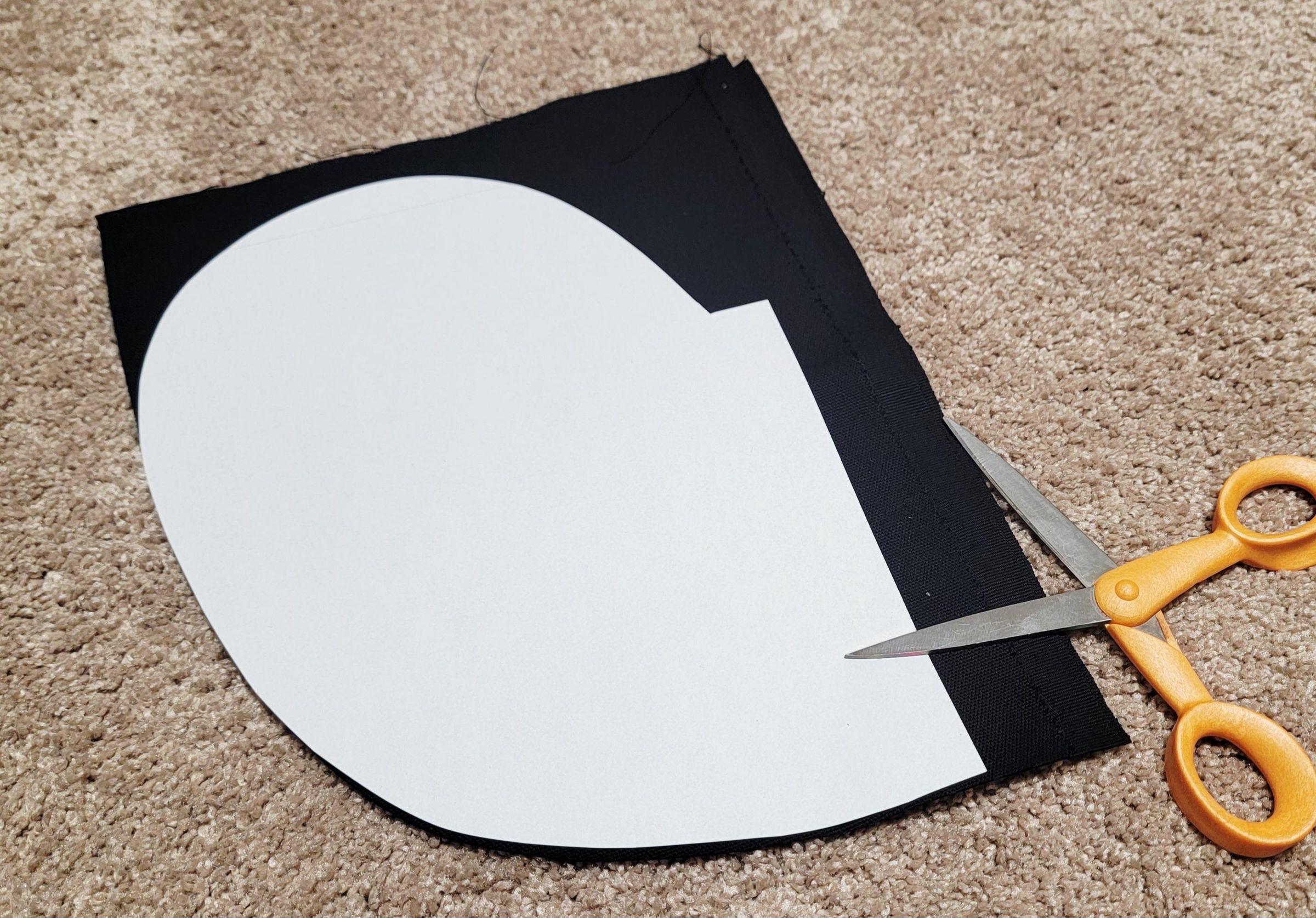
I have included a .pdf template of a Victorian-inspired pocket that will be big enough to hold both a cell phone and keys. If you would like to use this design, simply print the .pdf on a standard 8 1/2" x 11" piece of paper, and it will be scaled appropriately for you to cut and use. Based on what your primary needs are for what you want to keep in your pocket, though, you can sketch out your own, custom pocket shape/size. (Note: If you draw your own template, make sure to add about a half inch outside of the size you want the pocket to be for a seam allowance and make sure the opening is ~6 inches, unless you want to select a larger zipper as well.)
Once you have your template paper, cut it out and pin it to a doubled layer of fabric of your choice. Then, cut the fabric around the template. You should have two pocket pieces when you are done.
I used a fairly sturdy black fabric so that the pocket would be subtle and strong, but feel free to be bold and use a pop of color if that's your vibe (and/or if you want to make sure other people see it and get extra jealous of your sweet hidden pocket).
Downloads
Place/Locate the Pocket
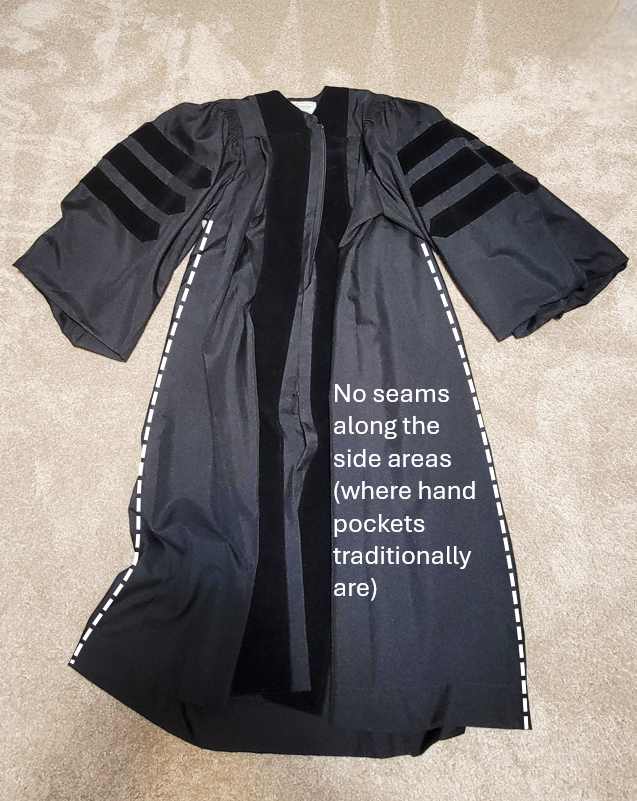

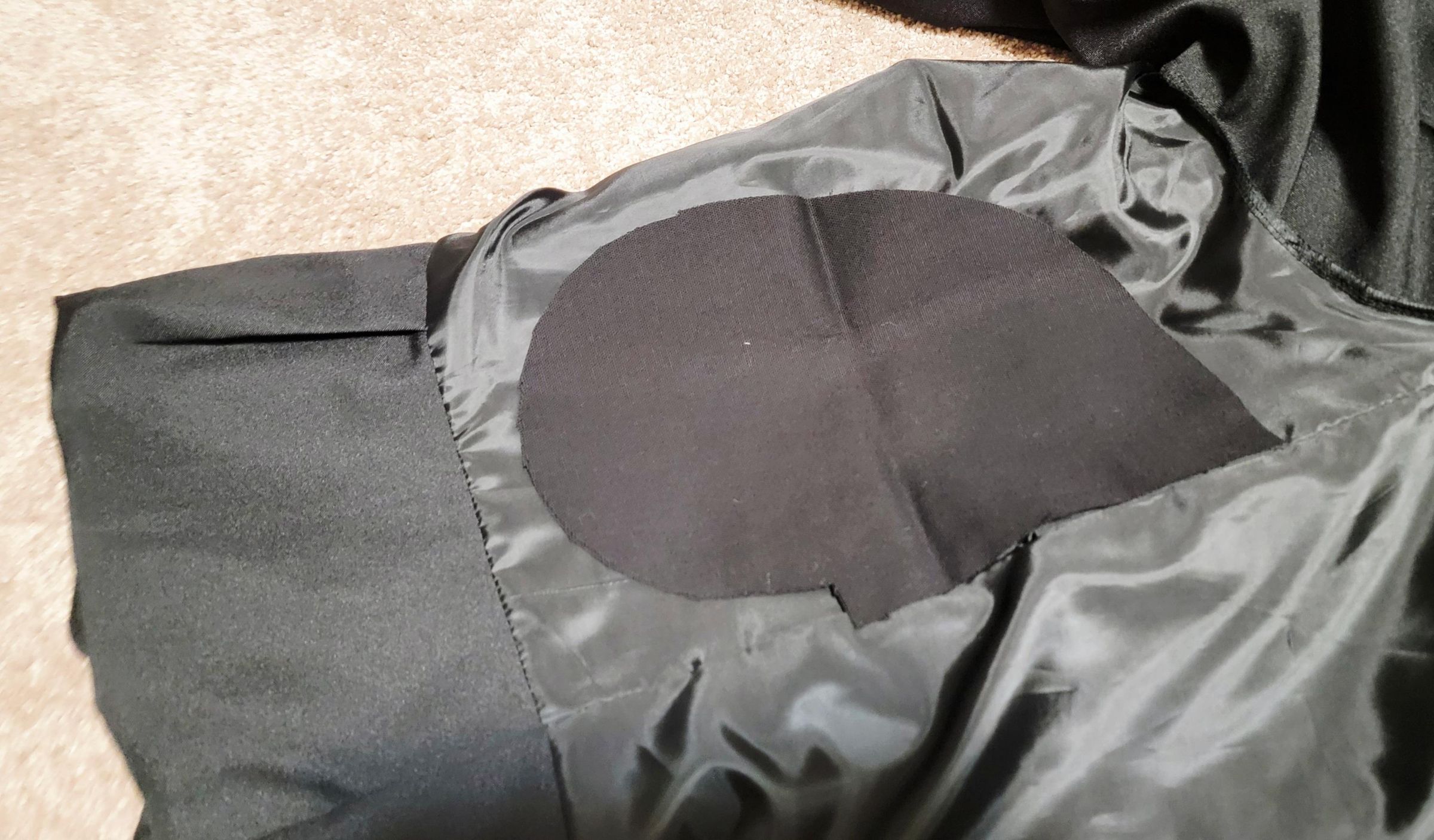
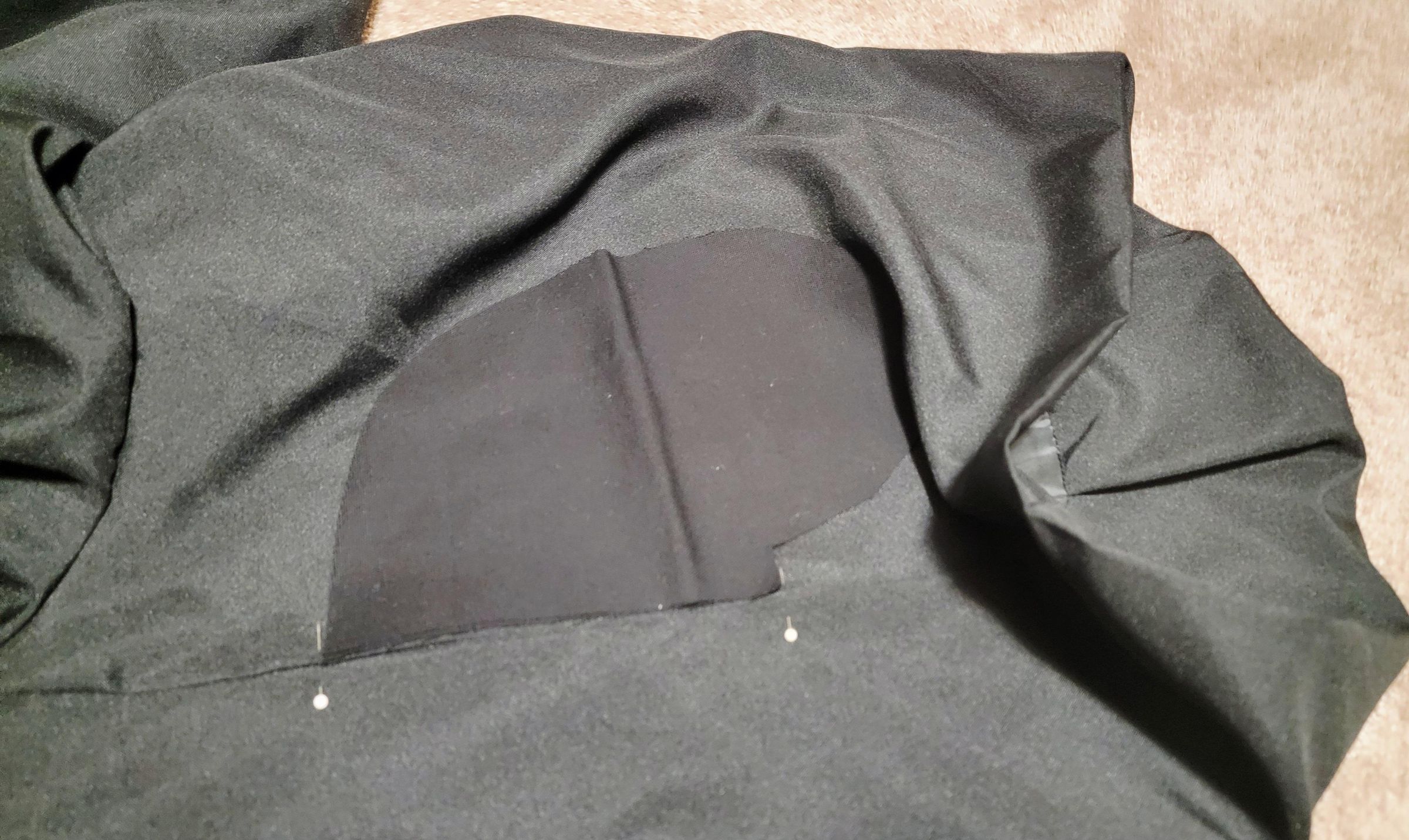
As previously mentioned, the sides of most advanced degree robes do not have seams. However, the giant fluffy sleeves were destined for concealing contraband. The seam on the underside of the sleeve is the perfect hiding spot, and that is where I will place my pocket.
You can technically put your pocket anywhere along this seam, however I recommend flipping the sleeve inside to see where the lining ends and trying to place the pocket high enough so it doesn't hang below the lining. Once you have found that spot, mark both sides of the opening with a pin so you know where to install the zipper in the next step.
Note: If you are using this tutorial for a high school gown, you can use the same steps and place your pocket at a standard "hand level" down the side seam.
Install the Zipper
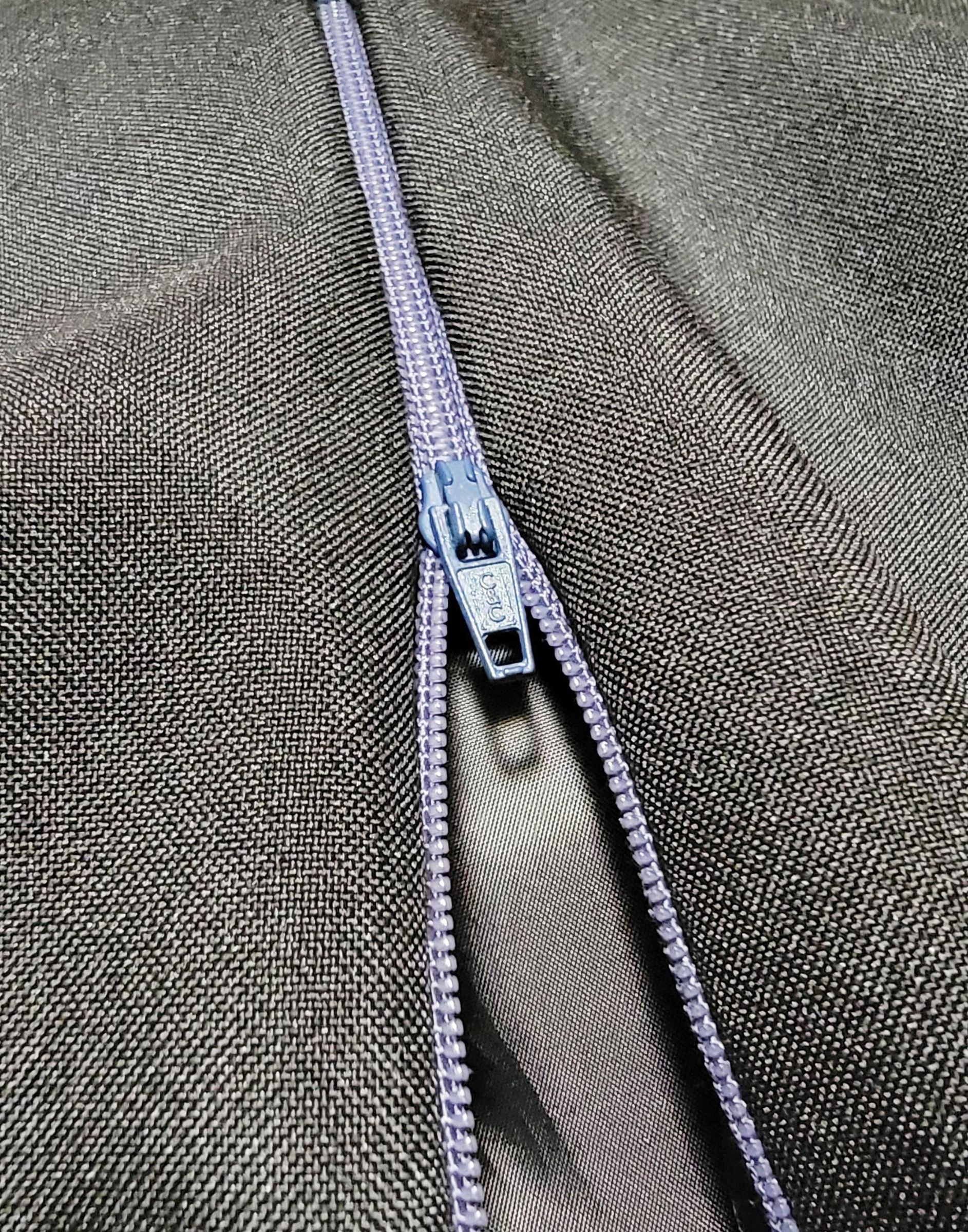


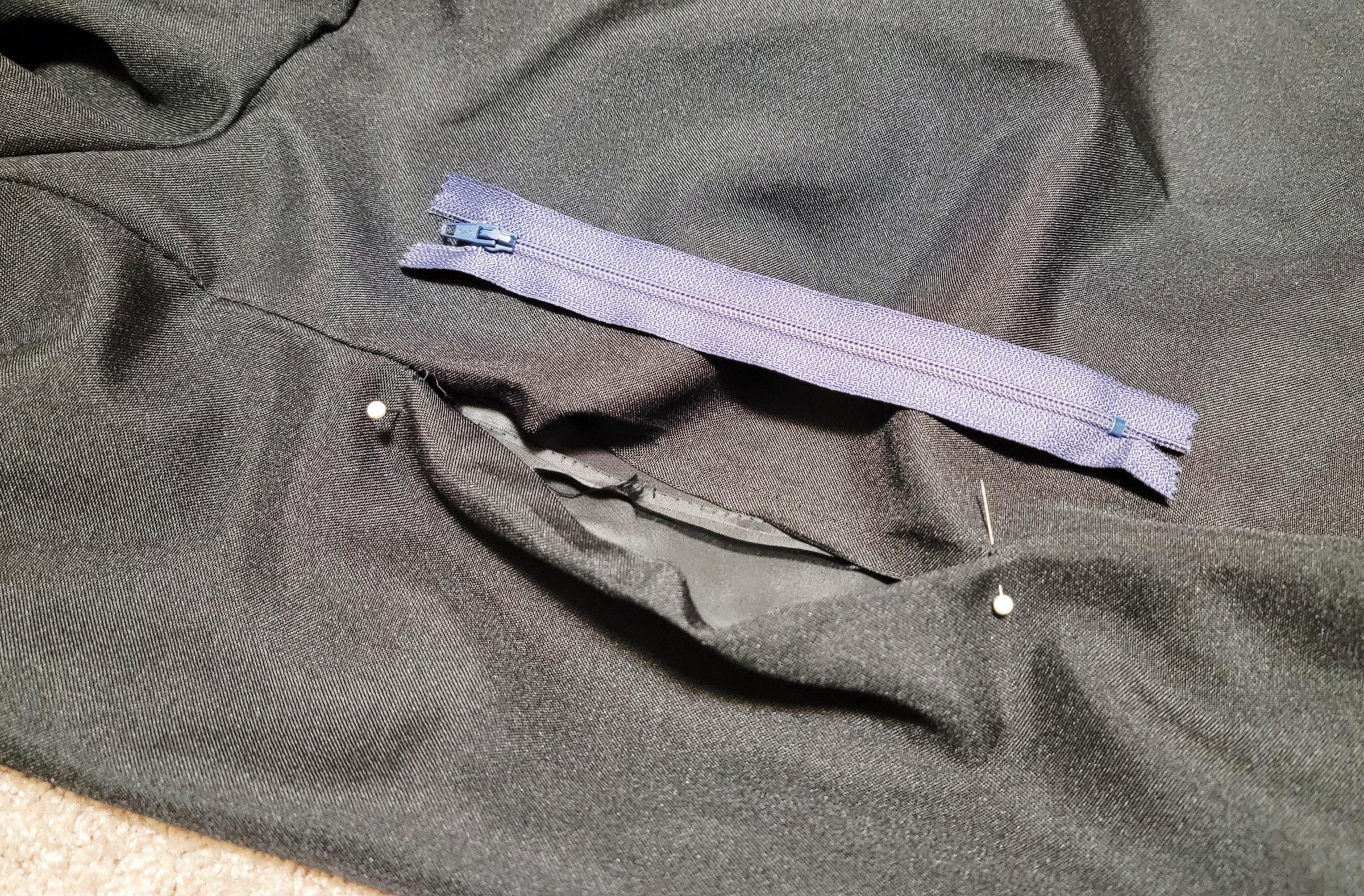


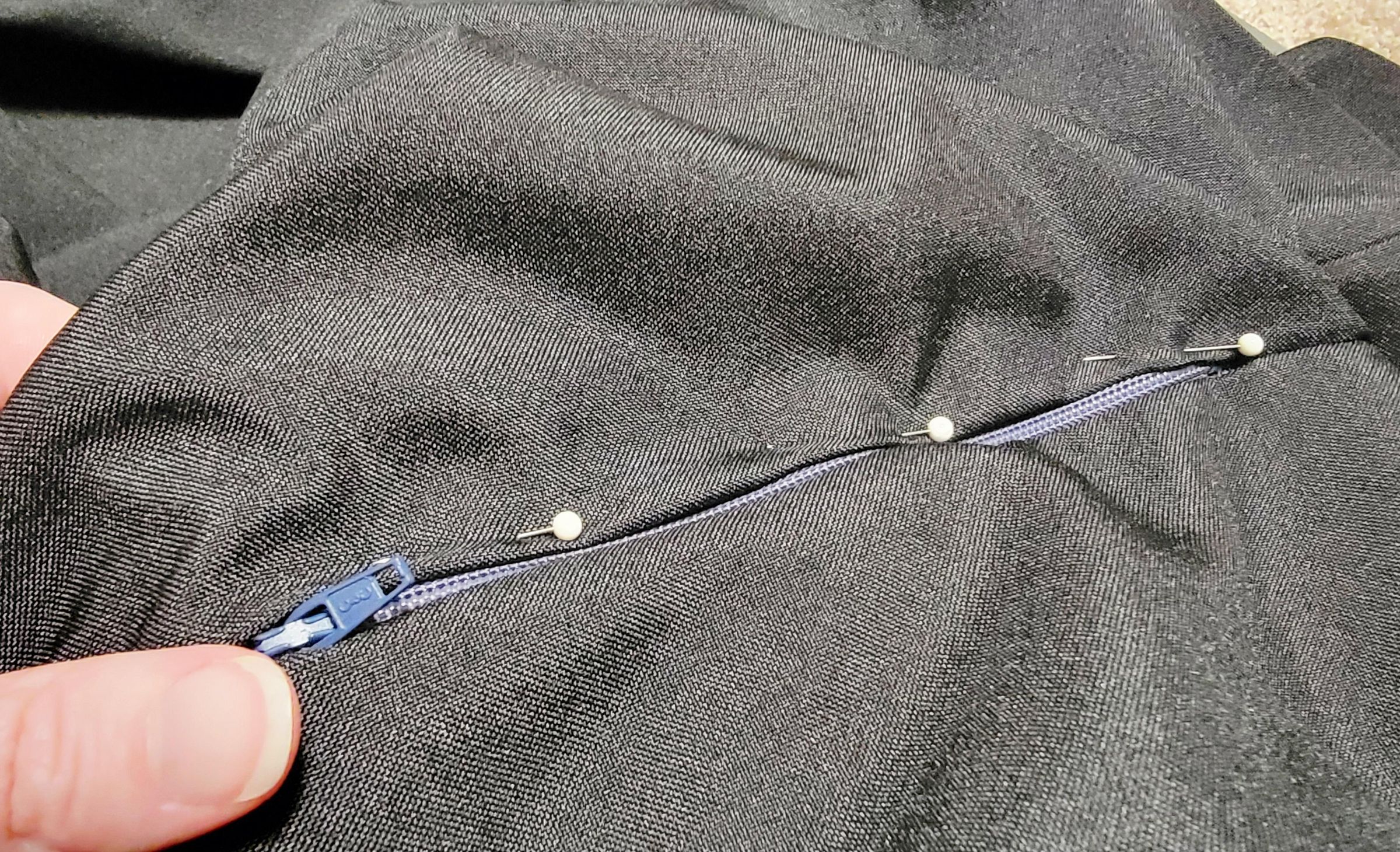

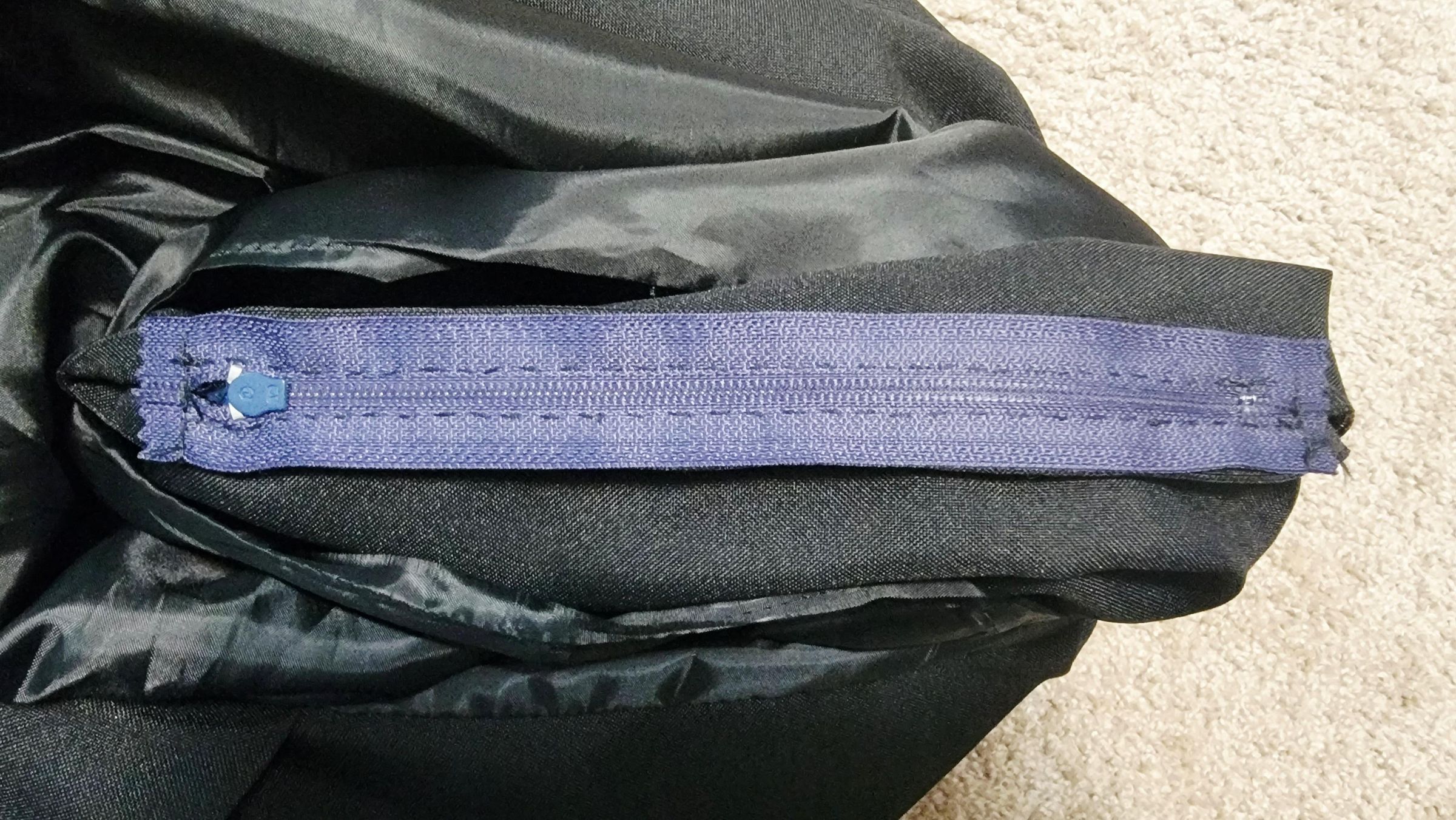
Once you have decided where the opening for your pocket should be, the first step is to open up the seam so you can add your zipper. Carefully undo the seam stitches (only in this area) using a seam ripper for both the outside fabric. If your garment has a lining, open up that seam as well. (Opening up the lining will allow you to work on the back/inside of the sleeve.)
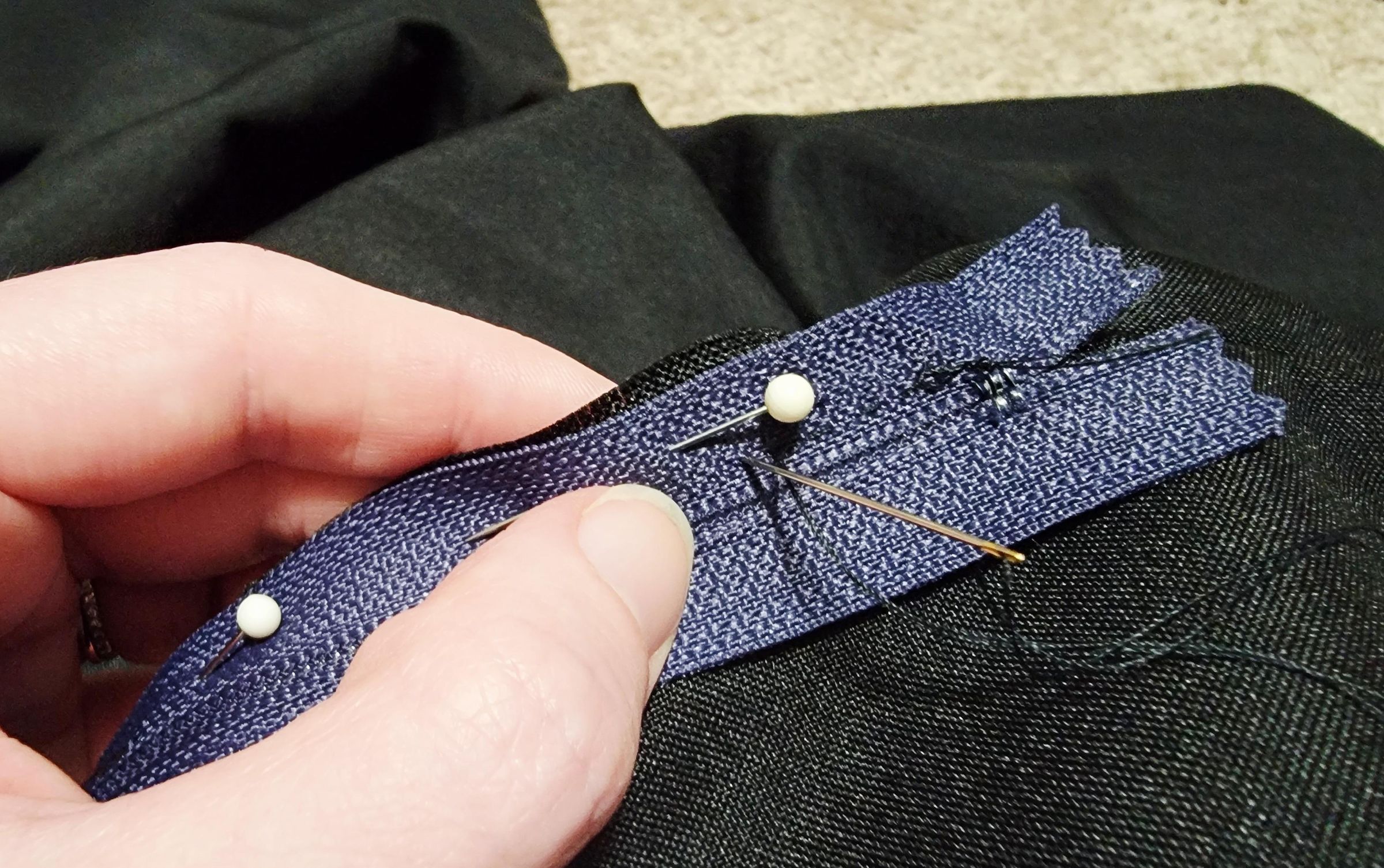
Lay your zipper next to the hole you have created and begin to pin it in place, one side at a time, so it looks and functions the way you will want it to look when the pocket is complete. Then, in order to conceal the zipper, flip to the back/inside of the sleeve and adjust the pins so they are only connected to the seam allowance of the fabric you just opened up (as shown in the pictures). Do this on both sides.
Stitching by hand (with a needle and thread) or using a sewing machine (with a zipper foot), stitch all the way around the zipper to secure it to the hidden seam allowances as shown. While some people are masterful with a sewing machine, I have had bad experiences with zipper installation using my machine and prefer to stitch these by hand (as seen in the images).
If you are very, very new to sewing and need a little more help to get started, check out the links below:
- If you want to give zipper installation a go with your machine but are feeling a little hesitant, check out the helpful Instructable here for some tips.
- Want to do it by hand? Build your confidence with this seam tutorial instead.
Attach the Pocket
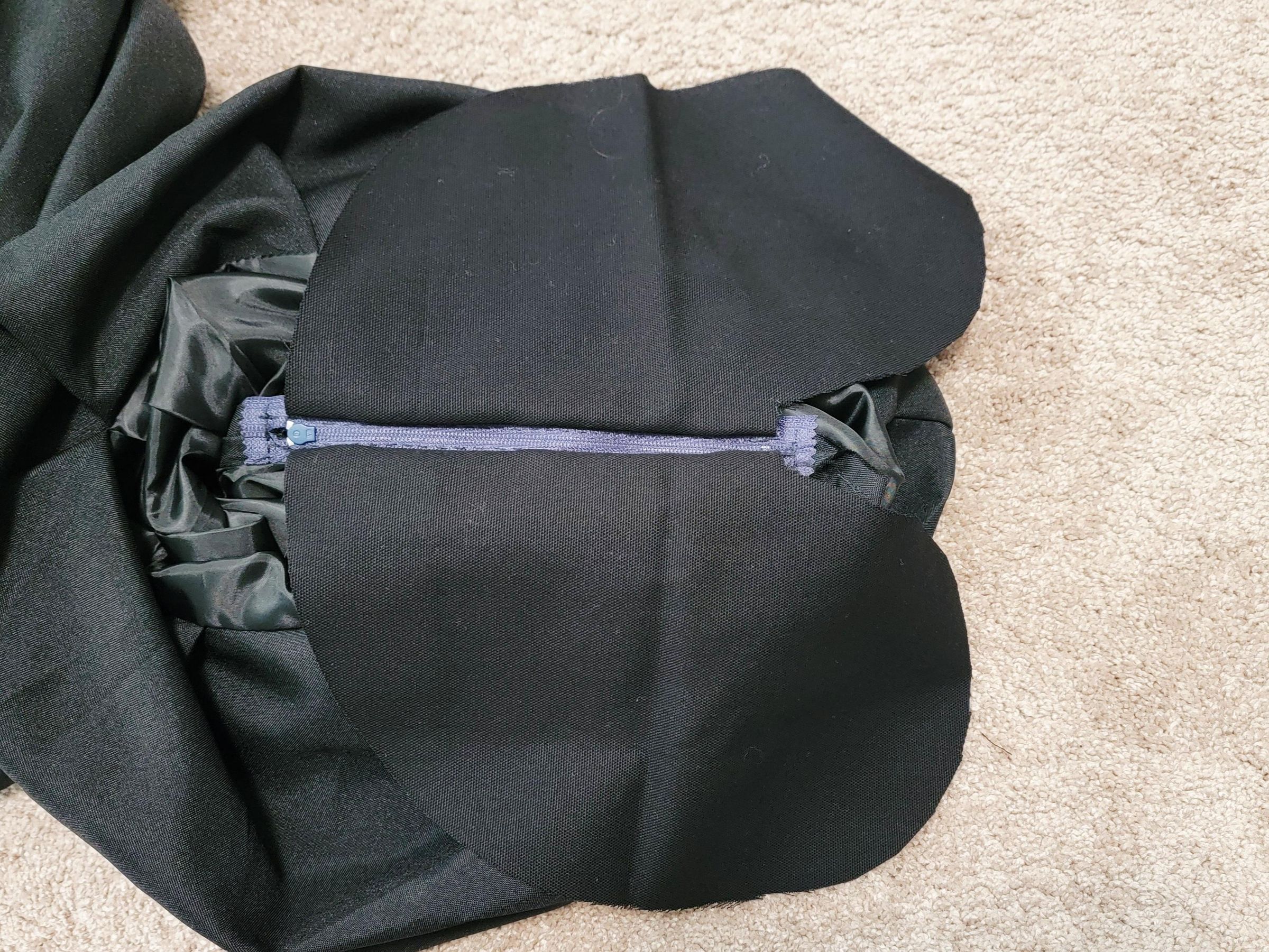


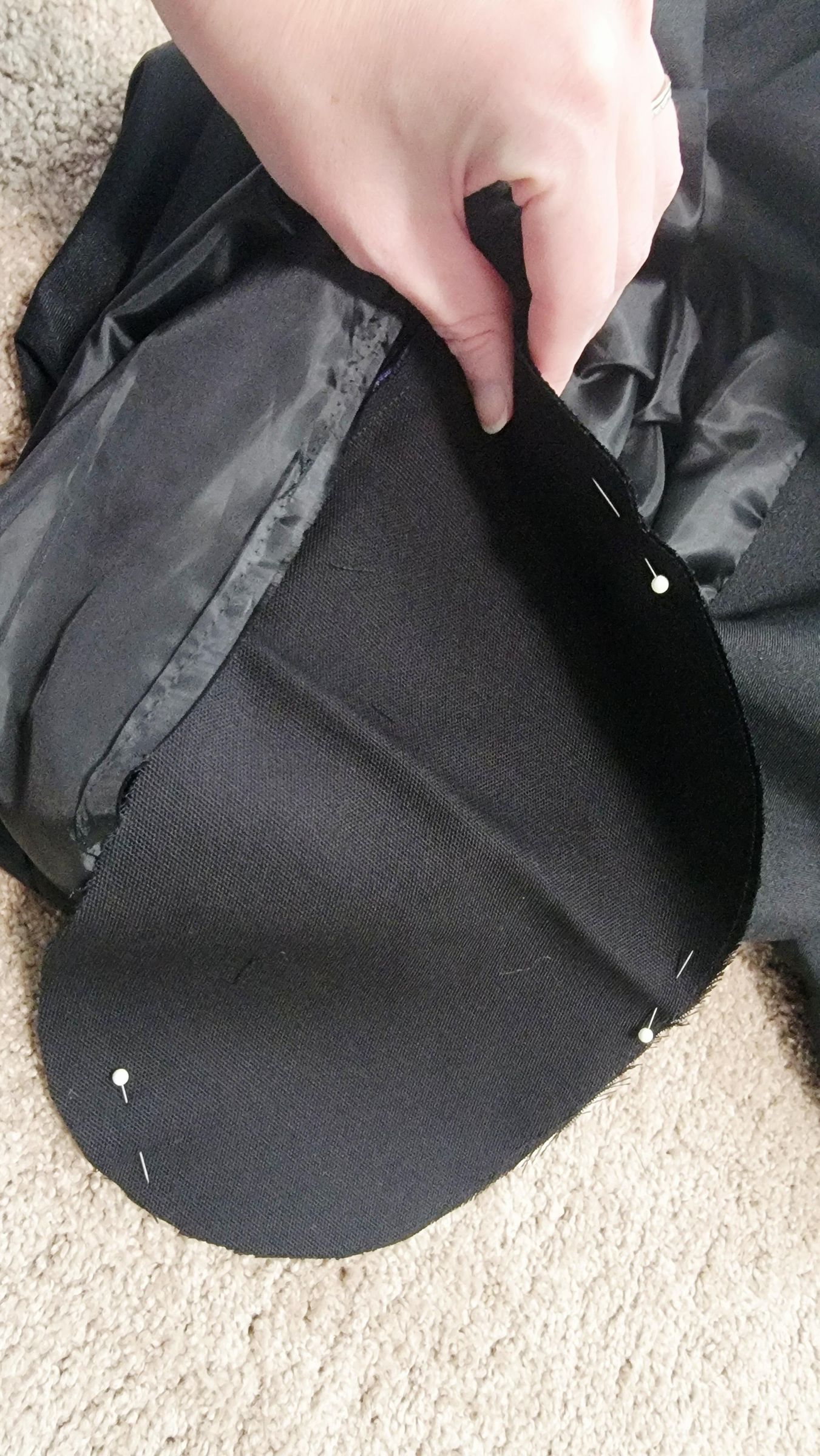
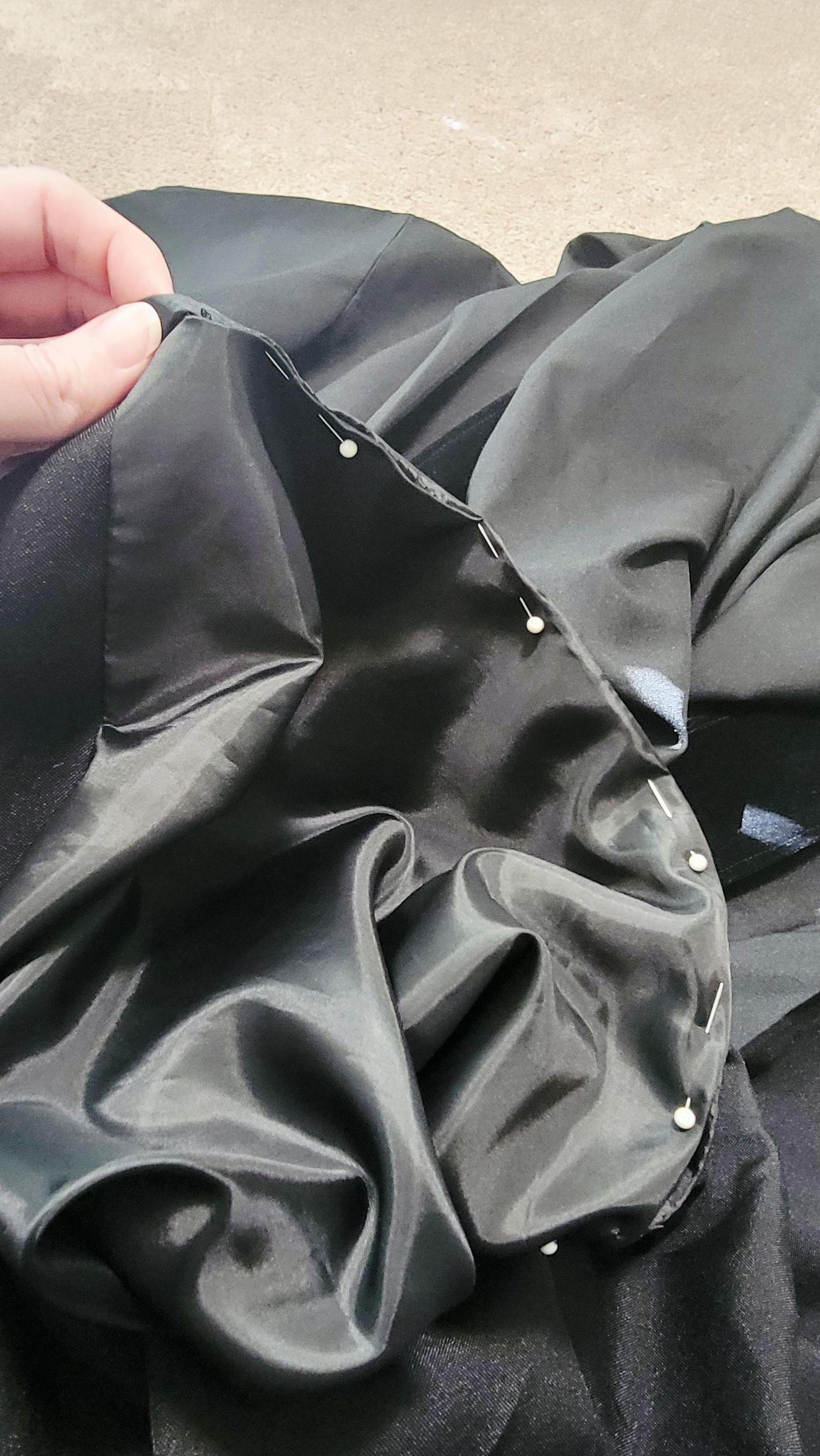

Now that the zipper is in place, you can attach the pocket pieces, one side at a time. Pin each pocket to the unseen portion of the zipper, with right sides facing each other, as shown in the images. Stitch them in place along the edge of the zipper to create the butterfly-like image shown. The final step to finish your pocket is to sew all around the outer edge of the pocket, as pinned in the images.
With your pocket complete, it's time to wrap up the rest of the details.
- Make sure you put a few stitches in your gown fabric at the edges of the zipper where you originally opened up the seam to make sure it doesn't unravel further, and
- If you are working on a gown with a liner, don't forget to close up the hole you created in the lining after your pocket is complete.
Wear and Enjoy

.jpg)
.jpg)
And that's it! You now have a functional hidden pocket in your graduation gown. (Need more storage? Feel free to add a pocket to both sleeves!)
To honor the historical connection of this project, it should be noted that this garment modification has used one tool that was not available in the Victorian era. While the sewing machine was in use during that period (initially invented in 1790 and patented in 1846), zippers did not emerge until the 20th century. The ideology of the functional, hidden pocket remains markedly Victorian, however.
So, whether you want to discreetly keep some money, your phone, or keys in your sleeve, or you want to be a hero when, during the reading of a long, long list of the names of graduates you are honoring, you magically produce snacks for your seat neighbors, this pocket will do the trick. Enjoy!