How to Build a Daily Yoga Practice: a Beginner's Guide to Yoga in Rishikesh
by rishikeshyogavalley369 in Living > Health
17 Views, 0 Favorites, 0 Comments
How to Build a Daily Yoga Practice: a Beginner's Guide to Yoga in Rishikesh
Yoga is more than physical exercise. A regular practice can bring together movement, breathing, concentration, relaxation, and self-awareness.
If you are new to yoga, it can be difficult to know where to begin. This guide explains a simple way to build a consistent yoga practice, from preparing your space to combining asanas, pranayama, and meditation.
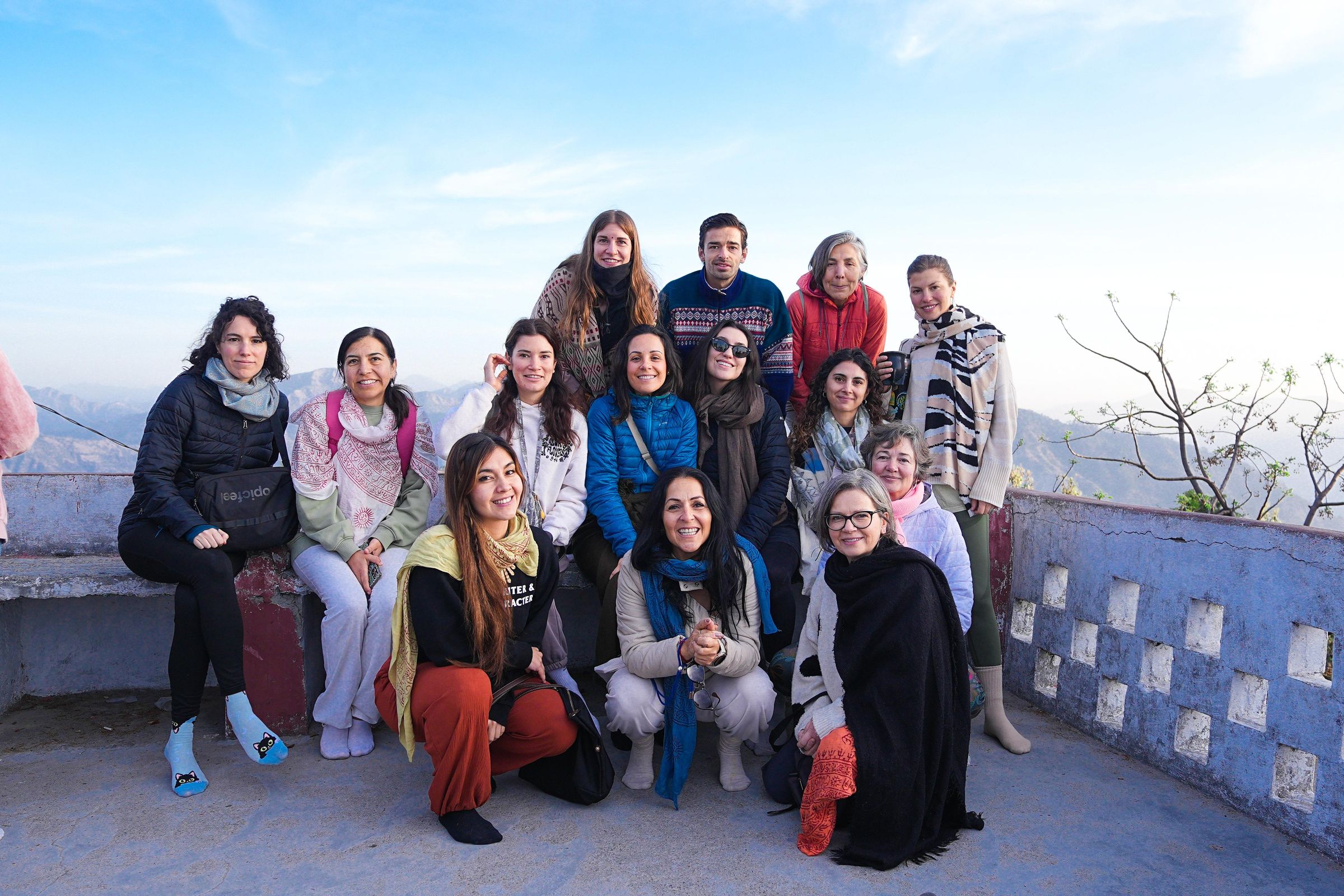
Rishikesh, India, is well known for its yoga traditions and has become a popular destination for people who want to study yoga more deeply. Students who want to move beyond personal practice can also explore structured programs such as a 200 Hour Yoga Teacher Training in Rishikesh.
The purpose of this guide is to provide a practical starting point that can be adapted to different experience levels.
Supplies
Yoga mat
Comfortable clothing
Quiet and clean practice space
Water
Cushion or folded blanket for meditation
Optional yoga blocks or strap
Notebook for recording your practice
20–45 minutes of uninterrupted time
Prepare Your Practice Space
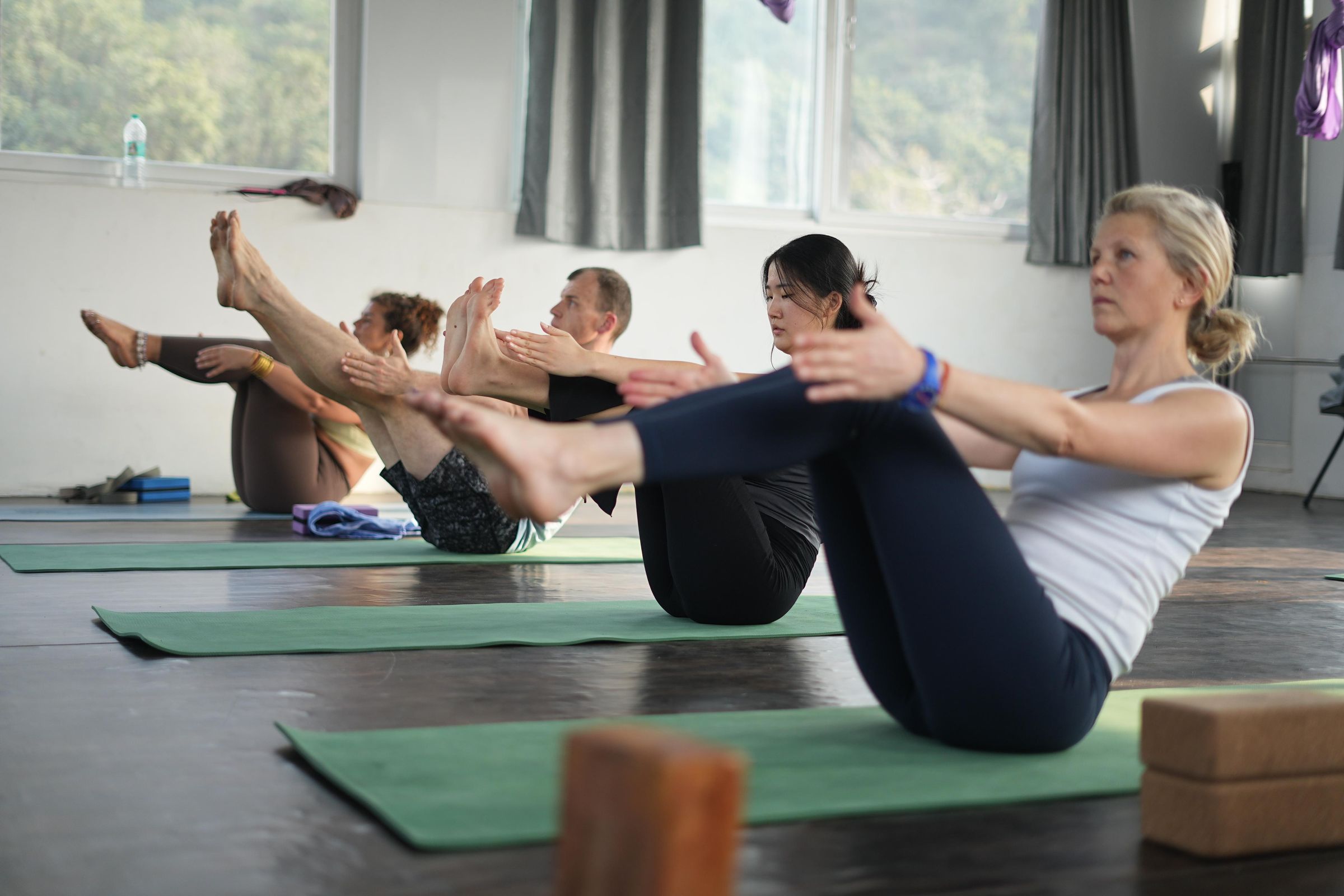
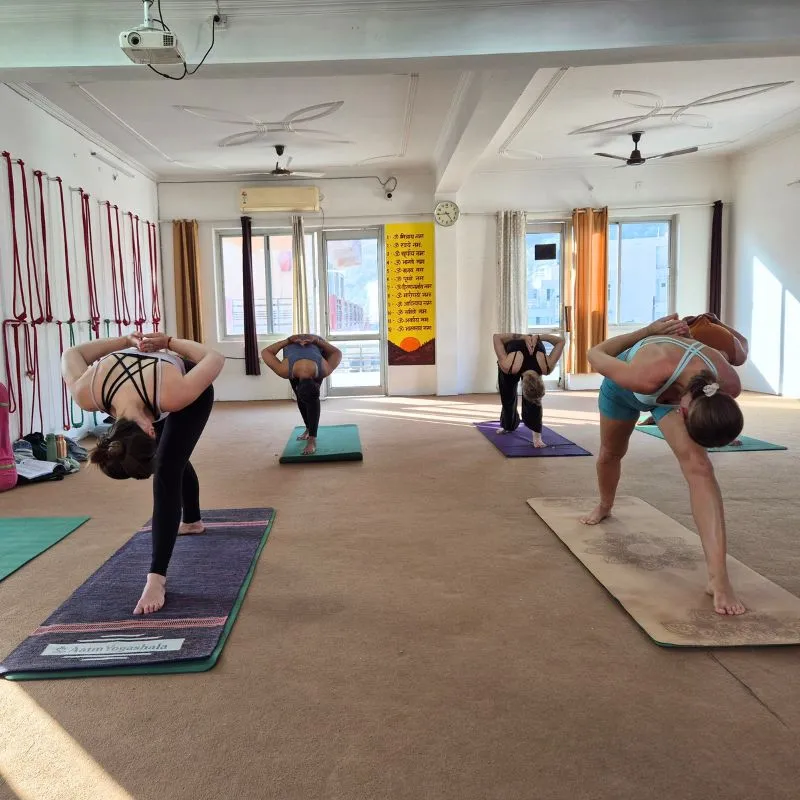
Choose a clean, comfortable area where you can move without obstacles. Place your yoga mat on a stable, non-slip surface and keep water nearby.
Try to remove distractions such as your phone or unnecessary noise. A consistent place and time can make it easier to turn yoga into a regular habit.
You do not need an elaborate studio. A quiet corner of your home can be enough to begin.
Begin With Gentle Movement
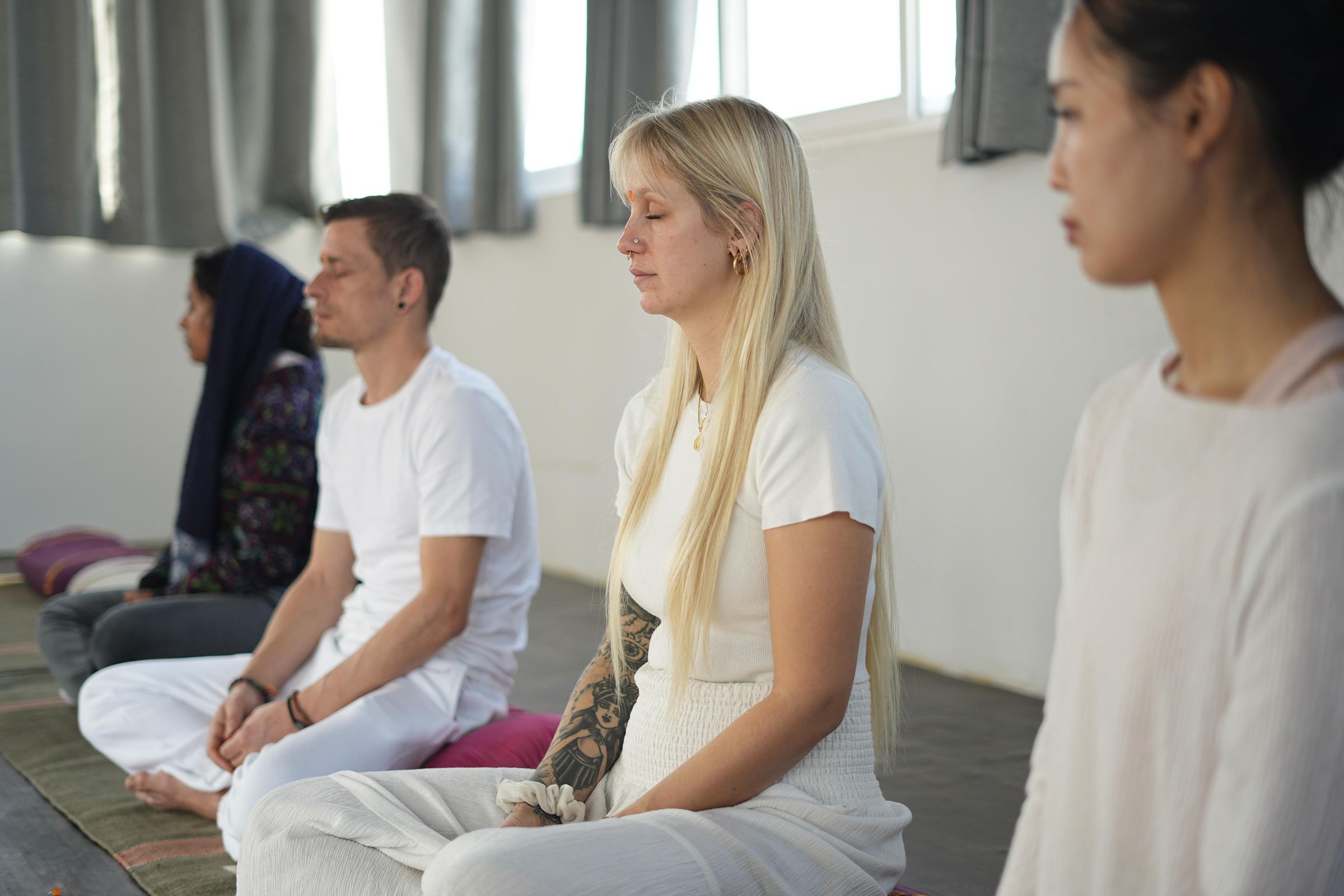
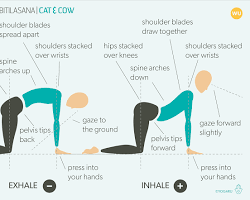
Start with 5–10 minutes of gentle movement. This can include comfortable seated movements, neck and shoulder mobility, cat-cow movements, gentle twists, and easy standing stretches.
Move slowly and pay attention to how your body feels. The purpose of the beginning of a session is to gradually prepare the body rather than immediately attempting difficult poses.
Practice Basic Asanas



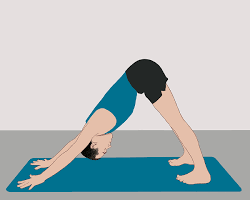
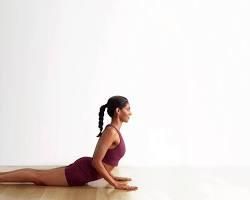
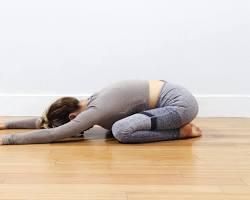
After warming up, choose a small number of comfortable yoga postures.
A beginner sequence could include:
- Mountain Pose (Tadasana)
- Cat-Cow (Marjaryasana-Bitilasana)
- Child's Pose (Balasana)
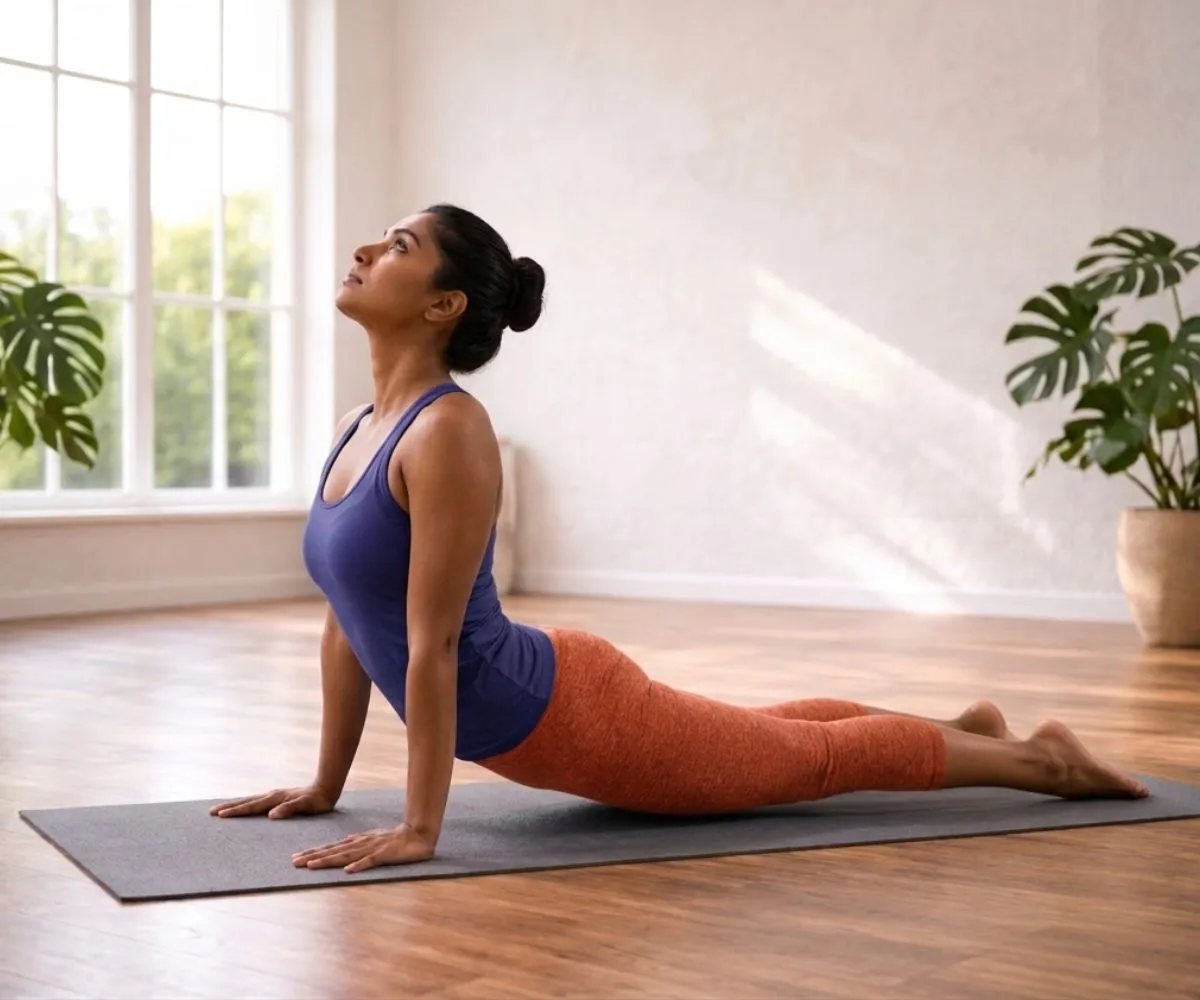
- Cobra Pose (Bhujangasana)
- Downward-Facing Dog (Adho Mukha Svanasana)
- Seated Forward Fold (Paschimottanasana)
- Easy seated position for relaxation
Focus on steady breathing and controlled movement instead of trying to achieve the deepest possible stretch.
If a posture causes sharp pain, stop and choose a more comfortable variation.
Add Pranayama
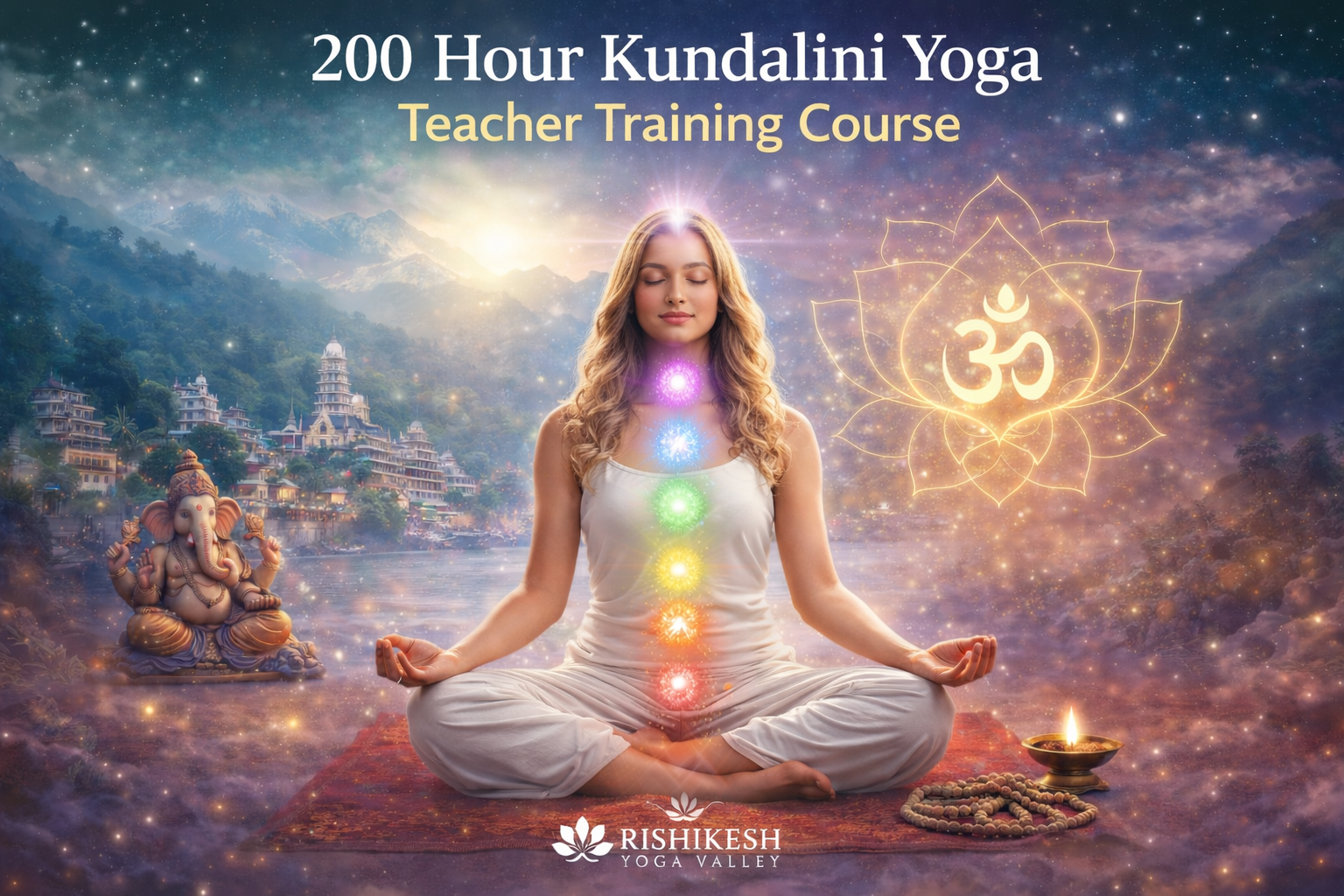
Once the body has settled, spend a few minutes practicing simple breath awareness.
Sit comfortably and observe your natural breathing. Gradually make the inhalation and exhalation smooth without forcing the breath.
Beginners can learn basic pranayama techniques under the guidance of a qualified teacher. Traditional practices such as Nadi Shodhana are often included in structured yoga education.
The purpose is to develop awareness of the breath and create a calm transition toward meditation.
Practice Meditation
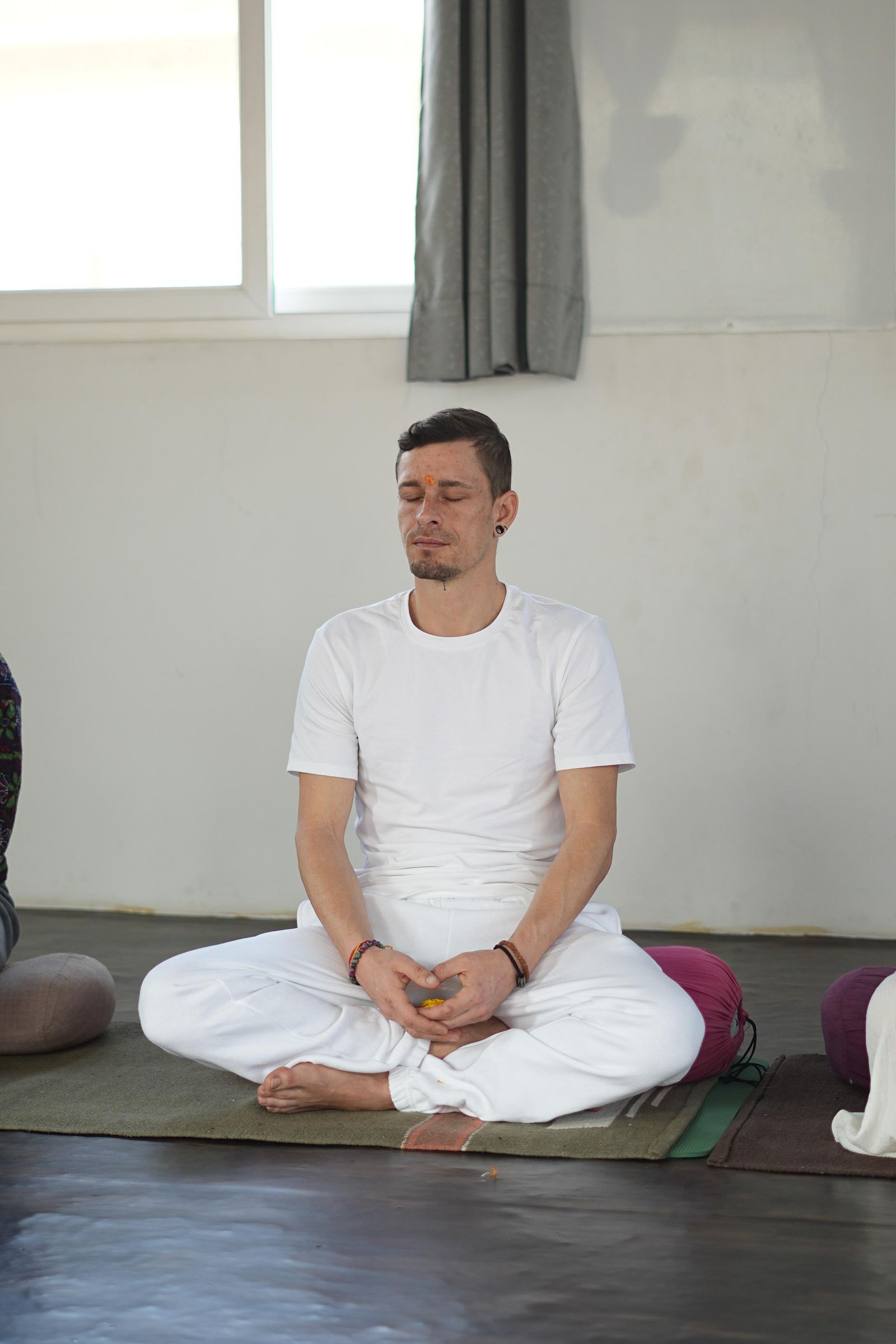
Finish the physical practice with a few minutes of quiet meditation.
Sit comfortably with the spine naturally upright. Close your eyes and bring your attention to your breathing. When your mind wanders, gently return your attention to the breath.
Start with 5 minutes and gradually increase the duration as it becomes comfortable.
Consistency is more important than sitting for a long time occasionally.
Create a Consistent Routine
A sustainable yoga practice does not have to be extremely long.
For beginners, 20–30 minutes several times a week can be a practical starting point. As your experience grows, you can gradually increase the duration and explore different yoga styles and practices.
Keep a simple journal and record the date, duration, practices, and how you felt afterward. This can help you notice your progress over time.
Learn Yoga More Deeply
Regular home practice is a good beginning, but structured education can provide a deeper understanding of yoga.
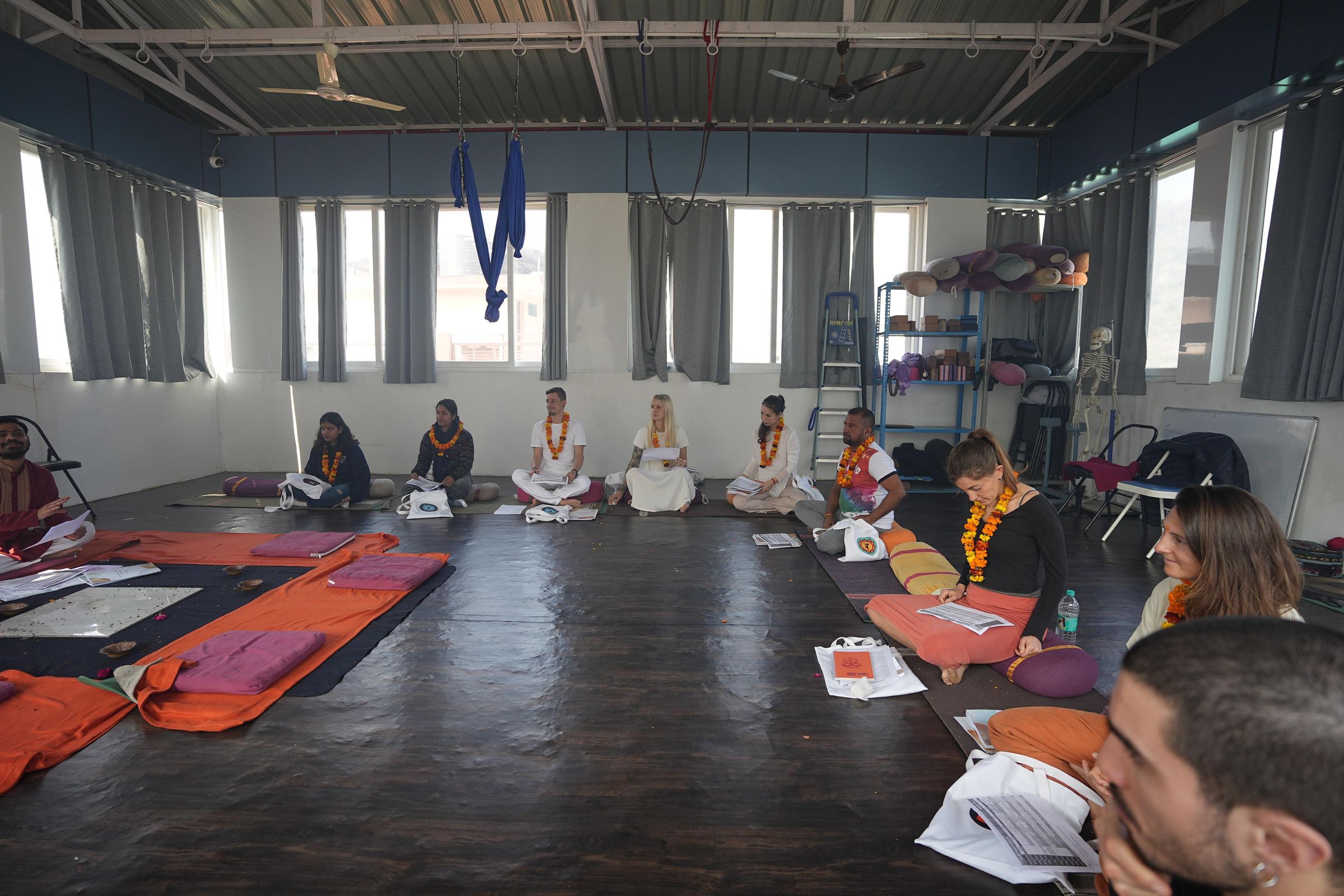
Students interested in teaching or developing a stronger foundation can explore a 200 Hour Yoga Teacher Training in Rishikesh. A comprehensive program may include asana, pranayama, meditation, anatomy, yoga philosophy, and teaching methodology.
Studying in Rishikesh also gives students an opportunity to experience yoga in an environment closely connected with India's yogic traditions.
Learn more about the training at Rishikesh Yoga Valley:
https://rishikeshyogavalley.com/200-hour-yoga-teacher-training-in-rishikesh-india/
Practice Safely
Yoga should be approached with patience and awareness.
Do not force your body into a posture simply because someone else can perform it. Use modifications when necessary and gradually develop strength, mobility, and balance.
If you have an injury, medical condition, or other concern about physical activity, speak with an appropriate healthcare professional before beginning a new exercise routine.
Learning directly from an experienced yoga teacher can also help you understand alignment, breathing, and appropriate modifications.
Conclusion
Building a yoga practice is a gradual process. Start with simple movements, pay attention to your breathing, finish with relaxation or meditation, and focus on consistency rather than perfection.
For those who want to explore yoga beyond a personal routine, studying in Rishikesh can provide an opportunity to learn traditional practices in a dedicated environment.
A structured 200 Hour Yoga Teacher Training in Rishikesh can be one pathway for practitioners who want to deepen their knowledge and develop practical teaching skills.