How to Complete Marine Raider Couse (Formerly ITC Individual Training Course)
by lenhulse in Living > Education
20 Views, 0 Favorites, 0 Comments
How to Complete Marine Raider Couse (Formerly ITC Individual Training Course)
This is a guide on completing Marine Raider Course
Phase 1
PHASE 1
- Gather all required Documentation and gear for Phase one. You will need your SRB (Service Record Book), Medical records, dental records, Current CAC (Common Access Card), ID Tags with breakaway chain, medical alert tags & bracelet, as well as the dreaded reflective belt. Your gear is standard issue Marine Corps uniforms, and your civilian gear shall consist of Shirts (polo or Button up), pants, belt, socks, Jacket, and new running shoes. You have already completed A&S (Assessment and Selection) and been chosen by the selection team to attend ITC (Individual Training Course). This by no stretch of the imagination means you are physically set for the course. You must continue and train following the regiment provided in your acceptance package as well as improve your existing skills. Marine Corps billeting and mess are available to all Marines Attending the course. You must Complete MOOCO-0799 Combat Orders as well as the DLAB (Defense Language Aptitude Battery Test) and received your scores back. Marines must take the initiative and complete Check in.
Phase 1
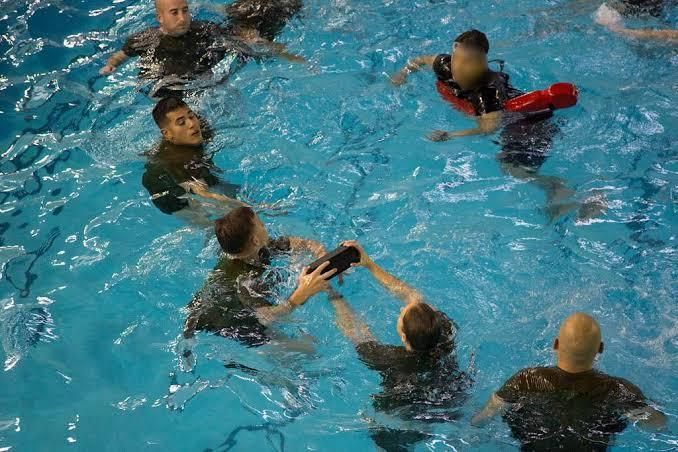
- The course will begin with endurance tests that will push your body to the breaking point. You will complete physical fitness tests, combat fitness assessments, carry additional weight and carry heavy loads for undermined distances. You should expect long swims, utilize timed distances as well as monitor the efficiency of your strokes. You will tread water for extended periods of time, only to be told to retrieve lost gear at the bottom. You will perform buddy assisted drills while wearing full combat loads. All these steps require you to have superb upper body strength, the ability to run long distances as well as be confident in the water.
Phase 1
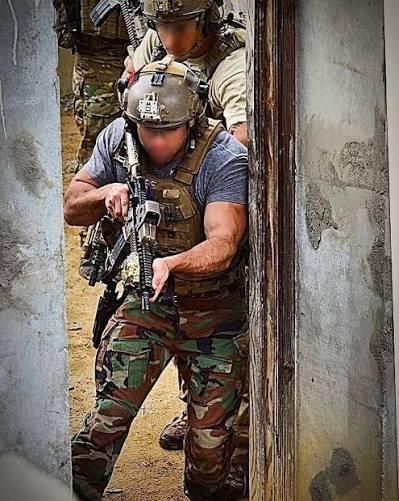
- For The CQB (Close Quarters Battle) portion you will be focusing your training on weapons handling, marksmanship, movements, room clearing, SSE (Sensitive Site Exploitation), and force on force training. The entire time the Cadre will be evaluating you for your ability to accomplish the task, staying calm under pressure, as well as your teamwork and integrity.
Phase 1
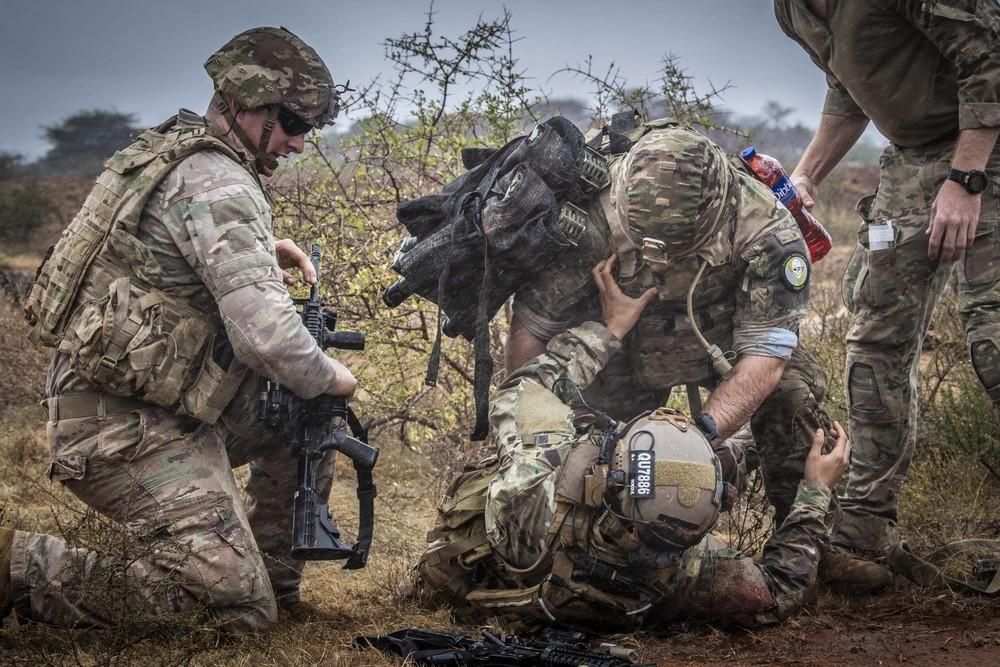
- TCC (Tactical Combat casualty Course) provides you with the hands-on training to provide the three principles. Care under fire, tactical car in the field, and casualty Evacuation care. You will also be taught hemostatic dressings, rapid assessment, and torniquet application. This will be applied to gun shot wounds, explosive injuries as well as circulation and shock injuries. Team medical scenarios are the last part of TCC.
Phase 1
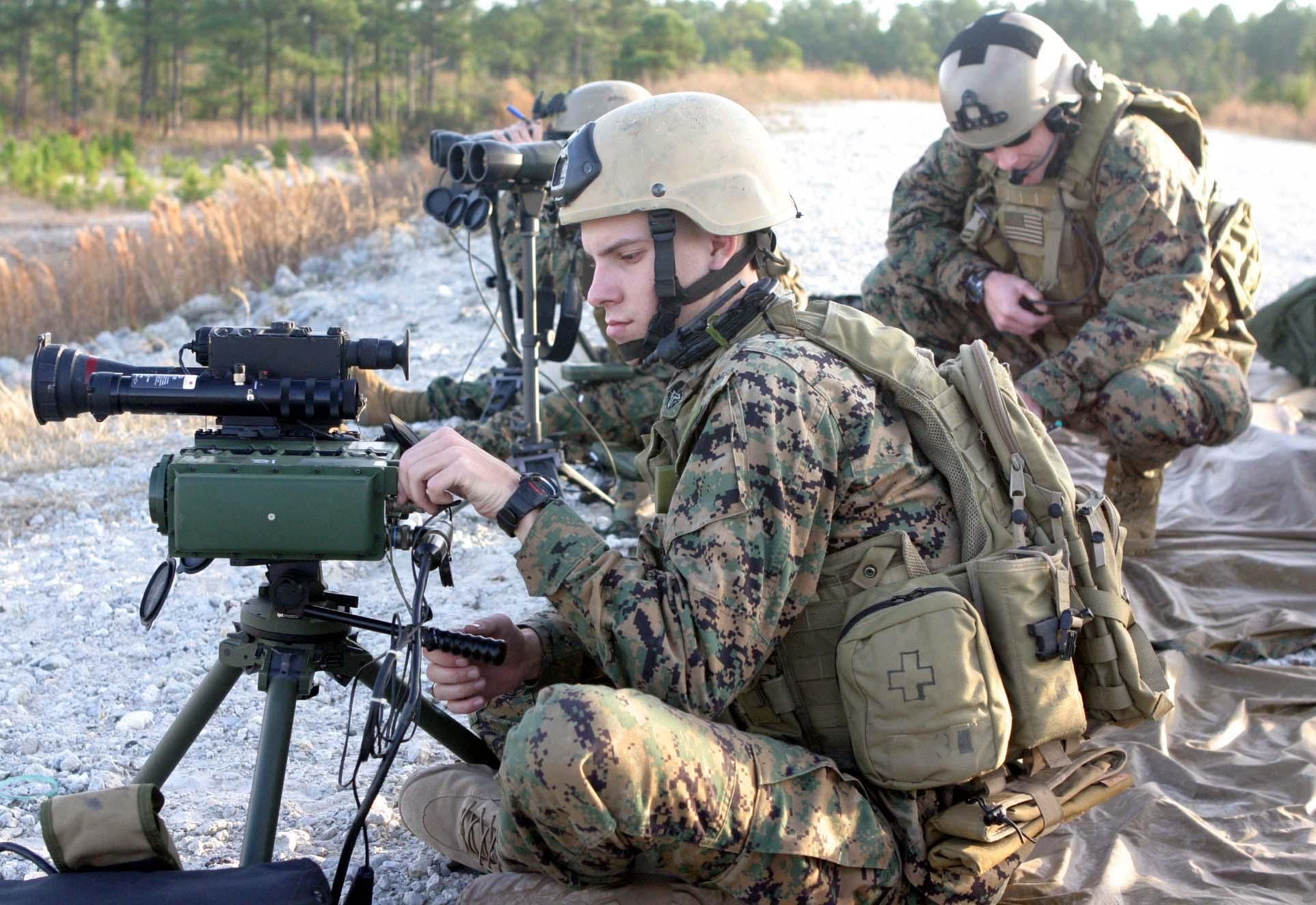
- Fire support and comms is the next evolution. You will be trained in Fire Support, Target location and acquisition, Call for Fire procedures, CAS Integration (Close Air Support if JTAC). The ultimate mission by the end of phase one is not for every Raider to be a fully integrated JTAC (Joint Terminal Attack Controller) but for the Raider to at least understand the fundamentals and basics of how to plan and request supporting fire in a tactical environment.
Phase 2
PHASE 2
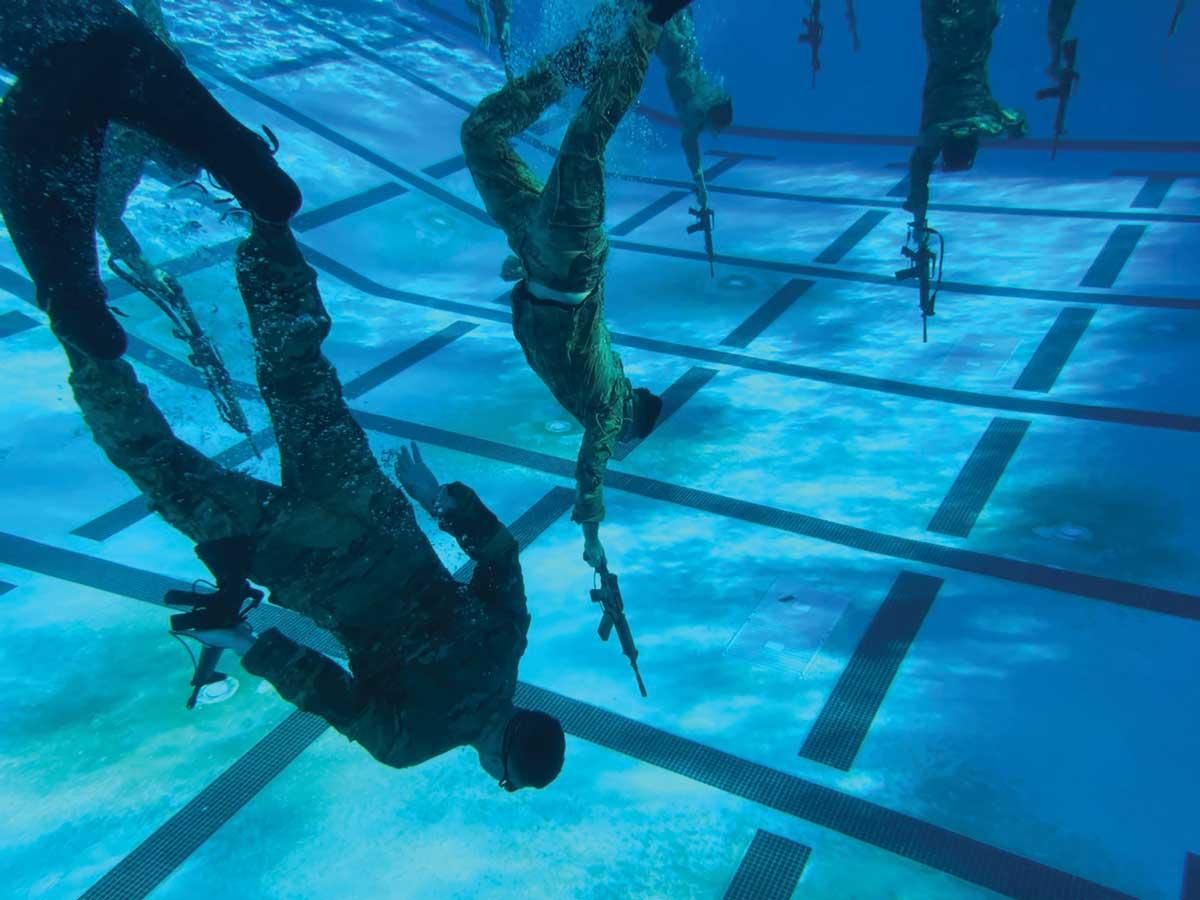
6. You will now move onto Scout Swimmer. Here you will develop and hone your existing skills in the water. You will start by building your confidence in the water. After establishing your comfort in the water, you will swim unspecified long distances. Swim in utilities with combat loads. You will learn about water proofing and protecting your equipment All of these learned skills will culminate in an exercise demonstrating your knowledge with mission planning, communication, reconnaissance, and navigation. This evolution of the course is different than the Marine Combat Divers course in every sense. The Marine Combat Divers course focuses on diving were as the scout swimmers’ course is about tactics.
Phase 2
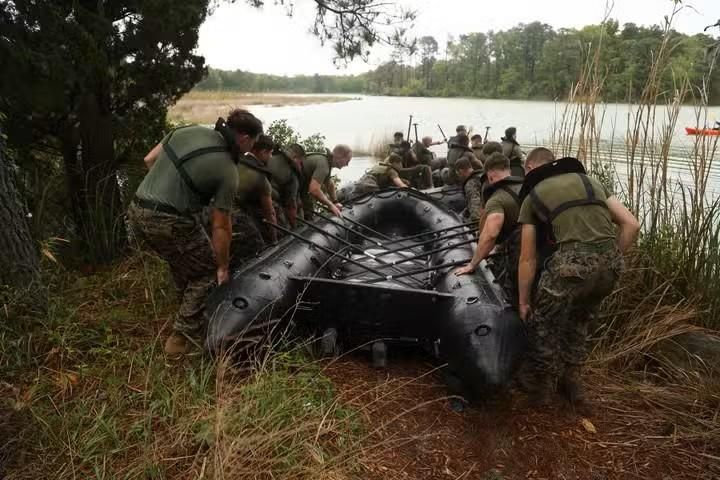
7. You will now move onto the Small Boats section. This section will focus on familiarization of the boat itself. You will become an expert in rigid inflatables. Understanidng the effects of weight distribution and the necessary skills to flip the boat upright. Safety procedures Pre mission and execution safety checks are a hallmark to proper execution. are also drilled in thorough every evolution. Boat handling will be a priority as you will learn to launch and land the boat in any type of environment. Navigation will be taught in all weather and day or night scenarios. Crew coordination is taught so that you act and operate as a fluid machine. Equipment servicing and maintenance is taught. The equipment must be in goo working order otherwise it is a mission liability. This evolution will culminate with an exercise of application. The team will demonstrate their mastery of the skills taught.
Phase 2
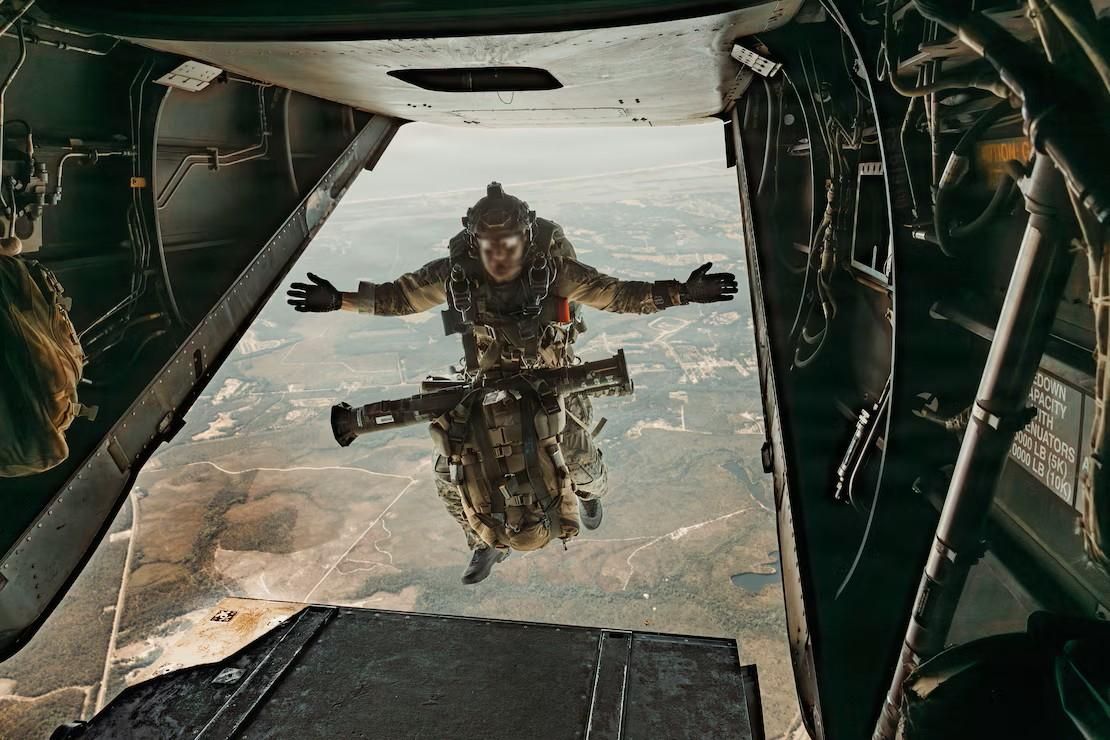
8. You as a candidate will now move onto the Crew Served Weapons evolution. This evolution will train you to safely and accurately utilize weapons systems tactically under high stress. You will start with weapons systems safety and handling. This will consist of clearing, remedial action, and prevention. Machin guns are next with loading, unloading, head space and tripod deployment. Fire Control and crew drills will dominate most of the instructions with a tactical employment exercise to culminate this event. You will be expected to know more than just how to shoot and search you will be expected to tactically deploy these weapons.
Phase 2
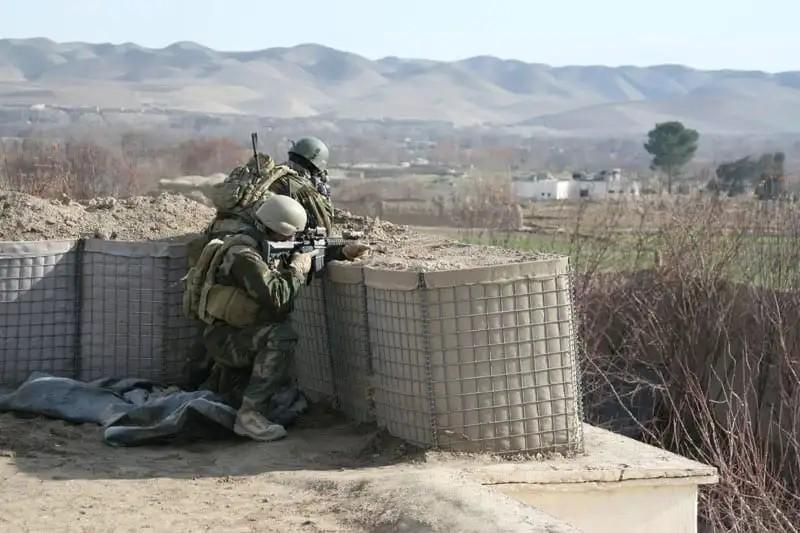
9. Information Gathering will be the next event. Here you will be pushed to the outer limits of memory retention. You will be tested on your observation skills and ability to detect changes in patterns Information reporting from observations as well as route are and route recon. Pattern analysis is a critical skill and expectation of Cadre in their analysis of you. Site documentation and reporting formats will be graded as well. Your memory and ability to recall will be stretched to its breaking point.
Phase 2
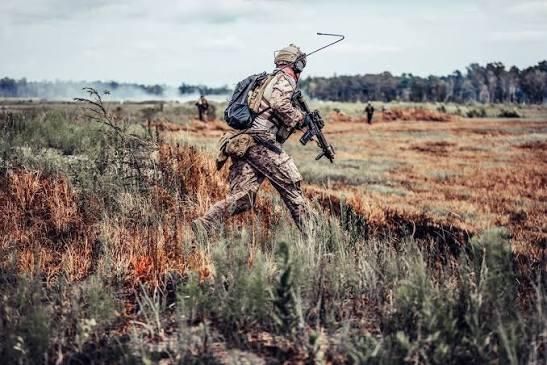
10. Mission Profiles your last evolution of Phase 2. Here you will be graded and assessed on your ability to plan and execute all types of missions Raiders commence. You will run through mission analysis and planning. Risk assessments of the operations as well as the framework of the operation. You will then proceed to execution of Operation Raider Spirit which is a two-week field exercise to test your ability to operate under stress. Then you will move into operation Stingray Fury. This operation is to demonstrate your ability to lead a reconnaissance team under stress. These two operations will culminate with the AAR (After Action Report). The entire time the Cadre will critique, tear apart or create stress any way possible.
Phase 3
Phase 3
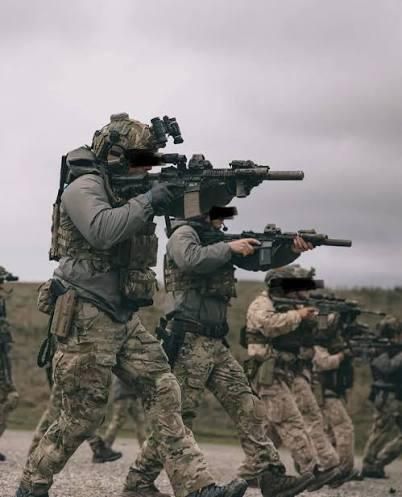
11. The next portion you will engage in is about CQB on another level. The emphasis will be on advanced combat marksmanship, breaching (Mechanical and Explosive) and precision Raids.This event will culminate with Operation Guille Strike. This operation will push you to your technical know-how and application of tactics taught. You will be expected to demonstrate a mastery of all tactics taught throughout the course. You are evaluated by the Cadre for success not against your peers. This will lead into your final phase and build up to Phase four.
Phase 4
Phase 4
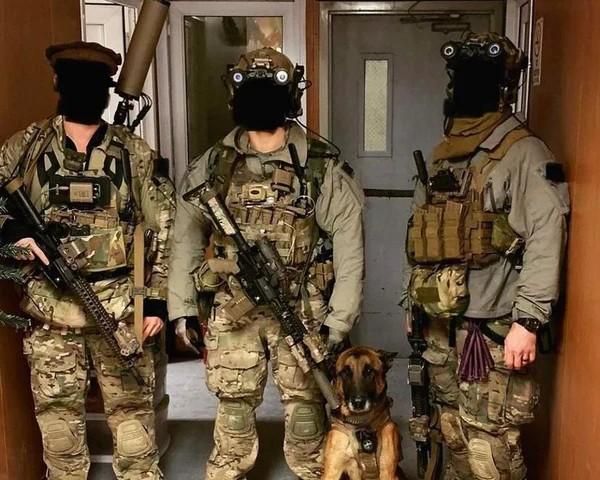
12. Irregular warfare is the final evolutions you will experience. The scenario is focused more on making do without. You will be placed into a real-world tactical scenario and expect to execute your knowledge of all skills in a resource deficient scenario. You will also be expected to communicate and execute with partner forces. You will provide advising to foreign partner militaries and work with indigenous or rebel forces. Counter insurgency is stressed and taught. The whole purpose will be to show you can operate in any environment and train advice and assist partner forces in any climb and place. The final Operation will be Operation Derna Bridge. The cadre will examine and assess your ability tactically, your leadership, your judgement, physical output, teamwork, and professionalism. The final decision is whether they would be on a Team with you or not. If the Answer is yes, you are onto Graduation. Congratulations you are now a Marine Raider!