How to Find Out Why Your Electric Scooter Has Lost Range
by AFscooters in Workshop > Electric Vehicles
33 Views, 0 Favorites, 0 Comments
How to Find Out Why Your Electric Scooter Has Lost Range
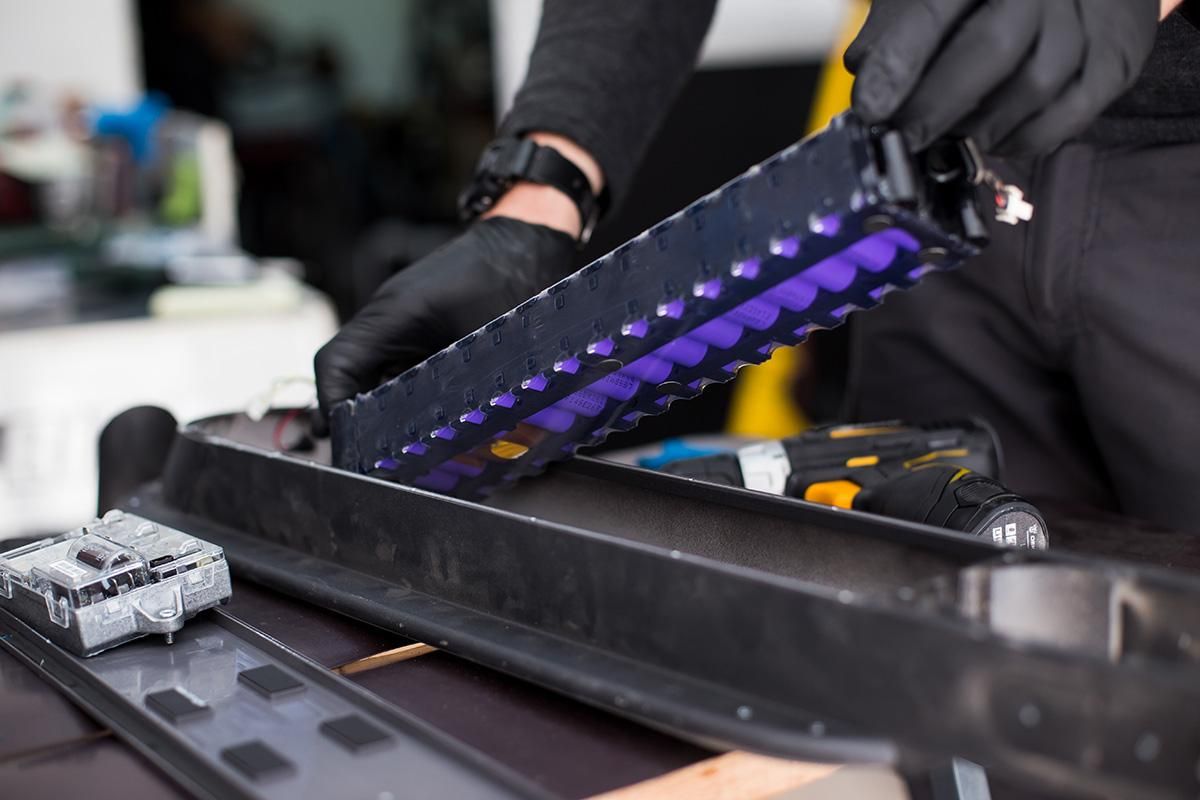
Electric scooter range can decrease for many different reasons. A shorter range does not always mean that the battery must be replaced.
Tyre pressure, brake friction, temperature, riding speed, rider weight, hills, charger condition, electrical connections and battery wear can all affect the distance an electric scooter can travel.
This guide explains the basic checks you can perform before taking your scooter to a specialist workshop.
Supplies

You will need:
- Your electric scooter
- The original or compatible charger
- A tyre pressure gauge
- A notebook or smartphone
- The scooter model and battery specifications
- A safe and familiar test route
Do not open or dismantle the lithium battery. Internal battery diagnosis and repair should only be carried out by trained professionals using suitable tools and safety equipment.
Identify Your Scooter and Battery
.jpeg)
Write down the following information:
- Scooter brand and model
- Battery voltage
- Battery capacity in amp-hours
- Approximate battery age
- Previous real-world range
- Current real-world range
- Rider weight
- Typical riding speed
- Whether the scooter uses one or two motors
You can normally find the voltage and capacity on the battery label, charger or scooter specifications.
Take clear photographs of:
- The scooter
- Battery label
- Charger label
- Charging connector
- Any error message displayed on the screen
This information will be useful if you later contact a specialist workshop.
Check Tyre Pressure
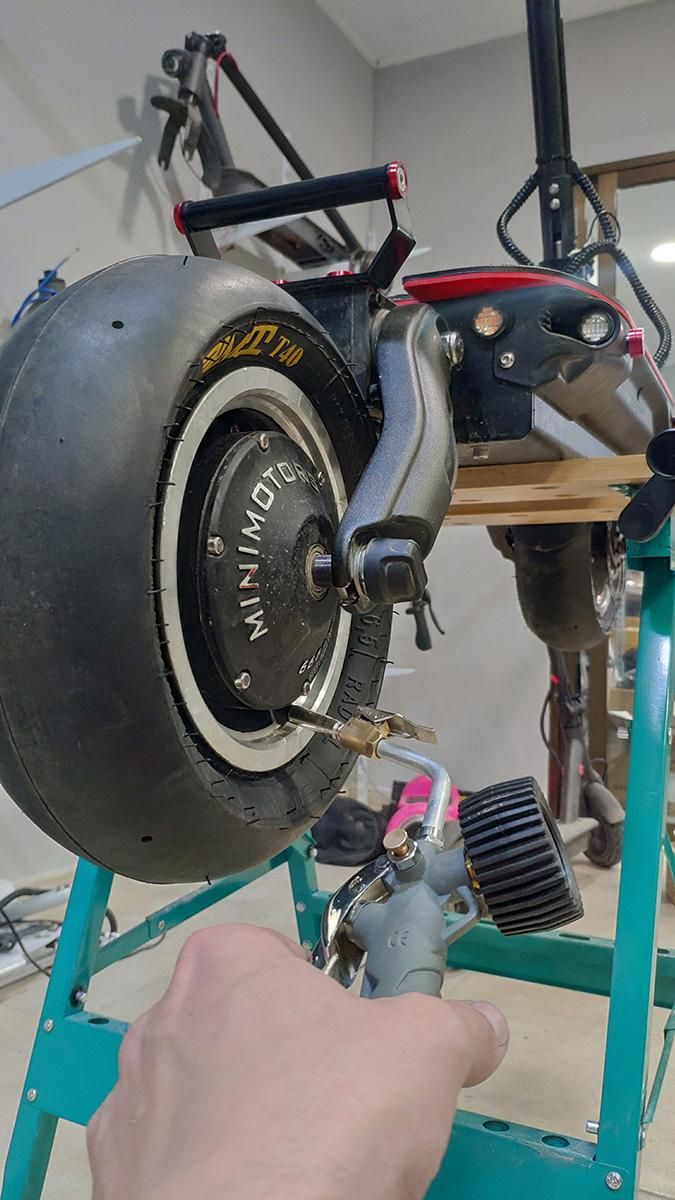
Low tyre pressure increases rolling resistance and can noticeably reduce range.
Check the recommended pressure for your scooter model and inflate the tyres correctly.
Also inspect the tyres for:
- Punctures
- Cracks
- Uneven wear
- Deformation
- Damage around the valve
Never exceed the maximum pressure indicated on the tyre.
Check for Brake Friction
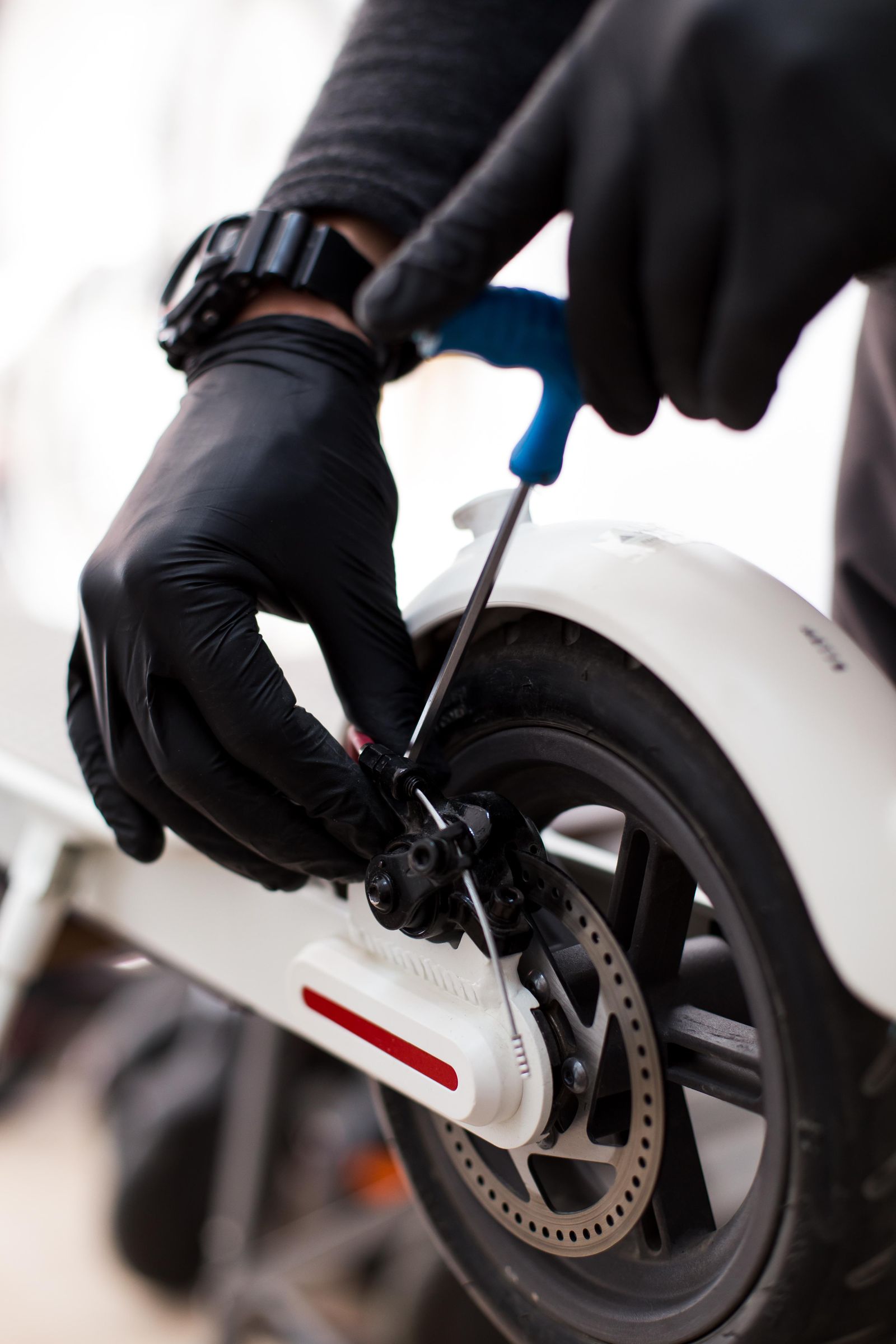
Lift each wheel carefully and rotate it by hand.
The wheel should move freely without excessive resistance. Some resistance from the motor is normal, especially on motorised wheels.
Check whether:
- The brake disc rubs against the pads
- The wheel stops immediately
- The brake caliper is misaligned
- The tyre touches the mudguard
- The wheel or bearing produces unusual noises
Constant brake friction can reduce both range and performance.
Review Your Riding Conditions
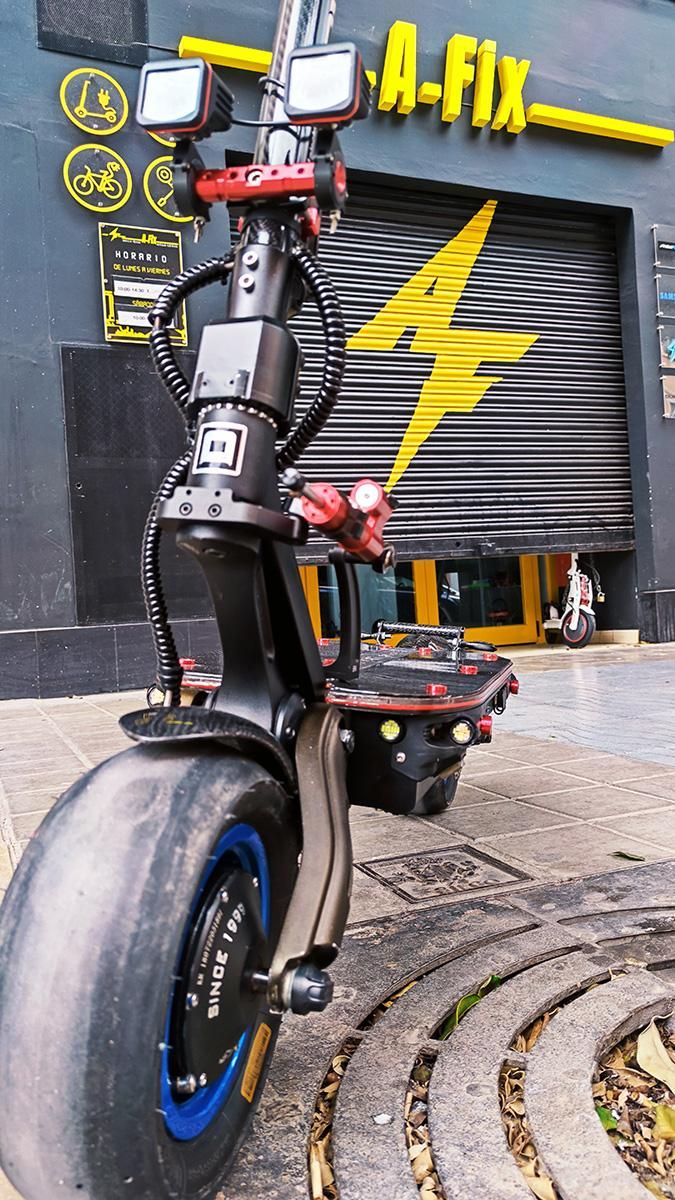
Compare your current use with the conditions in which the scooter previously achieved more range.
Range can decrease because of:
- Higher riding speed
- More frequent acceleration
- Steeper hills
- Colder temperatures
- Greater rider or cargo weight
- Lower tyre pressure
- Riding with two motors instead of one
- Strong headwind
- Frequent stops
- Sport or turbo mode
For a useful comparison, repeat the same route under similar conditions.
Observe the Charging Process
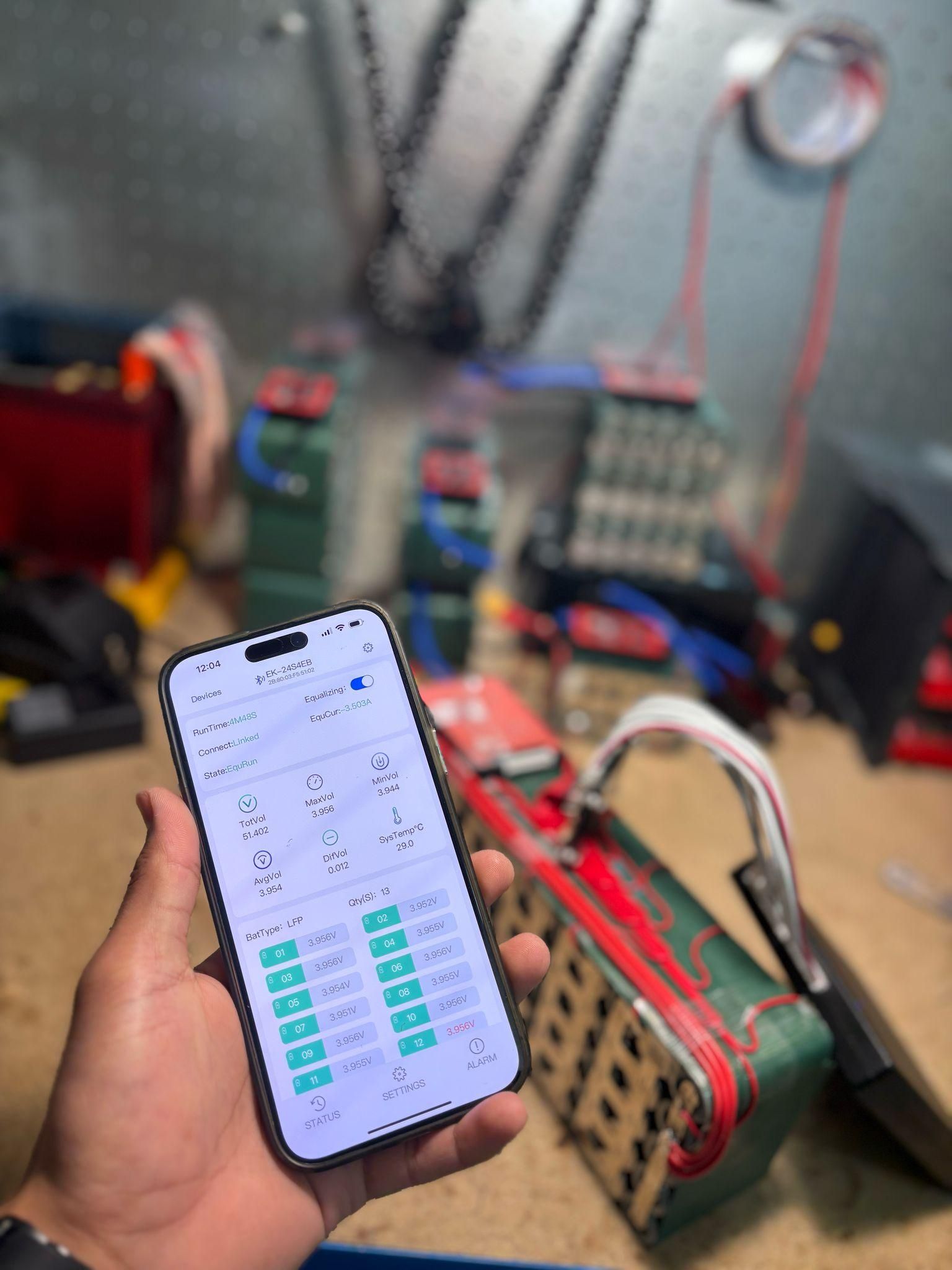
Use the correct charger and monitor the charging process.
Check:
- Whether the charger turns on normally
- Whether the indicator changes when charging is complete
- Whether charging finishes unusually quickly
- Whether the battery reaches the expected voltage
- Whether the connector becomes excessively hot
- Whether the charger or scooter displays an error
Stop using the charger if you notice:
- Burning smells
- Sparks
- Damaged cables
- Melted connectors
- Unusual heat
- Swelling or deformation
Do not use a charger with an incorrect voltage.
Perform a Comparable Range Test
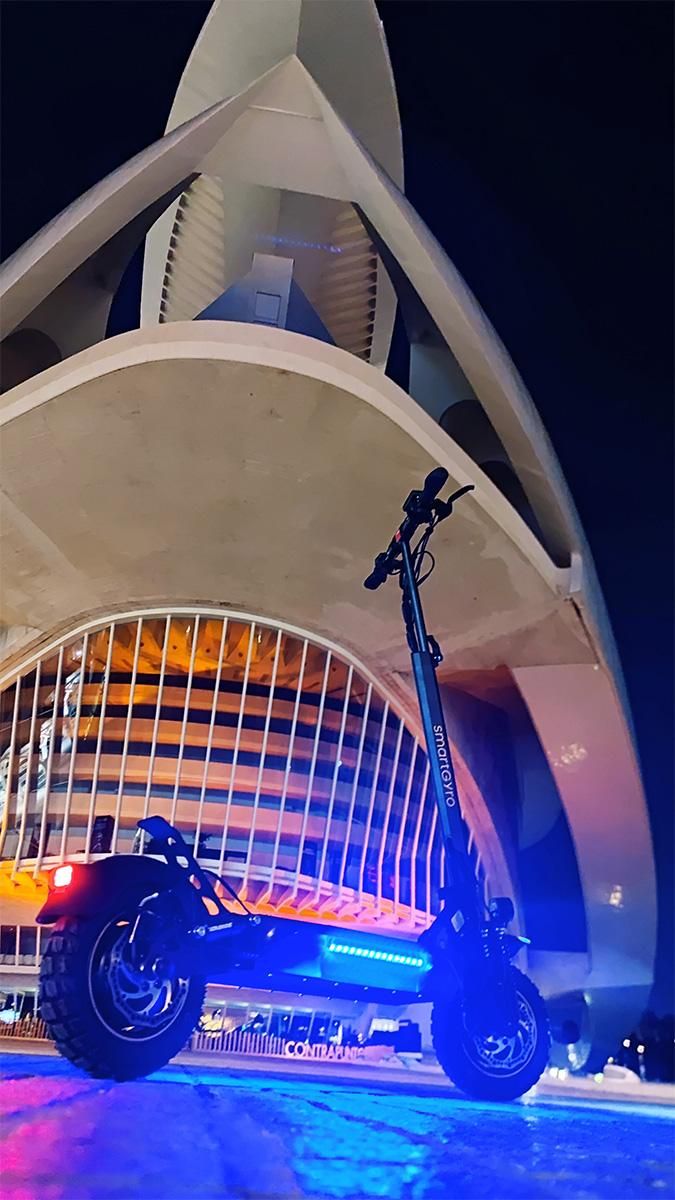
Choose a safe and familiar route.
Before starting:
- Fully charge the battery
- Check tyre pressure
- Confirm that the brakes are not rubbing
- Record the outside temperature
- Use the same riding mode throughout the test
- Avoid unnecessary hard acceleration
Record:
- Starting battery percentage
- Distance travelled
- Ending battery percentage
- Average speed
- Any sudden power loss
- Any unexpected shutdown
One isolated test is not enough to diagnose a battery. Repeat the test under similar conditions when possible.
Recognise Possible Battery Problems
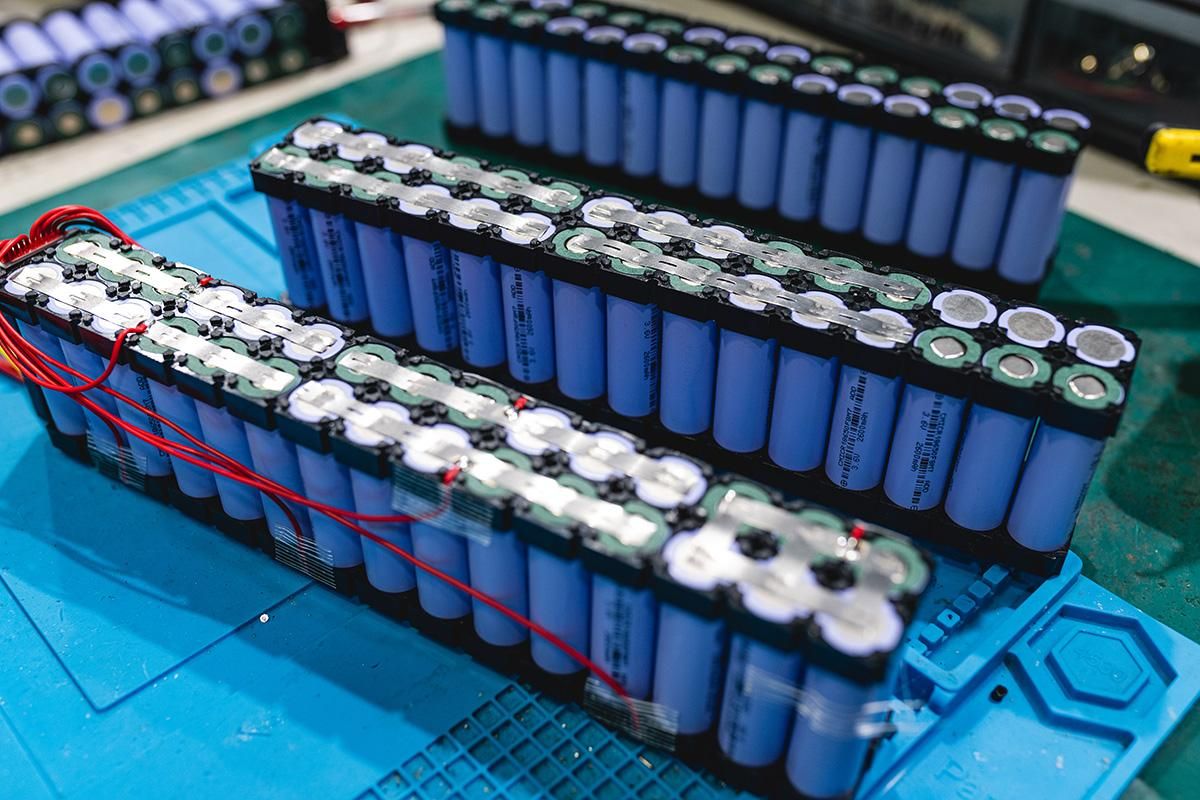
Professional diagnosis is recommended when the scooter shows symptoms such as:
- Sudden shutdown during acceleration
- Battery percentage dropping in large steps
- Very short charging time
- Charger indicating full charge too early
- Major range loss under normal conditions
- Reduced power despite a high battery percentage
- Battery overheating
- Irregular voltage
- Failure to charge
- Visible swelling or physical damage
These symptoms may be related to the cells, BMS, connectors, wiring, charger or scooter electronics.
Decide Whether to Repair or Replace the Battery

The correct solution depends on the battery condition.
Possible solutions include:
- Repairing a damaged connector
- Replacing damaged wiring
- Repairing an electronic fault
- Replacing the BMS
- Rebuilding the battery
- Manufacturing a new compatible battery
- Installing a higher-capacity battery
- Adding an external battery when technically suitable
A replacement battery must match the scooter’s:
- Voltage
- Controller
- Connectors
- Available space
- Current requirements
- Charging system
- Electronic configuration
Do not choose a battery only by scooter brand. Compatibility should be checked according to the exact model, voltage and configuration.
Information to Send to a Specialist Workshop

Before requesting a diagnosis or custom battery, prepare:
- Scooter brand and exact model
- Battery voltage and capacity
- Battery label photographs
- Charger label photographs
- Connector photographs
- Available battery compartment dimensions
- Description of the problem
- Current real-world range
- Desired range
- Rider weight
- Type of use
- Controller and motor specifications, when available
Providing complete information helps the workshop assess compatibility and recommend an appropriate solution.
Conclusion
A loss of range does not always mean that the lithium battery is completely damaged. Mechanical resistance, tyre pressure, weather, riding style, charger problems and electrical faults should also be considered.
Internal lithium battery work can be dangerous. Do not open, weld or modify a battery pack unless you have the necessary training, equipment and safety procedures.
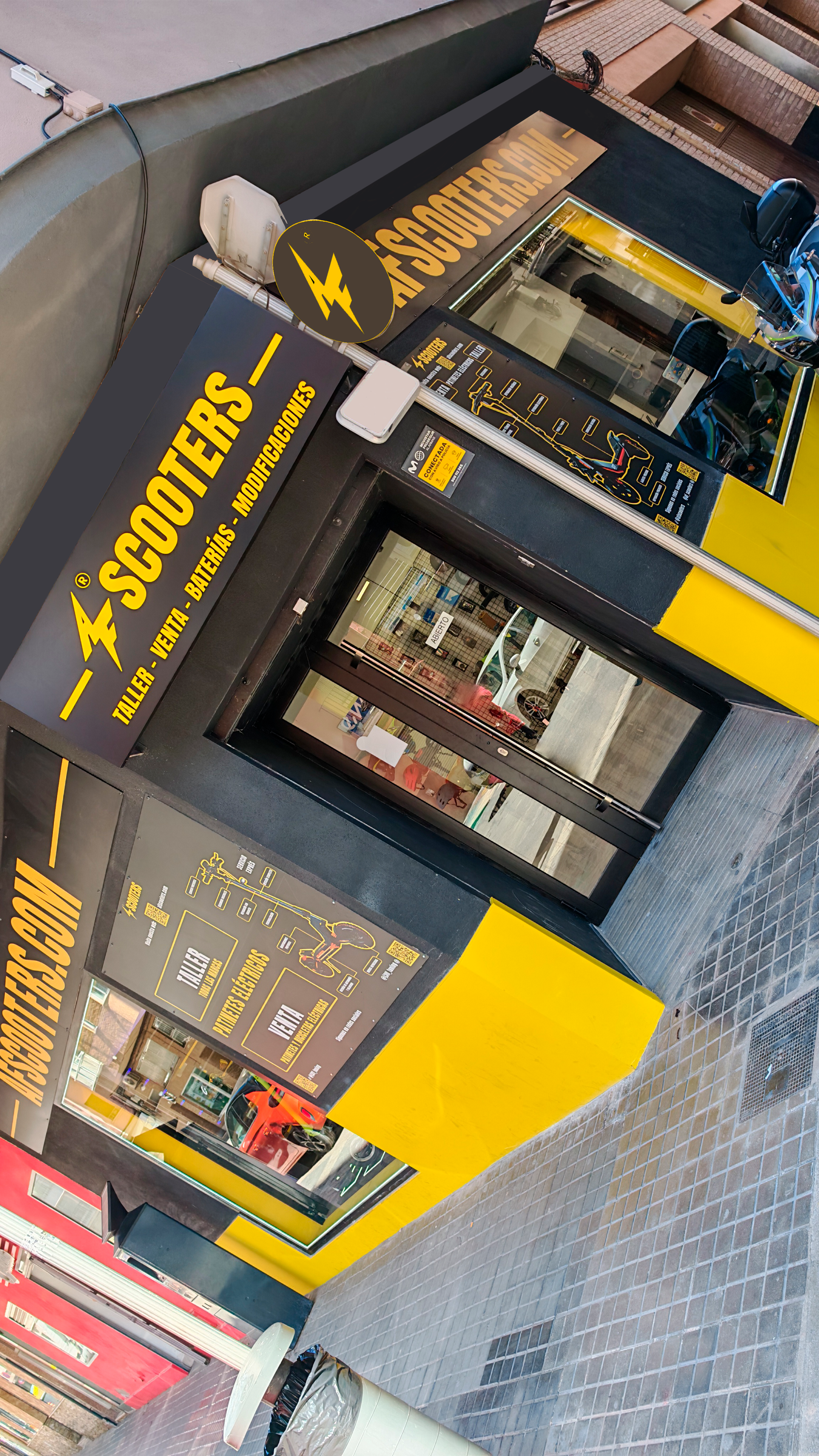
AF SCOOTERS is an electric scooter shop and repair workshop with locations in Castellón de la Plana and Borriana, Spain. Since March 2017, we have provided electric scooter repairs, maintenance, spare parts and custom-made lithium autonomy and speed batteries.
More information is available on the official AF SCOOTERS website: