How to Make Any Headphones Sound Like Noise-Cancelling Headphones
by ratulhasan in Circuits > Audio
467 Views, 0 Favorites, 0 Comments
How to Make Any Headphones Sound Like Noise-Cancelling Headphones
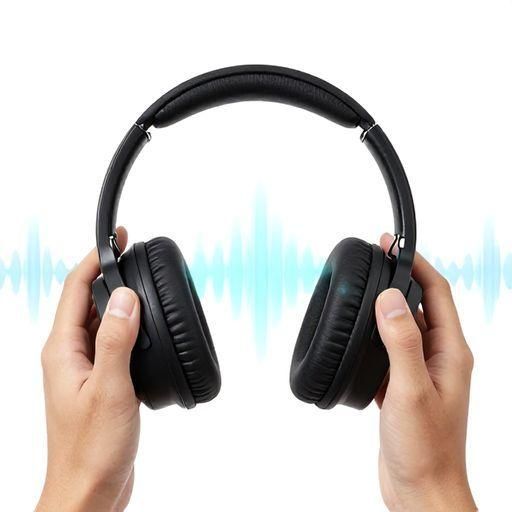
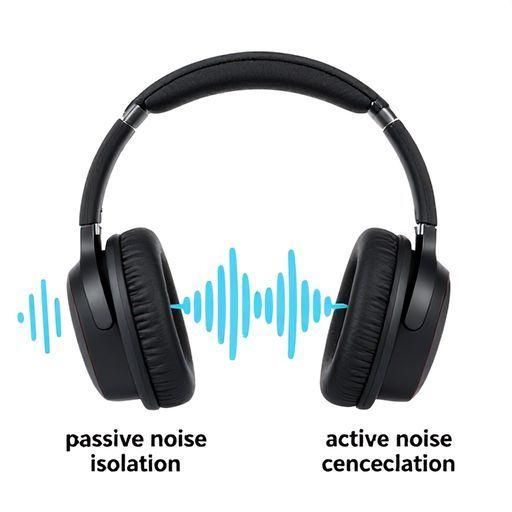
Background noise can make it difficult to enjoy music, podcasts, or videos—especially in busy environments like buses, offices, or cafés. While premium active noise-cancelling headphones can be expensive, you can significantly reduce external noise using a few simple tricks.
In this guide, I’ll show you how to improve the noise isolation of almost any pair of headphones using easy DIY methods. These techniques won’t create true electronic noise cancellation, but they can noticeably reduce surrounding noise and improve your listening experience.
Supplies
Supplies
You will need:
- Your regular headphones
- Replacement ear pads or memory foam (optional)
- Small pieces of soft foam or sponge
- Electrical tape or cloth tape
- Cotton pads (optional)
- A quiet workspace
Optional tools:
- Scissors
- Small screwdriver (if your headphones allow ear pad removal)
Understand Noise Reduction
Understand How Noise Reduction Works
Before modifying your headphones, it helps to understand how noise reduction actually works.
There are two main methods:
Passive Noise Isolation
- Blocks outside noise physically using ear pads or tight seals.
Active Noise Cancellation
- Uses microphones and electronics to cancel noise.
Since most regular headphones don’t include electronic noise cancellation, this guide focuses on improving passive noise isolation, which can still make a big difference.
Interestingly, some alternative audio technologies approach sound delivery differently. For example, bone-conduction audio transmits vibrations through the skull instead of the ear canal. If you’re curious about the science behind that technology, this explanation of how bone conduction works provides a simple overview:
Upgrade or Replace Ear Pads
The ear pads are the most important part of passive noise isolation.
Thin or worn-out ear pads allow sound to leak in easily.
What you can do
- Check if your headphones have removable ear pads.
- Replace thin pads with memory foam ear pads.
- Ensure the pads create a tight seal around your ears.
A better seal blocks external noise and improves bass response.
Add Foam for Extra Isolation
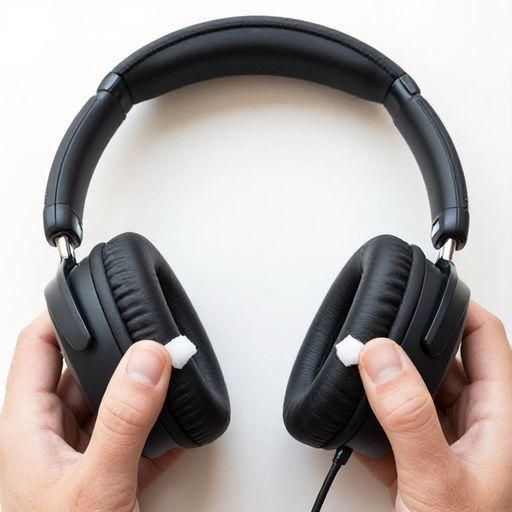
If replacing ear pads isn’t possible, you can still add extra padding.
Method
- Cut small pieces of soft foam.
- Place them under the ear pad lining.
- Reattach the ear pads.
This increases cushion thickness and helps block outside sound.
Be careful not to cover the speaker driver.
Seal Small Sound Gaps
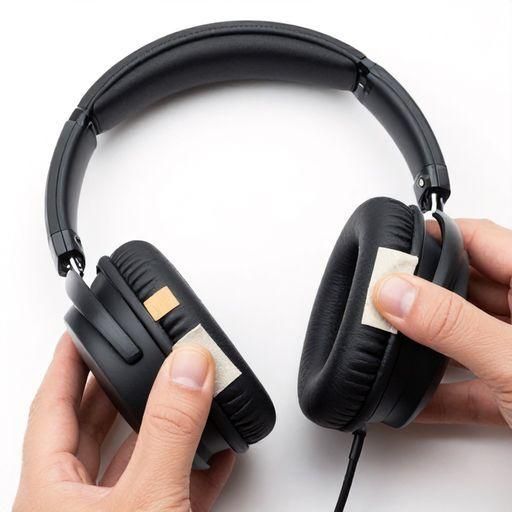
Many headphones have small gaps where outside sound can enter.
You can reduce this using simple tape.
How to do it
- Inspect the outer shell of the headphones.
- Identify any visible openings or loose joints.
- Apply small strips of cloth or electrical tape to seal them.
This helps reduce unwanted sound leakage.
Improve the Fit
Even good headphones won’t isolate noise if they don’t fit properly.
Try these adjustments:
- Extend or shorten the headband
- Position the cups evenly over both ears
- Adjust the angle of the ear cups
A tighter seal equals better noise isolation.
Use Environmental Noise Tricks
Sometimes the easiest solution is combining passive isolation with sound masking.
You can:
- Play low-volume white noise
- Use ambient sound apps
- Listen at moderate volume to mask background sounds
This creates a listening environment that feels similar to noise cancellation.