How to Set Up a Home First Aid Kit

It's inevitable that accidents and small injuries will pop up now and then. Maybe you'll get a tiny cut while you're slicing vegetables in the kitchen, or you might end up with a skinned knee after running around outside. Having a nicely stocked first aid kit at home ready and accessible can be a great help in handling minor health-related situations promptly and effectively. Here we will describe step-by-step how to assemble a simple first aid kit for the home using items which are ordinarily available at a local drug store or supermarket. This advice is geared towards beginners who intend to equip their homes for handling minor emergencies.
Supplies

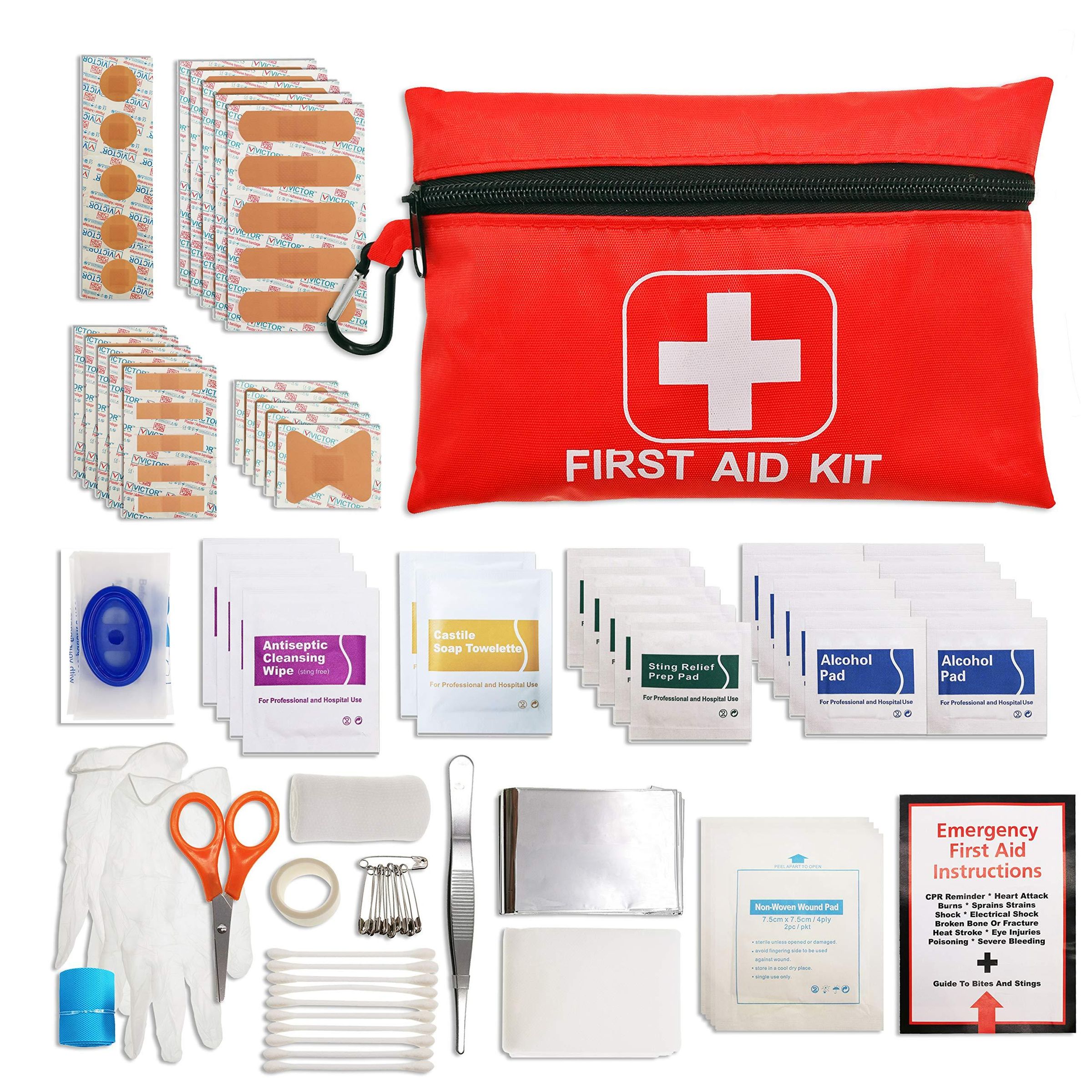
Before starting, gather the following supplies:
• A medium-sized container or storage box
• Adhesive bandages (various sizes)
• Sterile gauze pads
• Adhesive tape
• Antiseptic wipes or solution
• Antibiotic ointment
• Disposable gloves
• Tweezers
• Small scissors
• Instant cold packs
• Digital thermometer
• Pain relievers (such as acetaminophen or ibuprofen)
• Hydrocortisone cream
• Burn cream or gel
• Medical tape
• Emergency contact list
Choose a Sturdy Container

Select a durable box or plastic container that is large enough to hold your supplies but small enough to store easily. Many people use a plastic storage container or a tackle box because it keeps items organized and easy to find.
Label the Container Clearly

Write “First Aid Kit or Box” on the outside of the container or use a printed label. Clear labeling ensures that anyone in the household can quickly identify the kit during an emergency.
Add Basic Wound Care Supplies
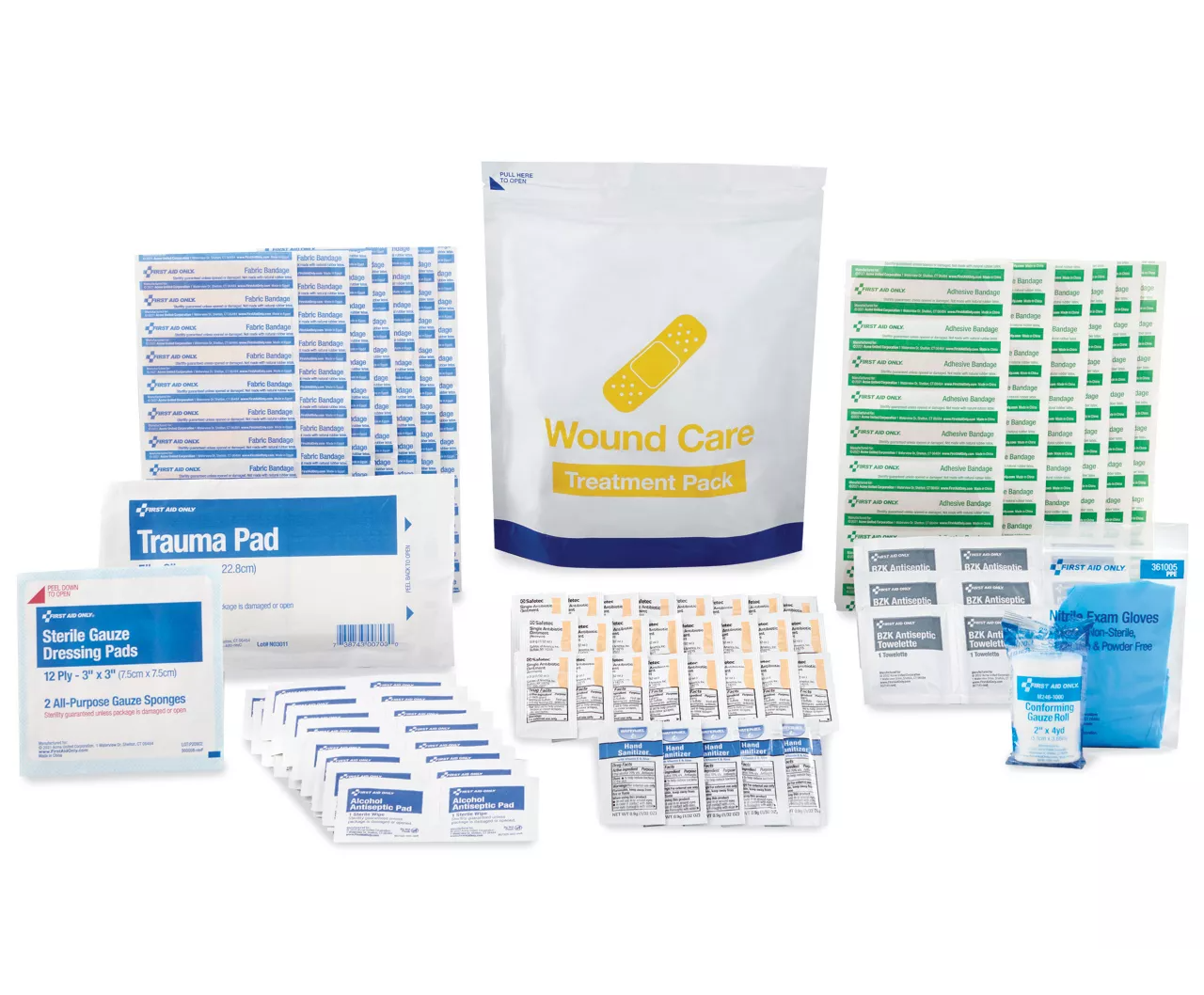
Place adhesive bandages, sterile gauze pads, and medical tape inside the container. These items are essential for treating cuts, scrapes, and minor bleeding.
Include Cleaning and Infection-prevention Supplies
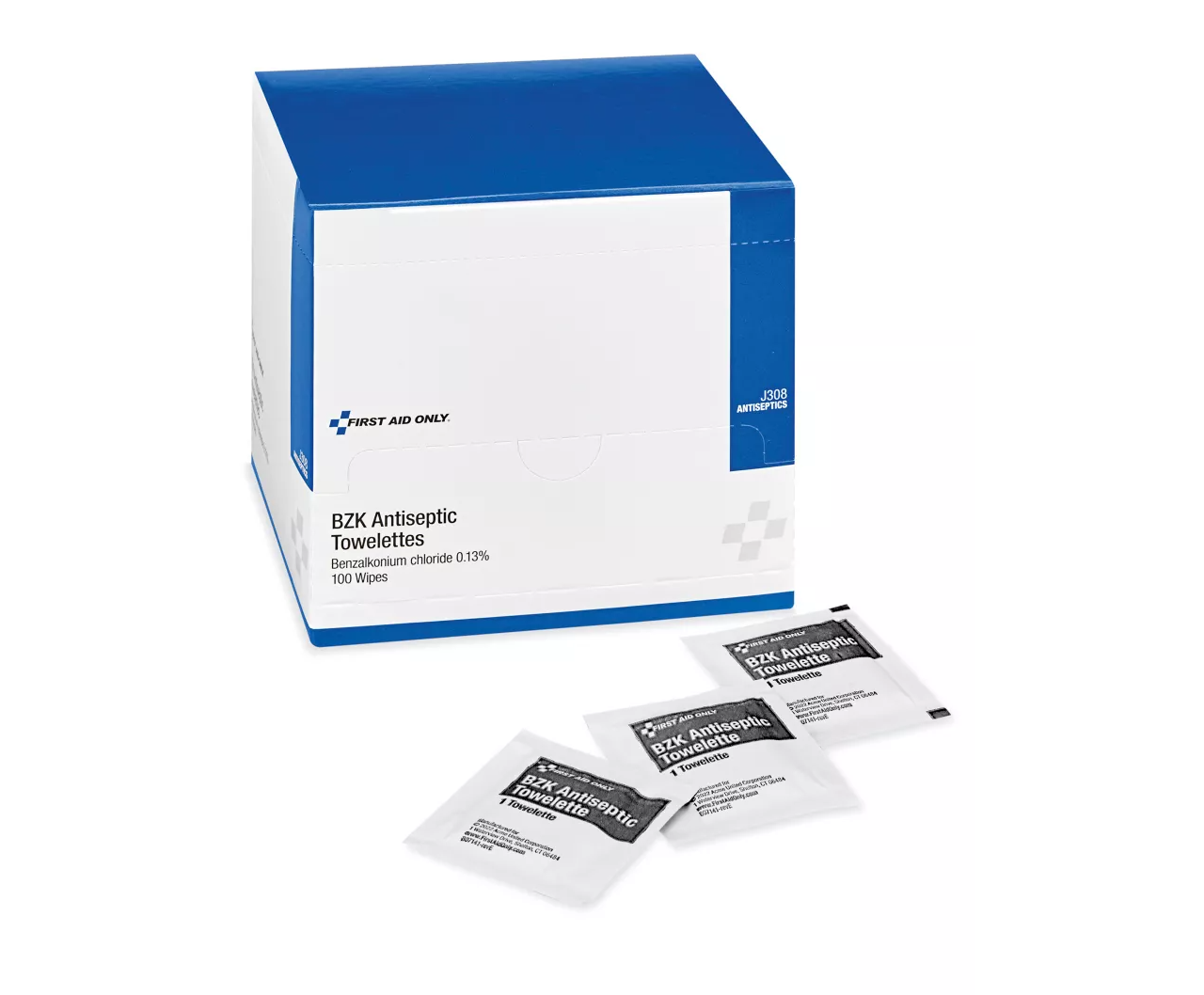
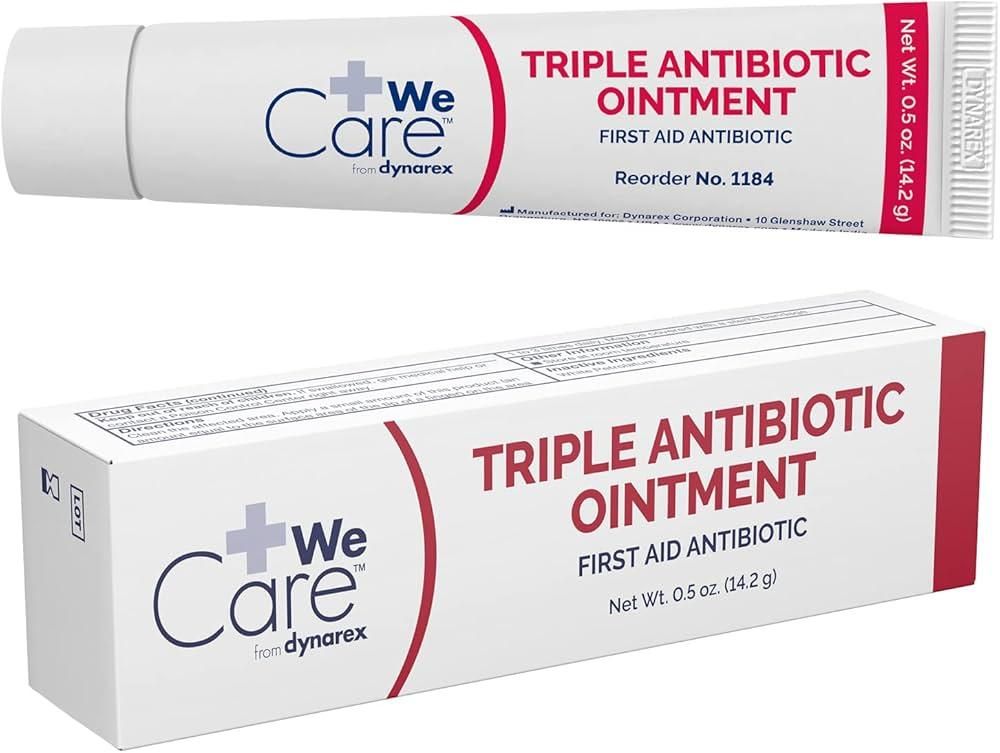
Add antiseptic wipes or antiseptic solution along with antibiotic ointment. These items help clean wounds and reduce the risk of infection.
Pack Basic Medical Tools


Place tools such as tweezers, scissors, disposable gloves, and a digital thermometer into the kit. These tools are useful for removing splinters, cutting bandages, protecting yourself from bodily fluids, and checking temperature.
Add Medications for Common Symptoms

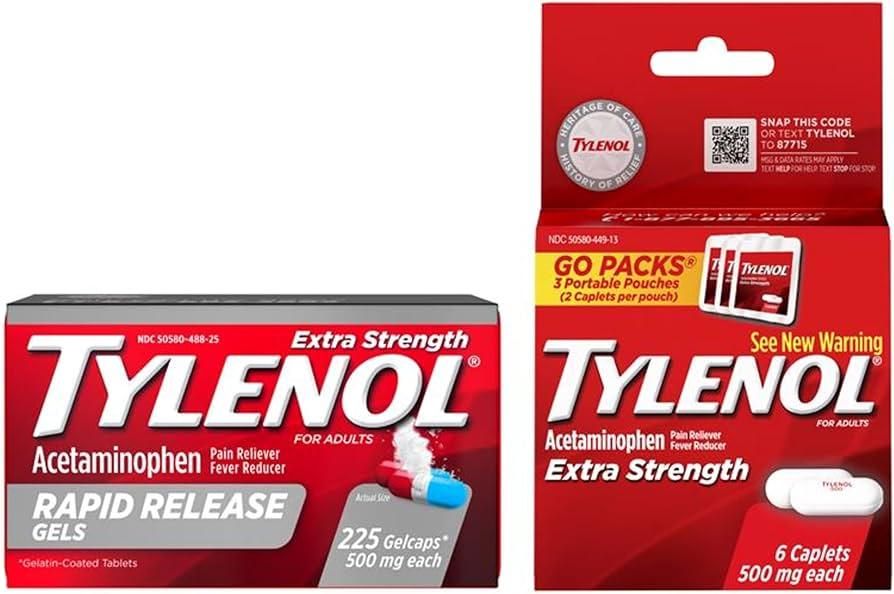
Include over-the-counter medications such as acetaminophen or ibuprofen for pain relief. Hydrocortisone cream can help relieve itching or skin irritation, and burn cream can be used for minor burns.
Include Cold Packs and Emergency Information


Add instant cold packs to help reduce swelling from minor injuries. It is also helpful to place an emergency contact list in the kit that includes phone numbers for family members, doctors, and local emergency services.
Store the Kit in an Accessible Location
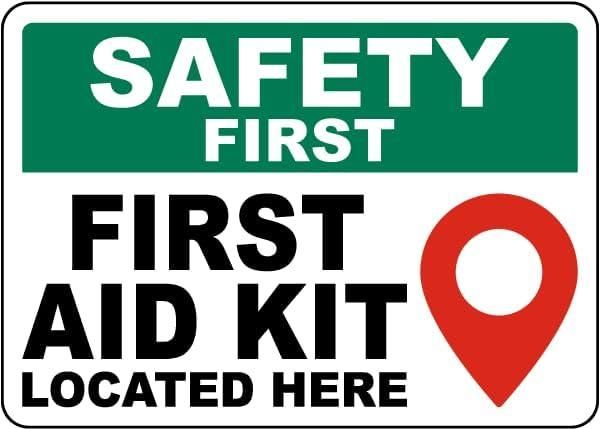
Place the completed first aid kit in an easy-to-reach location in your home, such as a kitchen cabinet or hallway closet. Make sure everyone in the household knows where the kit is stored.
Check and Update the Kit Regularly

Review the contents of your first aid kit every few months. Replace expired medications, restock used supplies, and make sure everything is still clean and organized.