Kizuna Healing Hub: a Disaster-Resilient Community Center
by Vaibhav216 in Design > Architecture
91 Views, 0 Favorites, 0 Comments
Kizuna Healing Hub: a Disaster-Resilient Community Center

.jpg)


When people think about recovering after an earthquake or tsunami, they usually think about rebuilding houses, roads, and power lines. While those things are important, recovery is about much more than replacing damaged buildings. Communities also lose gathering places, support systems, and the sense of connection that helps people move forward after a disaster.
My inspiration for this project came from learning about Japan's history of earthquakes and tsunamis, especially the 2011 Tōhoku disaster. I was impressed by how communities came together to rebuild, but I also realized that recovery can take years and affects people both physically and emotionally. Many emergency shelters focus on providing basic necessities, but few are designed to help people heal, reconnect, and regain a sense of normal life.
One of the most overlooked consequences of disasters is their impact on mental health. People always feel stress, anxiety, and PTSD long after the physical damage has been repaired. Losing loved ones, homes, and familiar places can leave lasting emotional scars. Because of this, I wanted my design to focus not only on safety and survival but also on emotional recovery and well-being.
Japanese culture provided important inspiration for this aspect of the project. Traditional Japanese architecture often emphasizes harmony with nature, natural light, open spaces, gardens, and peaceful environments that encourage reflection and relaxation. Research has shown that access to nature can reduce stress, improve mental health, and help people recover from traumatic experiences. I wanted to bring these principles into my design by creating spaces that reconnect people with nature and with one another.
This led me to design the Kizuna Healing Hub, a community center that supports both everyday life and disaster recovery. The word Kizuna means connection or bond in Japanese, which became the central idea behind the project. The design combines community spaces, wellness areas, sustainable systems, and disaster-resistant architecture into one resilient structure.
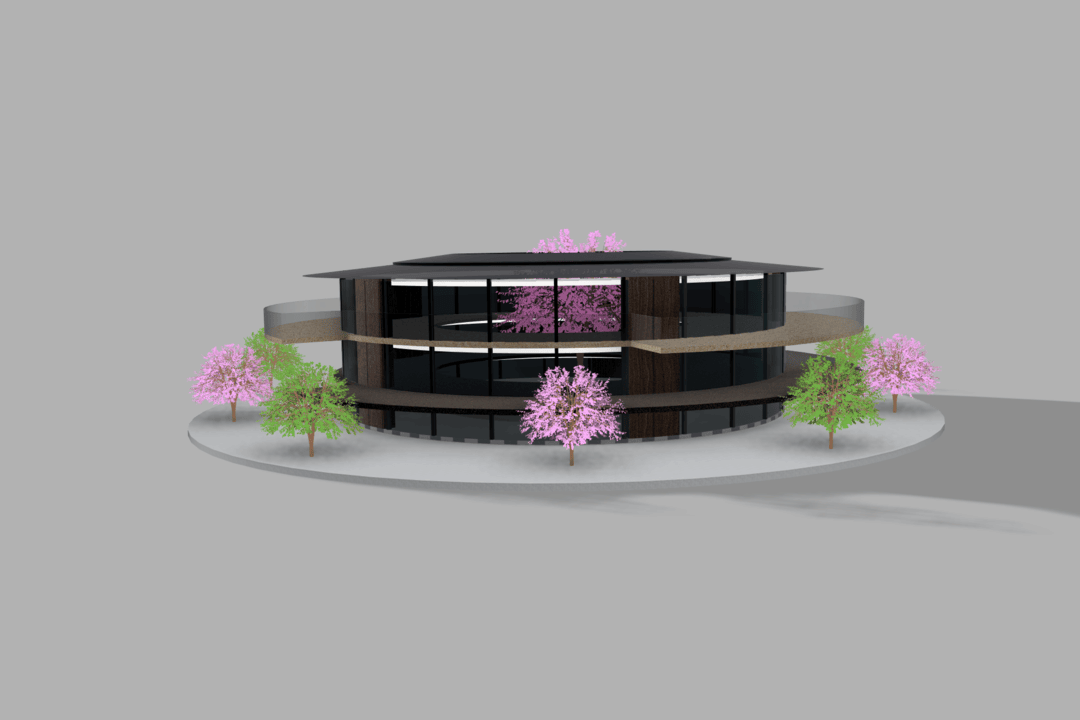
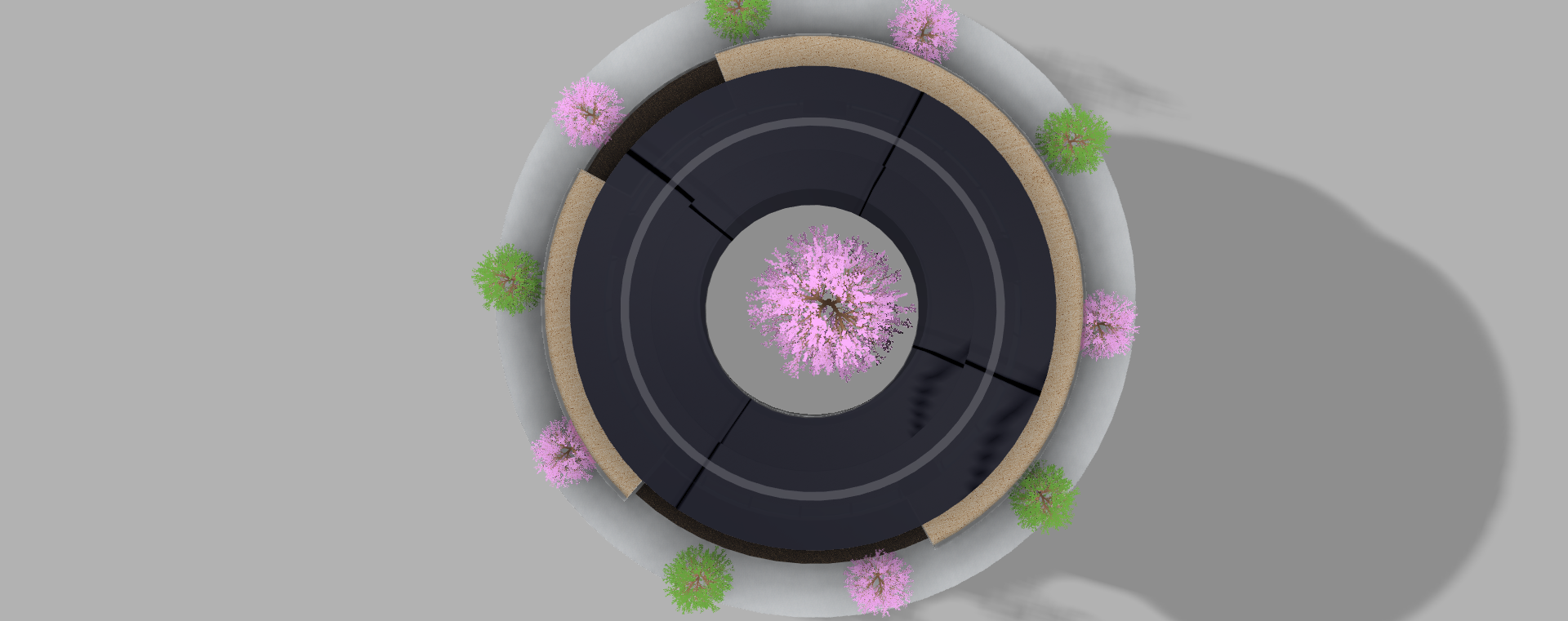
At the center of the building is a Sakura courtyard surrounded by gathering spaces, learning areas, wellness facilities, and emergency support services. The cherry blossom garden serves as a symbol of renewal and hope while creating a calm environment that promotes emotional healing. Natural light, green spaces, and community gathering areas are integrated throughout the building to support mental wellness and strengthen social connections.
During normal times, the Kizuna Healing Hub functions as a vibrant community center where people can learn, socialize, and participate in wellness activities. During disasters, it can quickly transform into a shelter, medical support center, communication hub, and recovery space. My goal was to create a building that not only helps communities survive disasters but also helps them heal, reconnect, and recover together.
Supplies


- Autodesk Fusion 360
- Computer/Laptop
- Sketchbook or digital sketching tool
- OpenAI for Rendering
Research and Brainstorming


When I started this project, I wanted to focus on a real-world problem that affects entire communities. After exploring different possibilities, I decided to focus on Japan because of its history of earthquakes and tsunamis. Events such as the 2011 Tōhoku earthquake and tsunami showed how quickly a community can lose not only buildings and infrastructure but also the spaces where people gather, learn, and support one another.
I researched disaster recovery efforts, emergency shelters, and community rebuilding strategies used throughout Japan. While many solutions focus on providing temporary shelter, I wanted to create something that could support people both during and after a disaster. I also researched human-centered and biophilic design principles, which emphasize safety, well-being, natural light, greenery, and social connection.
During brainstorming, I explored several concepts including emergency housing, modular shelters, and disaster-resistant villages. Eventually, I decided to focus on a community center because it could serve many purposes. It could be a gathering place during normal conditions and transform into a disaster recovery hub when needed.
Selecting the Site and Understanding Community Needs


For this project, I selected a coastal community near Sendai, Japan. This region was heavily impacted by the 2011 Tōhoku earthquake and tsunami and continues to represent both the challenges and resilience of disaster recovery.
The proposed site is located on elevated terrain close to residential neighborhoods and major access roads. This location allows the Kizuna Healing Hub to serve the community during everyday life while remaining accessible and operational during emergencies. I chose this location because it faces real risks from earthquakes and tsunamis, making it an ideal place for a resilient community center focused on recovery, connection, and long-term preparedness.
Developing the Design Concept


After selecting the site, I began exploring different architectural layouts and forms. I wanted the building to encourage connection, accessibility, and community interaction while also serving as a safe and functional disaster recovery center. After several sketches and concept studies, I chose a circular design because it symbolizes unity, inclusion, and resilience. The center of the building became a Sakura courtyard, inspired by the Japanese cherry blossom, which represents hope and renewal after difficult times. This concept helped shape the overall vision of the Kizuna Healing Hub as a place where people can gather, heal, and rebuild together.
3D Modeling the Design in Fusion 360


With the concept finalized, I began bringing the Kizuna Healing Hub to life in Autodesk Fusion 360. I started by creating the circular foundation and defining the overall footprint of the building. From there, I modeled the main structure around the central Sakura courtyard, which serves as the heart of the design. I added multiple levels, open walkways, large windows, and surrounding terraces to create a welcoming and connected environment. Throughout the modeling process, I focused on balancing aesthetics, functionality, and resilience. Fusion 360 allowed me to refine the proportions of the building, experiment with different design elements, and visualize how the space would function both as a community center and as a disaster recovery hub during emergencies.
Floor Plans, Features, and Community Impact


Once the model was complete, I started planning how each space would be used and how the building could support the community during different situations. At the center of the design is the Sakura Courtyard, which brings natural light, greenery, and a sense of calm into the building. I wanted this space to encourage people to gather, relax, and reconnect with one another.
Surrounding the courtyard are community spaces, learning areas, wellness rooms, and emergency support facilities. During normal conditions, the building can host events, workshops, meetings, and educational programs. During emergencies, these same spaces can quickly be converted into shelter areas, medical support rooms, and resource distribution centers.
I also included several sustainable features such as solar panels, rainwater collection systems, natural ventilation, and green terraces. The building is elevated and designed with earthquake resilience in mind, helping it remain functional during disasters.
Fusion 360 Renderings


After finishing the model, I used Fusion 360 to create renderings from different angles and perspectives. Seeing the design rendered made a huge difference because it helped me better understand how the building would actually look in a real environment. It was exciting to see the idea that started as a few sketches turn into a complete structure.
The renderings also helped highlight some of my favorite parts of the project, especially the central Sakura Courtyard, the circular layout, and the green terraces surrounding the building. These images gave me a much clearer picture of how people would move through the space and interact with different areas of the hub.
Final Thoughts


Overall, I am really happy with how this project turned out. When I first started brainstorming ideas, I knew I wanted to focus on disaster recovery, but I did not know exactly what the final design would look like. As I researched earthquakes and tsunamis in Japan, I started thinking about how communities need more than just shelter after a disaster.
One thing I liked about this project was combining different ideas into one design. I wanted the building to be useful during emergencies, but I also wanted it to be a place people would enjoy using every day. That is why I included community spaces, green areas, and the central Sakura Courtyard.
This project helped me think about design in a different way. Instead of only focusing on the building itself, I focused on the people who would use it. My goal was to create a place where people can feel safe, connect with others, and recover together. If I continue working on this idea in the future, I would like to add even more features and improve the design further.