Mini Cardboard Table
.png)
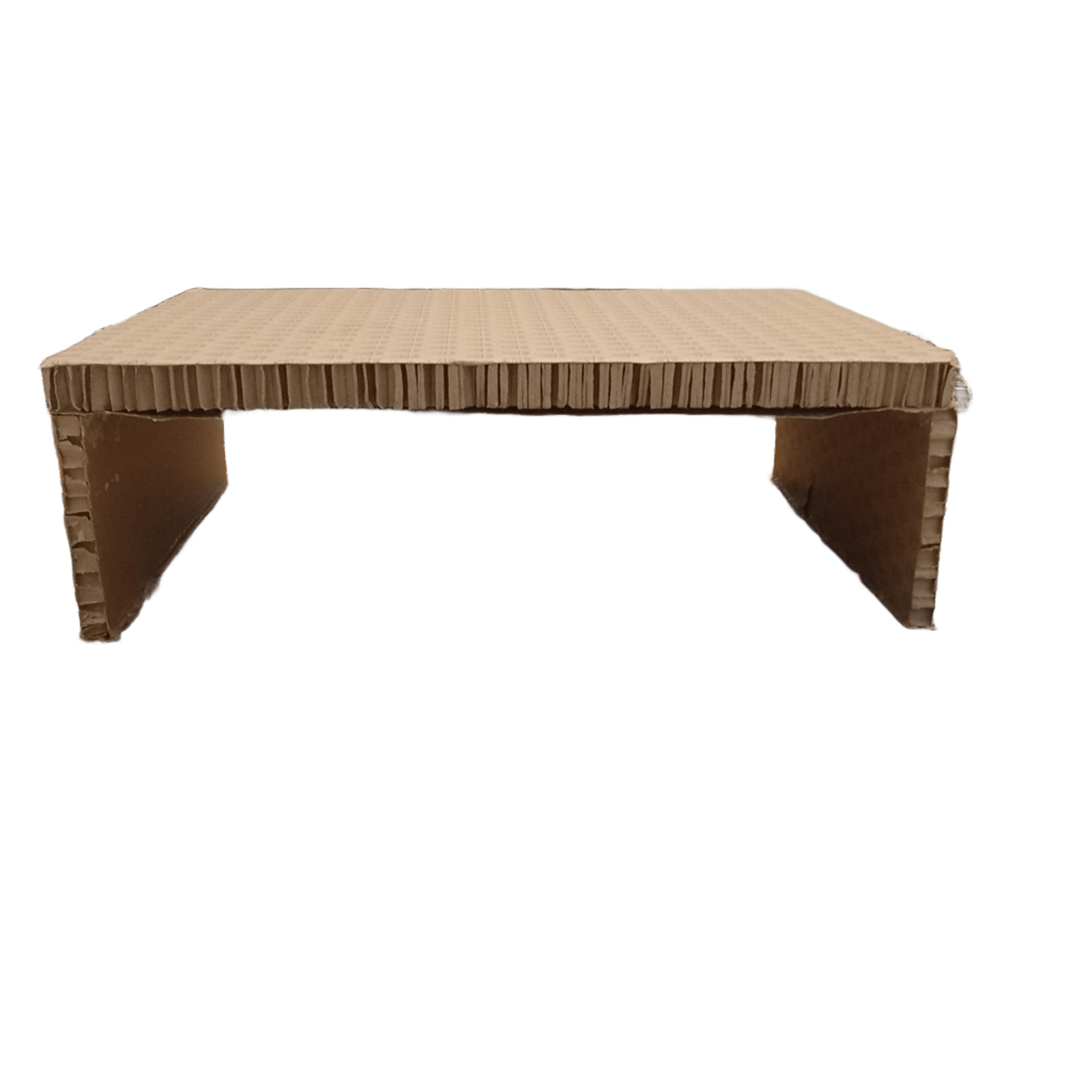
This project embodies the true spirit of Trash to Treasure. It not only relies on recycled cardboard but also goes a step further by using a homemade flour-and-water glue instead of industrial adhesives. This approach proves that creativity doesn’t require expensive tools or advanced materials—just the willingness to transform simple items into something useful and beautiful. The mini cardboard table demonstrates how discarded materials can become a stable, functional piece, highlighting the power of imagination in upcycling. This project encourages others to rethink everyday waste and shows that sustainability begins with small, meaningful actions that anyone can take.
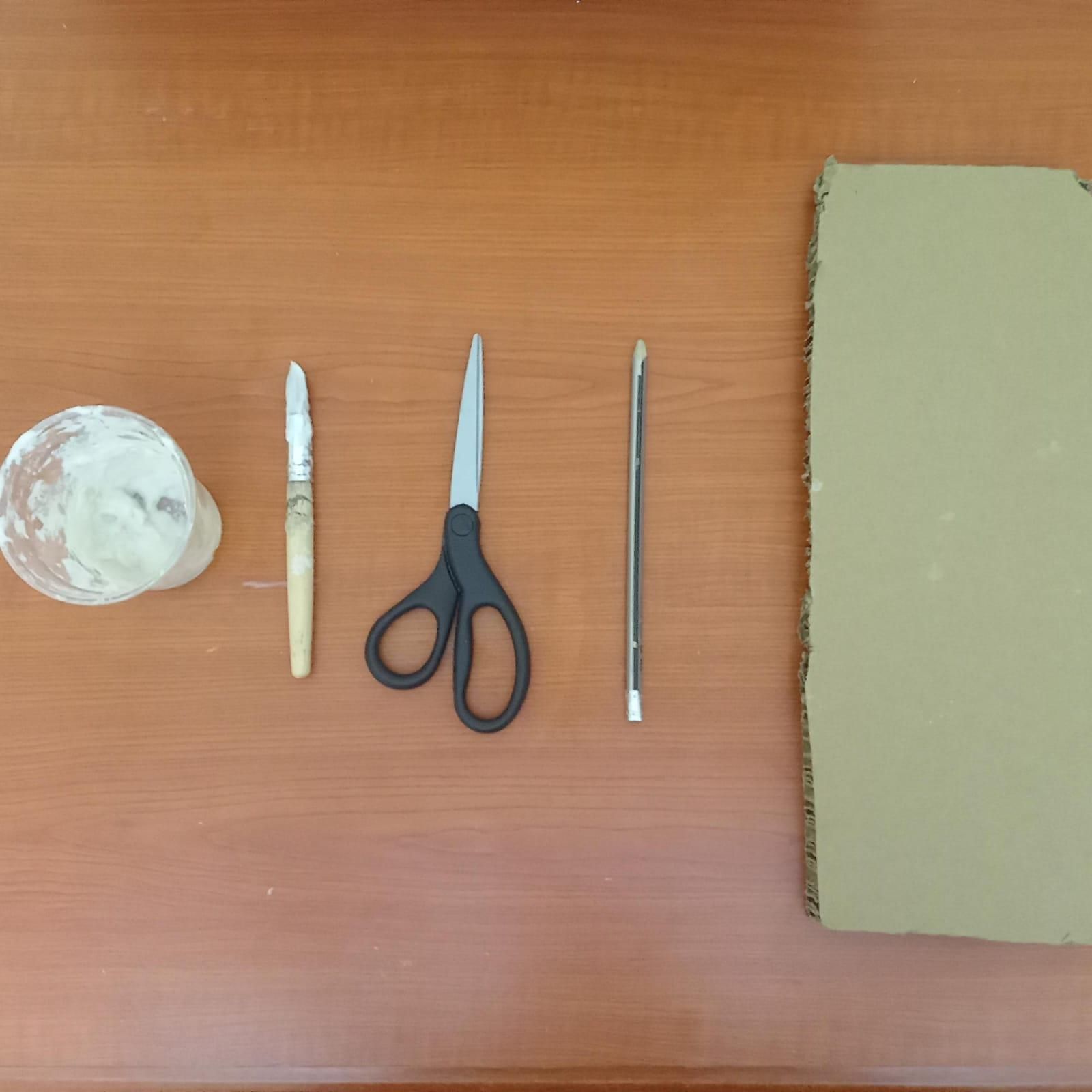
Supplies
Supplies
- A lot of Thick cardboard
- Scissors
- Marker
- Homemade glue (flour + water)
- Brush
How I Made the Homemade Glue
I mixed a small amount of flour with water until it reached a consistency similar to white glue. This glue is safe, inexpensive, and works very well with cardboard once it dries.
Cutting the Tabletop
.jpeg)
Step 1 – Cutting the Tabletop
I cut a rectangular piece of cardboard to serve as the tabletop and made sure the edges were straight.
Cutting the Side Legs
.jpeg)
Step 2 – Cutting the Side Legs
I cut two identical side pieces to act as the legs of the table.
Assembling the Table
.jpeg)
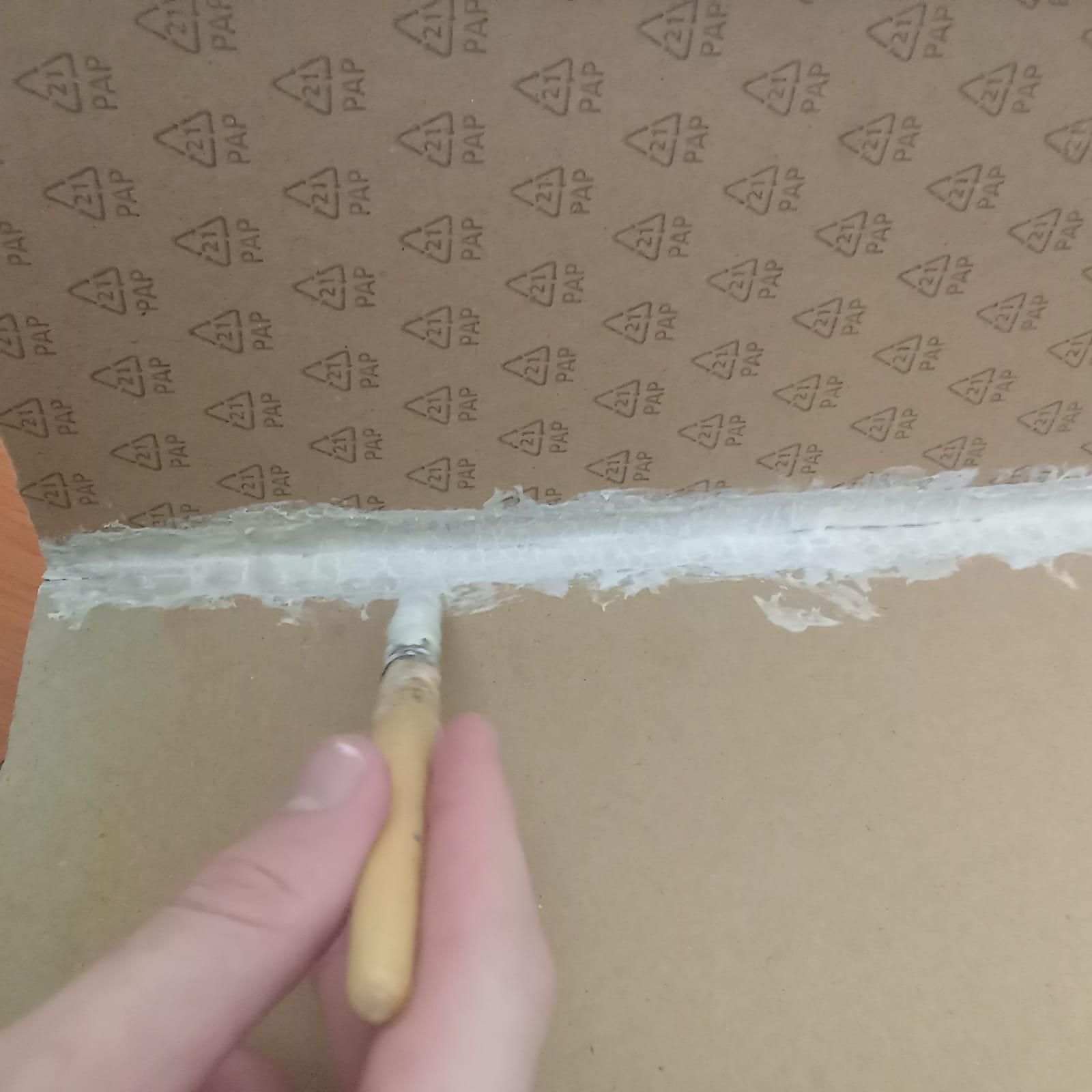
Step 3 – Assembling the Table
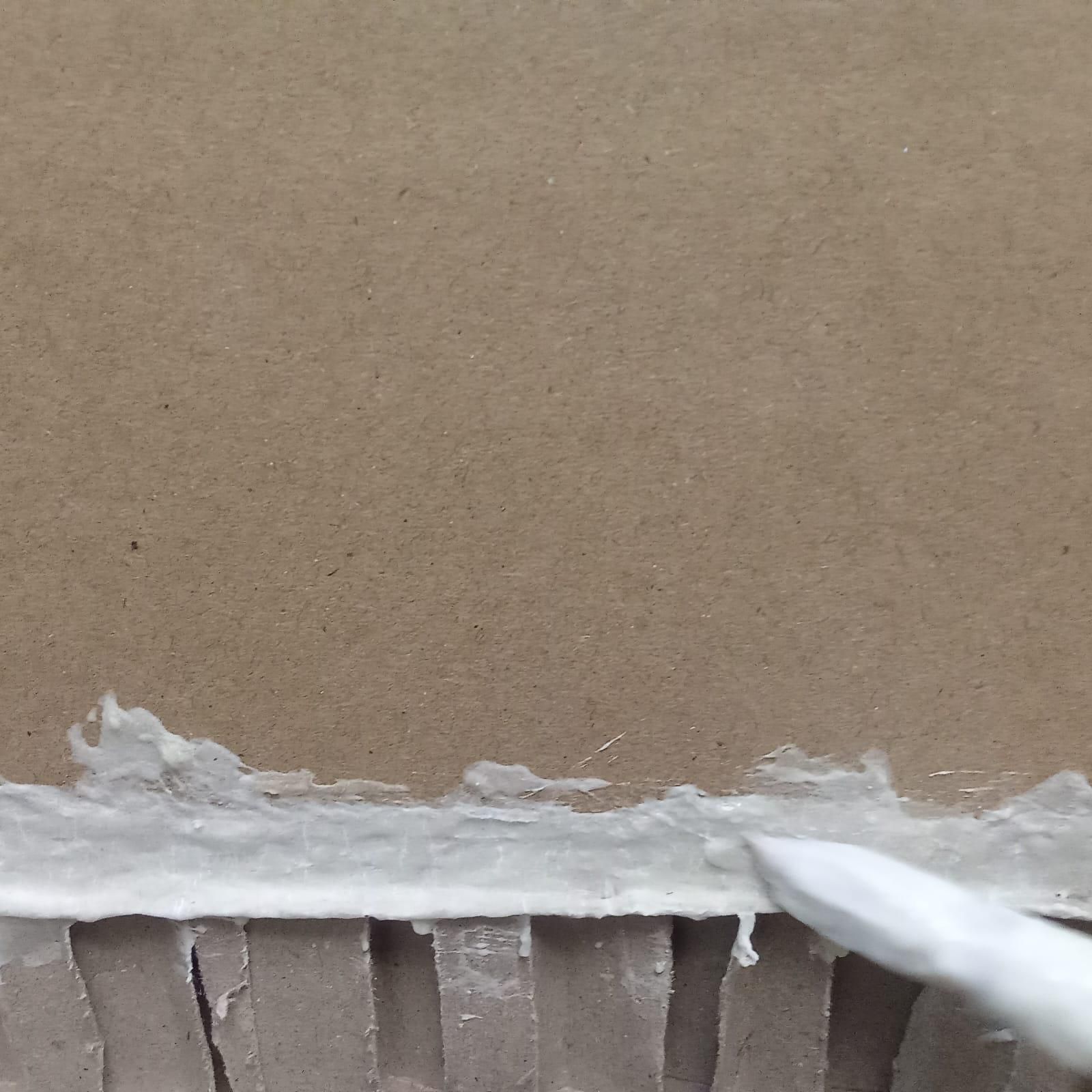
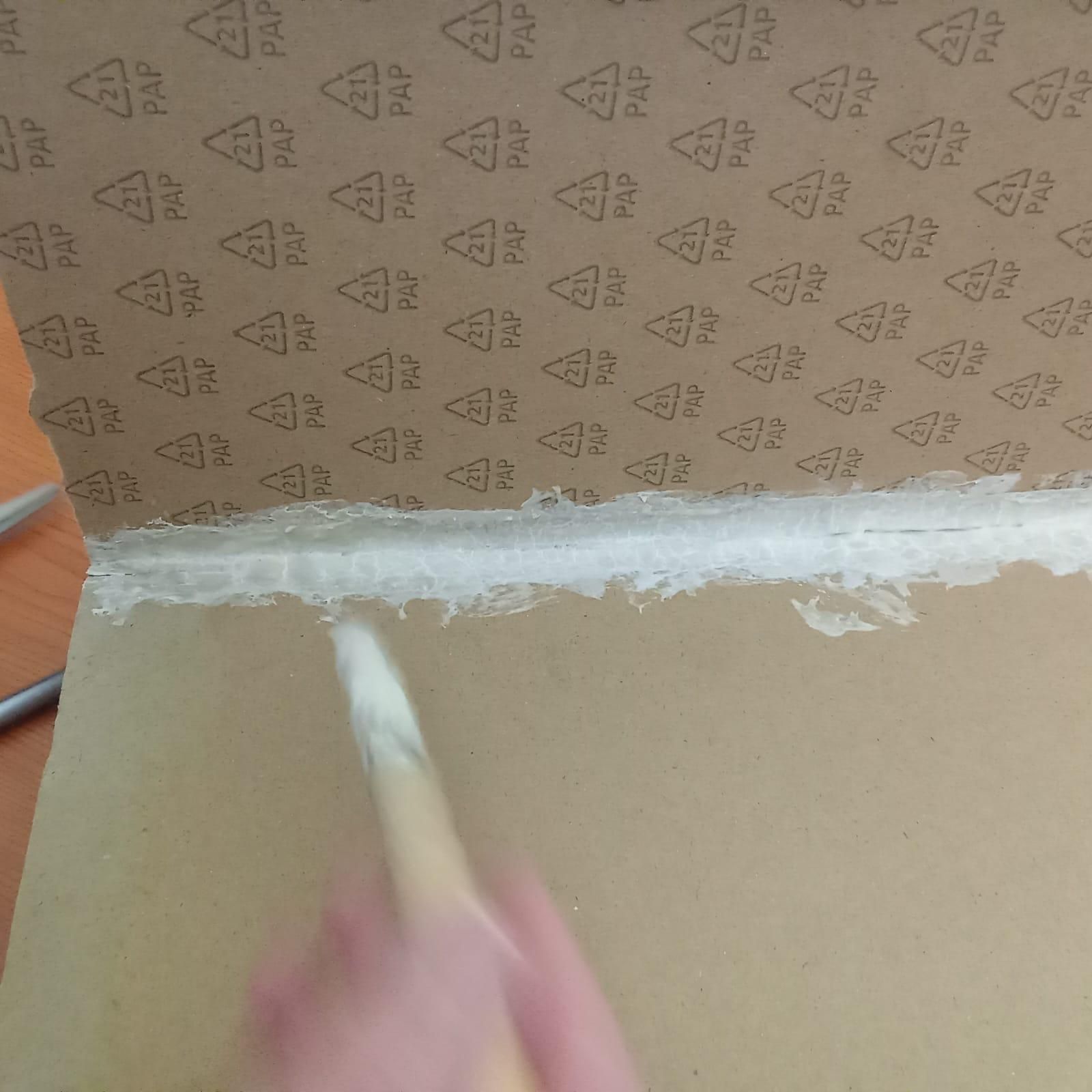
I used the homemade flour-and-water glue to attach the tabletop to the legs. I let the glue dry completely before testing the stability. An extra layer of cardboard can be added inside the legs for more strength.
Final Touches
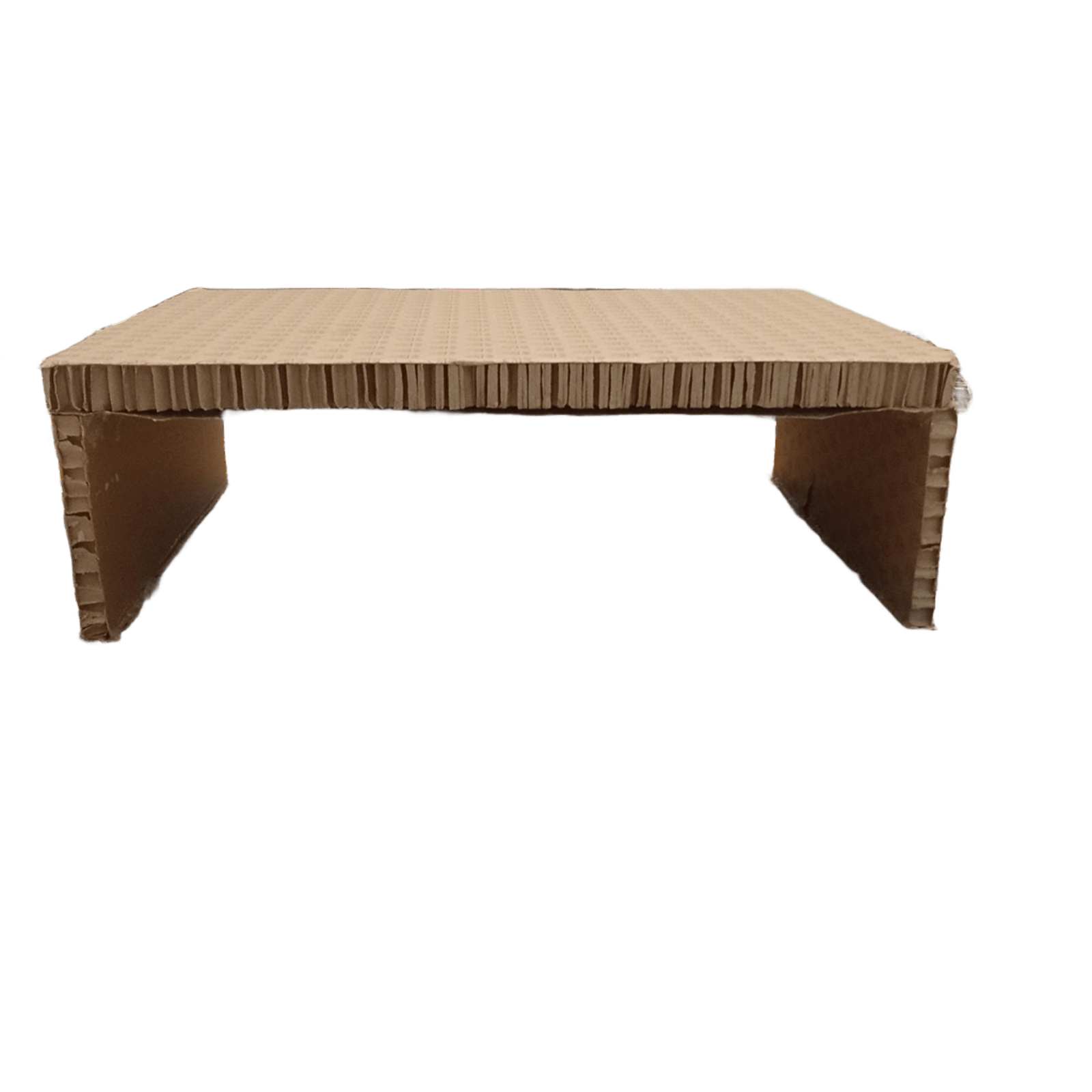
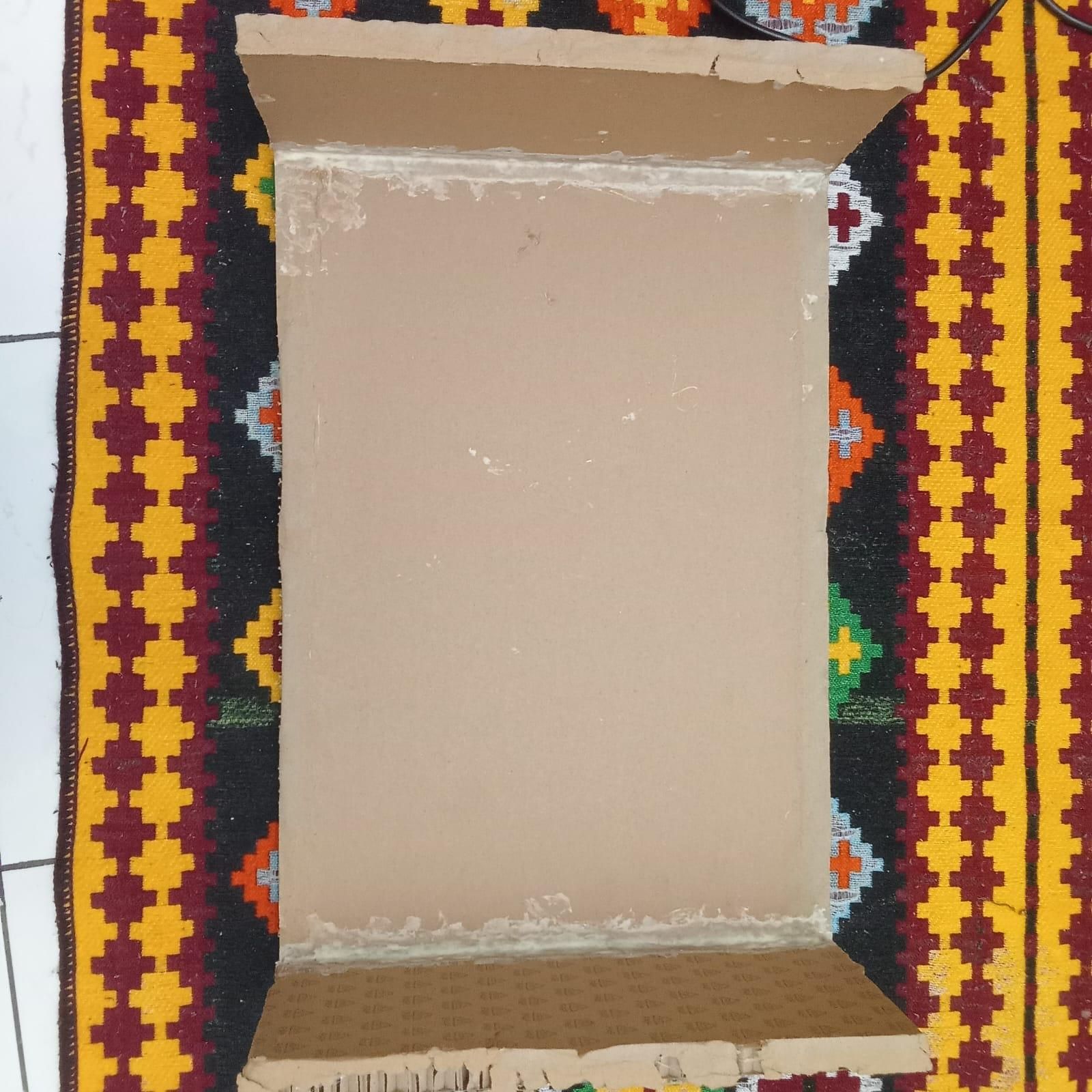
Step 4 – Final Touches
I checked that all edges were secure. The table can be left plain or decorated.
Conclusion
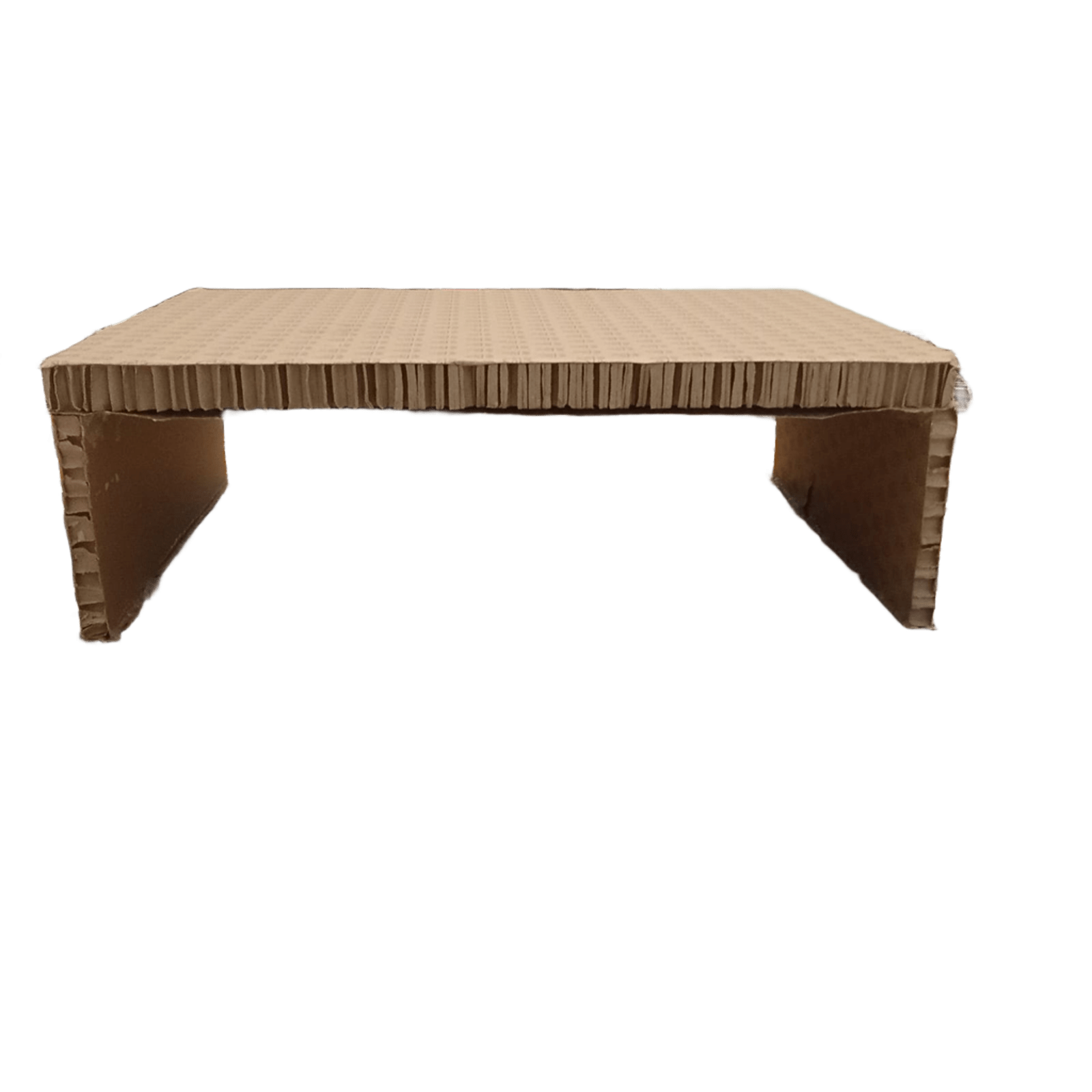
Conclusion
This eco-friendly project shows how cardboard and simple homemade glue can be turned into a useful and visually appealing piece. The idea can be expanded by adding a lower shelf or experimenting with different leg designs.