Proscting for Gold Left by the Victorian Era and 20th Century Gold Rush in Australia
by manukamidnight in Outside > Camping
117 Views, 1 Favorites, 0 Comments
Proscting for Gold Left by the Victorian Era and 20th Century Gold Rush in Australia
.jpg)
Gold was first discovered in the state of Victoria in Australia in 1851. People from all across the world wanted to participate in the find. Mostly people from Britain and China flooded Victoria and started searching for gold. This was the biggest gold rush in Victoria. During the 1850s Victoria produced more than one third of the world's gold. By 1869, 622 tonnes of gold had been extracted in Victoria. Victoria has produced more than 2,400 tonnes of gold in total, with the vast majority extracted during the initial gold rush era. Although most of the gold was extracted in the gold rush, there is some left in the shallow areas. So this project is about designing and 3D printing a skid plate for the Gold Monster 2000 metal detector, finding the right locating using different types of maps and detecting in the Australian bush to see if we can find anything.
Supplies
- Autodesk Software, Fusion for 3D design
- A 3D printer
- Filament
- GeoVic to look up locations: https://gsv.vic.gov.au/sd_weave/anonymous.html
- Trilobite for on the ground tracking
- Google maps for navigation
- A Gold Monster 2000 metal detector
- A vehicle
Creating the Sketch
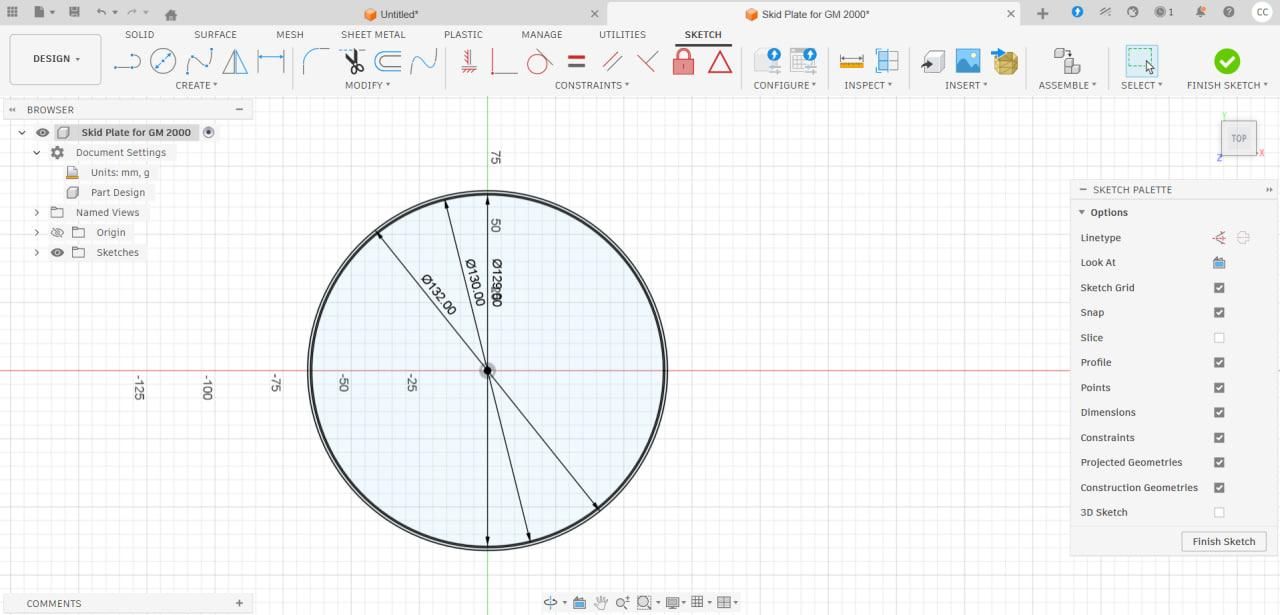
Draw a sketch in fusion featuring 3 circles
Extruding the Body


Extrude the sketch by 3mm. Make the rim by extruding the two outer circles.
Making the Notch

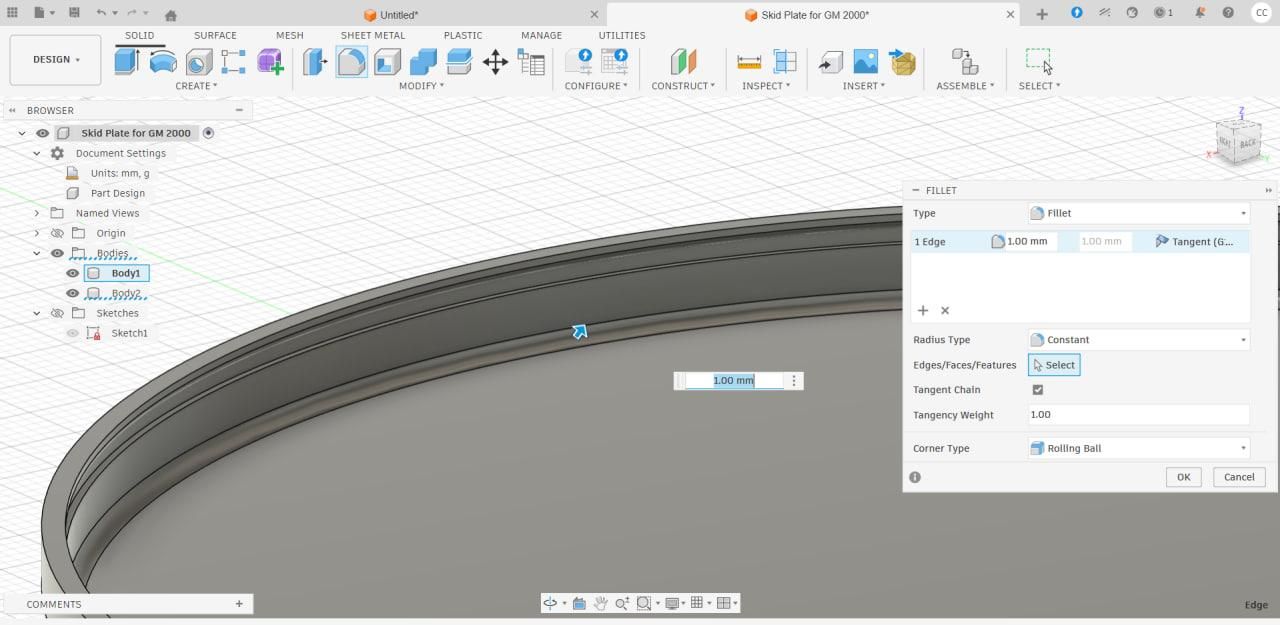
Use the middle circle to extrude a notch for the skid plate to stay on the detector without falling off. Fillet the brim for an easy fit.
Adding Text

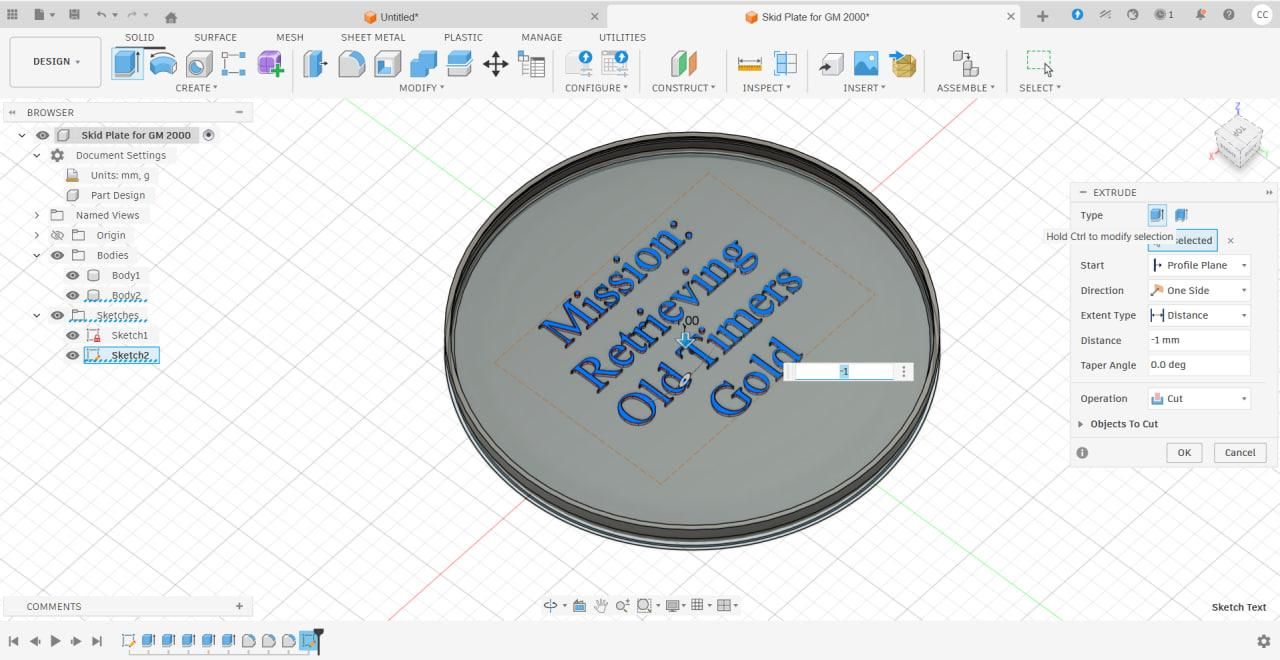

Added the text "Mission: Retrieving Old Timers Gold" and extruded it 1mm in to create the text.
Preparing to 3D Print
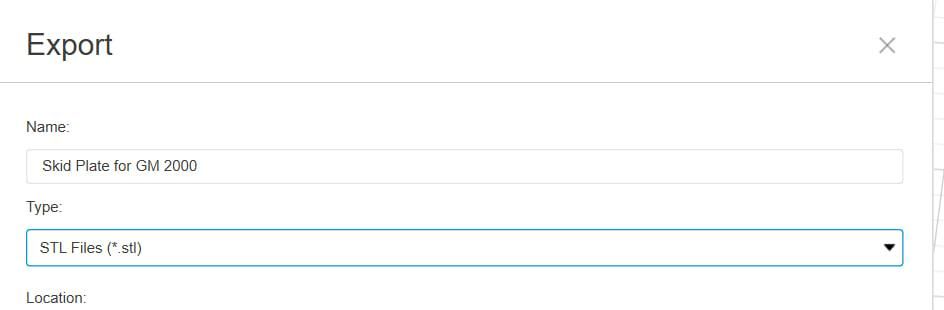
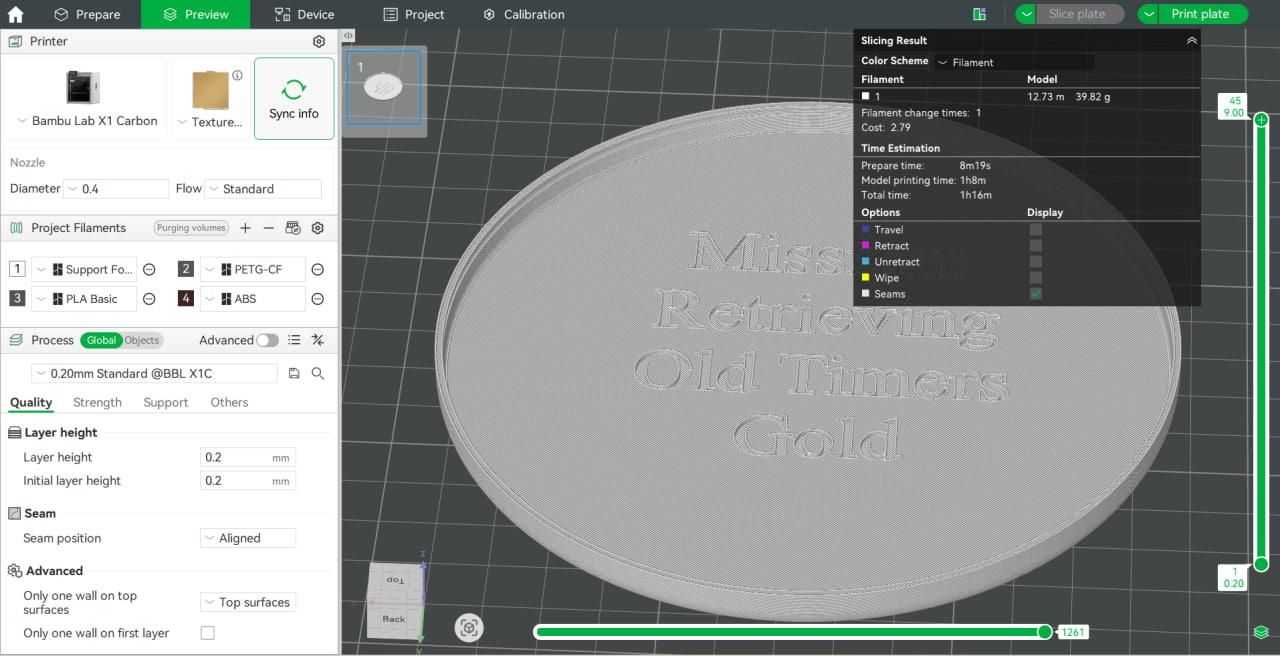
Exported and sliced the plate on the Bambu Lab Slicer. Here is the file for the skid plate.
Downloads
Printed the Plate
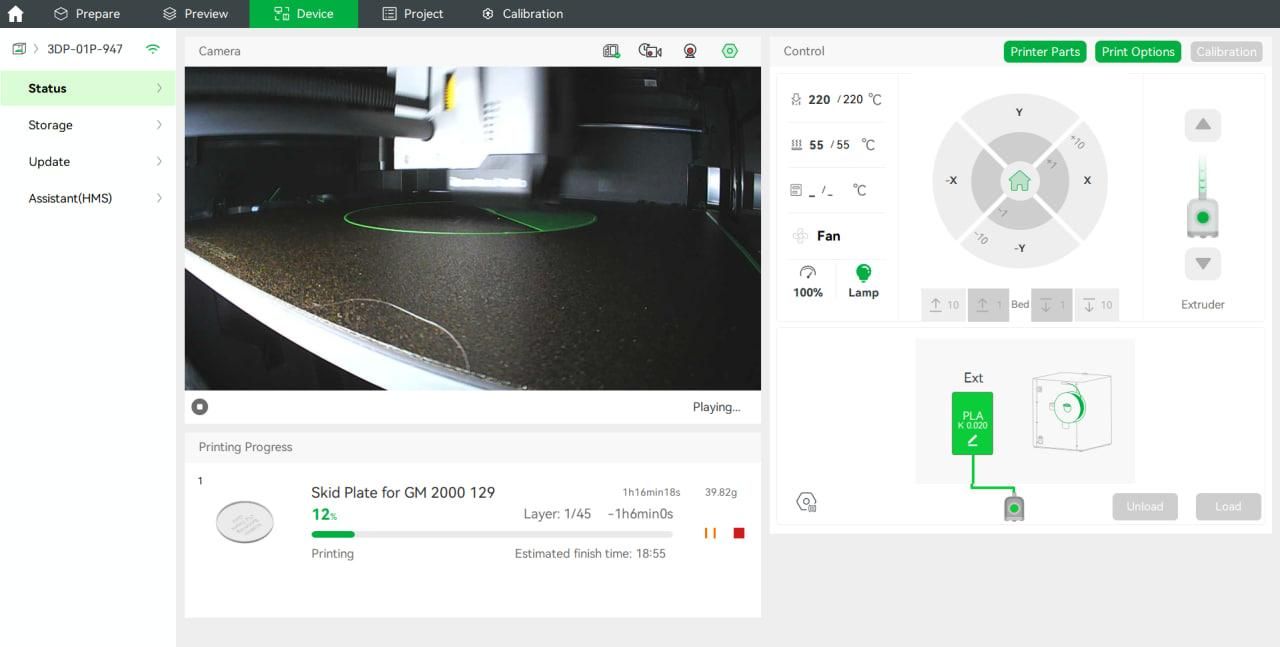
The skid plate fit snuggly on the detector after printing.
Downloads
Set Up Geovic to Find Gold


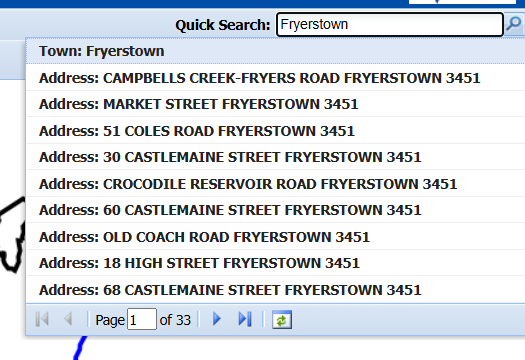

Go to the Geovic anonymous website and click on add layers on the top left. Tick the boxes shown it the photos.
When you are done ticking, click apply and you will end up with a map of Victoria as shown. Type the place you want to find out in the search bar on the top right and select the place from the menu as shown in the picture. Use the zoom in, zoom out and pan functions to navigate Geovic and find your spot.
Researched Spots to Prospect From Geovic
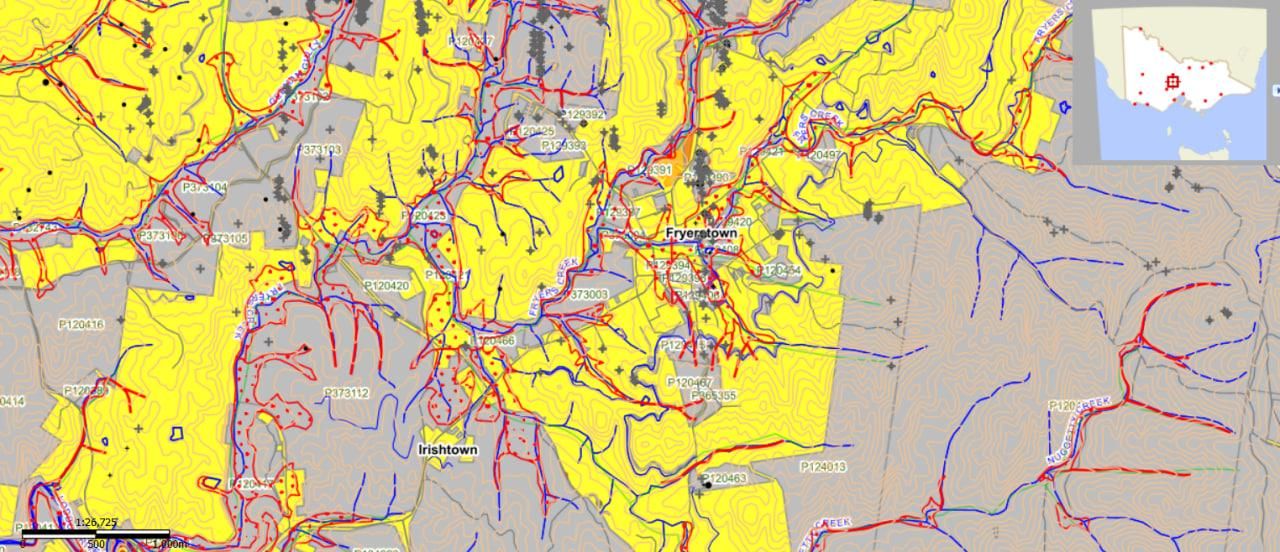
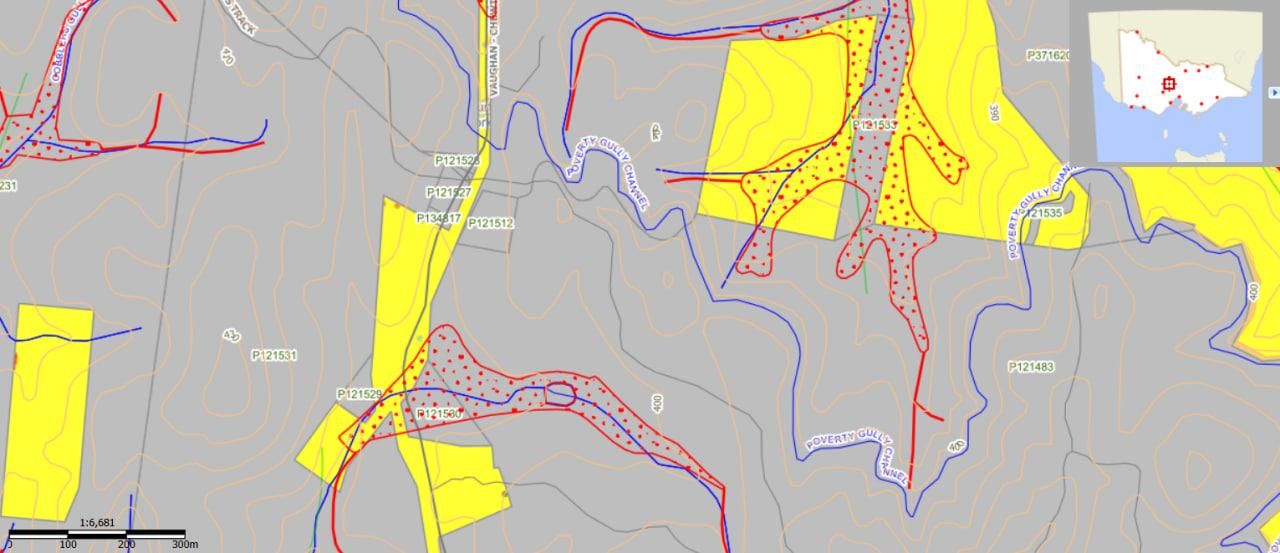
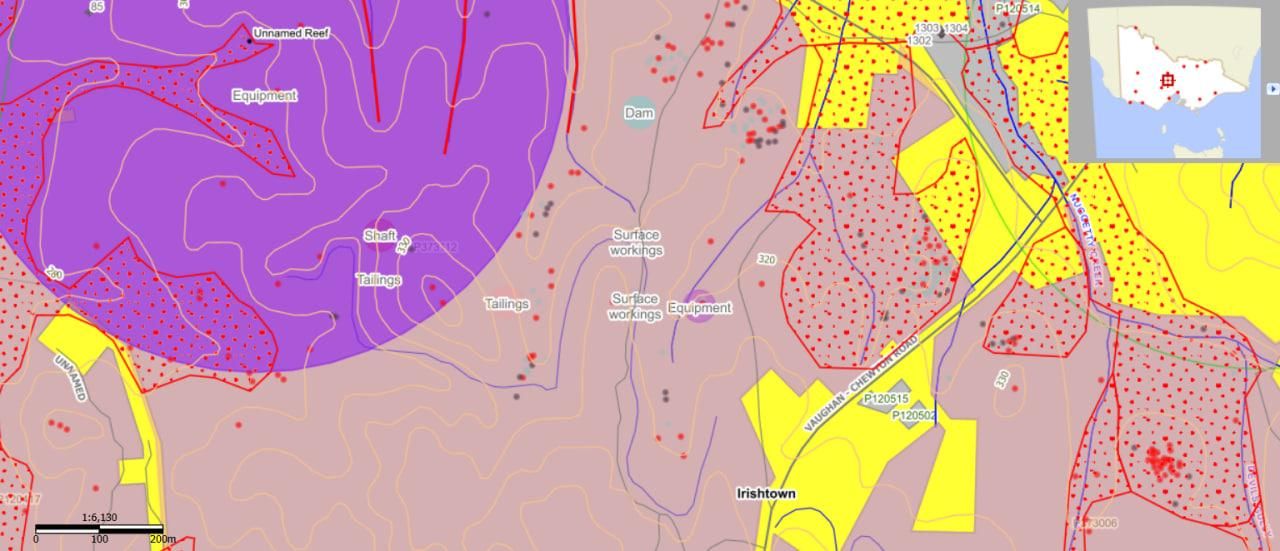
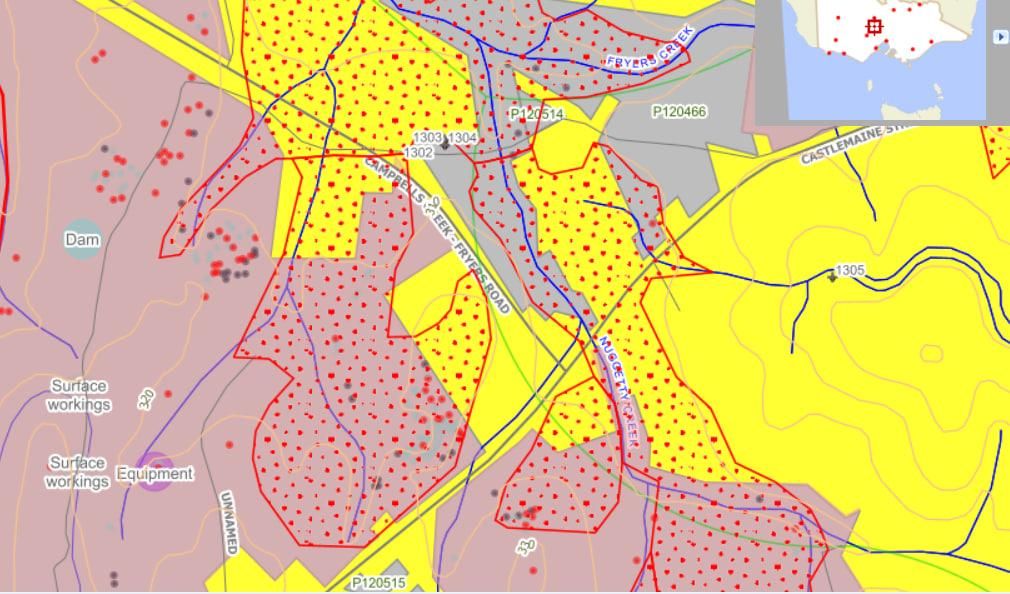
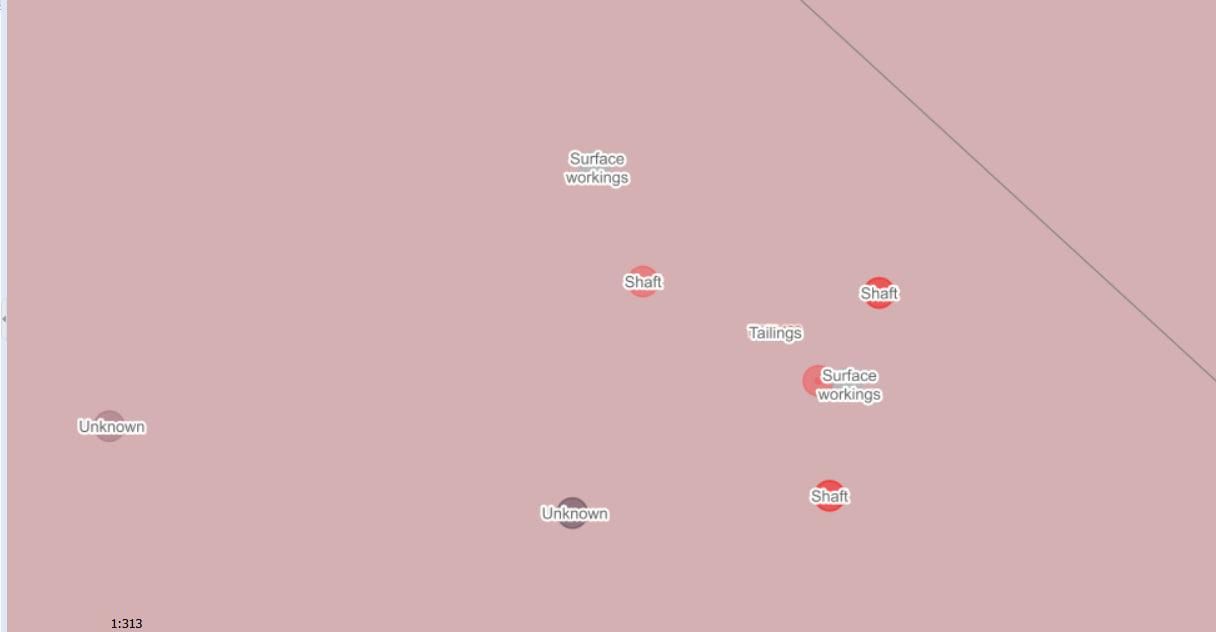
The yellow colour indicates that there is a chance that gold might be present. The grey colour indicates that it is public land you are allowed to prospect in. The red lines and dots indicate that the old timers have been digging those areas and finding some decent gold. The different colours indicate special type of workings that prospectors look for, such as surface workings. Surface workings indicate that there is shallow gold around. Shafts indicate that the gold is deeper so prospecting the rocks that came out of the shafts might prove useful. The green lines indicate that there is a lot of gold buried deep underground. When prospecting, one also looks for rivers as they are the ones who carry the gold down stream.
Deciding the Exact Spot
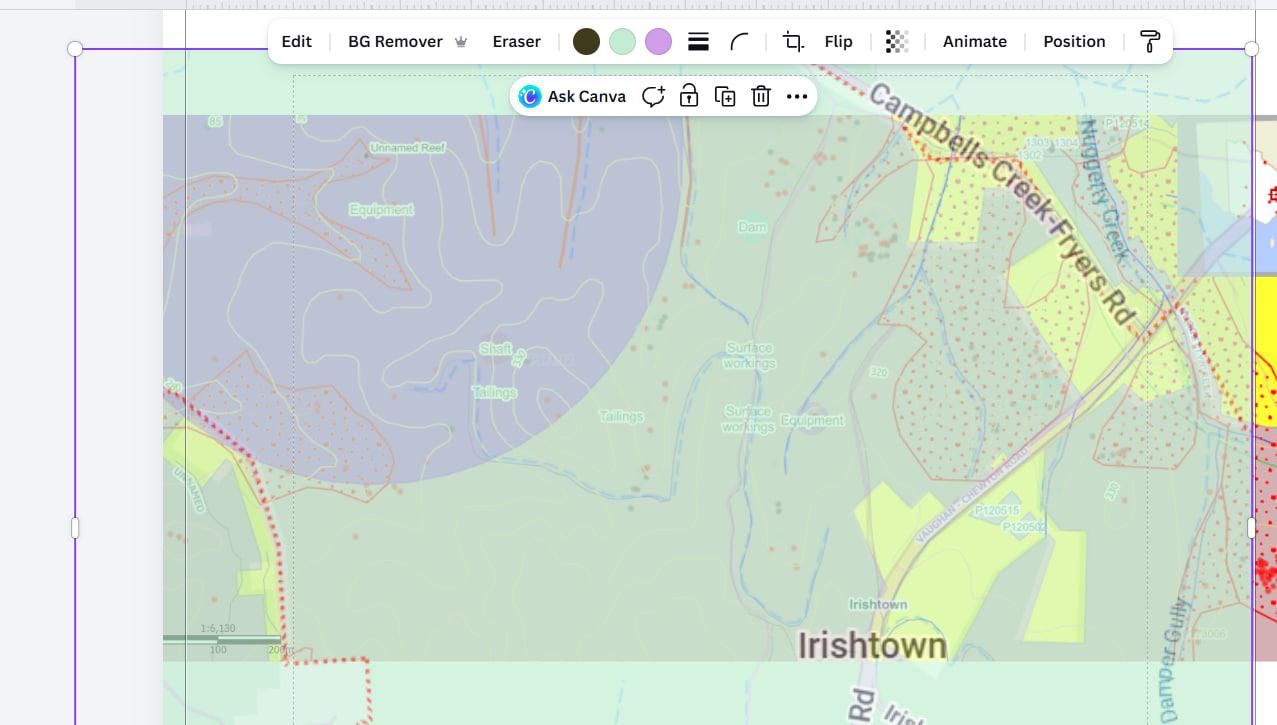
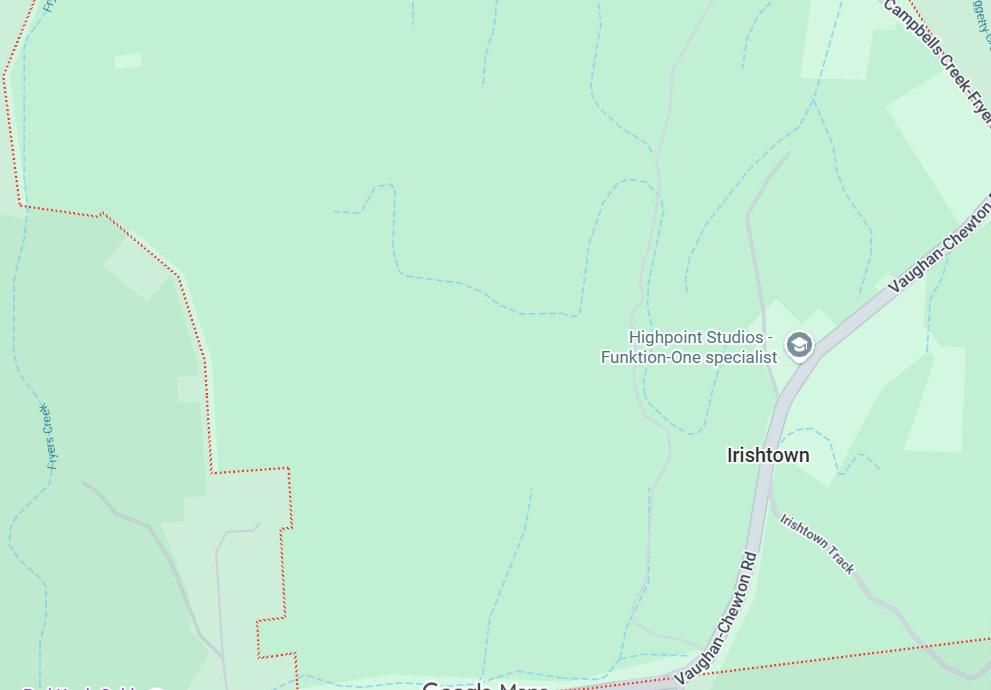
After finding the place I wanted to try out, I went to Canva to layer Geovic and Google Maps so I can find out where exactly I want to go to.
Going to the Spot and Detecting

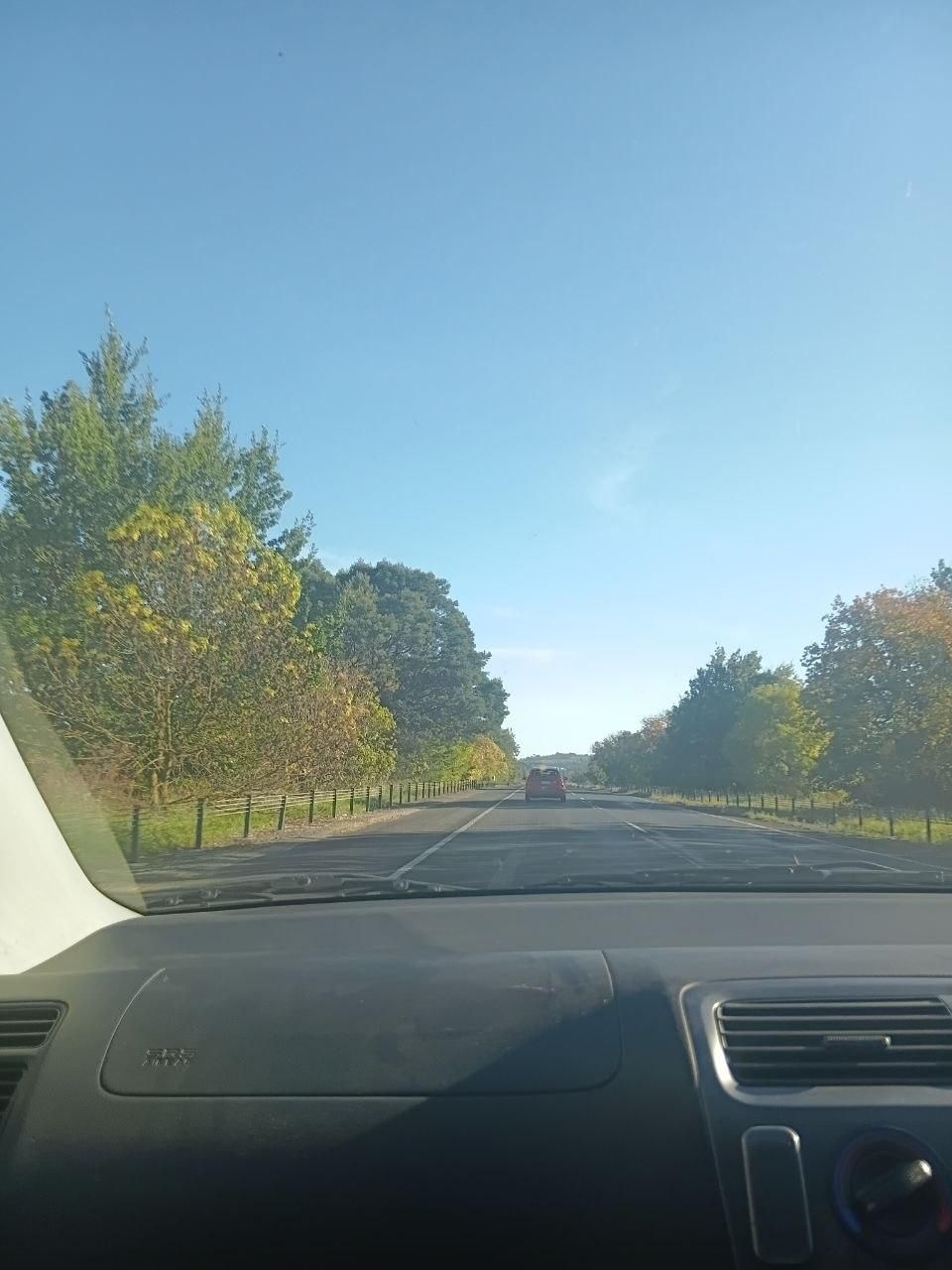
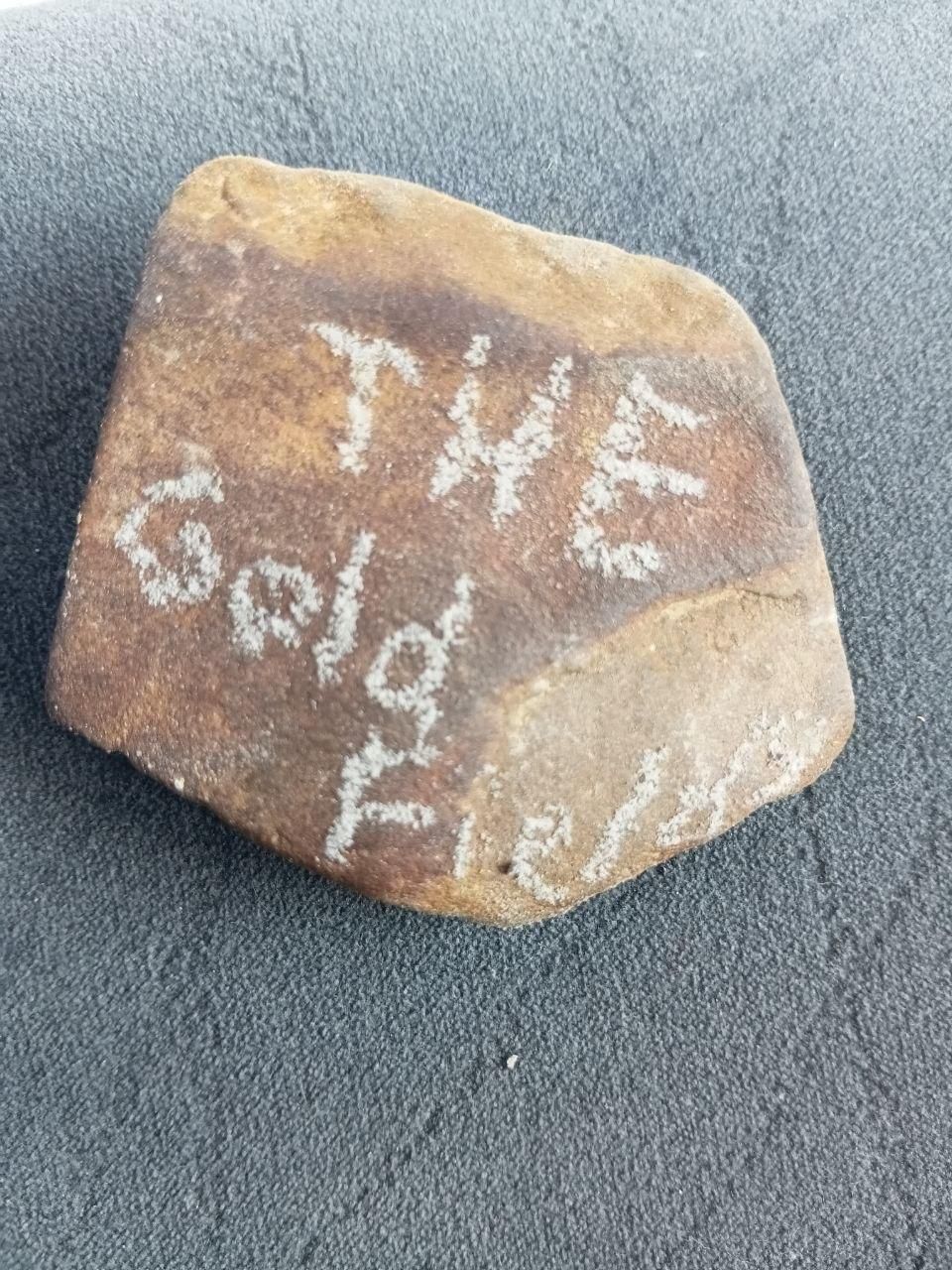
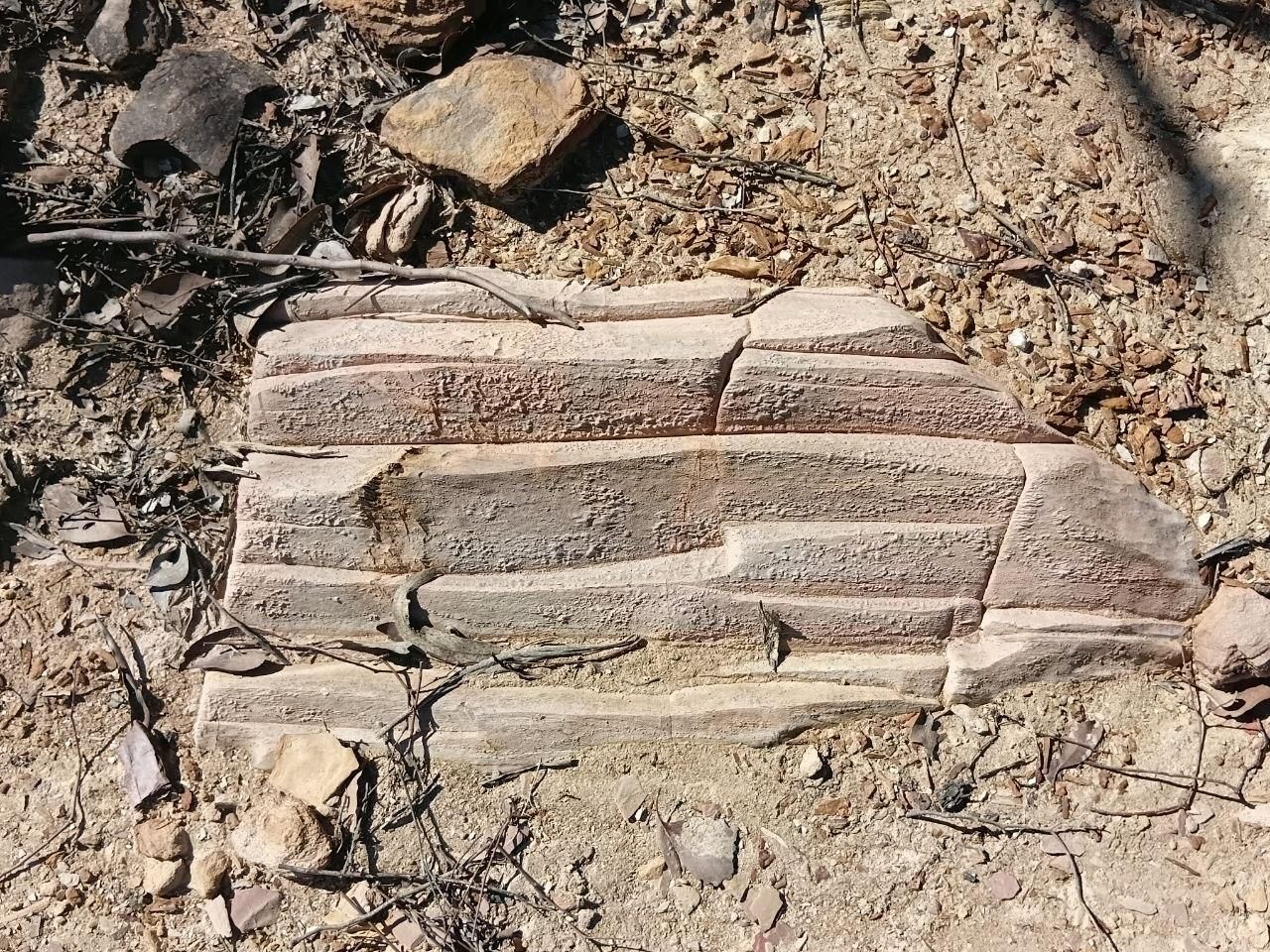
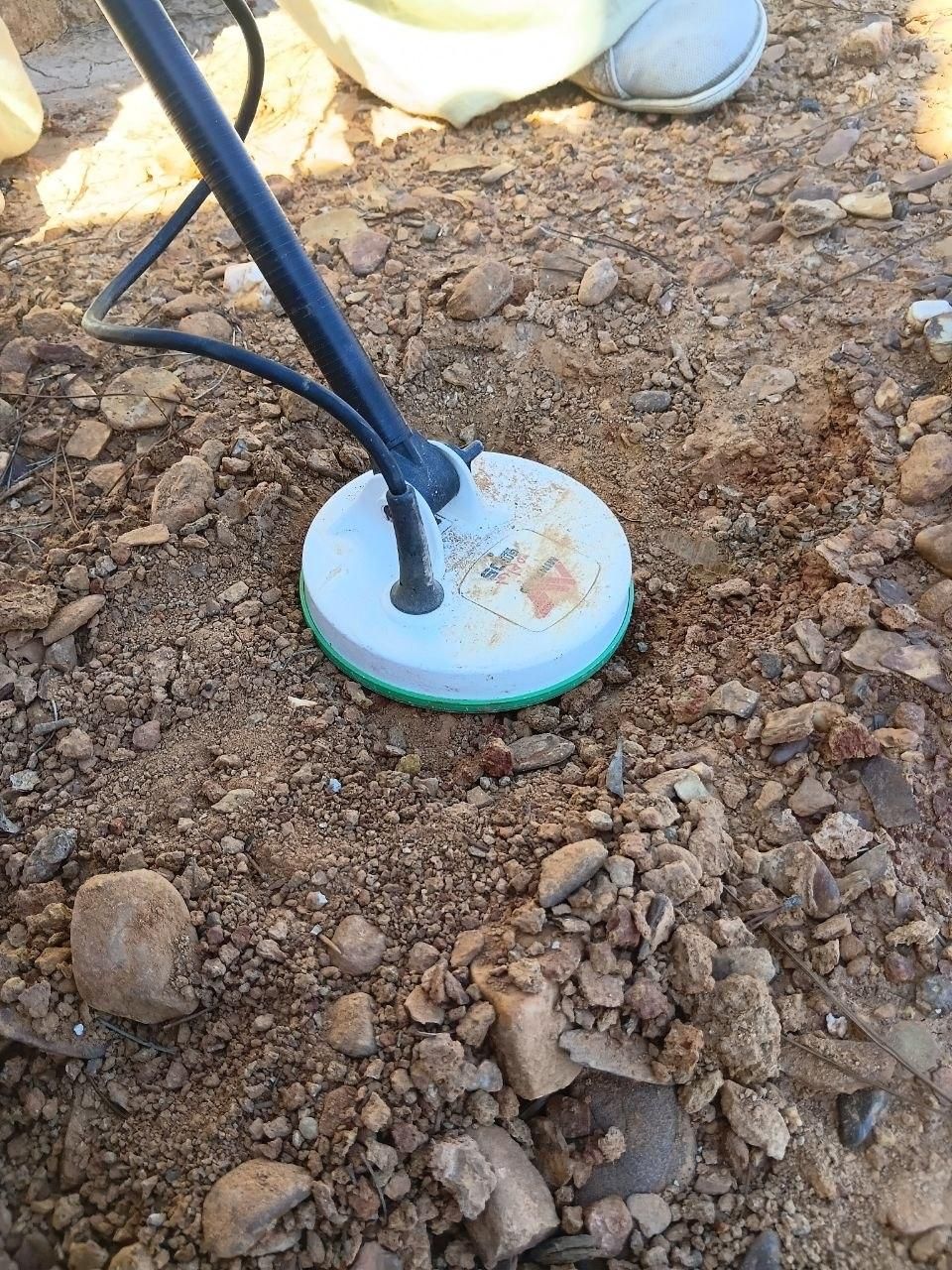


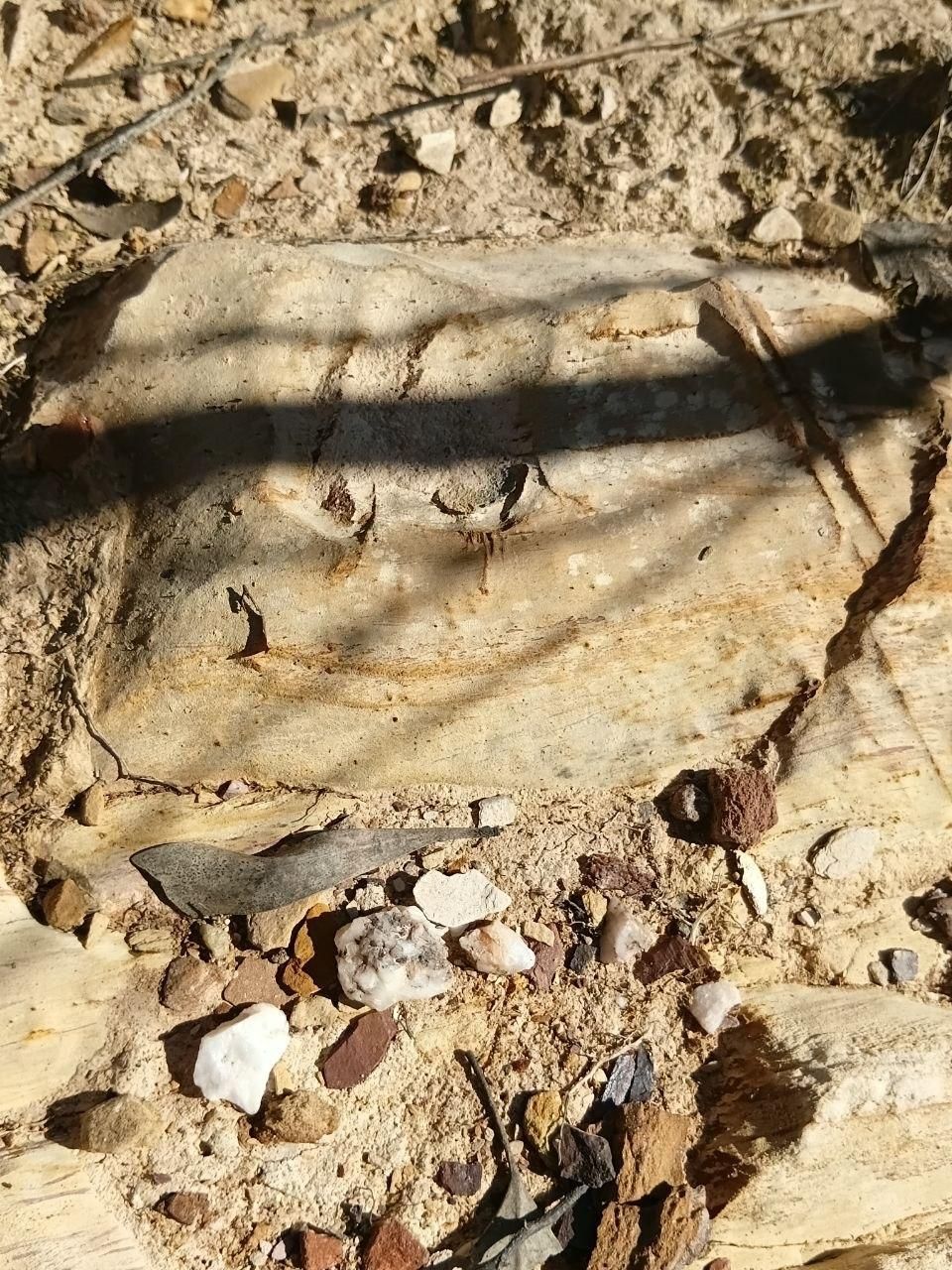
Used the navigation gold map Trilobite to find out the geography of the area. Detected for hours but couldn't find gold this time.
There were hot rocks: rocks with a lot of iron in them so they make a signal
There were lead shots: Sound like gold but litter a lot of Victoria. Their presence indicates that people have been hunting here. If they are old it indicates that the old timers stayed there longer and hunted for food meaning they were finding gold.
There was of course a lot of trash.
There is a possibility that our spot was so rocky that we couldn't get the gold from under the rocks. But the rocks were so beautiful and colourful.
Fortunately, the skid plate did well. Even better than the skid plate it came with when we first bought it!
Conclusion
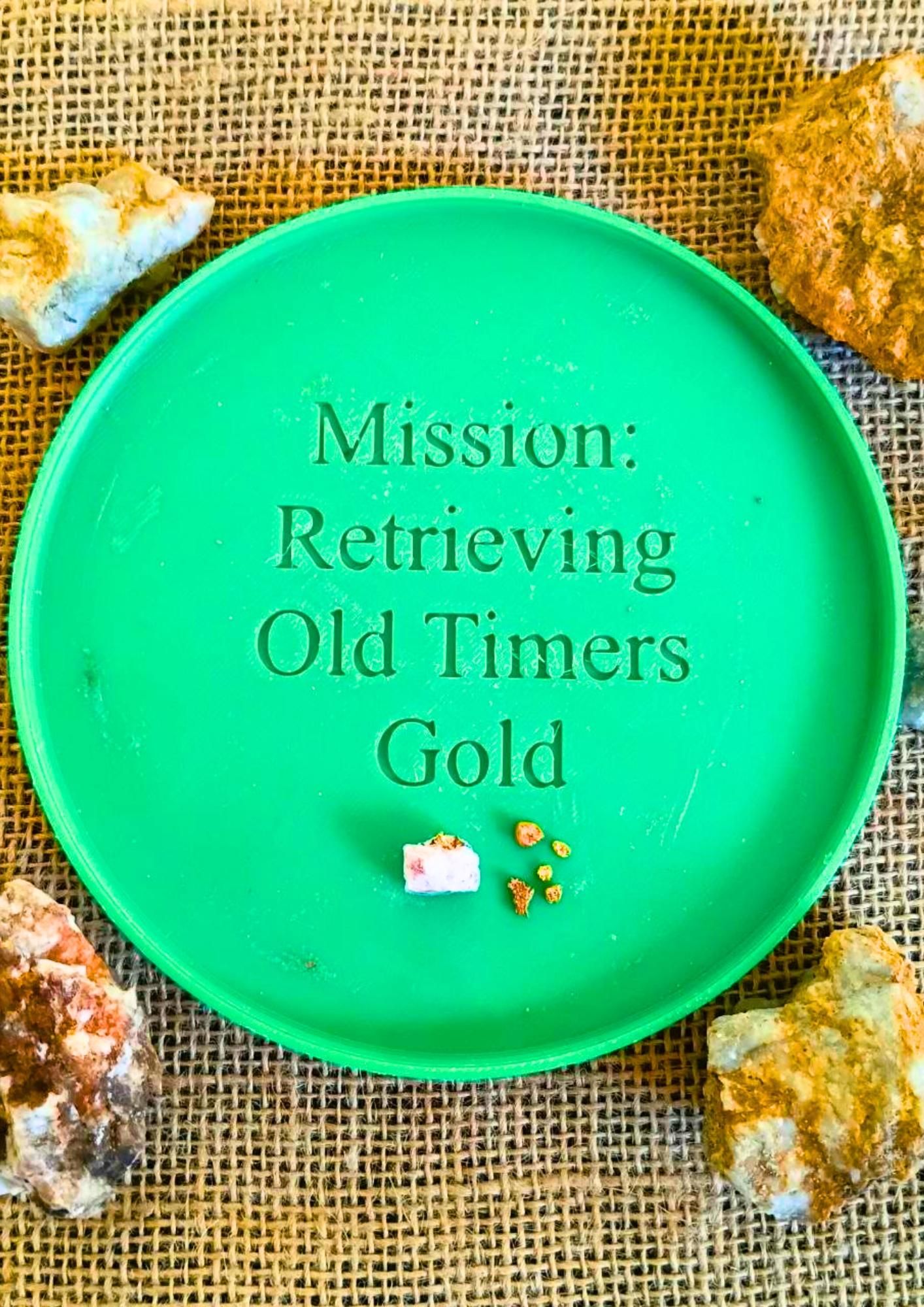
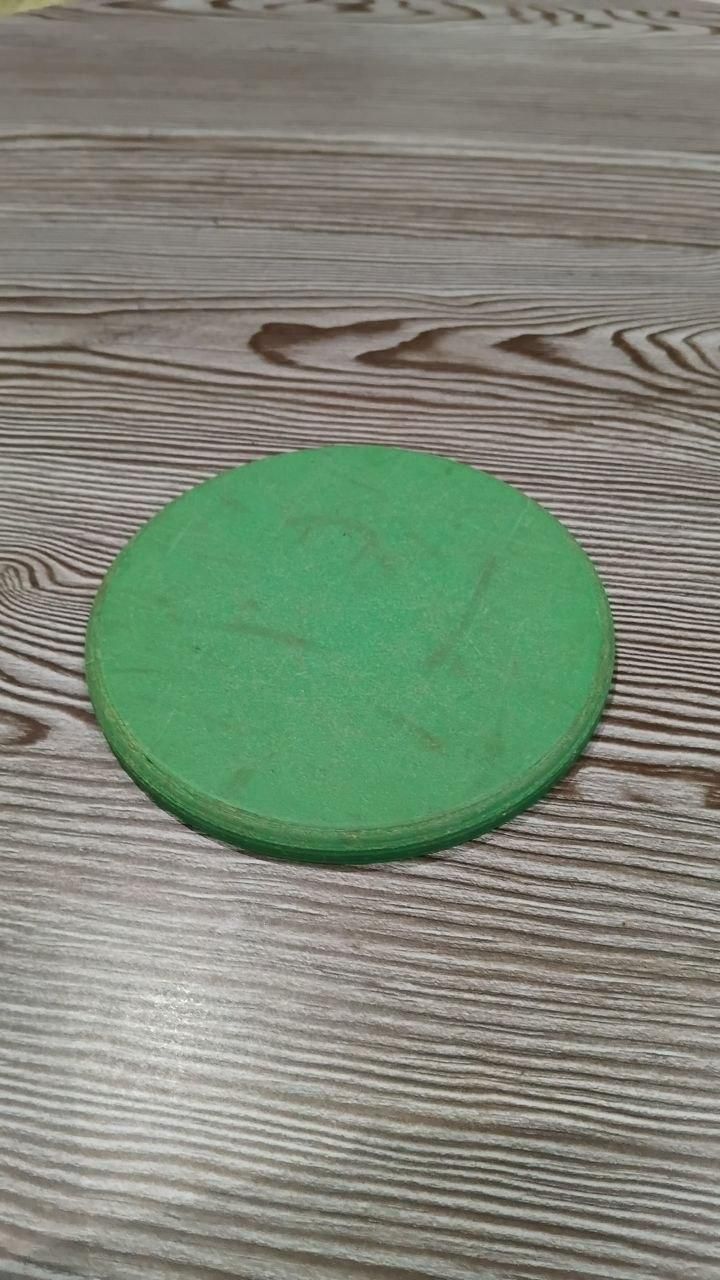
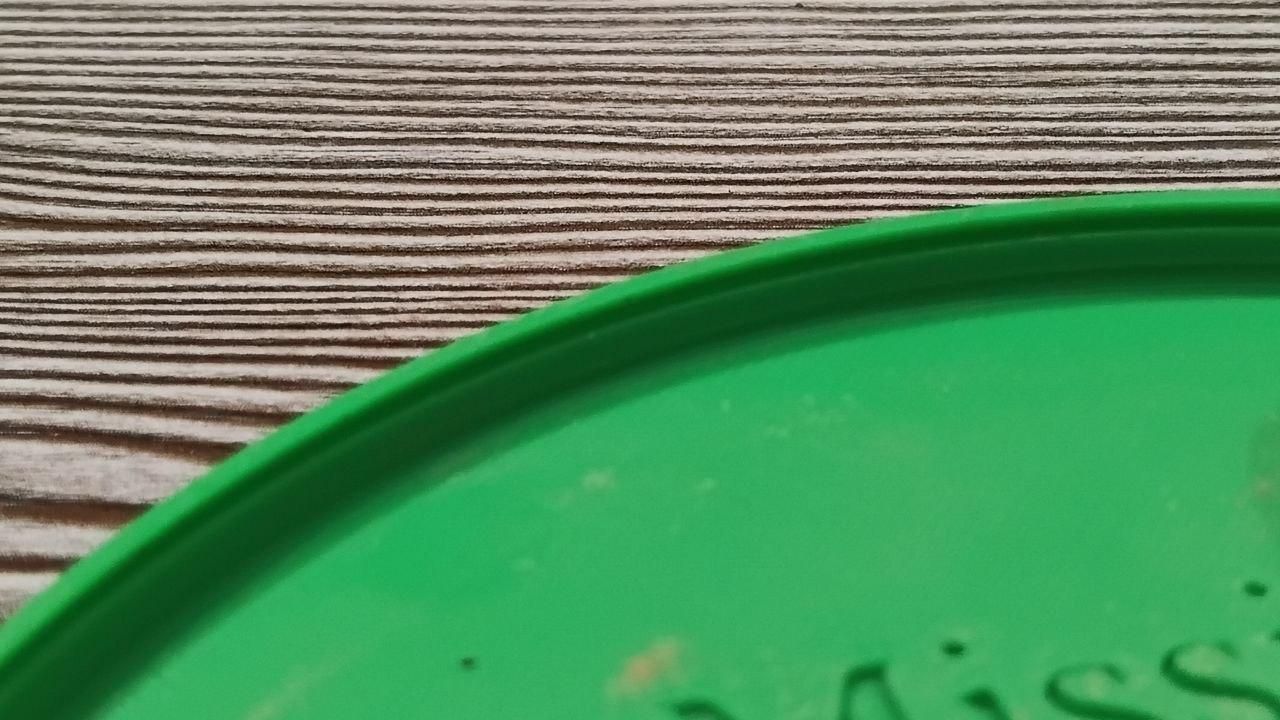
Although we didn't find gold this time we had found gold in the 10km radius from we were detecting, before with the same detector, Gold Monster 2000. Overall the skid plate did well and didn't suffer any problems even though it was rubbed against tough rocky terrain for hours.
So there is still some gold left in Victoria to be found. Have fun on your own prospecting journey!