Recreating a 19th Century "Roscón De Reyes": a Royal Journey Through Time
919 Views, 3 Favorites, 0 Comments
Recreating a 19th Century "Roscón De Reyes": a Royal Journey Through Time


The Roscón de Reyes (Kings’ Cake) is not just a festive bread; it is a culinary artifact that has traveled across centuries and oceans. While many recognize it today as a staple of Spanish and Latin American epiphany celebrations, its "build" is a fascinating story of cultural migration and evolution.
The Historical Inspiration
For the Making History Contest, I am recreating the Victorian Era (1800–1899) version of this masterpiece. This was the pivotal century when the Roscón transitioned from a rustic bread into the sophisticated, jewel-toned brioche we recognize today.
By the 19th century, the introduction of refined beet sugar and advanced candied fruit techniques allowed bakers to transform a simple dough into a "crown" fit for a king. I will be using traditional manual kneading techniques—specifically the Bertinet method—to replicate the airy texture that historical bakers achieved without the aid of modern stand mixers.
A Tale of Two Continents
What makes this project unique is its legacy. As European bakers migrated to the Americas, this recipe evolved into iconic regional treasures:
In Mexico: It became the oval-shaped Rosca de Reyes, decorated with ate (quince paste) and sugar crusts.
In the United States: French settlers in Louisiana transformed it into the vibrant, cinnamon-swirled New Orleans King Cake, a centerpiece of Mardi Gras.
The Build
In this Instructable, we will step back into a 19th-century bakery. We will explore the chemistry of pre-ferments, the symbolism of the hidden fava bean, and the art of citrus preservation. This is a project about patience, tradition, and the "edible history" that connects the Roman Empire to the modern American kitchen.
- Historical Era: Victorian Era (1800–1899)
- Core Technique: Long-fermentation manual brioche.
- Key Artifacts: The Hidden Fava Bean (The Fool) and the Porcelain King (The Sovereign).
Supplies


The proportions are calculated to create a large, royal-sized brioche that can hide the traditional artifacts.
The Dry Materials
- 650g Bread Flour: This is our structural base. High-protein flour is essential to support the "lift" during the long fermentation.
- 120g White Sugar: In the Victorian era, refined sugar was a luxury that marked this as a "feast bread."
- 1/2 tsp Salt: To balance the sweetness and strengthen the gluten network.
The Binding & Aromatics
- 250ml Whole Milk: Warm it slightly to "wake up" the microorganisms.
- 2 Large Eggs: These provide the rich, golden color and the protein needed for a soft crumb.
- 75g Unsalted Butter: High-quality fat that must be at room temperature for proper integration.
- 25ml Orange Blossom Water: The essential historical perfume of the Roscón.
- 25ml Dark Rum (Optional): Often used in 19th-century bakeries as a natural preservative and flavor enhancer.
- Zest of 1 Orange and 1 Lemon: These provide the fresh essential oils that define the "Enlightenment" citrus profile.
The Biological Engine
- 25g Fresh Yeast: Equivalent to about 8g of active dry yeast. In the 1800s, this was obtained directly from breweries.
The "Jewels" & Artifacts (Decor)
- Candied Fruits: Red cherries, green melon, and orange slices.
- Pearl Sugar: To simulate frost or diamonds on the crown.
- The Hidden Surprises: One dried fava bean and one ceramic figure.
Tools of the Trade
- Large Mixing Bowl: To maintain a stable temperature.
- Fine Grater: For the citrus zest.
- Linen Cloth: To cover the dough during its "slumber" (fermentation).
Technical Note: All ingredients should be at room temperature (approx. 20°C / 68°F) before you begin.
The Timeline - a 2,000-Year-Old Blueprint
The Roscón de Reyes is a living fossil; its ingredients and shape have changed as it traveled through history.
1. Ancient Rome: The Seed (Pre-400)
- The ancestor was the libum or honey cake of the Saturnalia.
- The Build: It was a dense, unleavened bread with honey and dried fruits.
- The Ritual: Romans hid a fava bean inside. The person who found it was named "Saturnicius Princeps" (The Prince of Saturnalia).
2. The Middle Ages: The Christian Transition (400–1399)
- As Europe embraced Christianity, the pagan ritual was moved to January 6th (Epiphany).
- Technique: Bakers began using natural sourdough, making the bread lighter and more airy.
- The Shape: It became a perfect circle to symbolize the endless love of God and the shape of a royal crown.
3. The Victorian Era: The Modern Build (1800–1899)
This is the era our project recreates. During the 19th century, the "industrialization" of ingredients began:
- The Aromatics: Orange Blossom Water became the standardized scent of the Roscón.
- The Sugar: Refined sugar allowed for the creation of the "Pearl Sugar" clumps we use today.
- The Prize: In the 1800s, the French influence in Spain introduced the porcelain figure as a lucky prize, while the fava bean was relegated to a "punishment" (the person who finds it pays for the cake).
4. The Transatlantic Legacy
As this recipe reached the Americas, it adapted:
- Mexico: The shape became oval to represent the "finding" of the Child Jesus (the hiding from King Herod).
- USA (New Orleans): It evolved into the King Cake, where the dough is often braided and covered in vibrant purple, green, and gold sugar.
Project Goal: We are "building" the late 19th-century version. Our choice of 650g of high-protein flour and fresh yeast mimics the strength and fermentation power that Victorian bakers sought to achieve a regal, high-rising crown.
The Pre-Ferment (The Biological Engine)

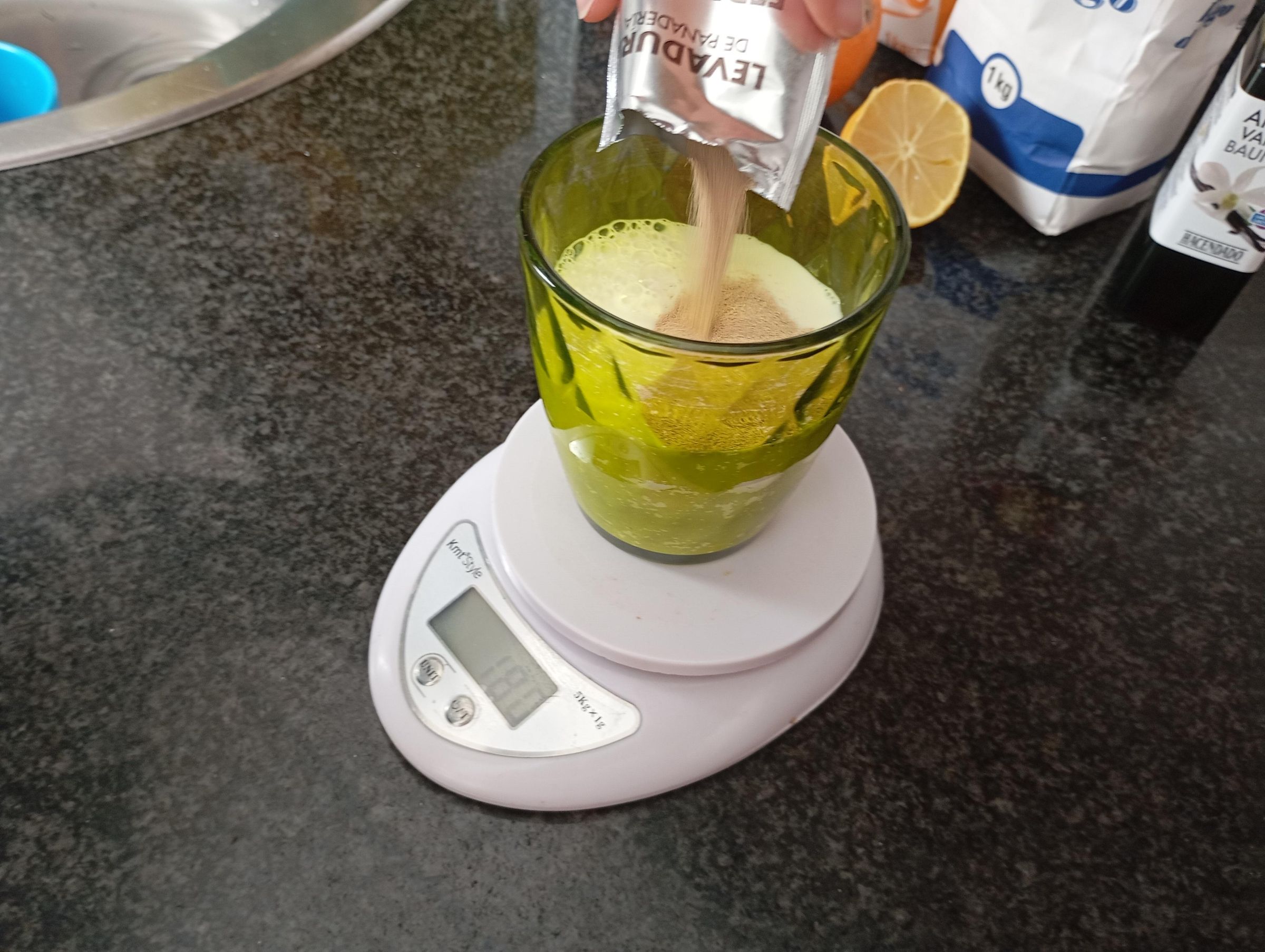

In the 19th century, before chemical leaveners, bakers relied on a "starter" to ensure the dough had enough strength to rise. This step is a small-scale simulation of that historical process. We are going to "pre-activate" our yeast using a fraction of our total ingredients.
The Ingredients (from your 650g total):
- 100g of the Bread Flour.
- 100ml of the lukewarm Milk.
- All the Fresh Yeast (25g).
The Build Process:
The Dissolution: In a small ceramic bowl, crumble the 25g of fresh yeast into the 100ml of milk. Stir until it’s completely dissolved.
The Mix: Add the 100g of flour and mix until you have a thick, porridge-like paste.
The "Hearth" Rest: Cover the bowl with a cloth. In a Victorian kitchen, this would sit near the stove. Let it rest for 15 to 20 minutes.
The Historical Indicator: You are looking for bubbles and volume. When the mixture looks foamy and has grown significantly, the "engine" is started.
The Main Build & Manual Kneading


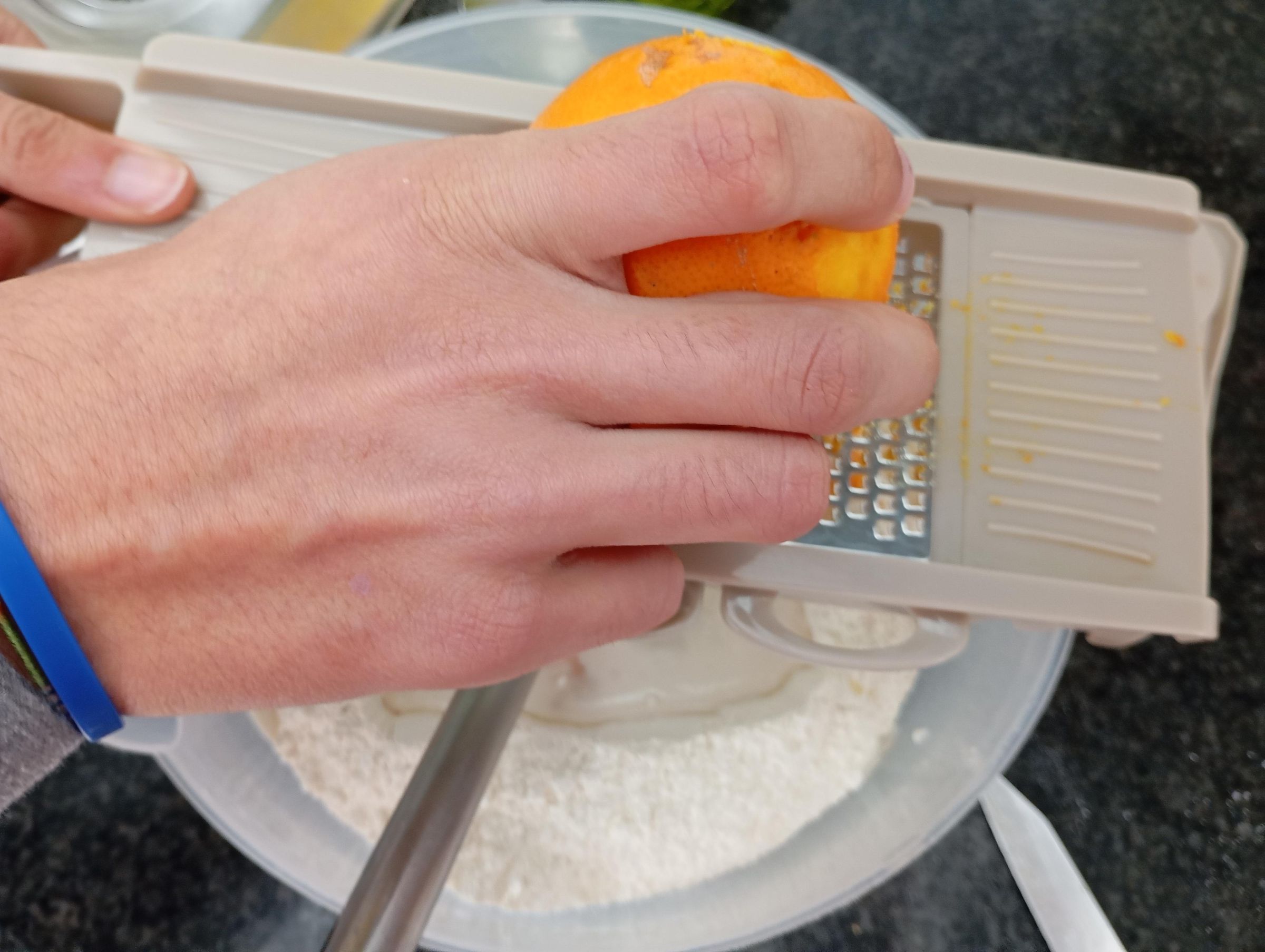


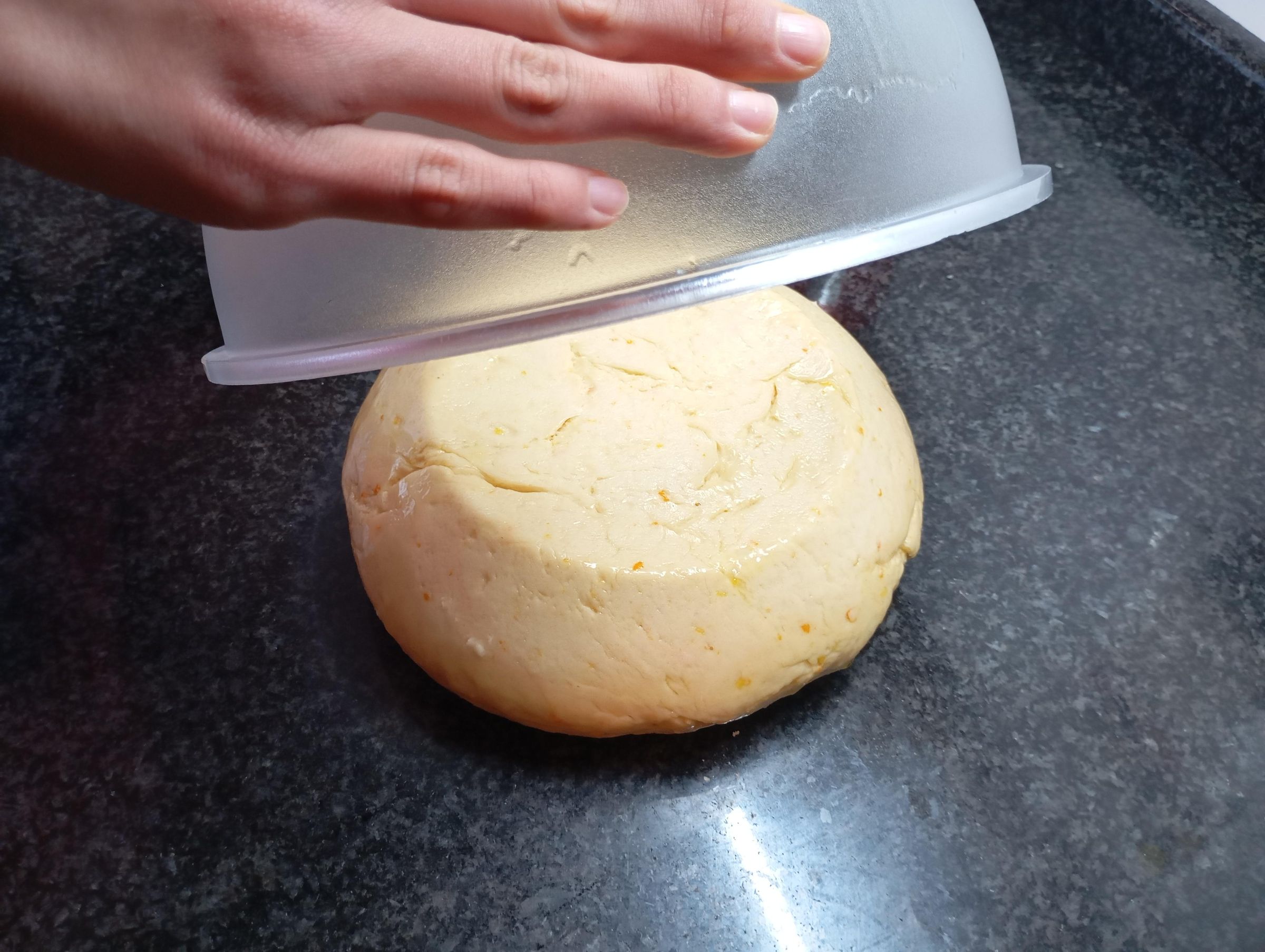
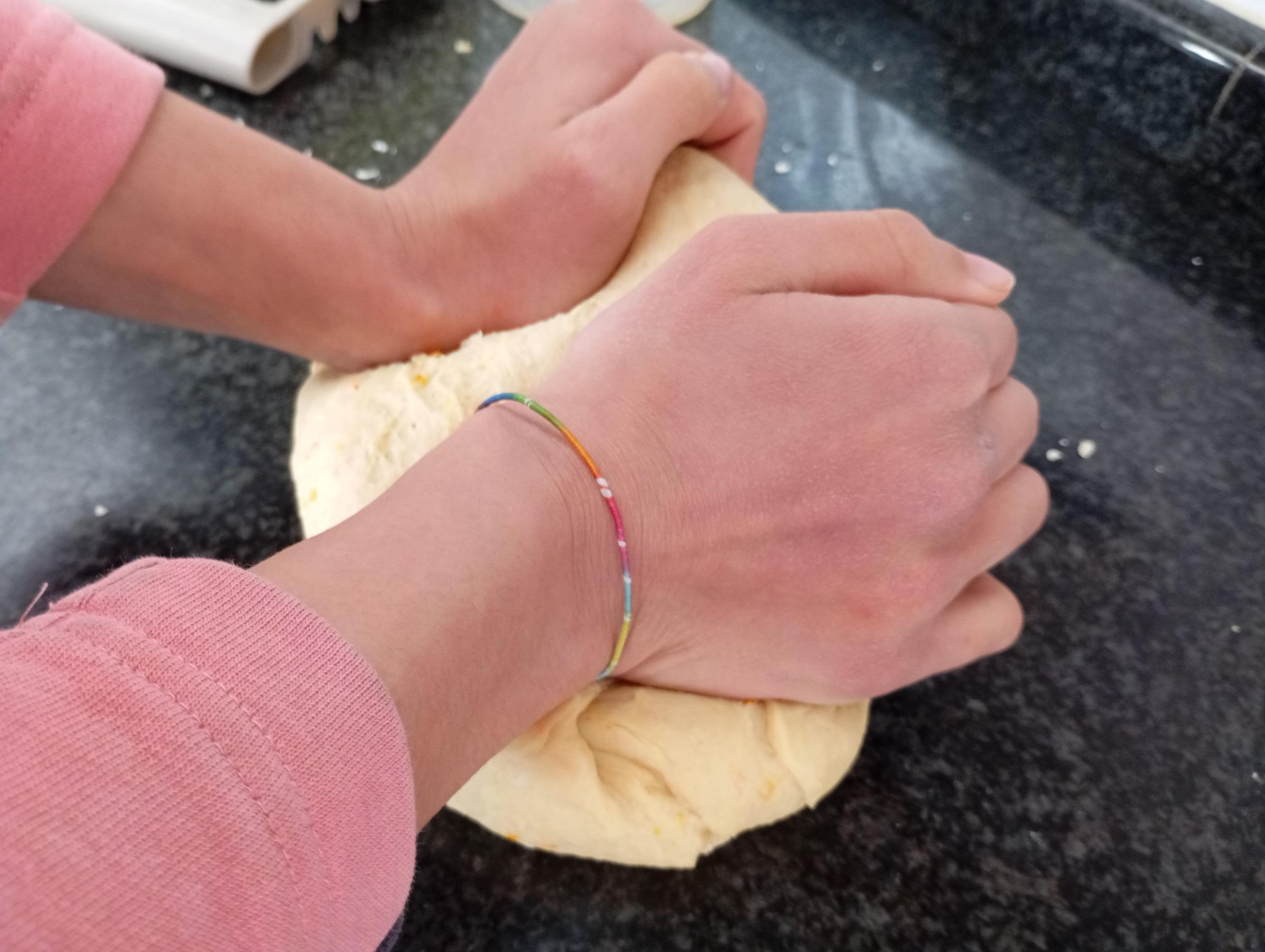

Now we assemble the rest of our "structure." This is the most physical part of the project.
1. The Volcano Method
On your wooden workshop surface, create a large ring with the remaining 550g of flour.
In the center, add the sugar, the rest of the milk, the eggs, the Orange Blossom Water, the citrus zests, and the rum.
Finally, add your foamy pre-ferment from Step 2.
2. The Integration
Using your hands, break the "walls" of the volcano and bring the flour inward. Mix until you have a shaggy, sticky mass.
The Luxury Addition: Now, work in the 75g of softened butter. It will feel like the dough is falling apart, but keep going!
3. The Victorian Labor (Kneading)
Since we are avoiding modern machines to stay true to the era, use the Slap and Fold technique:
Lift the dough, slap it against the table, and fold it over.
Repeat for about 10–15 minutes.
The Goal: You are looking for the "Windowpane test" (a concept formalized in the 19th century). Stretch a small piece of dough; if it becomes translucent without breaking, your gluten structure—the skeleton of your cake—is complete.
4. The First Sleep
Place the dough in a large bowl, cover with your linen cloth, and let it rise in a warm place for 2 to 3 hours until it doubles in size.
Shaping the Crown & the Hidden Artifacts


Once the dough has doubled in size, it’s time to transform this biological mass into a royal symbol. In the 1800s, the shape was critical: an unbroken circle representing the infinite power of the crown.
1. The Degassing
Gently press the dough to release the large gas bubbles. This ensures a fine, even "crumb" (texture), which was a sign of a master baker in the 19th century.
2. Crafting the Ring
Form the dough into a smooth, tight ball.
Flour your finger and poke a hole exactly in the center.
The Technique: Lift the dough and rotate it, letting its own weight stretch the hole. Since we used 650g of flour, your Roscón will be large. Make the hole about the size of a dinner plate, as it will shrink as the dough rises again.
3. Hiding the "History"
Take your dried fava bean and your porcelain figure.
Wrap them in a bit of parchment paper.
From the bottom of the ring, push them into the dough at opposite sides.
The Ritual: Remember, the person who finds the figure is the King, and the one who finds the bean is the "Pobre" who pays for the cake.
Crafting the Royal Ornaments (Candied Oranges & Pearl Sugar)

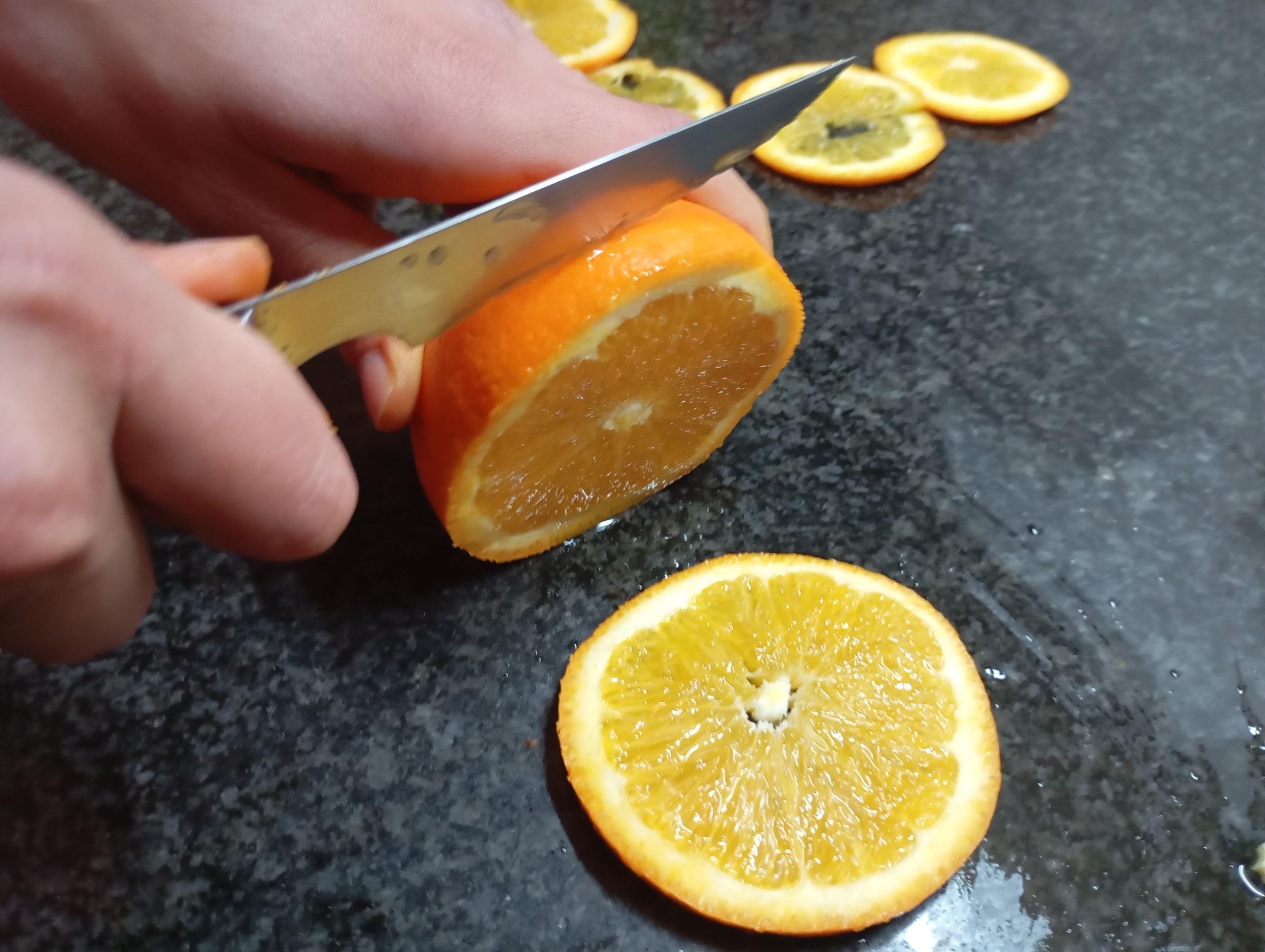


In the 19th century, candies were handmade in small batches. We will prepare our "topaz jewels" and "frost" using simple thermal reactions with sugar.
1. The Candied Oranges (The Jewels)
Instead of buying pre-made fruit, we will glaze them to control the shine and texture:
The Syrup: In a wide pan, mix 200g of sugar with 100ml of water.
The Simmer: Slice a fresh orange into thin rounds. Once the syrup starts to bubble, lay the slices in the pan.
The Glaze: Let them simmer on low heat for about 15–20 minutes until the white pith becomes translucent and the syrup thickens.
Historical Note: This process not only sweetens the fruit but preserves it, a vital technique before modern refrigeration.
2. The Homemade Pearl Sugar (The Frost)
To replicate the expensive "granulated" sugar of the Victorian era:
Place 4 tablespoons of white sugar in a small bowl.
Add half a teaspoon of water (or Orange Blossom Water for extra aroma).
Stir with a fork until the sugar clumps together into small, damp rocks.
The Look: These clumps won't melt in the oven, creating a beautiful "snowy" effect on your golden crust.
The Modern Restoration (Cream & Custard Filling)
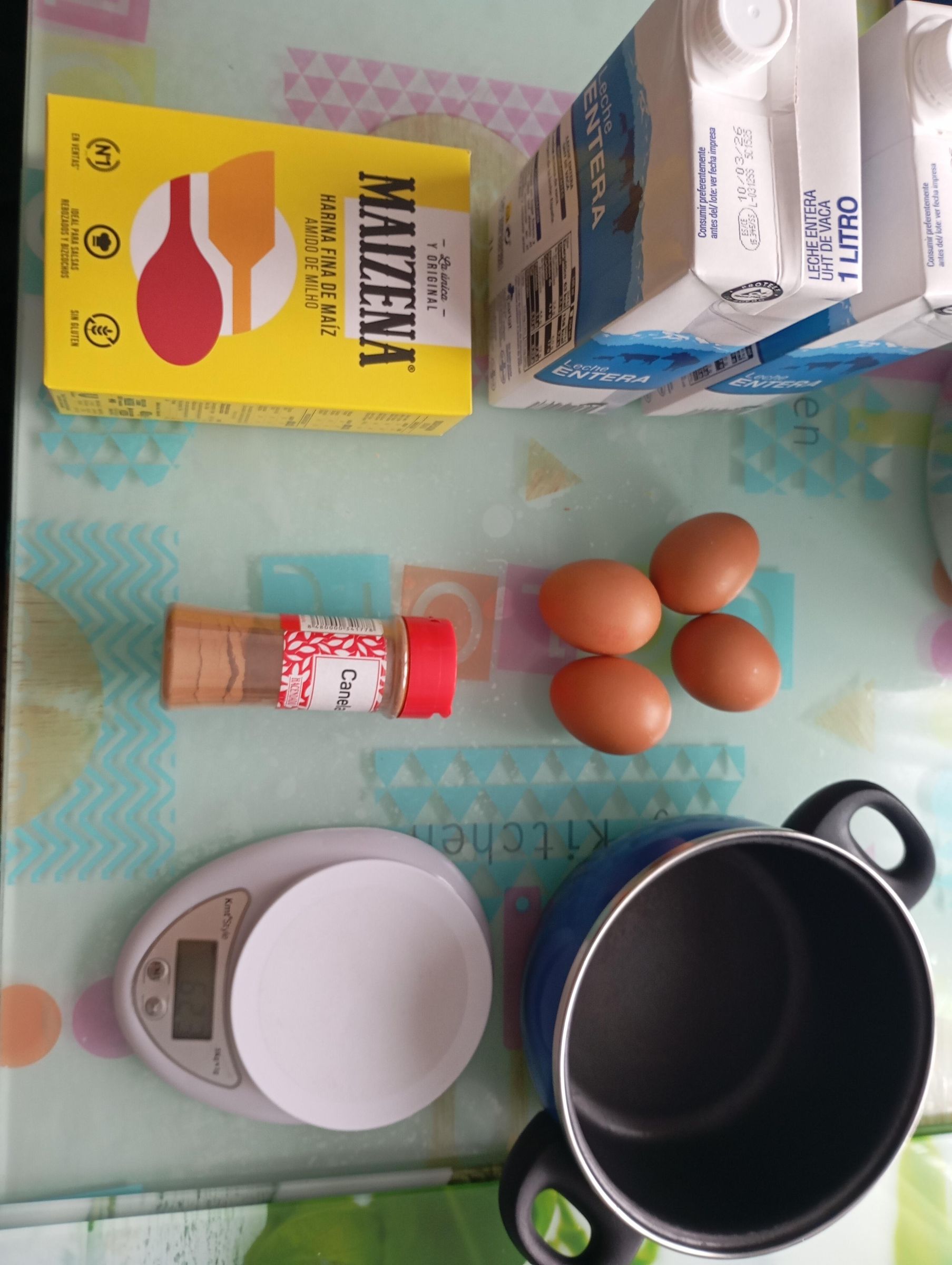
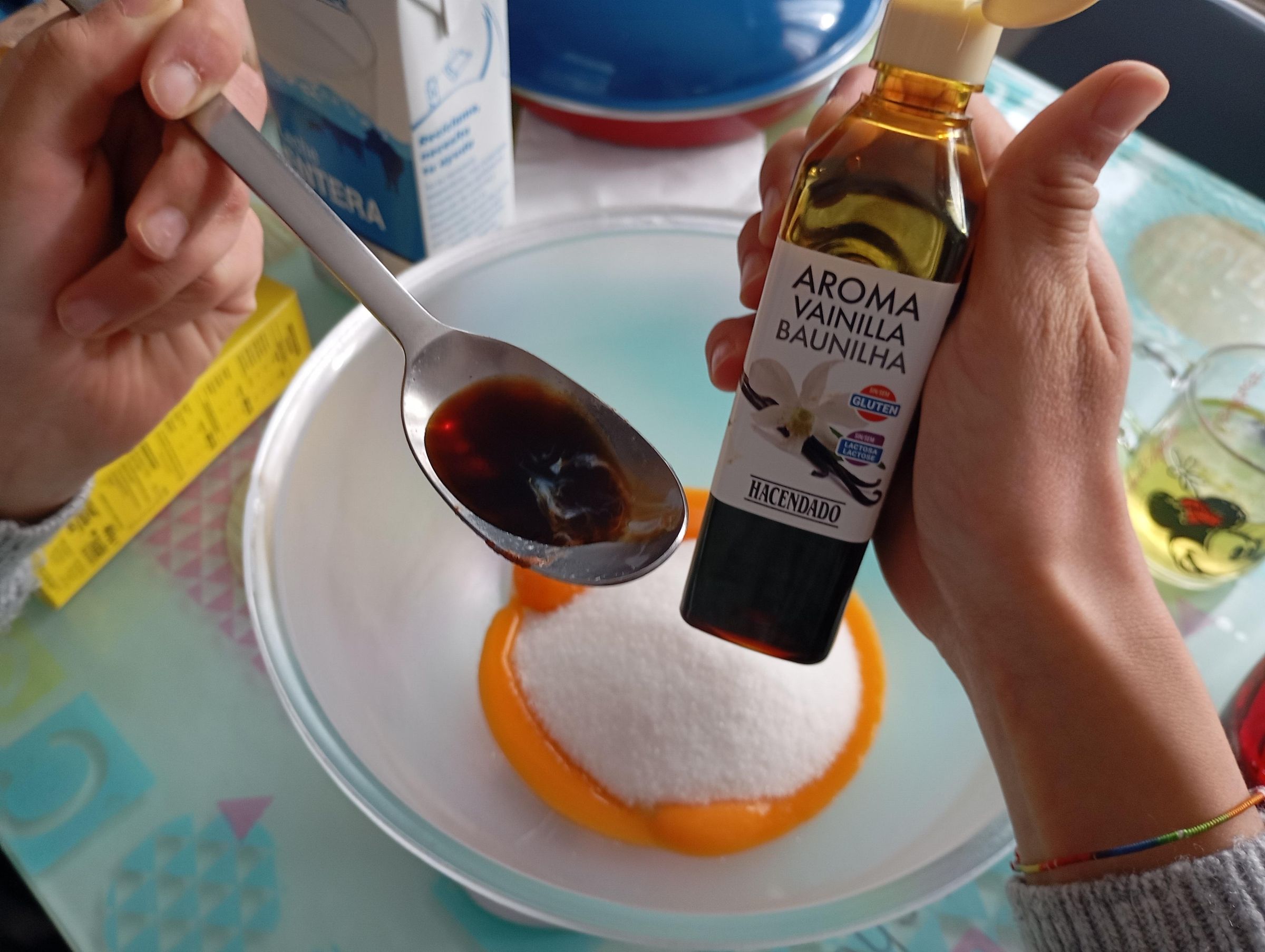


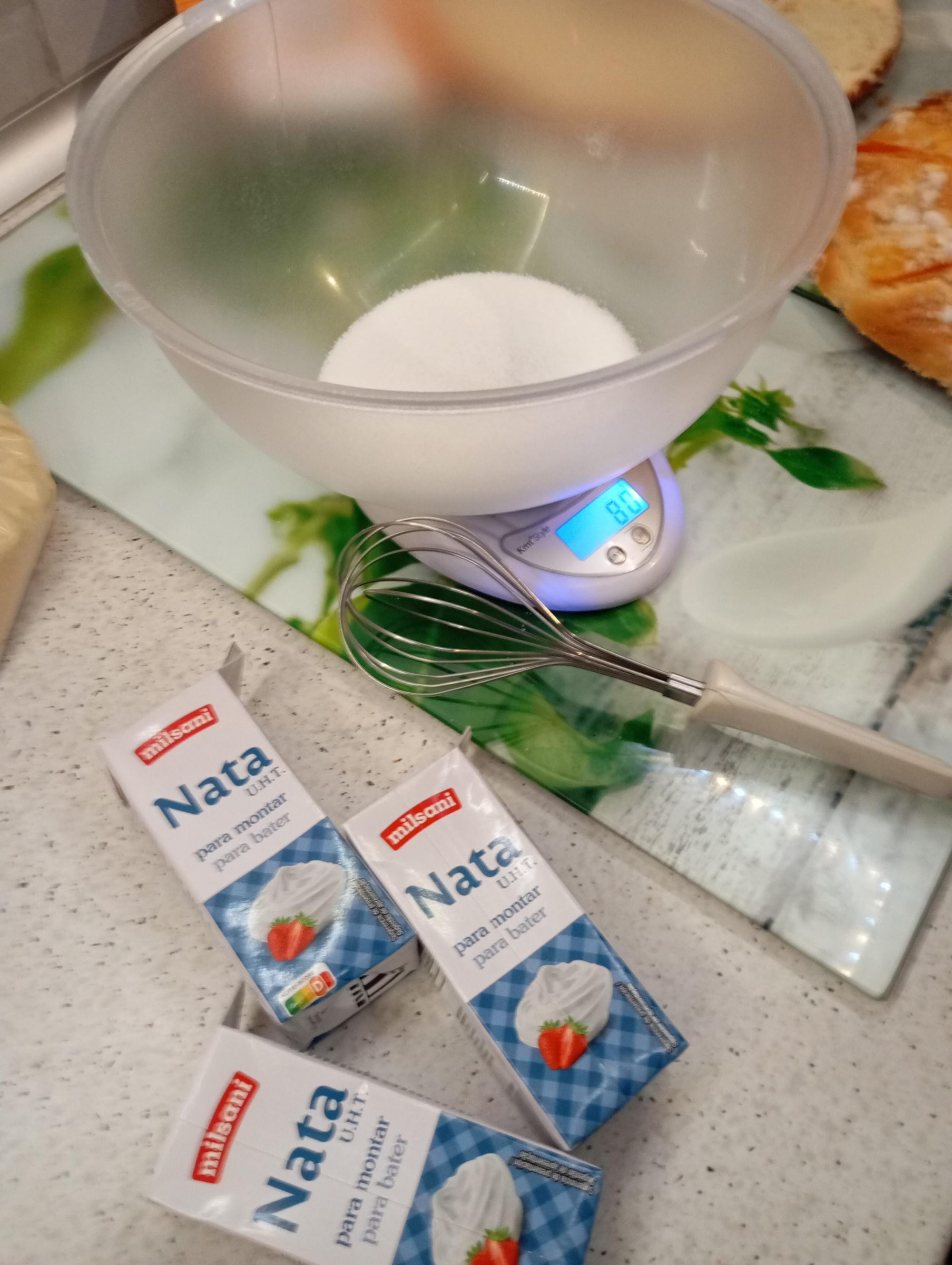

While the 19th-century Roscón was typically eaten plain, the 20th-century evolution introduced the luxurious "half-and-half" filling. This makes the crown even more decadent.
1. The Pastry Cream
This provides the structural stability and the traditional vanilla-citrus base:
Infuse 250ml of milk with lemon peel and a cinnamon stick.
Whisk 2 egg yolks with 60g of sugar and 20g of cornstarch.
Slowly pour the warm milk into the egg mixture, then return to the heat.
Stir constantly until it thickens into a silky, golden custard. Let it cool completely.
2. The Whipped Cream
To add airiness and lightness:
Whip 250ml of very cold heavy cream (min. 35% fat) with 40g of powdered sugar.
Ensure it reaches "stiff peaks" so it can support the weight of the top half of the Roscón.
3. The "Midi" Assembly (Half and Half)
Once the Roscón is completely cold, use a long serrated knife to cut it in half.
Use a piping bag to fill one half of the circle with the Pastry Cream and the other half with the Whipped Cream.
The Final Reveal: This "dual-flavor" technique ensures every guest gets a surprise, much like the hidden bean and the figure.
The Bake


Preheat your oven to 180°C (350°F).
Bake for 20 to 25 minutes.
Visual Cue: In the Victorian era, they didn't have digital probes. You are looking for a "Deep Mahogany" gold. If it sounds hollow when tapped on the bottom, your historical artifact is complete.
Conclusion
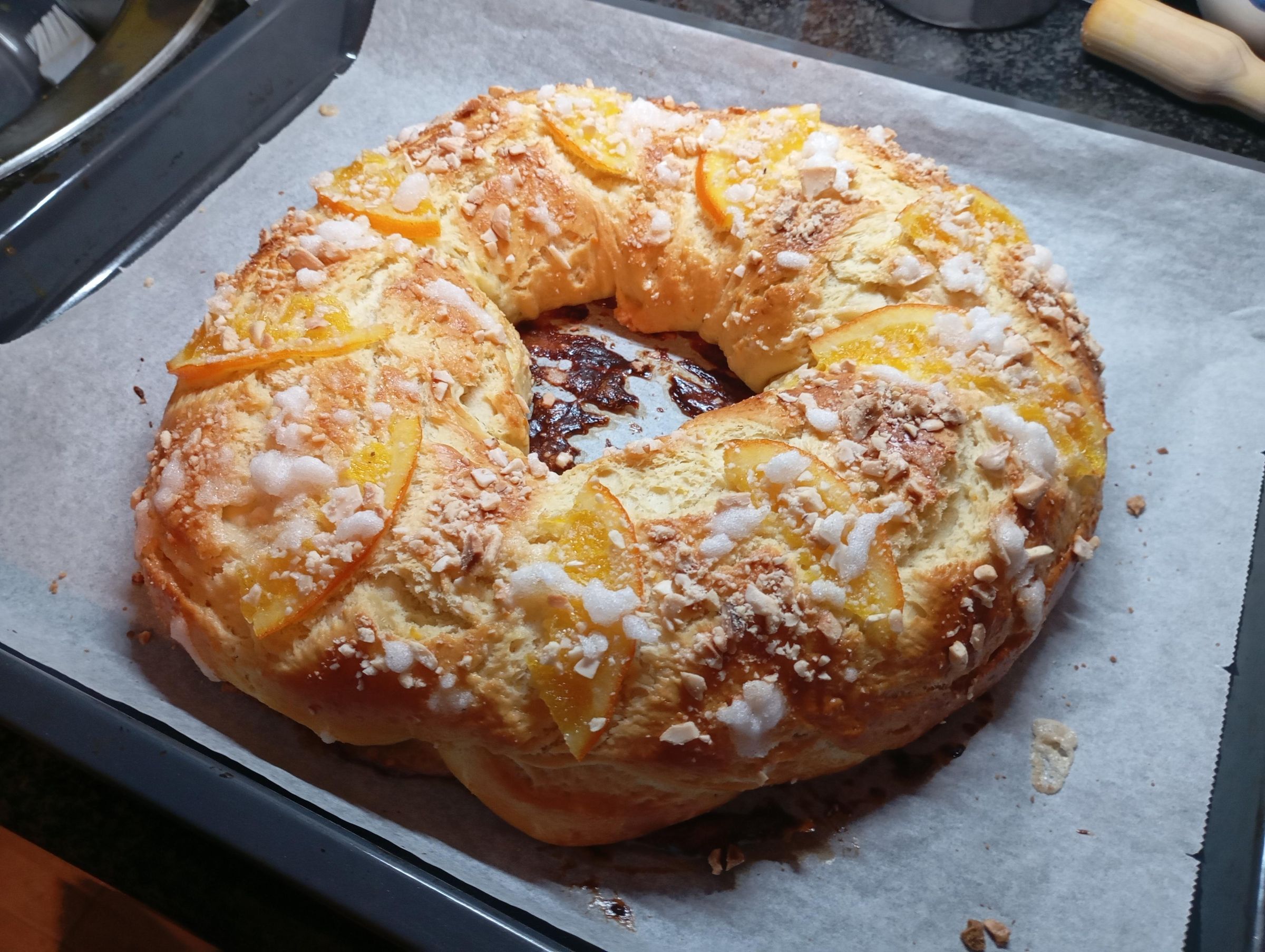
You have successfully recreated a 19th-century masterpiece using traditional manual techniques. By following this process—from the 100ml pre-ferment to the manual "slap and fold" kneading—you’ve honored a tradition that links the Roman Empire to the modern dinner table.
Enjoy your King's Cake. If you found the king, long live the King! If you found the bean... it's time to pay!