How to Make a Light Bulb

.jpg)
In 1879 Mr. Edison made the first practical light bulb after testing over 6,000 different materials. You can recreate one of these tests with this project.
This is an instructable on how to make a light bulb at home or in the classroom. Don't plan on using this light bulb to replace your normal light bulbs because this light doesn't last very long, but this project shows the basics of how light bulbs work.
Go experiment and make Mr. Edison proud!
Supplies
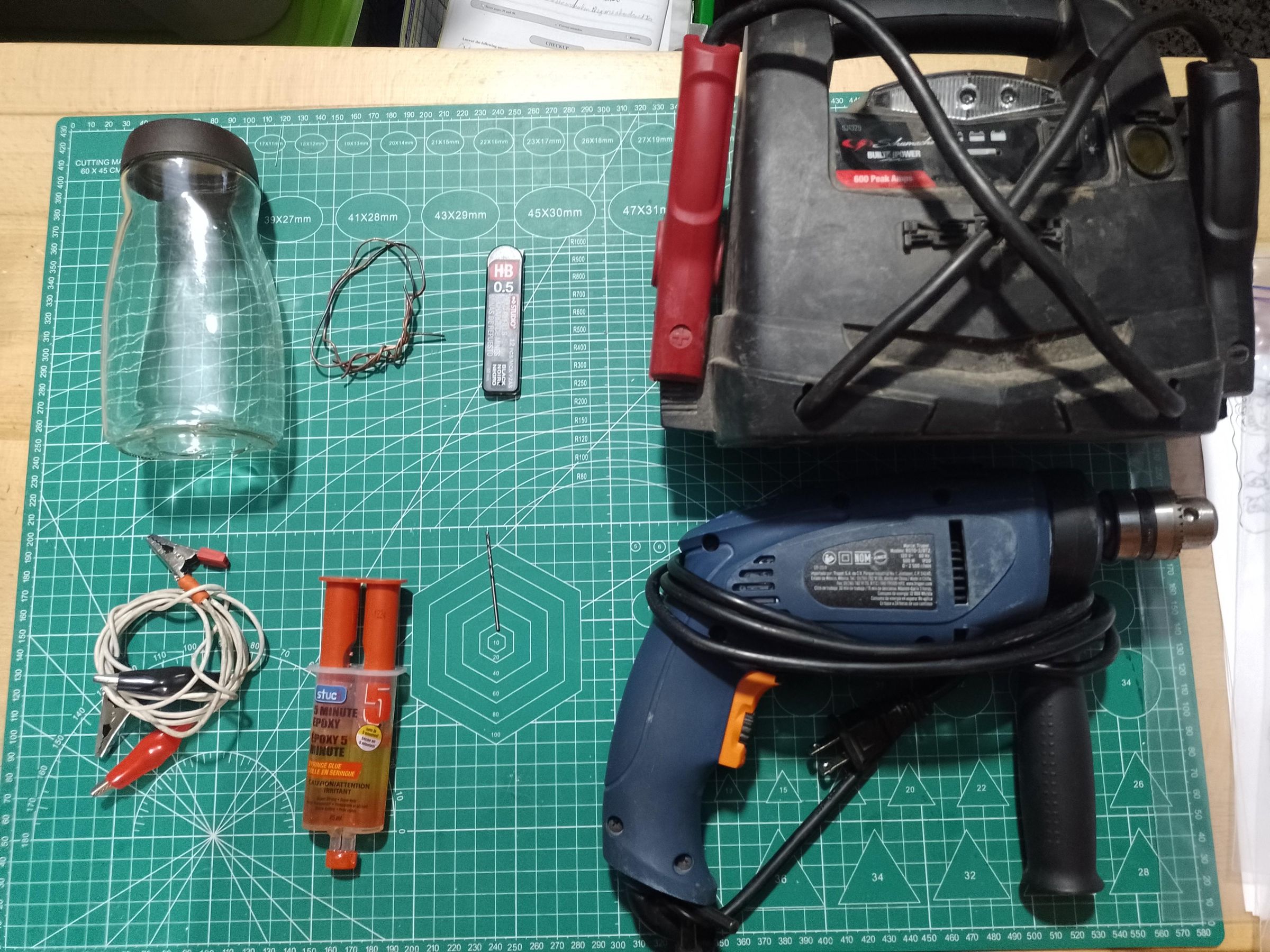
For this project you will need:
- A glass jar with a plastic lid
- Two wires, at least one half foot long each
- Epoxy
- 0.5mm size pencil lead from a mechanical pencil
- Drill and a bit that is a little larger than the wire
- A large cup
- Vinegar
- Baking soda
- Plumbers teflon tape (optional)
Drilling the Holes
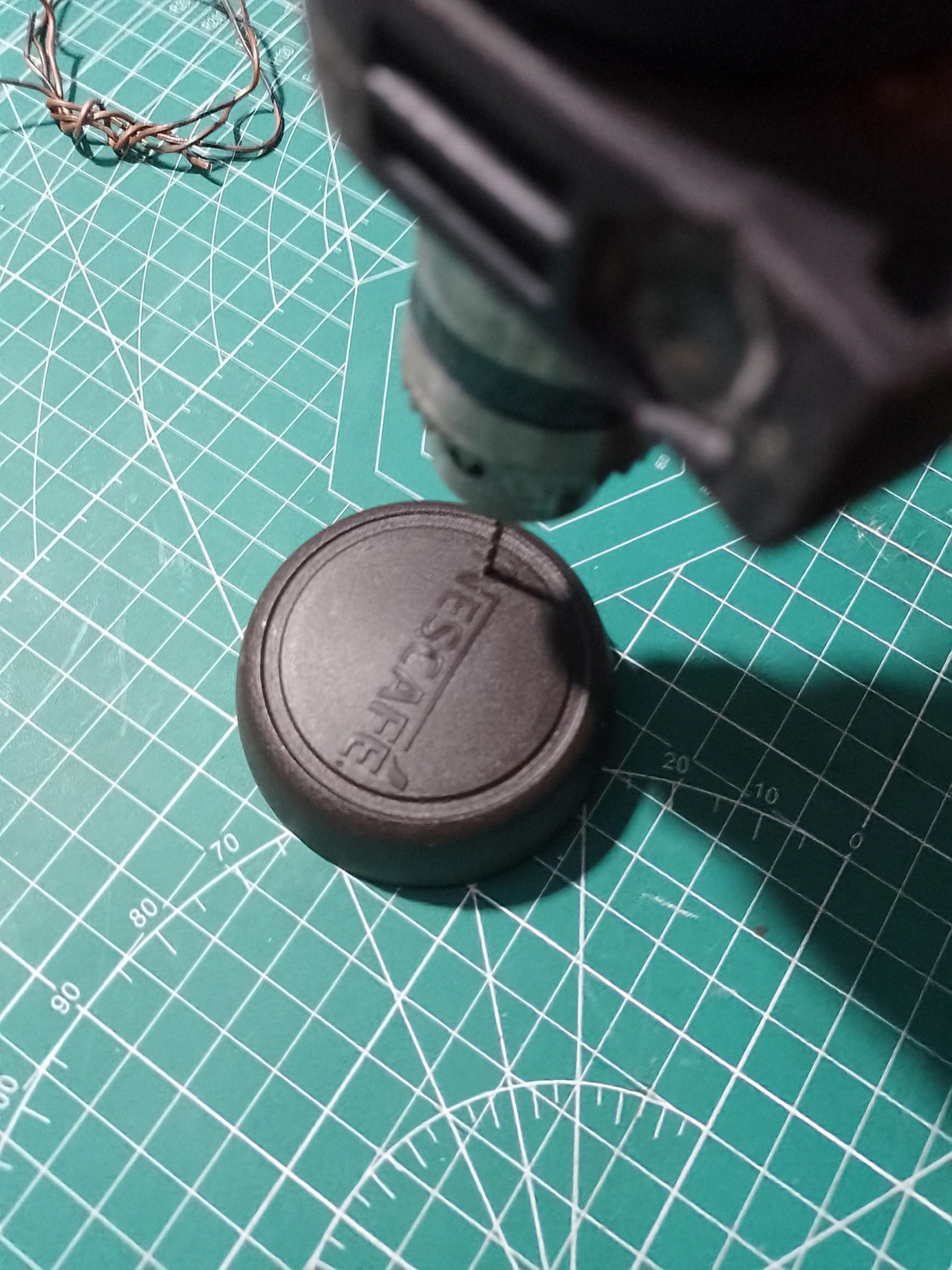

For this step you will need:
- the lid
- the drill and bit
Drill a hole into each side of the lid (see picture).
Attaching the Wires


For this step you will need:
- the lid with holes in it
- the wires
- the epoxy
First pull the wires through the holes so that when the lid is on the jar the wires are halfway in the jar. Then mix the epoxy and apply around the wires in the holes to seal the holes on both sides.
Attaching the Lead
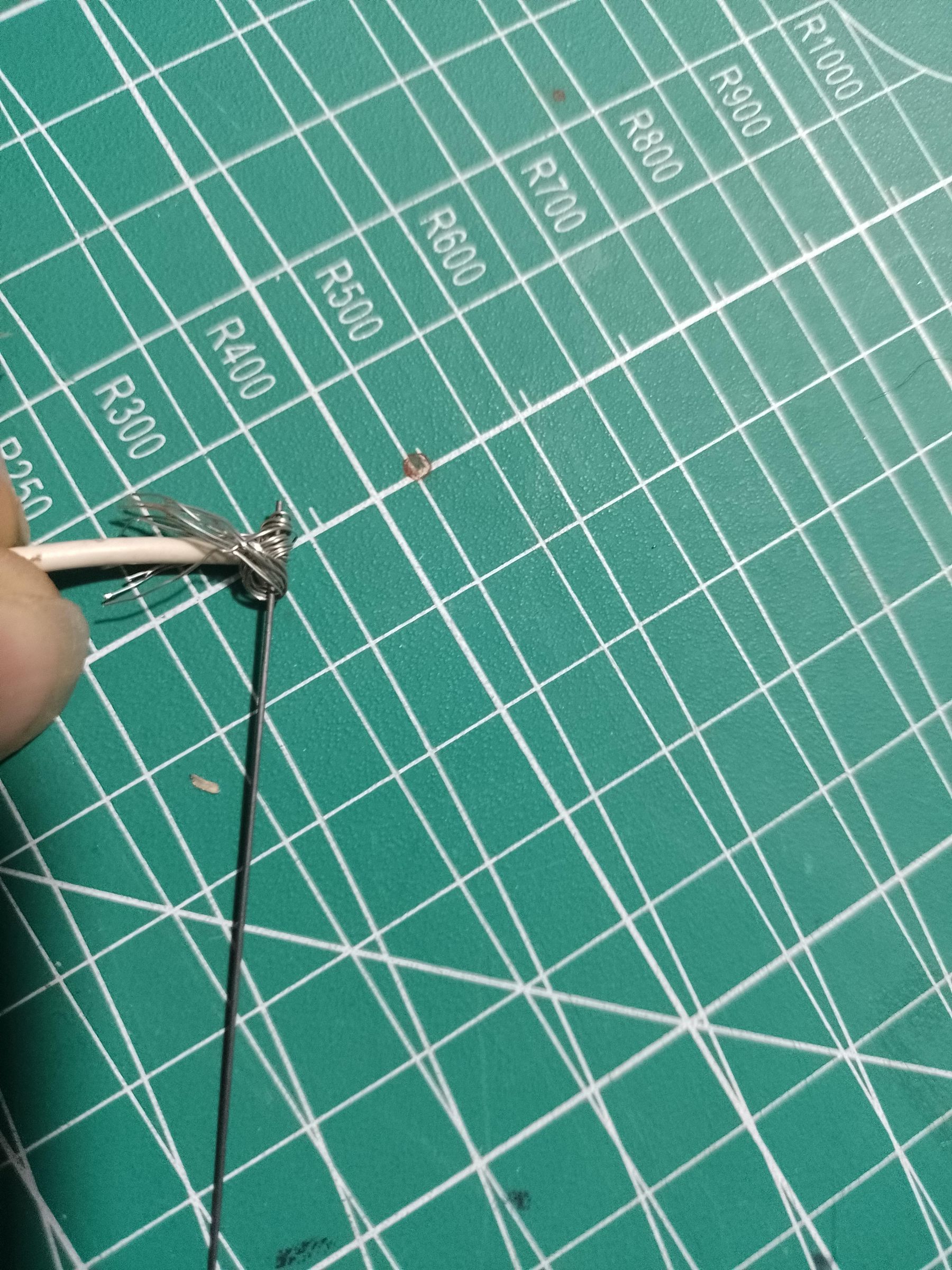
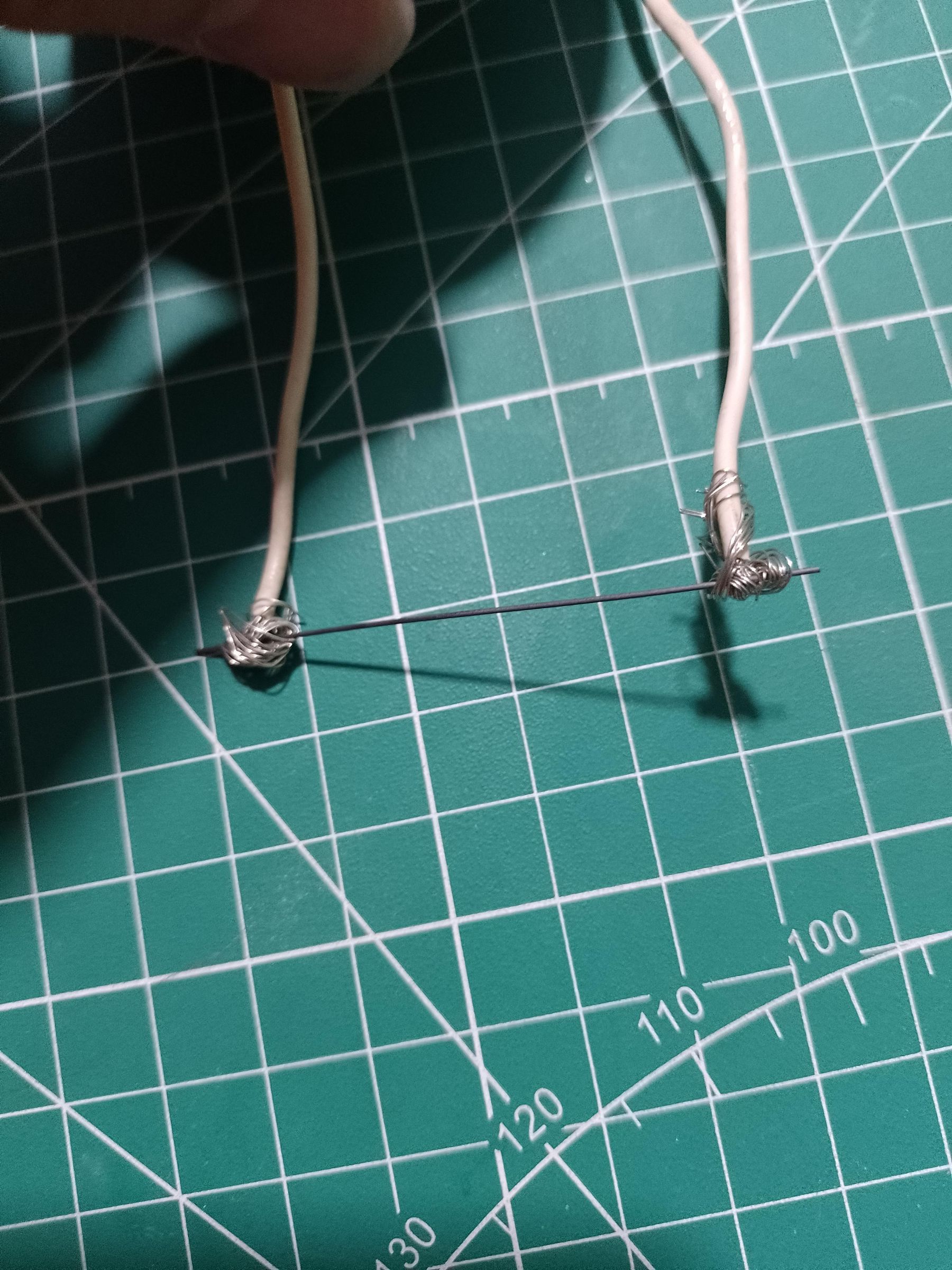
For this step you will need:
- the lid and wires from Step 2
- the pencil lead
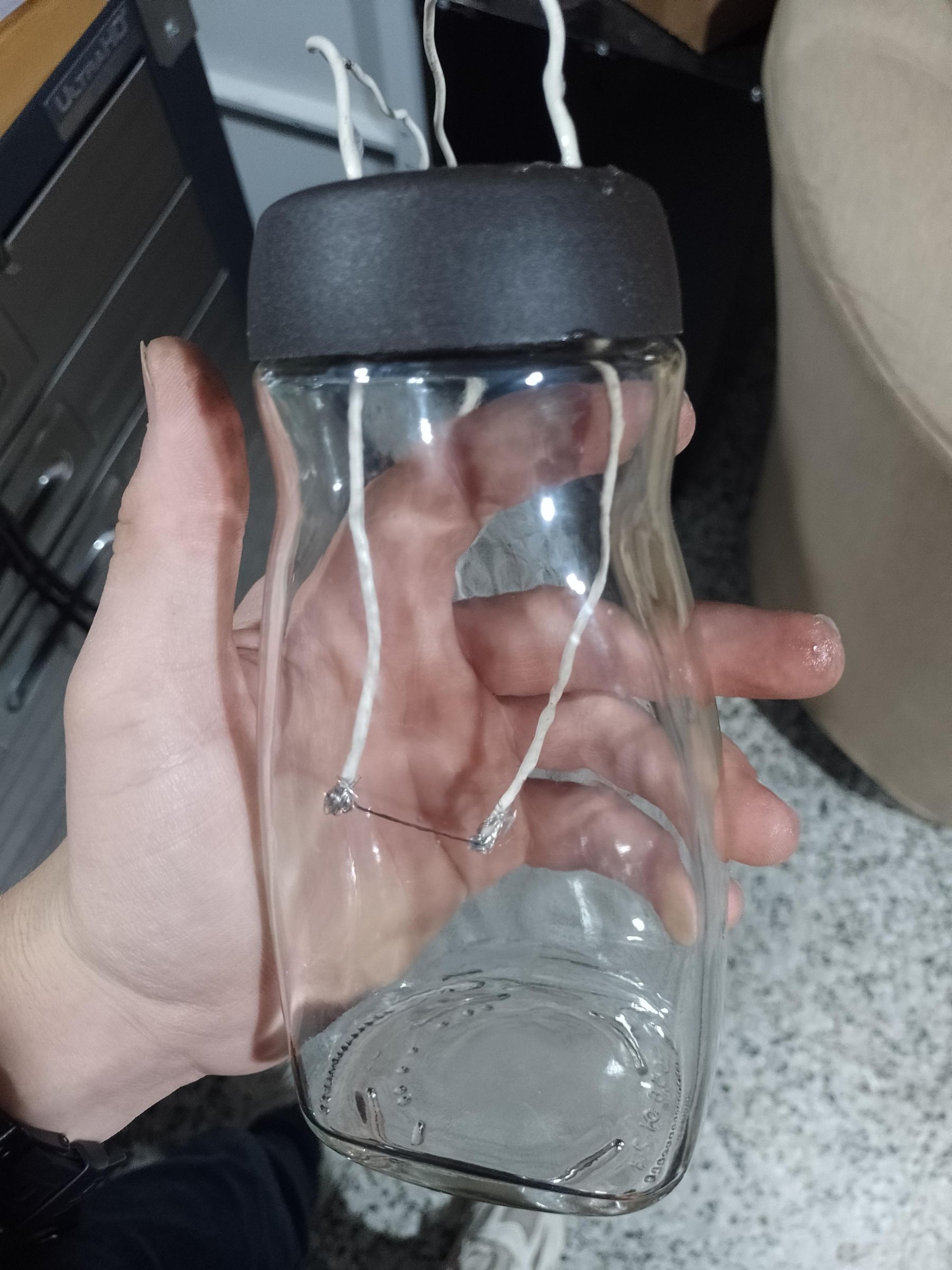
Carefully wrap the wires around the lead (you might have to try a few times because the lead will probably break if you're not very careful). Make sure that you are putting the lead on the end of the wires that will be inside the jar.
Filling the Jar


For this step you will need:
- the lid with wires and epoxy in it
- the jar
- the large cup
- the baking soda
- the vinegar
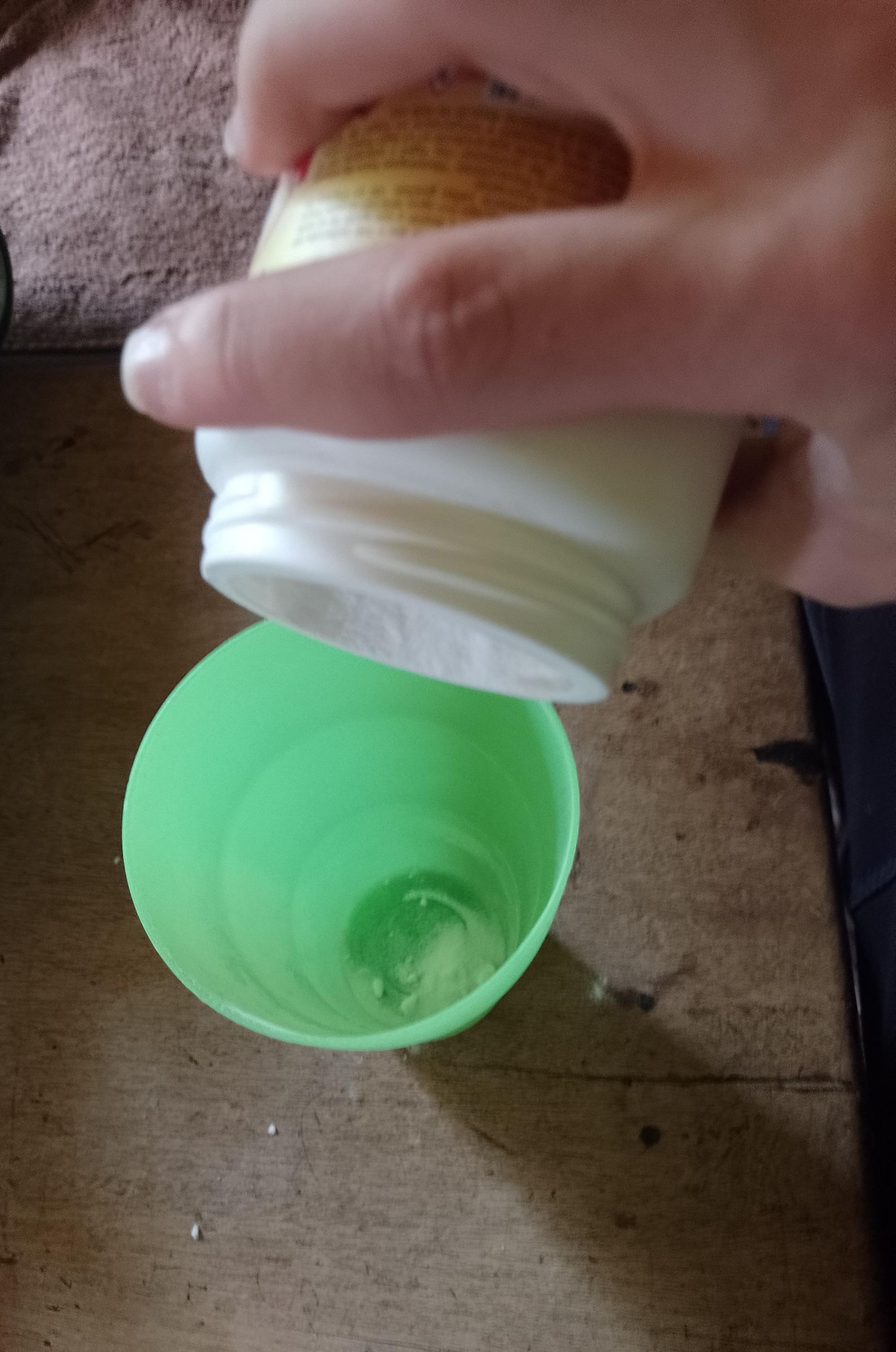
First pour some baking soda into the large cup, then add some vinegar to it. Immediately after this is done, swirl the contents to mix them. Quickly and carefully lift the cup as if you were pouring into the jar, but do not pour any of the contents inside. You will not see anything going to the jar but carbon dioxide will be filling the jar as you pour. Then quickly and carefully put the lid tightly onto the jar so that there are no air leaks. If you think the jar might still leak you can put Teflon tape around where the lid will screw on like I did (see picture).
The carbon dioxide will help the lead not burn out as quickly, if it is in the open air the pencil lead will burn out much faster than in a sealed carbon dioxide environment. For educators, demonstrating and timing the burnout rate in both environments can be a useful illustration for your students to see the value of the carbon dioxide environment.
Using the Light

For this step you will need:
- the light
- the 12 volt battery
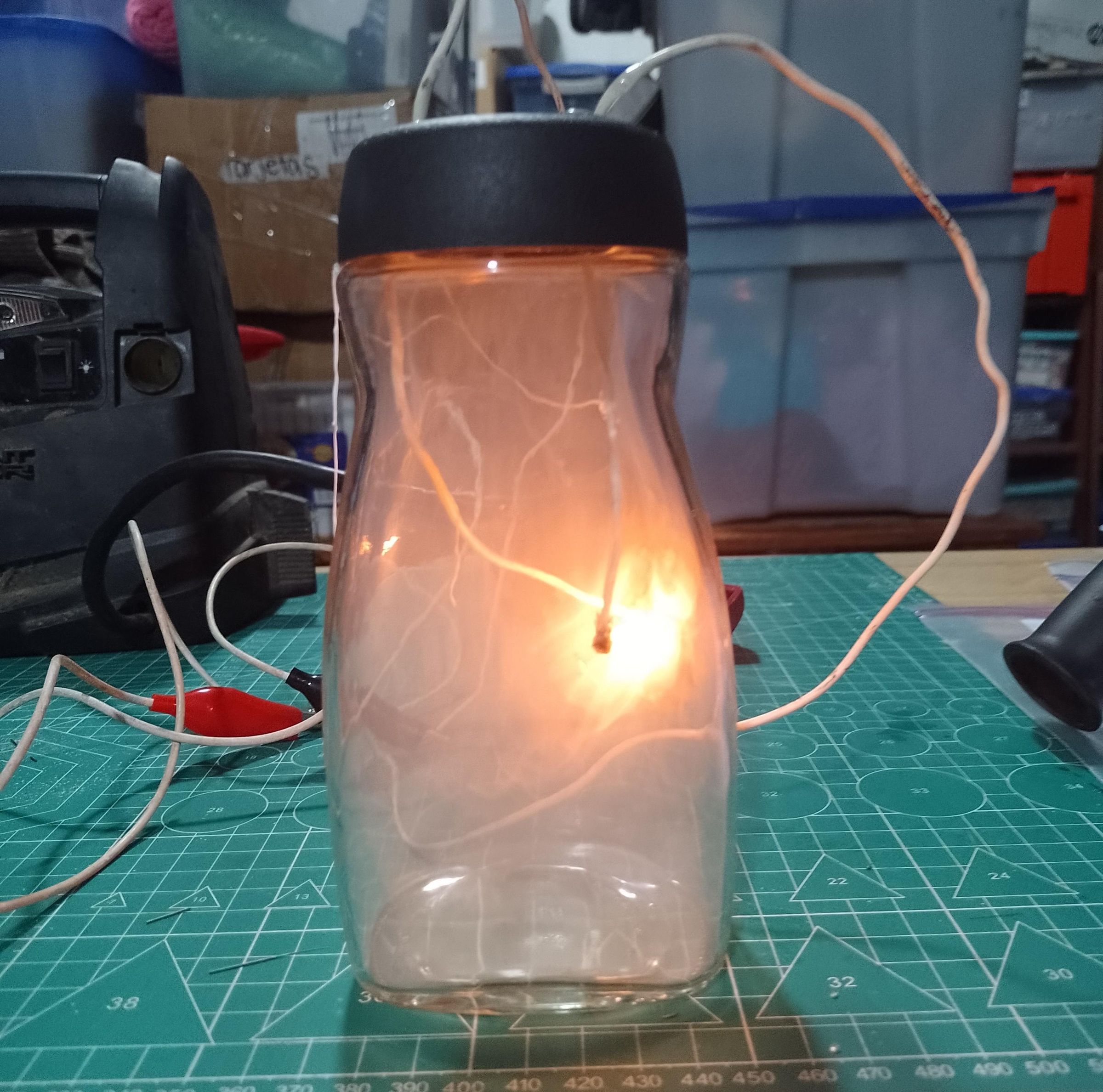
Connect the battery to the wires and the light bulb should light up. It does not matter what wire you put positive or negative on. Only have the light on for about 30 seconds at a time because you don't want the battery to overheat. You may have to change the lead several times because the lead will burn out. Now that your light bulb is finished, you can show the light bulb you made to friends and family, and they will be impressed.