Relieve Symptoms of Trypophobia Through Exposure Therapy
636 Views, 0 Favorites, 0 Comments
Relieve Symptoms of Trypophobia Through Exposure Therapy
Trypophobia is a reaction to patterns of holes or bumps that can produce fear, disgust, and anxious responses in sufferers. I came across this condition when I was showing photos to my friend, Rana, who couldn't look at some of them, but neither of us knew this was a phobia. So we did some digging , and it turns out that many people have this response. There's also a fair bit of research out there on how to work to relieve the symptoms of trypophobia.
In this 'ible, we'll go over what trypophobia is (according to science) and how you can use exposure therapy to help yourself work past the negative effects of this condition.
WARNING: There are some potentially triggering images in the last step, Step 5. If you think you may have trypophobia, avoid scrolling down to that final step.
However, if you're curious about the types of images that can affect people, feel free to have a look. None are objectively grotesque!
Supplies
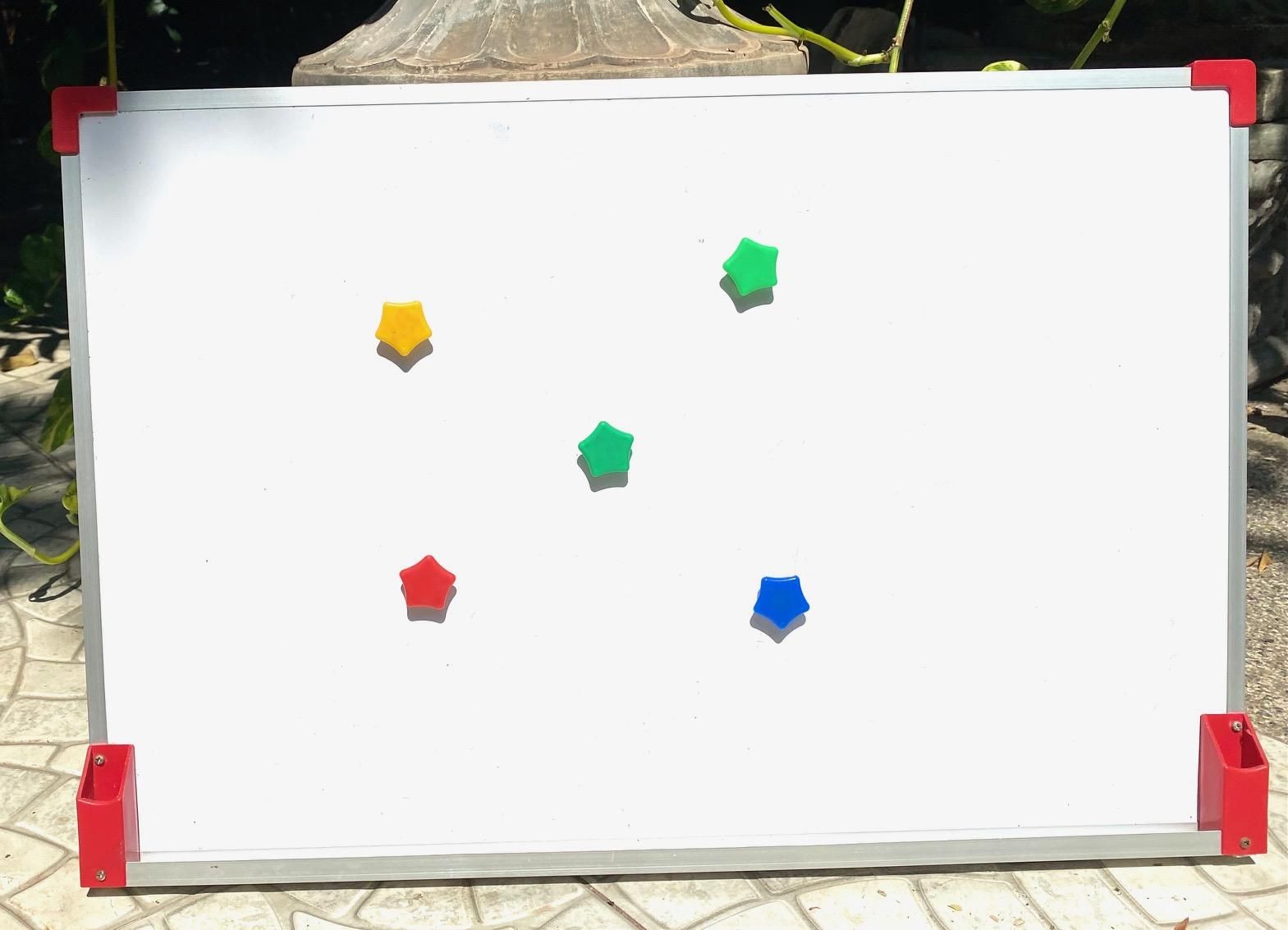
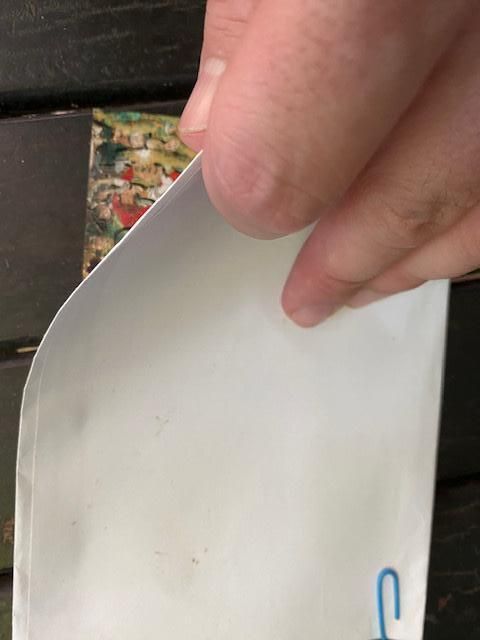
The supplies you'll need depend on the method of exposure therapy you choose.
For Method 1:
-a magnetic surface (fridge, whiteboard, etc.) and magnets (at least 12 of the same size and shape)
or
-paper, markers, scissors, and tape
-timing device
For Method 2:
-triggering images and something to cover them with (paper and a paperclip, for example)
-timing device
Explaining Trypophobia
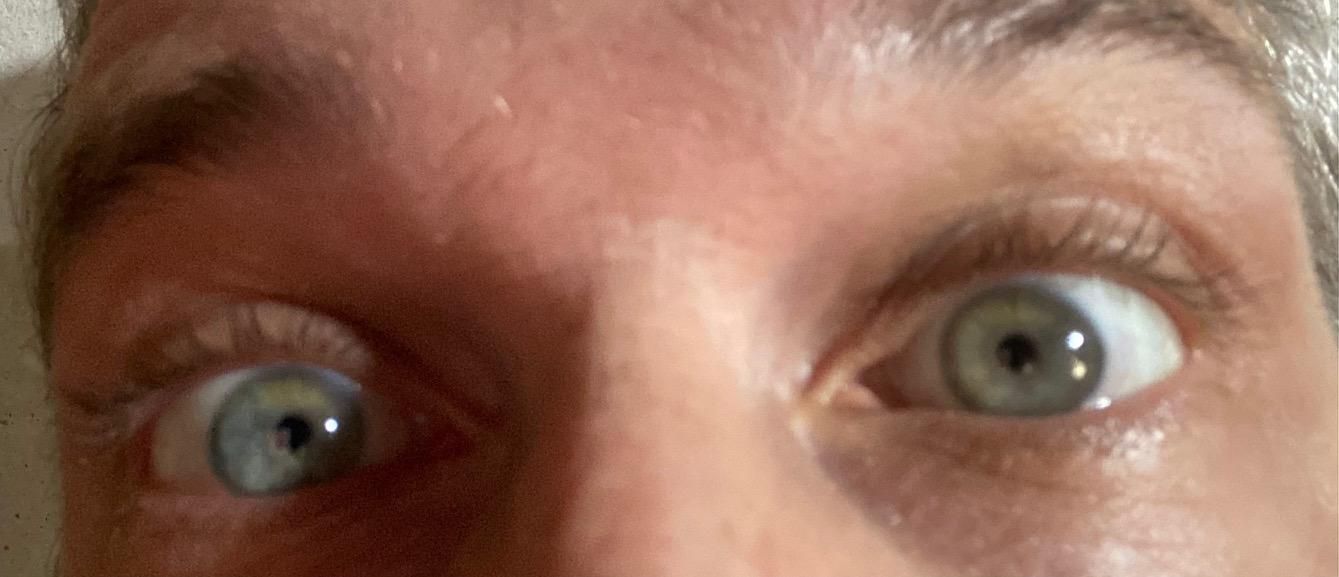
Coined in 2005, trypophobia is a somewhat modern name for a condition that has been known for centuries.
Trypo- comes from the Greek trypa, which means "hole", but this condition is a phobia of either patterns of holes or patterns of protrusions, or what some researchers call "disgusting bumps". 3
Studies have shown that around 15% of the population (11% of males and 18% of females) show elevated disgust reactions to these types of images. 2
Is trypophobia a real phobia? Reacting to innocuous things like a pattern of bumps or holes, or even simply pictures of these things, can be considered irrational. Unlike phobias of spiders and needles, it's not specifically mentioned in the American Psychiatric Association's (APA) Diagnostic and Statistical Manual of Mental Disorders, Fifth Edition (DSM-5). However, trypophobia can still meet its 7 criteria of a specific phobia:
1: marked fear or anxiety about an object or situation (check)
2: object normally proves an immediate reaction (check)
3: response is disproportionate to the danger posed by the object (check)
4: the object is actively avoided or endured with anxiety and discomfort (check)
5: the response causes distress and/or impairment with normal functioning (check)
6: the anxious response is persistent, over a period of at least six months (check)
7: the symptoms are not caused by another condition (check)
For my friend, Rana, all of these criteria can be checked off, and she doesn't have any other anxiety condition that may account for her reactions to these images.
In fact, she shares psychological responses with most sufferers, including disgust, feelings of unease and anxiety, and a skin-crawling sensation.
Researchers have also found that people who report these psychological symptoms also show heightened electrodermal responses, which means their skin becomes more conductive because they sweat more when they see triggering images. 4
Why might some people have such a response to these patterns of holes or bumps, while others find them perfectly normal? Researchers have suggested a link to similar patterns found on dangerous and venomous animals such as snakes, spiders, wildcats, octopi, and more. 1 Others think it's more likely that these people have adapted to be highly triggered by symptoms of infection and disease, such as rashes and parasitic infections, since these are things that essentially all people find disgusting. 3
While Rana simply lives her life as normally as possible while trying to avoid looking at things that will trigger her, other sufferers can find trypophobia truly debilitating.
Next, we'll look at how you can learn to ease your symptoms using some simple materials and psychological techniques...
References
1 Cole GG (2024): Is trypophobia real?, BJPsych Open. Feb 16;10(2):e48. doi: 10.1192/bjo.2023.621. (https://pmc.ncbi.nlm.nih.gov/articles/PMC10897704/)
2 Cole GG & Wilkins AJ. (2013): Fear of holes. Psychol Sci. Oct;24(10):1980-5. doi: 10.1177/0956797613484937. Epub 2013 Aug 27. (https://www.researchgate.net/publication/256189089_Fear_of_Holes)
3 Kupfer TR & Le AT.D Le (2017): Disgusting clusters: trypophobia as an overgeneralised disease avoidance response, Cognition and Emotion, DOI:10.1080/02699931.2017.1345721 (http://dx.doi.org/10.1080/02699931.2017.1345721)
4 Pipitone RN, Gallegos B, & Walters D (2017): Physiological responses to trypophobic images and further scale validity of the Trypophobia Questionnaire. Pers Individ Diff; 108: 66–8 (https://www.researchgate.net/publication/311464158_Physiological_responses_to_trypophobic_images_and_further_scale_validity_of_the_trypophobia_questionnaire)
Self-Directed Exposure Therapy for Trypophobia

Exposure therapy is exactly what it sounds like: you slowly learn to deal with something by experiencing it a little at a time.
If you have a strong or severe reaction to images of holes or bumps, I suggest you work with a therapist. However, if your reaction is mild to moderate, and you want to try to reduce your symptoms, you can create your own process for exposure therapy.
In the next step, I'll describe two different methods you can use to work on your reactions. For both, though, you'll want to follow the same recommendations:
-Think about what sorts of images bother you least to most and create a progression through them.
-Plan your exposure sessions for times when you'll be free, without distraction, and without other sources of stress 9because this will already be stressful)
-Before you begin, practice relaxation techniques like deep breathing exercises or meditation so that you can start your sessions calmly.
I've included a nice, calm beach photo to help, but really, you'll need to find your own zen.
2 Methods for Exposure Therapy
Method 1
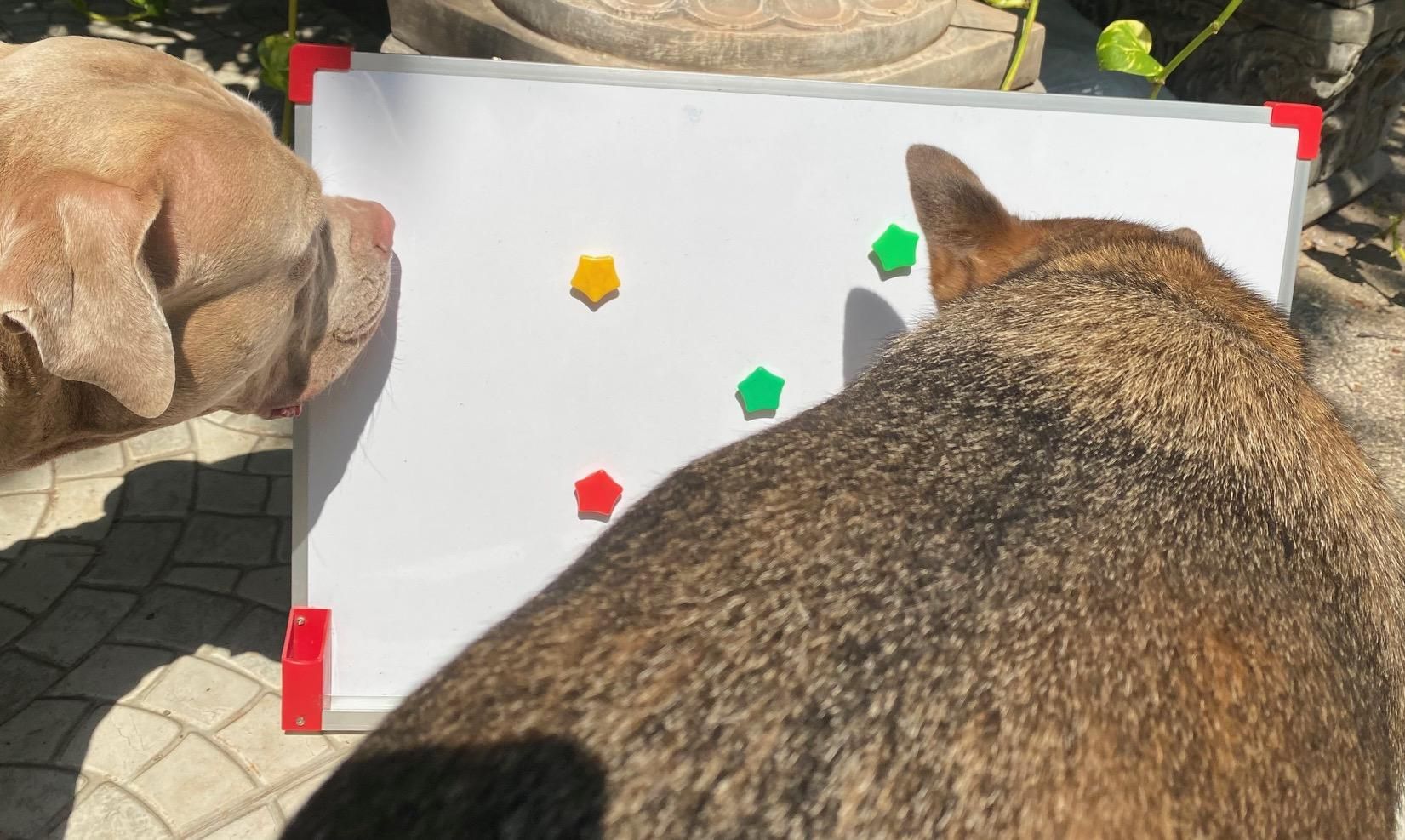
Gather your magnets or cut-out paper dots (if you're lucky, some kind person helped you cut these out).
When you're ready, set your timer for a short period, just 30 seconds, for example, and arrange your dots or magnets in a tight pattern, and then try to look at the image you made until the timer runs out.
When you're finished, cover or remove the pattern, then focus on relaxation and feelings of safety.
It's that simple.
You can try another session right away if you feel up to it, or wait until the next day.
However, set a schedule and stick to it, so you perform a session at the same time every day, without fail.
Also, progress is key, so either extend your time each session, or move the dots/magnets into a tighter pattern, or both.
By slowly increasing your exposure, you'll be able to get more used to seeing these patterns in a calm and safe environment, and that should help you learn to be less anxious when you see them in unplanned circumstances.
Method 2
Gather photos of triggering images, covered and arranged from least to most troubling.
In the first session, start with the easiest-to-handle image and start your timer.
Uncover the image and try to look at it until the timer stops and you can cover it again, then focus on calming down and reflecting on how you're safe and secure.
In subsequent sessions, try extending your exposure time and progressing up to more troubling images.
Over time, you should be able to see images like these with less repulsion and anxiety.
SPECIAL NOTE!!
If you feel overwhelming anxiety performing either of these methods, discontinue your sessions and look for a professional therapist to help you with them. You may have more severe symptoms than you thought and might benefit from guidance and other professional techniques.
Remember, scientists understand trypophobia as an adaptation that many people have, and while it's something you may be able to learn to control, it's not your fault that you have this condition.
Filler (triggering Images in the Next Step!)
This step is just a space filler so that you don't accidentally see photos that could trigger your trypophobia.
If you know or suspect that you have this condition, now's the time to stop scrolling down.
If you're curious about the types of images that can trigger people with trypophobia, you've been warned, and you can proceed if you feel like it.
But...
Yeah...
I'm...
Just...
Trying...
To ...
Fill...
Screen...
Space...
Here...........................................
Potentially Triggering Images (don't Look If You Have Trypophobia!)
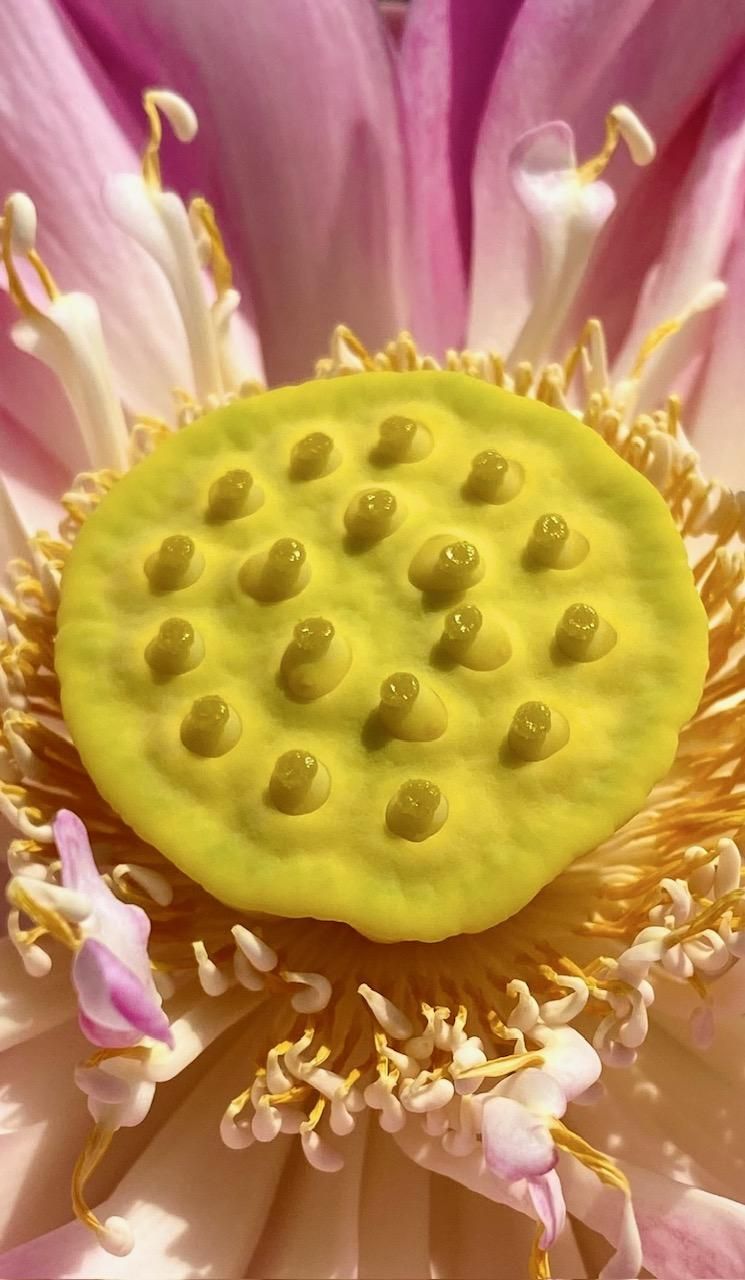
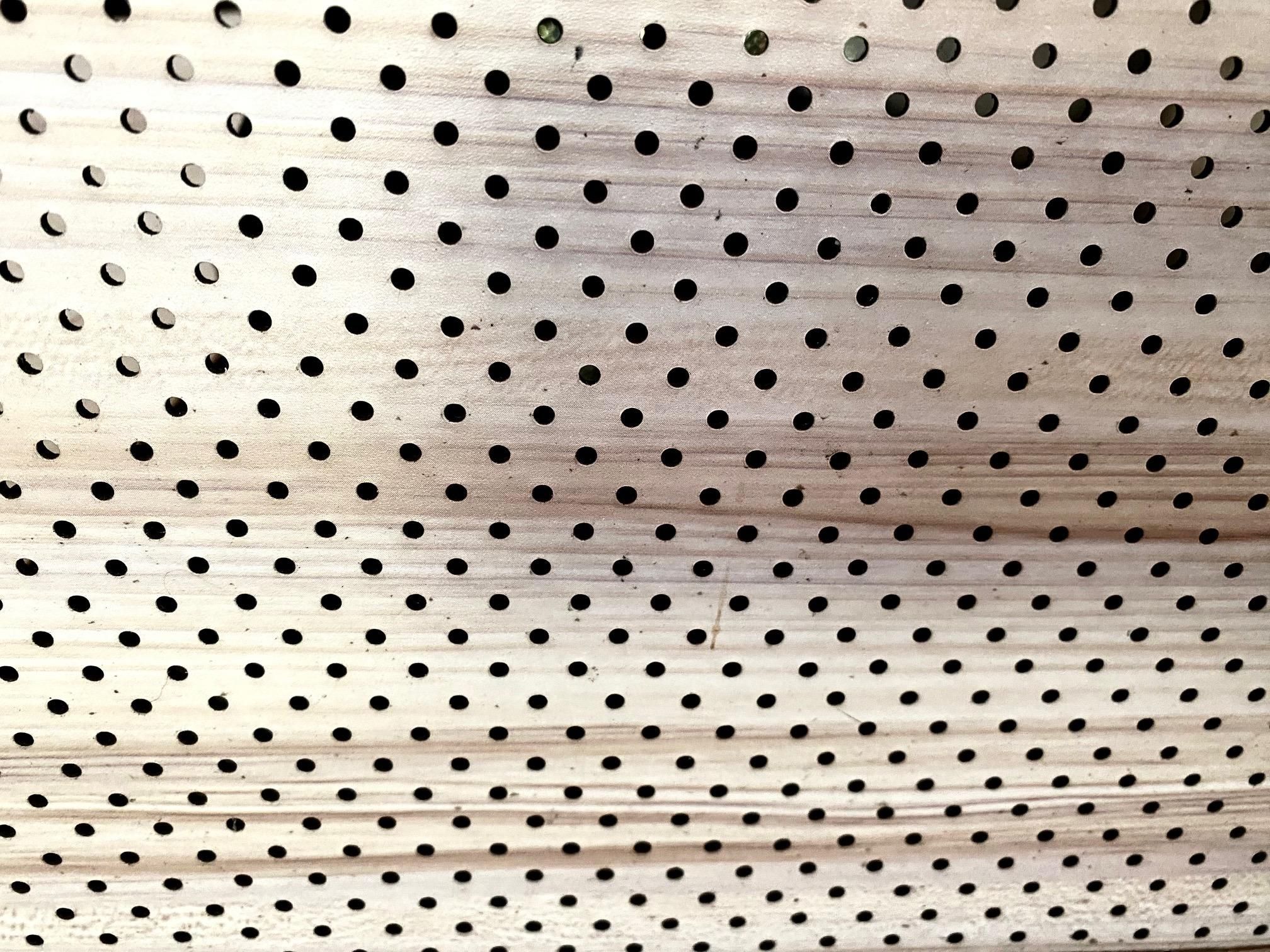
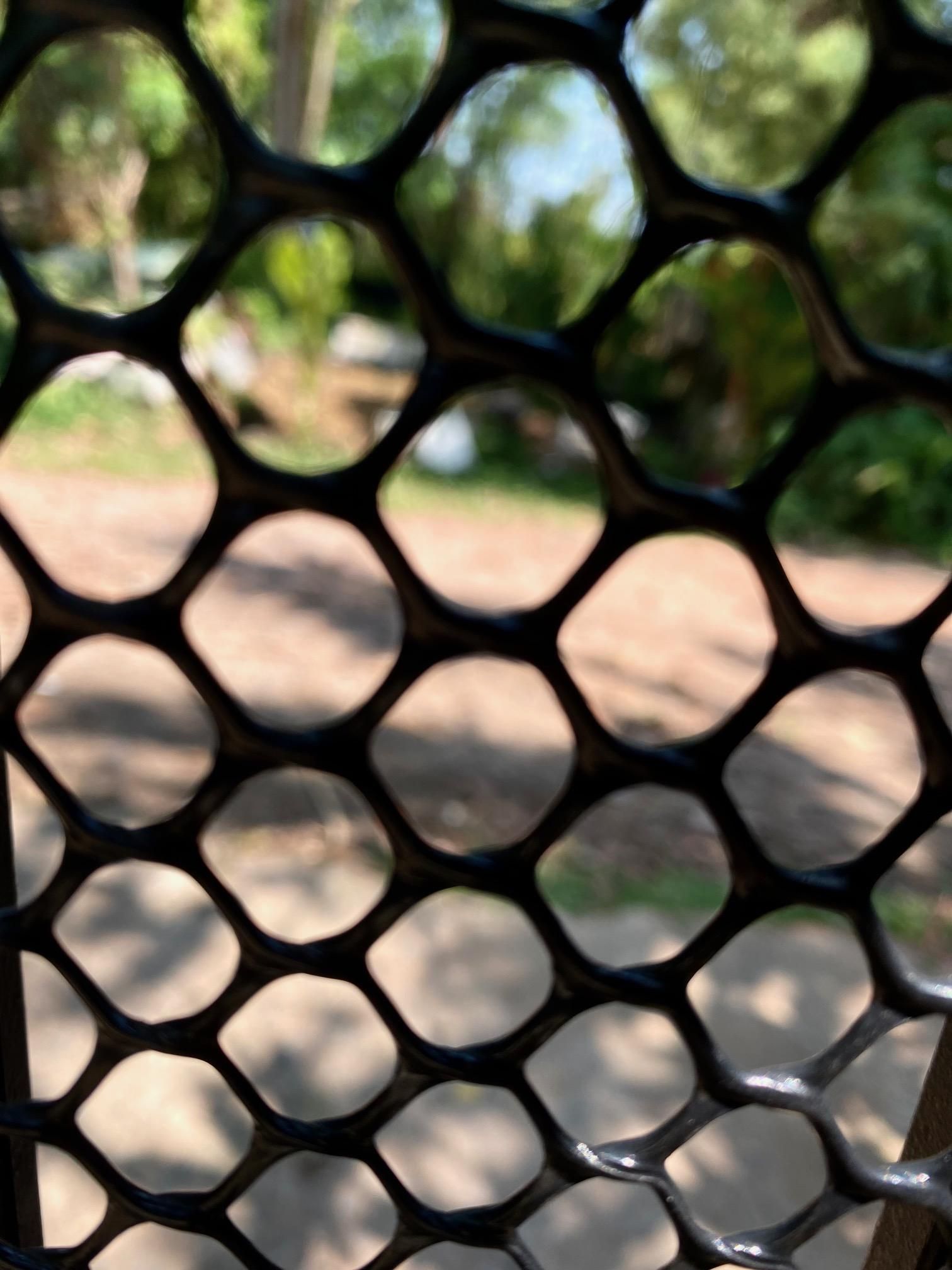
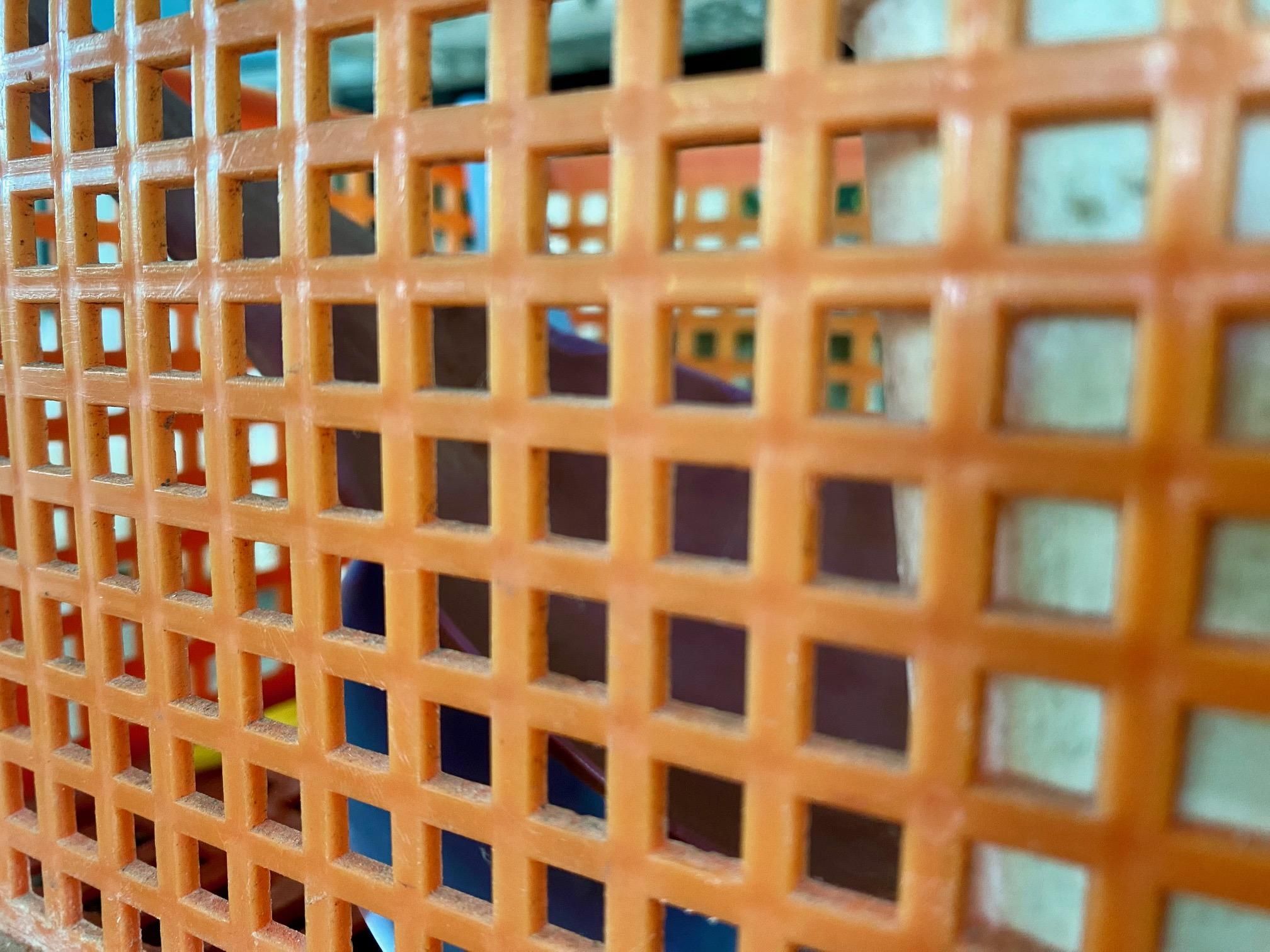
The lotus flower has bumps that can trigger reactions in trypophobics, and when it turns into a seed pod, these bumps can turn into holes.
Other patterns of bumps and holes can also be triggering for some people.