Reproduction Ancient Egyptian Necklace
by indivisibl in Craft > Jewelry
2820 Views, 19 Favorites, 0 Comments
Reproduction Ancient Egyptian Necklace
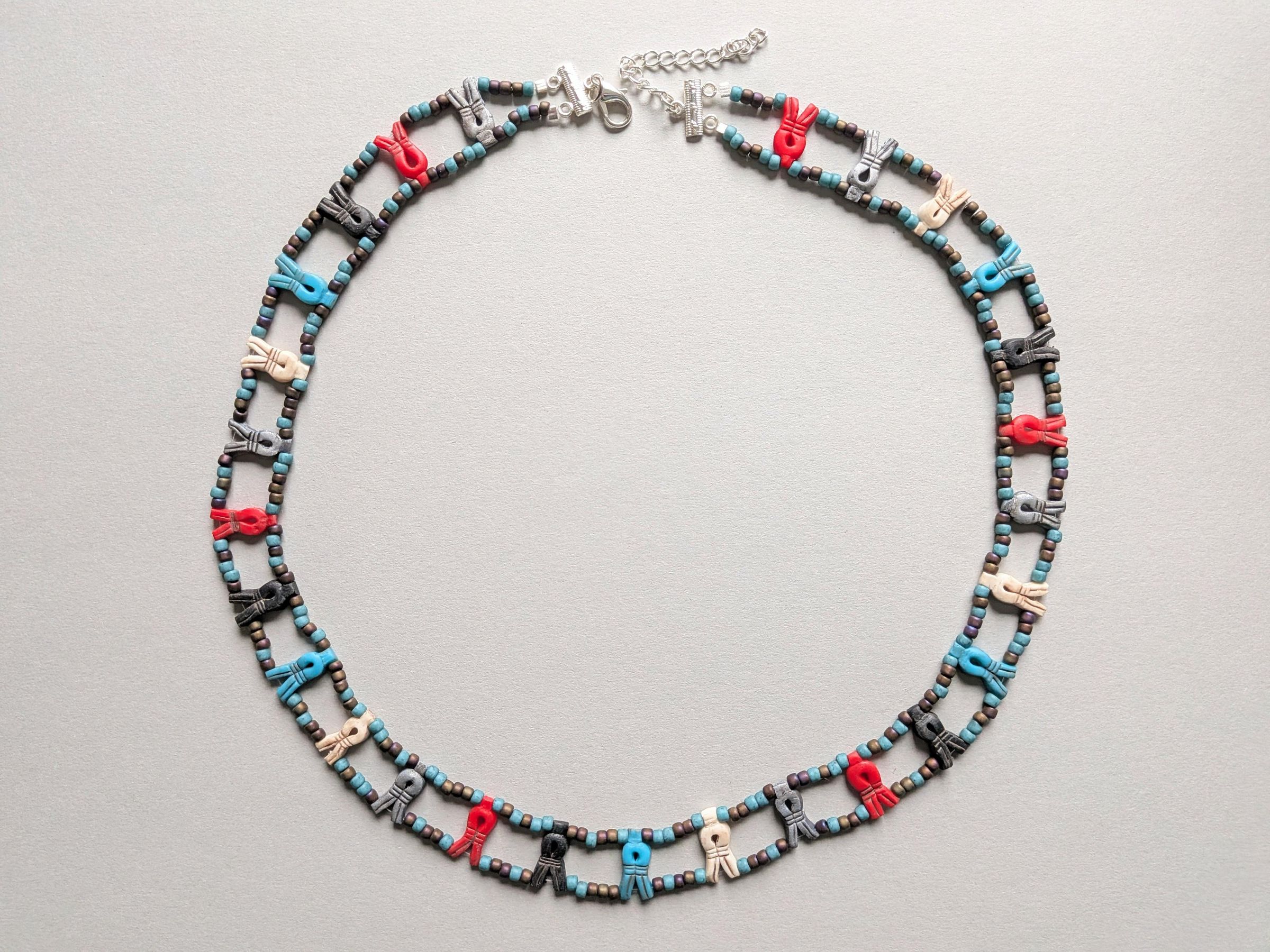
I first found this necklace while browsing the Metropolitan museum collection on their website looking for inspiration and I simply fell in love with it. I love how it turned out and will definitely be wearing it a lot.
Origin
The necklace is from ancient Egypt, the Middle Kingdom period and is more specifically dated from around 1859–1770 B.C. The full name on the Met website is "Necklace with Sa-Amulets of Senebtisi" and the entry can be found here. Senebtisi was an ancient Egyptian woman who lived at the end of the 12th Dynasty. Not much is known about her apart from her undisturbed burial, which was found at Lisht in 1907. (source).
Meaning
The amulets depict the hieroglyph that writes the word "sa", which means protection. The amulets were intended to protect the wearer (source).
Specifics
The amulets are made of silver, carnelian, feldspar, turquoise and ivory. The beads in between them are turquoise. The amulet dimensions are 1 × 0.5 × 0.2 cm.
Supplies
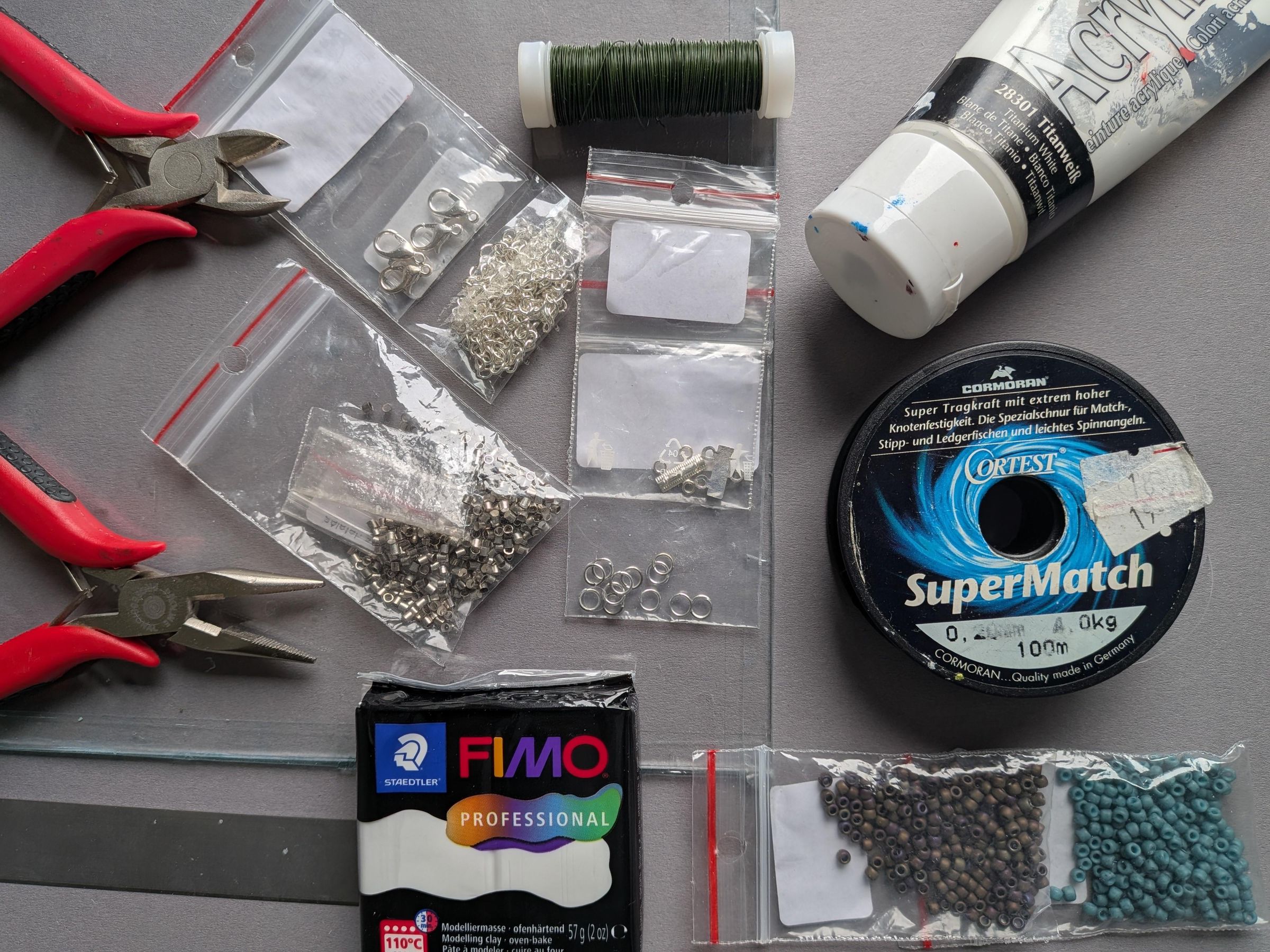
- Graph paper
- Polymer clay (in red, silver, black, turquoise, white, brown, yellow and translucent)
- Polymer clay blade
- Glass sheet (to use as a working surface)
- Seed beads in turquoise and brown
- Acrylic paint
- Lobster clasp
- Jump rings
- Chain
- Crimp beads
- Two strand connectors
- Fishing line
- Wire cutters
- Pliers
- Thin wire
Creating the Reference Drawing
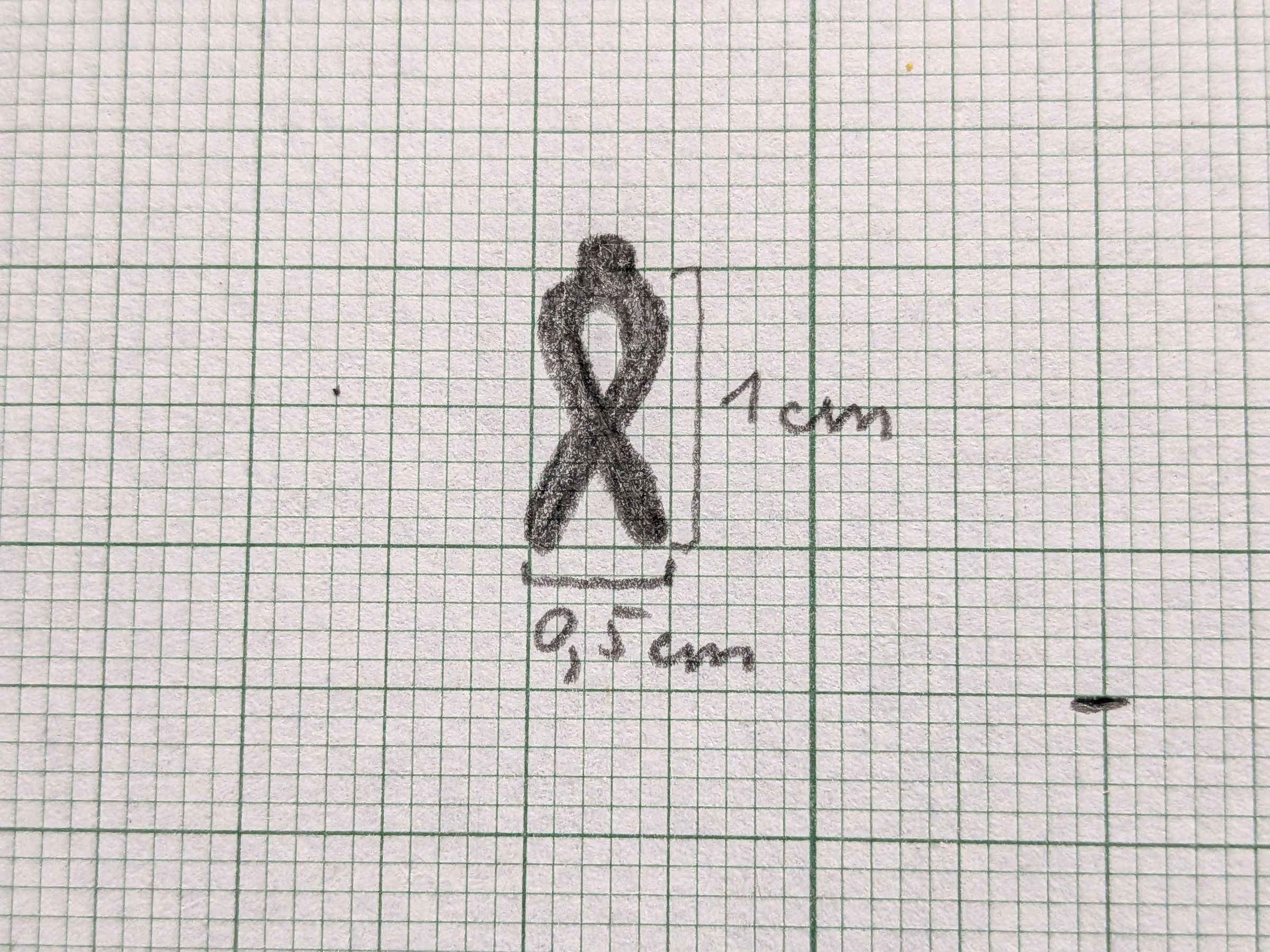
Start by drawing out the Sa symbol on graph paper. It should be around 0.5 cm by 1 cm and a few millimeters thick with the loop intersection being slightly lower than the middle.
Mixing the Clay Colors
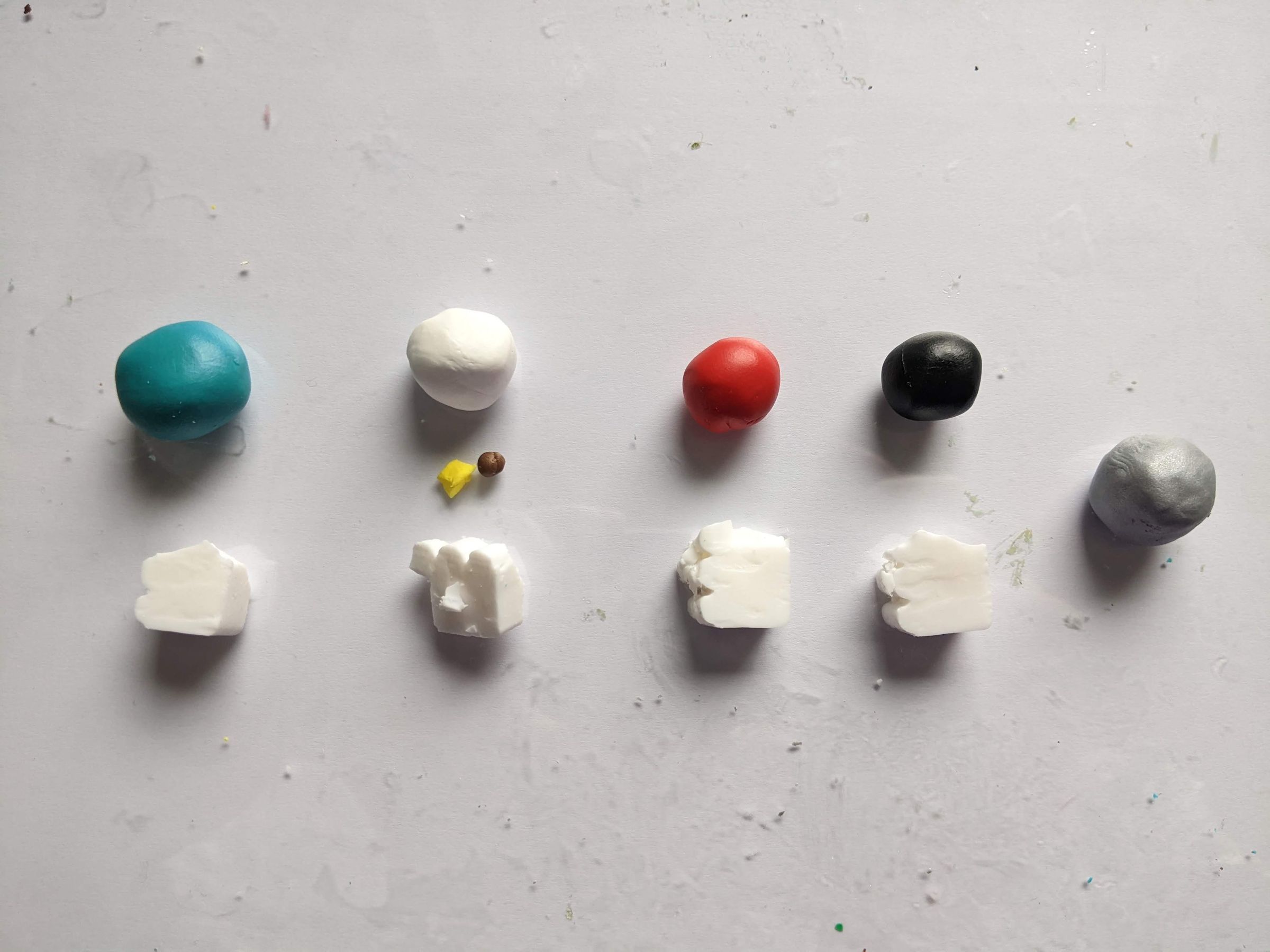
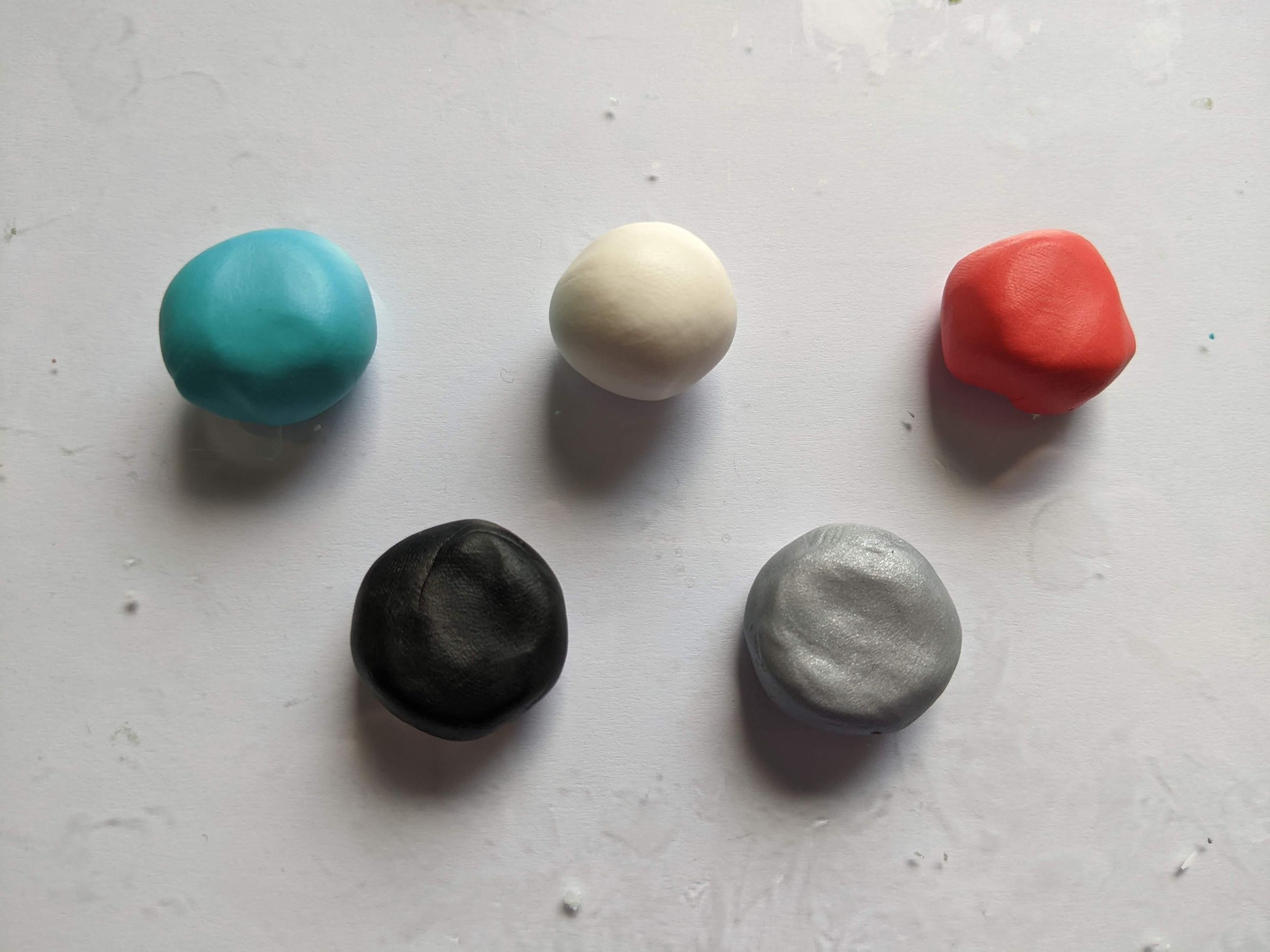

Mix a small amount of yellow and brown into the white to create an ivory color. Take pieces of red, ivory, turquoise, and black and mix each with an equal part of translucent. For the red and turquoise add an additional piece of translucent and don’t mix it fully, so you get a marbling effect. The silver doesn’t require any additional mixing.
Shaping the Amulets
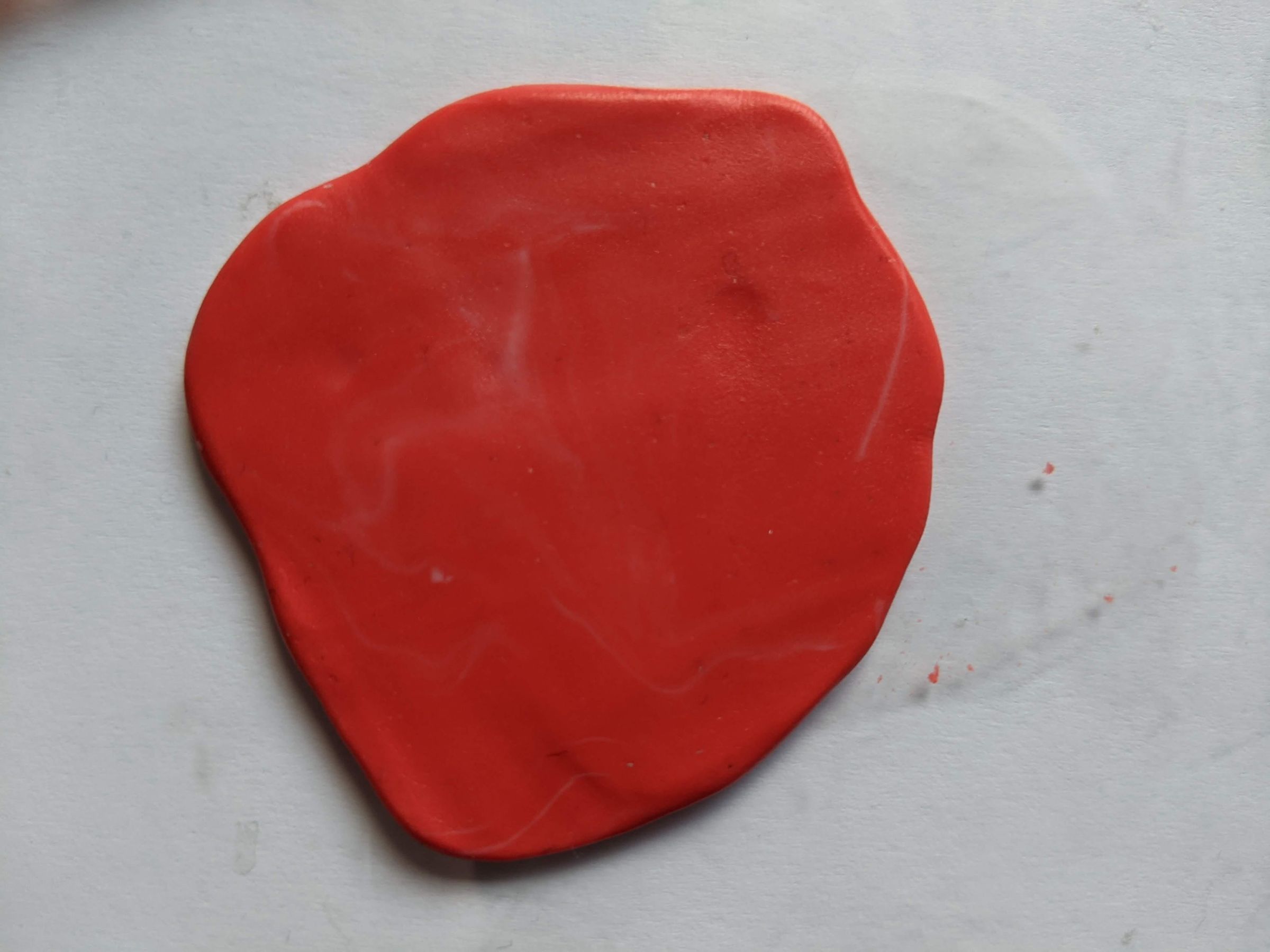


Place your drawing under the glass sheet. Roll out a piece of red clay to a thickness of about 2-3 mm. Using a straight blade cut 2 mm strips off the rolled out piece. Position the strip over your drawing and press the sides together at the loop intersection. Cut off the excess clay from the bottom. Cut a small rectangle from one of the leftover strip pieces for the tab and carefully attach it to the top. Using the blunt side of the blade press in a vertical line in the middle of each leg of the amulet and three horizontal lines in the loop intersection. Repeat until you have 8–10 amulets in each color (I ended up using around six of each but it’s good to have backups).
Finishing the Amulets

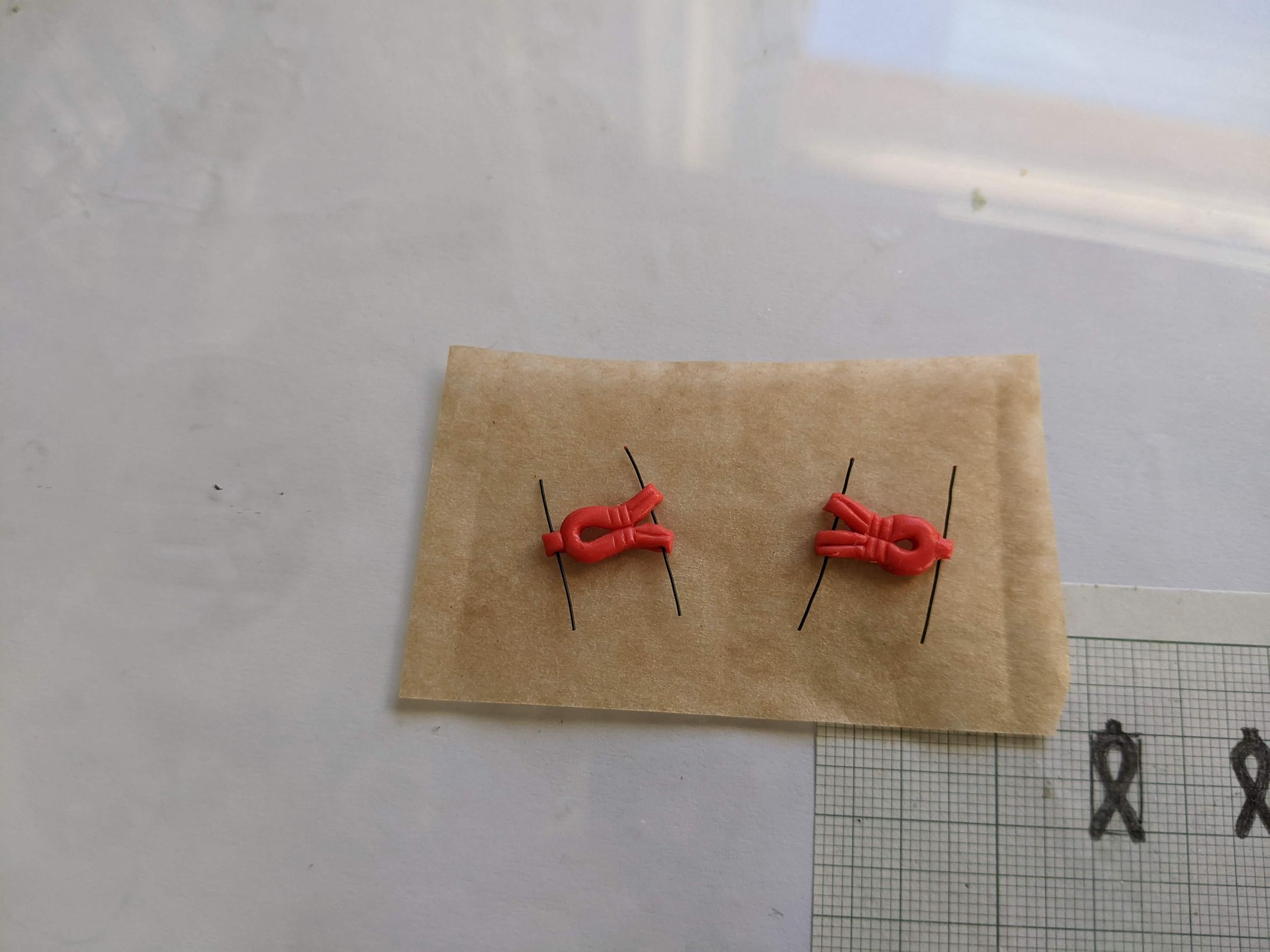
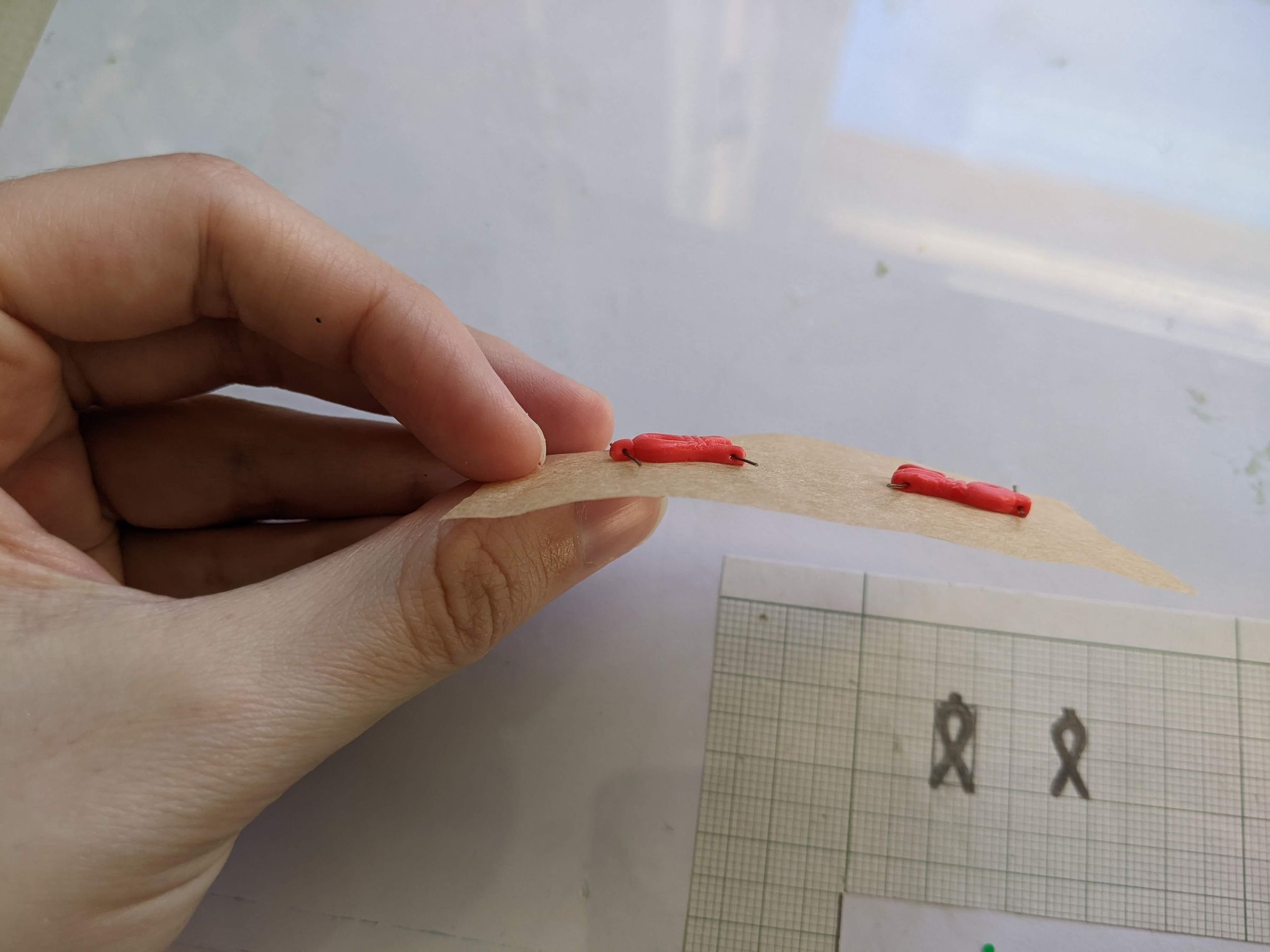


Using a needle poke a hole through the tab and through the bottom of both legs. Insert small pieces of wire through the holes, this will keep the holes from closing up as the clay shrinks when baking. Bake according to package instructions (mine were 110 °C for 30 min). Remove the wires after cooling.
Aging the Amulets

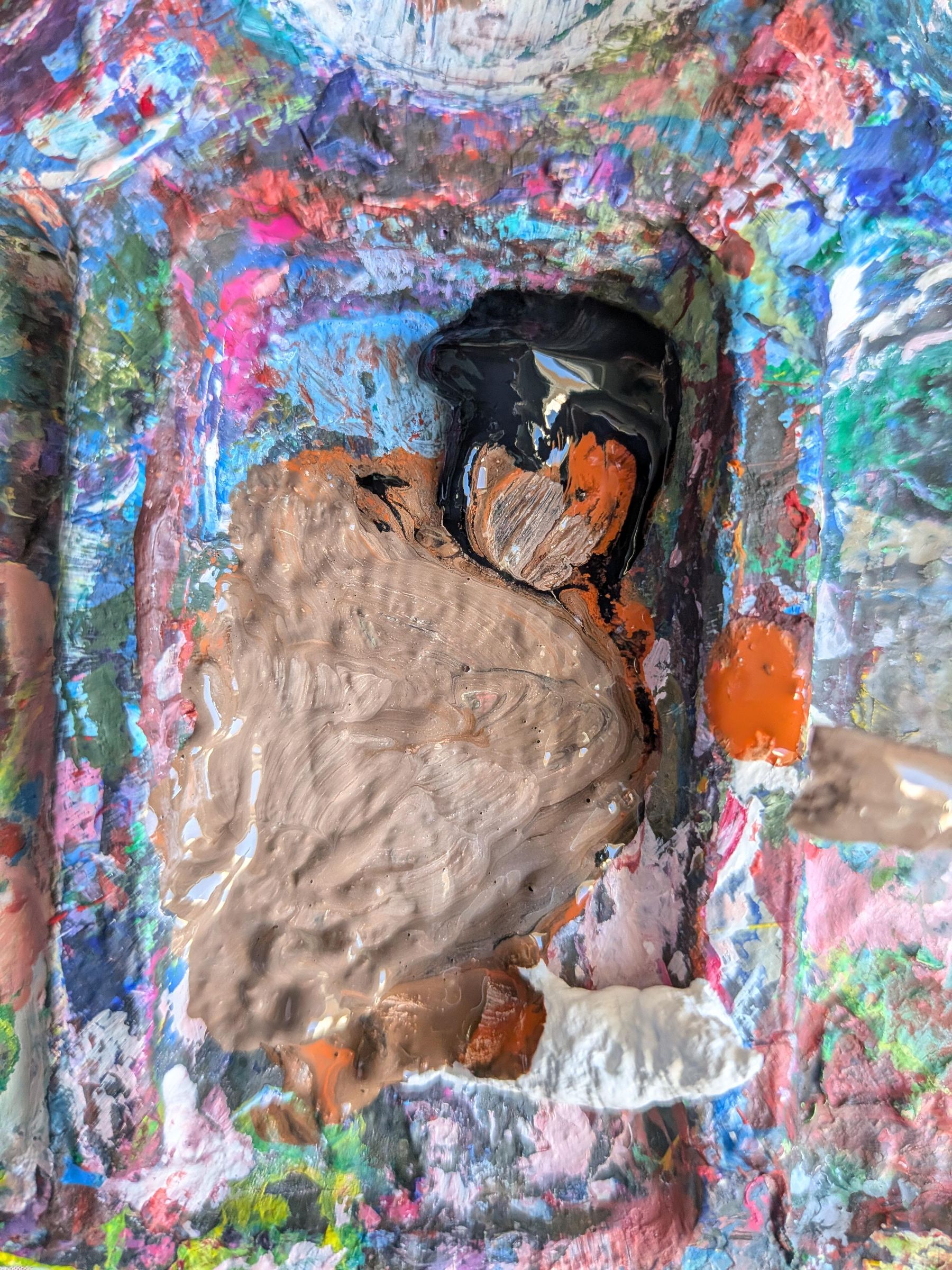
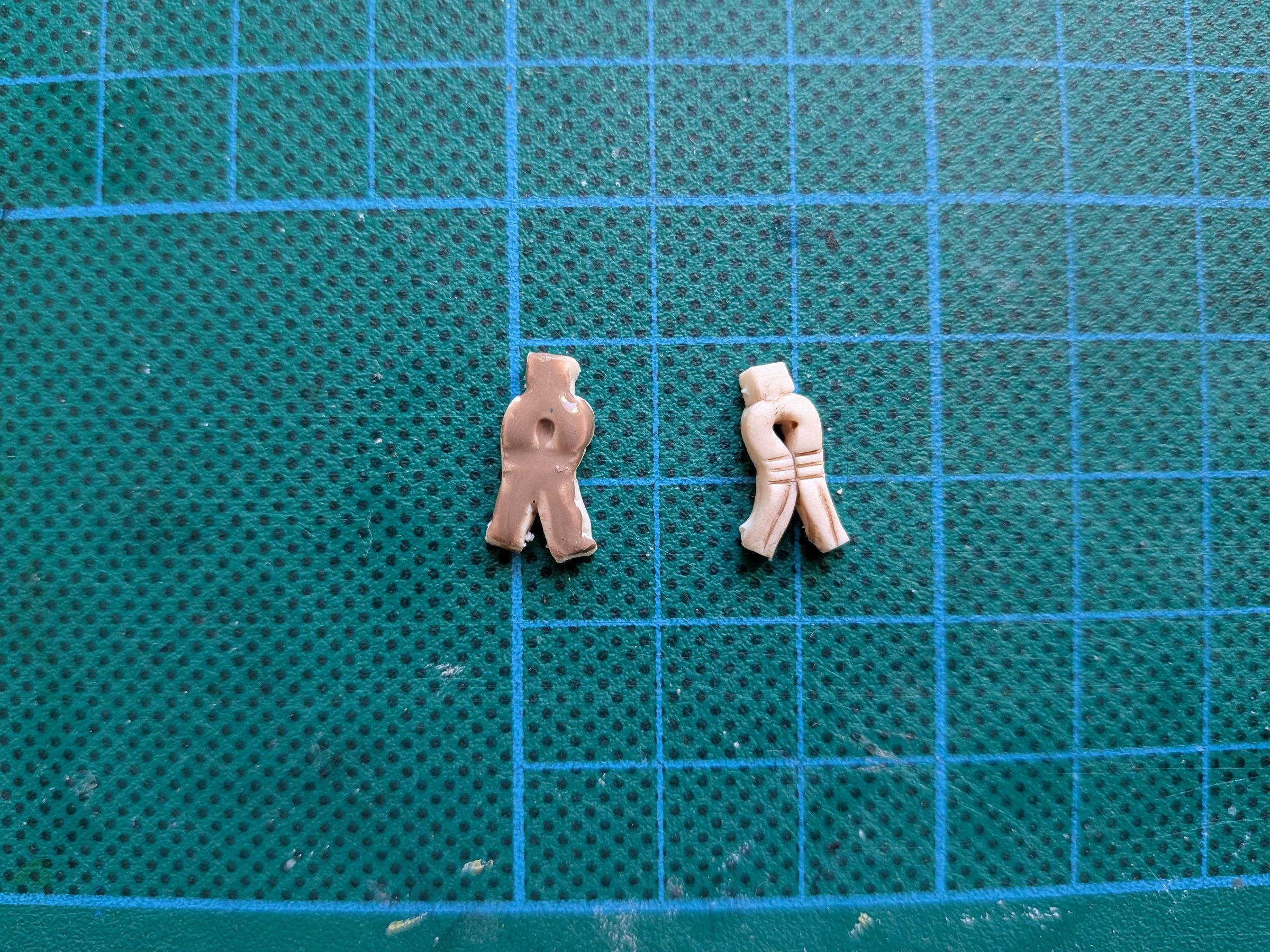
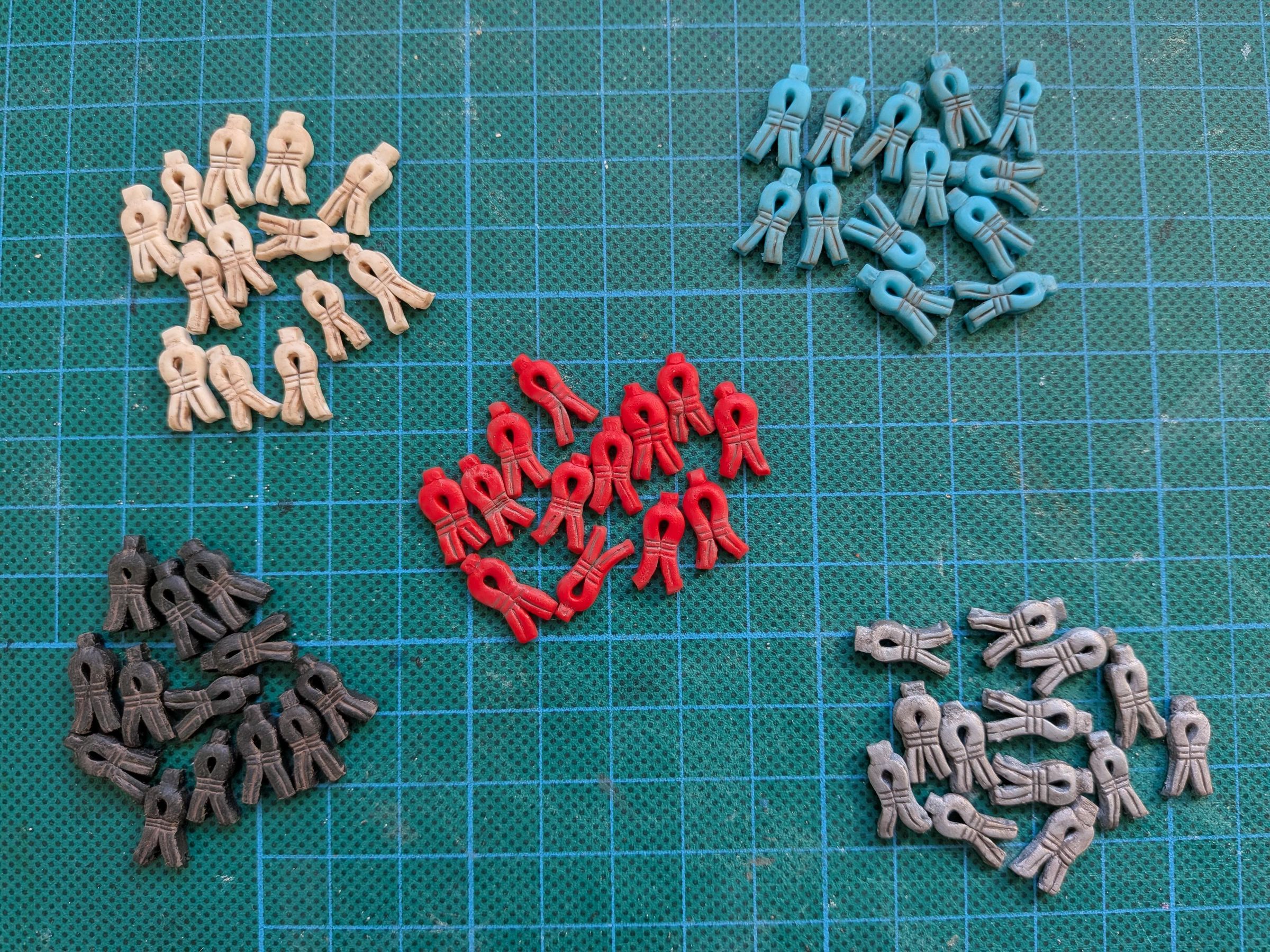
Mix brown, black and white acrylic paints to create a grayish brown color. Dilute the paint with a bit of water. Cover the amulet with paint, allowing it to settle into the crevices, and then wipe it off the surface with a paper towel to create an aged look. Repeat this with all the amulets.
Starting to Assemble the Necklace.
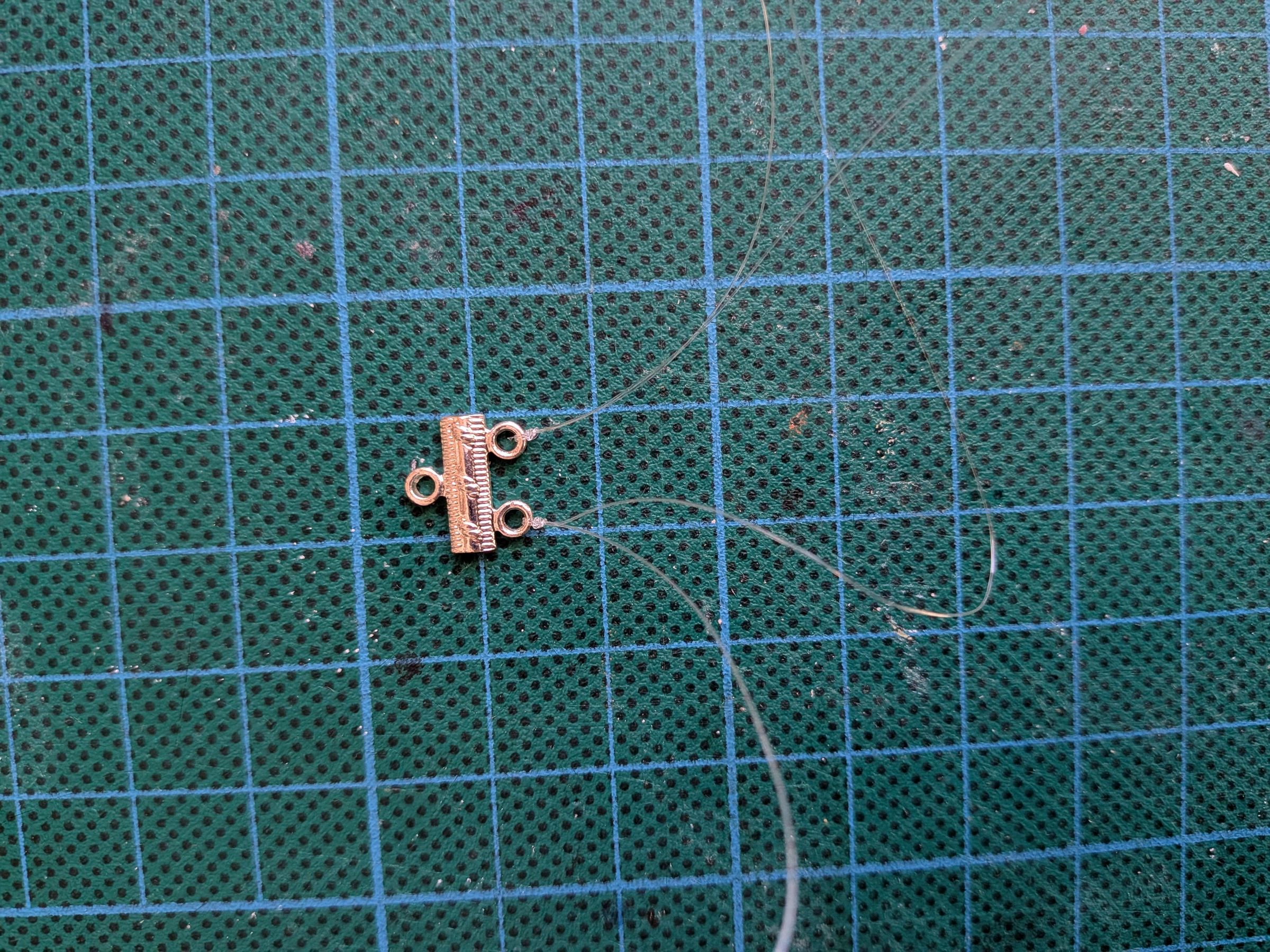
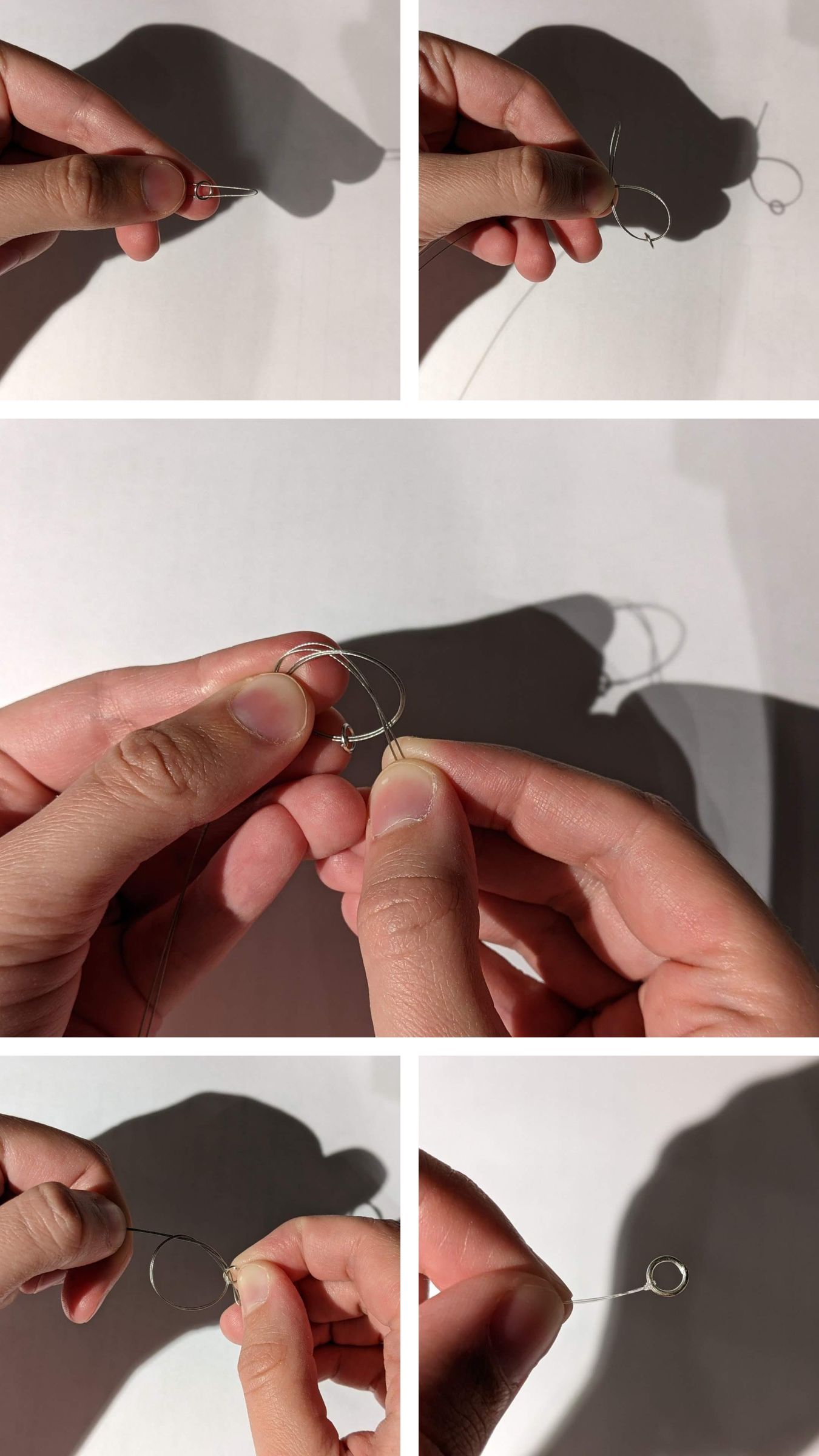
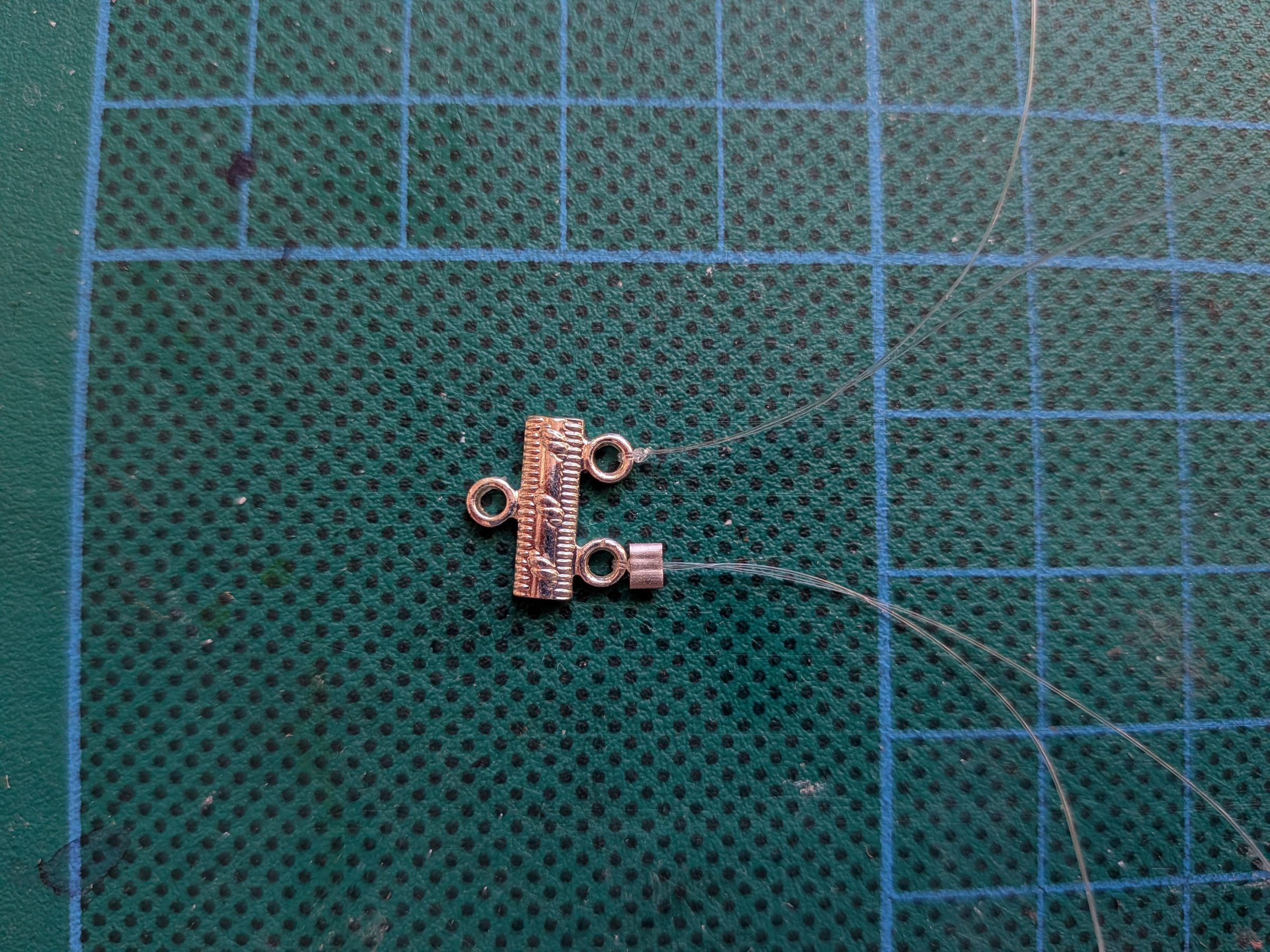
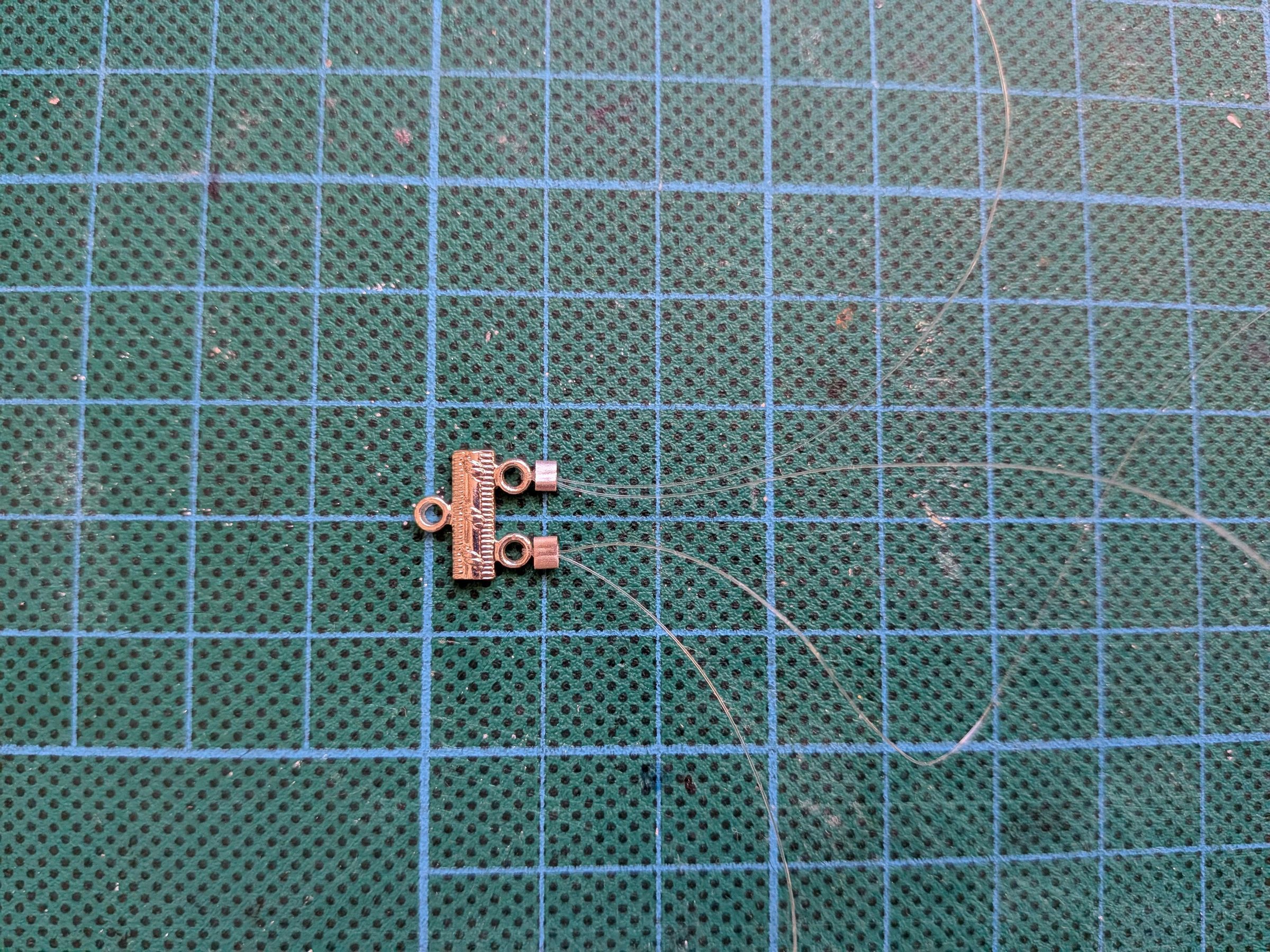
Cut two pieces of fishing line longer than your intended necklace. Tie each of the strings to the two loops of the two strand connector. My preferred knot is shown in the picture – double up the end of the string, go over and under itself, and pull your hardware through the loop created by the doubled string, then pull tight. Add a crimp bead to each string and clamp them with the pliers to cover the knots.
Assembling the Necklace
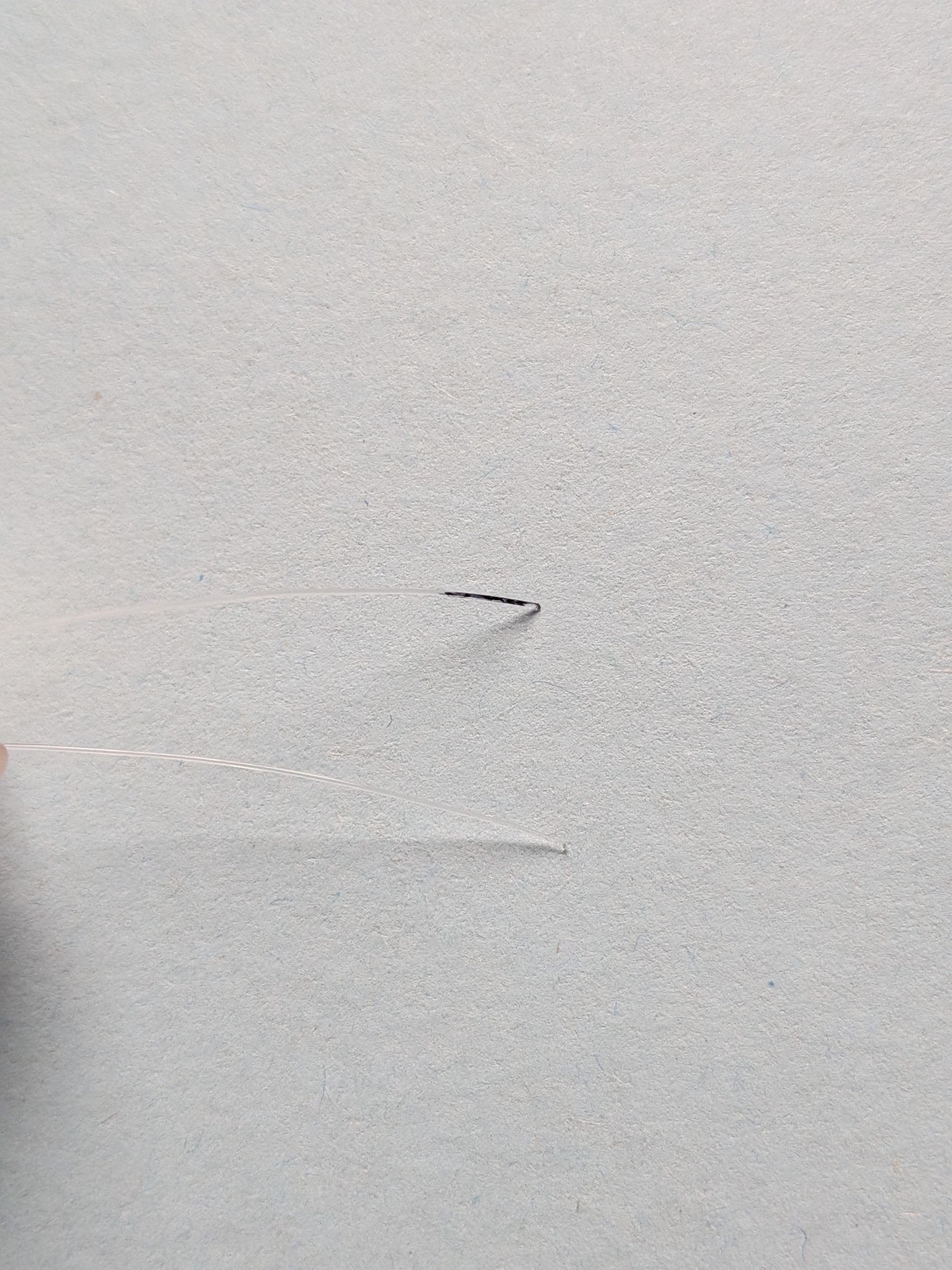
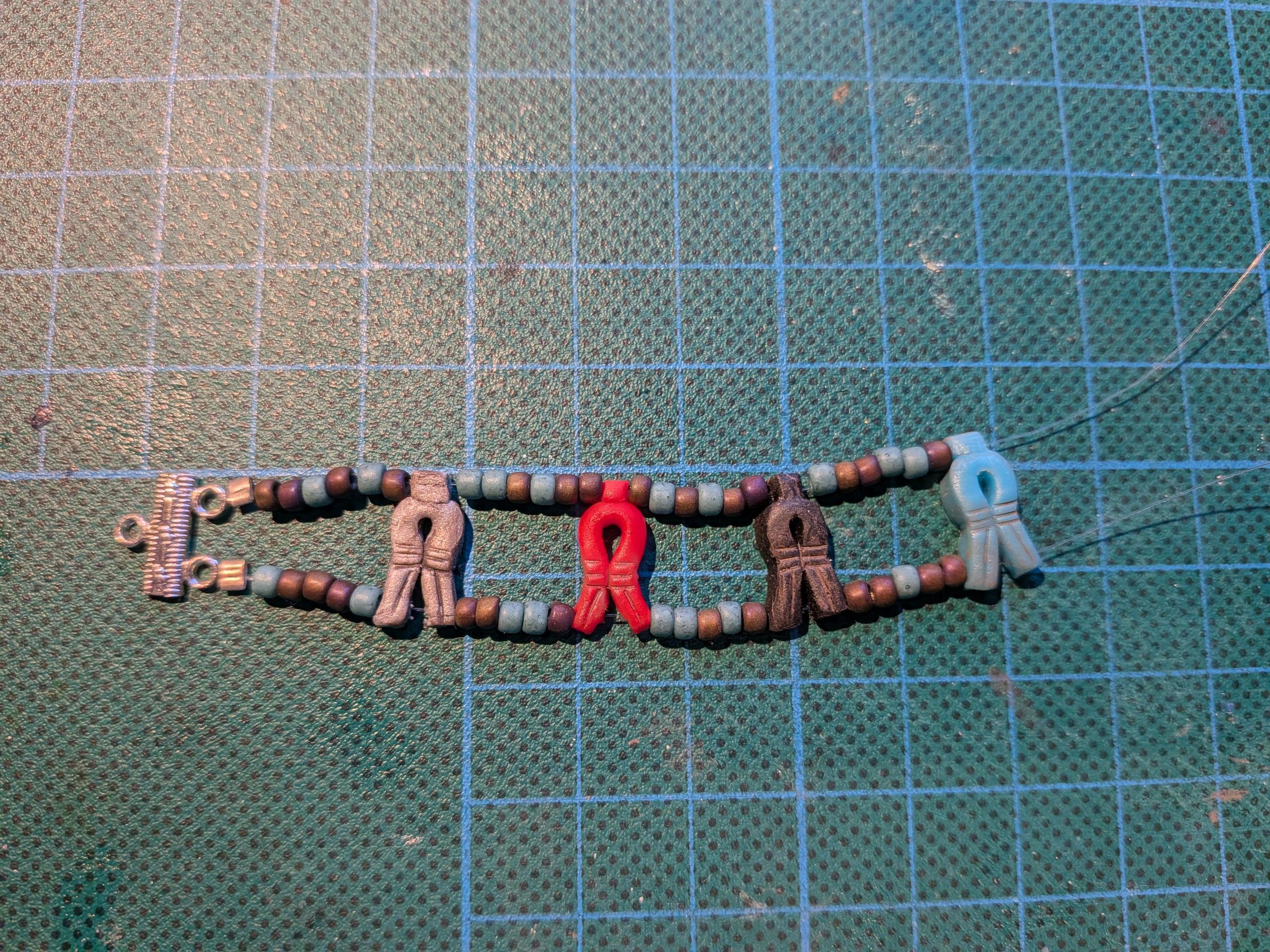
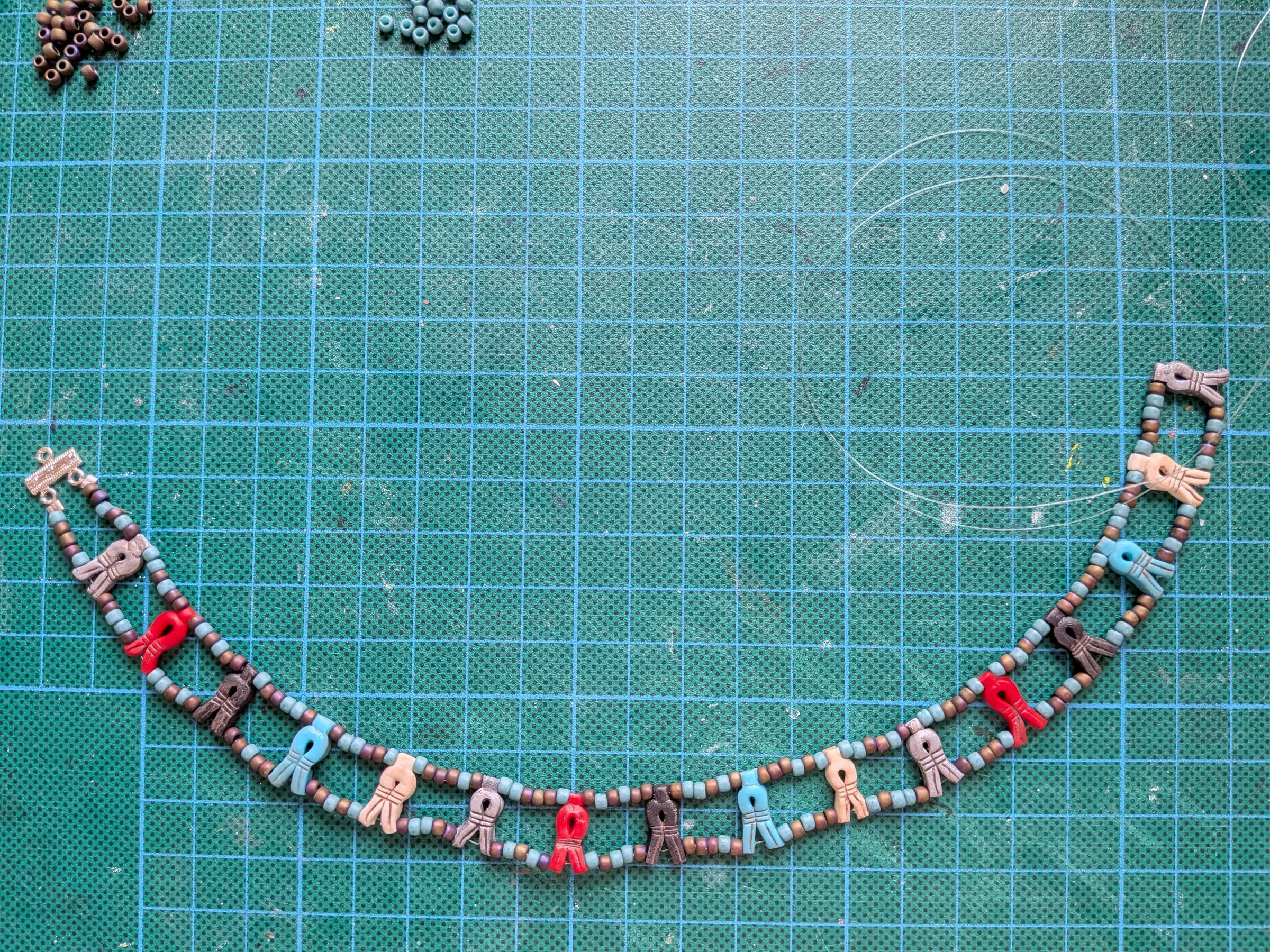
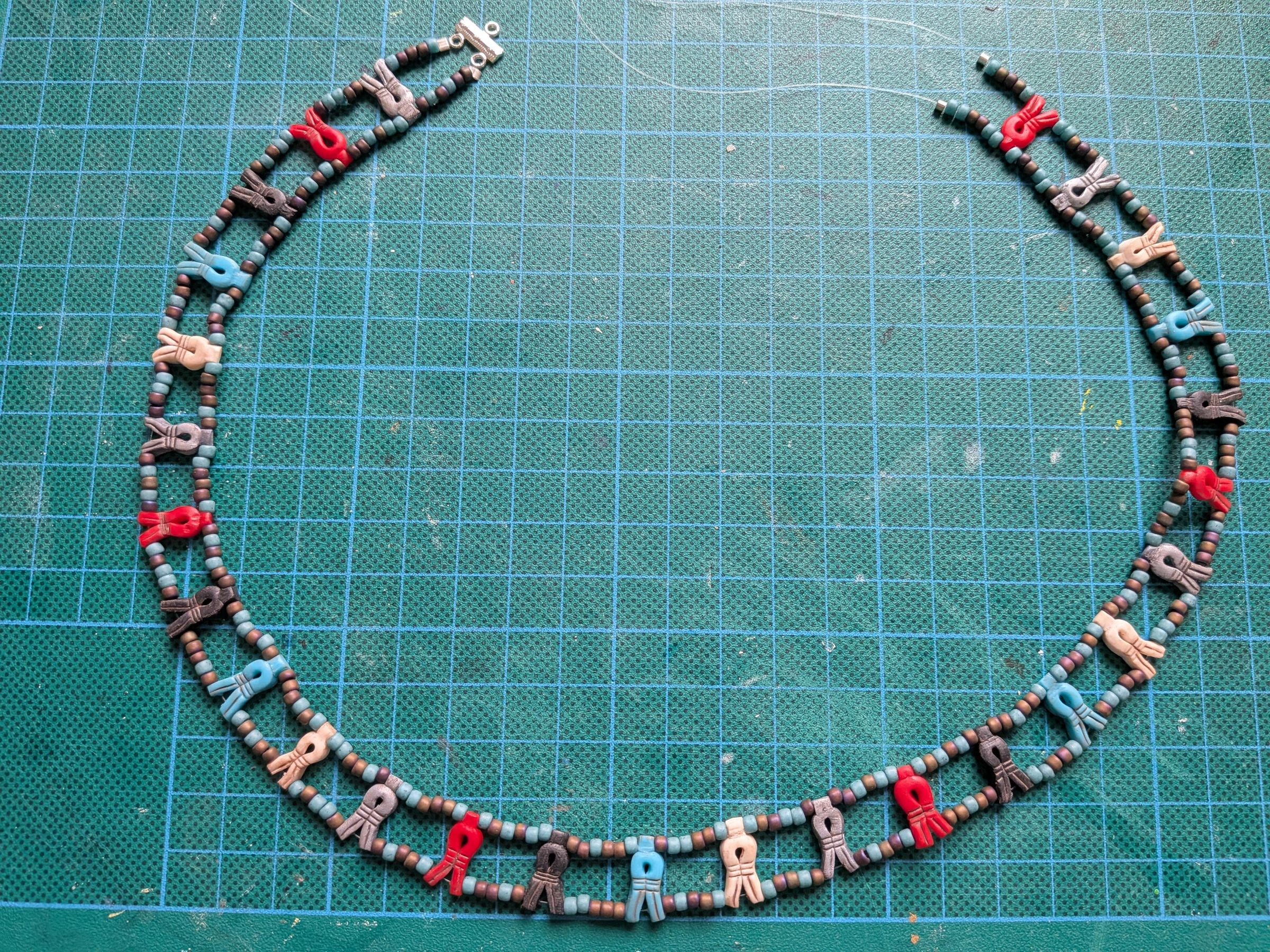
Use a black permanent marker to mark the upper thread, this will make it easier to tell the threads apart while beading. Thread six beads on the top thread and five on the bottom alternating randomly between turquoise and brown beads. Then thread on the amulet (Top thread goes through the hole in the top tab, bottom thread through the two holes). Repeat six beads on top, five on bottom, then amulet until you get your desired length. The amulets should go in this order: silver, red, black, turquoise, ivory, then repeat. Add six more beads on top and five on the bottom thread.
Finishing Touches
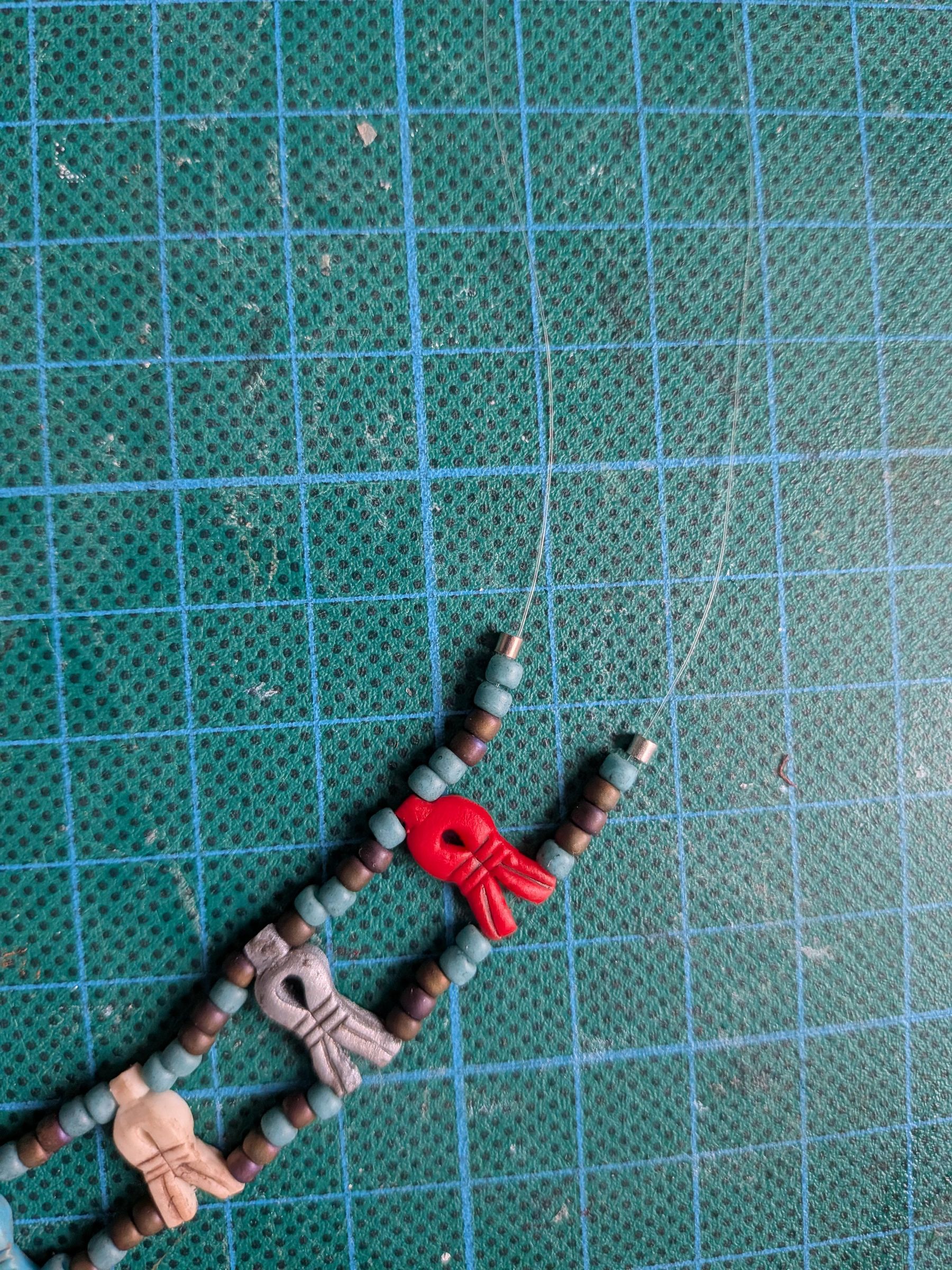

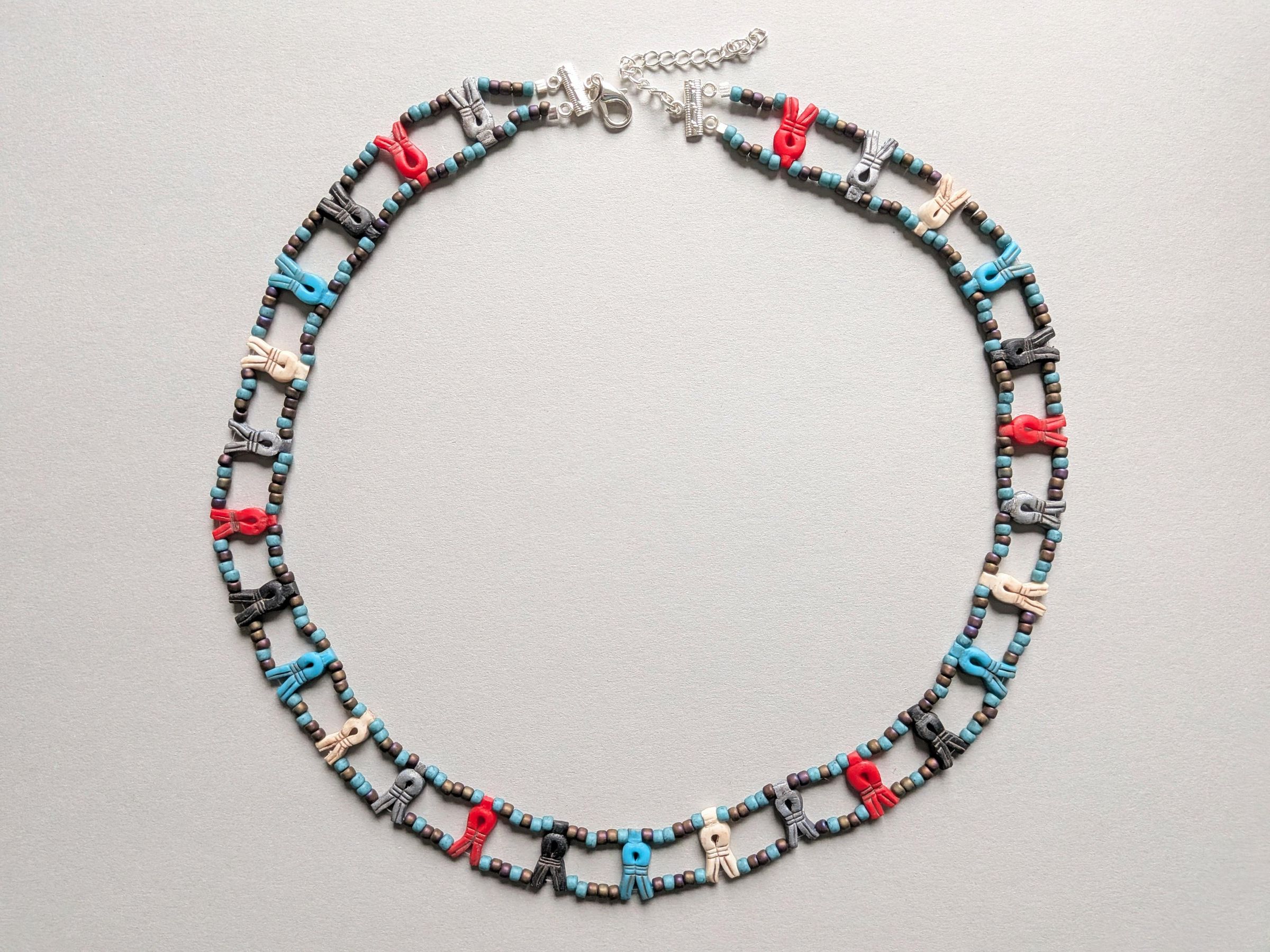
Thread a crimp bead onto each string. Tie the strings to the two loops of the two strand connector and clamp the beads to cover the knots. Use the jump rings to attach a lobster clasp to one end of the necklace and a short piece of chain to the other end to make it adjustable and you’re done. Enjoy wearing your ancient Egyptian necklace and may it protect you in all your endeavors 𓆣