Science Fair
.png)
Extracting DNA from fruits
Done by: Hawra, Atha, Aljawharah
Teacher: Ms. Nadia
MYP-2
Video

Purpose
The ability to extract DNA is important for researching disease genetics and developing diagnostics and medicines. It's also used for forensic science, genome sequencing, environmental bacteria and virus detection, and paternity determination.
Testable Question
Understand how DNA is contained within different cells like fruit?
Hypothesis
If we use different types of fruits, Then we would get different weights of DNA, Because the ability to extract DNA is important for researching disease genetics and developing diagnostics and medicines. It's also used for forensic science, genome sequencing, environmental bacteria and virus detection, and paternity determination.
Variables
.png)
.png)
.png)
Independent variables: the fruits (strawberry, lemon, and orange)
Dependent variable: the amount of DNA
Controlled variables: type of dish detergent, the amount of salt, water amount, alcohol amount, and the temperature of water.
Background Knowledge
.png)
This DNA extraction lab is a hands-on experience that will help students learn more about cells and the structures inside them. Cells are the building blocks of all living things. Organelles are smaller structures found within cells that perform various roles or jobs inside the cell. Since they are simple to pulverize and contain enzymes called pectinases and cellulases, which help break down cell walls, ripe strawberries are an excellent source for extracting DNA. And, since strawberries have eight copies of each chromosome (due to their octoploid nature), there is a lot of DNA to isolate.
Resource: https://www.gs.washington.edu/outreach/dhillon_dnaprocedure.pdf
Materials
.png)
1. Ripe strawberries
2. Ripe oranges
3. Ripe lemons
4. ½ Cup of tap water
5. 2 small, clear plastic cups
6. 2 measuring cups-1 teaspoon, 1 cup
7. Paper towels (use for drying your other materials, number may very)
8. 2 teaspoons of dish detergent
9. 2 teaspoons of salt
10. 1 Coffee Filter
11. 1/3 cup of Rubbing Alcohol
12. Wooden Popsicle Stick
13. 1 Plastic Bag
Procedures
STEP 1: Mix the DNA Extraction Liquid
1. Take 1 plastic cup and mix together 2 teaspoons of dish detergent
2. Then take1 teaspoon of salt in mix in slowly
3. After take ½ cup of water and mix.
STEP 2: Get the DNA
1. Take 1 of the fruits and insert it into your plastic bag
2. Using your hand, mash up the fruit of choice until there is no big chunks
3. Add 2 tablespoons of the DNA extraction liquid
4. Swirl gently using a wooden popsicle stick for at least one minutes and then let it sit
STEP 3: Separate the Fluids from the Solids
1. Take coffee filter and cover it over an unused plastic cup
2. Pour the mix of fruit and let it filter for 30 seconds or until the fluid has stopped dripping
STEP 4: Extract the DNA
1. Next, pour down the side of the cup an equal amount of cold rubbing alcohol as there is fruit liquid. Do not mix or stir.
2. Within a few seconds, watch for the development of a white cloudy substance (DNA) in the top layer above the fruit layer
3. Tilt the cup and pick up the DNA using a wooden popsicle stick and put it into a measuring cup.
STEP 5: Measure the Amount of Extractable DNA
1. Record how much white content shows up in the measuring cup using a measuring cup.
STEP 6: Repeat Process with Other Types of Fruit
1. Rinse all plastic cups and other materials thoroughly with water and dry all materials using paper towels to avoid contamination
2. Repeat this process with the other types of fruit to determine which one is the most extractable to get DNA.
Data Table

This is the data table that shows the information we collected from the experiment.
Graph
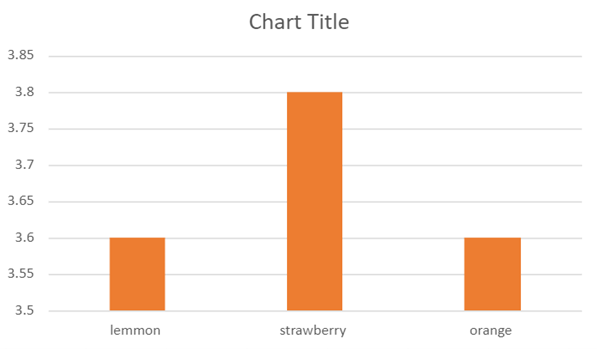
This is our graph, that represents the weight of DNA, for each fruit.
Analysing Data
My findings:
- We found that when we add 40g of strawberry we collect 3.8g of DNA
- We found that when we add 40g of lemon we collect 3.6g of DNA
- We found that when we add 40g of orange we collect 3.6g of DNA
Sources of error:
- We have to make sure that the strawberry liquid or the fruit liquid doesn’t come inside the measuring cup with the DNA.
- After I smashed the strawberries I putted them in the coffee filter that was inside a plastic cup but some of the strawberries didn't go to the coffee filter and got stuck in the bag instead so we cant say it was exactly 3 strawberries and that goes to the lemon and orange as well.
Limitations:
- We had previously chosen another experiment but halfway we faced a problem and weren't able to complete working on it then we had to choose another experiment that suits the science fair. Which caused us to be a little late
- This year the science fair was virtual so it was a little hard to keep in touch with the group since we had a lot of pressure recently and it was hard to refill our schedule and make some time to be able to do the experiment which means a lot of time was wasted.
Results
After we added the alcohol and waited for a few seconds a gooey white substance has appeared on top we picked it up with a wooden popsicle stick and poured it into a measuring cup. Each fruit had a specific weight. The orange and lemon's weight was the same, but the strawberry's weight was higher.
Conclusion
After we mixed the DNA extraction with the filtered fruit, we poured the alcohol on top of it, without mixing it which caused the DNA to appear. Which was a gooey white substance.
Application
The ability to extract DNA is important for investigating the genetic causes of disease and developing diagnostics and medications. It's also required for forensic science, genome sequencing, detecting bacteria and viruses in the environment, and paternity determination.
Evaluation
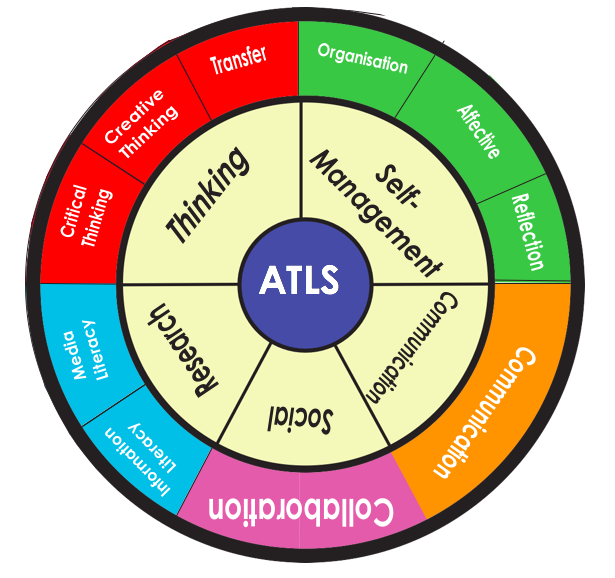
Research skills: because we have researched a lot during the step where we had to choose our experiment and when we had to search for background information about the experiment and were able to complete the hypothesis-in the because part-as well because of the research that we did.
Pictures of the Experiment
.png)
.png)
.png)
.png)
.png)