The Cumberland Commons: a Mixed-Use Resilience Building for Storm Recovery, Veteran Healing, and Economic Renewal
by avidgamer in Design > Architecture
157 Views, 0 Favorites, 0 Comments
The Cumberland Commons: a Mixed-Use Resilience Building for Storm Recovery, Veteran Healing, and Economic Renewal
.png)
.jpeg)

Hello! My name is Ishan Chakrabarti, and I am a high school junior in Tennessee. I am an architecture hobbyist and an aspiring mechanical engineer who loves to turn ideas and sketches into reality through CAD and 3D printing. I've always really liked building things, and recently I have developed an interest in architecture and renewability.
I also love interacting with people and understanding what causes people to be the way they are and how to make a better world for everyone. So, when I discovered this contest, I thought it would be a fun way to further nurture my passion for architecture, human and planetary health, and combine it with my love for CAD and building things.
Living in Tennessee, storms and natural disasters are common occurrences. I have also noticed that city infrastructure does not properly prepare for and heal after these natural events. I wanted to imagine a solution to this problem in the form of a housing complex.
In this Instructable, I will fully outline my design, from research to site planning to starting with Tinkercad (a software very new to me) to sketching and iterating until I complete my 3D model.
I hope you enjoy :D
Supplies
Software
- Tinkercad
- Fusion360
- OrcaSlicer
- SunPath3D
Tools
- 3D printer
- Flush cutters
- Scalpel
- Glue
Materials
- PLA filament
The City That Keeps Getting Hit
.png)
Clarksville, Tennessee's geography puts it at high risk for natural disasters. The city lies in the Tennessee-Kentucky border region that the National Weather Service identifies as one of the most tornado-active corridors in the eastern United States. Montgomery County has received multiple federal disaster declarations over the past two decades due to storm damage, flash flooding, and severe wind events. These events have repeatedly displaced families and destroyed businesses.
What makes Clarksville distinct from the many other storm-vulnerable communities is the added complexity of being very close to Fort Campbell. Approximately 50,000 military adjacent residents live in Montgomery County at any given time. When disaster strikes here, it hurts a community that is already managing the psychological and logistical weight of deployment, separation, and service-connected injury. The civilian support networks that most communities rely on during disasters — extended family nearby, long-term neighborhood relationships, community institutions built over generations — are often thinner here because military families move frequently and build roots slowly.
NOAA/NWS Storm Prediction Center
What Clarksville Is Missing
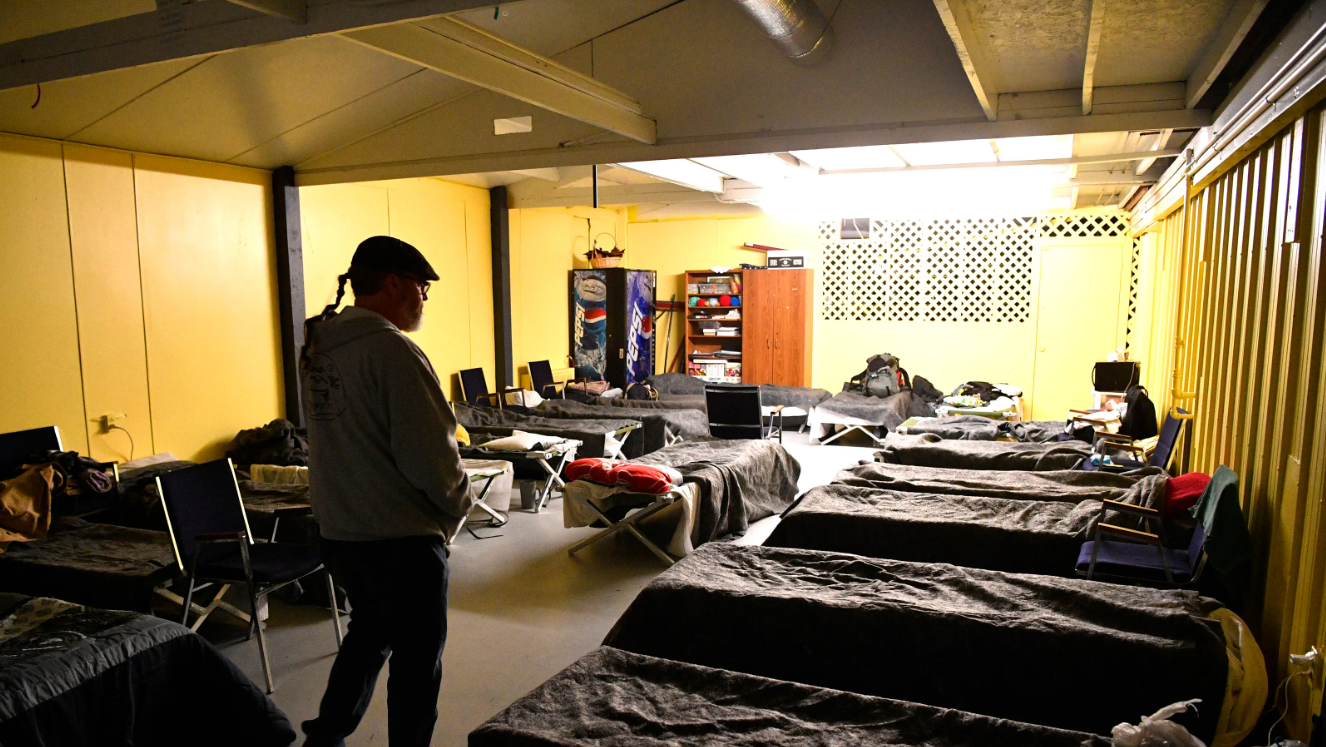
Research into Clarksville's disaster response history, its veteran services landscape, and its economic recovery patterns following severe weather events revealed three persistent gaps that no existing building or program addresses together.
The first, and largest gap is the absence of permanent, emergency infrastructure. Clarksville's storm shelters are school gymnasiums, church basements, and municipal facilities repurposed during a crisis. They function and they matter when storms happen, but they have no relationship to daily community life. They are places people go reluctantly, in fear, and leave as quickly as possible. No building in this city was designed from the ground up to be both a genuine storm shelter and a genuine community institution.
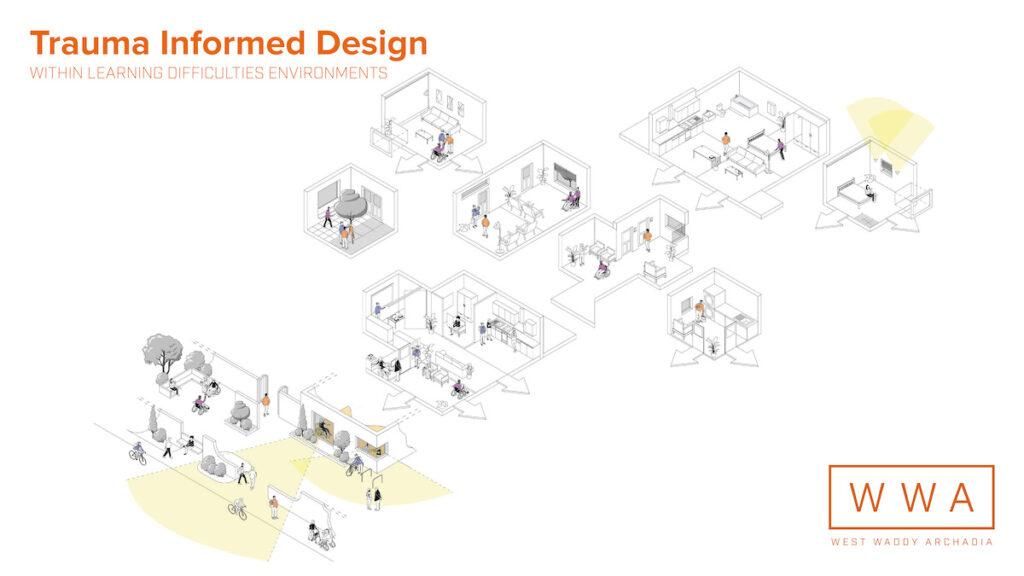
The second gap is the fragmentation of veteran and family mental health resources. The services that exist are spread across multiple locations, require transportation that many struggling families cannot manage, and occupy buildings that communicate clinical detachment. Trauma-informed design research consistently finds that the physical environment of a healing space measurably affects its outcomes.
The third gap is the absence of economic recovery infrastructure. After every major storm event in Clarksville's recent history, the rebuild effort addressed physical structures. It did not address the businesses that closed and never reopened, the workers who lost income during displacement and never recovered it, the economic momentum a community loses in the months and years following disaster.
Find VA Locations | Veterans Affairs
Trauma-informed Design Society | Home
Trauma-Informed Design: Lessons Through a Life-Altering Lens
Trauma-Informed Design of Supported Housing: A Scoping Review
Who This Building Serves
.png)
I have been taught that the best architecture is not designed for abstract populations. It is designed for specific people. Decisions in this concept were filtered through three people created to represent the human diversity of Clarksville's residents.
1. Person A is 34 years old and has lived in Clarksville for six years, following her husband's assignment to Fort Campbell. He deployed 8 months ago. She is raising 2 children, ages seven and ten, while working as a home health aide. When a severe storm system moved through Montgomery County last spring and damaged the apartment complex where she rents, her landlord was slow to make repairs and her renters' insurance did not fully cover her losses.
2. Person B is 28 years old and completed two deployments with the 101st Airborne before leaving active-duty service 18 months ago. He is living in a rented room on Tiny Town Road, working inconsistent hours in construction. He has looked into the VA mental health services available locally and found them impersonal and hard to access without a car.
3. Person C is 51 years old and ran a small alterations and tailoring shop on Madison Street for 11 years. The 2021 storm season damaged her building badly enough that her landlord chose not to renew her lease rather than make repairs. She has been operating out of her home since then and is losing customers. She cannot afford the commercial rents being asked on the renovated sections of downtown Clarksville.
They are not edge cases. They are the people who fall through every gap in every existing system, not because the systems do not care, they try to, but because no system was ever designed to work for all of them at once.
Learning From What Already Works
.png)
Before I started designing, I studied four buildings from around the world that have successfully combined civic purpose, community healing, and resilience. This helped me map out what I wanted to add and incorporate into my design.
The Maggie's Centers in the United Kingdom are small buildings attached to cancer hospitals across the country, designed and built on one principle: that places where people process devastating news should be warm, beautiful, and domestic rather than clinical. Every healing design decision in Cumberland Commons comes directly to what Maggie's Centers demonstrated about the relationship between physical environment and psychological recovery.
The National September 11 Memorial in New York taught me how a civic institution can hold grief and daily life simultaneously. The inscribed name pools are accessible every ordinary day alongside workers, visitors, and residents going about their lives.
Pike Place Market in Seattle demonstrated to me that a market is a community institution. Its layered uses, its mix of permanent small businesses and daily vendors, its sense of belonging to everyone and having always been there was something I wanted to emulate.
Samuel Mockbee's Rural Studio program in Hale County, Alabama builds real buildings for underserved communities with the foundational belief that every person deserves architecture of dignity and beauty regardless of income. I found this to share a moral foundation to the Cumberland Commons.
National September 11 Memorial / Handel Architects with Peter Walker
Miller Hull — Pike Place MarketFront
Trauma-Informed Design
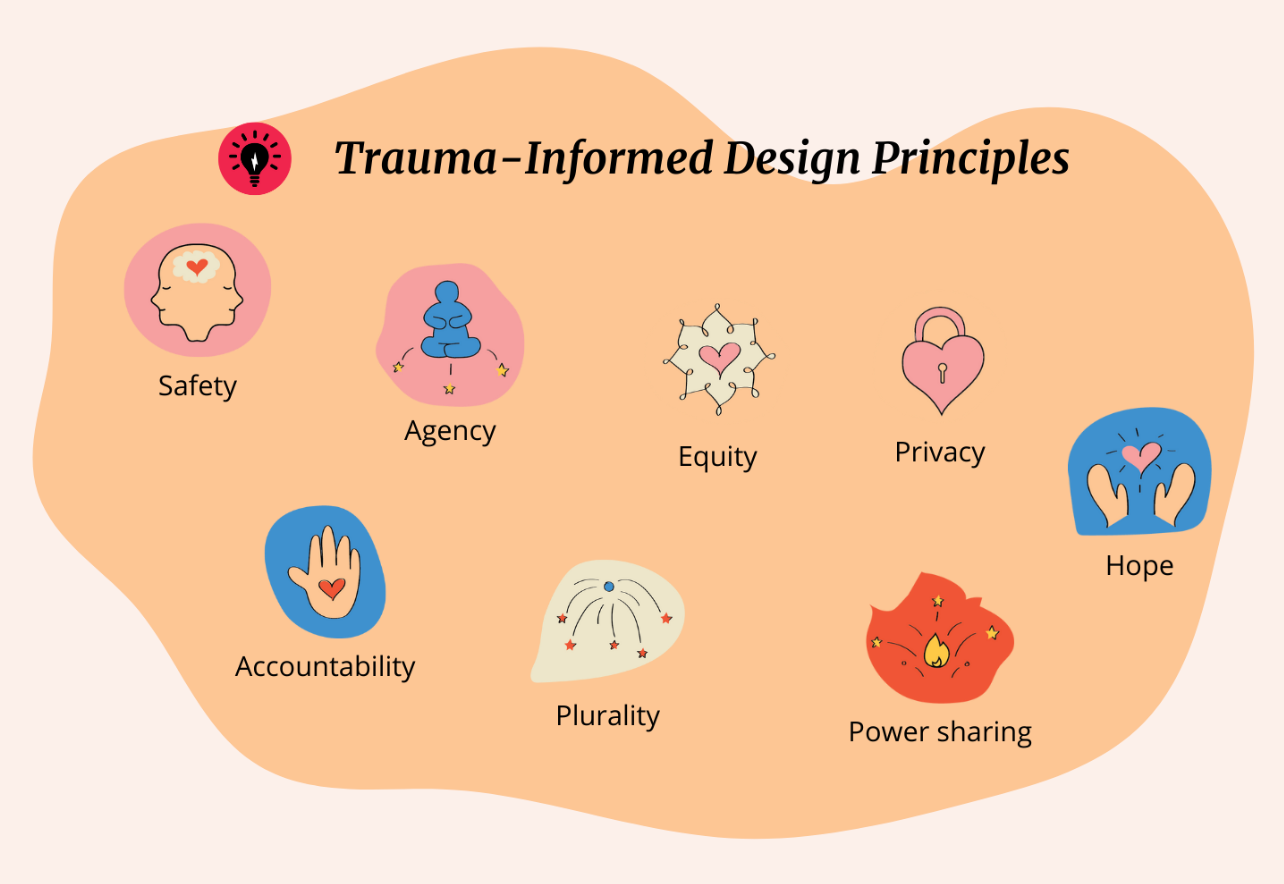
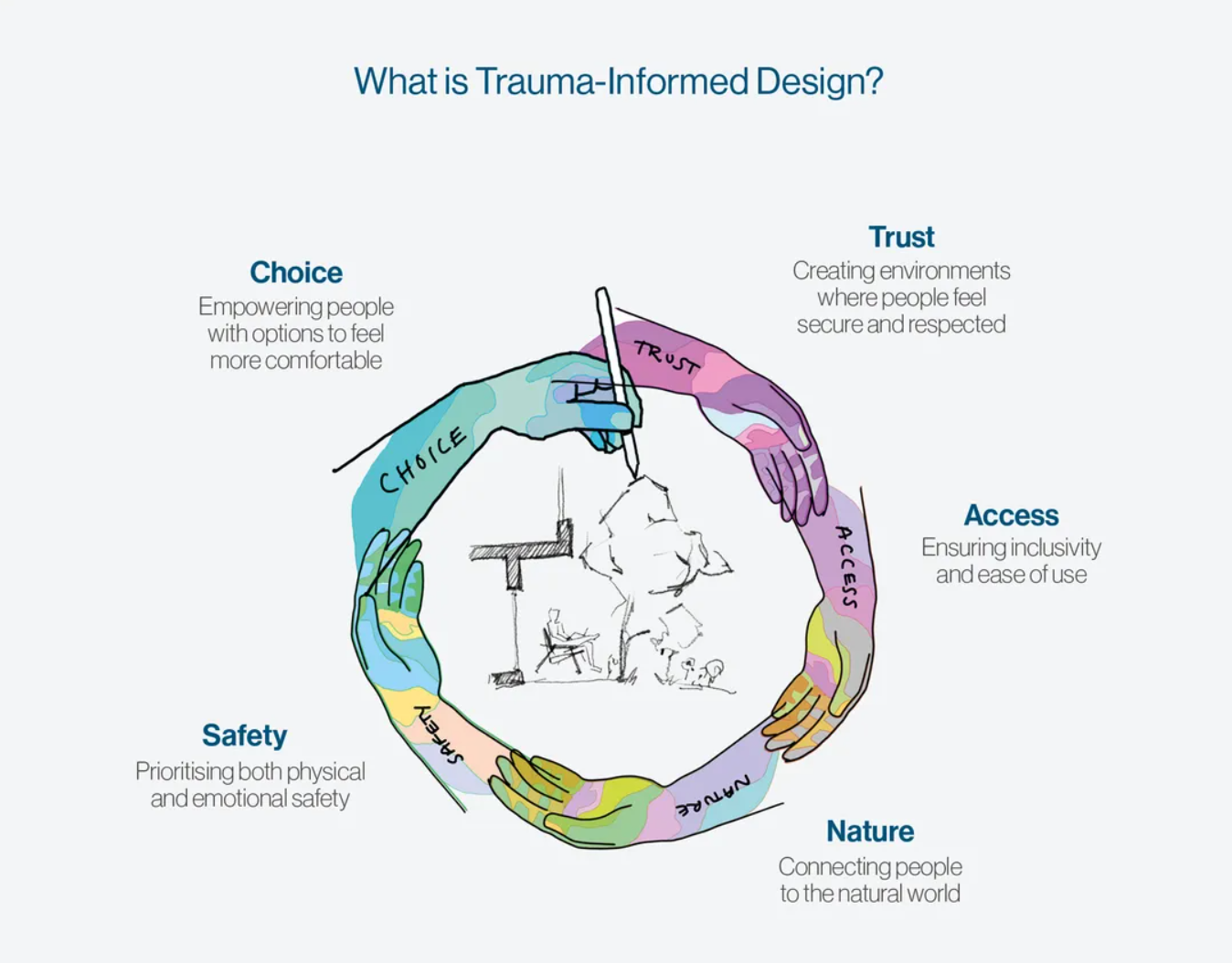
Trauma-informed design is an evidence-based architectural approach developed through research in environmental psychology, neuroscience, and clinical settings. The Center for Health Design, along with peer-reviewed studies published in journals including Health Environments Research and Design, has identified consistent physical environment factors that reduce stress responses, increase feelings of safety, and support psychological recovery in people who have experienced trauma.
Research has defined many different principles for trauma-informed design, so it would not be feasible for me to focus on everything, so I narrowed down to the 5 most reoccurring concepts.
- First, access to nature and natural light: studies consistently show that views of vegetation and exposure to daylight reduce cortisol levels and self-reported anxiety faster than any pharmaceutical intervention in non-clinical settings.
- Second, spatial choice and legibility: people with trauma histories respond better to spaces with multiple visible exit routes, no dead ends, and clear spatial organization that does not create confusion or forced paths.
- Third, acoustic comfort: reverberant, loud spaces activate the nervous system and increase stress; soft surfaces, sound absorption, and low background noise levels create physiological calm.
- Fourth, residential scale: spaces that feel like well-designed homes rather than institutions produce measurably better engagement and disclosure in therapeutic contexts.
- Fifth, sensory controllability: the ability to adjust one's immediate environment, including light level, temperature, and proximity to others, supports the sense of agency that trauma so often removes.
Every room in Cumberland Commons was designed by running each decision through these five criteria.
5 Principles of Trauma-Informed Design
Trauma-Informed Design: Examples and Strategies | Cuningham
Biophilic Design
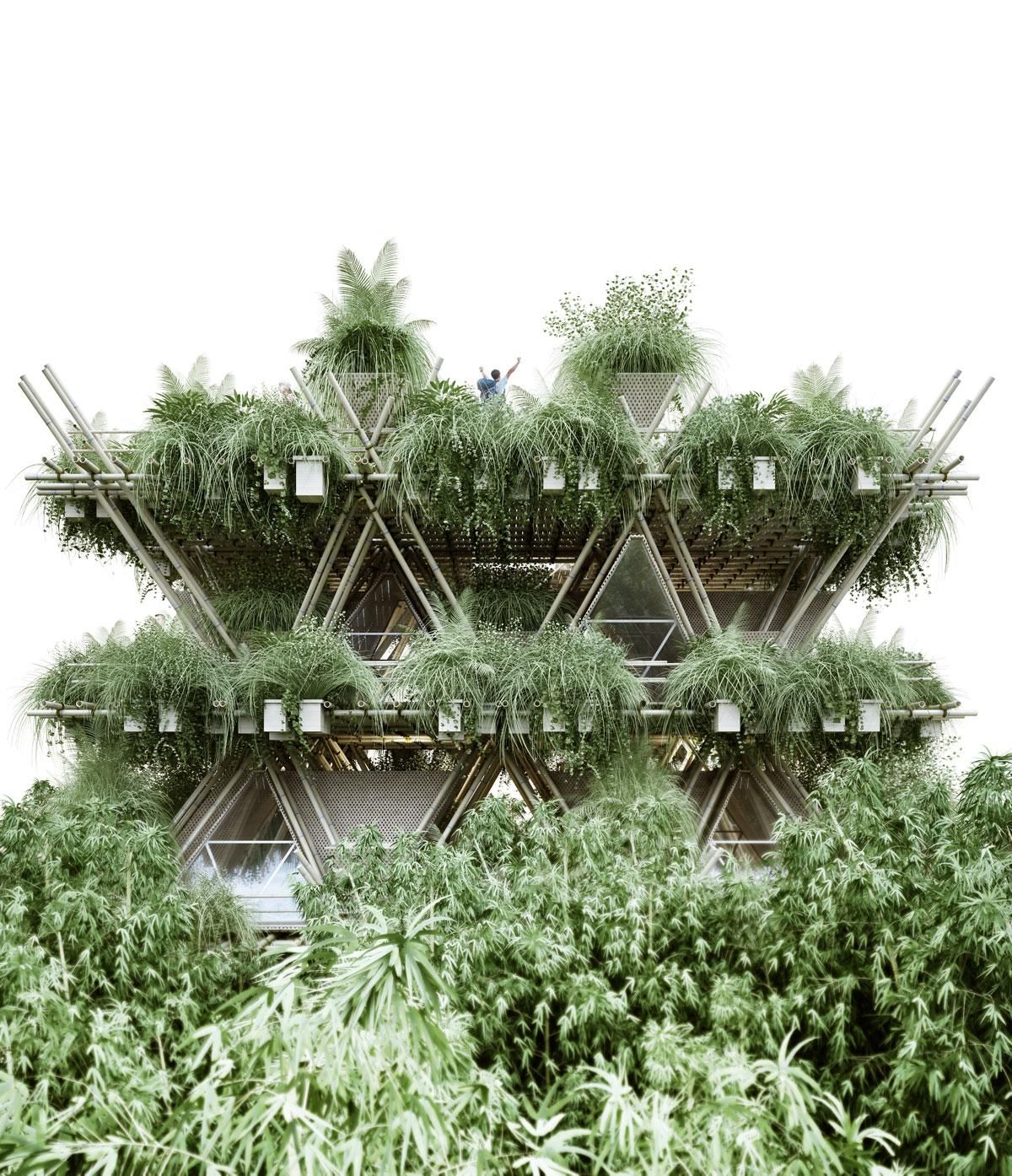
Biophilic design is from a very basic idea: humans have evolved in nature over hundreds of thousands of years, and our nervous systems still respond to its presence with measurable physiological benefits.
Research demonstrates that exposure to natural elements, i.e., living plants, natural light, moving water, views of landscape reduces blood pressure, lowers cortisol, shortens recovery time from stress events, and improves cognitive performance. In healing environments specifically, studies in post-surgical recovery units have shown that patients with window views of vegetation require less pain medication and recover faster than patients with views of walls. The implications for a building serving people in disaster and trauma recovery are direct and significant.
For a building designed to serve people recovering from disaster and trauma, these findings are core infrastructure. The living walls in the courtyard, the central oak tree, the water features at the entrance, the private garden views, the river visible through the community lounge's glass wall and the rooftop farm, each of these elements was selected based on specific evidence linking that type of biophilic intervention to measurable healing outcomes in populations experiencing stress and displacement.
The Cumberland Commons tries to treat nature as a medical resource, deployed with the same intentionality as any other healing tool in the building.
A systematic review of the impact of therapeutical biophilic design
Exploring the Concept of Biophilic Architecture and Its Benefits
Biophilic design | Biology | Research Starters | EBSCO Research
What are the benefits of Biophilic Design? - Biophilic Products
The Case for Mixed-Use
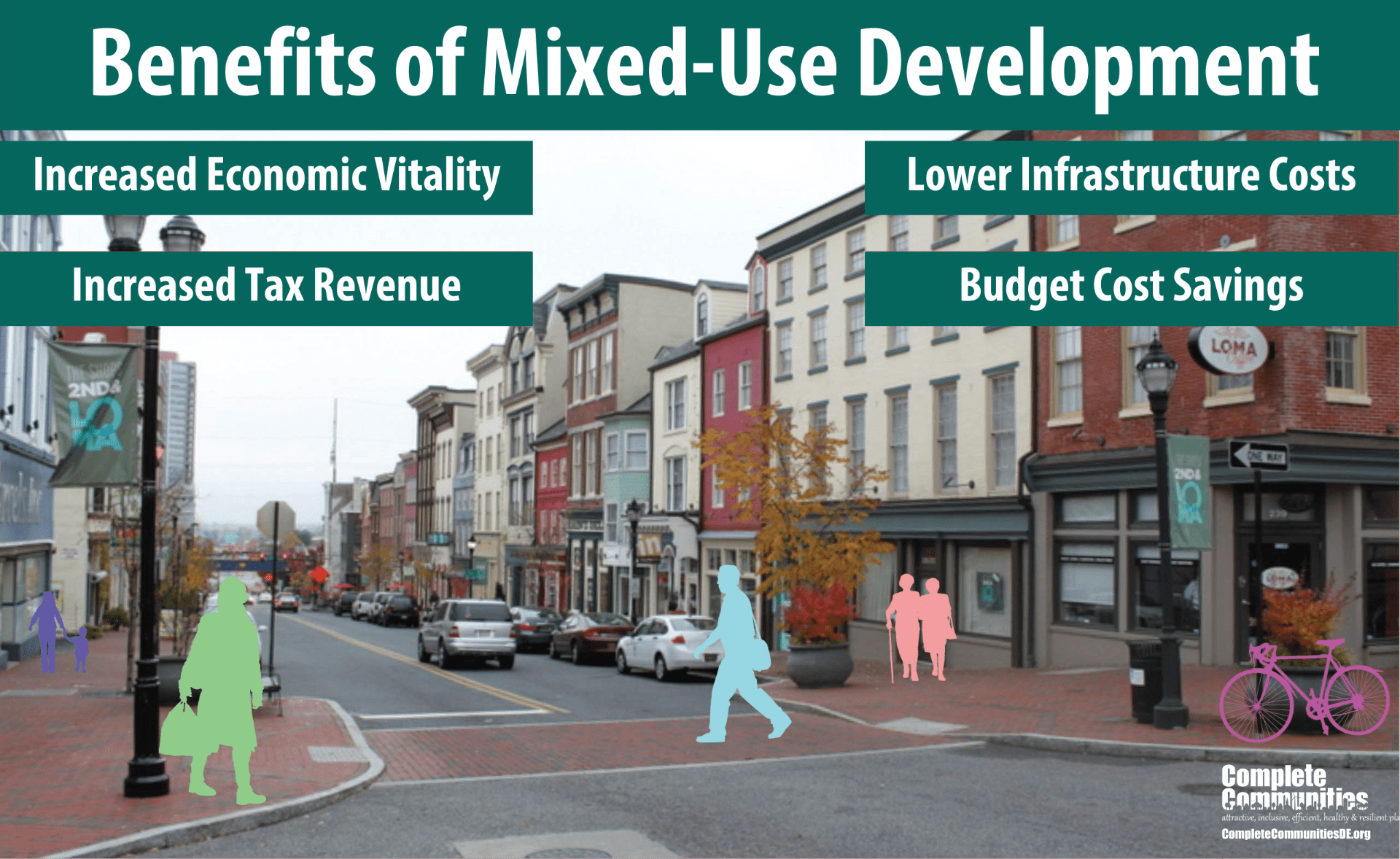
The argument for mixed-use civic development in disaster recovery contexts is supported by research from multiple fields of urban economics, community psychology, public health, and housing policy.
Urban economics research consistently finds that mixed-use developments generate greater economic activity per square foot than single-use buildings, create more diverse and stable employment, and produce stronger surrounding property value effects. In recovery contexts specifically, mixed-use civic anchors have been shown to bring broader private investment in their surrounding neighborhoods and function as demand anchors that signal community stability and attract further development.
Community psychology research on post-disaster recovery, including landmark studies following Hurricane Katrina and the 2011 Joplin, Missouri tornado, identifies social cohesion as the single strongest predictor of community resilience. Specifically, social cohesion that is built through repeated, informal, daily interaction between neighbors.
Public health research adds another complexity: co-location of services dramatically increases utilization among populations with access barriers. Proximity removes the activation energy barrier between need and help, and for the populations Cumberland Commons serves, that barrier has historically been the difference between actually getting help and not.
The theory and praxis of mixed-use development - An integrative literature review
THE IMPACT OF MIXED-USE DEVELOPMENTS ON URBAN REVITALIZATION
Understanding the Definition of Mixed Use: More Than Just Zoning
Mixed-Use Developments: A Sustainable Blueprint for Urban Growth
What Is Mixed Use Development And Why Is It Important? - Blog | DBF
Site Research
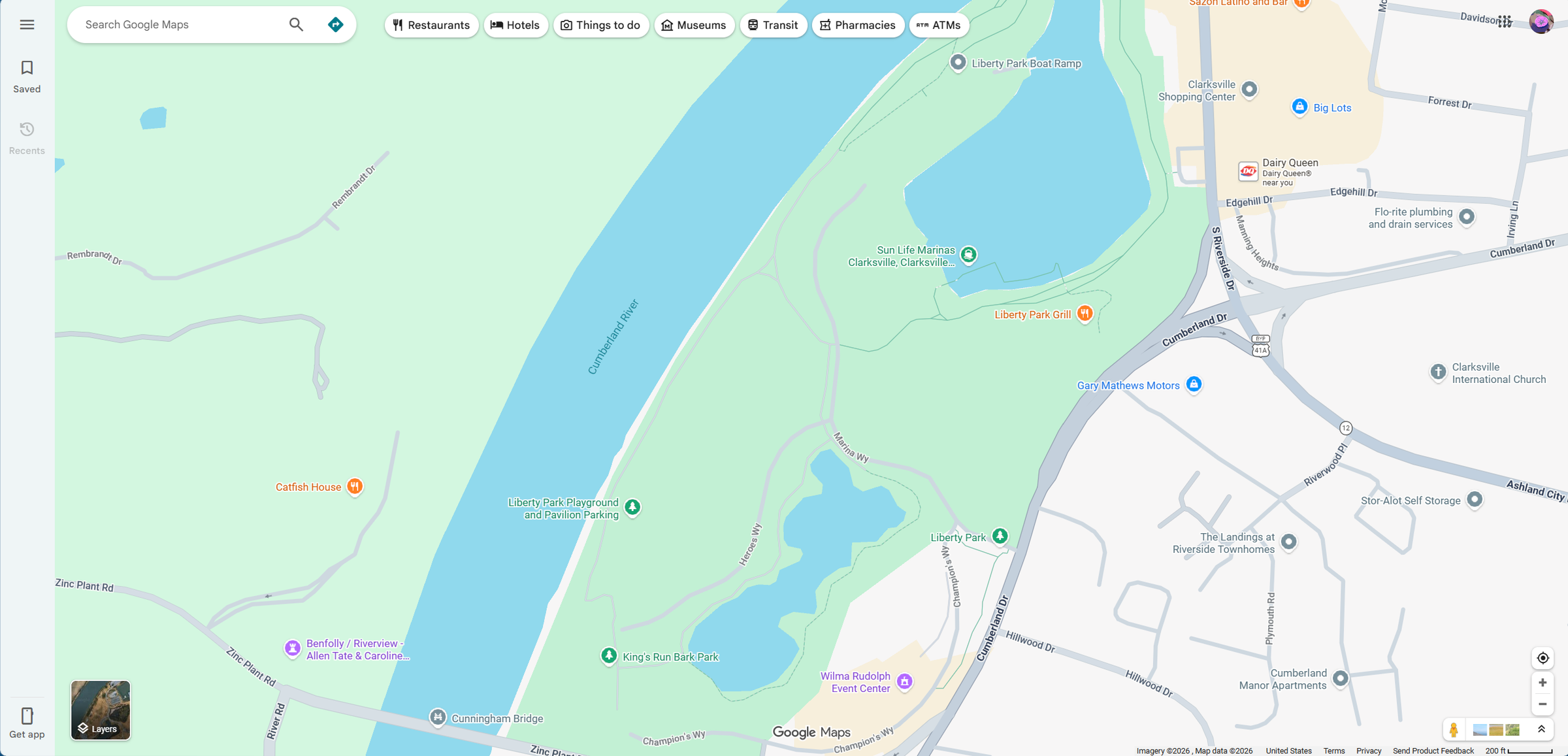
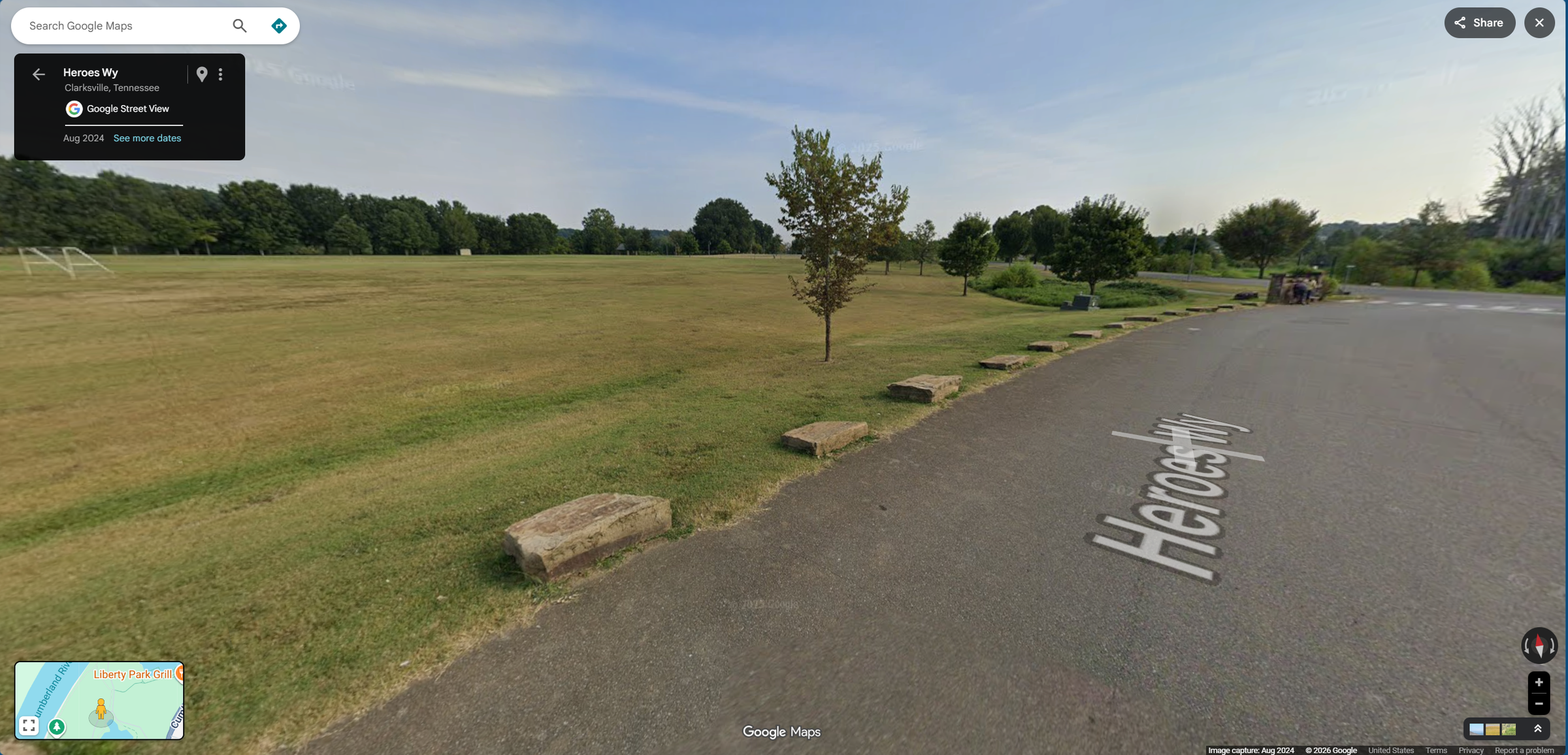
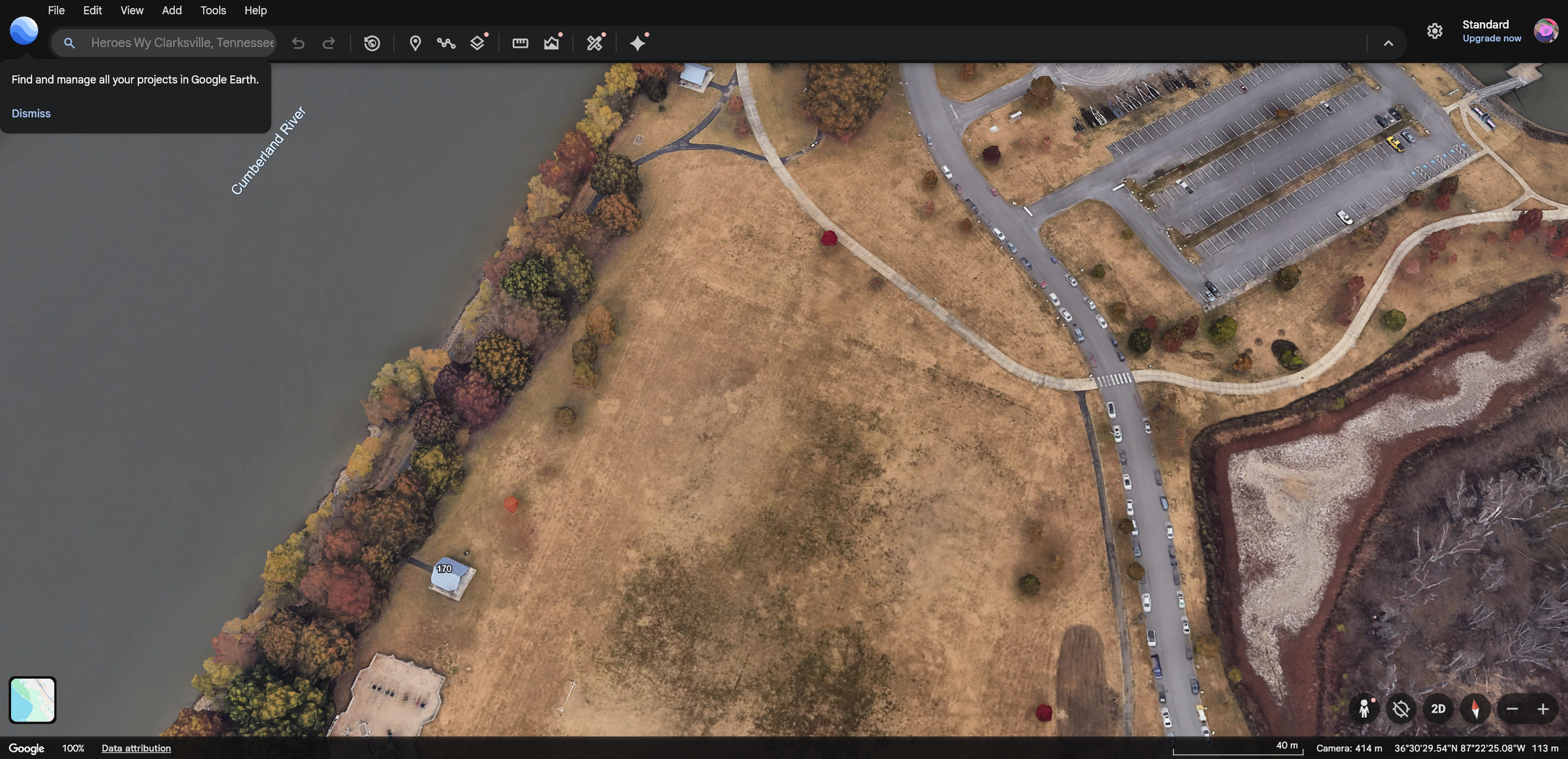
I found a plot of land near Liberty Park on the south bank of the Cumberland River through an analysis of 4 criteria applied to every publicly available open land parcel within two miles of Clarksville's storm-affected residential core.
Accessibility scored highest at Liberty Park because the site is served by multiple Clarksville Transit System routes, lies within walking and cycling distance of the highest-density residential neighborhoods, and has existing parking infrastructure that can be shared with the new building without additional land acquisition.
Visibility and civic presence scored second. A building on the Cumberland riverfront is visible from across the water, from the elevated terrain to the north, and from the major vehicular approaches to downtown Clarksville. Cumberland Commons needs to be seen in order to do what it does. It needs to be part of the visual identity of this city.
Proximity to need scored third. Mapping storm damage records from the most severe weather events in the past decade against residential density shows the highest concentration of storm-affected households within two miles of this site, in the neighborhoods north and west of downtown. The building is located as close to the people it serves as the land allows.
Finally, the site's relationship to Liberty Park's existing civic infrastructure allows Cumberland Commons to extend and integrate into the park. The public plinth stairs and the commercial spaces become a new civic edge that the park has never had.
Community Profile

Cumberland Commons was designed for three populations whose needs have never been addressed together in a single Clarksville institution.
Military families represent approximately one in six of Montgomery County residents. Research identifies specific vulnerabilities that make this population disproportionately affected by disaster: frequent relocation due to redeployments producing shallow community roots, deployment creating single-parent household conditions during crisis events, and the psychological complexity of managing civilian emergency systems while a spouse is in a combat zone.
Veterans transitioning out of service represent a second distinct population. Veterans in Tennessee face unemployment rates consistently above the civilian state average, with particular difficulty in the transition from military occupational specialties to civilian employment. The NIH reports that approximately 6 to 8% of veterans have PSTSD, and that utilization of mental health services remains chronically below estimated need because of access barriers, stigma, and the institutional character of available services.
Disaster-displaced low-income residents and small business owners are the third population. Renters make up approximately 38% of Montgomery County households and face the most severe displacement risk following storm events, with the fewest financial resources and the most limited legal protections. Small business owners in Clarksville's neighborhood commercial corridors face a parallel vulnerability due to buildings lost to storm damage, leases not renewed, and customer bases scattered during displacement periods.
Posttraumatic Stress Disorder in the US Veteran Population
Flooding Information | Clarksville, TN
Explore Clarksville’s Top Neighborhoods for Military Families
Clarksville Base :: FORT CAMPBELL
Finding Your Way: The Map of Clarksville TN Explained Simply - Militarybudget
Mixed Use in Clarksville
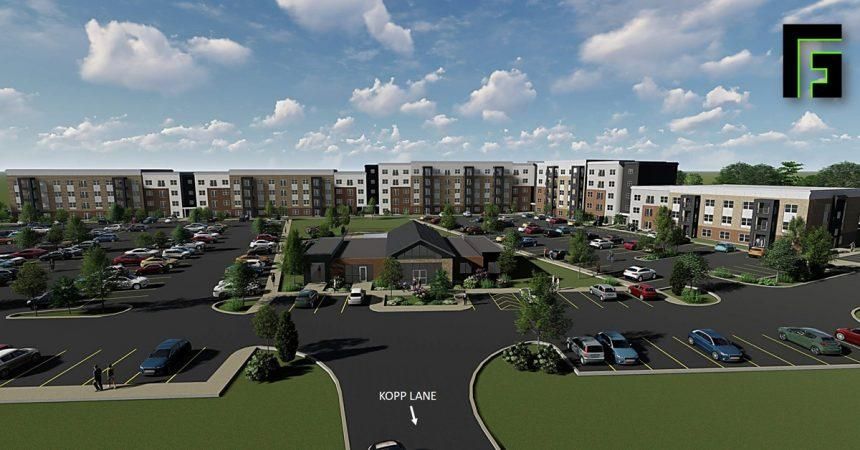
Clarksville has been one of the fastest-growing cities in Tennessee for almost a decade. Downtown reinvestment is accelerating. The Cumberland riverfront has emerged as a priority in city planning conversations. Mixed-use development is already beginning to be incorporated into newer laws, so I wanted to lean into this development.
However, there is a problem. The city is growing fast, but it is growing in a storm corridor. New residents are arriving in a community without the civic resilience infrastructure to protect them when the next major weather event comes.
When storms hit Clarksville, they do not just destroy houses.
The standard recovery narrative focuses purely on residential damage. It is incomplete. Clarksville's storm record shows consistently that commercial corridors absorb some of the most economically devastating losses in any major weather event.
Small businesses on Madison Street, Fort Campbell Boulevard, and Tiny Town Road are disproportionately vulnerable. Their buildings are older, built to lower standards, and their roof systems fail first.
The ripple extends outward. When the hardware store closes, storm-damaged residents have nowhere to buy supplies. When the café closes, the daily gathering place where neighbors check on each other disappears at the exact moment community connection matters most. Commercial damage destroys the social infrastructure of neighborhood life.
Cumberland Commons addresses this by incorporating housing and commercial spaces into a renewable, trauma-informed space. This combats the effects of PTSD on veteran populations, energy scarcity and construction related emissions, and the destruction of commercial spaces. I did not lan to create a 'one size fits all' design, but after research, I realized that many of these problems can be addressed in a way that addresses other problems together.
Clarksville, TN | Official Website
BY THE NUMBERS: Clarksville’s Planned Gateway Mixed-Use Development
Rezoning proposed to turn rundown trailer park into mixed-use development
The Cost of Building the Old Way
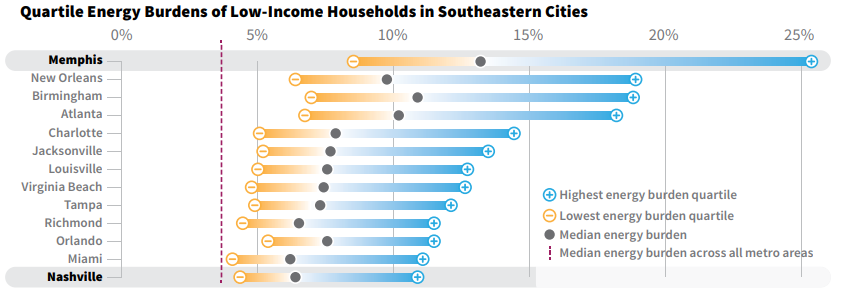

When a storm moves through Montgomery County, power outages are the primary multiplier of every other hardship. It causes food to spoil and medical equipment to fail. Businesses that survived physically cannot operate and close anyway.
Treating energy infrastructure and community infrastructure as separate systems is a design failure. A resilience center dependent on the same grid the storm just destroyed is not a resilience center. A shelter that loses power during a storm is a liability.
The Contradiction
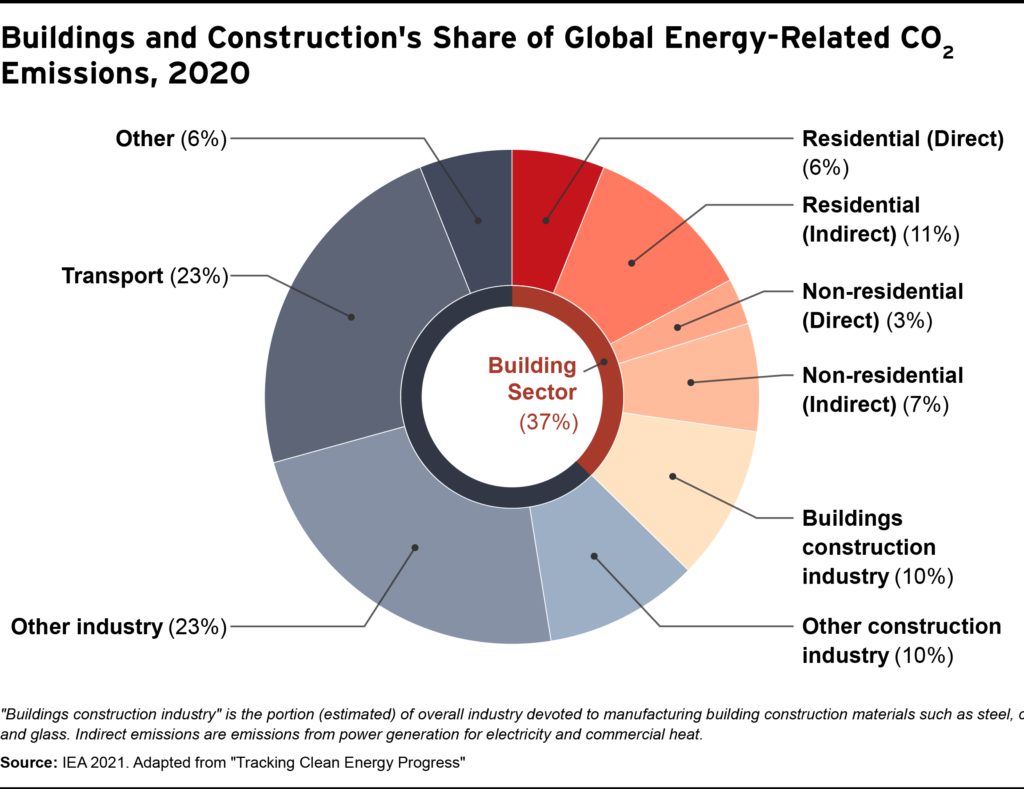
The construction industry accounts for approximately 40% of global carbon dioxide emissions annually. Climate change is a growing cause of storms, so a resilience center that contributes to the forces driving the disasters it was built to address is not a solution. Every construction decision in Cumberland Commons was made to help the environment heal just as much as the community.
Why Sustainable Design Is Not a Luxury
Research consistently shows high-performance sustainable buildings recover their upfront cost premium through energy savings within seven to twelve years. For a building designed to stand for a long time, the financial case is straightforward. Every dollar not spent on grid energy is a dollar available for programming and human services.
Tennessee and energy poverty
Tennessee consistently ranks among the highest in the nation for energy burden. Low-income households in Tennessee spend an average of three times more of their income on energy than higher-income households, a disparity driven by aging housing stock, inefficient construction, and a climate that demands both heavy summer cooling and winter heating. For the populations Cumberland Commons serves an energy costs rising is a financial crisis layered on top of every other crisis the storm already caused.
Carbon footprint of the construction sector is projected to double by 2050 globally
How RMI Is Accelerating Demand-Side Transformation to Deliver Ambitious Equitable Climate Outcomes
A Detailed Guide to the Carbon Emissions in Construction
Construction Industry Carbon Emissions: Complete Guide [2025]
Construction Carbon Footprint: Emissions Profile Insights - Persefoni
Starting With Tinkercad
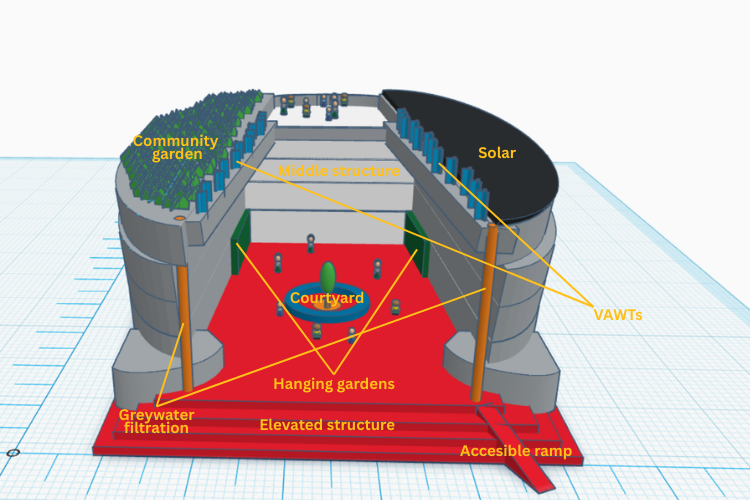
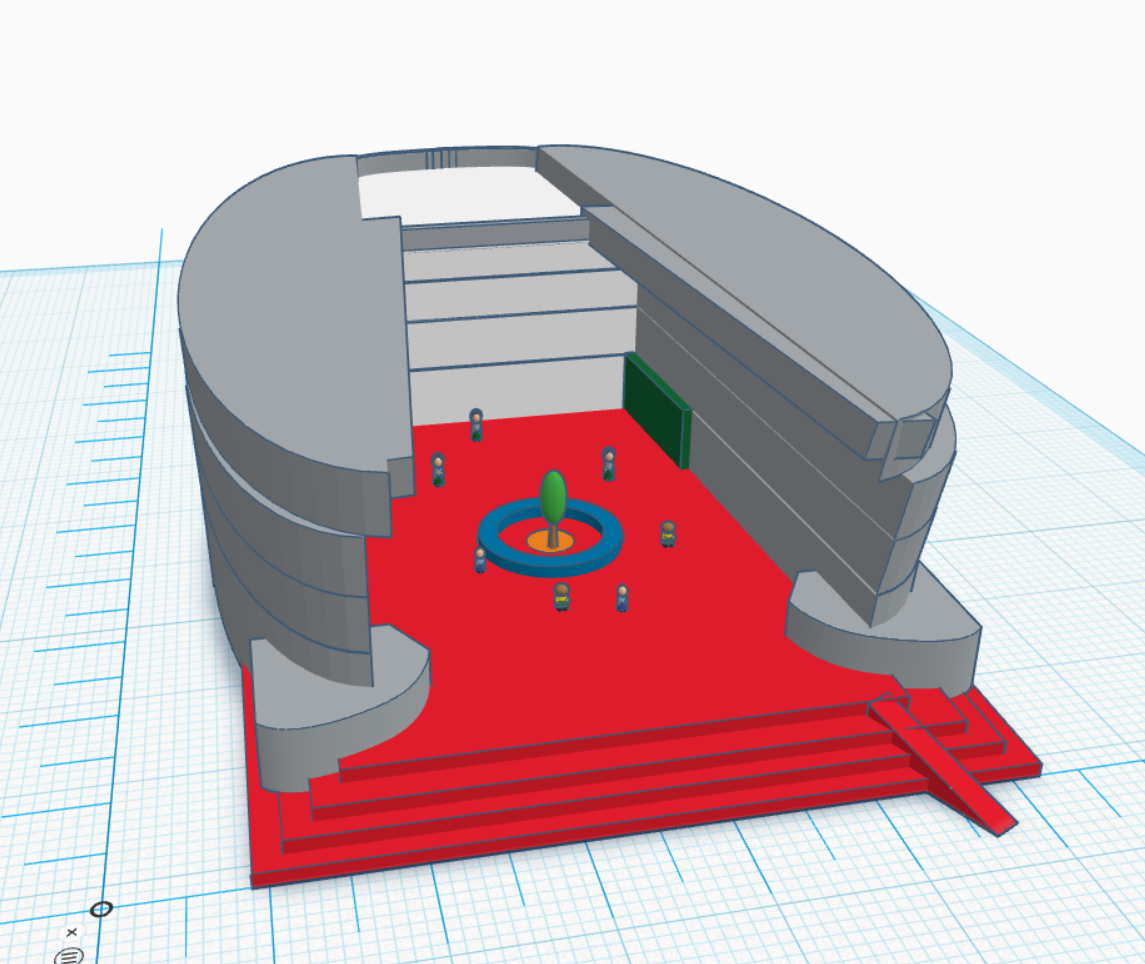
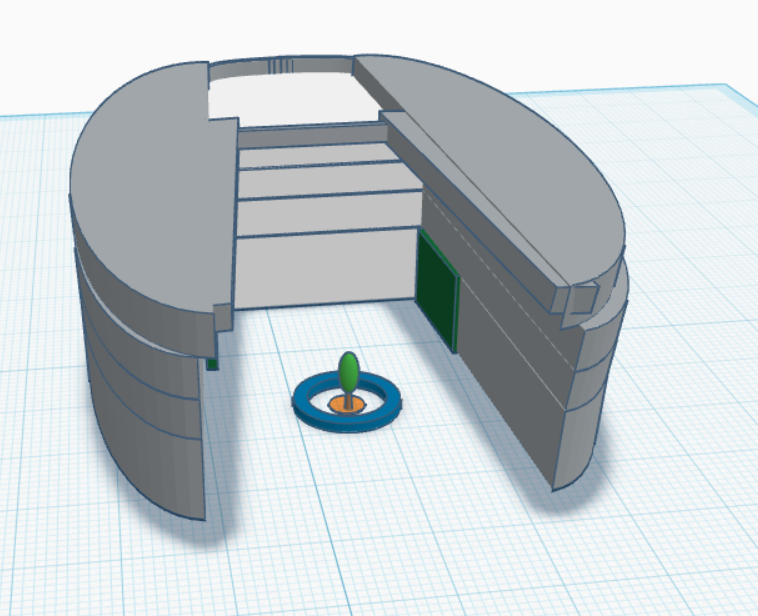
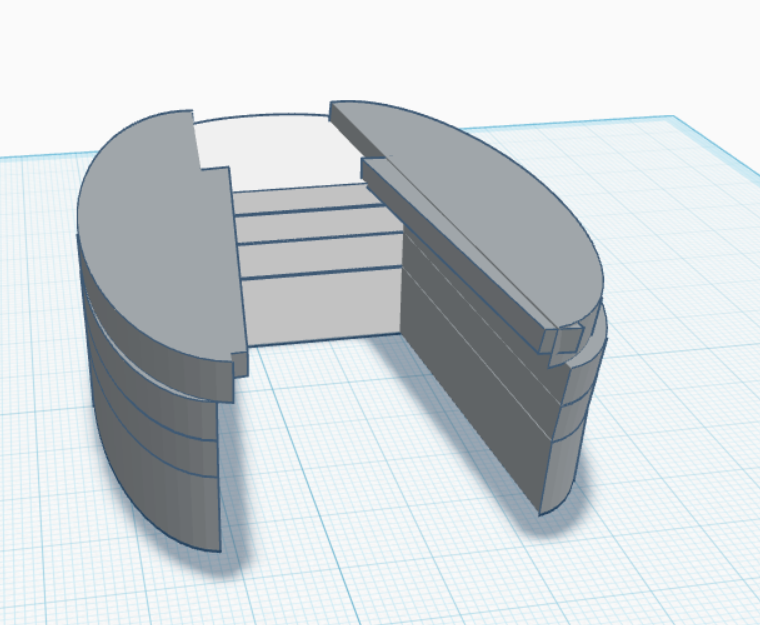
When I started this project, I made a decision early on that I wasn't going to open Tinkercad to throw together a quick model together. I had actually never used Tinkercad before, as I had started with Fusion360, and never saw a need to go back to learn Tinkercad. When I started watching tutorials for Tinkercad, I realized it could be very useful due to its speed in modeling. I decided to use Tinkercad to put my idea together, and each time I had a new idea for how my project would turn out I would put it in Tinkercad to better visualize and log it.
I didn't start with a finished idea. I started with an idea about what the building should do and almost no idea what it should look like. So instead of designing the whole thing on paper first and then modeling it, I decided to just open Tinkercad and start adding things as I had ideas.
The two wings went in first because that was the first idea I had. I thought of two arms wrapping around something. Then I sat with it for a while and realized the something they were wrapping around needed to actually exist in the model, so the courtyard was created next. The building started to feel real to me, because now there was an inside and an outside, and I could move around it and understand what it would be like to approach and actually enter a life size building of it. Then I realized the building needed to be raised up, so I added stairs, with an accessible ramp on the side. Then the underground level, because I asked myself: where would people go if there is a tornado above EF-3. Then the rooftop, when I realized the building shouldn't just sit there but should be doing something up top. After that I added the renewability systems, such as solar panels, VAWTs, community/hanging gardens, and greywater recycling.
Every time I added something it changed how I saw everything else. Some things I was sure about looked wrong when they existed in 3D.
Downloads
Back to the Drawing Board
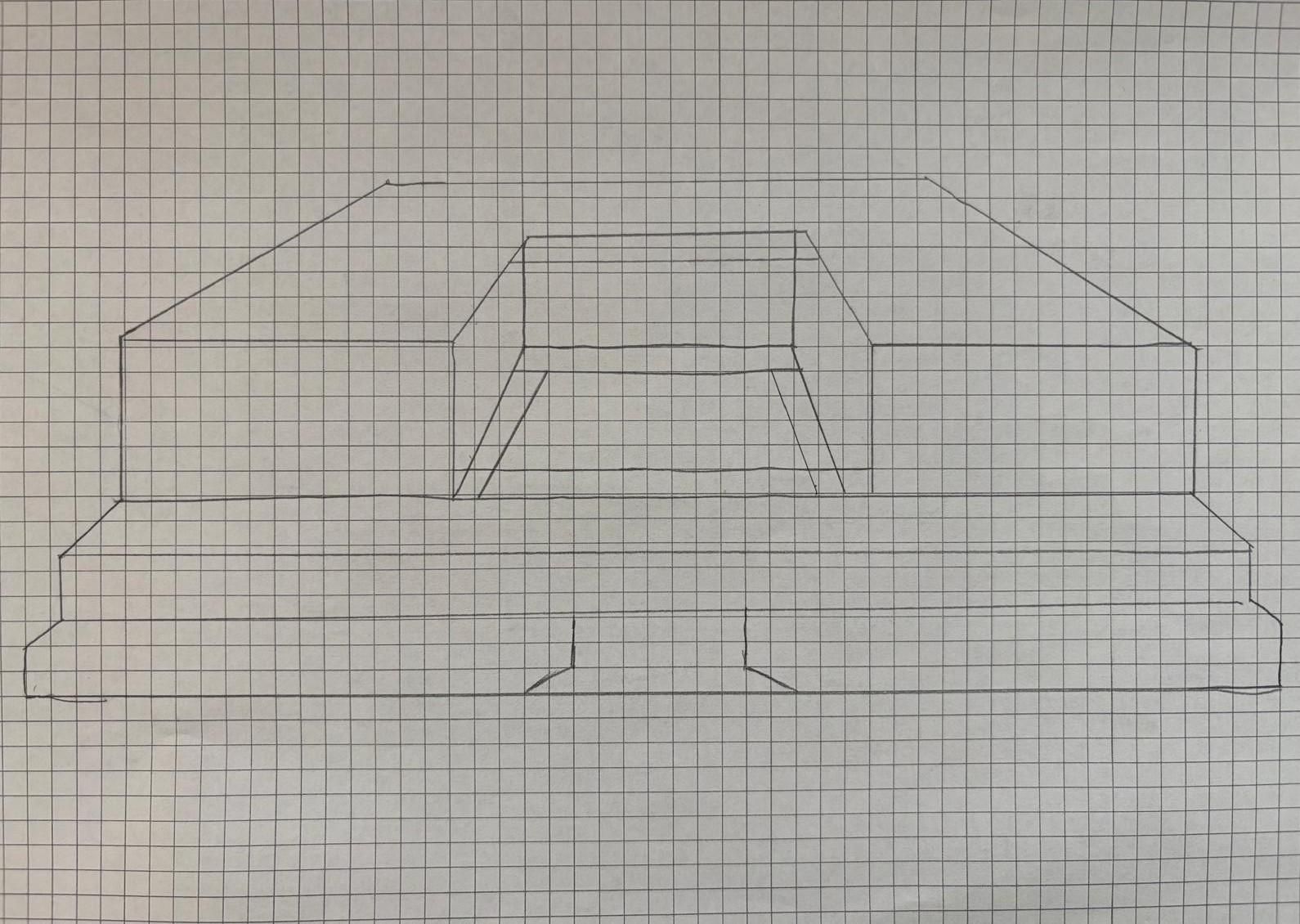
After putting the design together in 3D and then creating a sketch, I realized that it would not fit the aesthetic of Tennessee very well. Tennessee has a more modern, blocky style in newer buildings, and I also wanted to make a building that got more out of the space it used and could house more people. Additionally, I wanted to focus more on tornado-proofing, which is more feasible with a more compact design.
I started by creating a very rough outline for what shape I wanted the building to be.
Iterating With Tinkercad
.png)
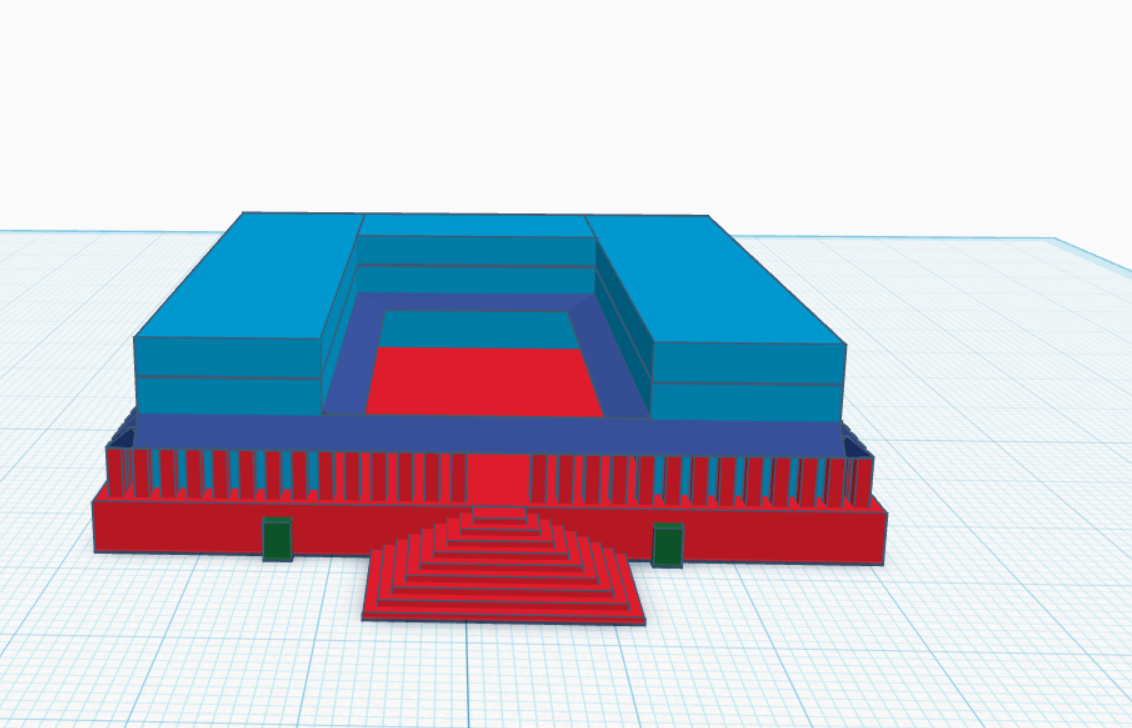
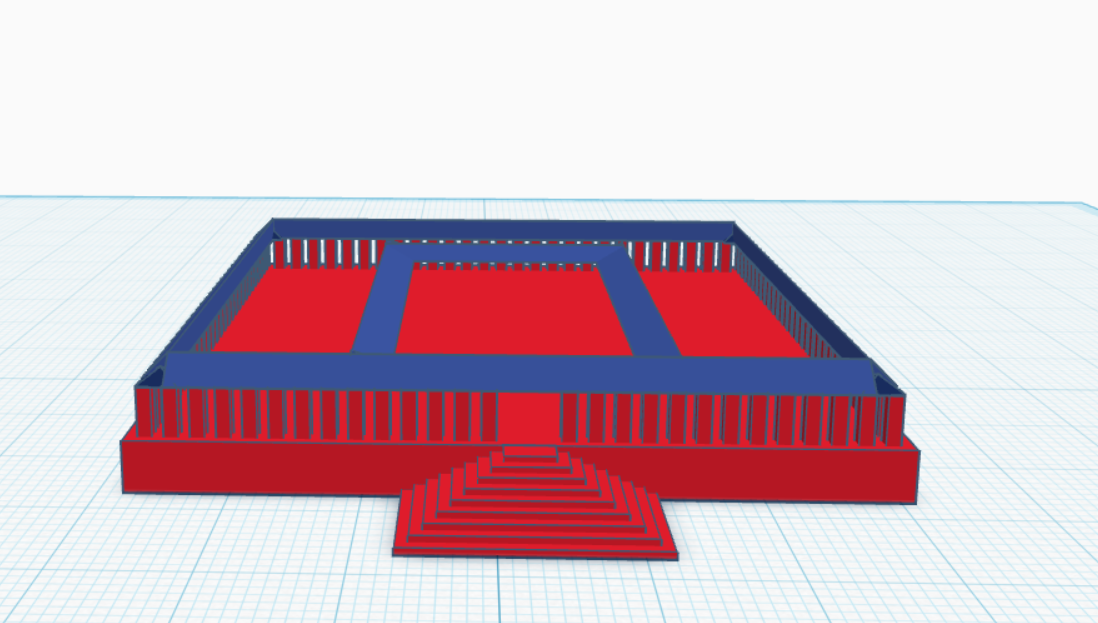
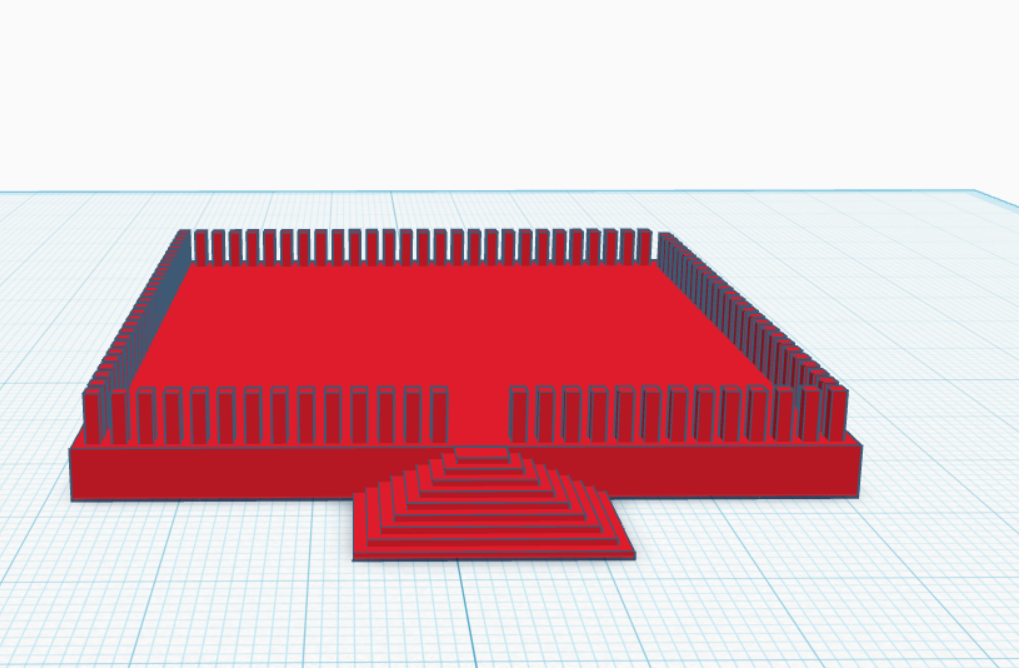
I then opened a new Tinkercad project and redesigned the building to be more in line with my new vision.
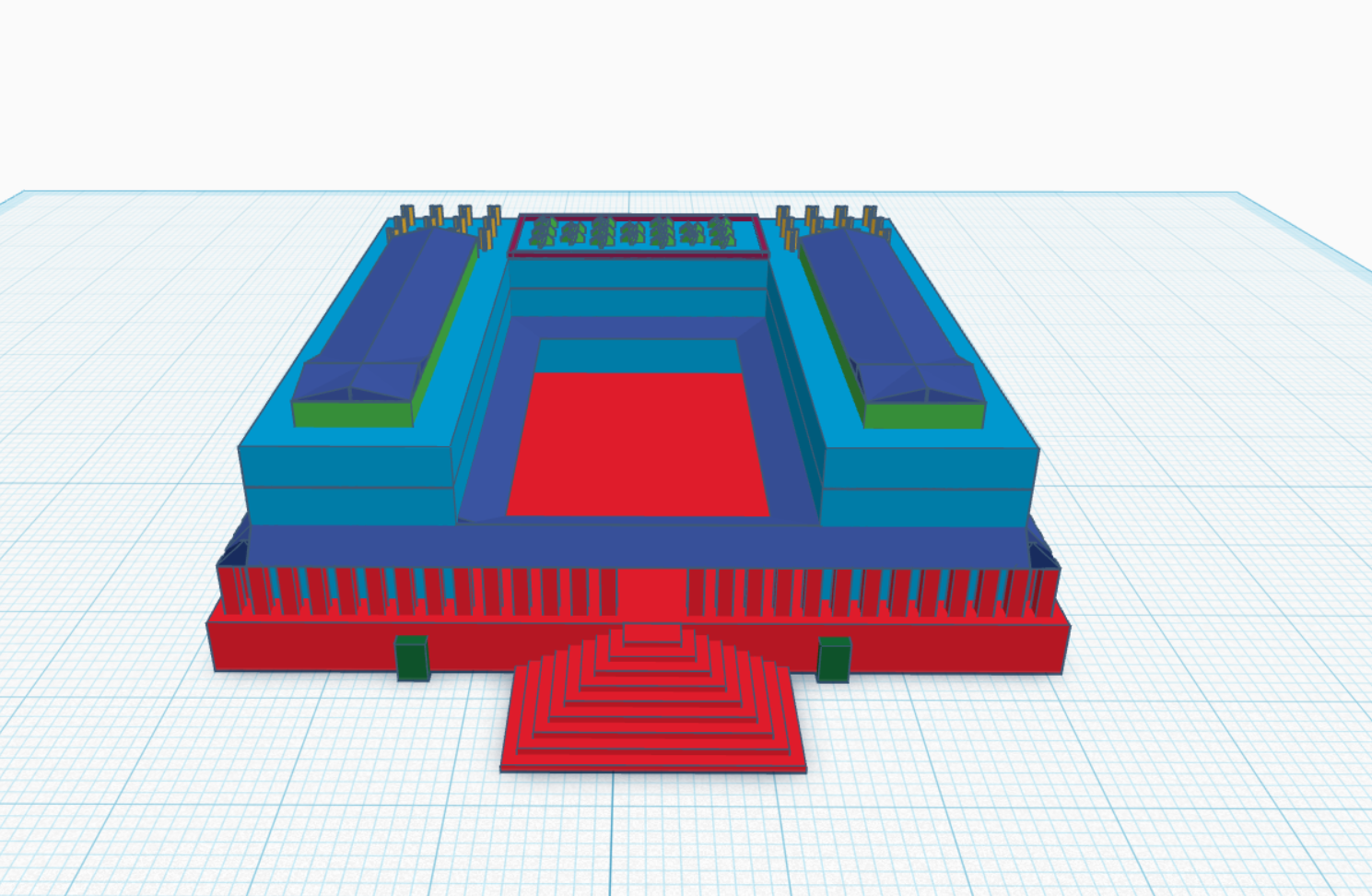
This is where the two-wing concept became different and stronger. I closed the fourth side of the building and turned two arms into a complete perimeter block. I felt that the open two-wing form felt architecturally interesting. When I added the fourth wall in Tinkercad, suddenly the courtyard was completely enclosed on all sides, it felt more like a space for people to enjoy in leisure.
The color coding makes it easier to see differences in the structure. The red tornado shelter level at the base makes the resilience infrastructure immediately visible, since it runs the full footprint, is clearly below grade, communicates that this is life-safety infrastructure. The commercial level sits directly above it, then the residential floors rise around the full perimeter, with the community centers anchored at the corners where the building's mass is the greatest. The middle structure inside the courtyard is the memorial plaza level — the floor where the inscribed name rings sit. The community garden and VAWTs sit on the roofline.
What this model proved that the previous iteration couldn't is that the full perimeter block form is also the most storm-resilient form. The building protects the courtyard by surrounding what matters most with as much permanent mass as possible.
Downloads
Sustainability and Green Design
.png)
Tennessee, despite having reasonably low energy costs, has a high energy burden, so I wanted to design as sustainably as possible. To this end, I began by incorporating several sustainability measures directly into the design.
High Thermal Mass
Buildings with high thermal mass use dense materials to absorb heat during the day and release it slowly at night, naturally regulating indoor temperature without mechanical systems. This reduces heating and cooling demand significantly, lowering both energy costs and grid dependence year-round. The base of the building will be made with a material with high thermal mass to save on energy costs.
Geothermal Heating and Cooling
Geothermal systems utilize the stable temperature of the earth a few feet below the surface and use that differential to heat and cool the building with a fraction of the energy a conventional HVAC system requires. The tornado safety shelter will tap into the geothermal temperatures underground to save on energy costs.
Greywater Recycling
Greywater recycling captures water from sinks, showers, and laundry (water that is lightly used but not sewage) filters it, and redirects it to non-potable uses like toilet flushing and irrigation. For Cumberland Commons this feeds the living walls and rooftop farm, dramatically reducing water demand. Since the building has many residents, it will use a lot of water, so to reduce water wastage, there will be external greywater recycling gutters and pipes directly in the design.
Vertical Axis Wind Turbines
Unlike traditional horizontal turbines, VAWTs work in any wind direction and perform well in the turbulent, shifting urban wind environment. They are quieter, lower profile, and safer around people, which makes them practical on a rooftop where the public has access. Since the building is tall, but urban, they will be integrated into the design to save energy costs and utilize urban energy.
Trombe Wall with Overhang
A Trombe wall is a south-facing thermal mass wall behind glass that captures solar heat in winter and, combined with a roof overhang sized to the sun's seasonal angle, blocks that same sun in summer. It provides passive heating and cooling with no moving parts and no energy input. The back of the building will have these features built in.
Solar Panels
Photovoltaic panels convert sunlight directly into electricity. On the top floor, and to some degree the lower floors, there will be solar panels to reduce energy costs.
Pen to Paper (again)
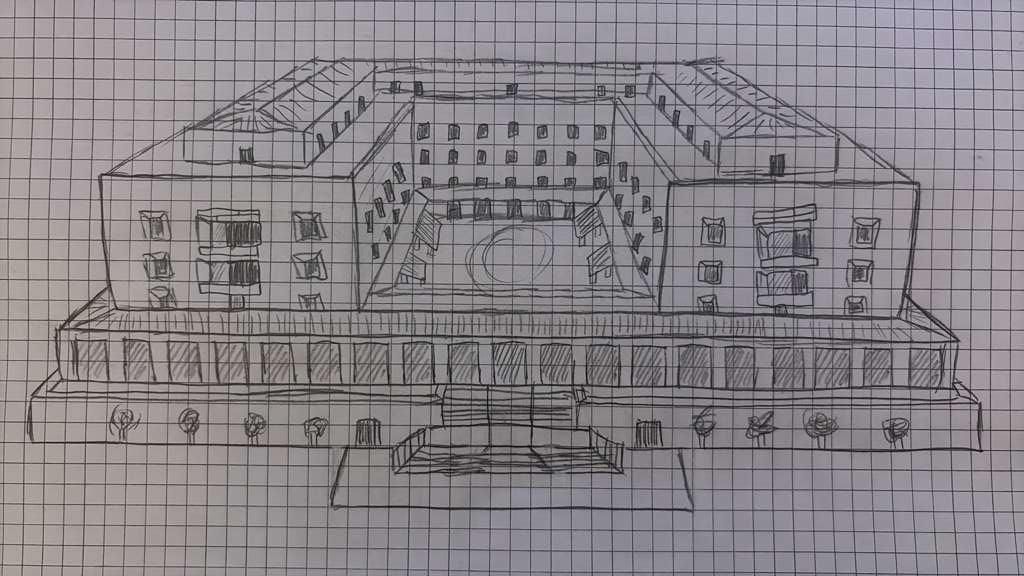
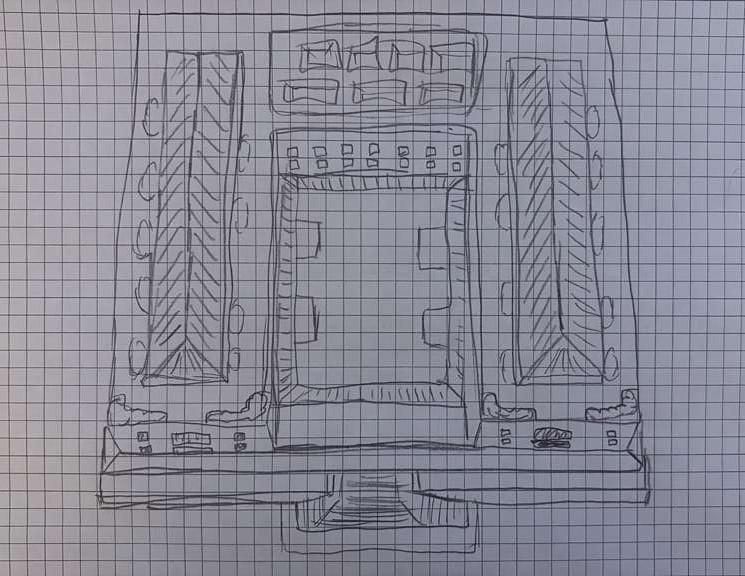
I find it easier to move from sketches to CAD, so I then created sketches based on the TinkerCAD designs. I added more detail where I thought I felt it was needed, and I added the sustainability features as well. This helped me better visualize how my design was going to turn out.
Initial CAD
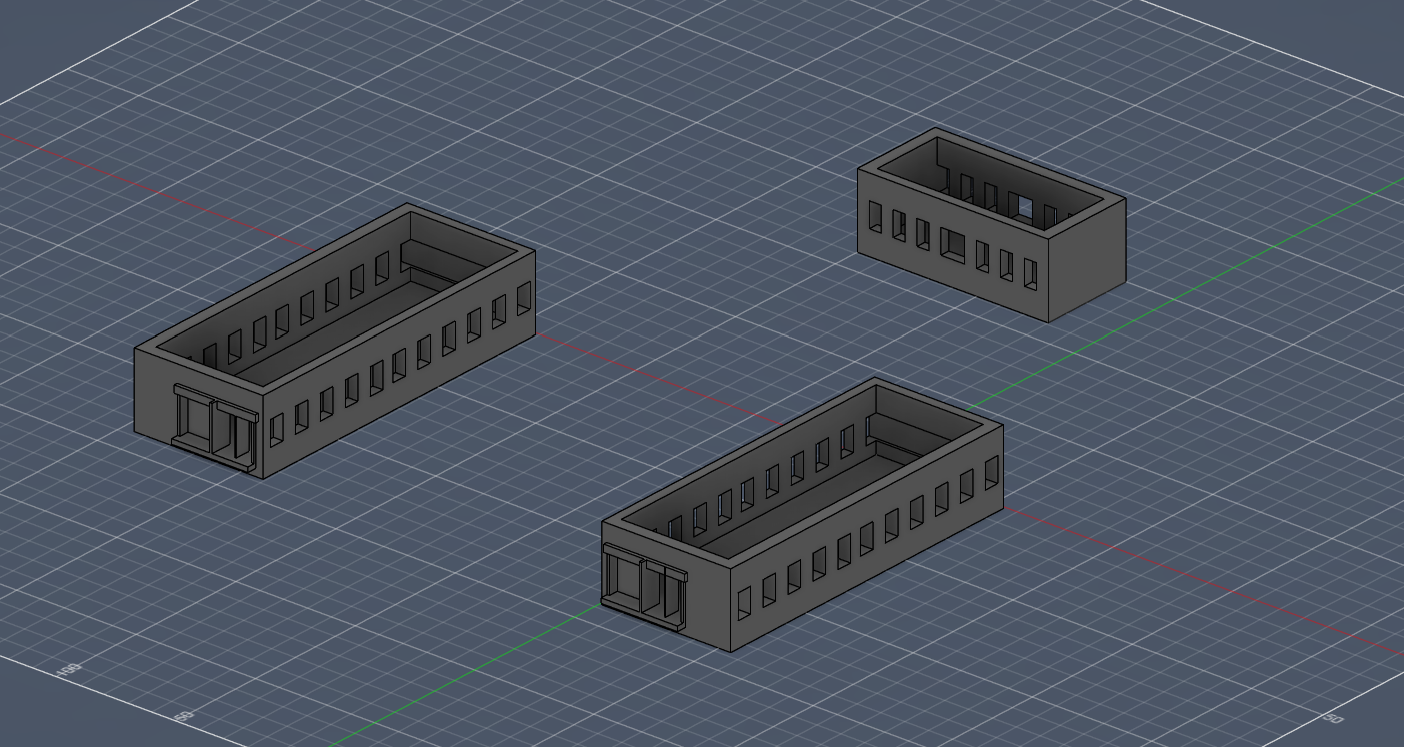
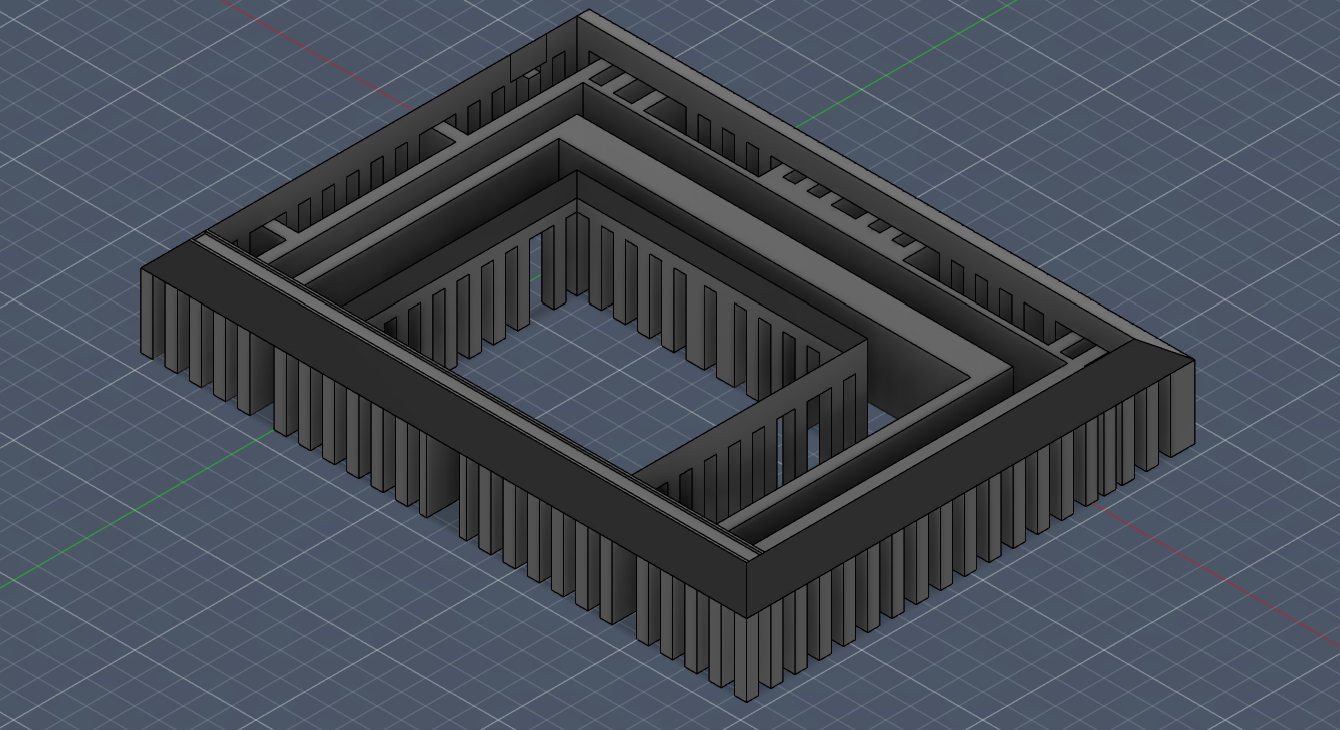
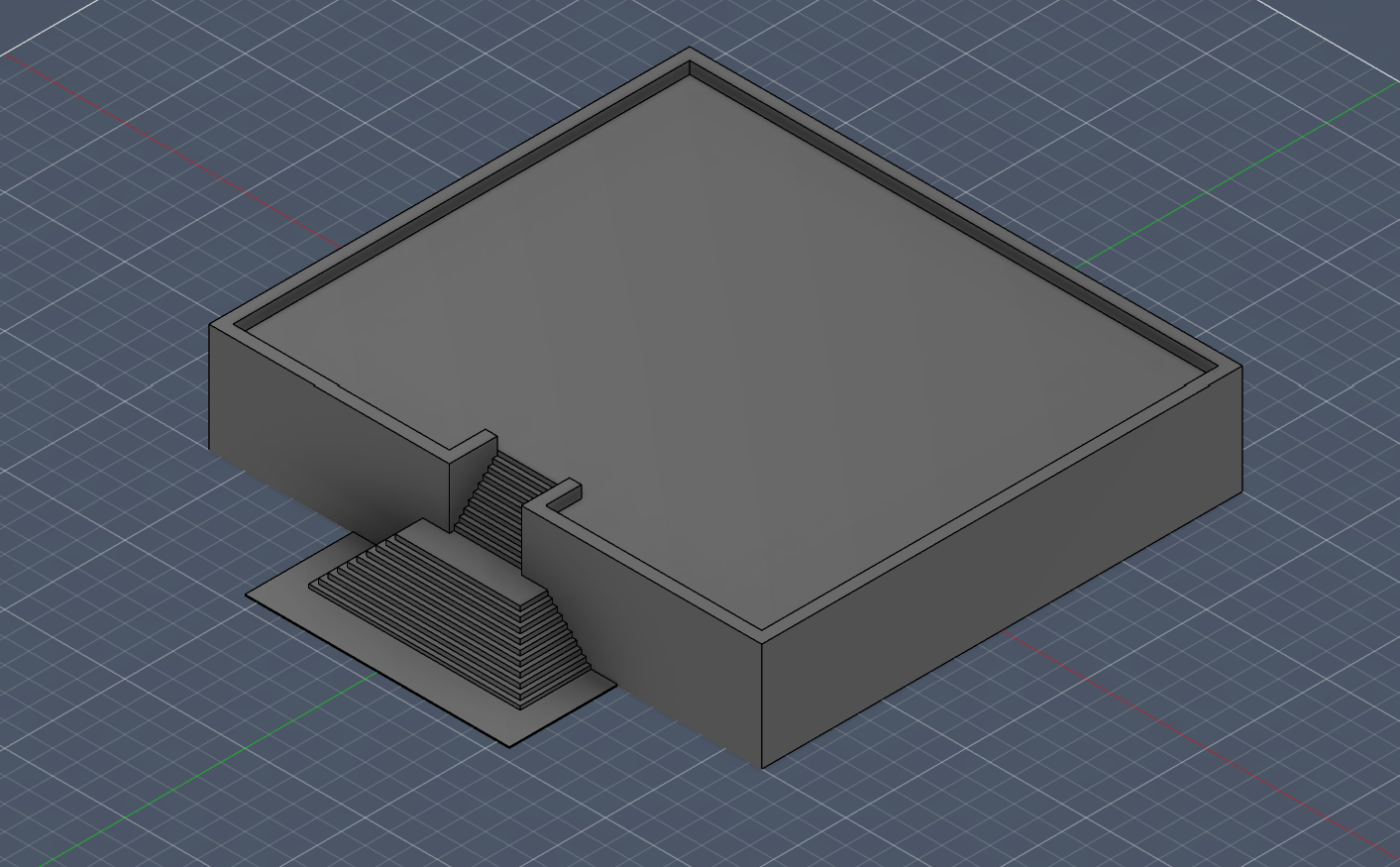
I then moved into Fusion360 and created a quick, preliminary model for the structure to see how it would fit together. I wasn't super focused on the details here; I most just wanted to see how it would turn out.
3D Printing the Initial Model
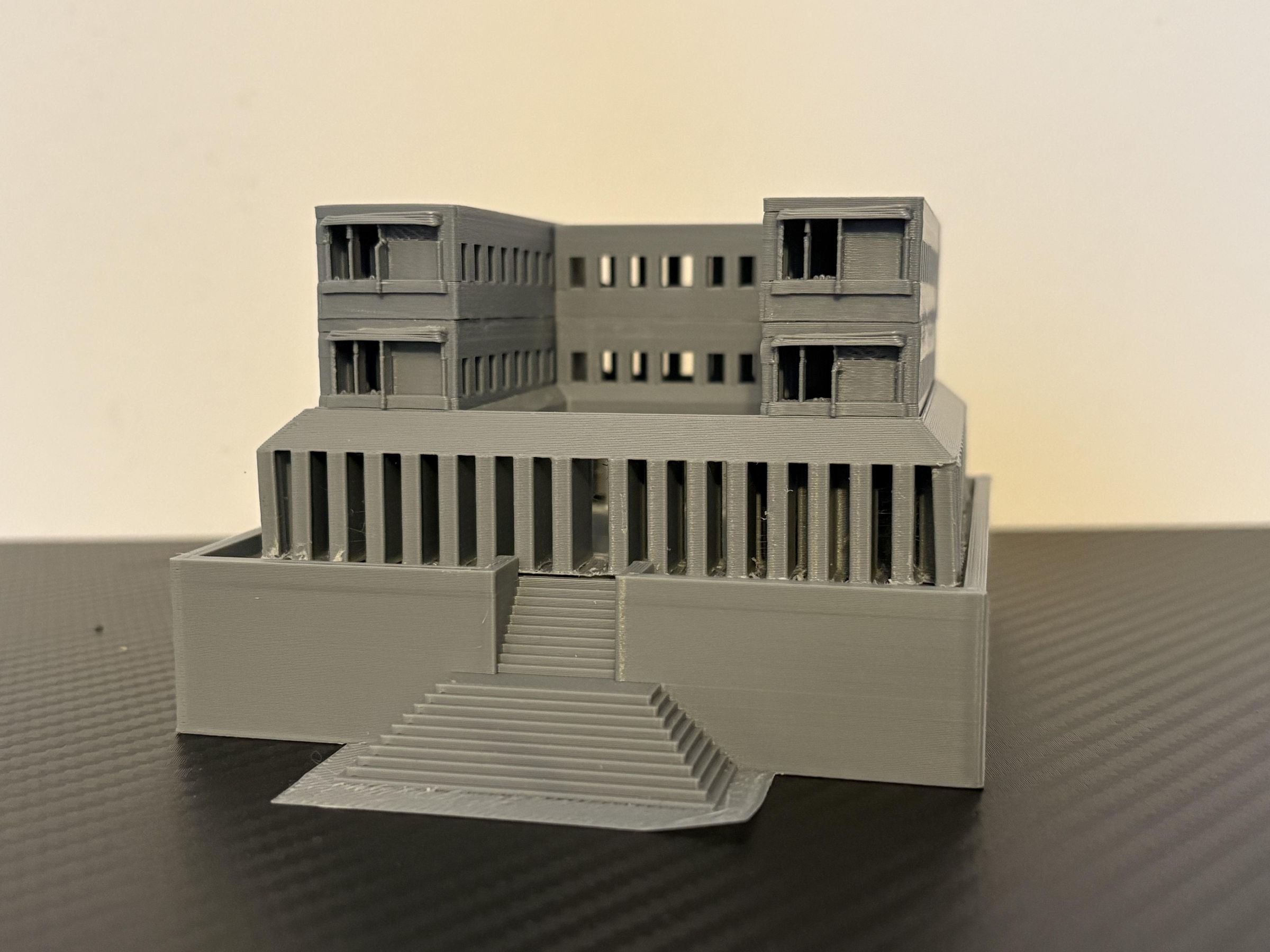
I then printed the initial model and realized that the overhang was not angled steeply enough to create a proper effect for the Trombe wall, and that the apartments were too narrow. I also noticed that there was a lack of front facing windows and that the base needed to be stretched.
Modifying the Base
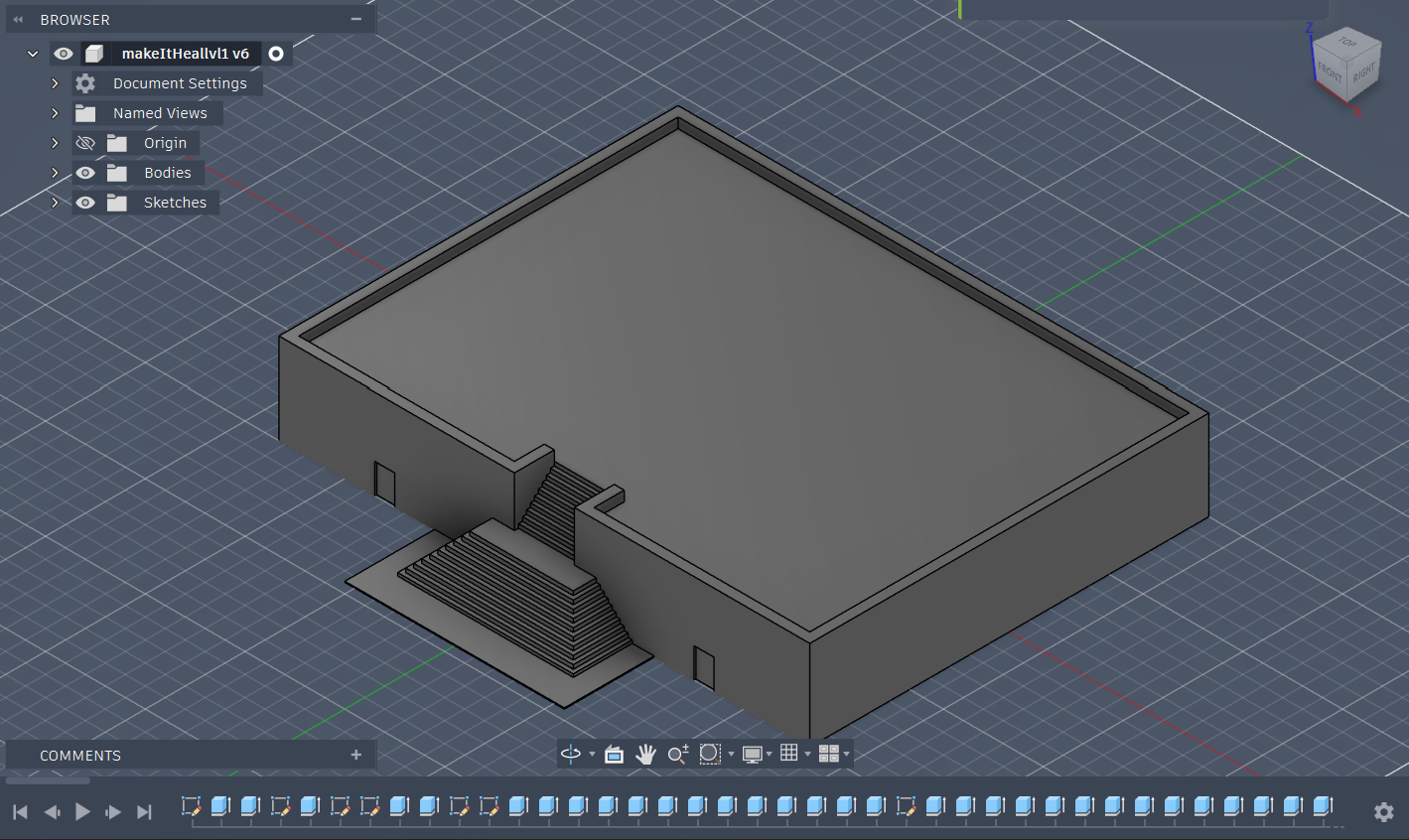
Once I had 3D printed the model of the initial design, I realized I would need to make some changes in Fusion360. I widened the base and added doors, and I increased the number of stairs and decreased their width.
Downloads
Trombe Wall

Using the sun path for the site location, I optimized the overhang on the Trombe wall to minimize the harsh summer sun's heat entering the building, but optimized it allow the winter sun to warm up the building.
Wind Turbines
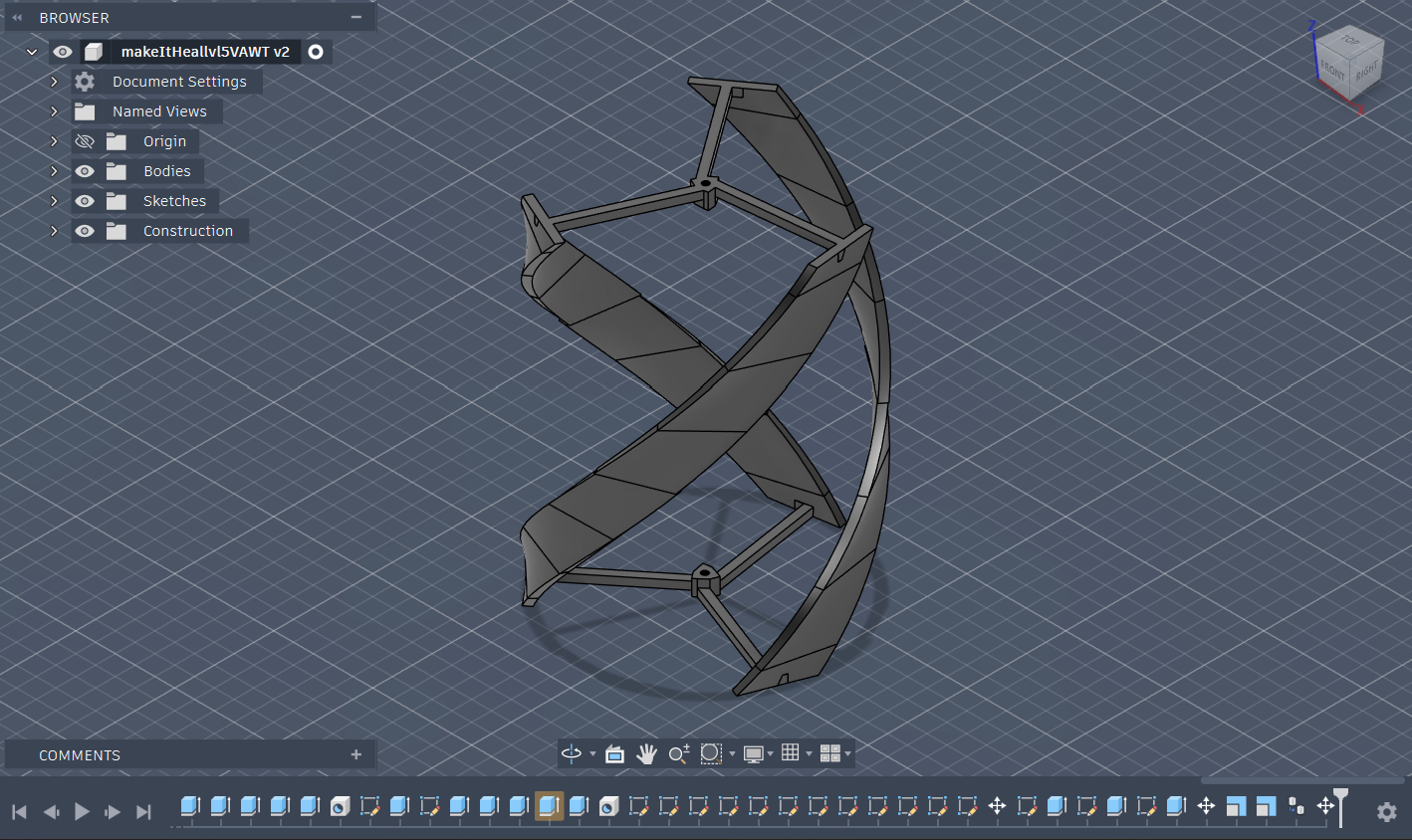
I then created miniature (urban) Vertical Axis Wind Turbines to put on the roof. Since they are in an urban environment, they will likely produce slightly less energy, but since they are high up and follow a Gorlov-style design, they should still be very efficient and reduce energy consumption significantly. The energy produced works out to be:
Downloads
Renewable Energy & Storm Resilience
Harnessing Storm Energy & High-Velocity Survival
To ensure the Cumberland Commons remains fully operational when the municipal grid fails, the roof is equipped with a network of vertical-axis wind turbines.
Where and How the Energy is Utilized During a Storm: Unlike traditional power systems that shut down during severe weather, these turbines are specifically calibrated to capitalize on the high-velocity drafts generated by storm fronts. During an extreme wind or tornado-adjacent event, the kinetic energy captured is immediately fed into the building’s localized microgrid and heavy-duty battery storage array. This power is prioritized directly for life-safety systems: emergency storm shelter illumination, refrigeration for medical supplies, charging stations for emergency response electronics, and powering the building's central communication and water filtration systems.
Aerodynamic Materials and Structural Anchoring: To guarantee that the turbines do not fracture or become dangerous airborne debris during violent storm events, they are fabricated utilizing carbon-fiber-reinforced polymers (CFRP) and marine-grade anodized aluminum. This combination provides an exceptional strength-to-weight ratio, allowing the blades to withstand high-velocity structural flexing without cracking. The entire kinetic assembly is securely bolted deep into the building’s reinforced concrete structural columns using heavy-duty titanium alloy anchors, ensuring the units remain firmly fused to the roof even under extreme aerodynamic uplift forces.
https://www.sciencedirect.com/science/chapter/edited-volume/abs/pii/B9780443154591000292
https://link.springer.com/article/10.1007/s10853-025-10804-x
https://avanco-composites.de/en/products/marine/
Community Garden
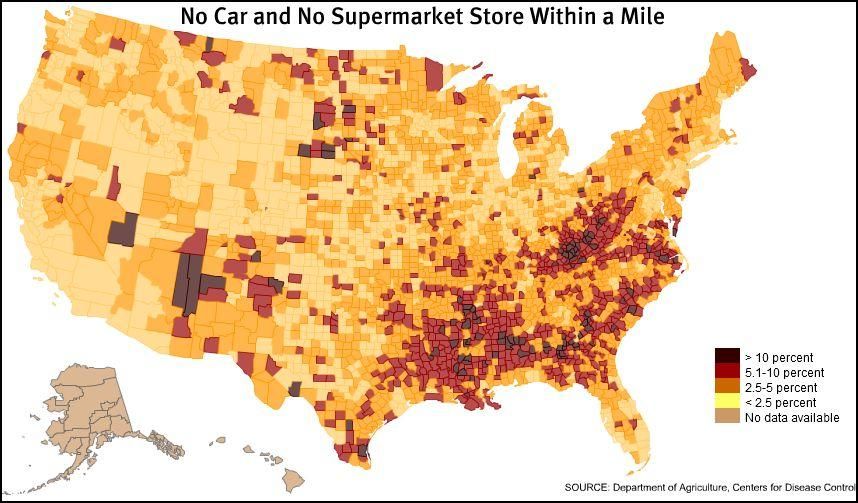
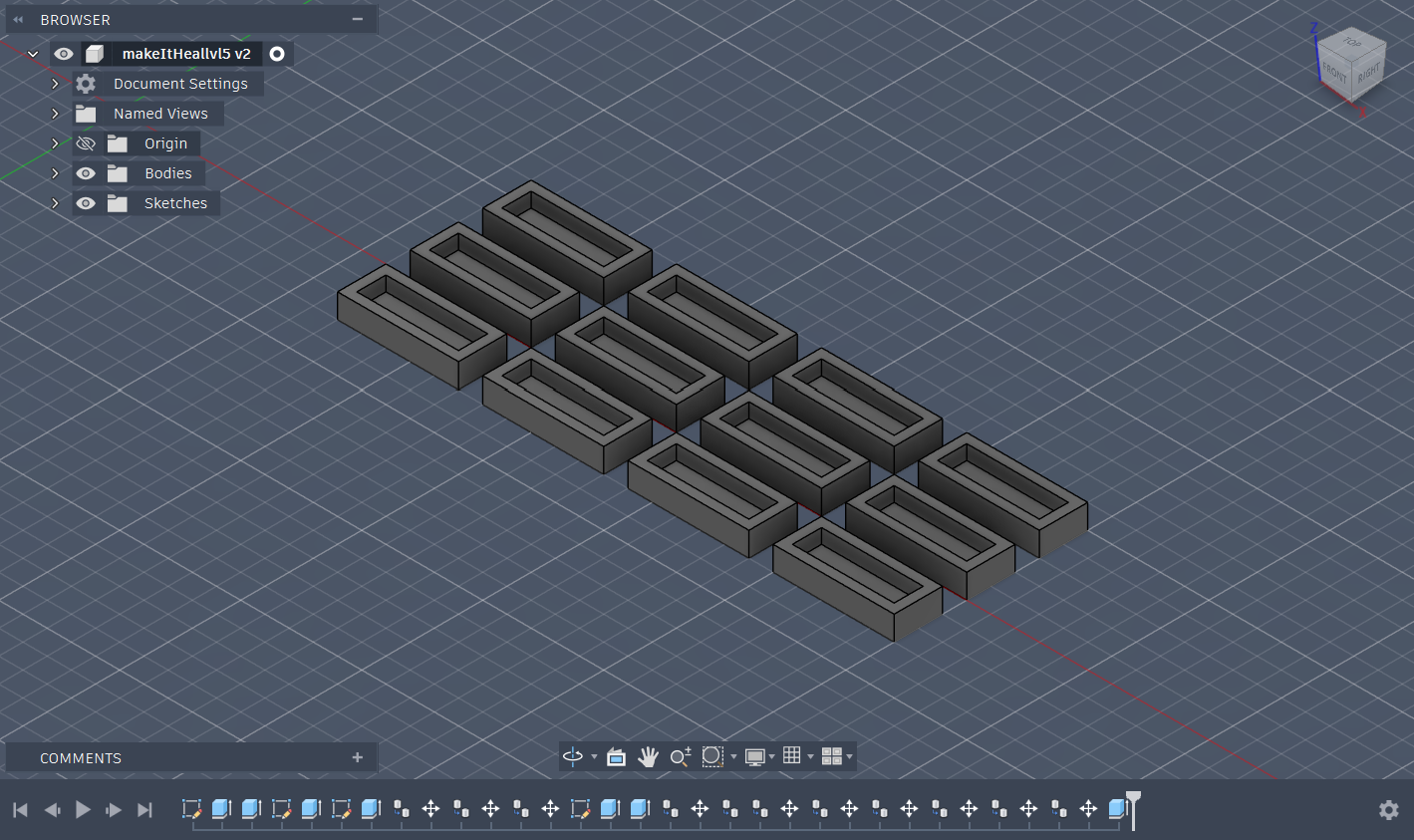
Food desserts, areas where people have no access to fresh foods, are becoming an increasingly large problem in America. To combat this, I designed a community garden for the roof of the apartments.
The central courtyard features a community garden specifically engineered through the lens of trauma-informed design. Following a severe storm or crisis, survivors often experience a loss of control, heightened cortisol levels, and a fractured sense of safety. A community garden directly counters these impacts through targeted public health and psychological pathways:
- Empowerment and Agency: Planting and cultivation allow residents to actively nurture life, helping them regain a sense of agency and predictability that natural disasters disrupt.
- Somatic Grounding: Tangible interactions with nature—soil, water, and plants—provide sensory, grounding inputs that reduce the sympathetic nervous system's "fight or flight" response, lowering blood pressure and anxiety.
- Social Cohesion as Public Health: By acting as a shared gathering space, the garden actively repairs the thinned social networks typical in high-turnover military and storm-displaced communities, accelerating long-term community recovery through mutual support.
https://www.cdc.gov/pcd/issues/2009/jul/08_0163.htm
https://www.sciencedirect.com/science/article/pii/S2211335516300249
https://publichealth.tulane.edu/blog/benefits-of-community-gardens/
Downloads
Roof Level
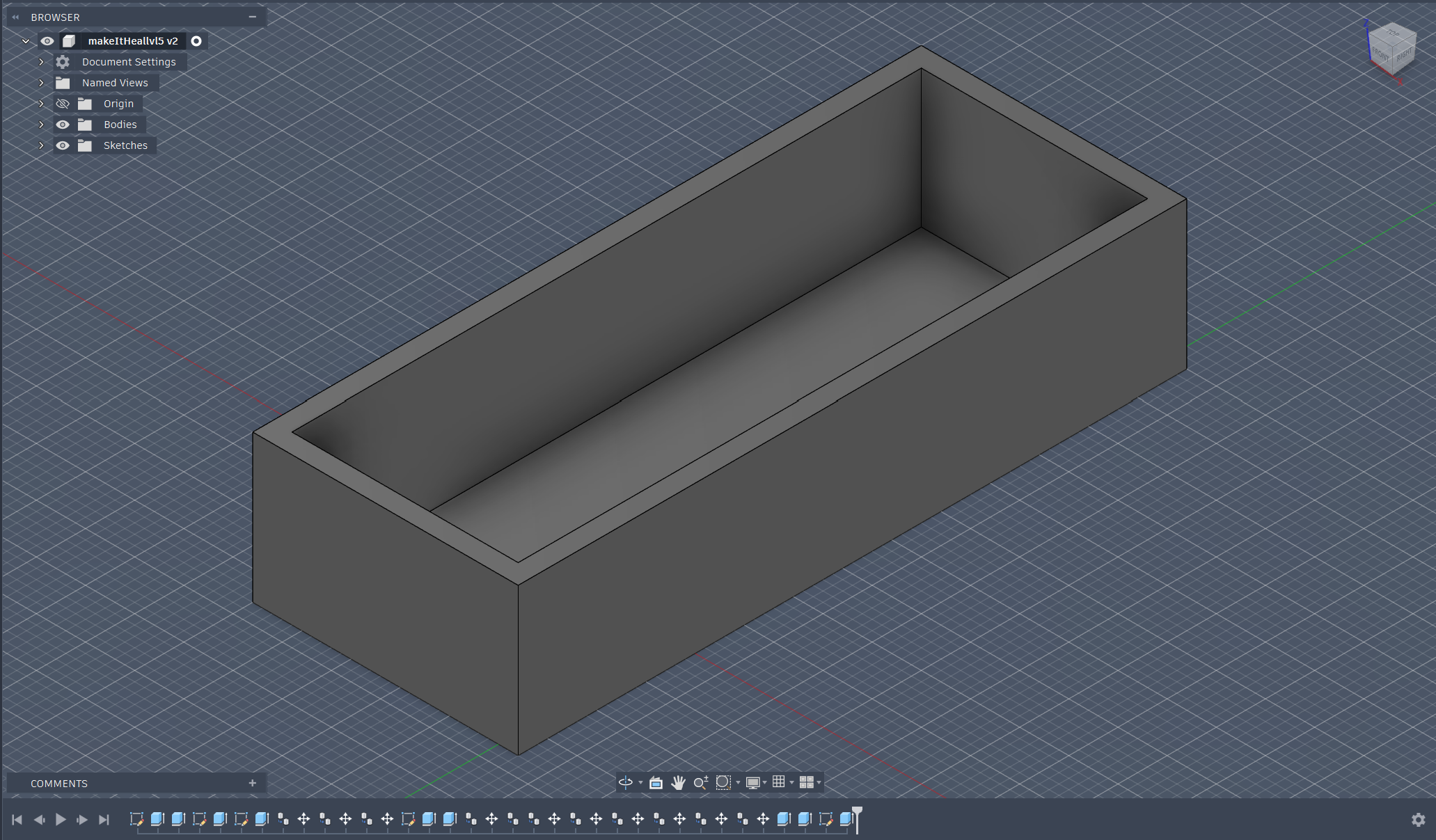
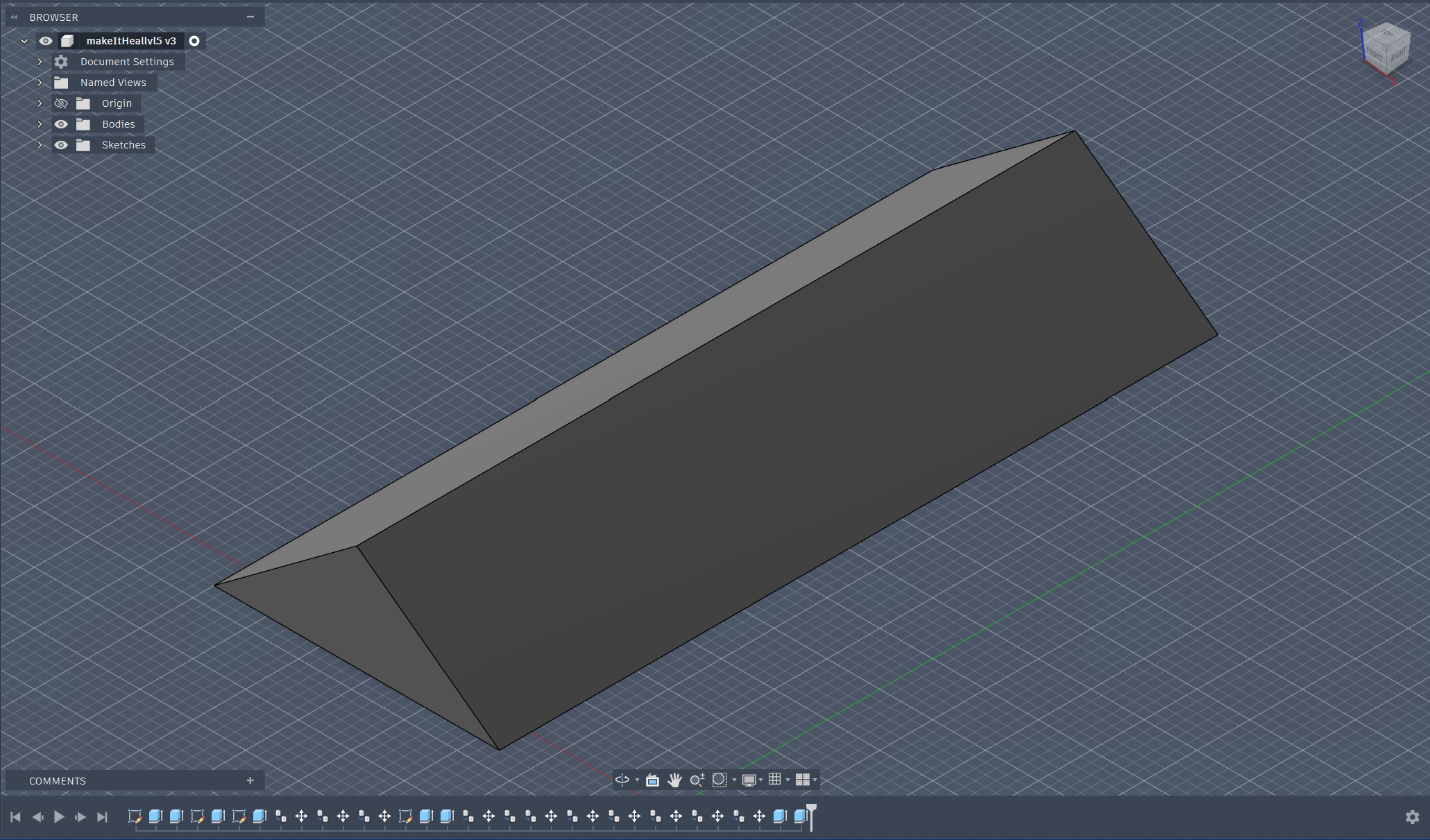
The Roof Level as an Elevated Healing Space
Moving up the building, the roof level transitions from active community areas into a dedicated sanctuary for emotional decompression. By elevating this space above the immediate stress of the street level, this open-air environment features expansive long-range views of the surrounding landscape, promoting a psychological feeling of expansiveness and safety. Outfitted with comfortable seating, wind-protected alcoves, and biophilic elements, it serves as an architectural escape valve where veterans dealing with PTSD, families recovering from disaster losses, and weary community members can find quiet reflection and psychological relief in the open air.
Floor Plan
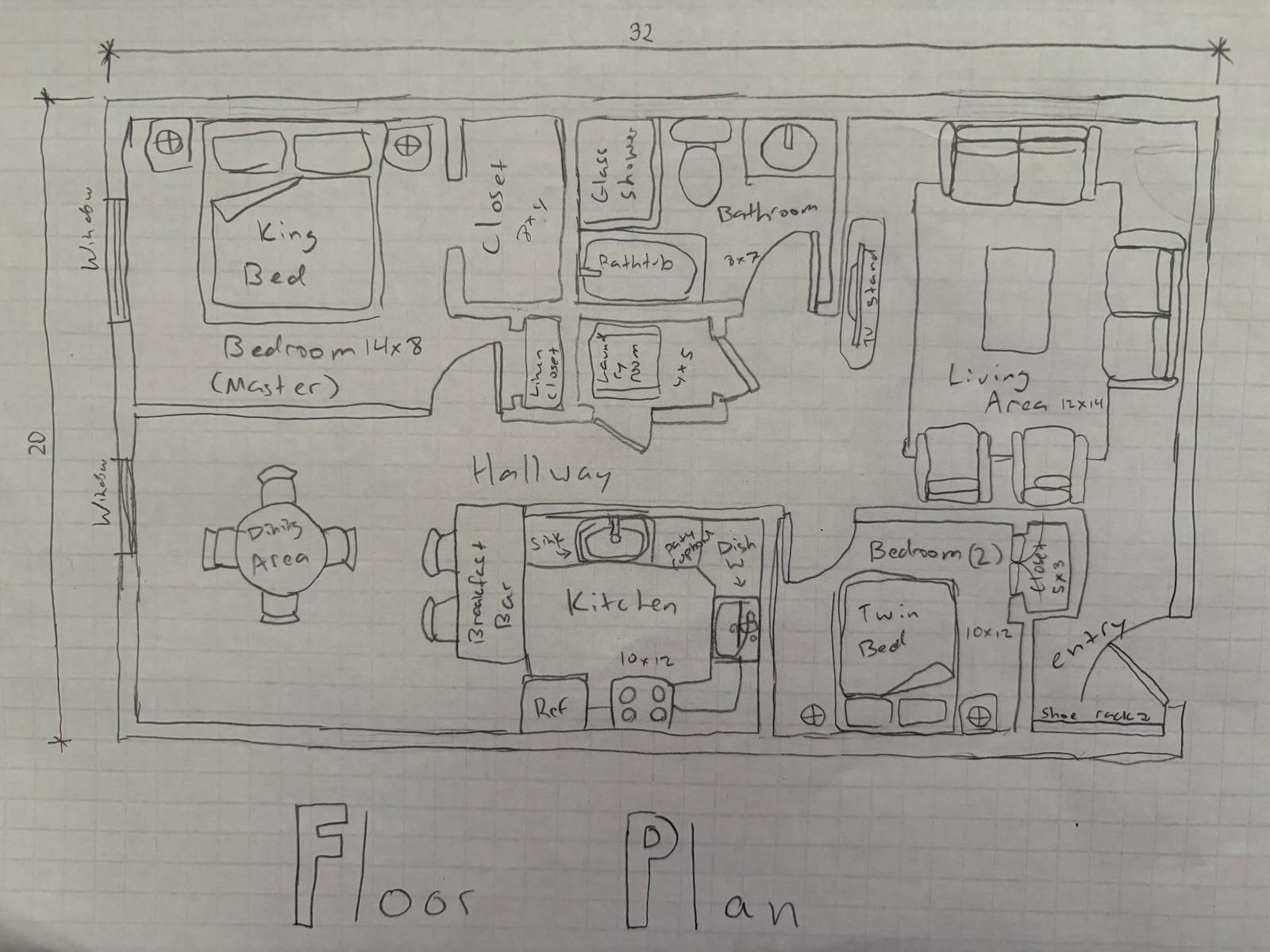
I sketched out a 2 Bedroom 1 Bathroom room layout for the apartment buildings. I wanted to maintain a sense of community, and research shows that similar housing sizes helps to promote a community. Furthermore, I wanted to provide plenty of free space (or at least as much as possible), since studies show that free space provides mental health benefits.
Fostering Community: Planning & Design for Social Cohesion | SPD
A THEMATIC REVIEW OF NEIGHBOURHOOD BUILT ENVIRONMENT FACTORS
Communal spaces in multi-unit housing renovation: A systematic literature review
Apartments
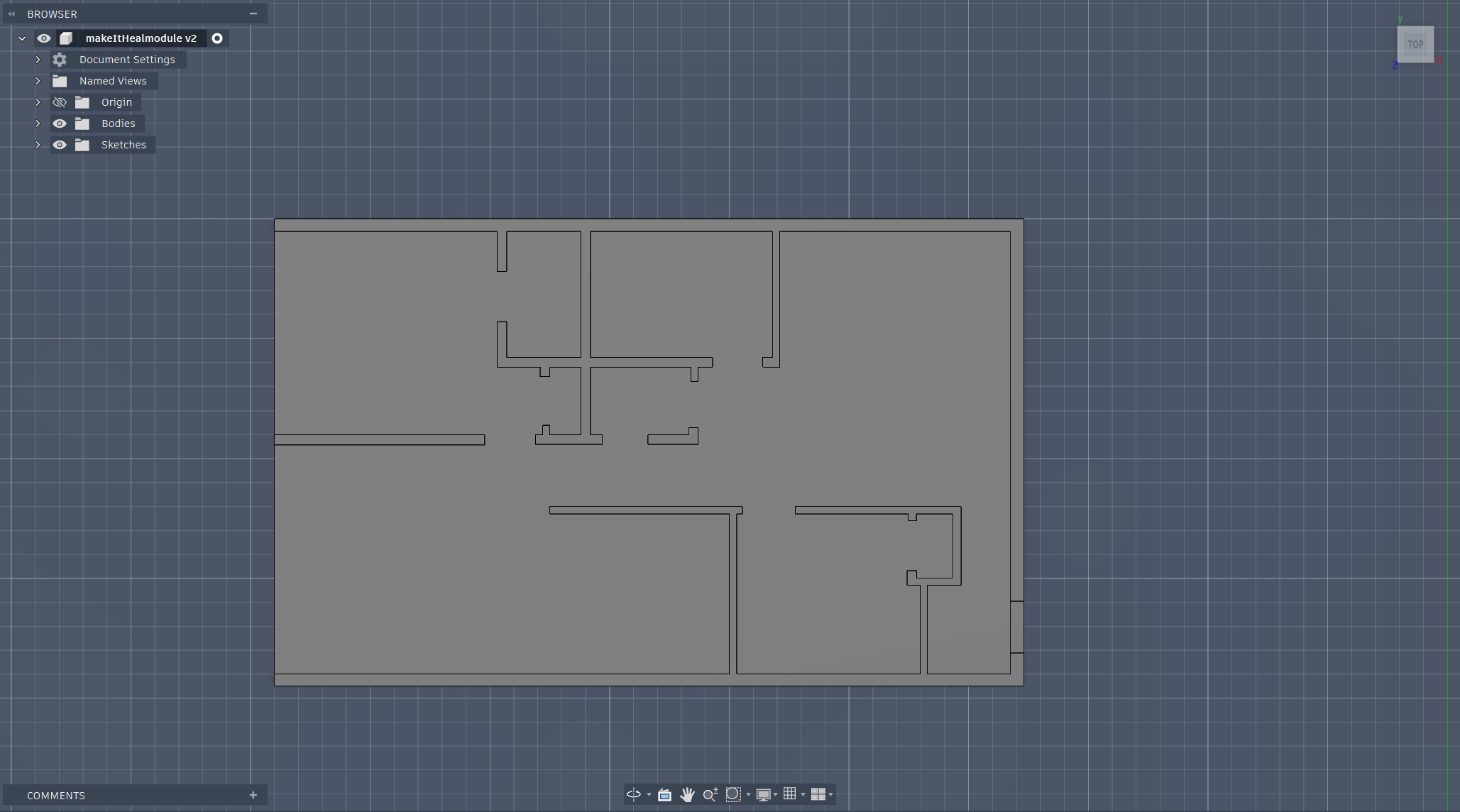
I then moved the layout design into Fusion360 such that it would fit into the apartment modules.
Complete Construction
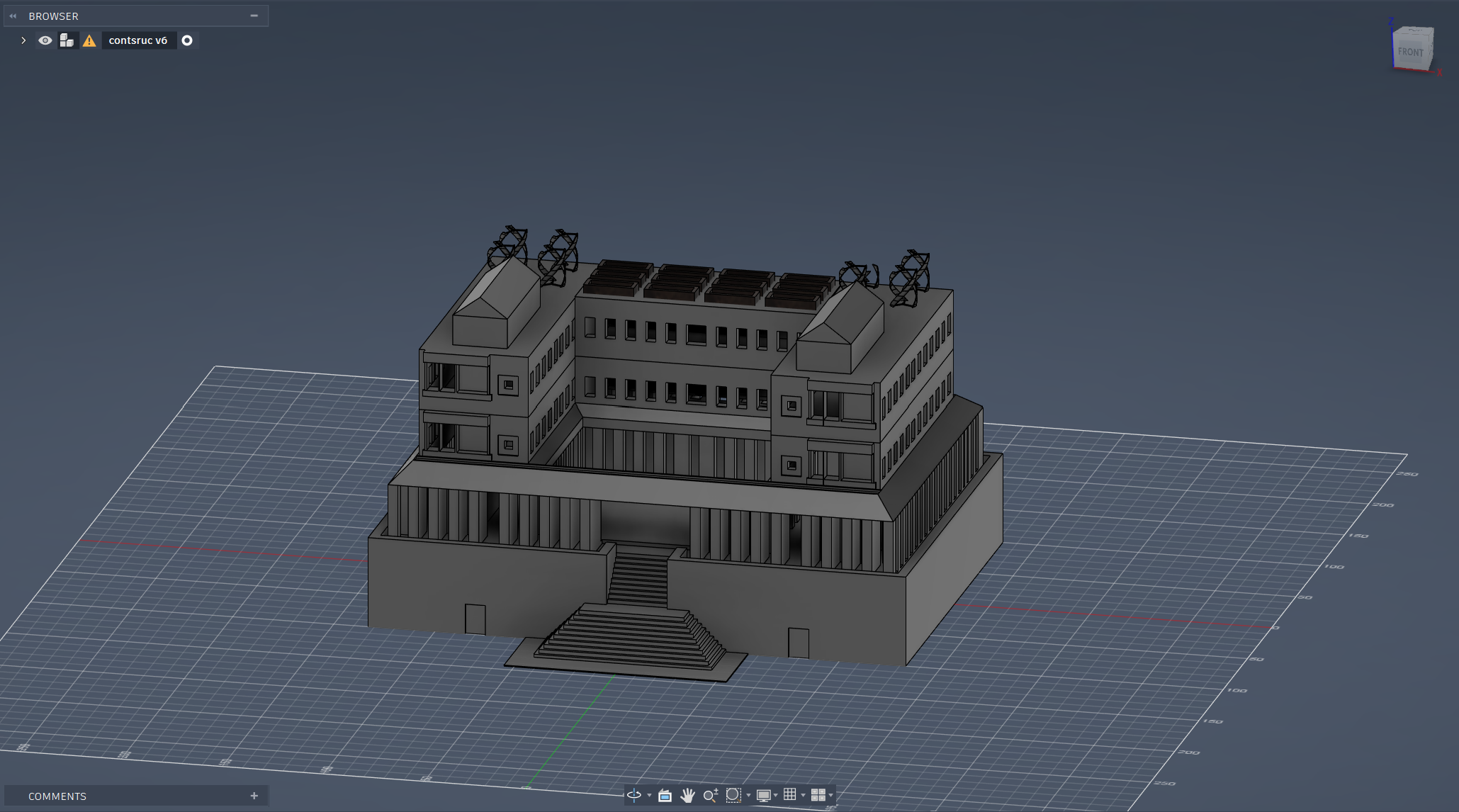
I then put everything together in Fusion360 to see how it would fit together.
Downloads
Renders
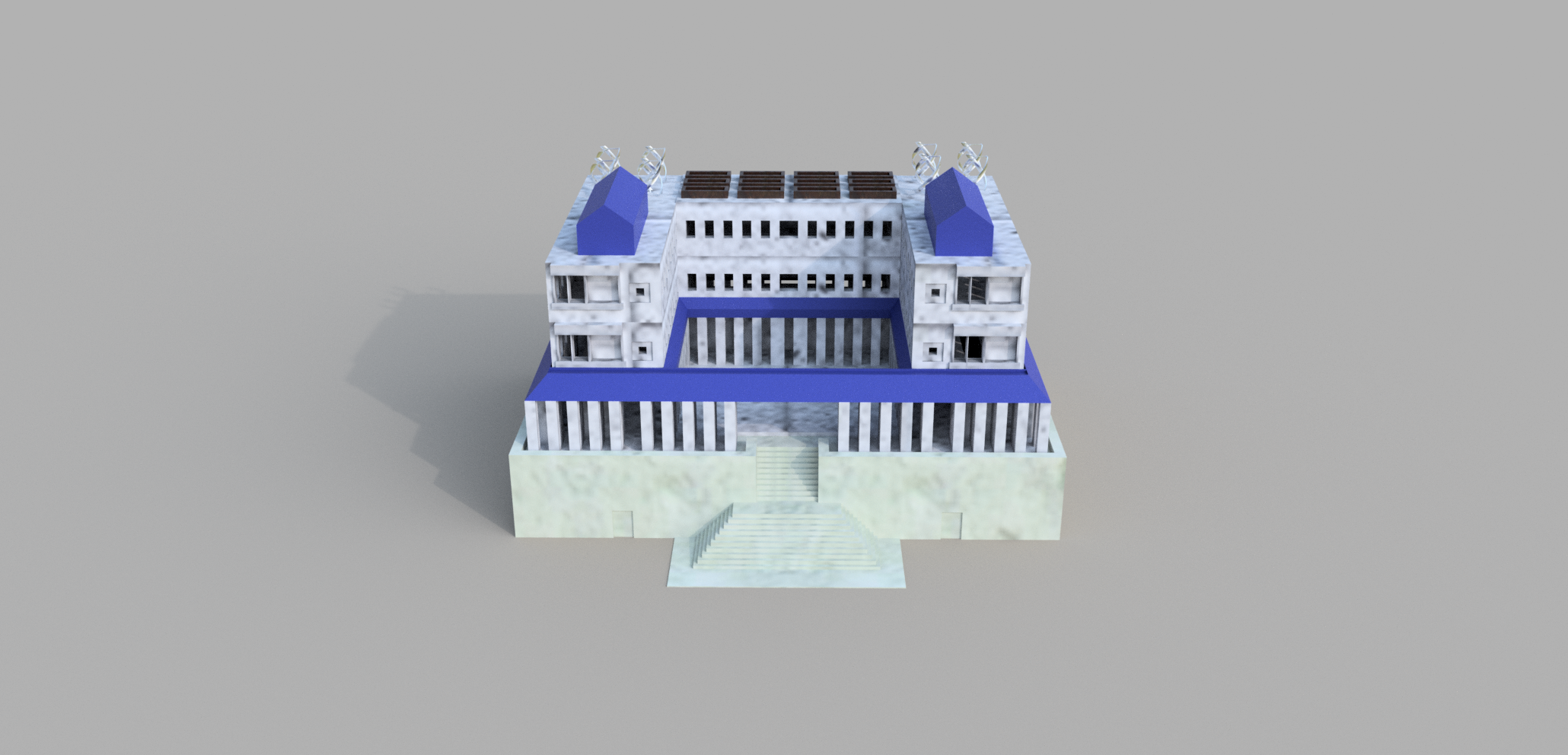
I then created renders of the design to see how it would look in color. From the renderings, I decided to 3D print the base layer in a darker color to show more contrast and to print the top level in grey for the structure and blue for only the roof.
3D Printing
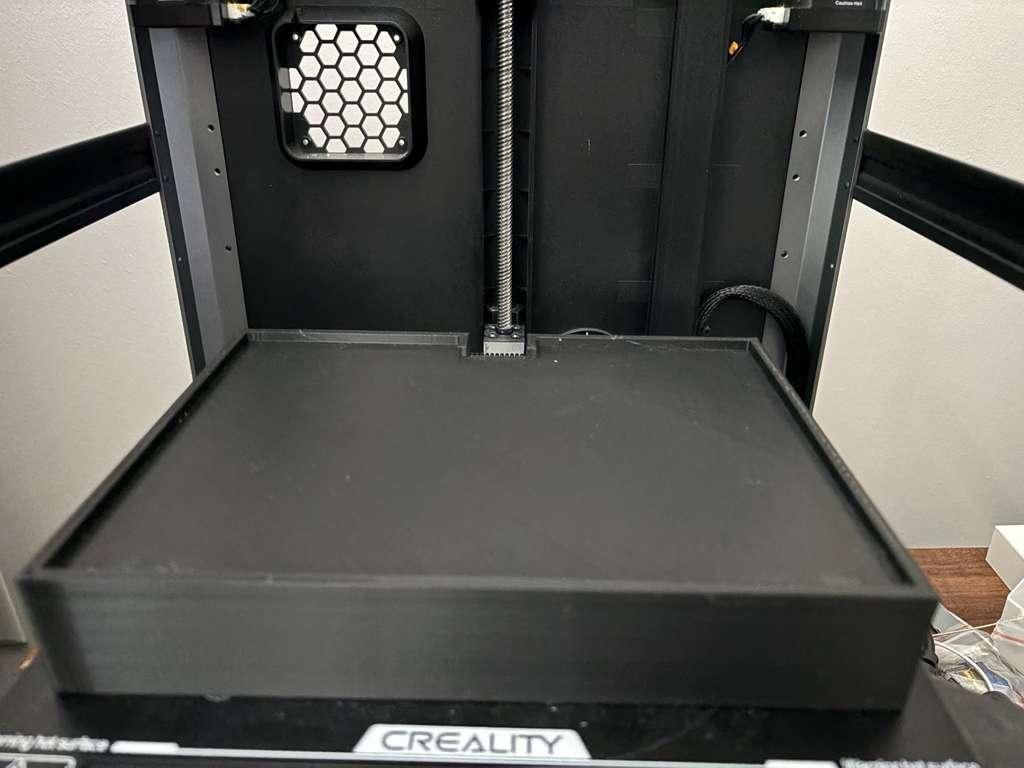
Everything was printed on a Creality K1 SE using Orcaslicer. Default settings were used, but infill was kept to a minimum to conserve filament and reduce weight.
Assemby Prep
.jpeg)
I used flush cutters and sandpaper to clean the pieces for assembly. I used superglue, since it dries easily and is relatively low-cost.
Apartment Buildings

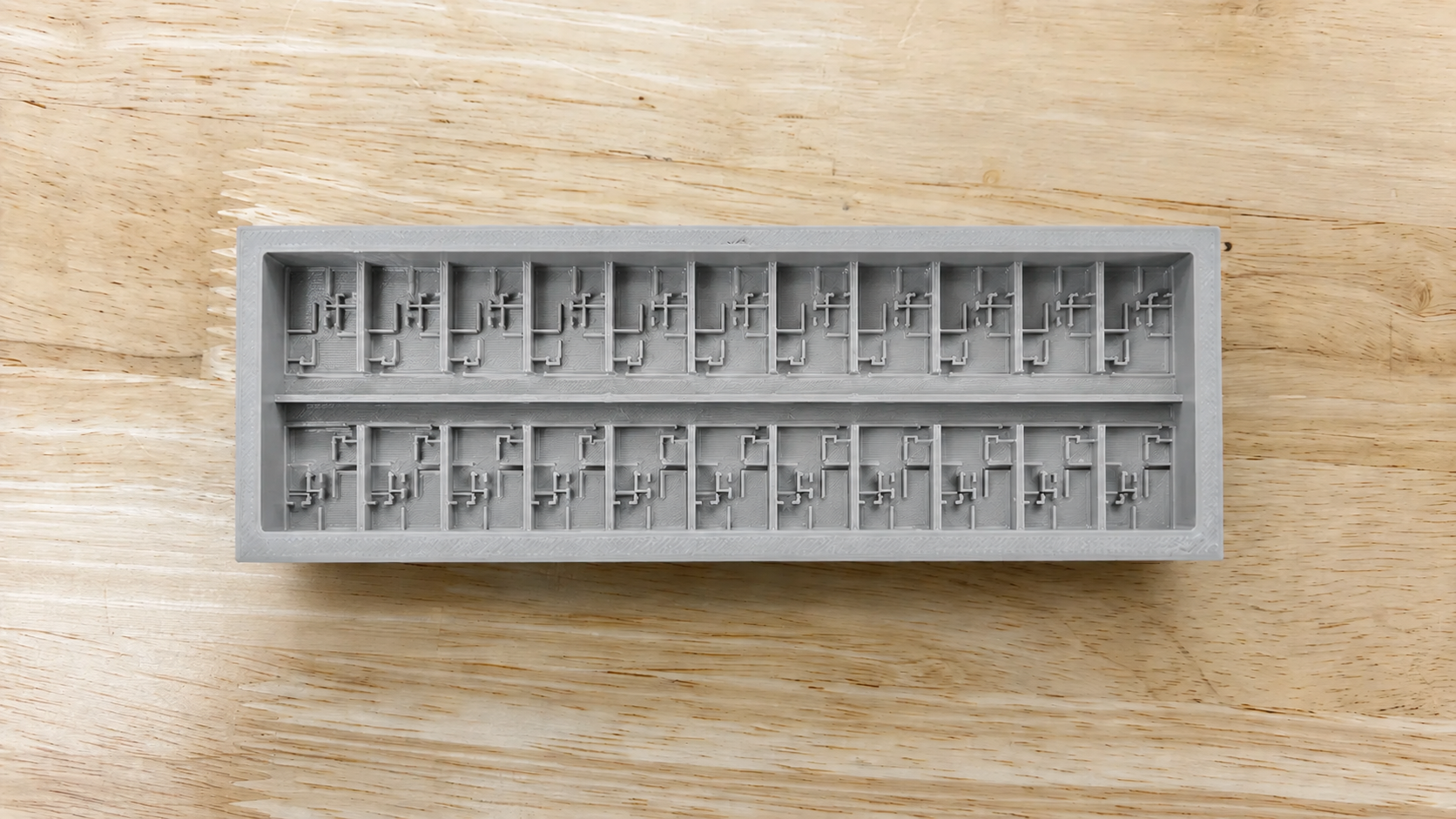
I added and glued the apartment modules to the buildings and then glued together the apartment buildings.
Building the Commercial Layer
.jpeg)
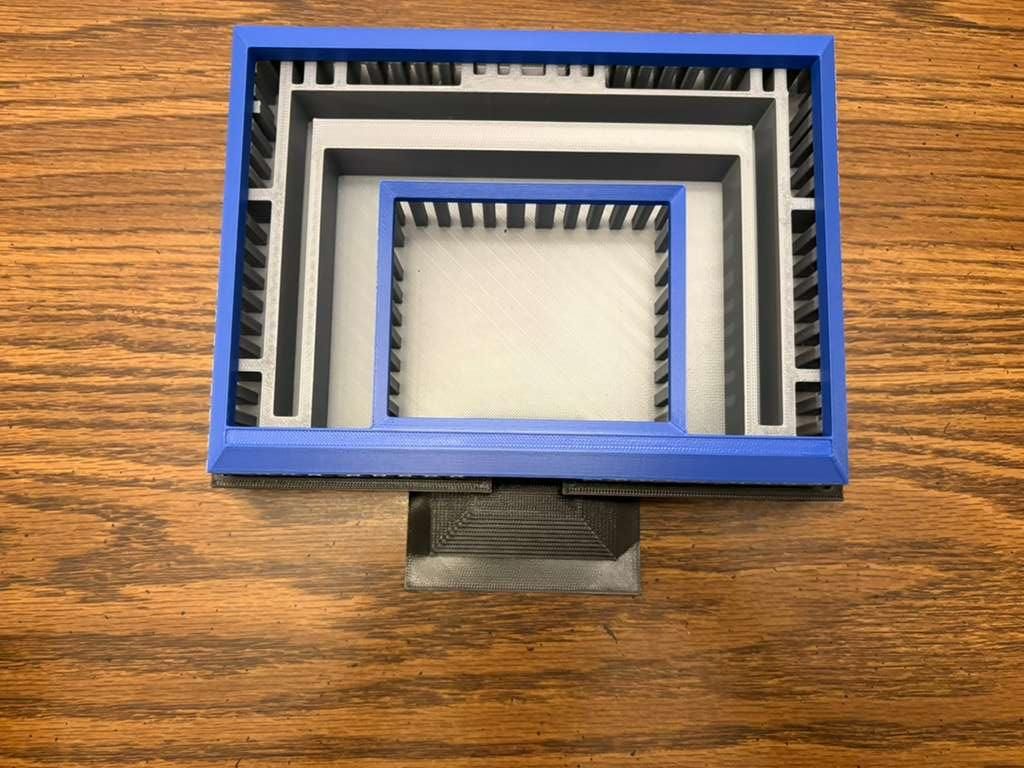
To create the structure, I glued the base, the commercial layer and its roof with the overhang for the Trombe Wall.
Putting It Together

I then assembled all the pieces. I started with the base I just glued together and then added the apartment buildings. Since they all fit neatly together, this was the easiest part.
Adding the Final Pieces
.png)
I then added the community shelters, the wind turbines, and the community garden to the roof of the design. I added solar panel stickers to the roof of the roof level. Finally, I put some moss on the pillars to represent the biophilic hanging gardens.
One important caveat to the roof level of the design is that it would certainly need a railing. Since it is so high up, a railing would be needed to prevent accidents in which someone falls off the building when tending to the community garden or exiting the community centers.
However, because of the scale, it was too intricate to print a railing to match the size using my 3D printer, so it had to be left out of the model.
Conclusion and Reflection
.png)
Working on this project has helped me rethink the ways physical and built environment build and heal communities, foster social and emotional connections, and help in their physical and social wellbeing. It also helped me understand that it is possible to build something from a people-focused viewpoint.
Researching about the City of Clarksville and Montgomery county for this project helped me gain a deeper understanding of the needs of my community and the city, and its social intricacies.
I wanted this project to properly fit in Clarksville and be something that feels real. I wanted to make sure that I would produce the best design I was capable of, so I iterated several times. Whenever I felt something could be improved, I improved it regardless of how much progress I had already made in a different direction. This project taught me the value of pivoting.
I am proud of this design. It isn't perfect, it can't be. But I am proud of the design considerations and effort that went into making this project.
Credits
- Autodesk for providing a student plan on Fusion360 and keeping TinkerCad free
- SoftFever for creating and keeping OrcaSlicer free
- Andrew Mash for creating and keeping Sun Path 3D free
- My family for bearing with me through the noise and testing