The TPRO4 "Rocket" Drone: Build a High-Speed 3D Printed Nano FPV Racer
by Unboxingexperience7 in Circuits > Remote Control
603 Views, 4 Favorites, 0 Comments
The TPRO4 "Rocket" Drone: Build a High-Speed 3D Printed Nano FPV Racer

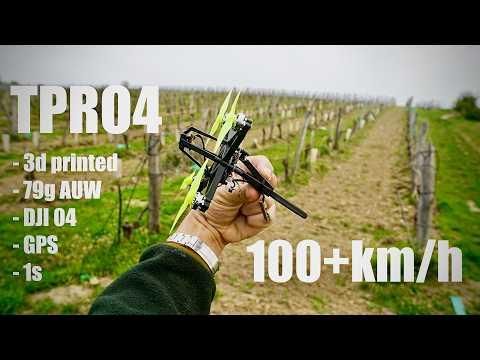
The TPRO4 is a radical departure from traditional "X-frame" drones. Designed with a torpedo-like aerodynamic shell, this nano-speedster is built for one thing: velocity. By using a pusher-motor configuration and a streamlined 3D-printed fuselage, it cuts through the air with minimal drag.
In this guide, I will show you how to print, assemble, and tune this rocket-style drone for maximum performance using the DJI O4 system or analog gear.
Difficulty
Intermediate (Soldering and basic FPV knowledge required)
Print Time
1-2 Hours
Top Speed
100+ km/h (depending on motors, props and battery)
Estimated Cost
$120 - $250 (depending on VTX)
Supplies
.stl files: https://makerworld.com/en/models/2670676-tpro4-3d-printed-rocket-speed-drone
3D Printer & Filaments:
- Primary Filament: PA-CF (Carbon Fiber Nylon) or PETG (for the main body).
- Secondary Filament: TPU (95A) for the camera mount and antenna holders.
- Printer: Any reliable FDM printer (Bambu Lab, Ender 3, etc.).
Electronics (The "Guts"):
- FC/ESC: AIO (All-in-One) 1S-2S Board (BEatfpv Matrix 3 in 1 or DarwinFPV or HappyModel Crux3 AIO).
- Motors: 1103 - 1303 Brushless Motors (high KV for 1S/2s).
- Props: 3-inch 3018-3030 eg GEmfan 3018 or HQprops T3x3
- VTX/Camera: DJI O4 Air Unit (for HD) or a Nano Analog Cam + VTX.
- Receiver: ELRS Nano RX.
- Battery: 1S 450mAh - 720mAh LiHV.
M2 Screws
- 8x 5mm
- 3x 25mm
- 1x 20mm
Tools:
- Soldering Iron and 60/40 Solder.
- M2 Hex Driver.
- Sandpaper
Printing the Components
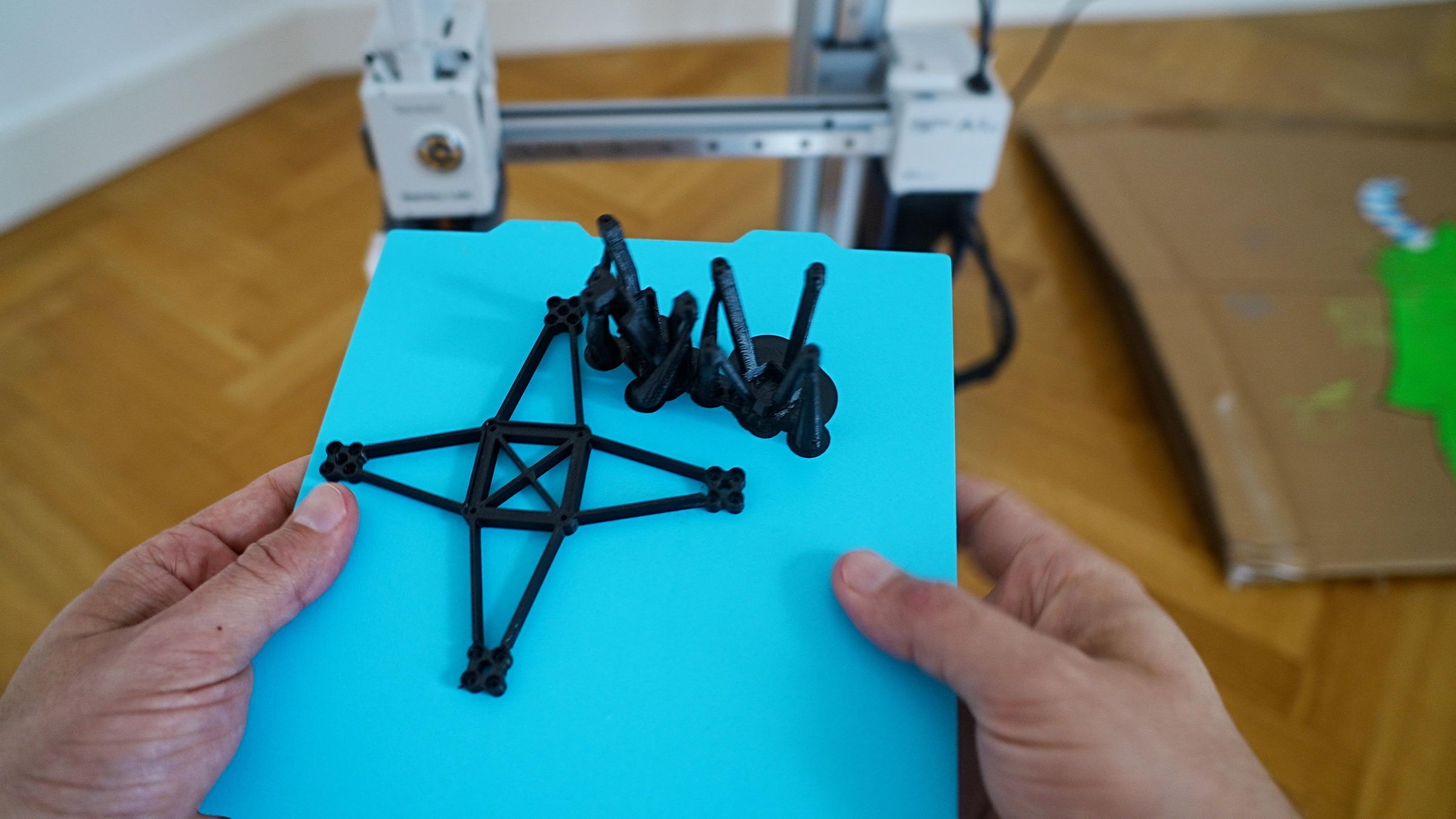

For high-speed flight, rigidity is your best friend.
- The Main Fuselage: Print this in PETG, better PA-CF or ABS/ASA.
- The Camera Mount: Print this in TPU. This absorbs vibrations and protects your lens.
- The Bottom: Print this in TPU. Choose correct GPS size (12 or 18mm)
You can print all parts in PETG, but the drone will be prone to break.
Build


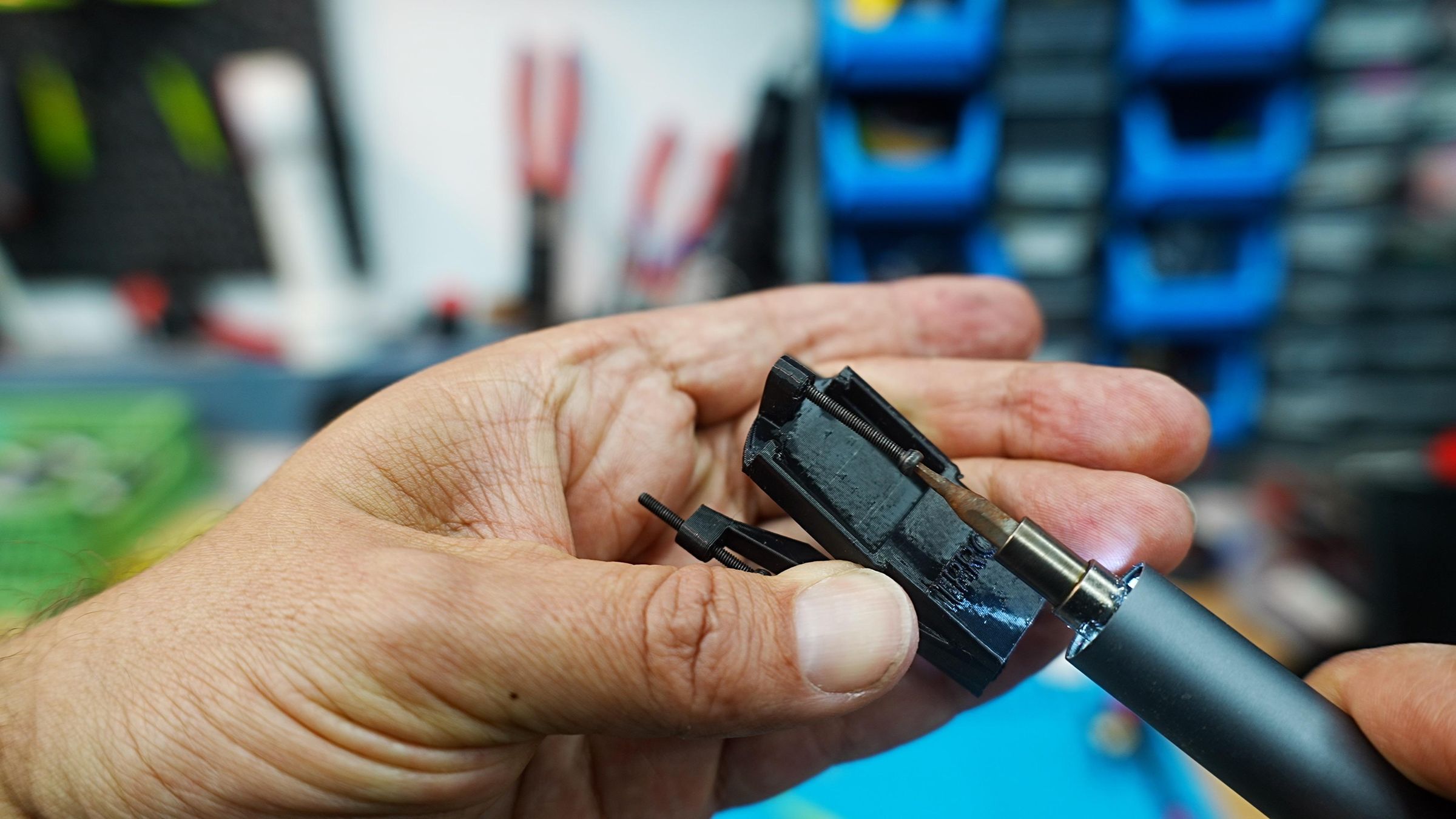
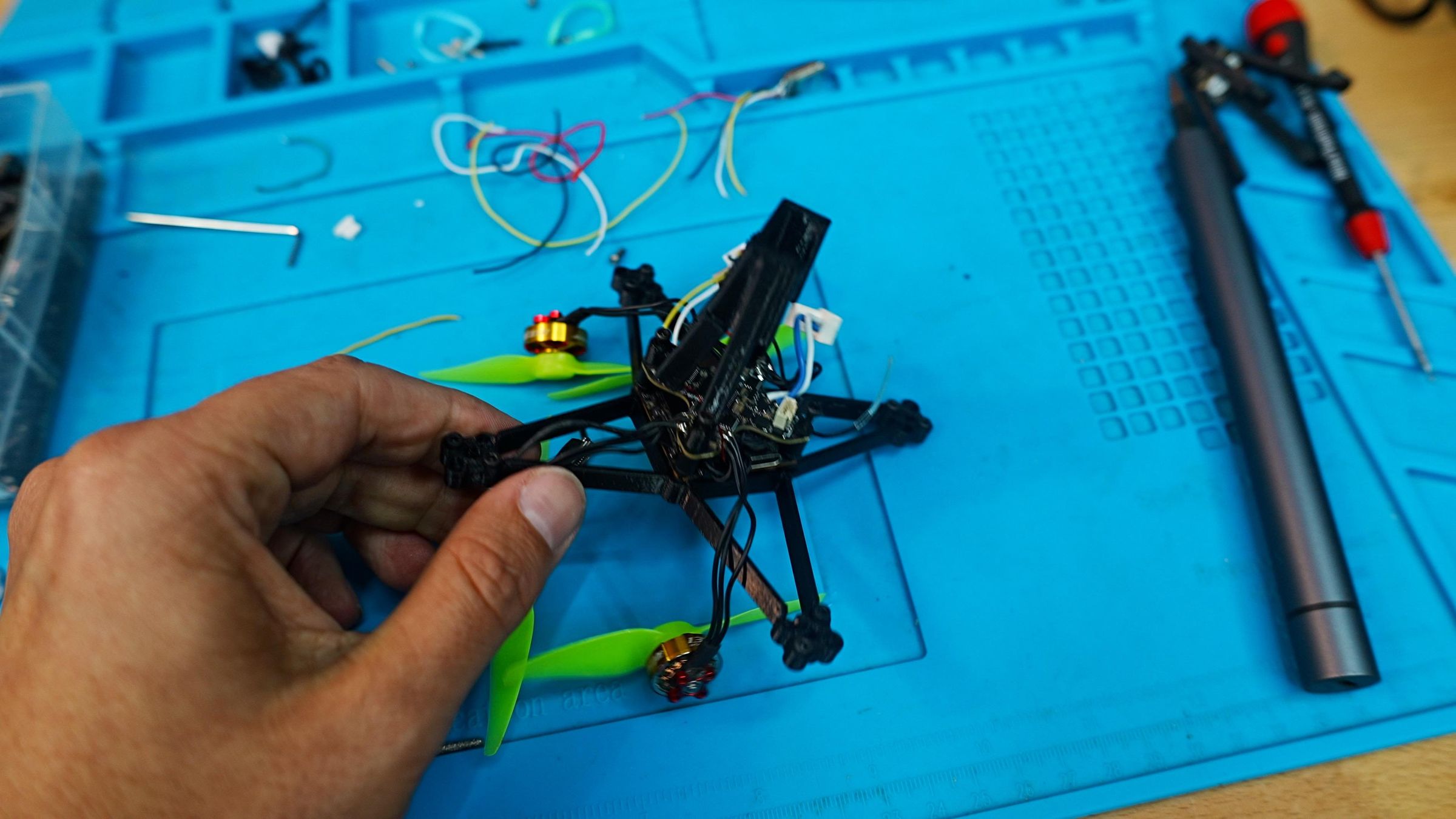

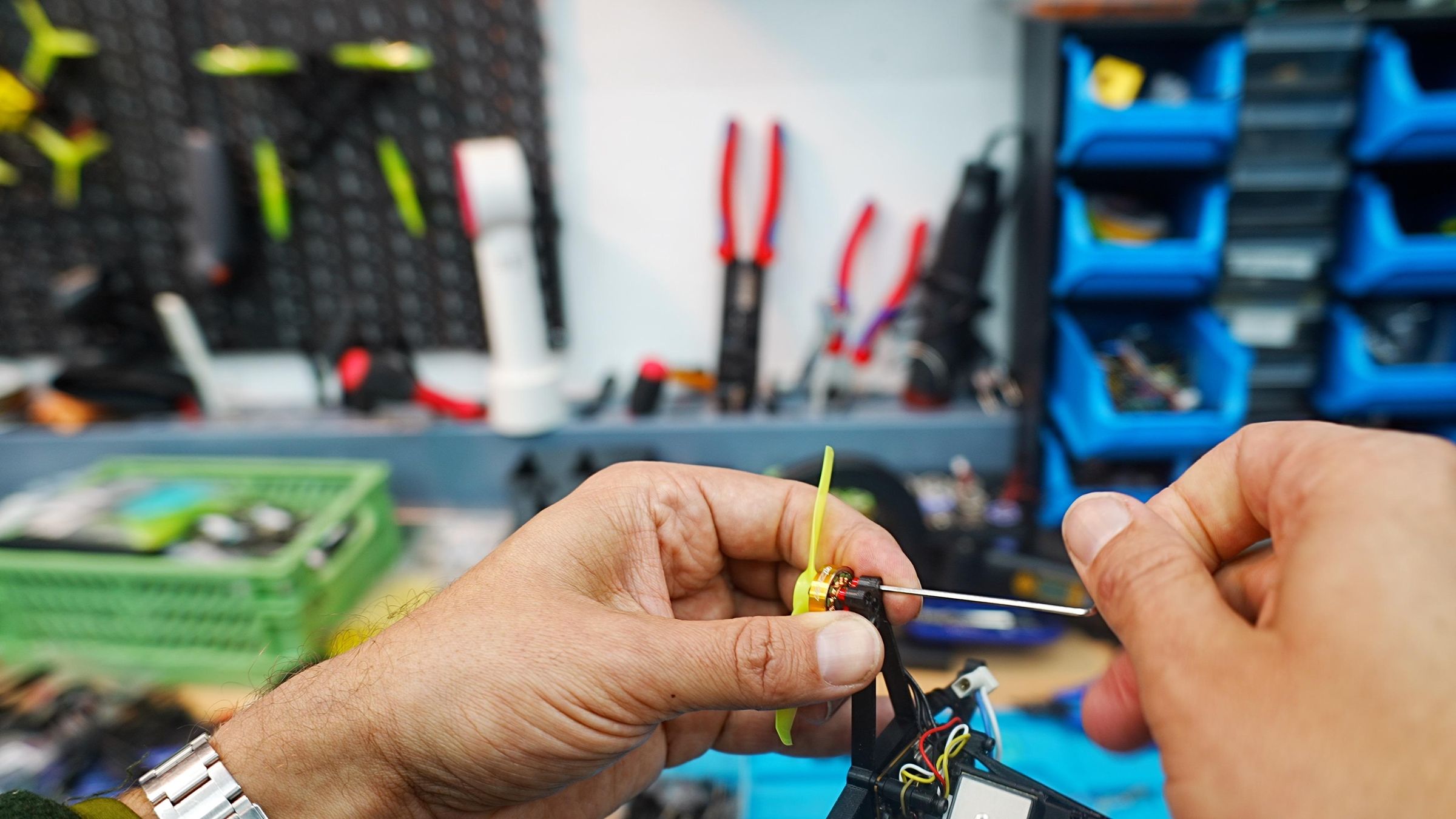

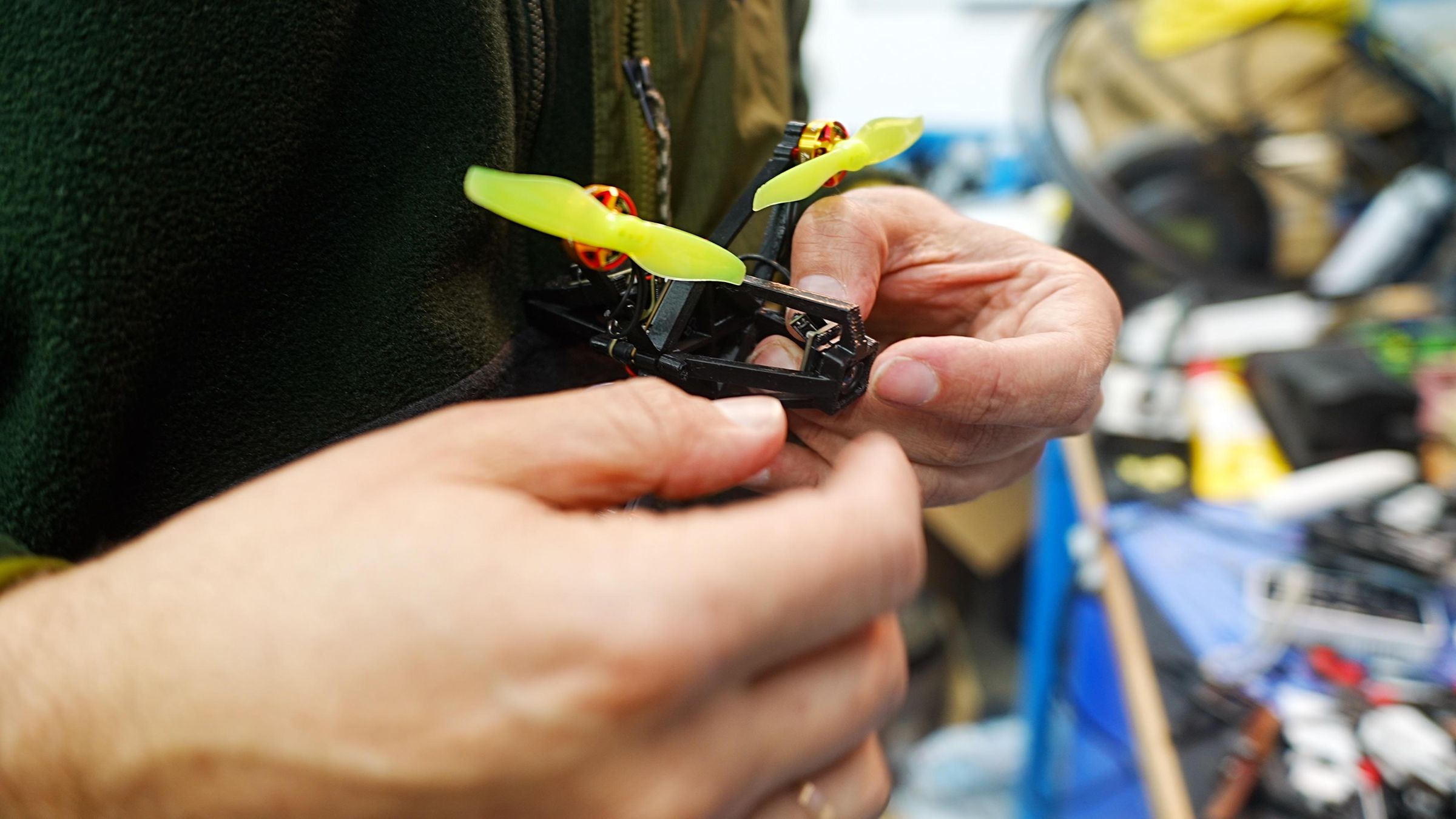
This is just a rough overview. Basic FPV knowledge is a prerequisite.
- Install the AIO and VTX in the cutout of the frame
- Install the GPS in the Bottom part.
- Use 3x 25mm M2 screws to attach Bottom to frame
- Use 1x 20mm to mount AIO and VTX to frame
- Put Front on frame and tighten screws
- Install camera and connect to VTX
- mount motors with M2 5mm screws (2 per arm)
Flight

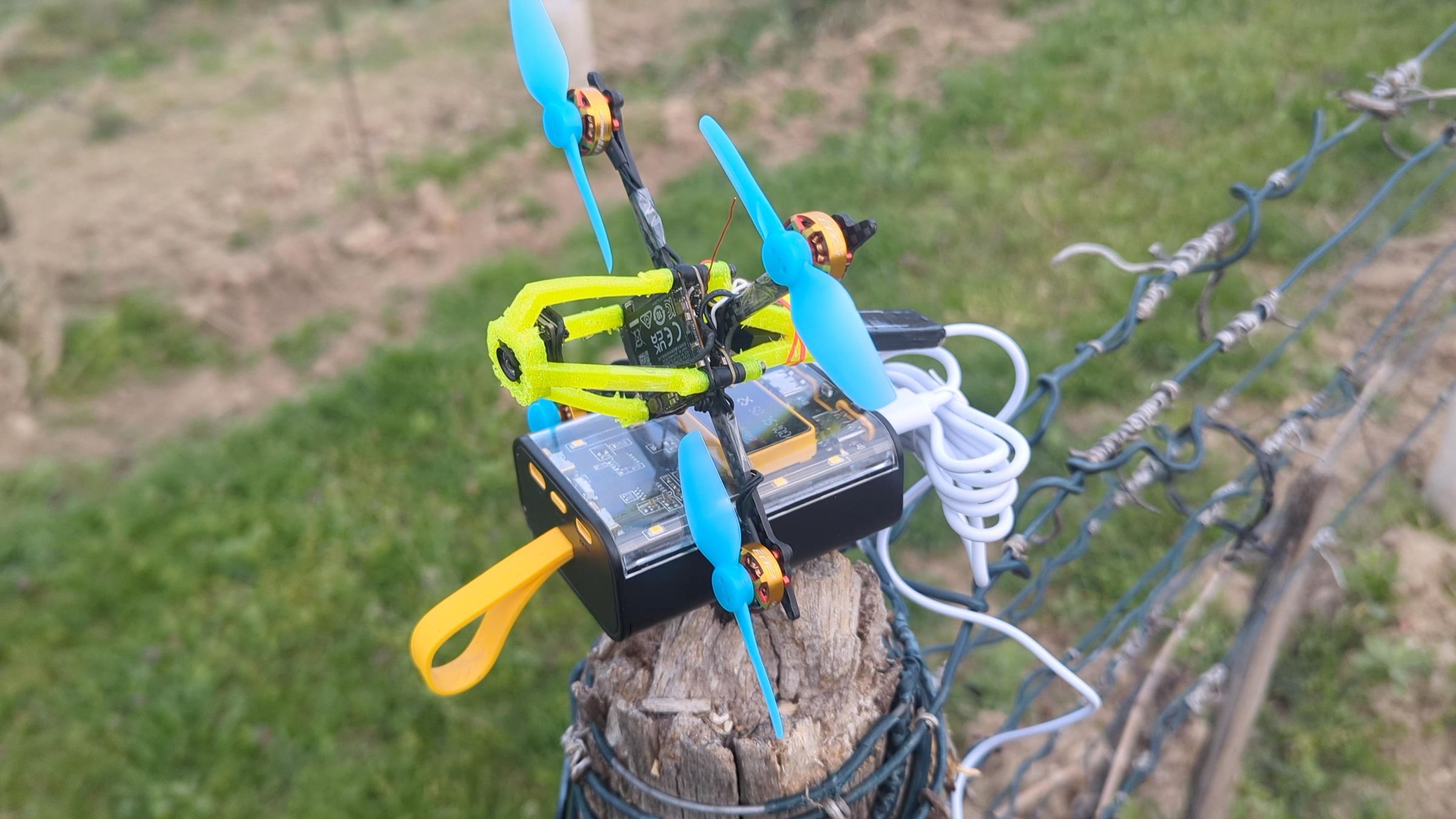
Before flying ensure correct Betaflight settings! For faster GPS lock, reduce Baud rate in Ports tap.
- I use a powerbank to get a GPS lock before flying
- The drone has a 70° camera angle. Carefully get used to this. You might need to land blindly or at a high velocity.
- For best speed results climb slowly, then turn into the wind and drop with full throttle.
Summary

You now have a custom-built, aerodynamic speed demon! The TPRO4 is a conversation starter at any flight line and a testament to what 3D printing can do for FPV.
Did you build one? Post your speed runs in the comments below! Let's see if someone can beat my 105km/h record.