The Ultimate "Battery Sucker": Joule Thief Vs. Modern Boost Converters
by dariocose in Circuits > Electronics
279 Views, 2 Favorites, 0 Comments
The Ultimate "Battery Sucker": Joule Thief Vs. Modern Boost Converters
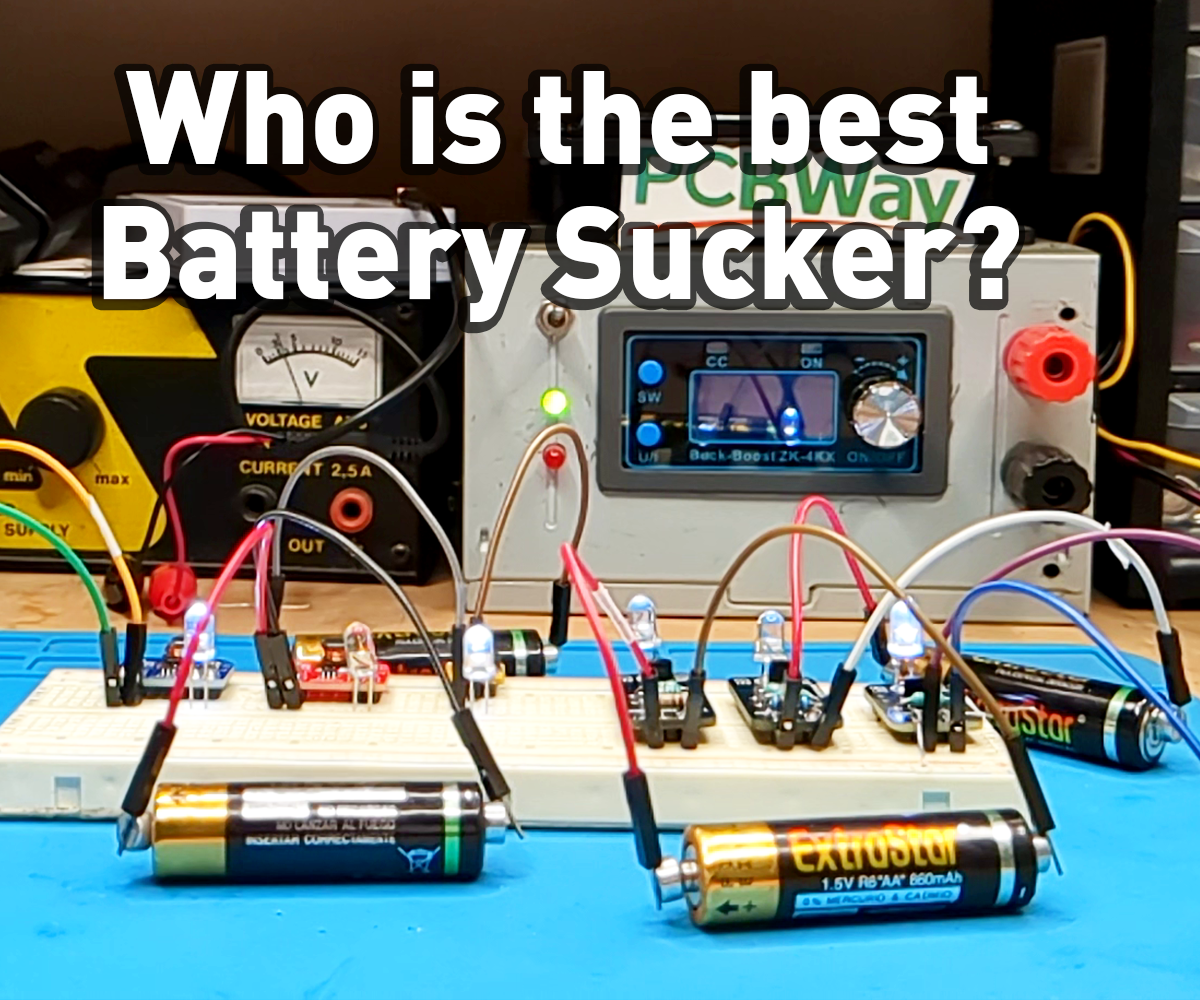
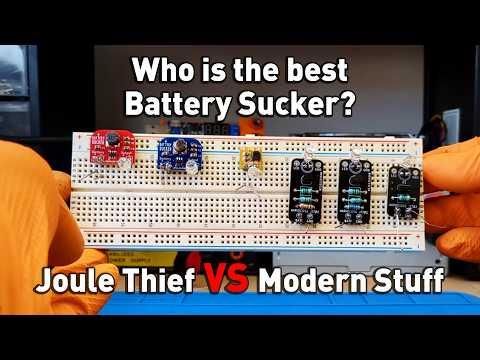
I don't like disposable batteries at all.
Unfortunately, they exist.
The fact that they cannot be recharged creates a huge amount of waste that is difficult to dispose of. But there is something that makes me even angrier: most electronic devices stop working when the battery still retains the vast majority of its internal energy!
Since I can't make all disposable batteries vanish from the planet, I decided to fight back the only way a maker knows how: by building circuits capable of sucking every last drop of energy from these apparently dead batteries.
In this guide, I will compare the old-school DIY approach against the most sophisticated modern chips.
Note: If you want to see the dynamic tests, the near-explosions, and the step-by-step process, you can watch the full video on my YouTube channel.
Supplies
Dead AA o AAA batteries
Joule thief
Transistor BC337-25
Axial inductors 100 µH
Resistors (1 Ohm or 1 kilo Ohm)
Pcb (optional)
QX5252F
QX5252F IC
Axial inductors 100 µH
Pcb (optional)
MCP1640 Battery Sucker
MCP1640 IC
CD54 inductor 4.7 µH
Capacitor 0805 4.7 µF
Capacitor 0805 10 µF
Resistor 0603 976 K
Resistor 0603 562 K
UM3429 Battery Sucker
UM3429 IC
CD54 inductor 4.7 µH
Capacitor 0805 10 µF (x2)
Resistor 0603 2,7M
Resistor 0603 600 K
ME2188
Classic Joule Thief
.png)
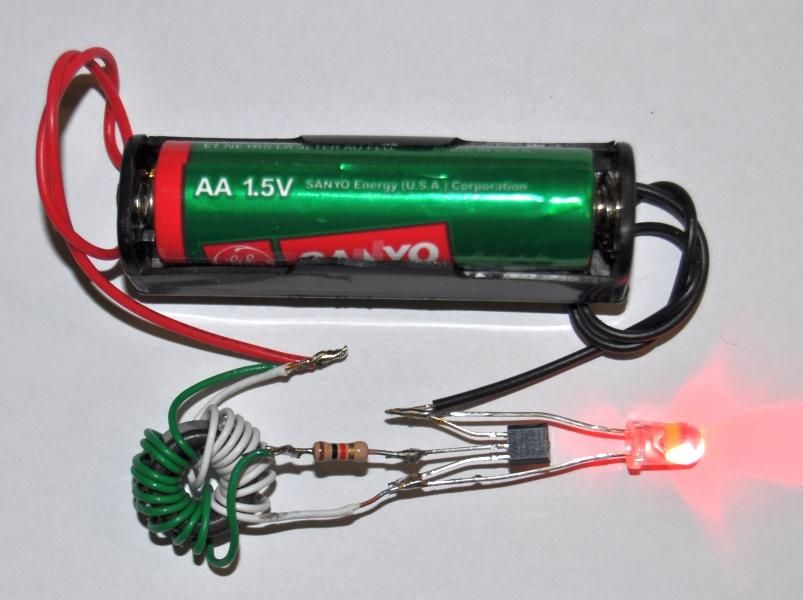
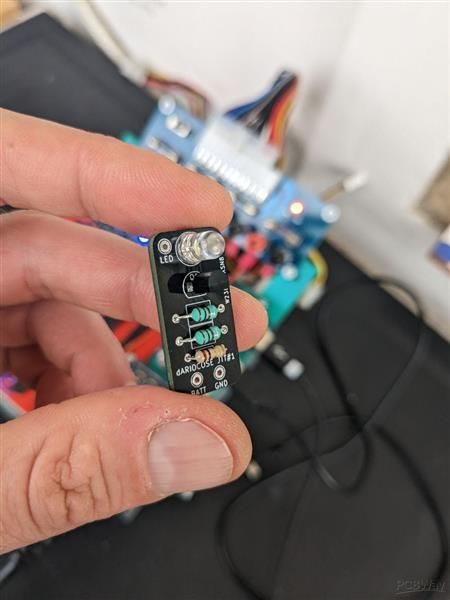
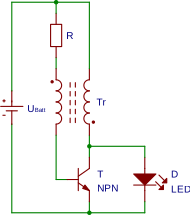
The first candidate in our challenge is the legendary Joule Thief, a very elegant DC-DC converter that works like a magic pump for electricity.
It uses a transistor and an inductor to store energy in a magnetic field. When the transistor turns off, the field collapses and releases an intermittent voltage spike that can light up a 3V LED starting from less than 0.5V.
Usually, this circuit requires a hand-wound ferrite toroid. Since I am a lazy maker, I used two simple 100 µH axial inductors instead.
It works perfectly and takes just two minutes to build on a breadboard.
But the question naturally arises: is the simple Joule Thief truly the only solution to save the world from battery waste?
Downloads
The Cheap Commercial Alternative (ME2188 Module)
.png)
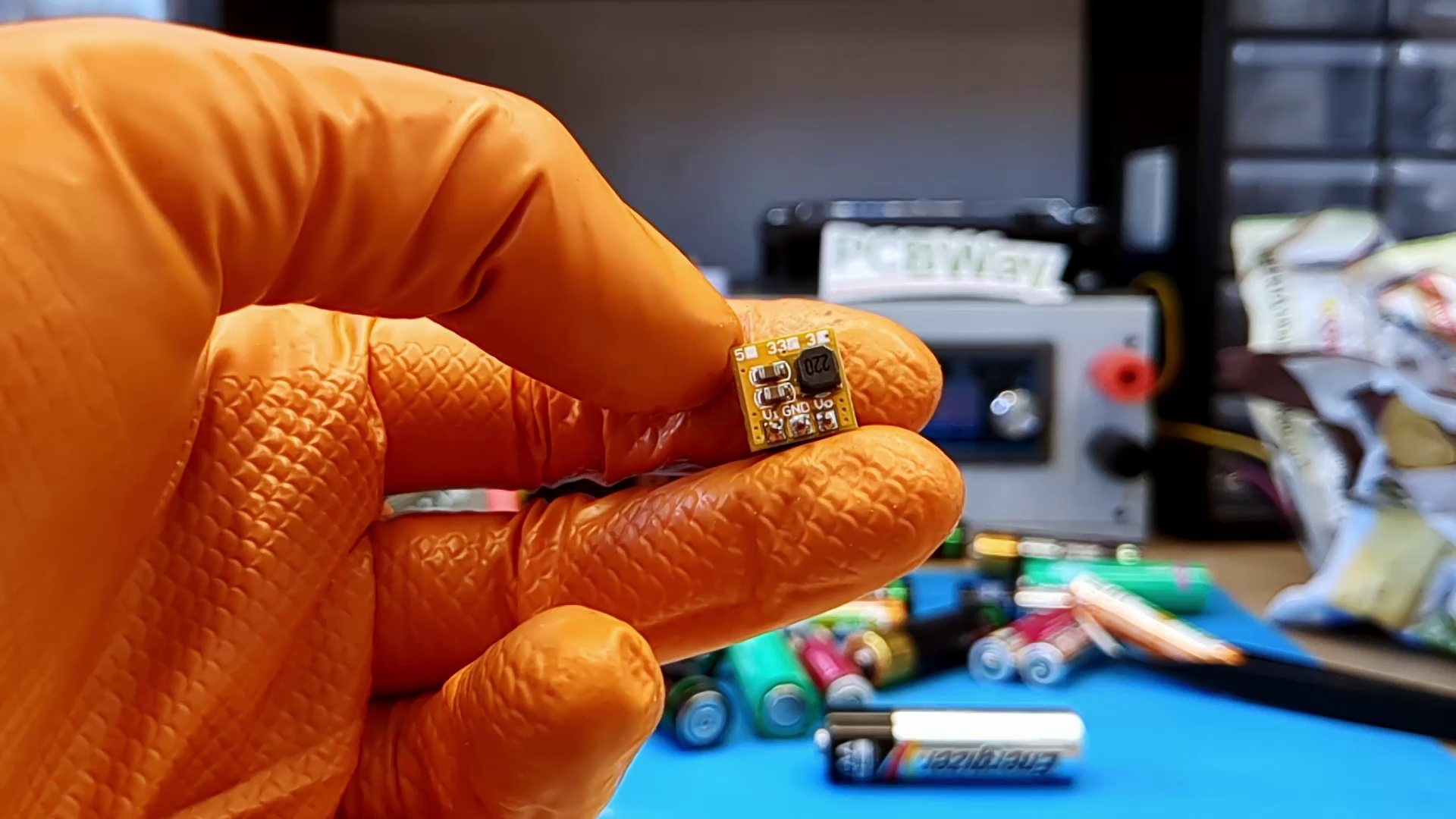
While browsing the usual Chinese e-commerce websites, I found a small, pre-assembled board that costs around two euros.
The datasheet for this module (based on the ME2188 IC) promises miracles: it claims it can deliver a 3-Volt output from a minimum input of just 0.7 Volts.
Since there isn't much documentation online, I decided to throw this commercial module blindly into the ring to see what happens!
Modern Step-Up ICs and Custom PCBs (MCP1640 & UM3429)
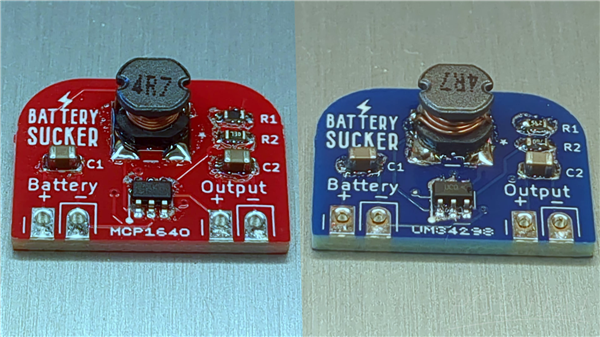
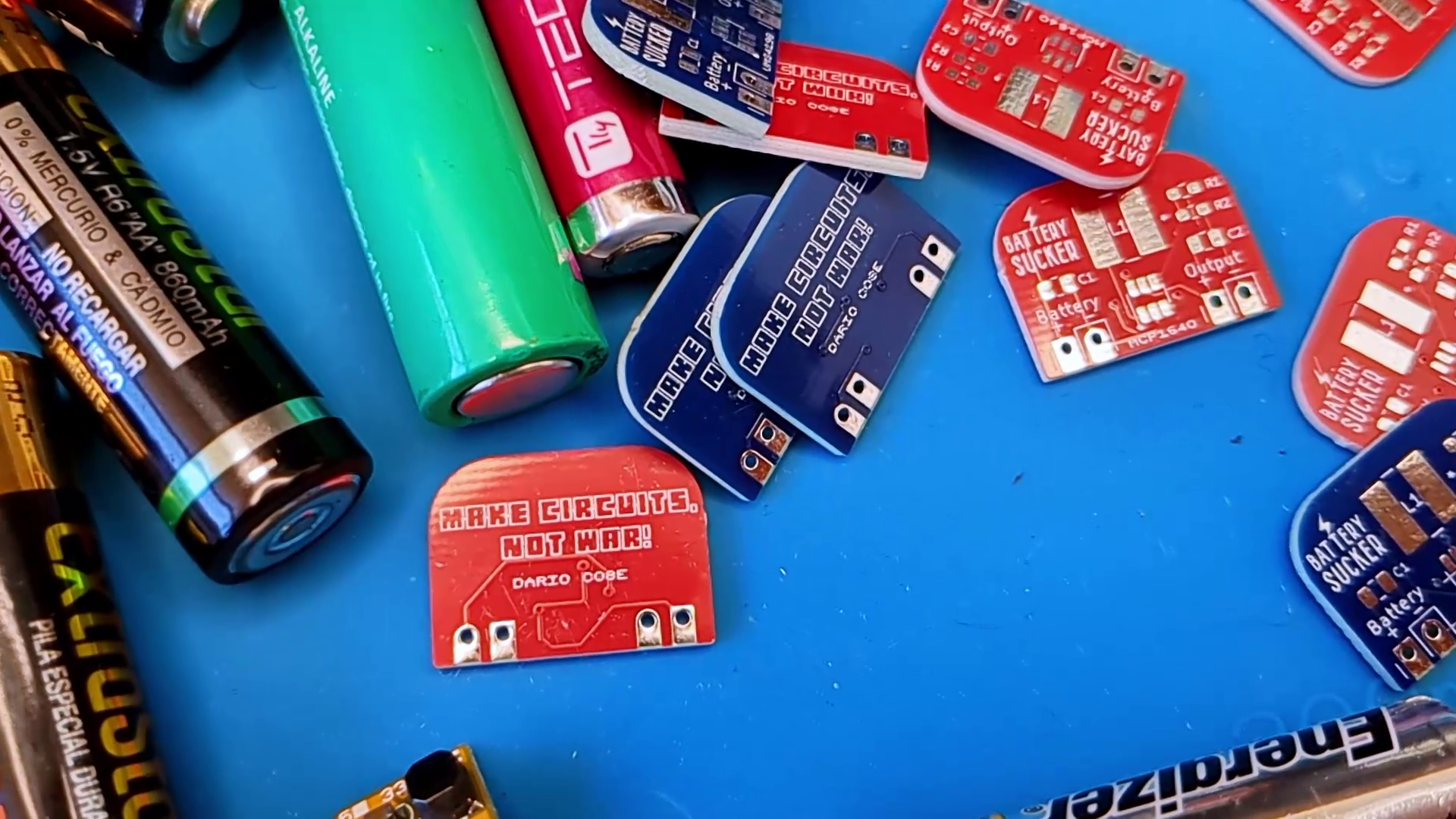
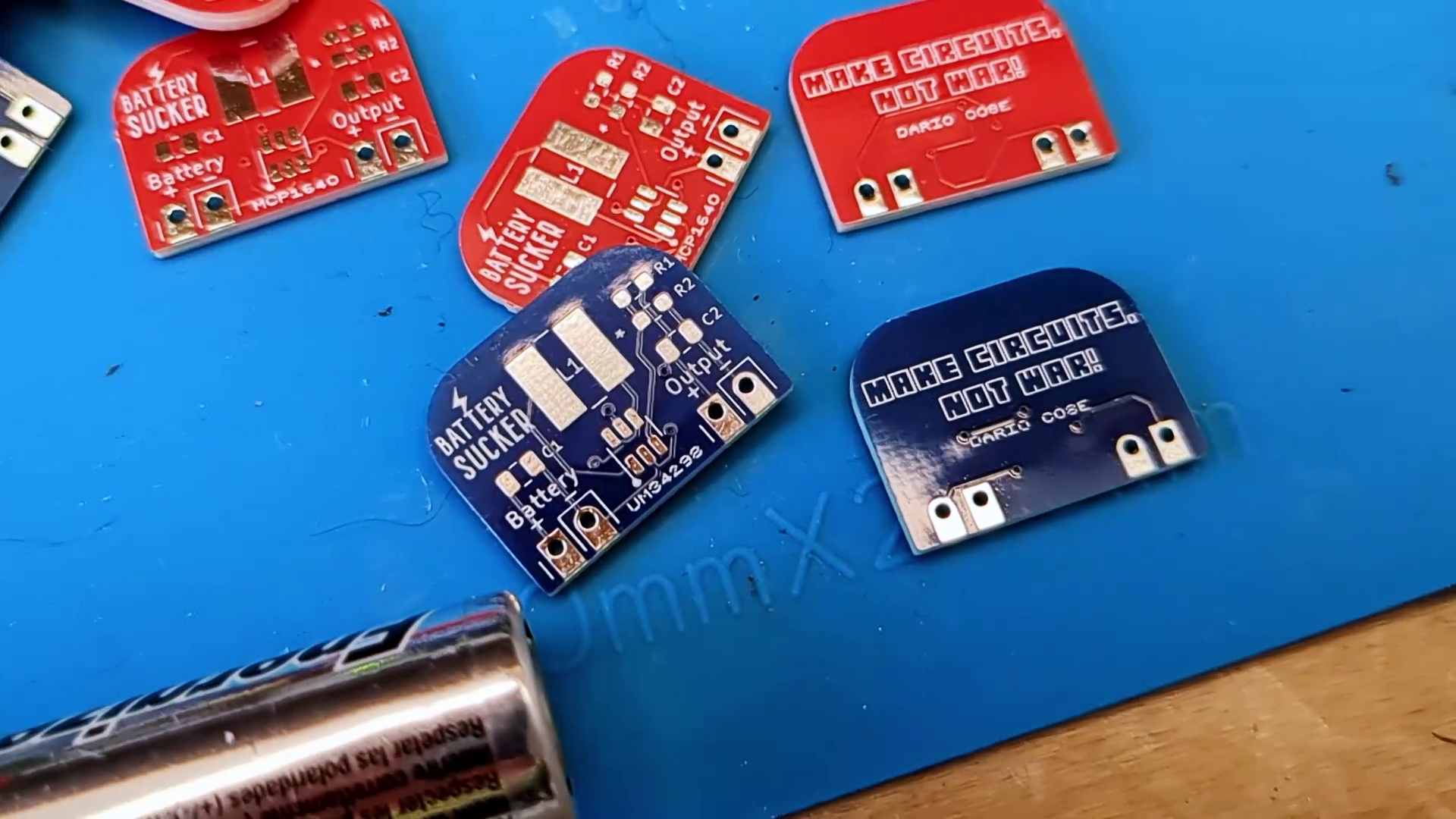

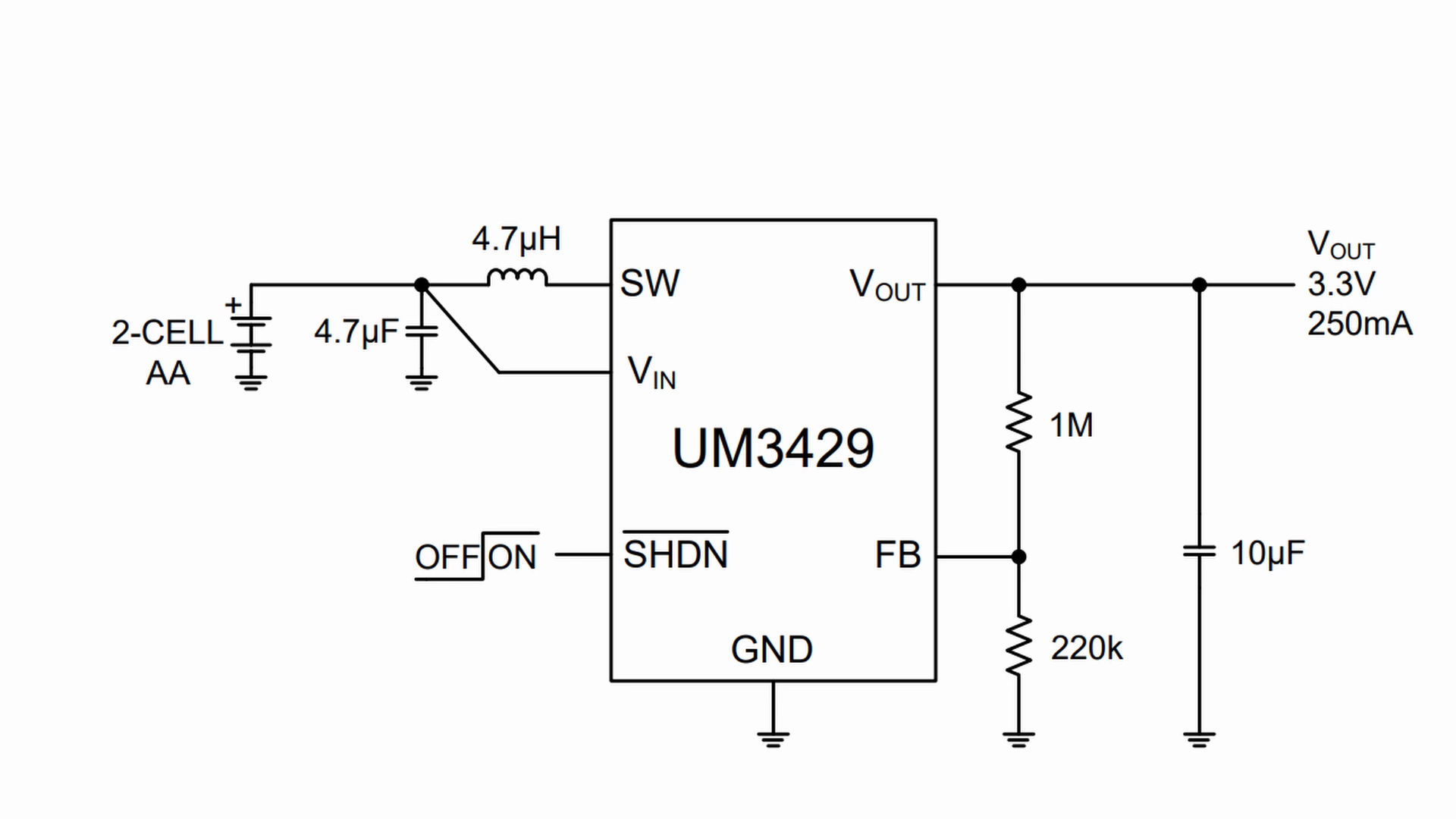
To get serious, I looked for dedicated, next-generation integrated circuits that cost less than one euro each.
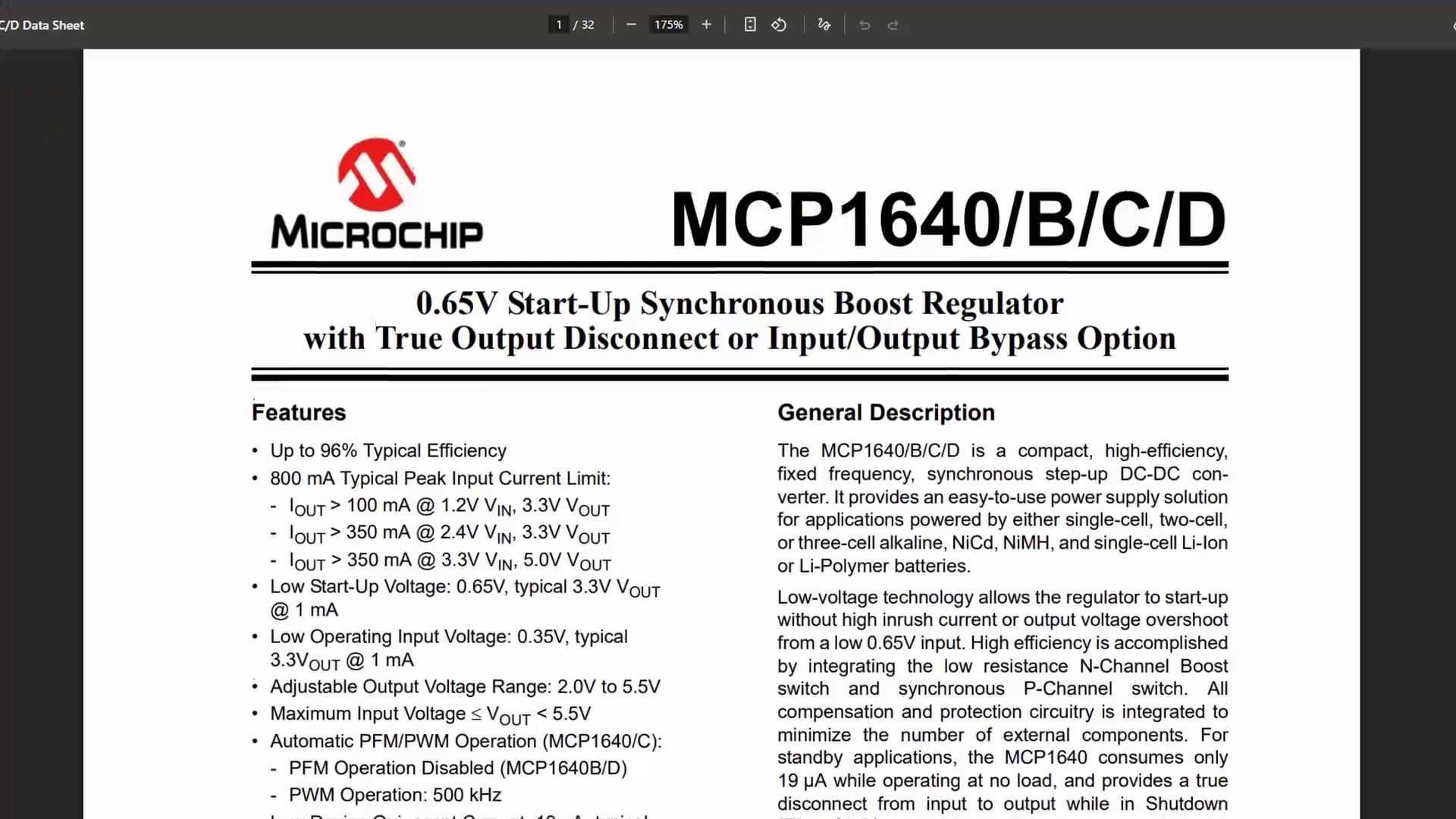
I selected two that looked very promising on paper: the MCP1640 from Microchip and the UM3429 from Union Semiconductor.
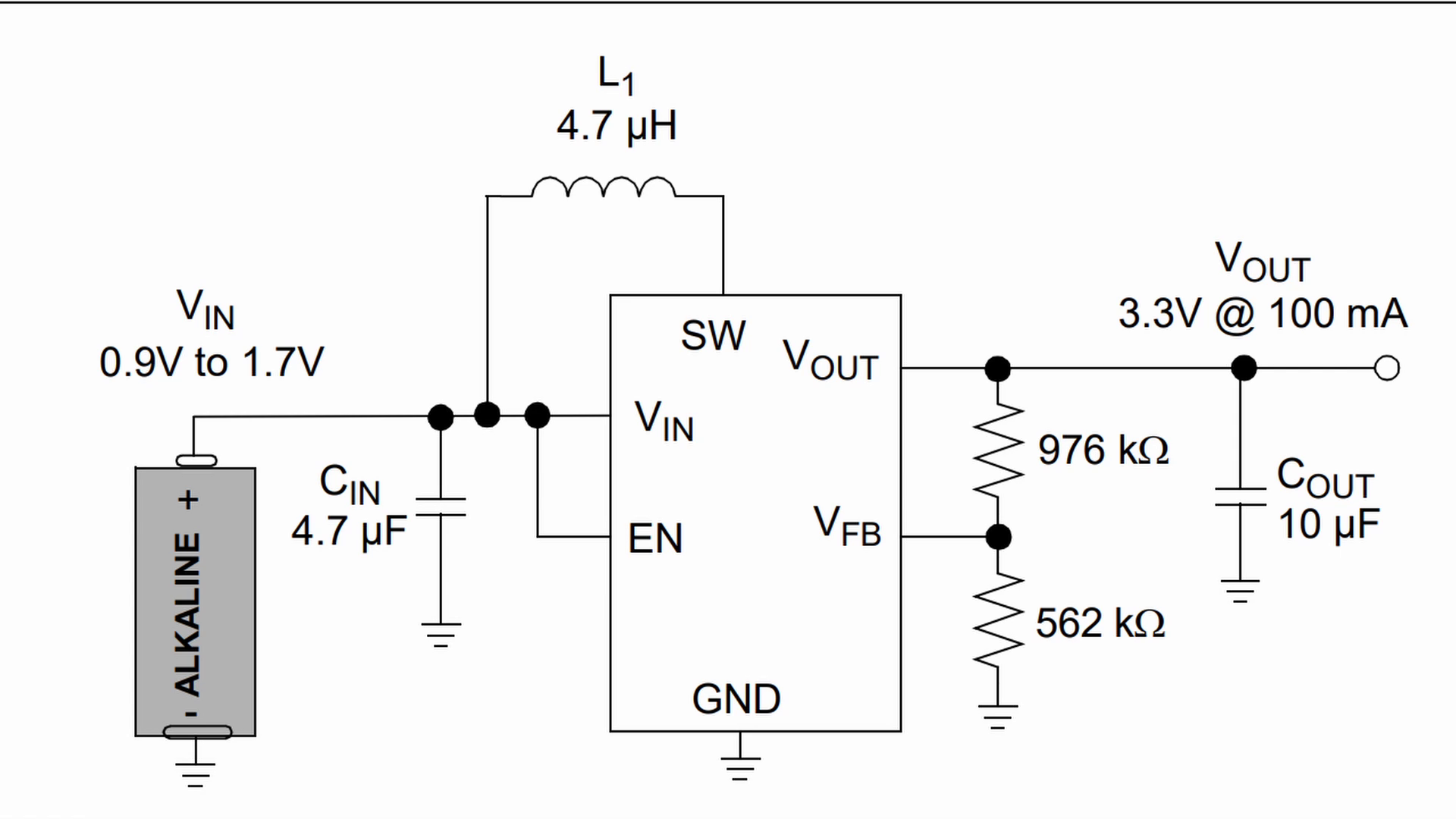
Since no ready-made modules exist on the market for these chips, I took the circuits suggested by their respective datasheets, added the necessary peripheral components, and designed two custom PCBs on KiCad.
The boards were manufactured by my sponsor PCBWay, and I assembled them in the lab using a mini hot plate to solder the SMD components.
Meet the Contenders
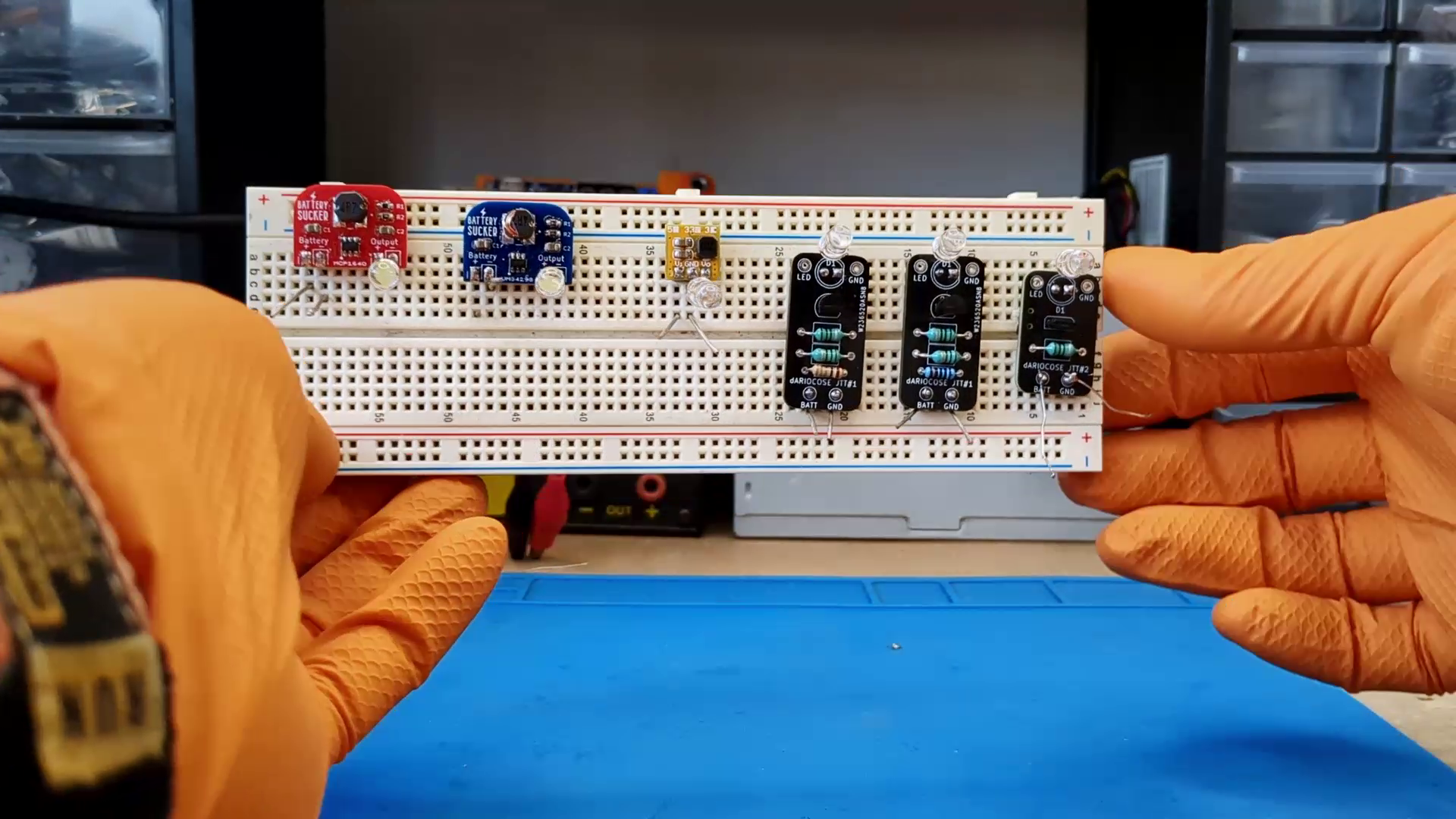
Before we begin the official tests, let's recap the contenders competing for the title of the ultimate "Battery Sucker":
- QX5252: The minimalist chip salvaged from solar garden lights (just 2 components: IC + inductor).
- Joule Thief (1 kΩ Version): Classic circuit using axial inductors and a 1000 Ohm base resistor.
- Joule Thief (1 Ω Version): Identical to the previous one, but with an aggressive 1 Ohm resistor.
- ME2188 Chinese Module: The budget-friendly plug-and-play board.
- UM3429 Custom Board: A modern, sophisticated chip on a dedicated PCB.
- MCP1640 Custom Board: Another modern, sophisticated chip on a dedicated PCB.
Lab Testing – Startup Vs. Cut-off Voltage
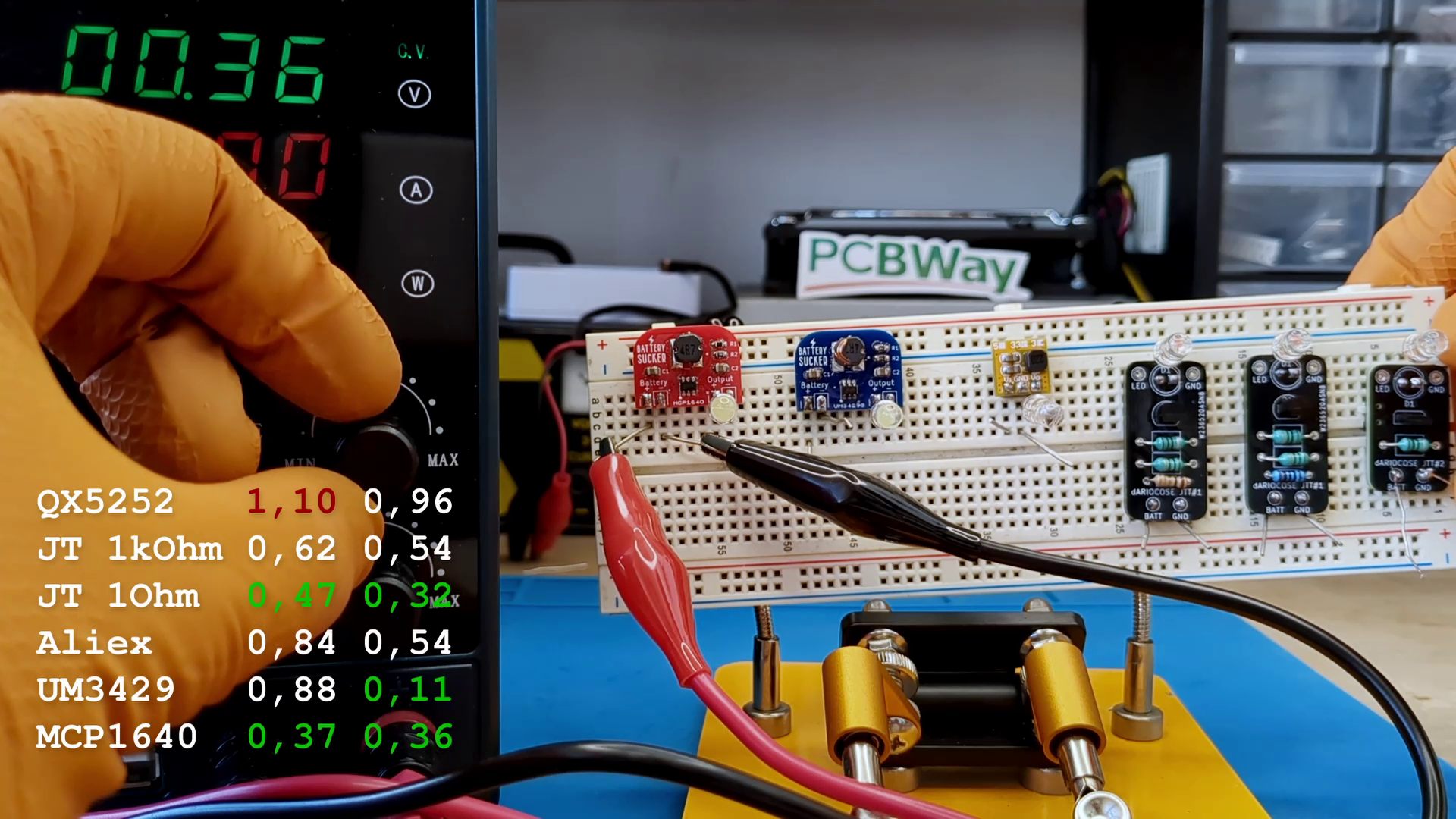
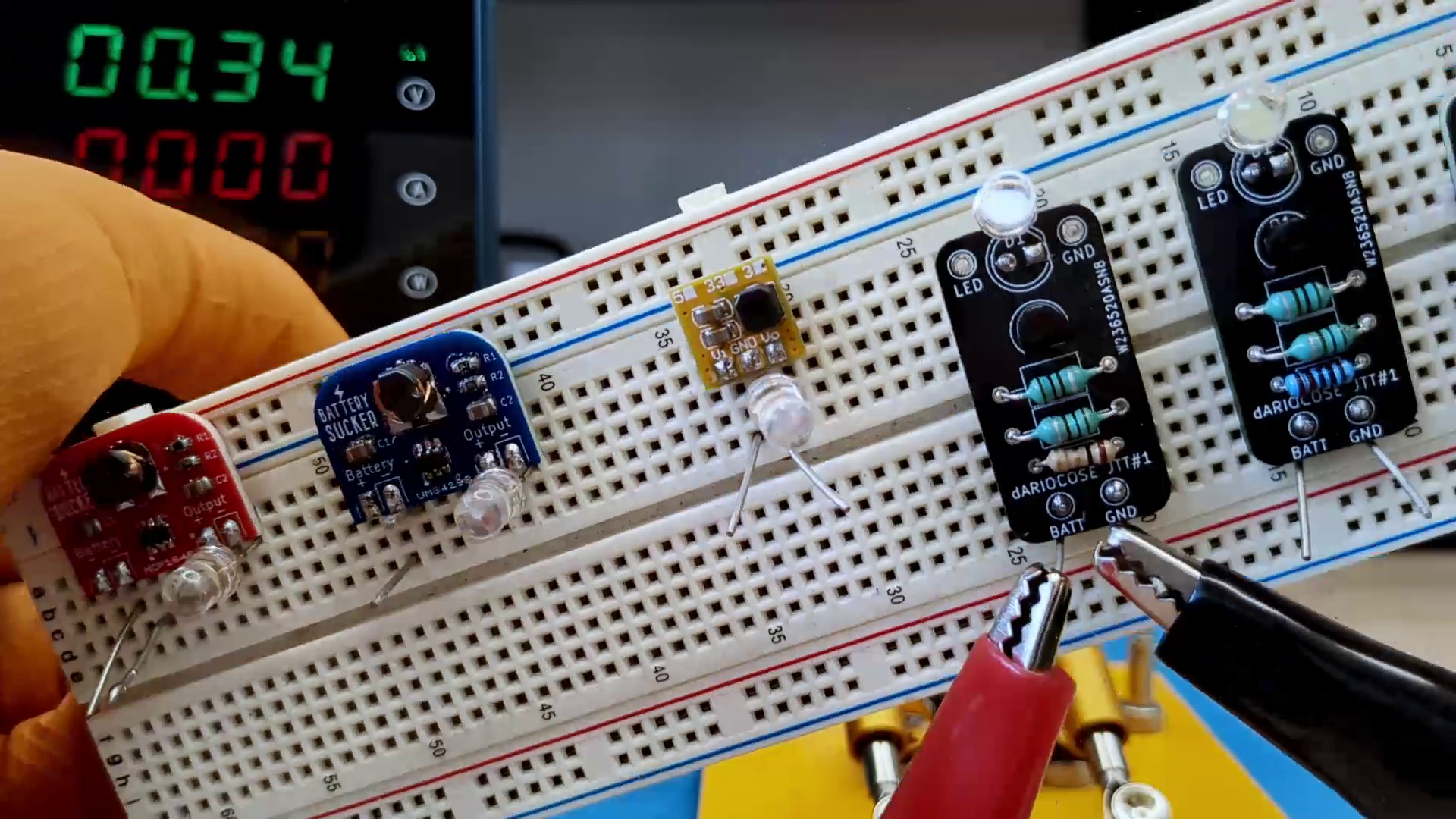
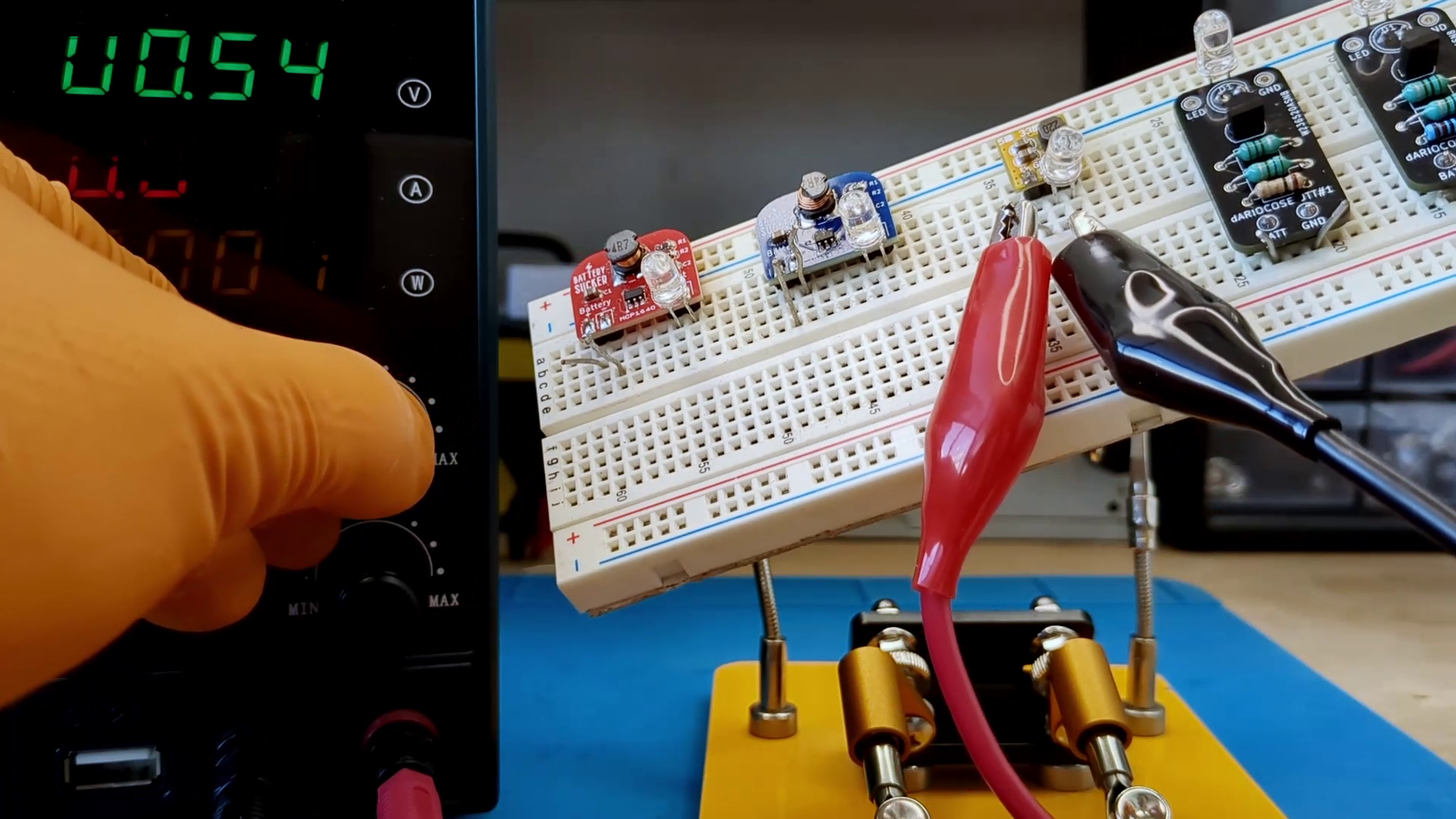
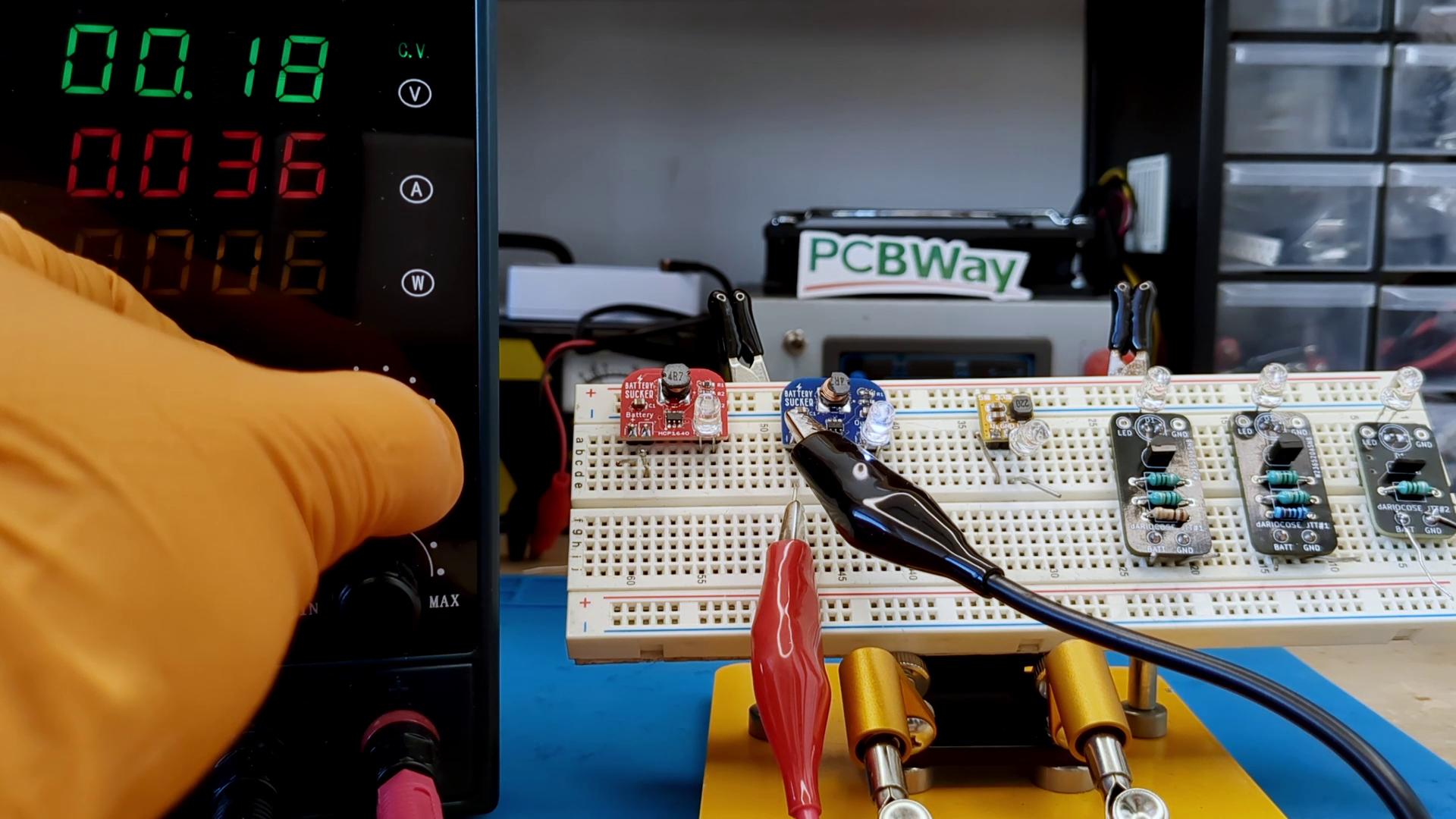
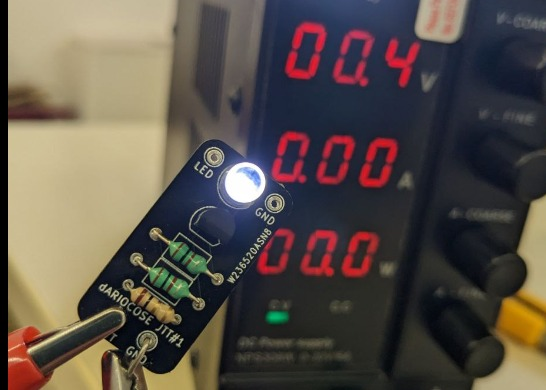
The first test is purely theoretical. I connected each circuit to a programmable bench power supply to measure the startup voltage and the voltage right before its final breath, the cut-off voltage.
Here is the data collected on the bench:
Circuit // Startup Voltage // Cut-off Voltage
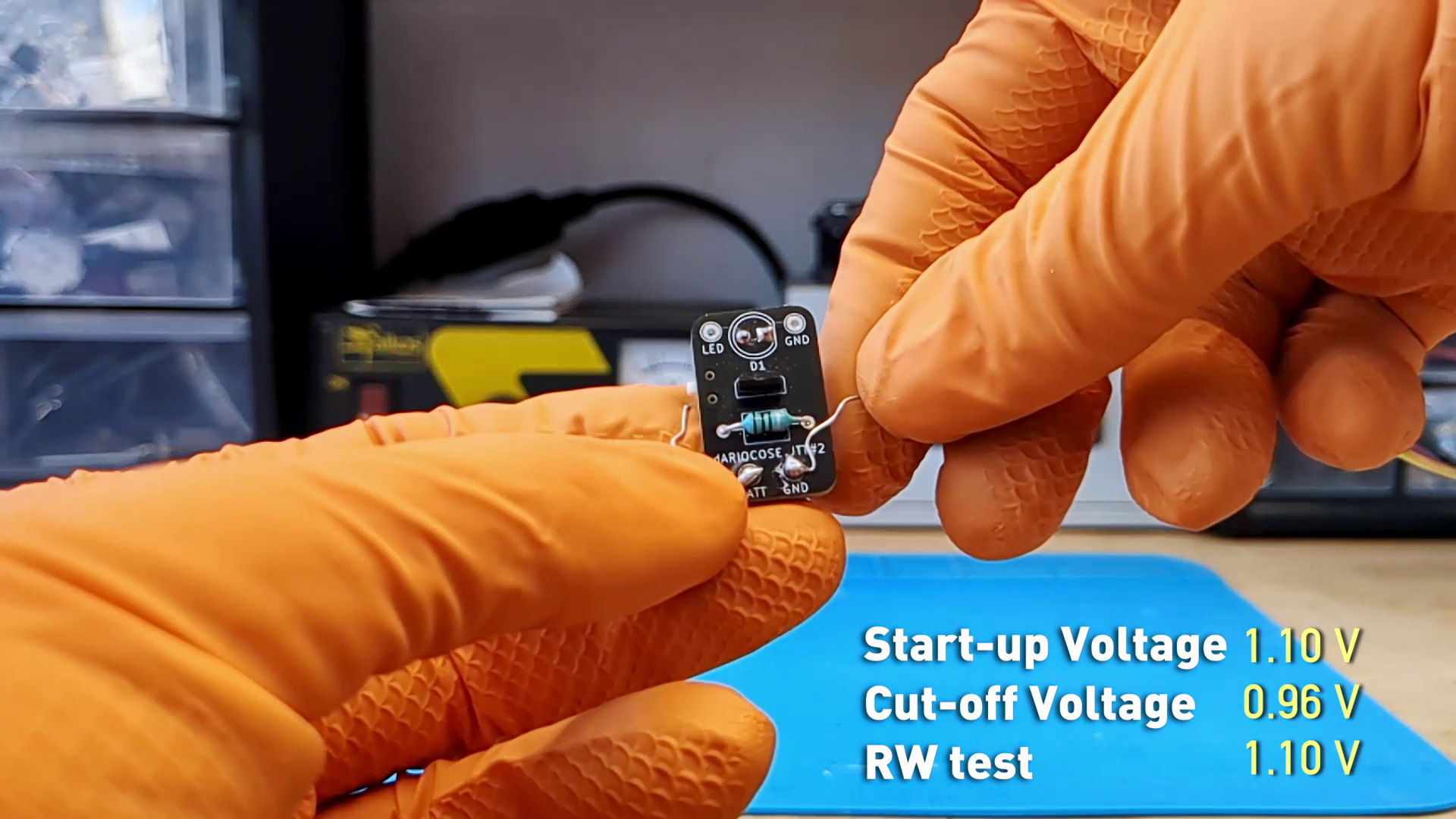
QX 5252 // 1.10 V // 0.96 V
Joule Thief (1 kΩ) // 0.62 V // 0.54 V
Joule Thief (1 Ω) // 0.47 V // 0.32 V
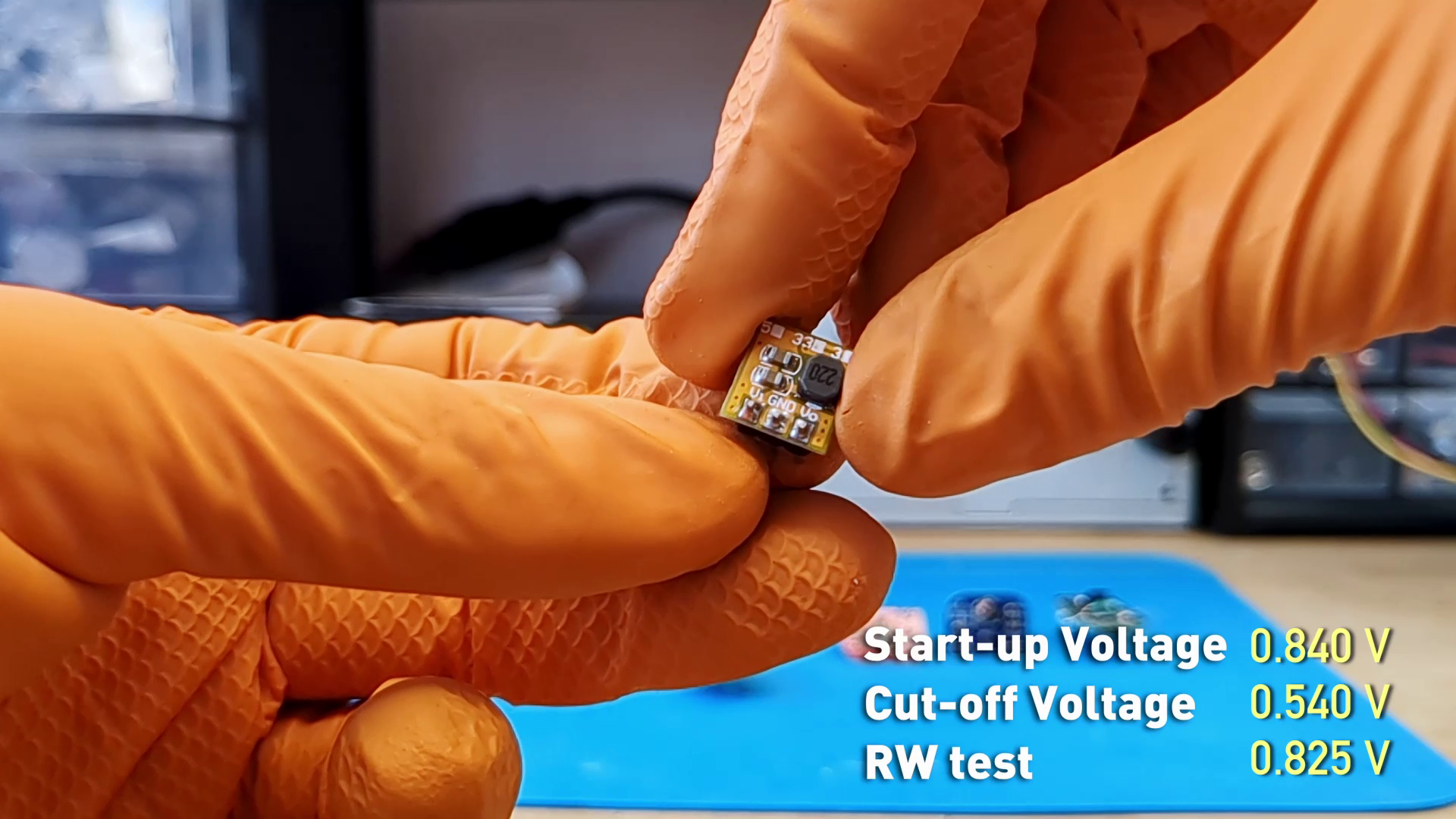
Modulo ME2188 // 0.84 V // 0.54 V
UM3429 // 0.88 V // 0.11 V
MCP1640 // 0.37 V // 0.36 V
The modern chips completely crushed the competition in the lab: the UM3429 stayed on down to an incredible threshold of 0.11 Volts!
The Efficiency Test Failure (Pulses Vs. DC-DC Converters)

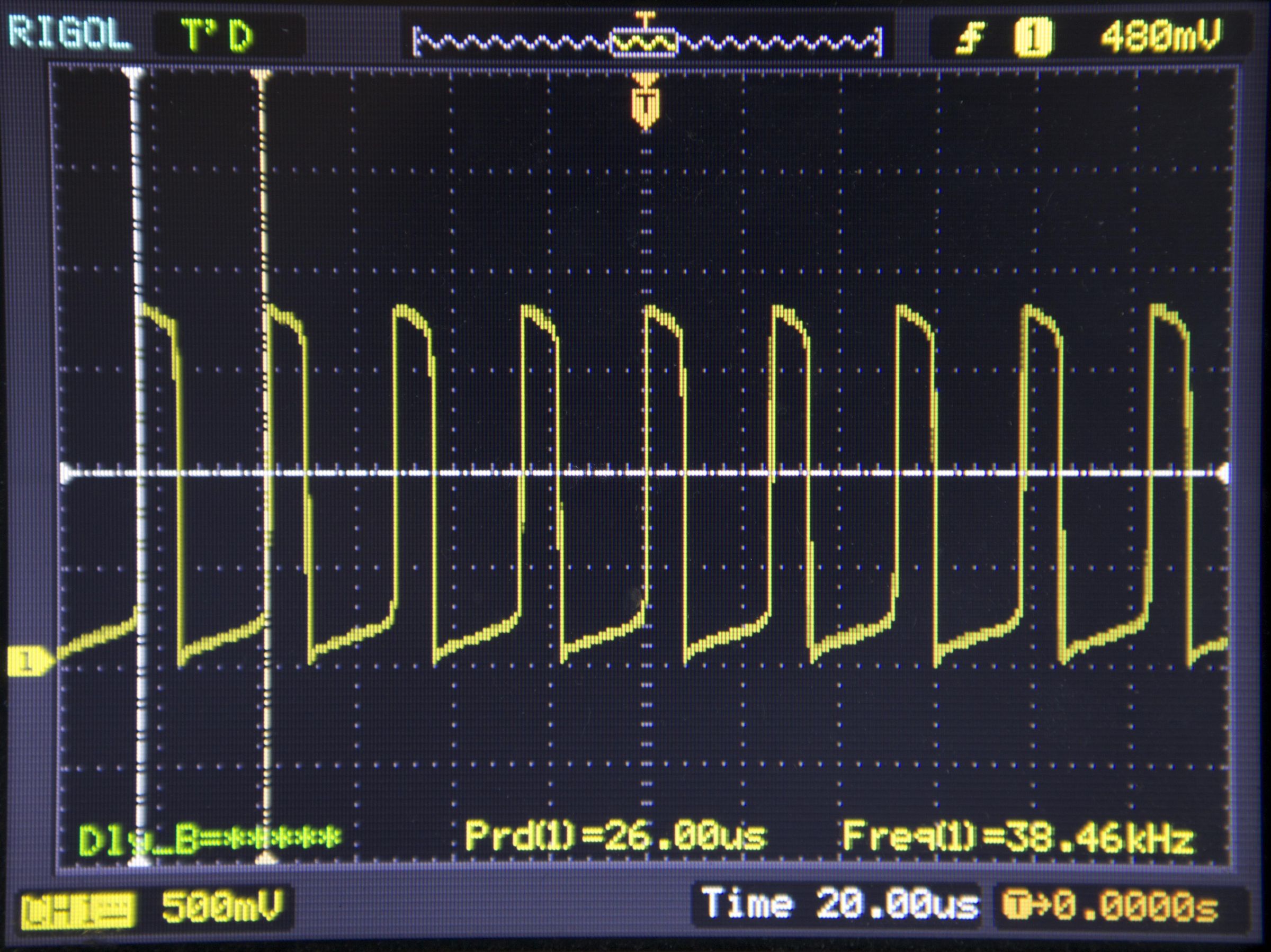
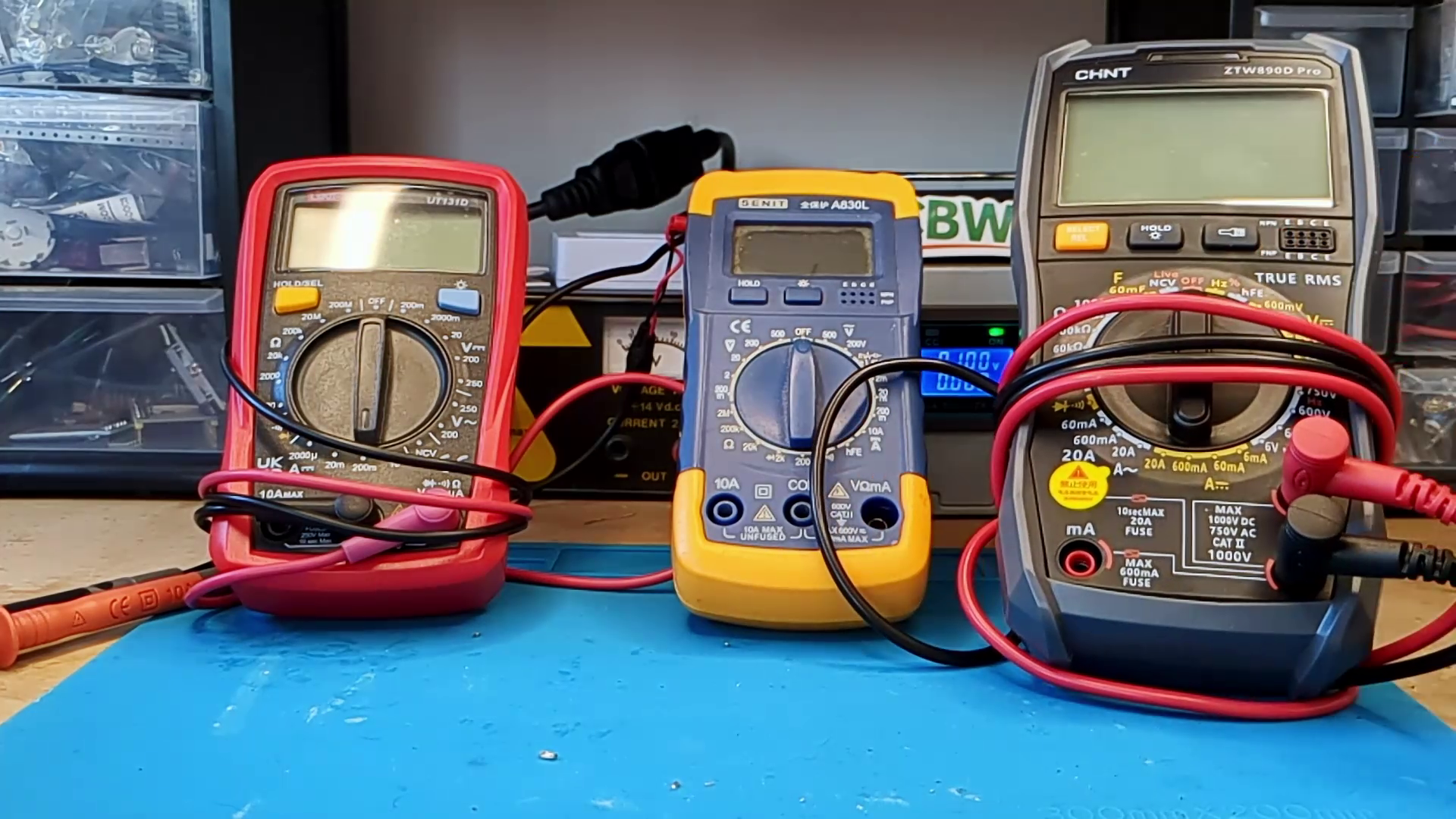
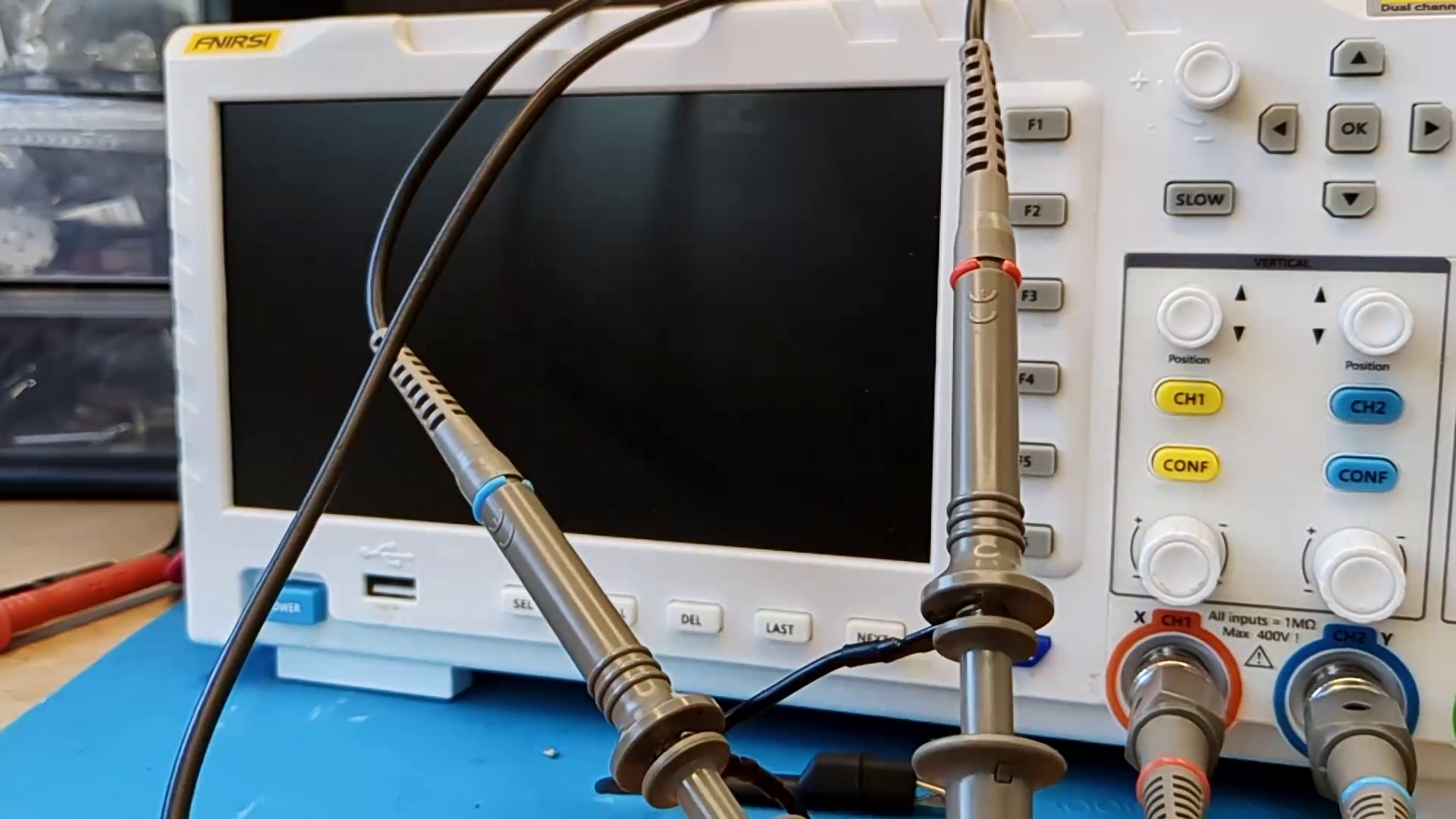
At this point, I wanted to calculate the exact power efficiency percentage of the circuits.
I spent weeks taking measurements with an oscilloscope and INA3221 sensors, but I had to accept a total failure: my equipment was not professional enough.
The reason is purely engineering-related.
The ME2188, MCP1640, and UM3429 are true regulated DC-DC converters that stabilize the flow into a clean and continuous 3V line.
The Joule Thief and the QX5252, on the other hand, are pulsed circuits.
They do not generate a continuous current, but fire asymmetric, high-frequency bursts that trick standard multimeters. To read them properly, you would either need a much more powerful oscilloscope than mine or a specific tool like the Nordic PPK2...
Real-World Testing – the Internal Resistance Trap
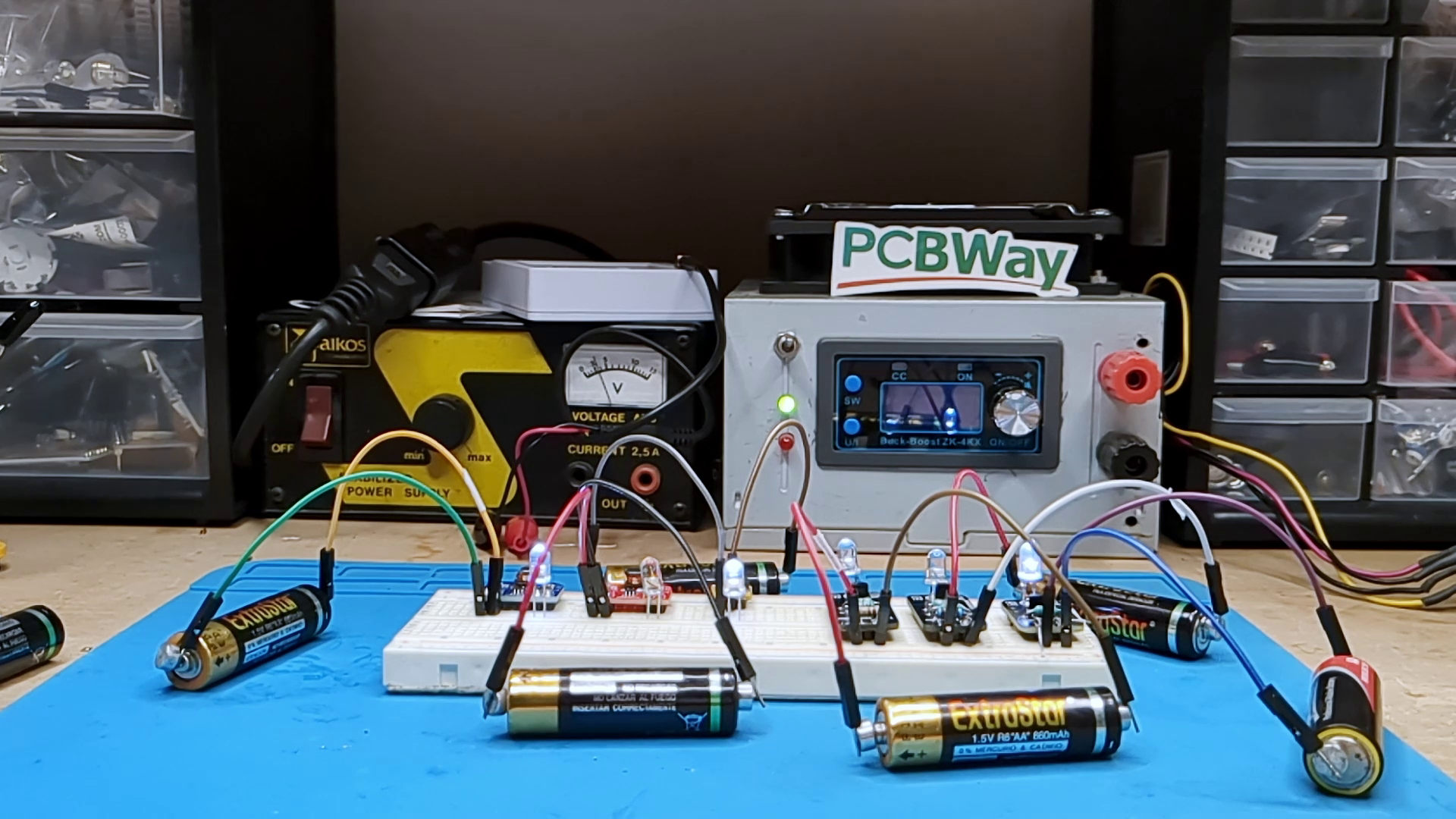
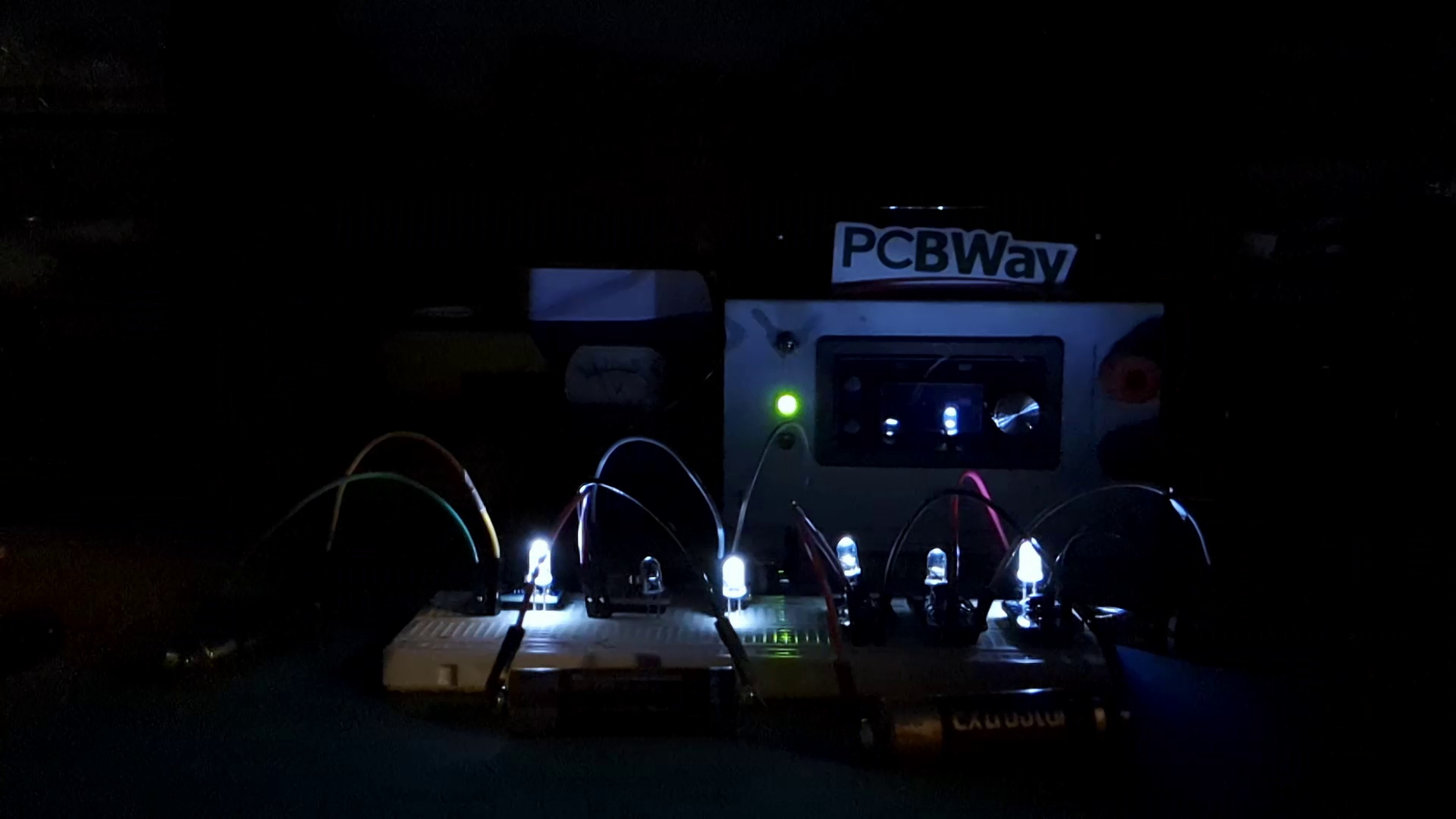
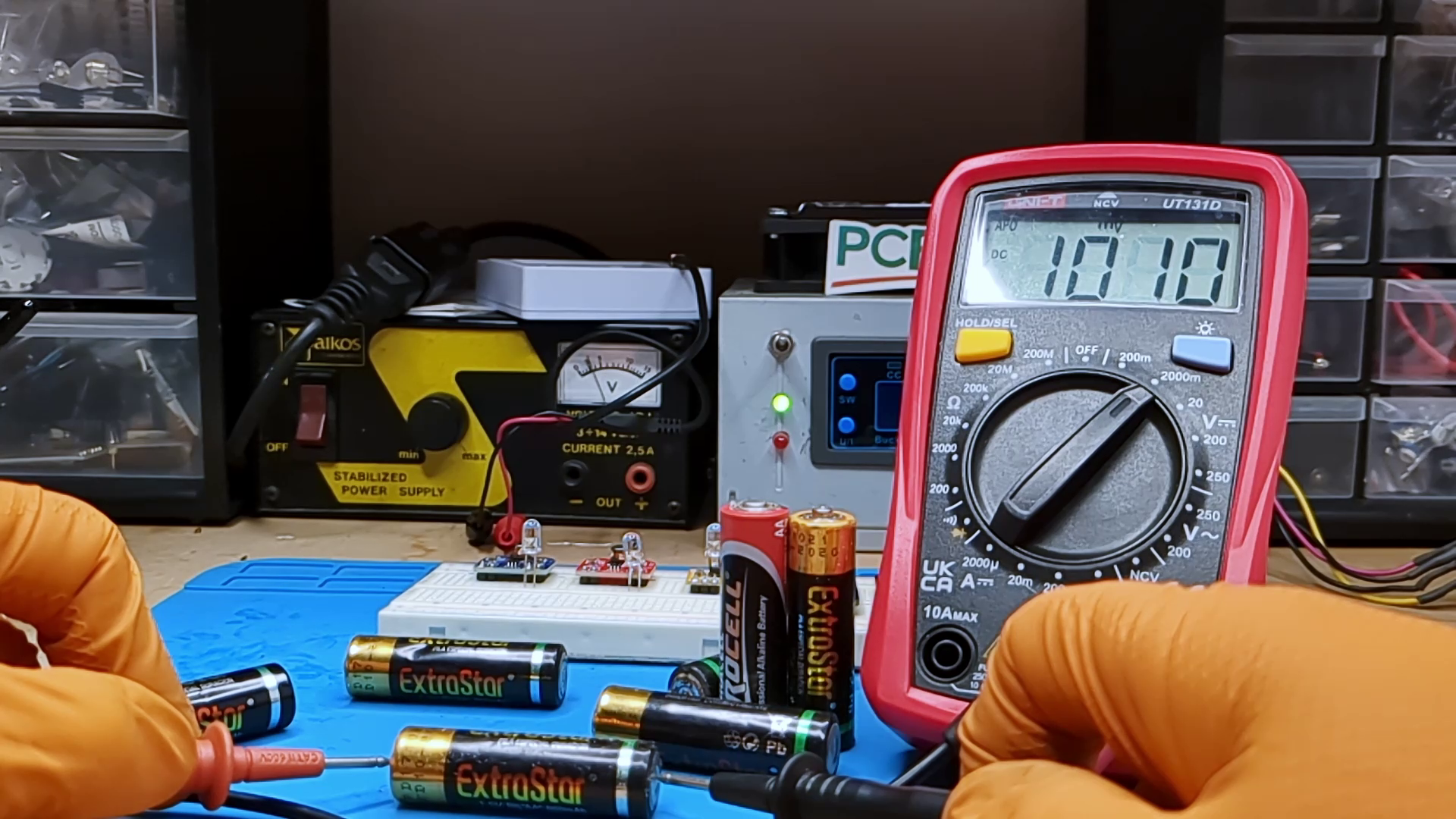
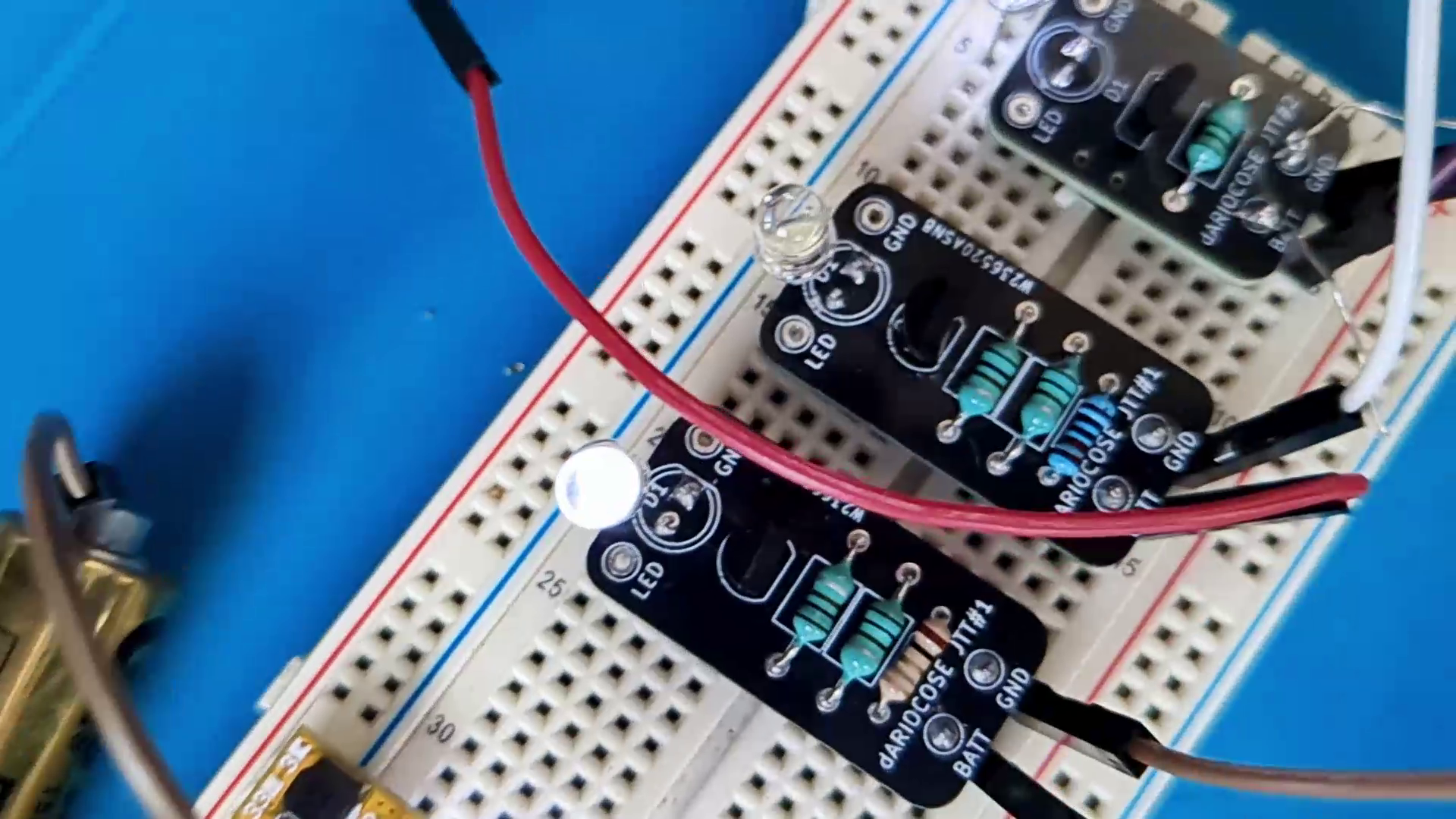
I isolated a group of 5-year-old AA batteries, all stable at around 1 Volt of residual voltage, and connected all the circuits simultaneously using small magnets and jumper wires. I turned off the lab lights and waited.
After just 24 hours, the real-world verdict completely flipped the lab tests: the MCP1640, the UM3429, and the 1 kΩ Joule Thief were already off!
Why did modern technology fail?
The answer lies in the internal resistance of the degraded batteries.
A bench power supply provides virtually infinite energy, but an old battery has huge internal resistance. When sophisticated chips (like the MCP and UM) see the voltage drop, they are forced to demand more current from the battery to keep the LED at a constant maximum brightness. This effort causes an instant voltage drop under load; the chips read this drop as an 'emergency' and shut down for protection.
The 1 Ohm Joule Thief, on the other hand, is an 'ignorant' circuit.
It has no protections, doesn't demand current aggressively, and works in pulses. It simply takes whatever the battery can give, one spike at a time. This allows the chemistry of the exhausted cell to 'rest' between pulses, and therefore, keep the LED on for a much longer time.
Final Ranking and Verdicts
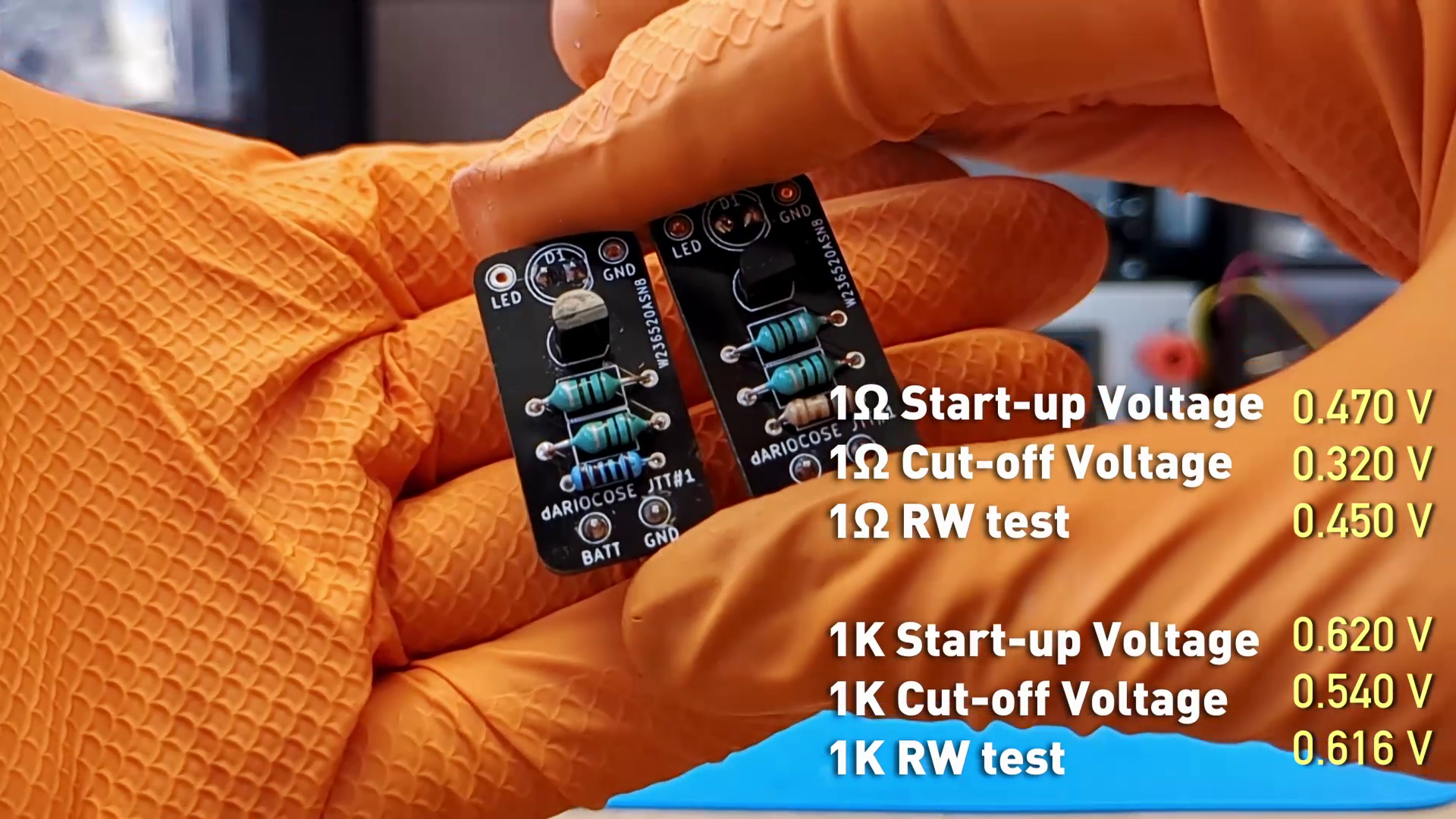
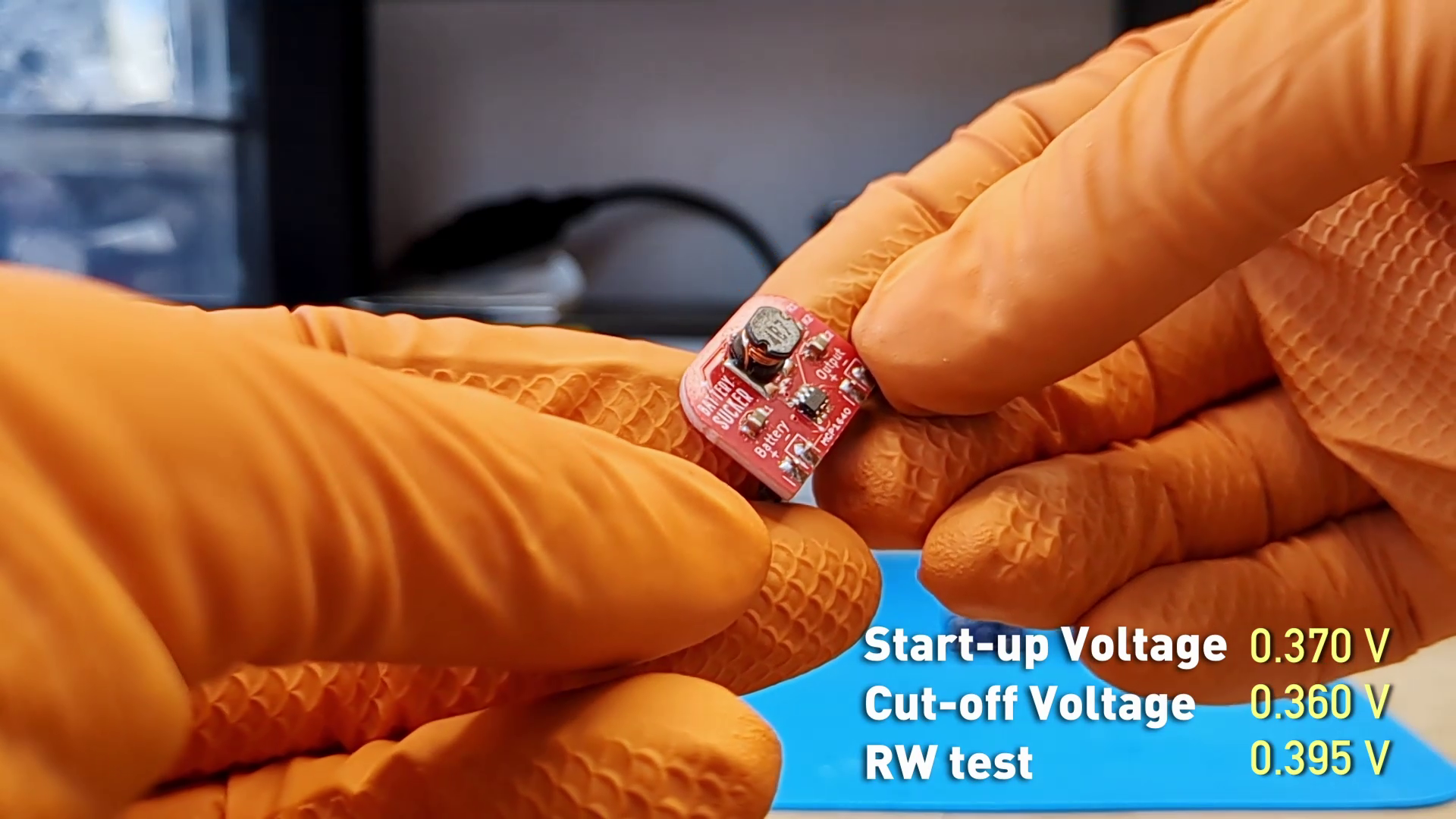
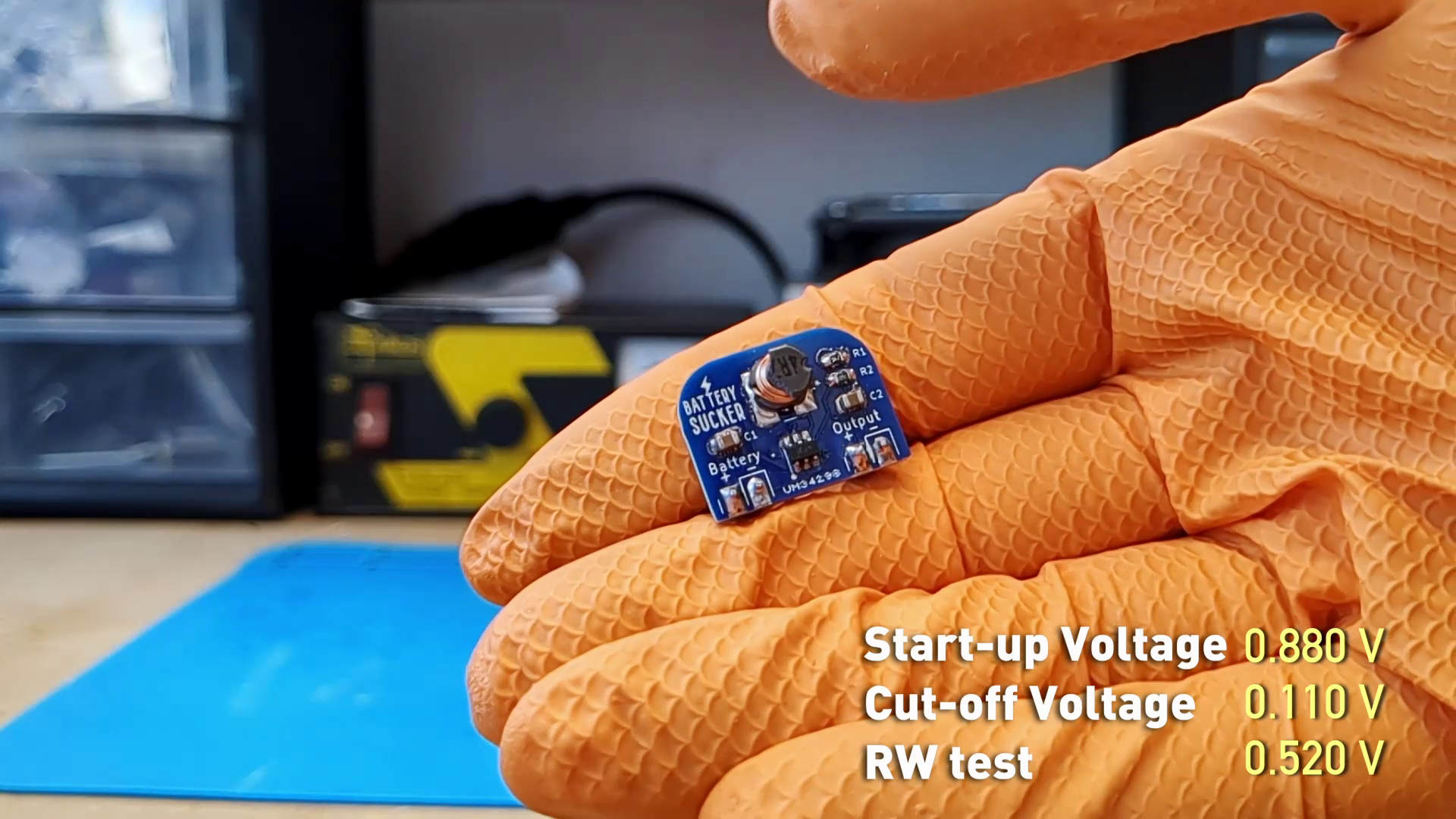
After a solid 5 days of continuous testing, even the last LED went out. Here is the definitive Battery Suckers ranking based on field data:
- 6th Place (The Worst) - QX5252: It died almost immediately, leaving the battery practically untouched. It remains useful only for its incredible simplicity (2 components) or for making very basic solar garden lights.
- 5th Place - Joule Thief (1 kΩ): The resistor value was too high, limiting its extraction capability under load.
- 4th Place - ME2188 Chinese Module: It held up decently for a little over 24 hours, but it stopped at 0.825V instead of the 0.7V I was hoping for...
- 3rd Place - UM3429: Amazing in the lab (0.11V), but betrayed by real battery chemistry (cut-off at 0.52V).
- 2nd Place - MCP1640: Confirmed as an excellent chip, milking the real cell down to 0.395V before giving up.
- 1st Place (The Winner) - Joule Thief (1 Ω): It completely dominated the experiment, staying on for 5 consecutive days and draining the cell down to a real 0.45V. The most basic engineering beat the modern chips!
What Next? Real-World Applications & Community Ideas
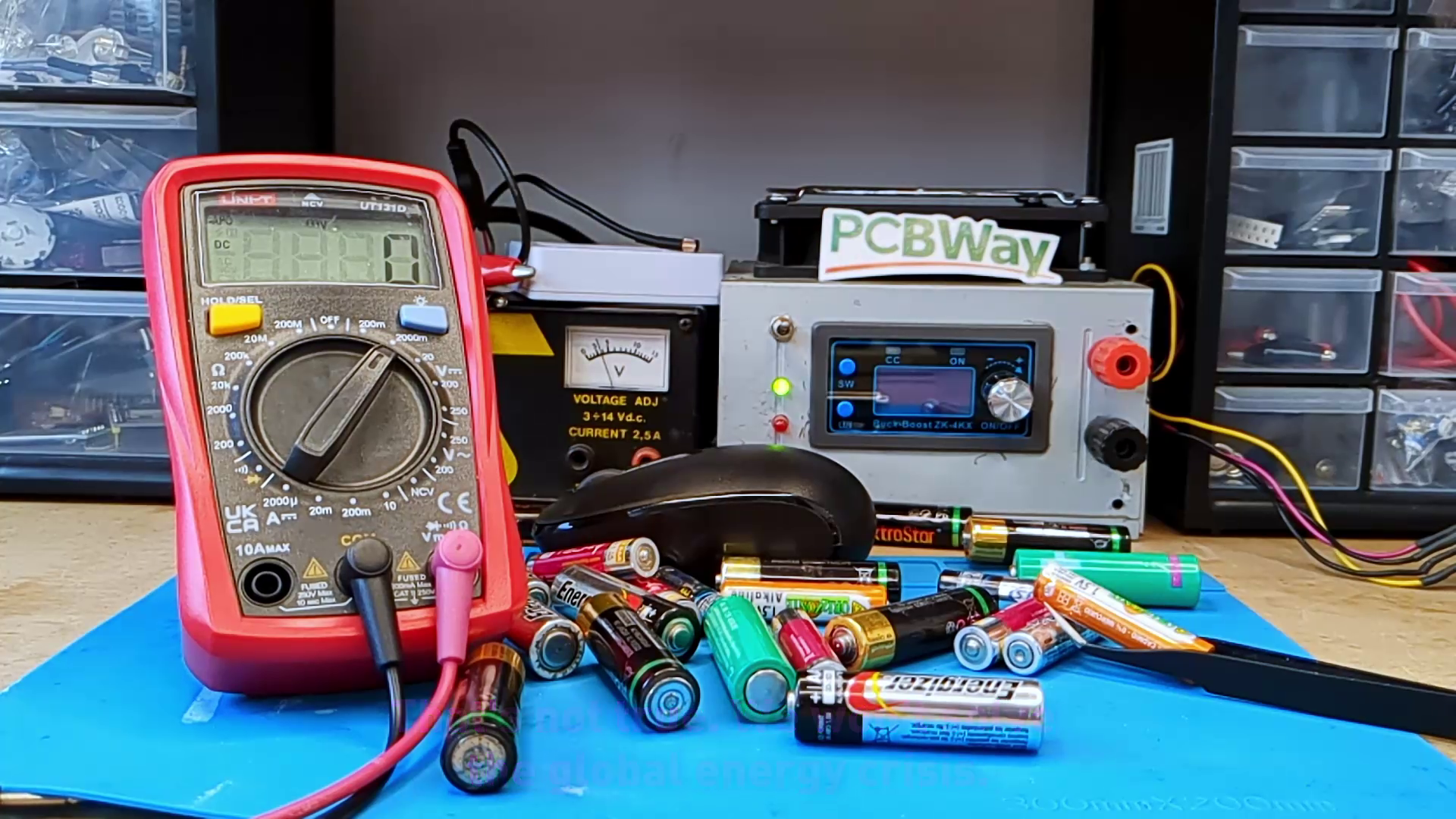
This experiment proved that with a handful of cheap components, and without driving yourself crazy winding copper wire by hand, we can bring tons of energy back to life that would otherwise end up in the trash. The custom PCBs I developed for the MCP1640 and UM3429 are completely open-source and free to download from my PCBWay store.
Now I turn it over to you, the Instructables community: what could we power in the real world with this scavenged energy? Do you have any practical applications in mind besides the classic emergency flashlights? Let me know in the comments, let's talk about it, and if the idea is good, it might just become the focus of my next video or article!
Experiment, experiment, experiment! See you next time!