How to Make a Powerful 3D Printed Vacuum Cleaner Using Harvested Motors, Hoses and Cables.!
by FairVacuum in Living > Cleaning
73 Views, 1 Favorites, 0 Comments
How to Make a Powerful 3D Printed Vacuum Cleaner Using Harvested Motors, Hoses and Cables.!
.jpg)
.jpg)
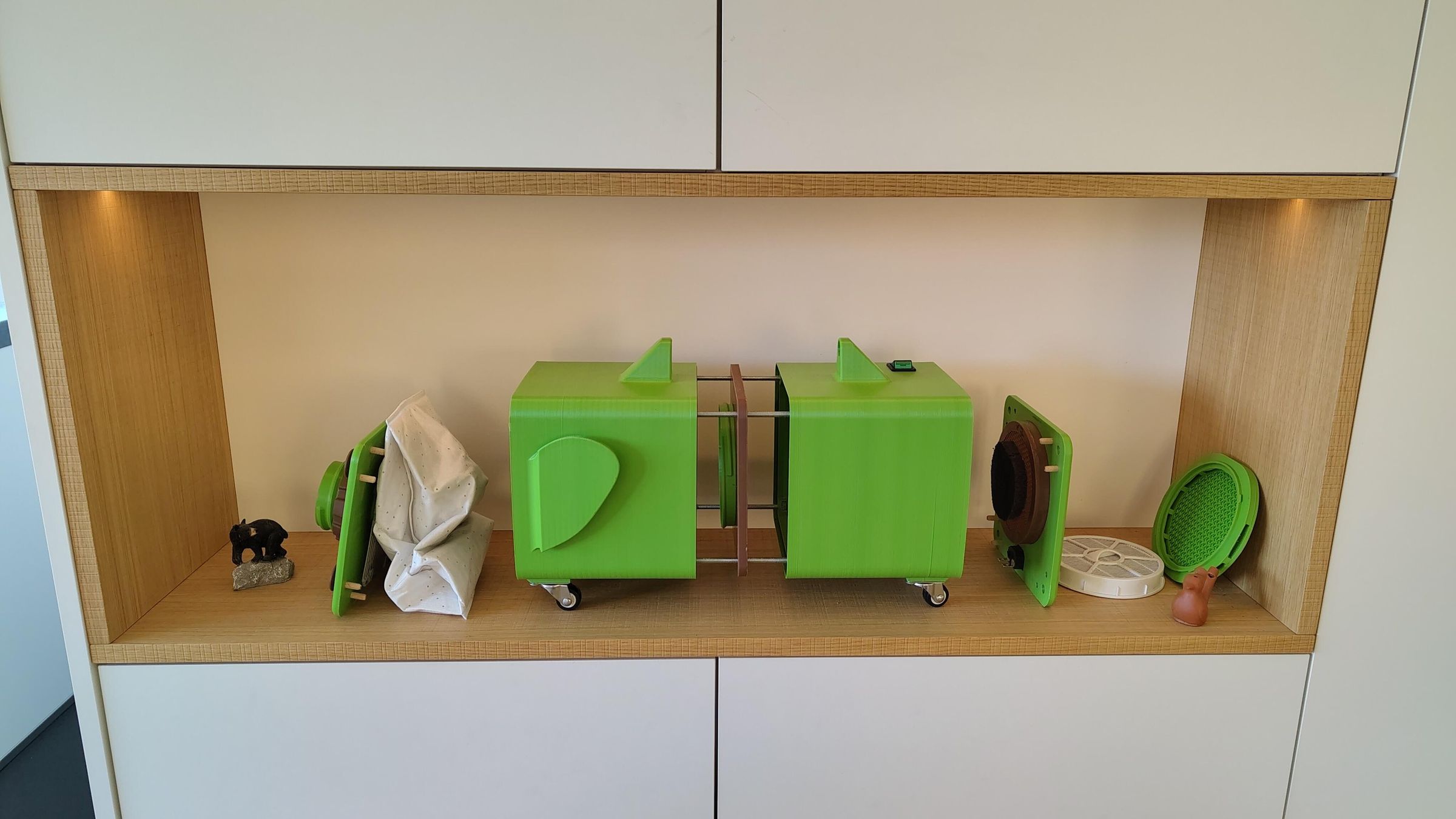
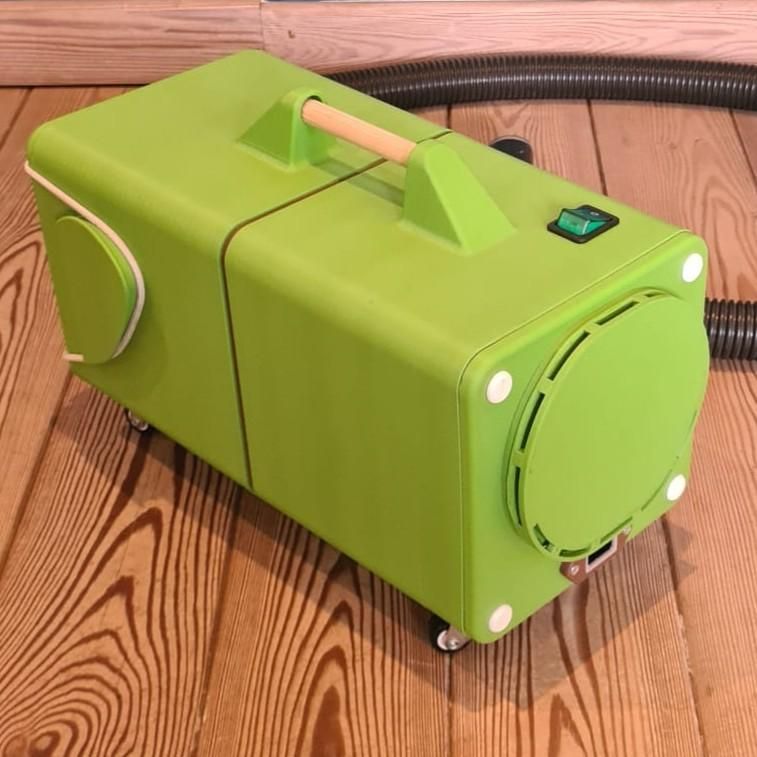
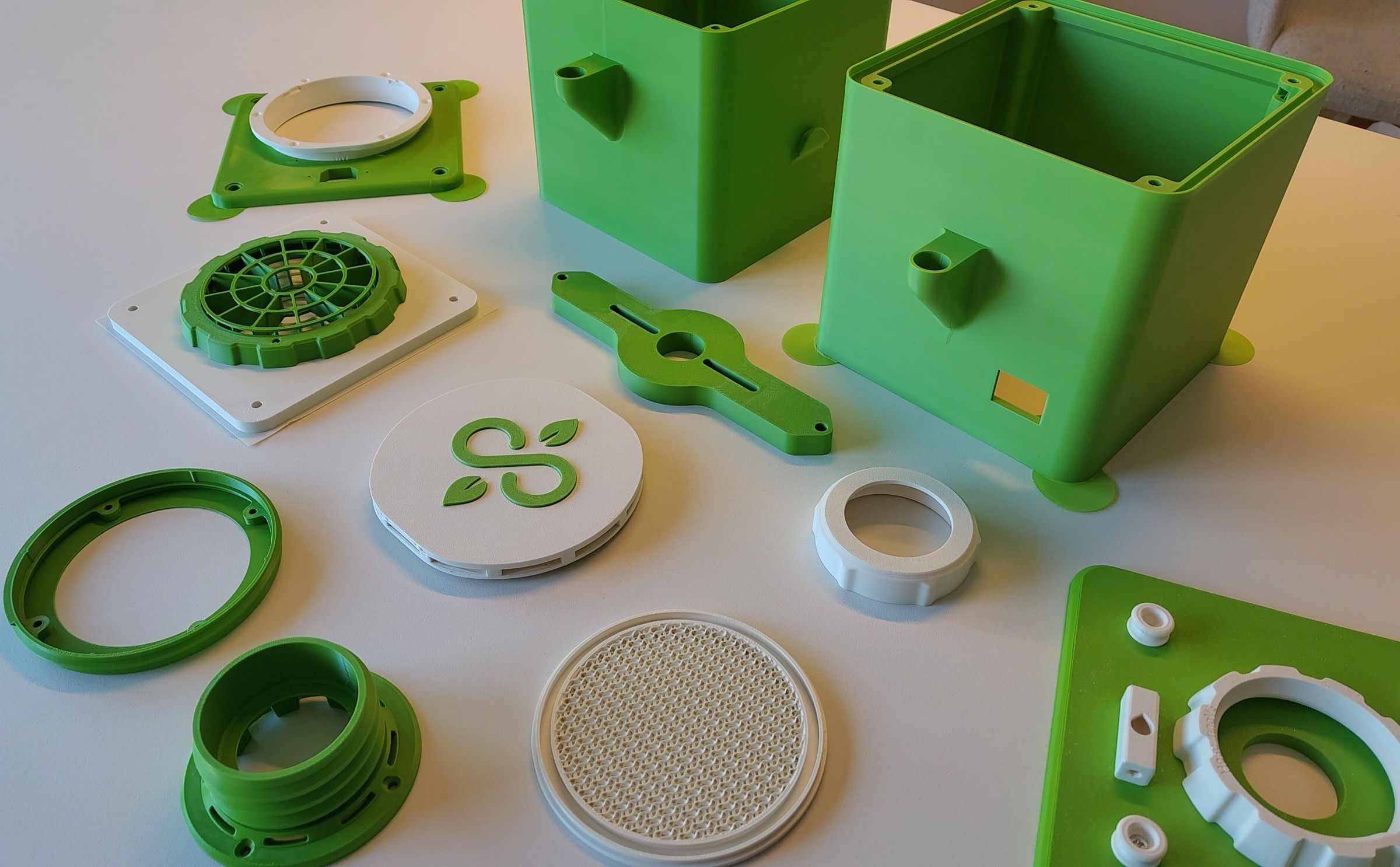
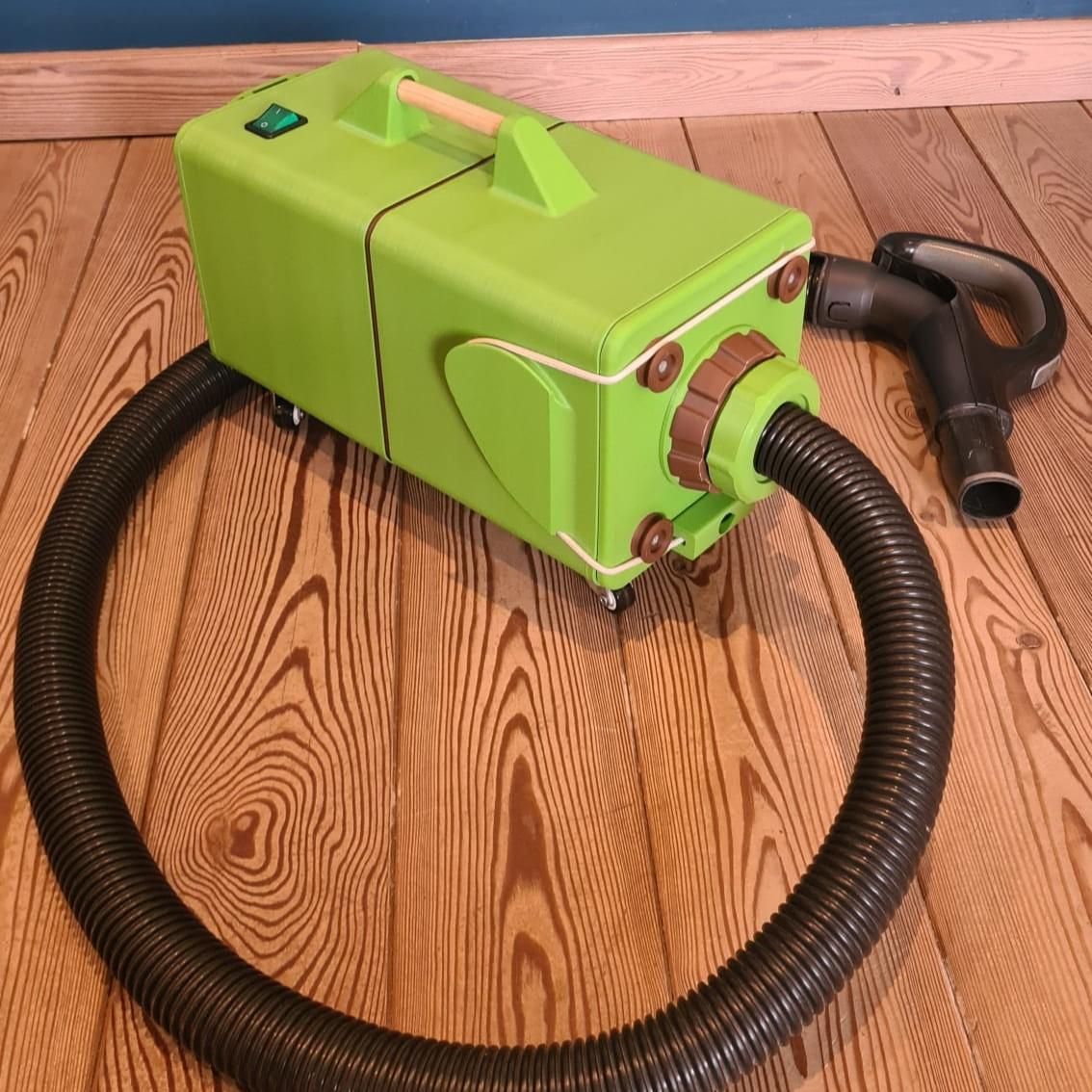
The FairVacuum.com Model1 is a powerfull household vacuum cleaner you can build, use and repair yourself. Its universal body can be completed with any motor, any hose and any electrical cable harvested out of discarded or broken vacuums. This fully 3D printed model1 is designed for makers & DIY enthusiasts.
This model harnesses the power of the maker community to reduce e-waste. More info can be found on our website: https://www.fairvacuum.com/
Three things you need to know.
1. Commercial Performance: it works great. It is simple and powerfull.
This is a fully working prototype that has been tested by a group of makers and early users in real household settings. It sucks great and can replace your commercial vacuum in terms of performance.
2. Geting all components:
- 3D Print Files: FairVacuum offers the 3D files (STL and STEP) for a small fee so we can continue to support this project. Get them from our webshop.
- Hardware: We will list all the needed additional hardware so you can buy them yourself. Additionally, and for easy of the building process, we offer and ship ready made hardware kits all over Europe. Get them from our webshop.
- Harvesting Vacuum Parts (Motor, Hose, Cable): You will need to find a discarded vacuum cleaner from which you can harvest the motor, cable and hose. At this point, we don not sell or include the following parts: 22OV AC Vacuum motor, hose-pole-brush, electrical cable. This is because the whole idea is to harnest the power of the maker community to reduce the big pile of e-waste that is current created from discarden household vacuum cleaners. So you must harvest these parts yourself. There are plenty of them everywhere if you start looking and asking around.
3. At your own risk:
We have made a safe device, but this is still a prototype and not CE-certified. By buidling, buying and using it, you acknowledge that you’re participating as a maker and long-term beta tester, taking full responsibility for safe assembly, use, and any modifications you make along the way.
4. Help us improve the Model1
If you make any modifications, upgrades, etc., that you would like to share with everyone, you can send your suggestion to makers@fairvacuum.com. Our team will review your work, and if it fits our vision and quality requirements, we will make it available to everyone, and of course, credit you as the maker.
What we want to improve, sorted from easy to difficult:
- Universal bag mount systems for other popular bag types.
- Windows: Design and test cut-outs for 3–4mm acrylic sheet inlays, so you can see inside the vacuum at all times.
- No-bag blocker: Any system that prevents vacuuming when no bag is installed. A version with windows will already help.
- Cable reels: Anything that would make electrical cable usage & storage more convenient.
- CE-approved version: A version, or ideas, that bring the Model1 closer to a CE-approvable version, mainly around safety risks like double insulation electrical requirements and material-related issues. We can make technical CE documents available for those who want to tackle this challenge.
Supplies
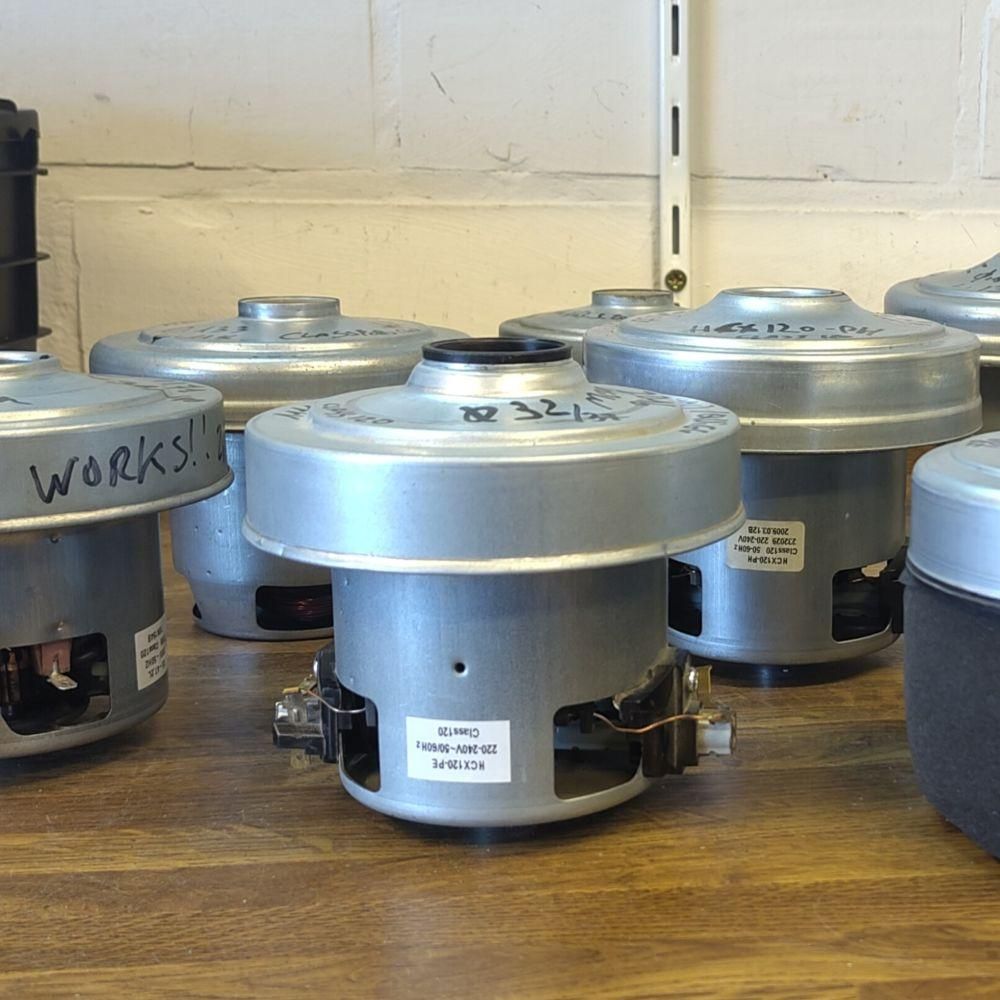
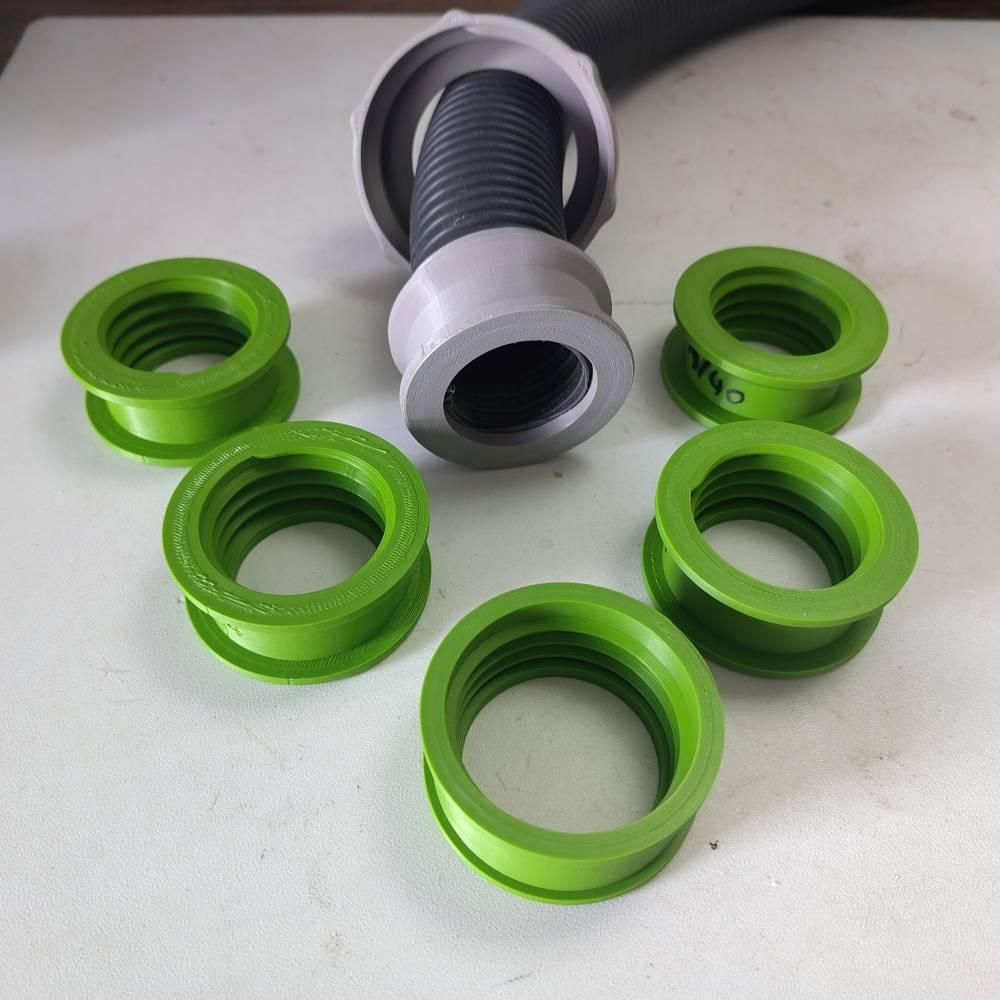
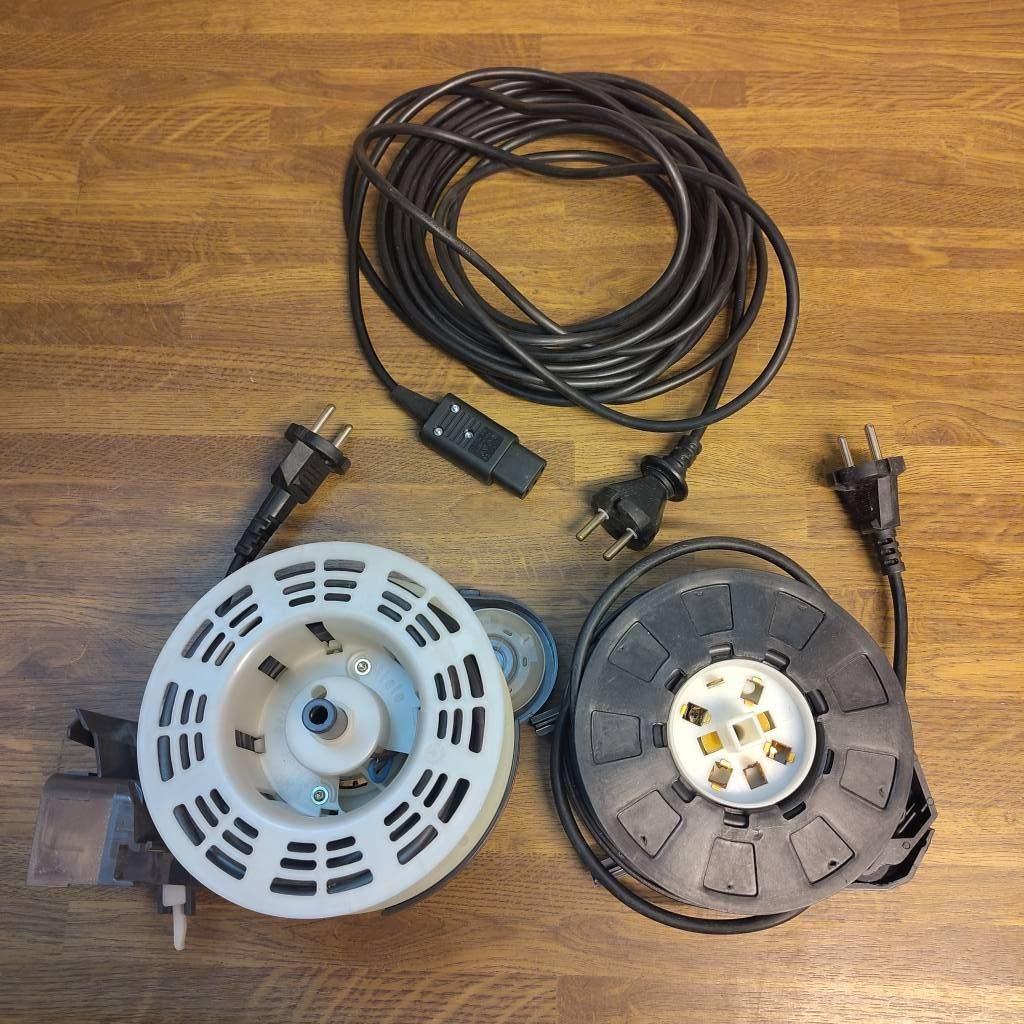

A. Harvested vacuum cleaner parts from any mains electricity (11O/220 Volt) operated vacuum cleaner.
All cable-operated vacuum cleaners share the same motor design & technology for more than 40 years! They only differ slighty in size. This means they can all be reused in a FairVacuum! They all have 4.7mm spade connectors which makes changing motors easy thanks to fairvacuum's universal motor mount. When I discovered this in 2022 FairVacuum was born. ;-D
- Any AC 110/220V brushed Motor <900W. Motors above 900W are generally to strong, and pose additional safety risks due to excessive heat they produce. They also consume more unneeded electricity. You can however mount them, But we advise against it.
- Spiral Hose with pole and brusheads
- Electrical cable from the cable reel. This model does not have its own cable reel system yet.
B. 3D Printing
- STL files: Buy them from our online shop. There are available pre-sliced in Bambuu Studio & PrusaSlicer.
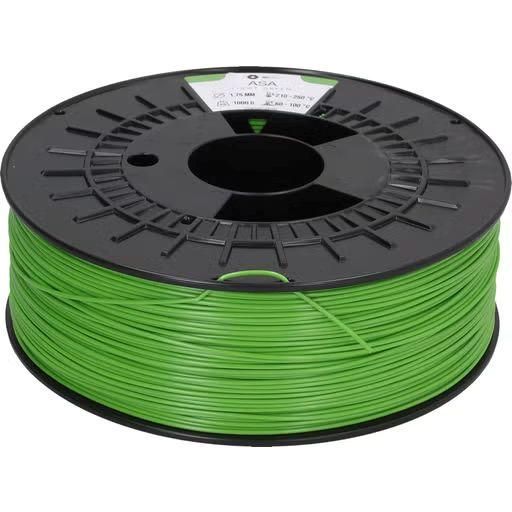
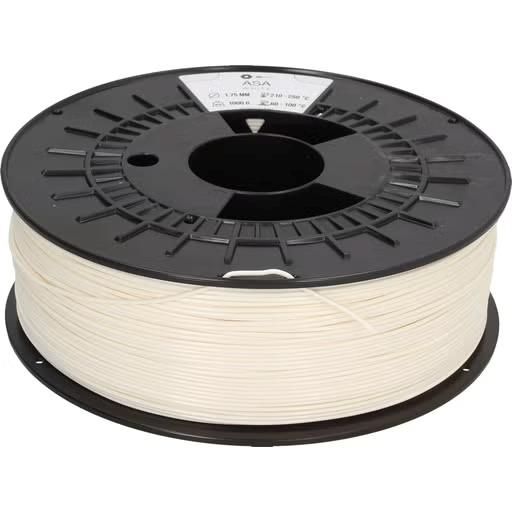
- Filament ASA: 2x 1kg of ASA in your favorite colors: We used: Asa-light-green from 3DJake.com . Combine 2 colors for a nicest effect, you might need 3 rolls then: Like 2xGreen+1xWhite, 2xGreen+1xBlack.
- Filament Flex/TPU: A very small part needs to be printed in de flexible filament. We uses 3DJake.com Flex.
- A 3D printer with an enclosed chamber with a minimal bed of W25xL20xH20cm. Ideally the chamber is activaly heated, but that is not a must.
C. Hardware (possible to buy from our online shop)
You can decide to buy the Hardware Kits from FairVacuum online shop, or source everything yourself. It is up to you.
Sourcing every hardware component yourself can be an annoying job an come expensive, due to shipping costs and the fact that you need to order more than you need. The good news is that FairVacuum buys these components in bulk and repackages it for you at affordable prices. This way it will normally be cheaper. But you have the feedom to decide what works for you.
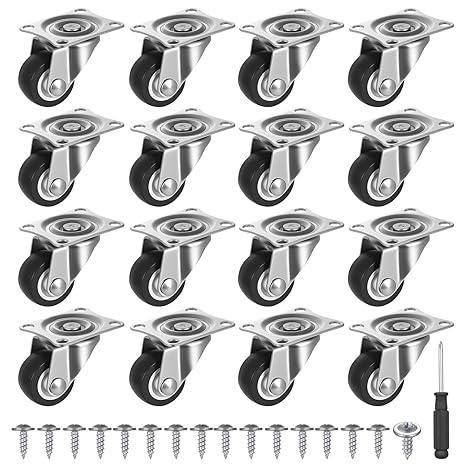
- Wheels, furniture castor 25mm, 360degrees with screws: You can get it at amazon here.
- 4x M6 Nuts Hexagon
- 4x M6 Threaded rods each +- 34,8cm long.
- 50 cm of elastic cord diameter 4mm: Any color you like, suggest to use black as that doesnt get visable dirty over time. Get it here.
- 4x wood screws of 3.5x12mm to fix 4 studs and the pre-motor filter with 4 wood countersunk-head screws. Get it from your local DIY store.
- 8x wood screws of 3.5x12mm to fix the exit motor filter (6) and the AC plug cap(2). Get it from your local DIY store.
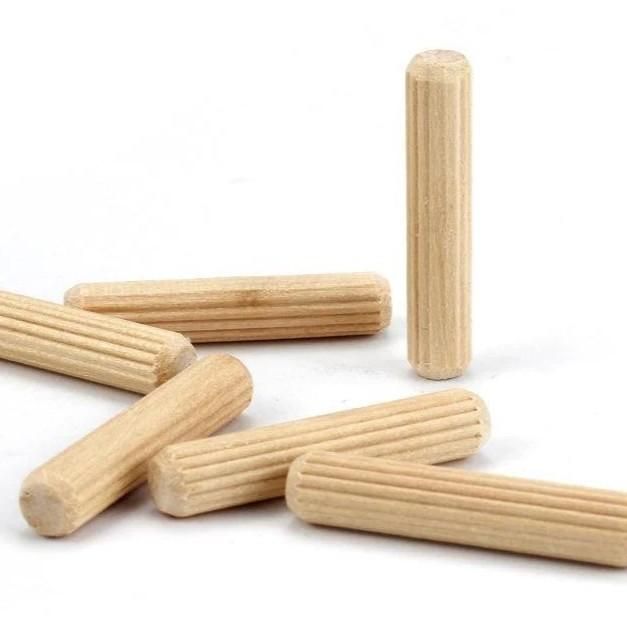
- 8x wooden dowels of diameter 6 x lenght 20mm. As assists in keeping the front-panel in place. Get it from your local DIY store.
- 50cm Mosrubber cord of 15mm diameter: For making motor damper, 2 rings of 23cm. https://rubrion.com/nl/mosrubber-snoer-d-15mm-l-5m_zwart.html
- 350cm Mosrubber cord of 6mm diameter: Needs to be devided ni 4x70cm and 1x35cm for sealing all lids. https://rubrion.com/nl/mosrubber-snoer-d-6mm-l-10m_zwart.html
- Optional - 9mm inner-diameter x 2mm cross-section small rubber o-rings for optimal sealing of the 8 barrel Nuts (hulsmoeren). https://www.o-ring-stocks.eu/
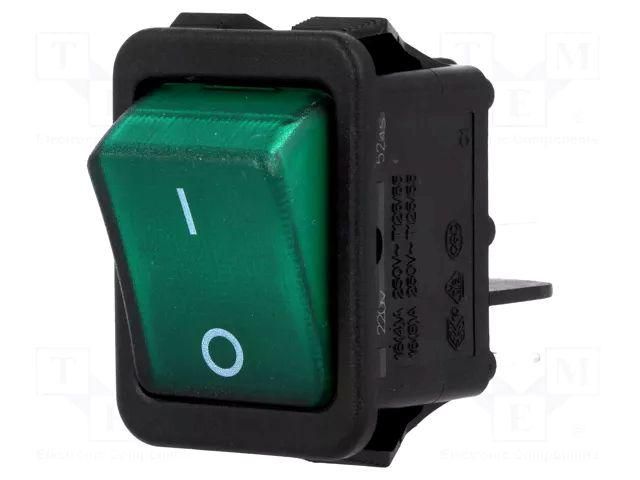
- Rocket Switch KCD4: Should be rated for 125C and 16A, which is not so easy to find. Usually they are rated for 85C and 10A. 85 Celsius degrees is not durable enough and we have had those rocker switches melt in some test setups, while in others they were fine. - Get it here at tme.eu
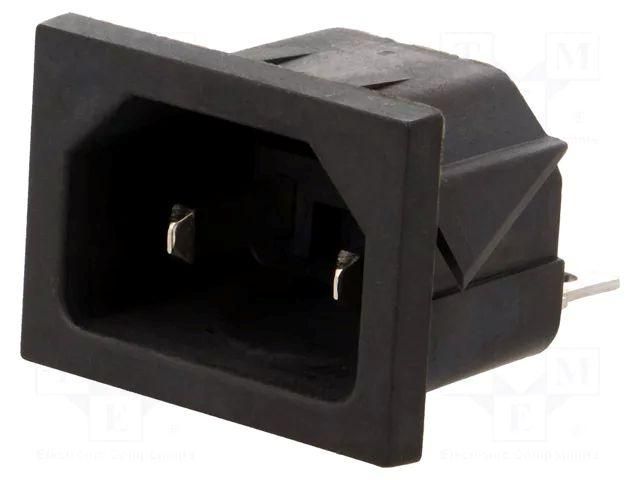
- AC Socket Male C18, 10A - 250VAC, IEC 60320: https://www.tme.eu/be/en/details/cl191930/iec-60320-connectors/cliff/
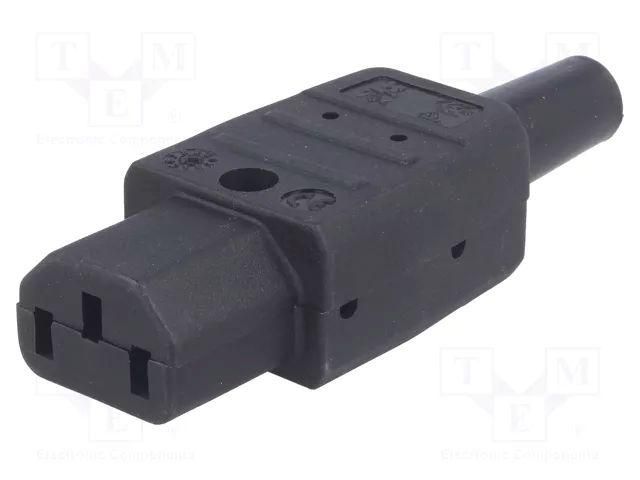
- AC Connector Female C13, 10A - 250VAC, IEC 60320 : https://www.tme.eu/be/nl/details/pc-113/connectoren-iec-60320/kaiser/794-sw/. Vacuum cleaner cables only have 2 internal leads, and no ground lead. Because it is very difficult to find a 2 pin connector (C17-F). You can buy a 3 pin (C13-F), and close the middle (ground) hole with a small 3D printed part. Do NOT leave the 3rd hole open when there is no cable connected, as this might lead to insecure use of the (not grounded) cable.
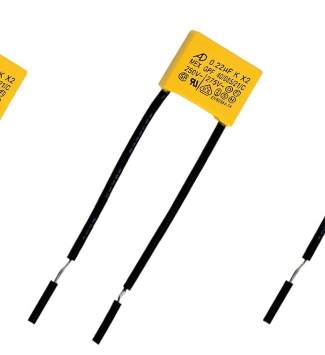
- X2 safety capacitor 0.22uF (yellow) with flexible cables allready attached: Look for it on Amazon, aliexpress.com or others.
D. Filters & Bags (possible to buy from our online shop)
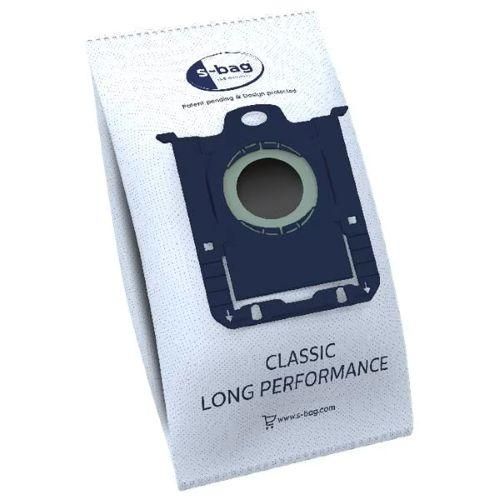
- Classic Microfiber S-Bag with flexible sealing ring. You can get them everywhere. Be sure it has a flexible sealing around the hole, otherwise dust will leak. Occasionally we came across very cheap bags (0,5€ pp, ex. in the Action) that were missing this sealing ring. You can find good S-Bags that dont cost more than 1-2€ pp. NEVER use paper bags!
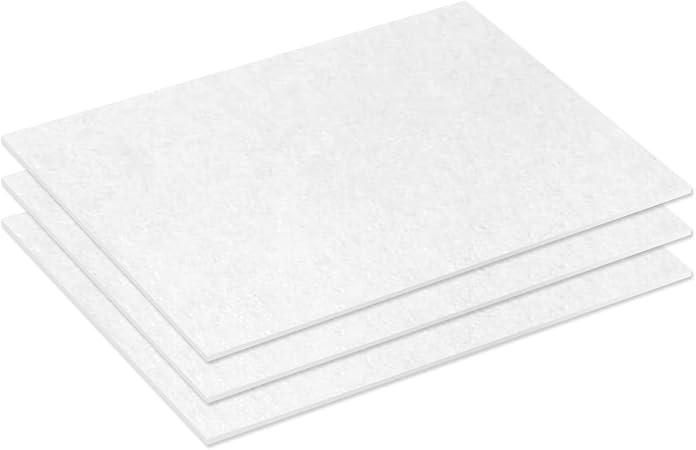
- Universal Micro Filters sheet of 26 x 15 cm. A sheet of 15x26cm is ideal as it can make 2 round filters. The minimum size you need is 13x13cm. Amazon: https://www.amazon.com.be/-/en/McFilter-Universal-Micro-Filters-Engine/dp/B0B7X43LV8
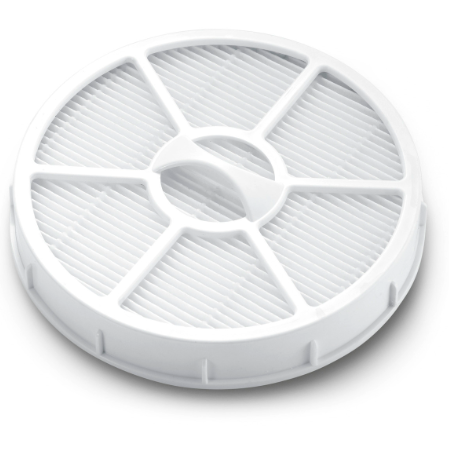
- HEPA filter for allergy free & clean exit air. Model 1 fits the Kärcher VC3 round HEPA filter. You can order the original that is washable, or a cheaper alternative that might be as good. You could do without the HEPA filter by using some porous foam you can recover from somewhere, with or without an extra microfiber sheet layer. The air should be able to pass through freely. Beware that the suction will decrease and heat will increase if the air can not circulate well.
- Original: https://fixpart.be/nl/product/karcher-28632380-hepa-filter
- Alternative: https://www.amazon.de/dp/B0FD2NK422/
E. Tools:
- Two Basic Screwdrivers - PH2-BigCross and S8-BigFlat.
- Crimping Pliers HS-03BC : For crimping 2.8, 4.8, 6.3 mm spade terminals connectors onto the cables; It is only needed when you did not order hardware kit. HOWEVER.... it might be good to have anyway for repairs. The plier is not so expensive. Search for this on Aliexpress.com, Google or other online shops.
3D Print the Required Parts of the FairVacuum
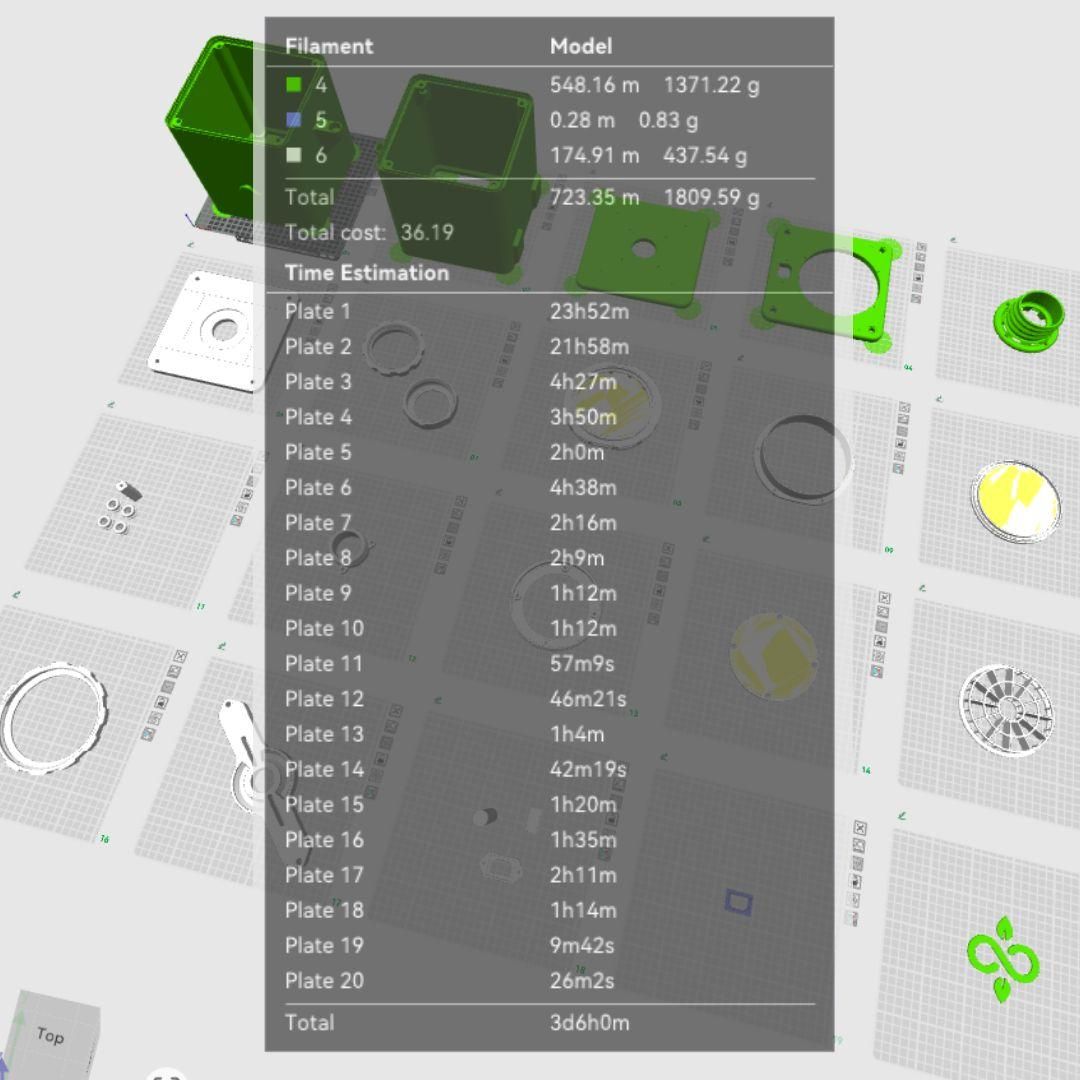
FairVacuum advises to print all parts in ASA as this will give the best price vs quality result. ASA is however prone to warping and requires a heated chamber for proper printing quality. Alternativaly, parts that are not subjected to the heat of the motor could be printed in PETG or another material.
The bambu Lab X2D printer is an excellent choice because it has a activaly heated chamber, ideally for ASA, and comes at an amazing price. But other printers can also work just fine.
We advise the following print settings for all objects
Filament: ASA or ABS for everyting of the motorcompartment.
Layerheight: 0.24mm. Use between 0.2-0.3mm
Walls: 4
infill: 18-20%
Brim: It depends. On the Bambu Lab X2D which has an heated chamber no brims are needed, it prints ASA amazingly well. If you don't have an active heated chamber, you will need brims on most objects to prevent warping and bedplate release issues during print.
Supports: Only a 2 objects need some support for small overhangs: The bag & motor side boxes.
Assign proper labbeling before printing
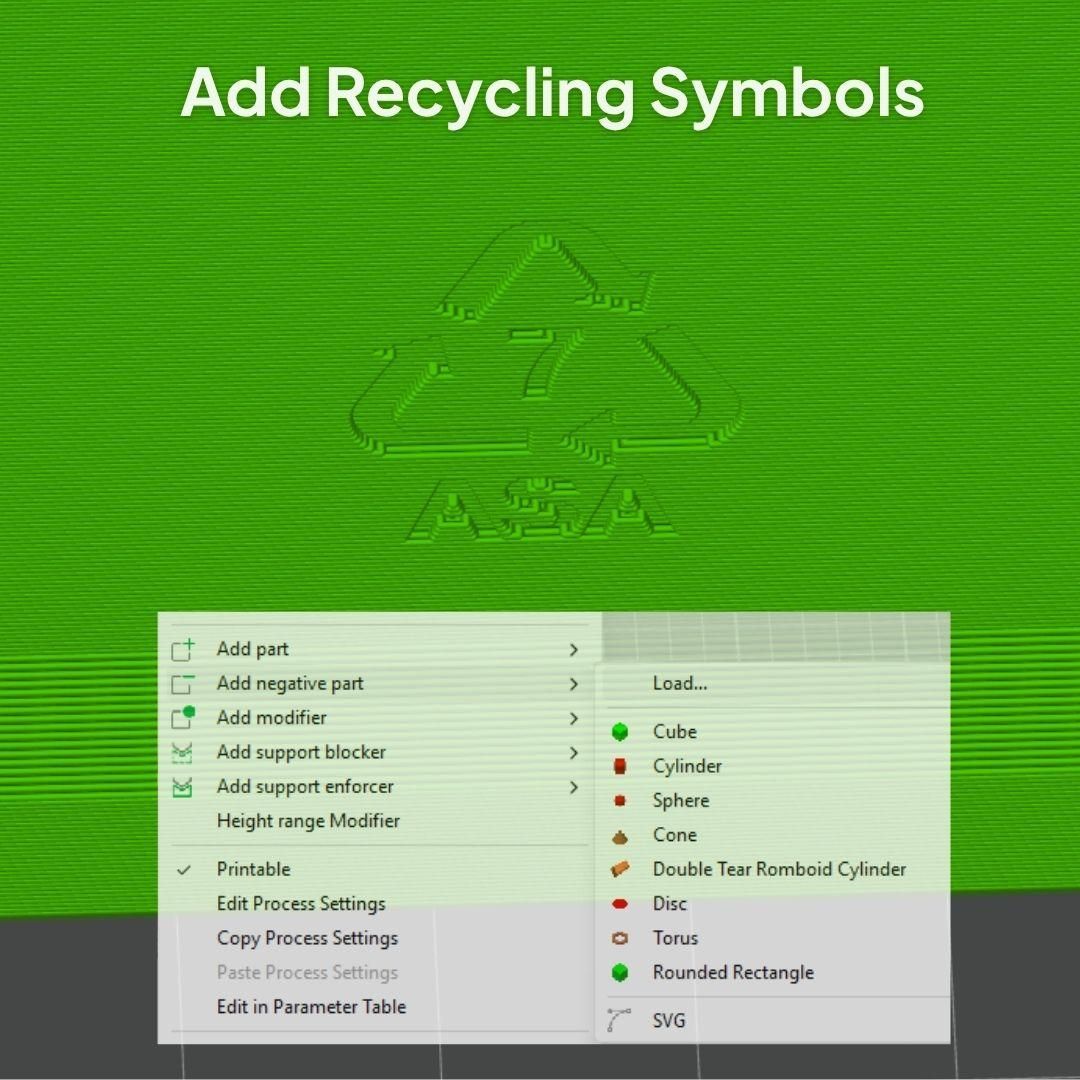
We would like to ask every maker to profesionallize: label the material using Recycling Symbols that was used and the maker date & reference.
- Add material recycling symbols to indicate on most part which plastic you used: ASA, ABS, PETG, etc... Add the stl as negative part to every object, and place it in the correct position. We used these.
- Power Rating & Serial nr: Complete the techspecs and serial number of your device, using the provided embossing table.
Visual improvements:
- Colors: Combine 2 colors for a nice modern effect. Or just go crazy with any of your own idea's
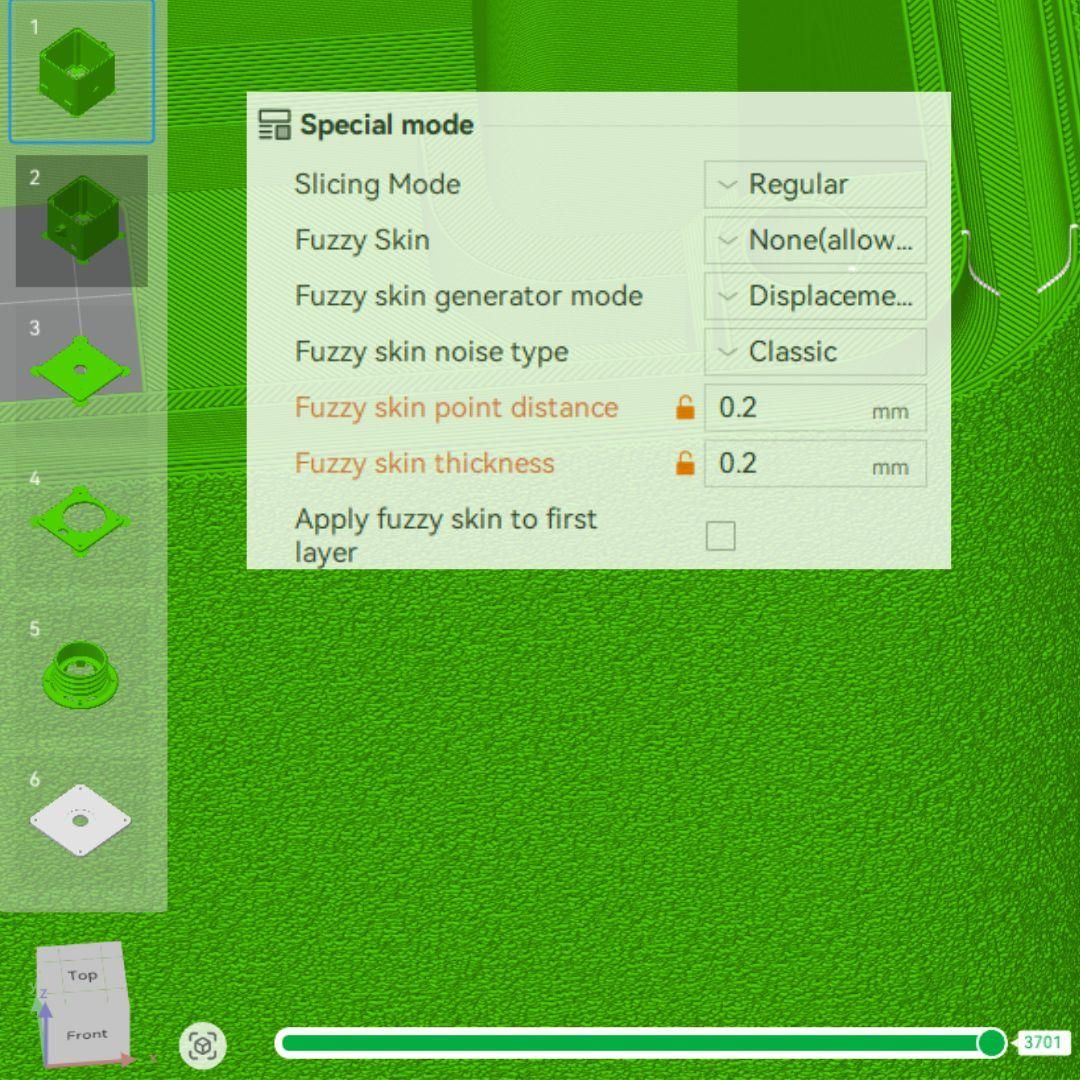
- Fuzzy Skin, 0.2mm: This will give an amazing result visual result. Apply 0.2mm for both point distance and skin thickness. This conceals all the layerlines and gives a great surface finish. Use it on objects: All sides of back-box, front-box, back-lid, front-lid, middle-plate.
Harvest Spare Parts From Discarded Vacuum
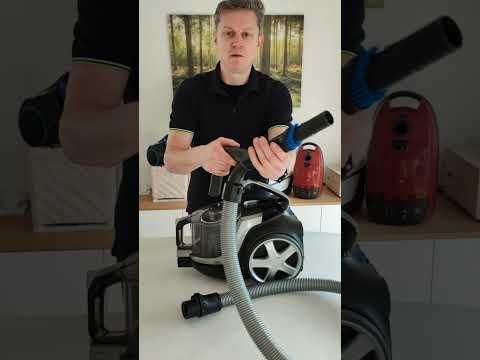
The Model1 is ment to be made with discarded vacuum cleaners. There are plenty of vacuum cleaners out there that are thrown away, or for small problems are not used any more...
Watch this playlist on YouTube that explain how parts are harvested and how you verify the quality.
Assemble the Housing