Turn an LG Wireless Media Box Into a Universal Wireless HDMI Receiver
by Voltage Ventures in Circuits > Electronics
145 Views, 1 Favorites, 0 Comments
Turn an LG Wireless Media Box Into a Universal Wireless HDMI Receiver
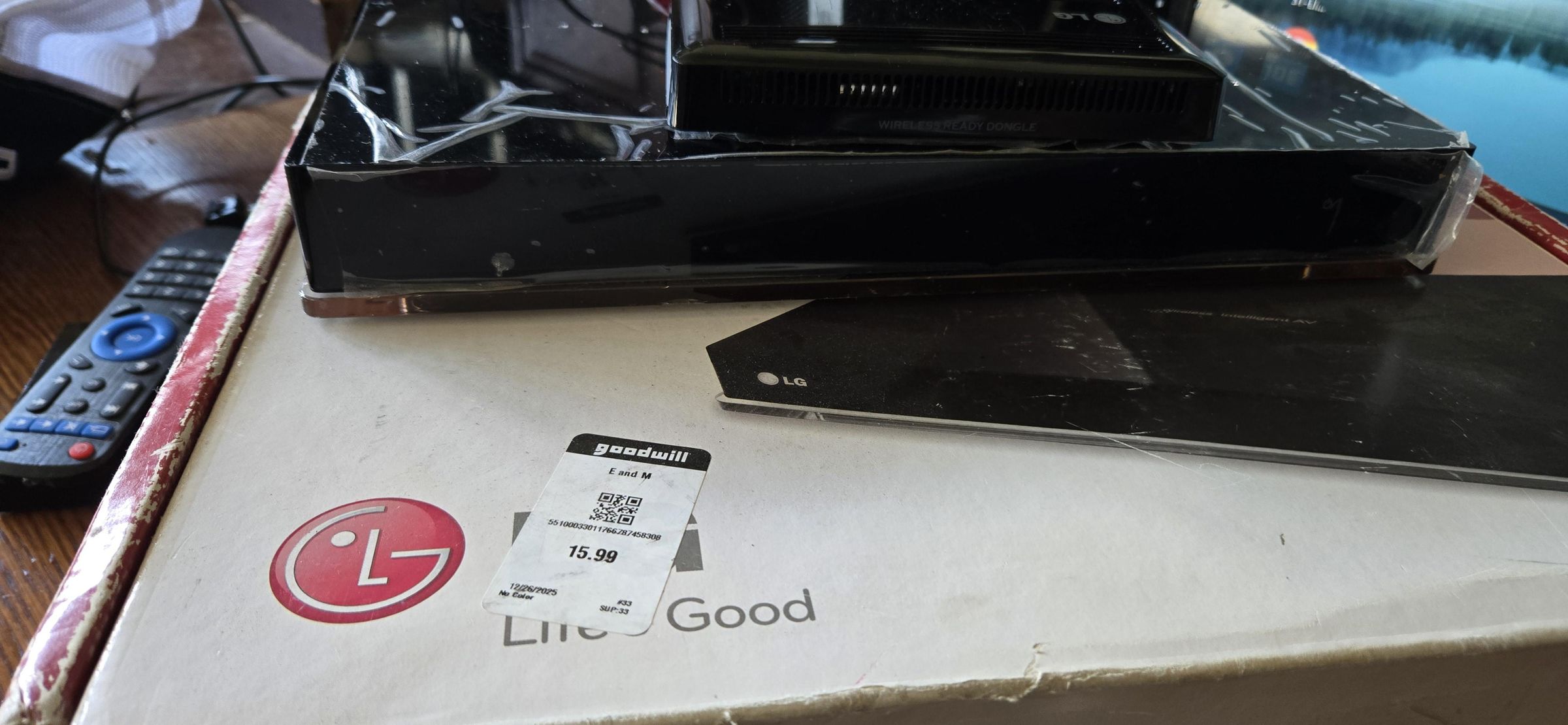
I found an LG AN-WL100 Wireless Media Box at a Goodwill store for only $16. At first I thought it would only work with special LG “Wireless Ready” TVs because it uses a proprietary control connector.
After opening the receiver dongle and tracing the power section, I discovered something surprising
The proprietary LG connector mainly provides power and control signals.
By injecting 15V directly into the receiver’s internal power rail, the wireless receiver powers up normally and outputs standard HDMI video/audio to any TV.
No firmware hacking.
No protocol emulation.
No LG TV required.
Now I have a working wireless HD video/audio transmitter system for cheap.
Supplies



What You Need
Hardware
- LG AN-WL100 Wireless Media Box
- Matching wireless receiver dongle
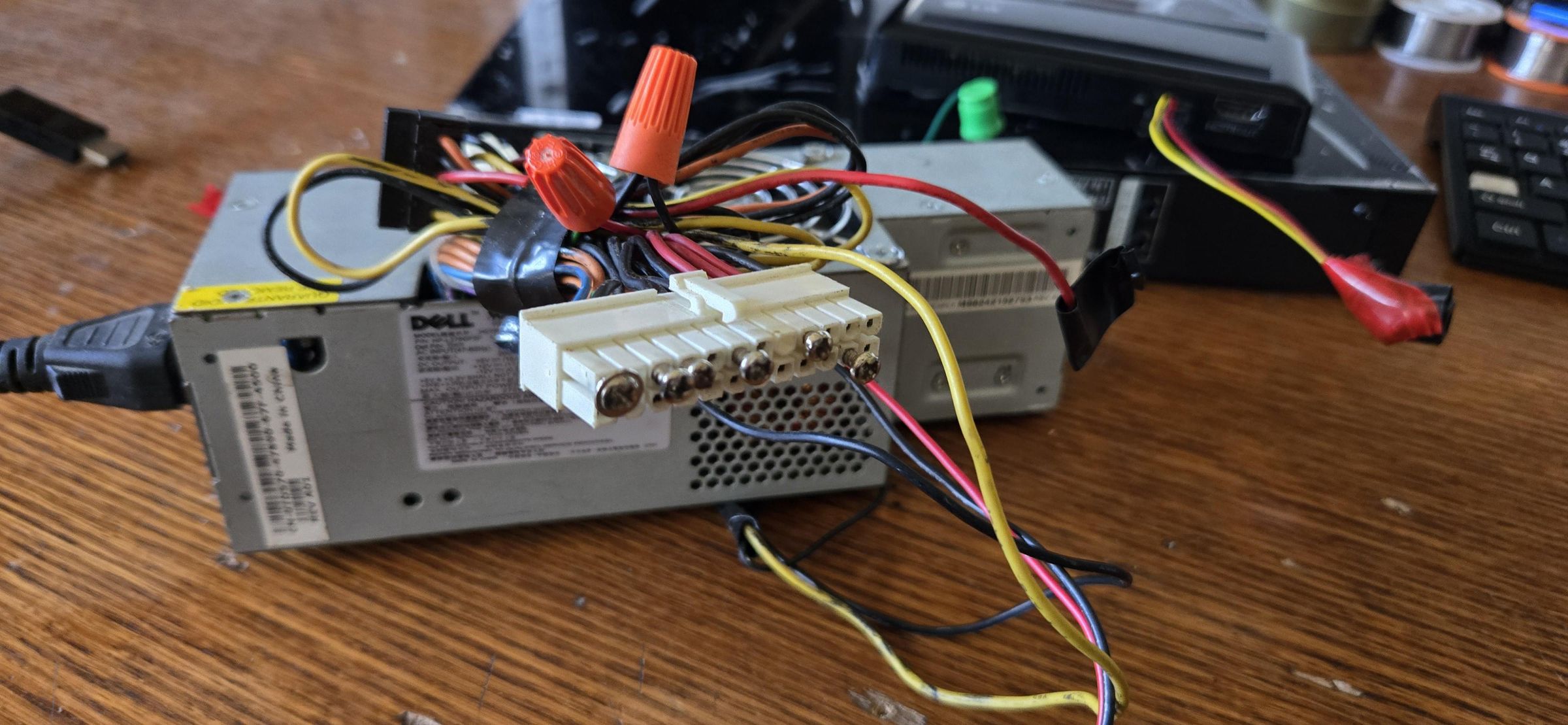
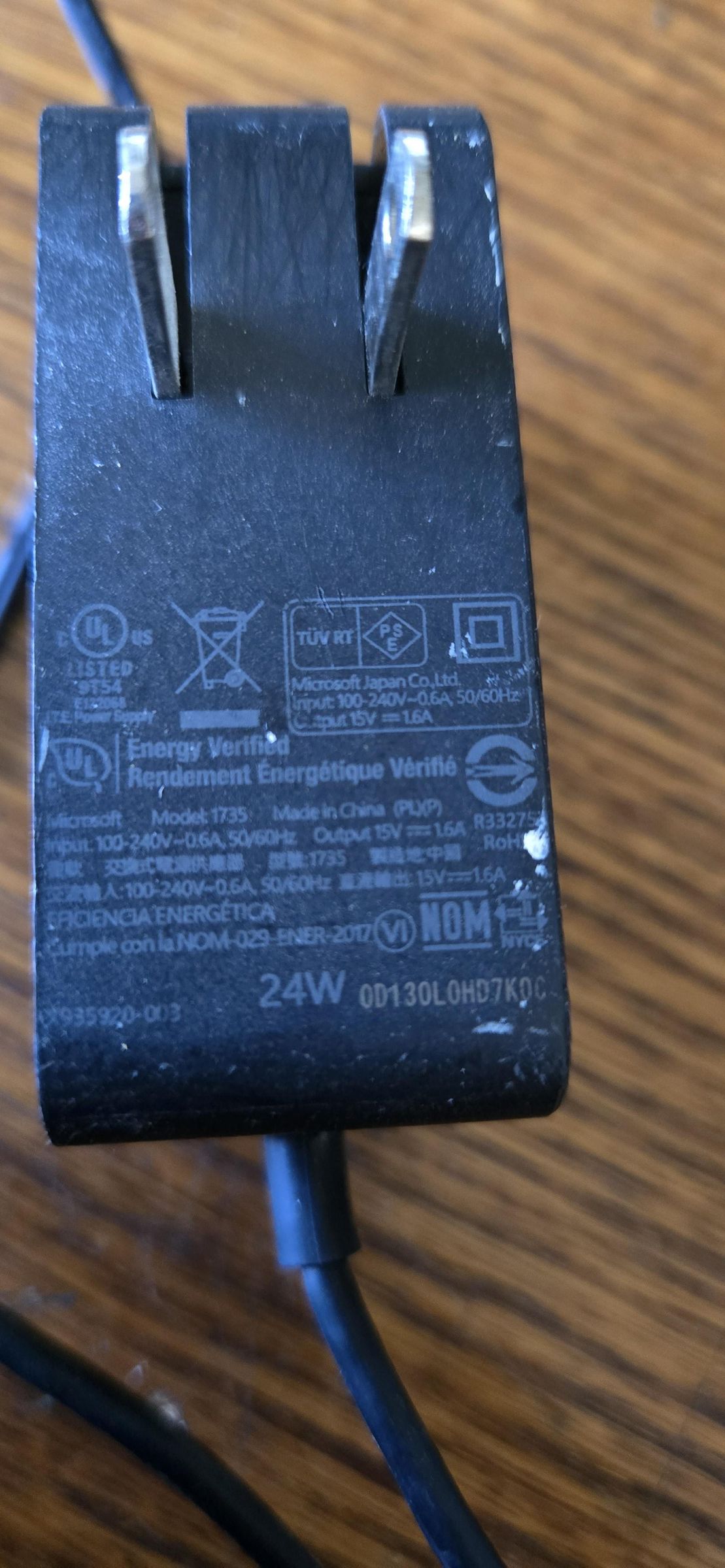
- 15V DC power supply
- PC 12V power supply
- Soldering iron
- Multimeter
- Small wires
Optional:
- DC barrel jack
- USB-C PD trigger board configured for 15V
How the System Works



The system has:
Wireless Media Box
This is the transmitter.
You connect:
- HDMI devices
- game consoles
- media players
to this unit.
It wirelessly sends HD video/audio.
Wireless Receiver Dongle
This normally plugs into special LG TVs.
It has:
- HDMI output
- proprietary “Wireless Control” connector
The HDMI output is standard HDMI.
The special connector mainly:
- powers the dongle
- provides TV control communication
Injecting Power WARNING


Inside the receiver dongle is a:
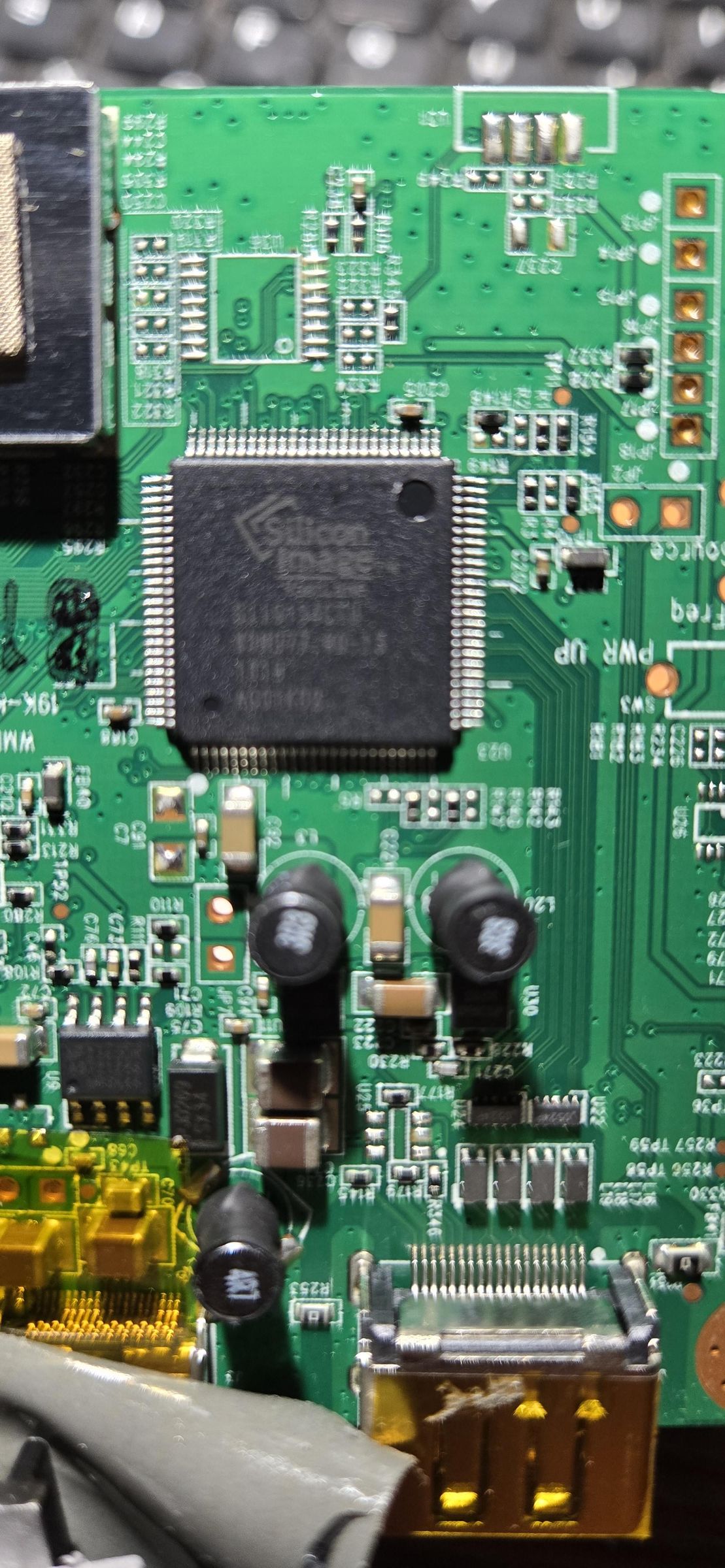
MP2365DN
This regulator powers the entire receiver.
I traced the proprietary connector and found:
- the input capacitors connected directly to the MP2365DN input rail
So instead of reverse engineering the LG protocol, I simply injected 15V DC into the power rail.
Result:
Receiver powered on
Wireless link connected
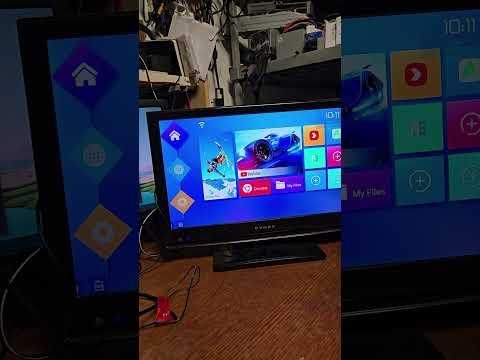
HDMI output became active
Video and audio worked perfectly
Opening the Receiver
Remove the plastic shell carefully.
Inside you will find:
- HDMI output connector
- wireless hardware
- STM32 microcontroller
- power section
The important area is near the proprietary connector.
Finding the Power Rail
Look near the proprietary connector for:
- large capacitors
- buck converter IC
- power inductors
In my unit, the MP2365DN regulator input was easy to identify.
The positive input rail is connected to:
- input capacitors
- regulator VIN pin
Ground can be taken from:
- HDMI shield
- ground plane
- capacitor negative terminal
Injecting Power
WARNING
Double-check polarity before powering anything.
I used:
- +15V DC → regulator input rail
- GND → board ground
The receiver immediately powered up.
The wireless connection synchronized automatically.
HDMI output worked on a normal TV.
Results
I successfully turned the LG proprietary wireless system into:
✅ Universal wireless HDMI receiver
✅ Wireless HD video/audio link
✅ Works with standard TVs and monitors
All for:
- about $16 from Goodwill
- a few wires
- one power supply
Why This Works
The proprietary LG connector originally provided:
- power
- status/control communication
But the actual video path already uses standard HDMI.
Once the receiver is powered:
- it outputs normal HDMI
- no special LG TV communication is required
Final Thoughts
I originally thought this project would require:
- firmware hacking
- reverse engineering protocols
- STM32 emulation
But the solution ended up being much simpler.
just provide power directly to the receiver board.
Sometimes reverse engineering is not about breaking encryption or decoding firmware.
Sometimes it’s just understanding how the hardware is powered