Upcycling a Compact Powder Into a Pie-Inspired Storage (and a Tic-Tac-Toe Board)
by quinzyvarira in Craft > Clay
756 Views, 1 Favorites, 0 Comments
Upcycling a Compact Powder Into a Pie-Inspired Storage (and a Tic-Tac-Toe Board)
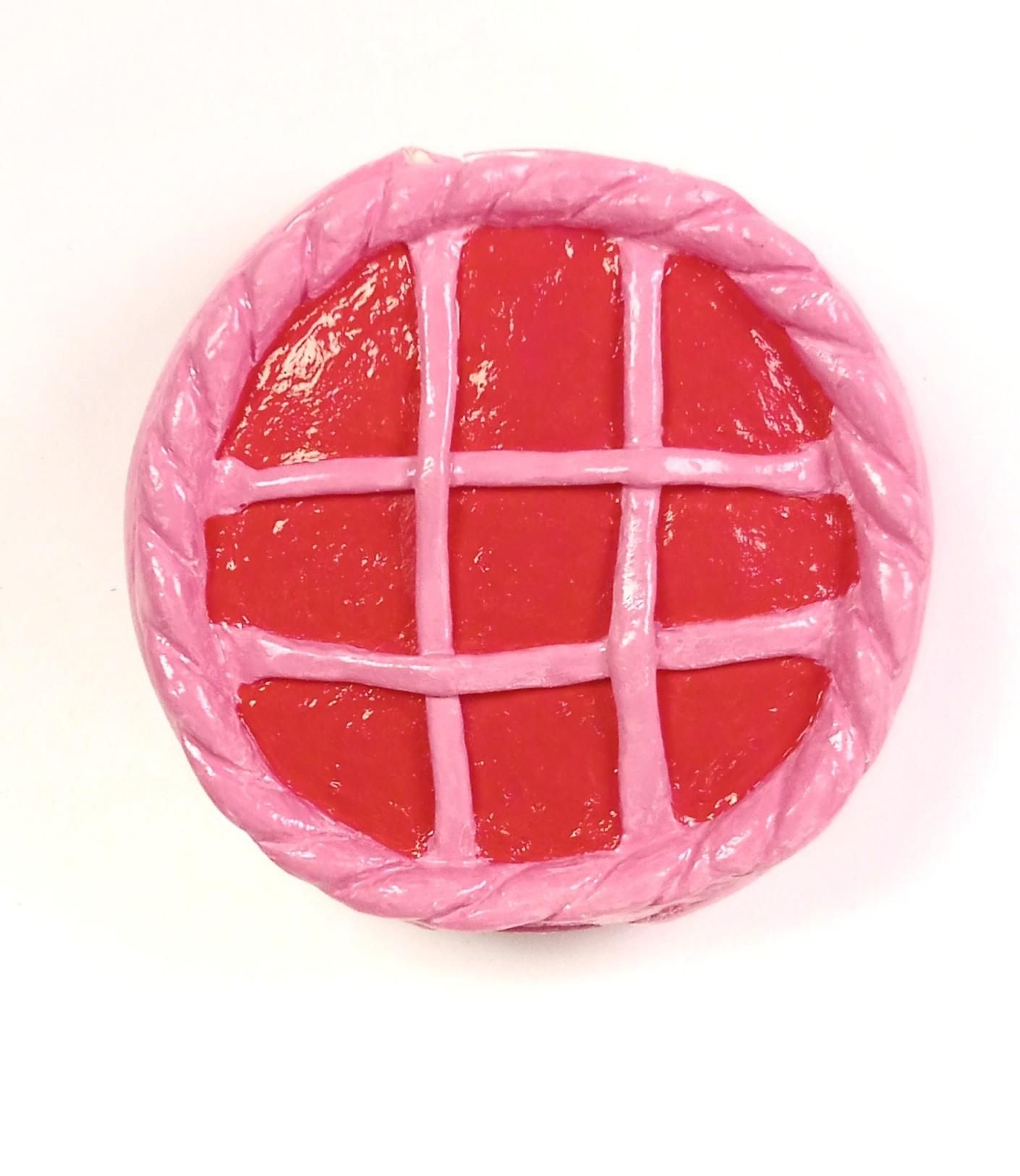
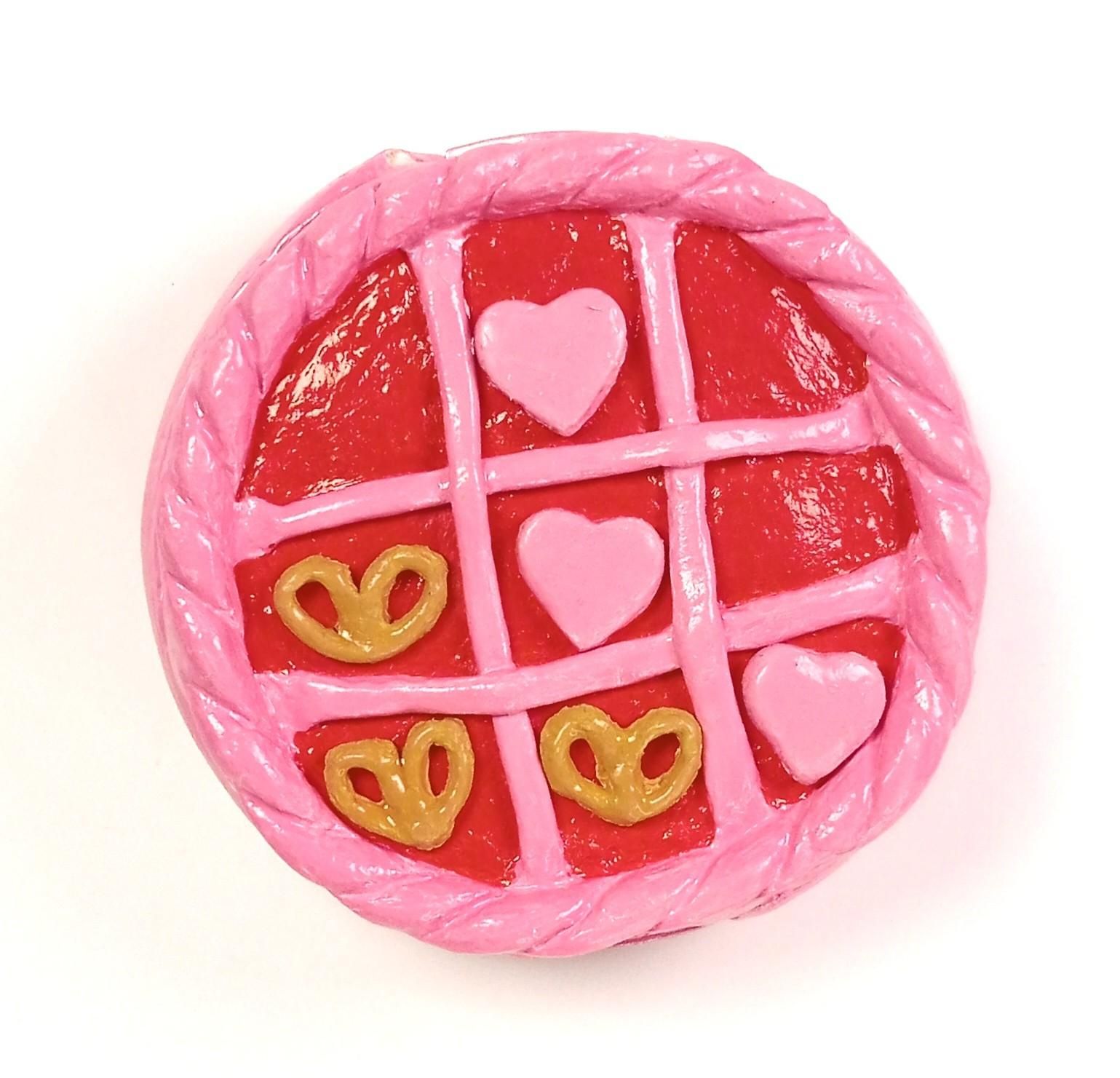

I had an unused compact powder that I kept forgetting to throw away. The powder had cracked after I dropped it, so I couldn’t use it anymore. Instead of letting it go to waste, I came up with an idea to turn it into a cute storage container by decorating it into a pie shape. It can also be used as a tic-tac-toe game board, which makes it even more fun and functional. So, I decided to make this tutorial to show how I transformed it step by step.
Supplies
- Unused compact powder case
- Air-dry clay
- Foam tape (as a thickness guide)
- Cutter / blade
- Weeding tool (or any pointed sculpting tool)
- Water (for smoothing and attaching clay)
- Sandpaper
- Masking tape (to cover the mirror)
- White acrylic paint
- Acrylic markers or acrylic paint (for coloring)
- Varnish (clear coat)
- Small magnets (optional)
- UV resin (optional, for coating and reinforcing)
- Gloves (for working with UV resin)
- PVC plastic (for DIY clay cutter)
Cleaning and Disassembling the Compact
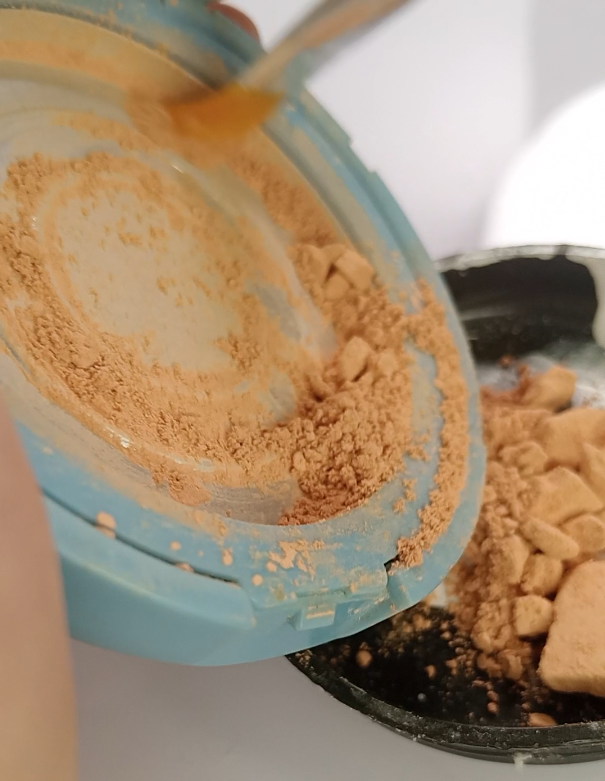
I cleaned the compact powder thoroughly, removing any remaining product. I also detached the metal tin underneath the powder.
Preparing and Flattening the Clay
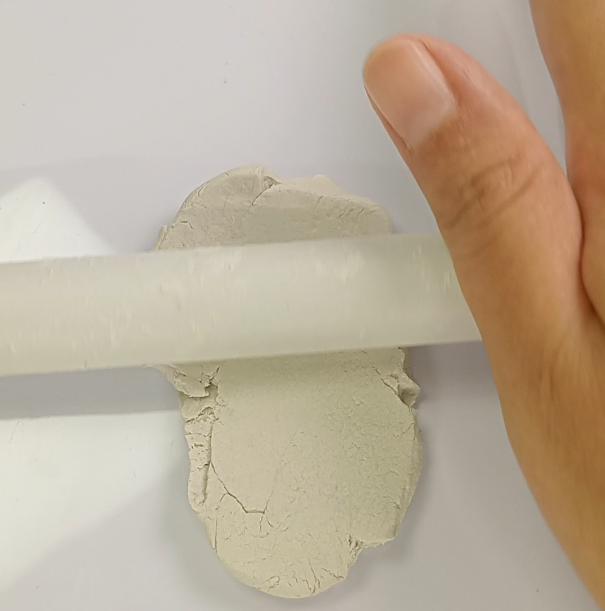
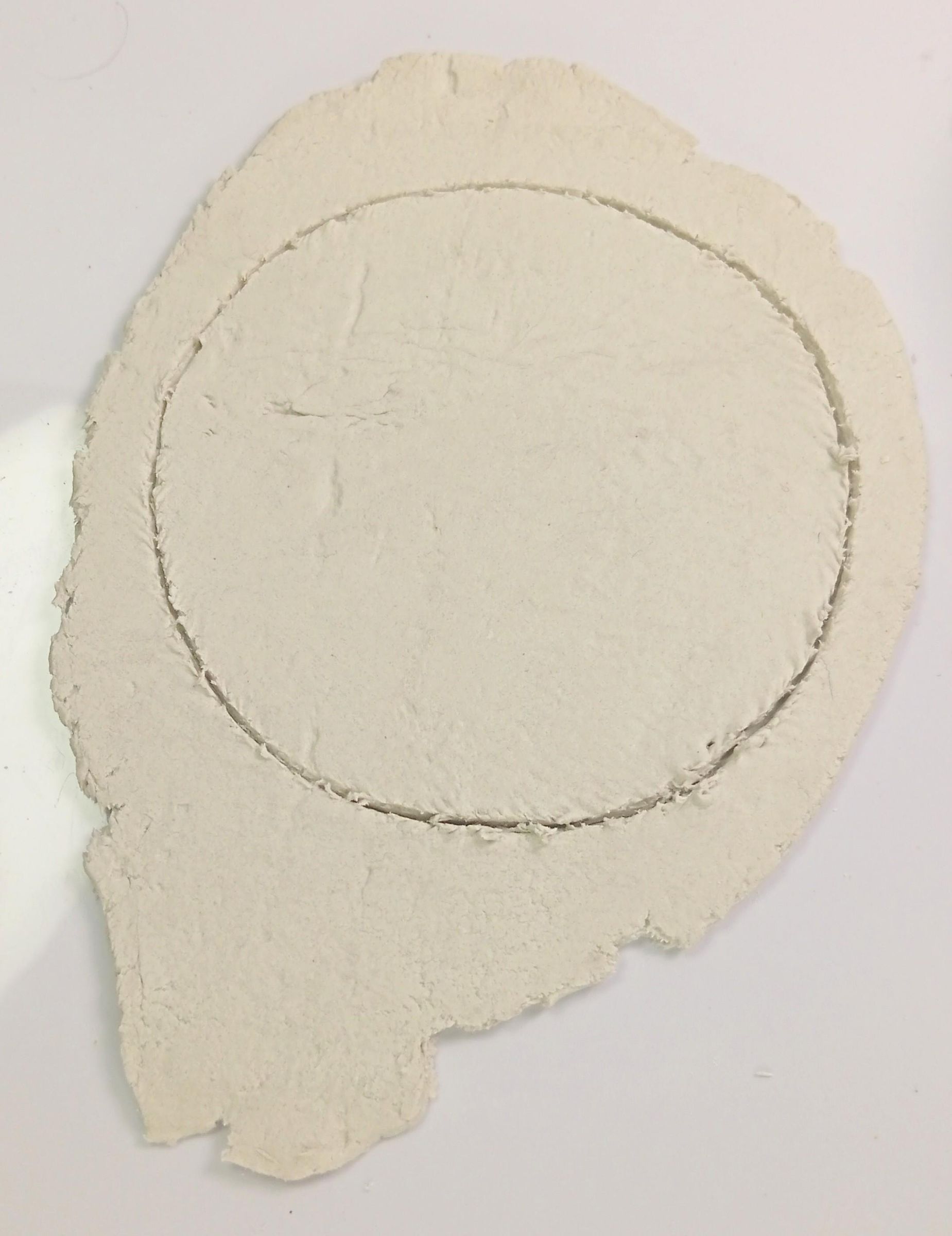
I rolled the clay into a ball. Before flattening it, I prepared an object to use as a thickness guide so the clay would be evenly flat. I used foam tape because its thickness works perfectly for this project. Then I rolled the clay until it reached my desired thickness and cut it to match the size of the compact.
Shaping the Clay to Fit the Compact


I placed the clay onto the compact and gently kneaded it until it fit the shape perfectly. I made sure the container could still open and close properly. When I noticed cracks on the surface, I applied a small amount of water and rubbed it gently to smooth it out.
Creating the Pie Crust Edge
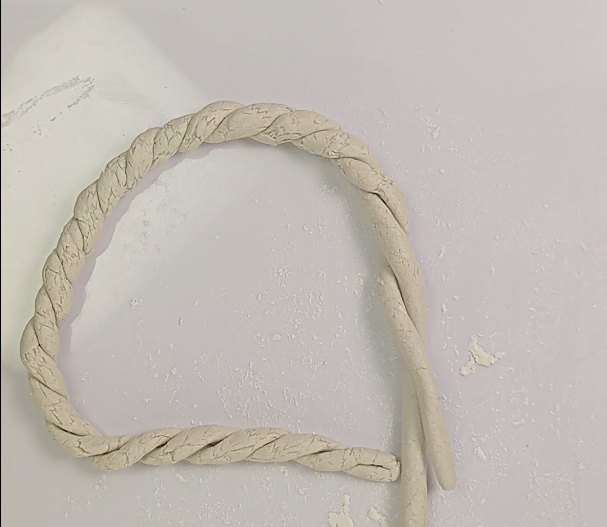
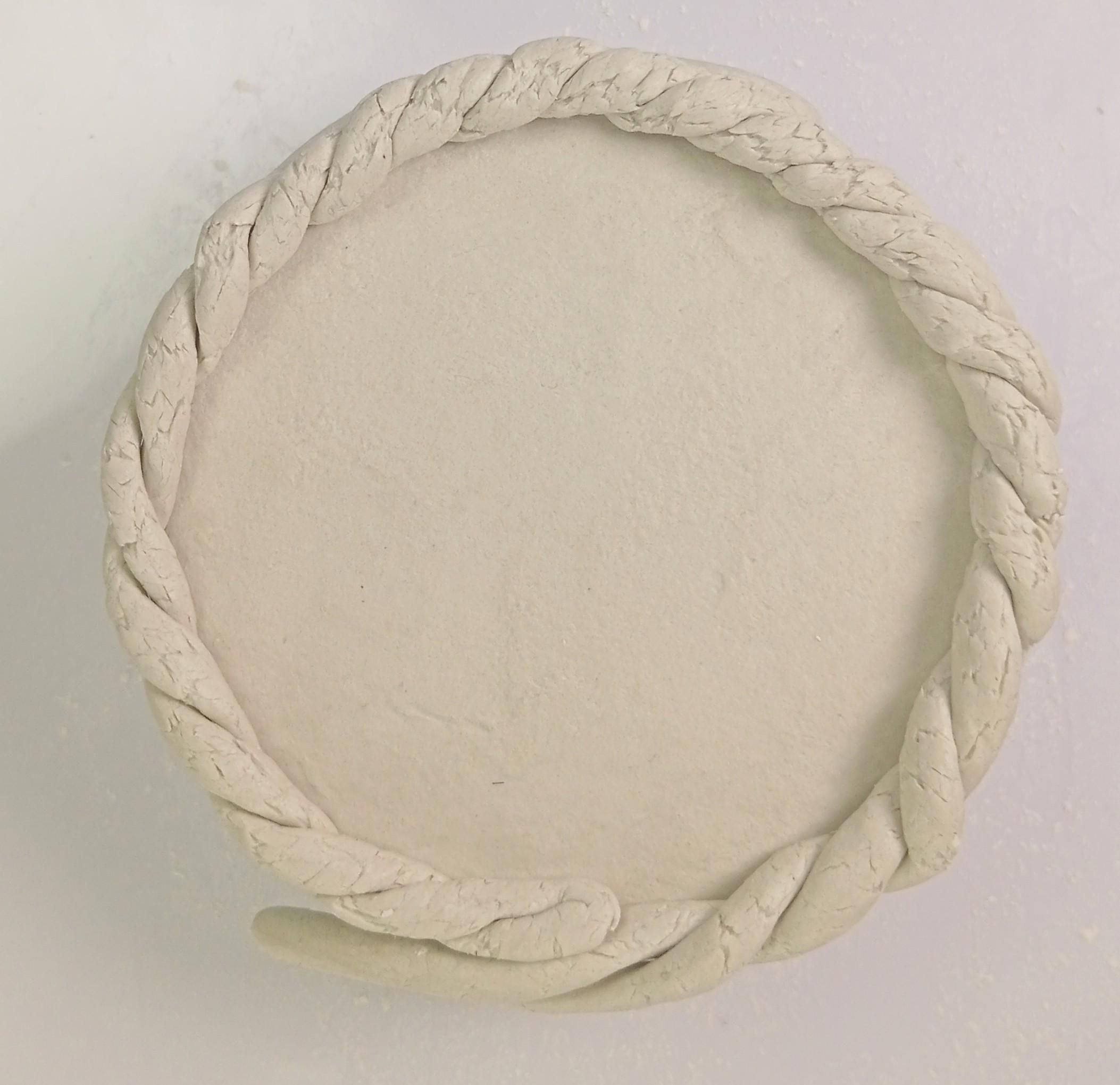
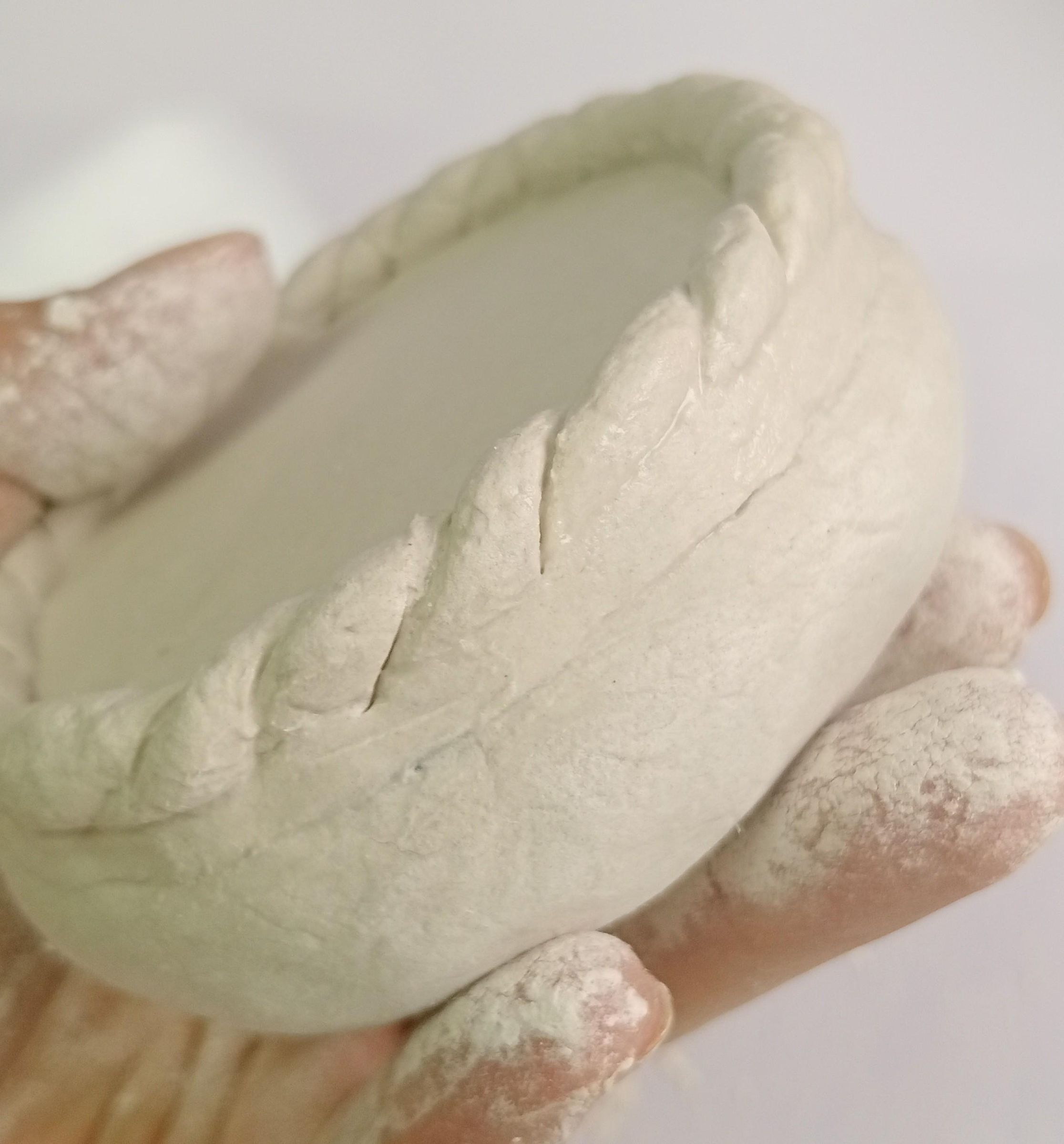
To create the pie crust, I rolled the clay into a long cylinder, folded it in half, and carefully twisted it. Then I placed it along the edge of the container. I added a little water so it would stick well.
I used a weeding tool to deepen the twist lines for a more defined look.
Then I rolled another thin cylinder and placed it along the outer edge of the twisted crust to strengthen the structure and create a smoother finish.
Making the Lattice Top


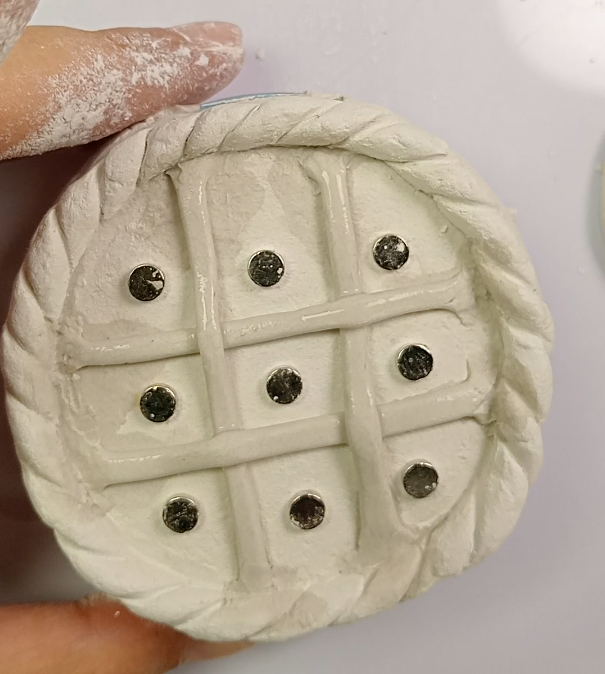
I made guidelines for the lattice top, aligning them with the tic-tac-toe grid.
Optional: I added small magnets and covered them with a thin layer of clay.
I rolled out more clay and cut four strips about 0.3 cm wide. I made sure the strips were slightly longer than the compact. Then I arranged them in an over-under weaving pattern to form a lattice crust.
I let the clay dry completely, about overnight or up to 24 hours.
Sanding and Base Coating

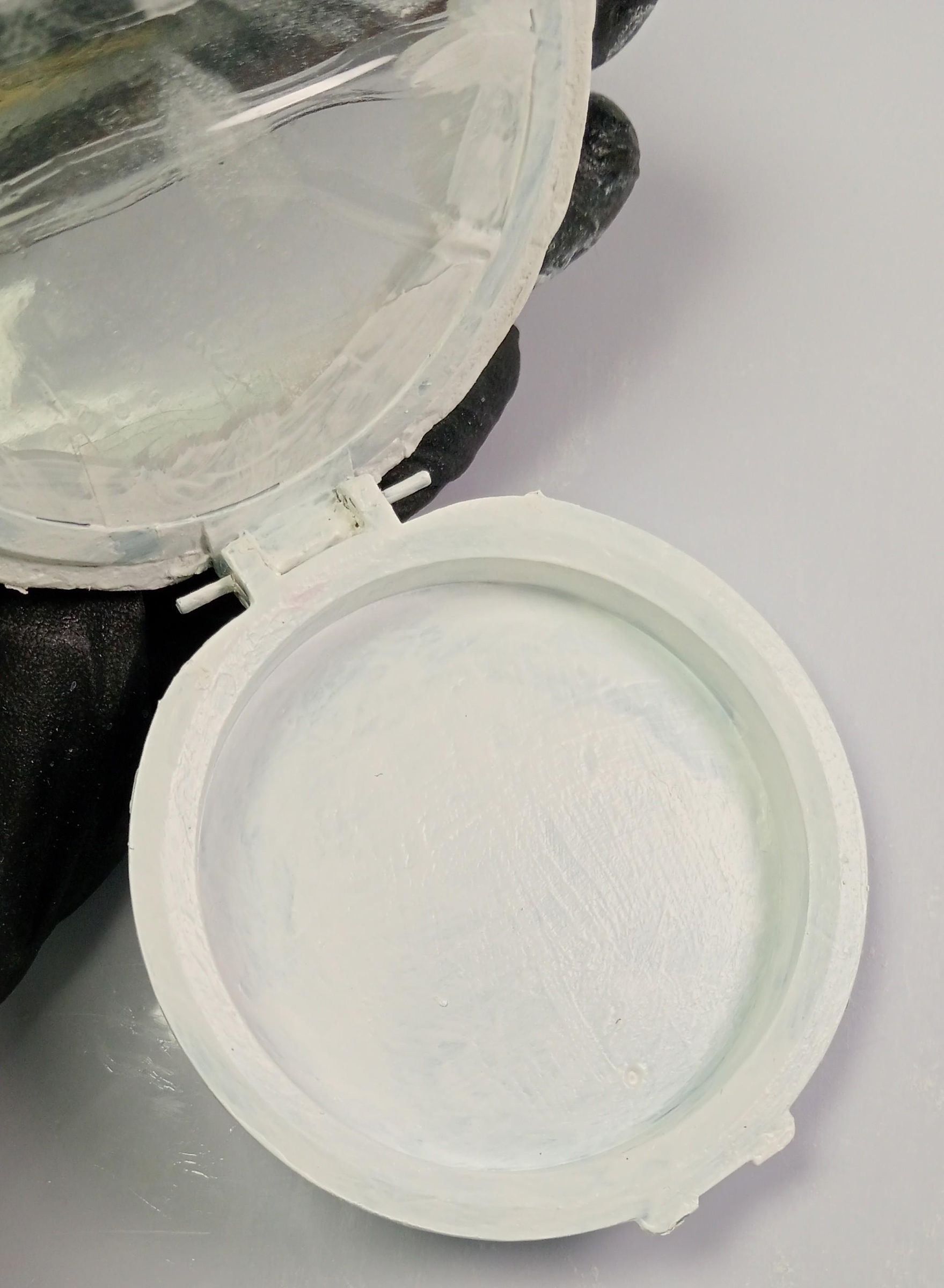

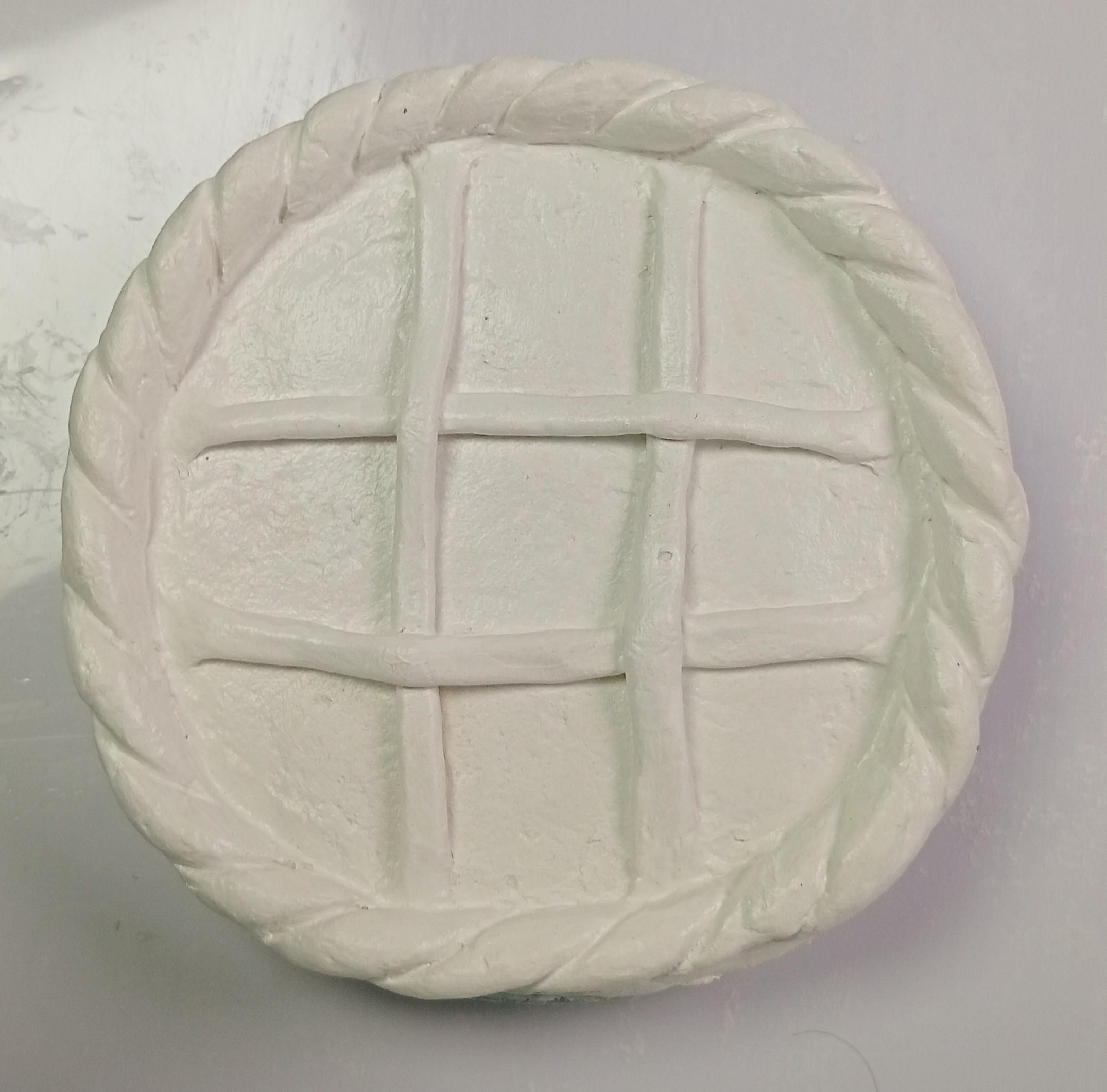
Once the clay was fully dry, I smoothed the surface using sandpaper. I also sanded the inside of the container to help the paint adhere better later. I didn’t forget to cover the mirror with tape.
Then I applied white acrylic paint to all surfaces, both inside and outside, and let it dry completely.
Coloring and Finishing Touches
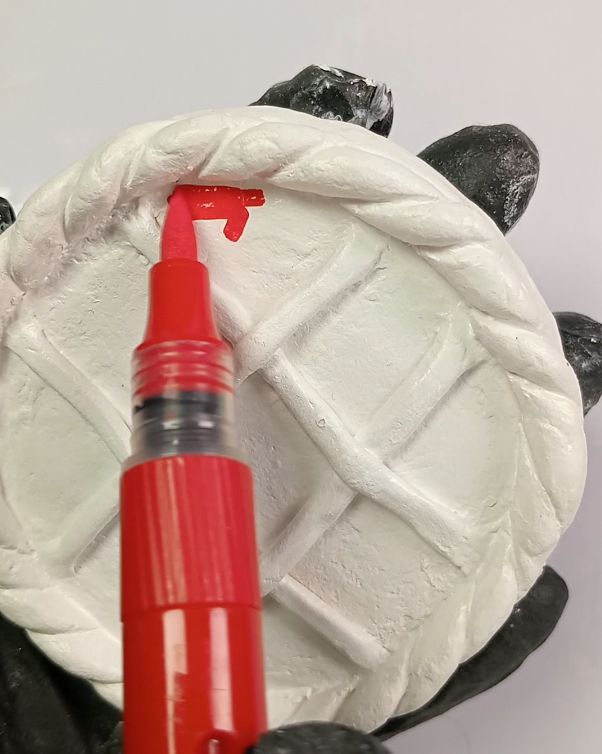
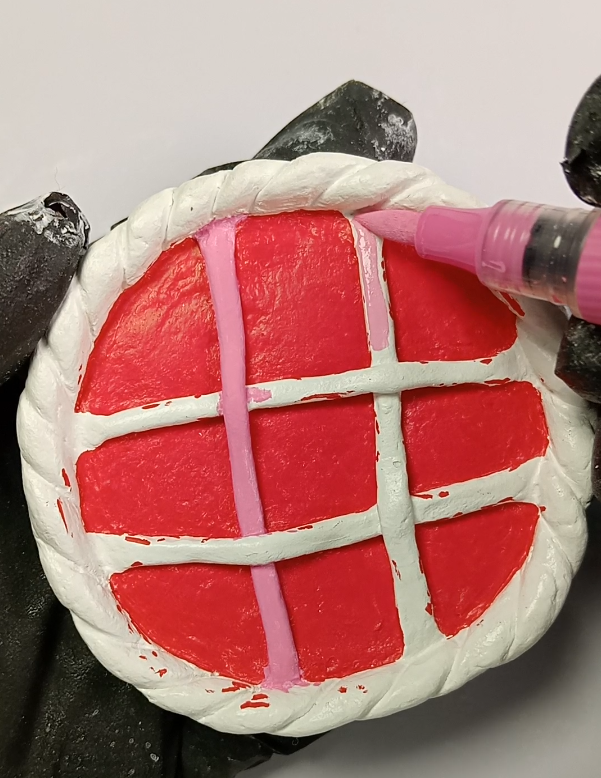
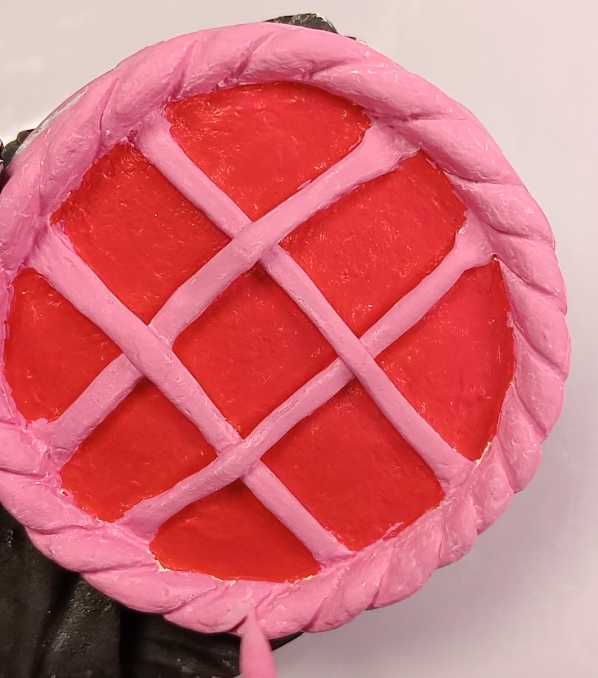
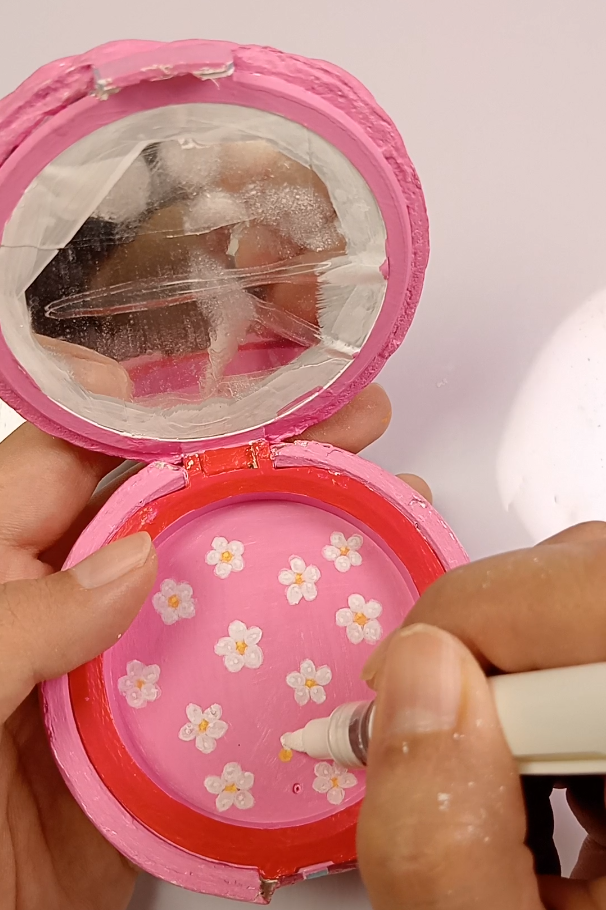

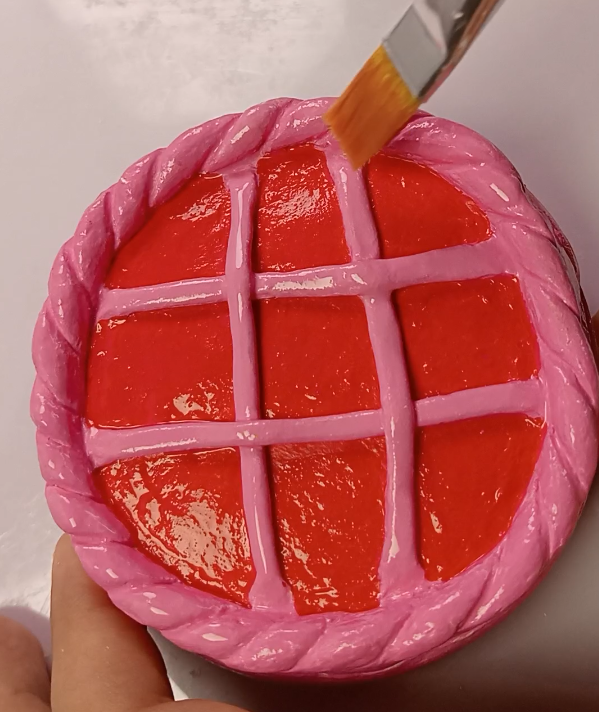
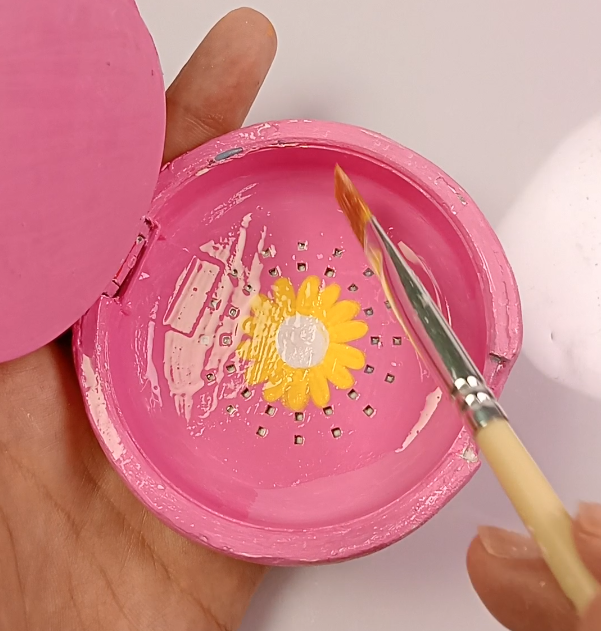
After the base coat dried, I used acrylic markers to color the piece (you can also use acrylic paint). While pies are usually cream or light brown, I chose a pink base/crust and red filling for a more playful look.
I also painted decorative flowers inside the container.
Once everything dried, I applied a layer of glossy varnish to protect the surface.
Making the Game Pieces
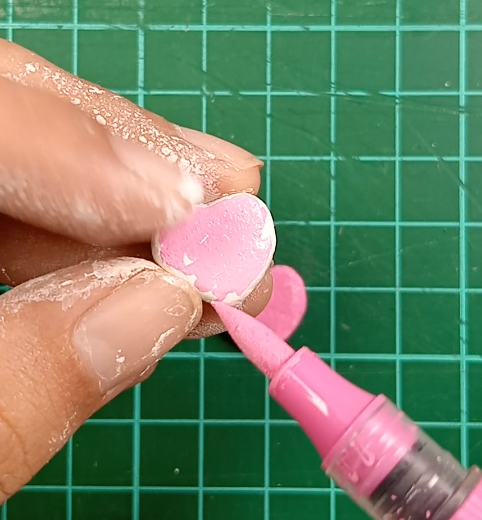


I made the game pieces in heart shapes and heart-shaped puff pastry designs.
For the heart shapes, I created a custom cutter using PVC plastic from HTV and reinforced it with UV resin. Then I rolled out the clay and cut it using the cutter.
For the puff pastry style, I rolled the clay into a thin cylinder and bent it into small heart shapes. Made five pieces of each design.
I made sure the pieces fit well within the tic-tac-toe grid.
Since I added magnets to the compact, I also attached magnets to the back of each piece, making sure they were aligned correctly.
After the clay dried, I painted them with white acrylic paint. Once dry, I colored them using acrylic markers.
For extra durability, I coated the pieces with UV resin. I made sure to wear gloves when working with UV resin.
Final Thought
.jpg)
.jpg)
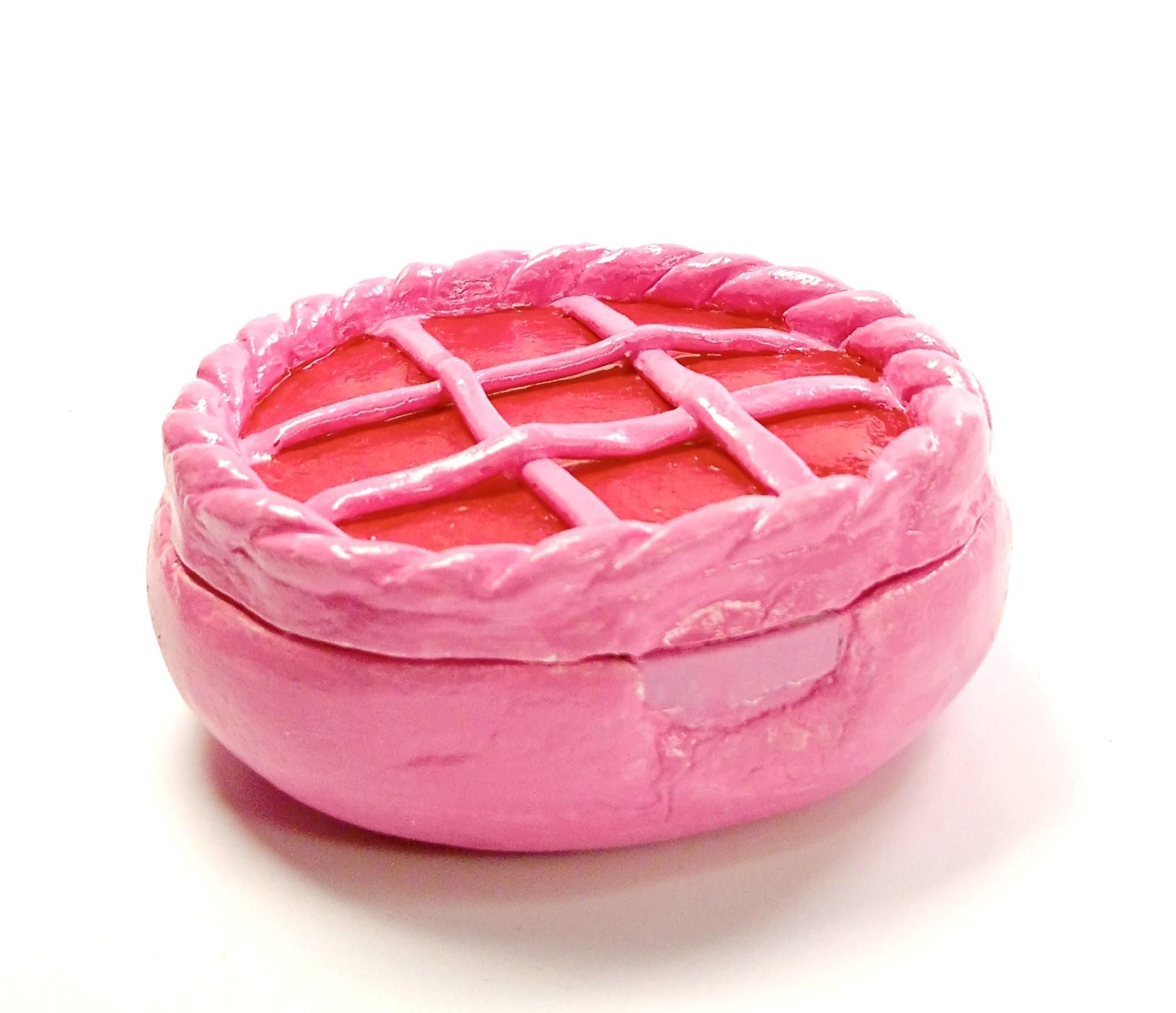
I didn’t expect that turning something unused could be this pleasing. It turned out really pretty and decorative, and I love how functional it became. Since the compact has two compartments, I’ll probably use the upper one to store my hijab pins and the bottom part for the game pieces.
I hope you've enjoyed this tutorial!
As always, I will be posting some video footage on my Instagram @quinzyvarira
See you on the next ible!