Making Wooden Cutting Boards and Treasure Chest With Dyes and Epoxy Resin for Art.
by SHOE0007 in Craft > Fashion
105 Views, 0 Favorites, 0 Comments
Making Wooden Cutting Boards and Treasure Chest With Dyes and Epoxy Resin for Art.
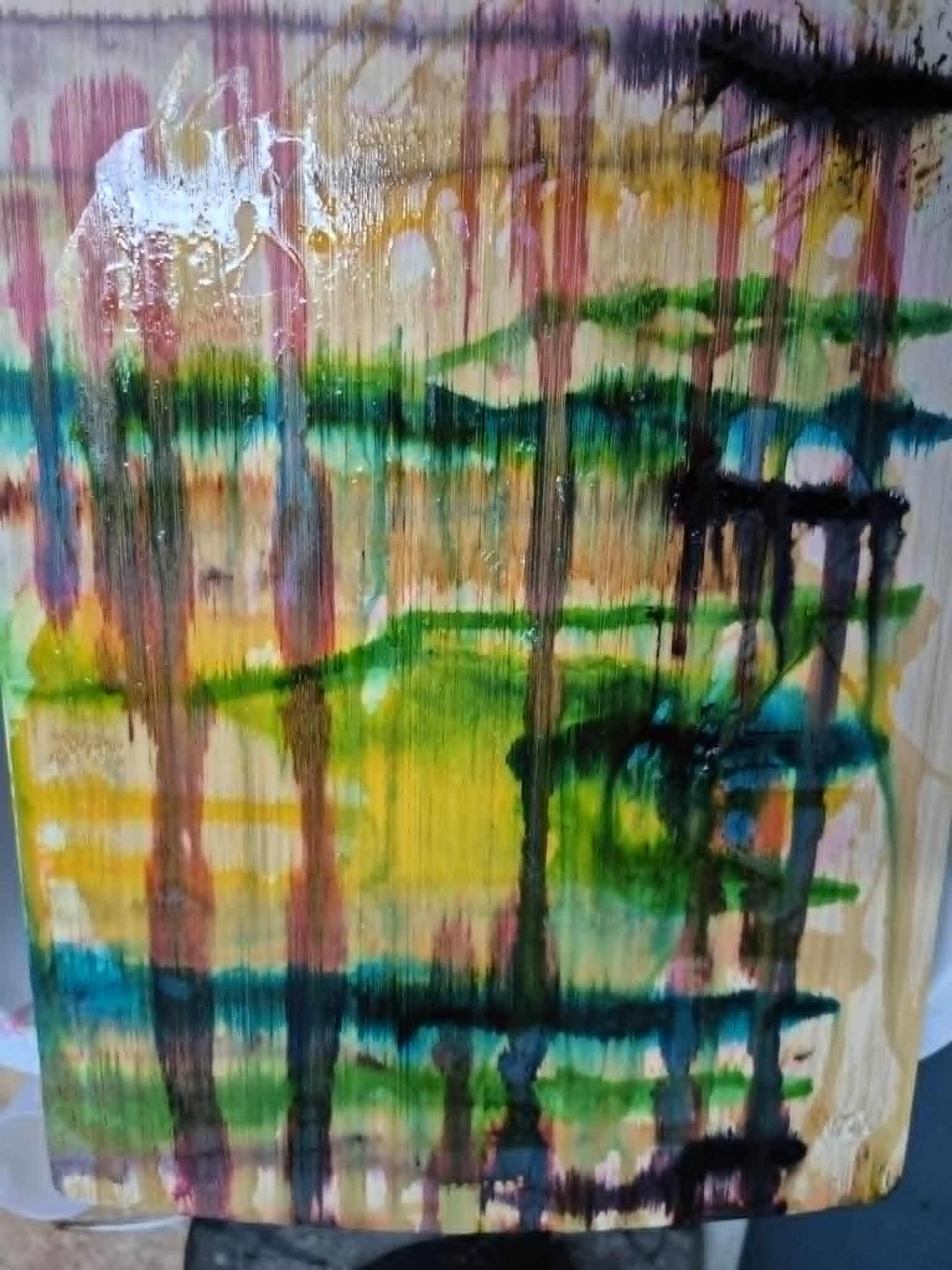
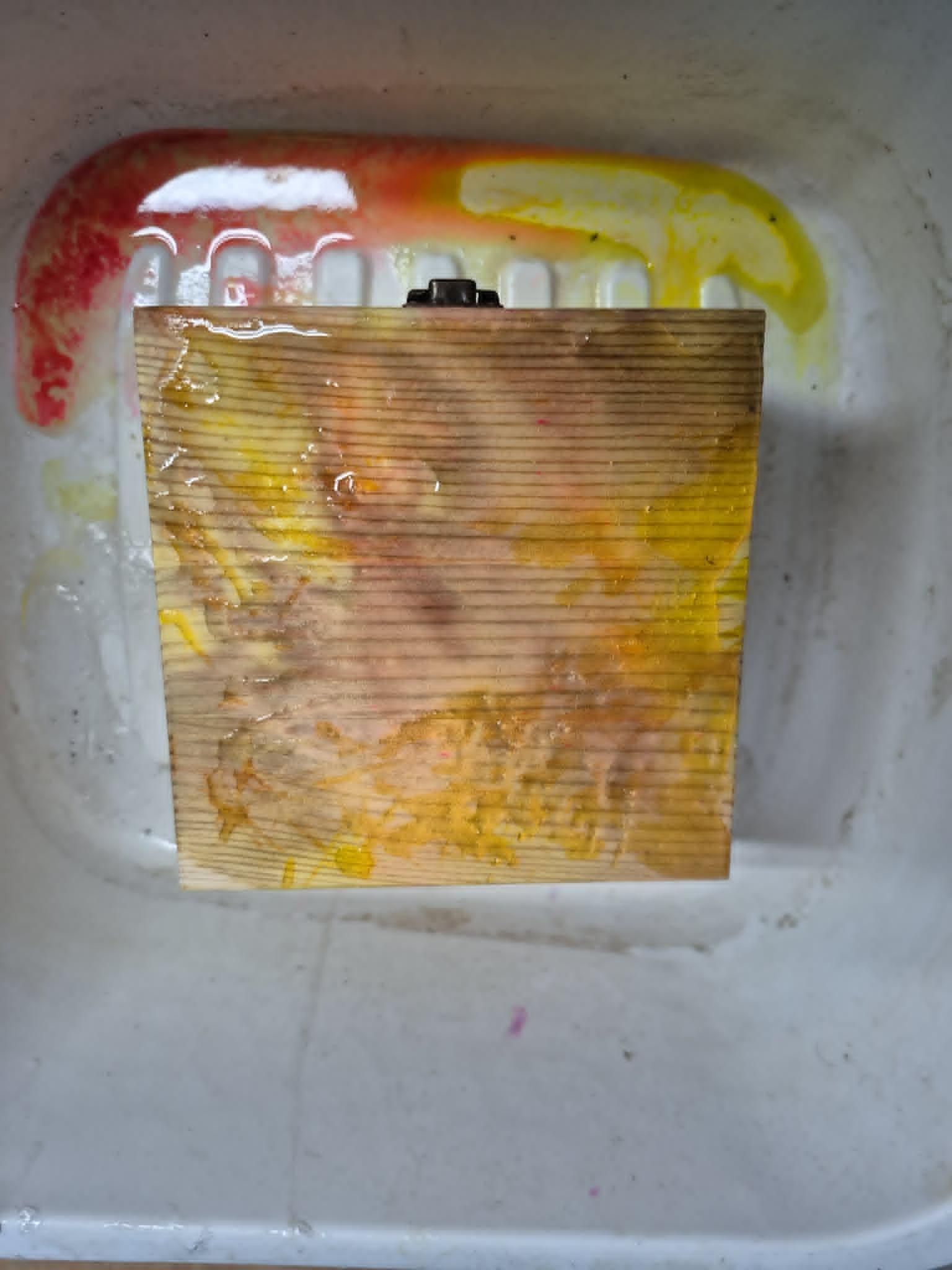
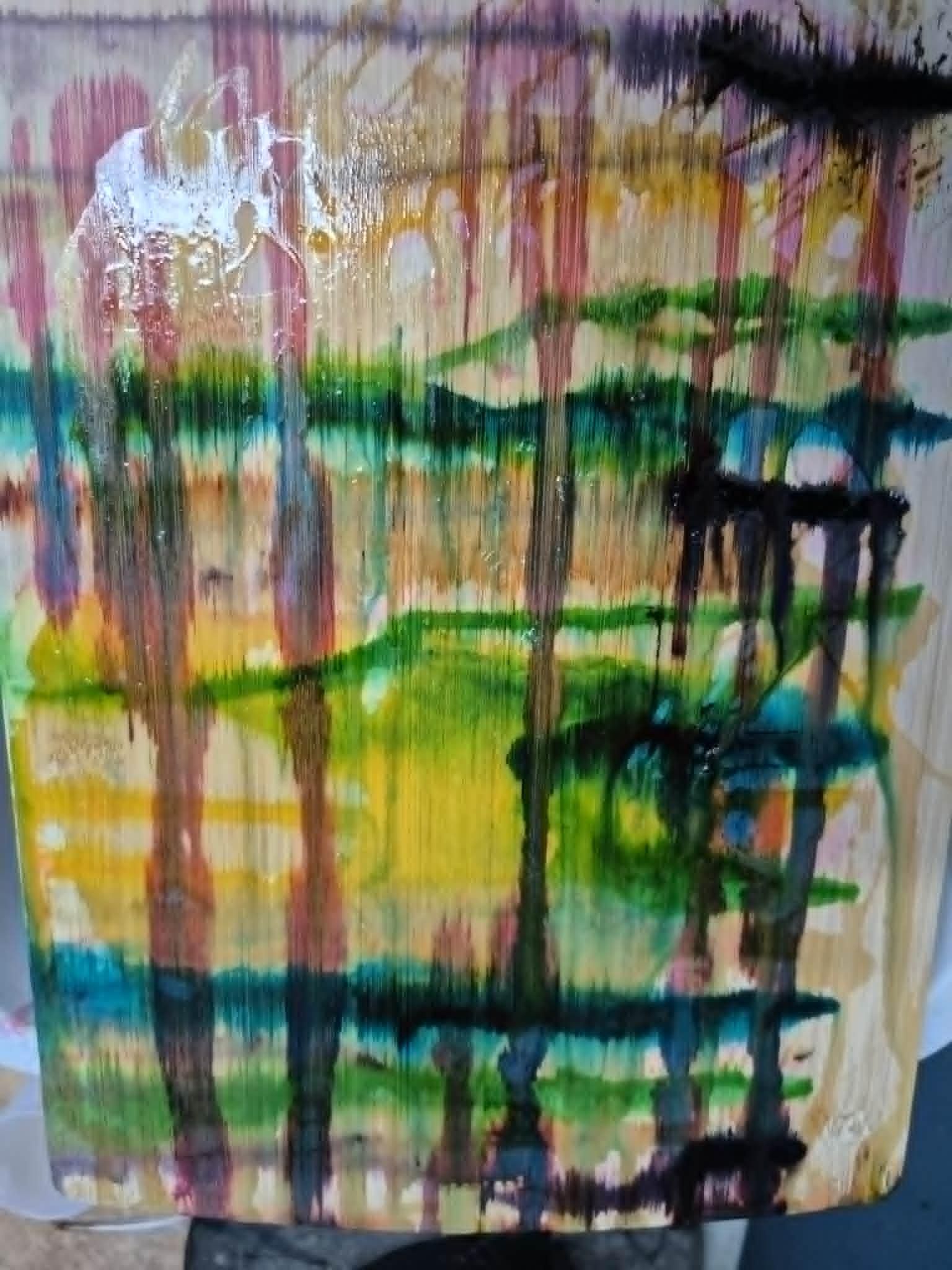
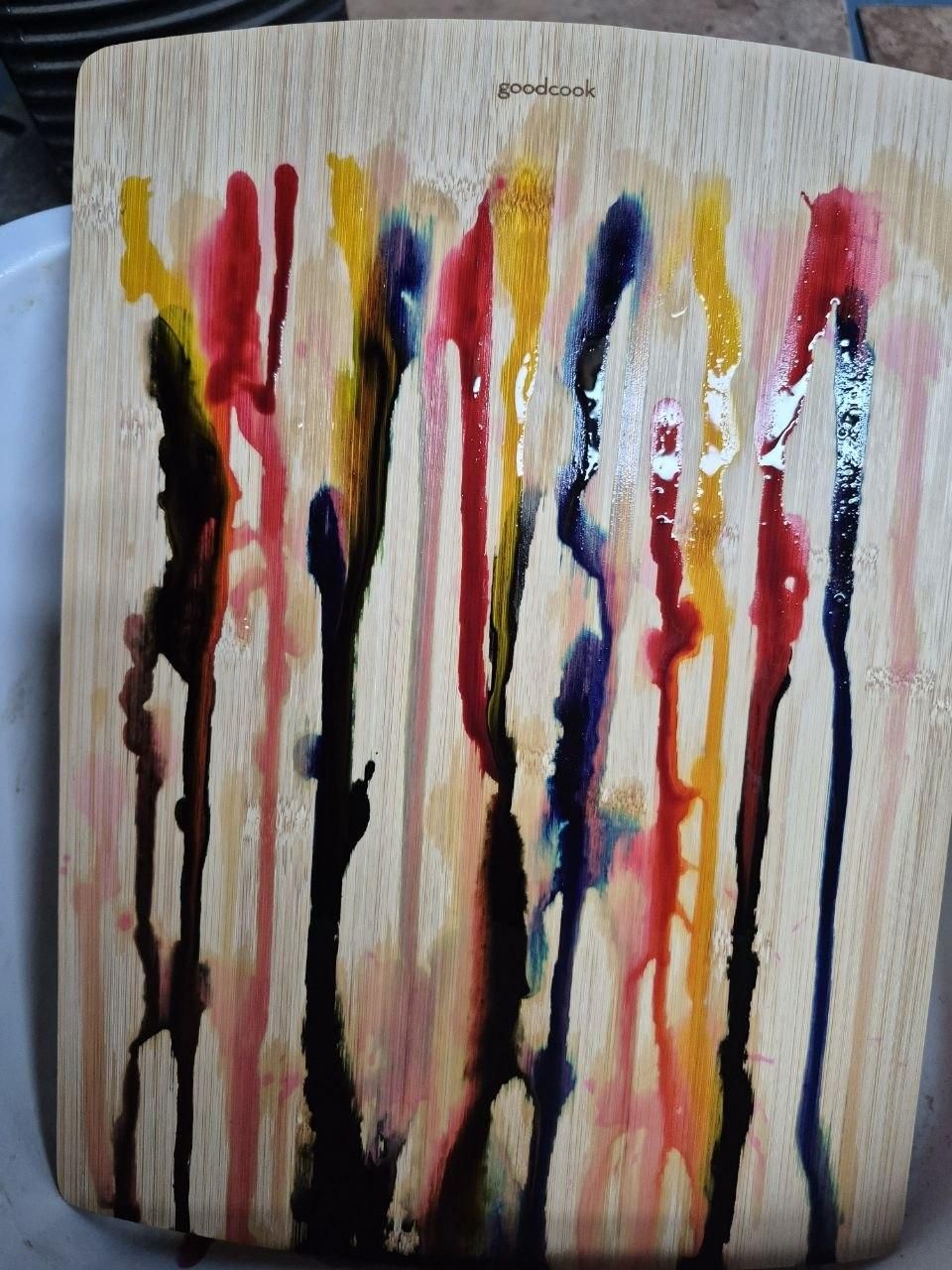
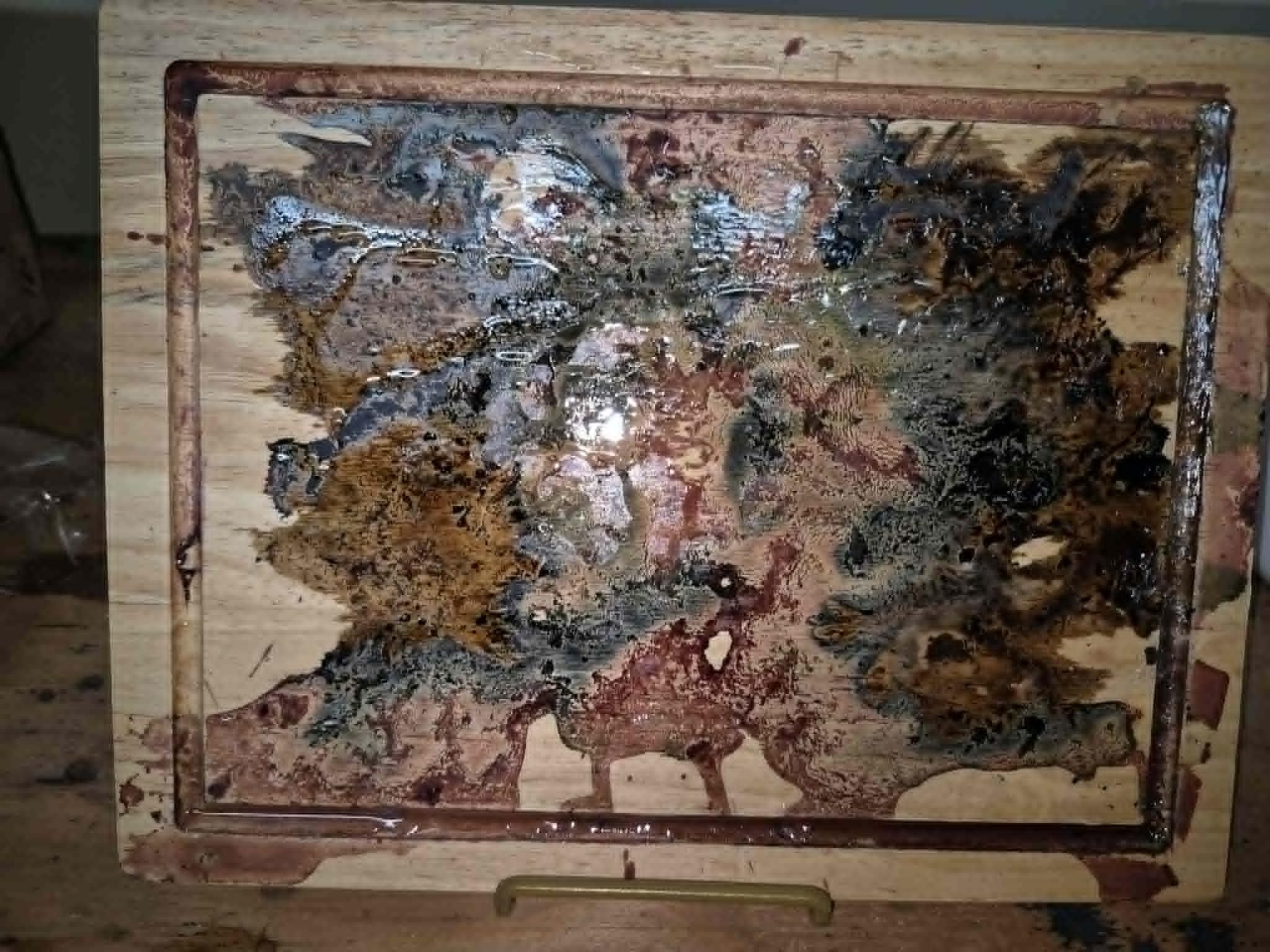
In this Instructables, I am making wood art of different types and adding epoxy to them. It is a long and difficult procedure. Also, this is dangerous if not done correctly. I don't recommend doing this if you're under 18 or have no experience with dyes and epoxies.
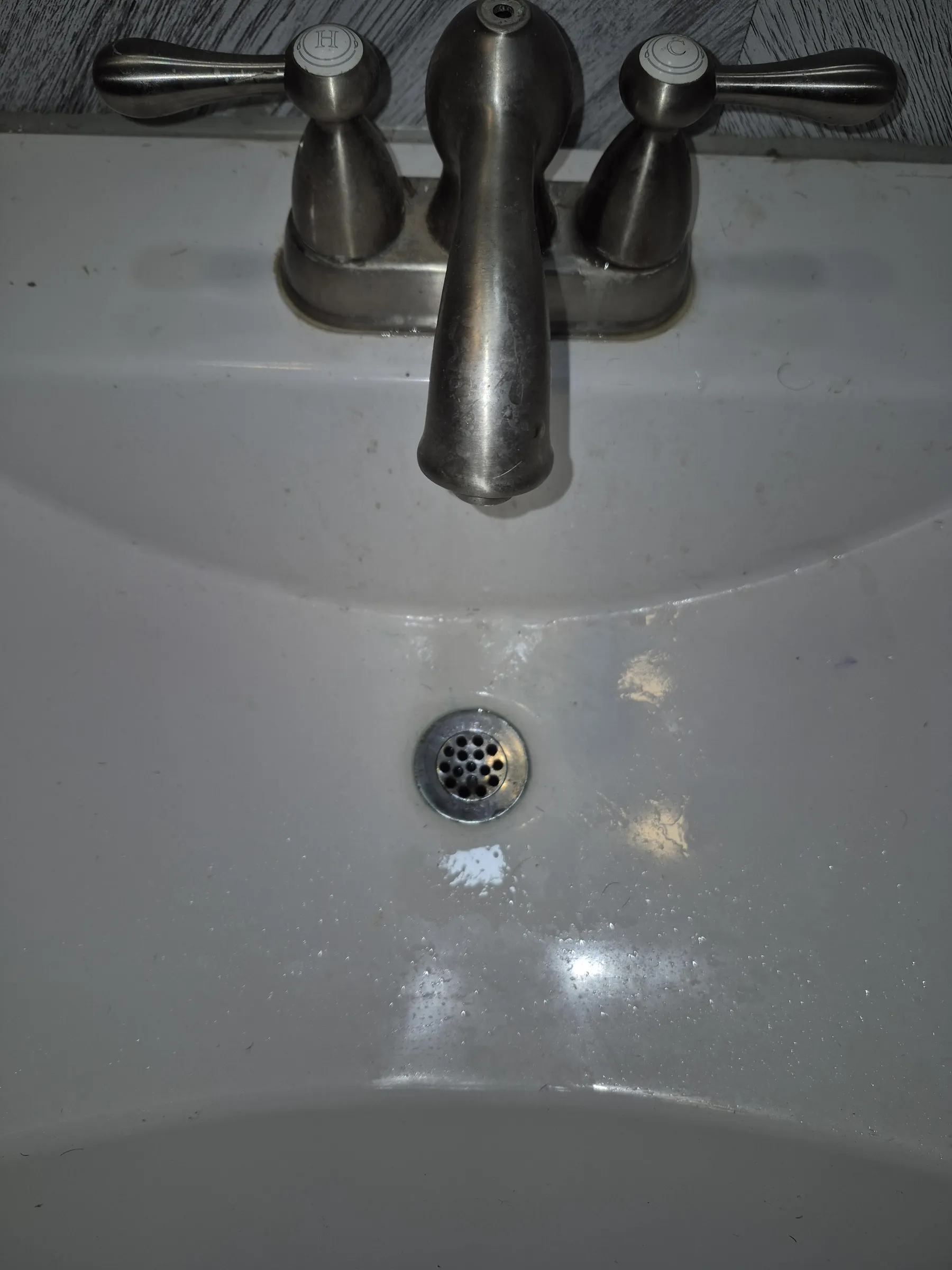
Epoxy resin has a flash point of 93 degrees C, so it is considered mildly flammable. You also need acess to a sink so if the resin gets on your skin you can just wash it off with hot water and soap.
Never expose epoxy resins to full sunlight; they will turn yellow, melt, and do weird things to the resin. High uv and heat are bad idea for resins and dyes!
Some film developers are flammable, toxic, and cancer-causing; use them ONLY in a well-ventilated area.
Warning: We need to work with epoxy, which is a slow and difficult process. Epoxy takes a long time to cure.
I STRONGLY RECOMMEND CHECKING THE MSDS or WHMIS FOR CHEMICALS. PPE is very IMPORTANT. Epoxy is a curing agent that is toxic and corrosive. Safety first: always wear gloves and safety glasses when working with epoxy. You may need a dust mask since epoxy can create irritating fumes, but generally that is a low risk.
Curing agents themselves give off low levels of fumes, but they are safe as long as you don't get them in your eyes or ingest them. A fan MUST be used to actually prevent fumes from being generated. Yes, with epoxy resins, fumes will be generated, and I think you need to have gloves (the resins are corrosive, toxic, and a desensitizer agent). Prolonged contact will damage your skin cells, etc.
Epoxy will only come off with heavy solvents, i.e., acetone, etc washing it takes a long time.
Supplies
.jpg)
Supplies you need.
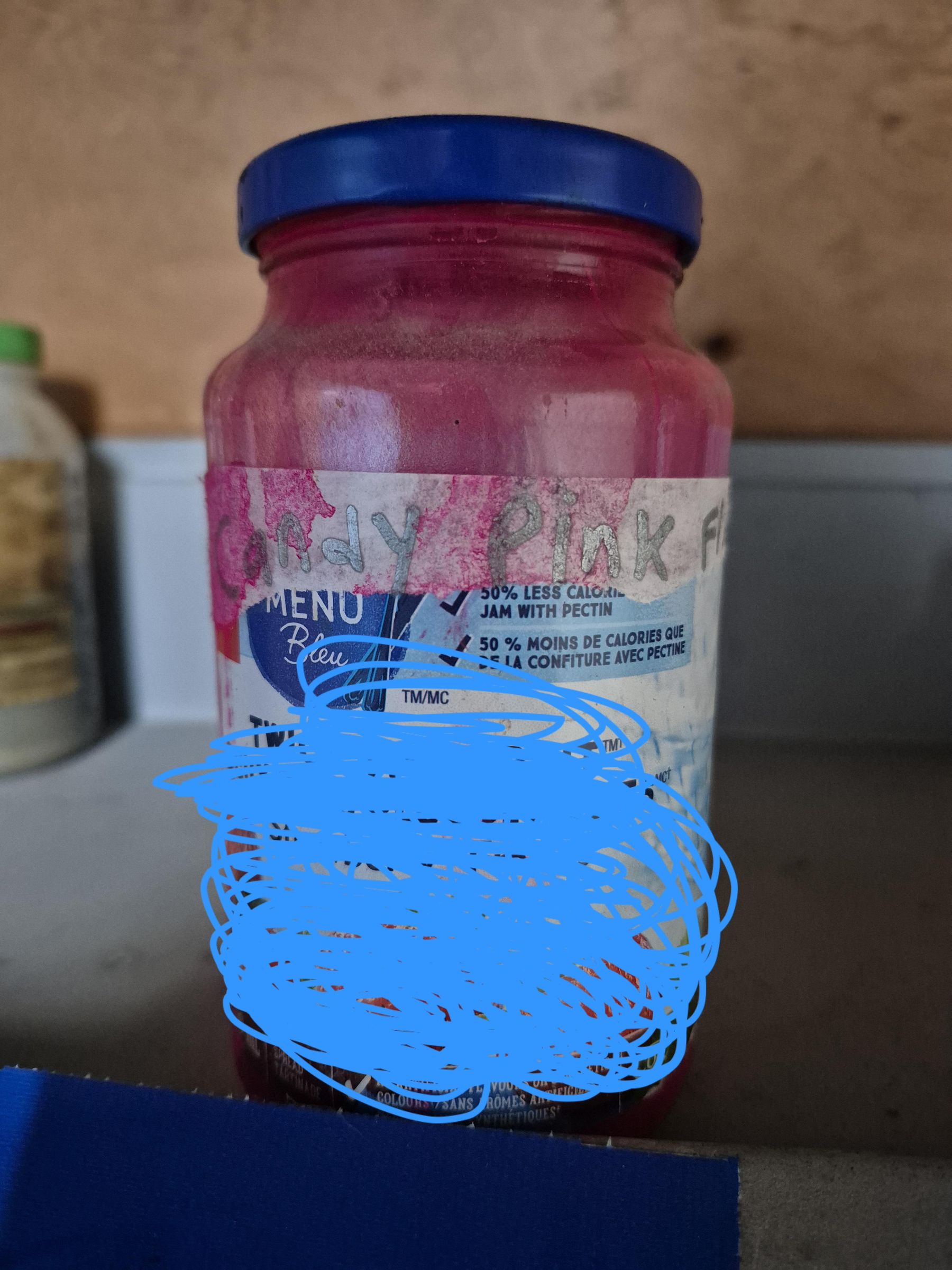
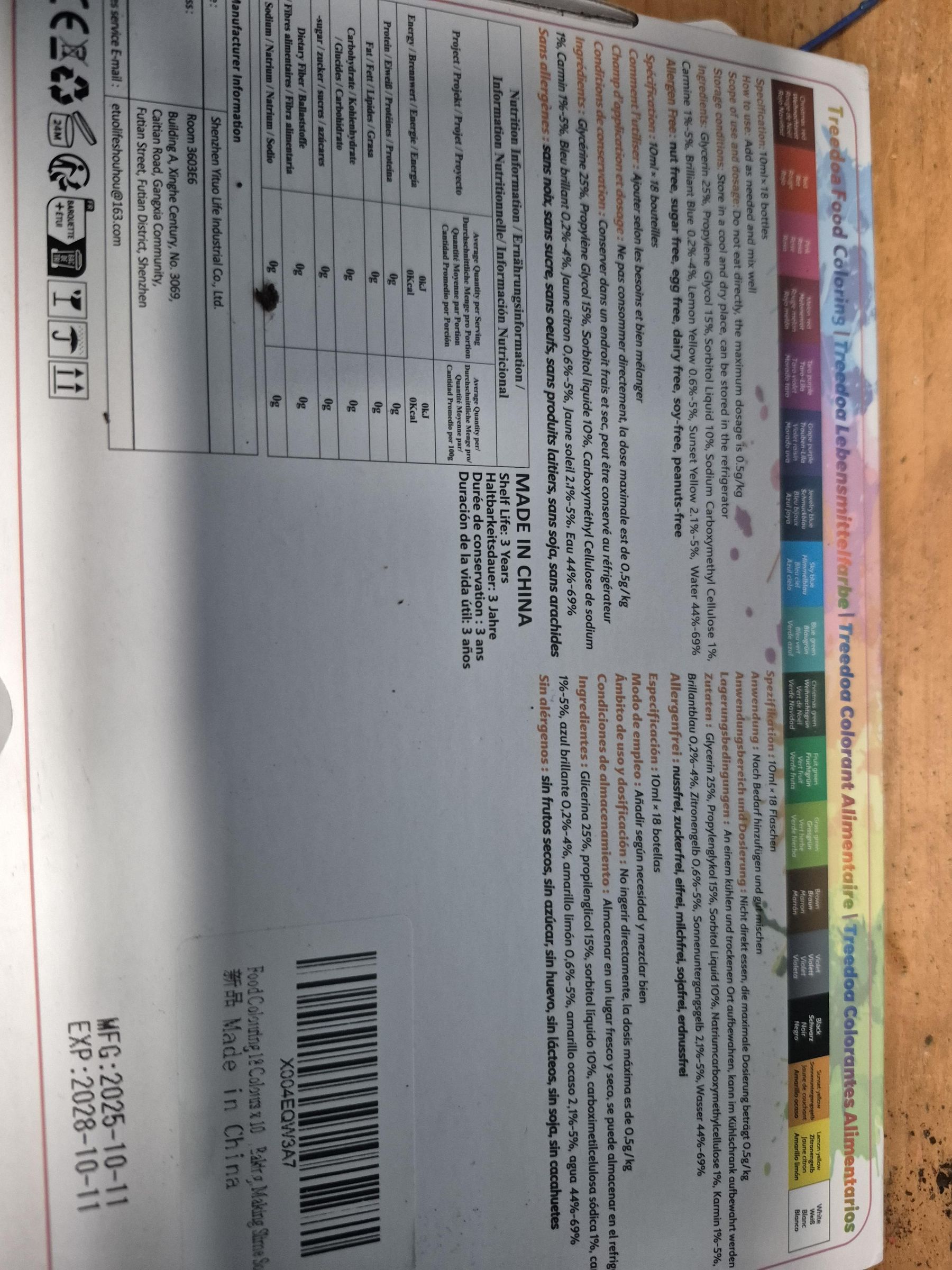
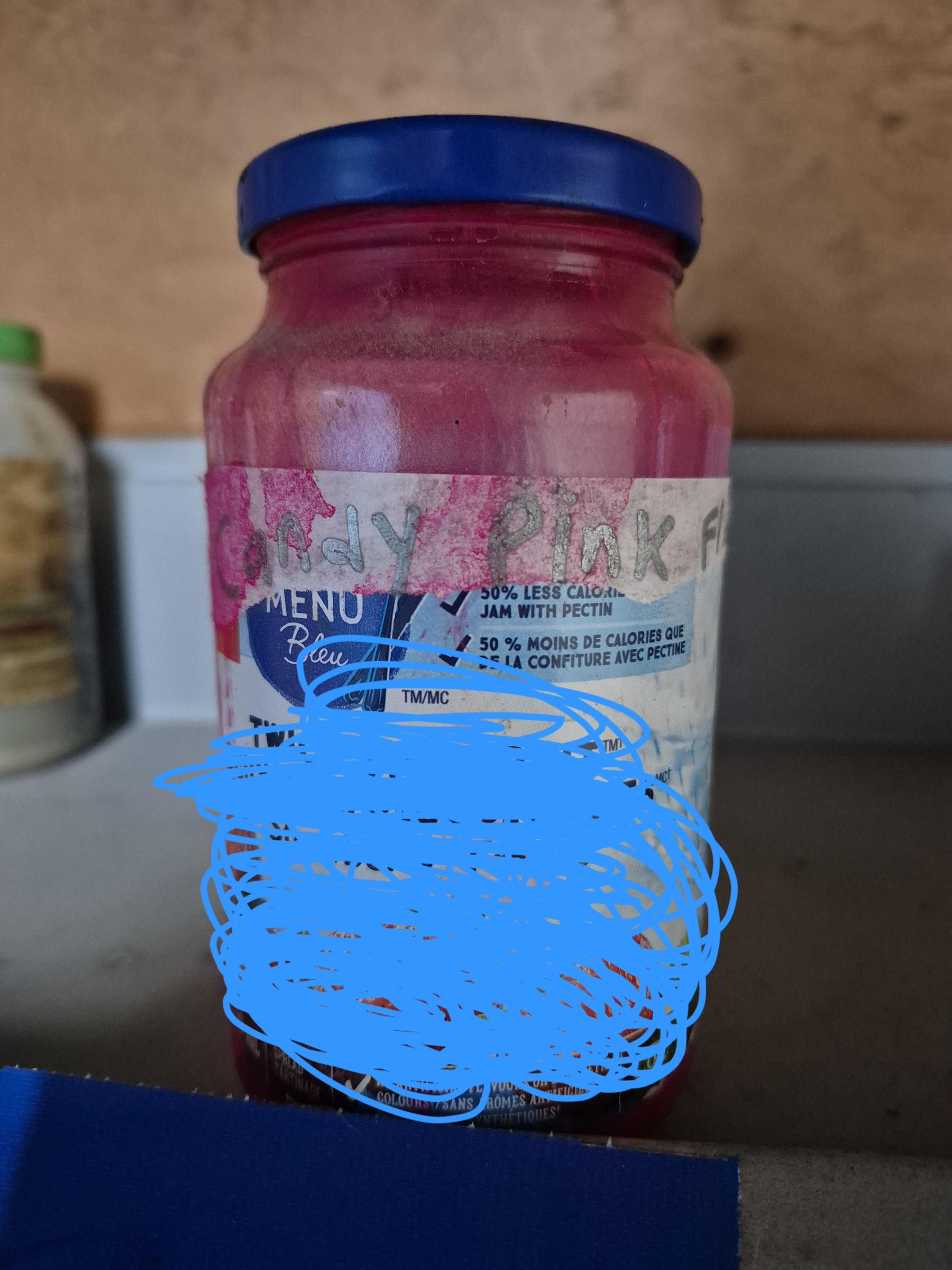
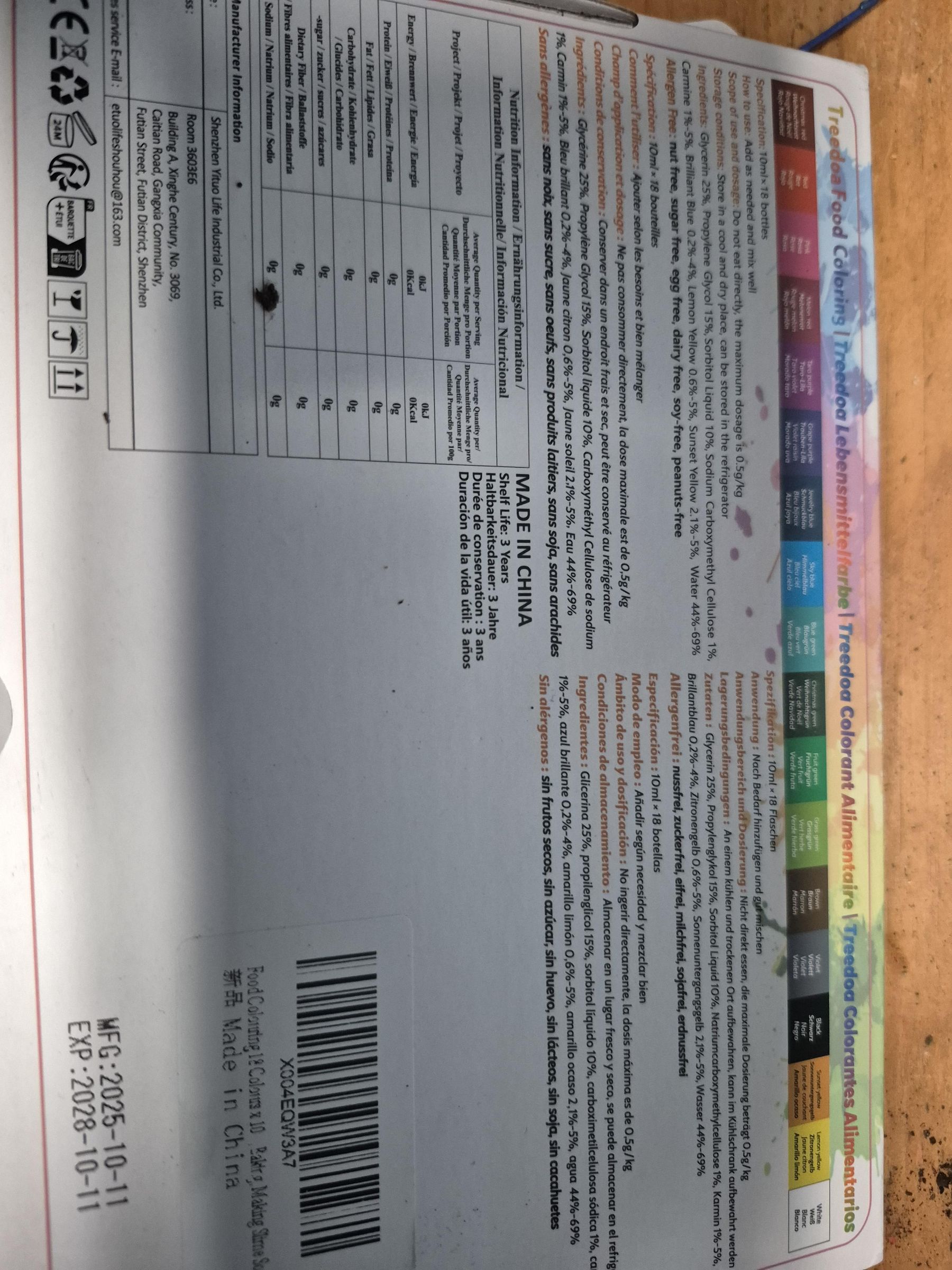
- Soap dyes: you can get them from Amazon.
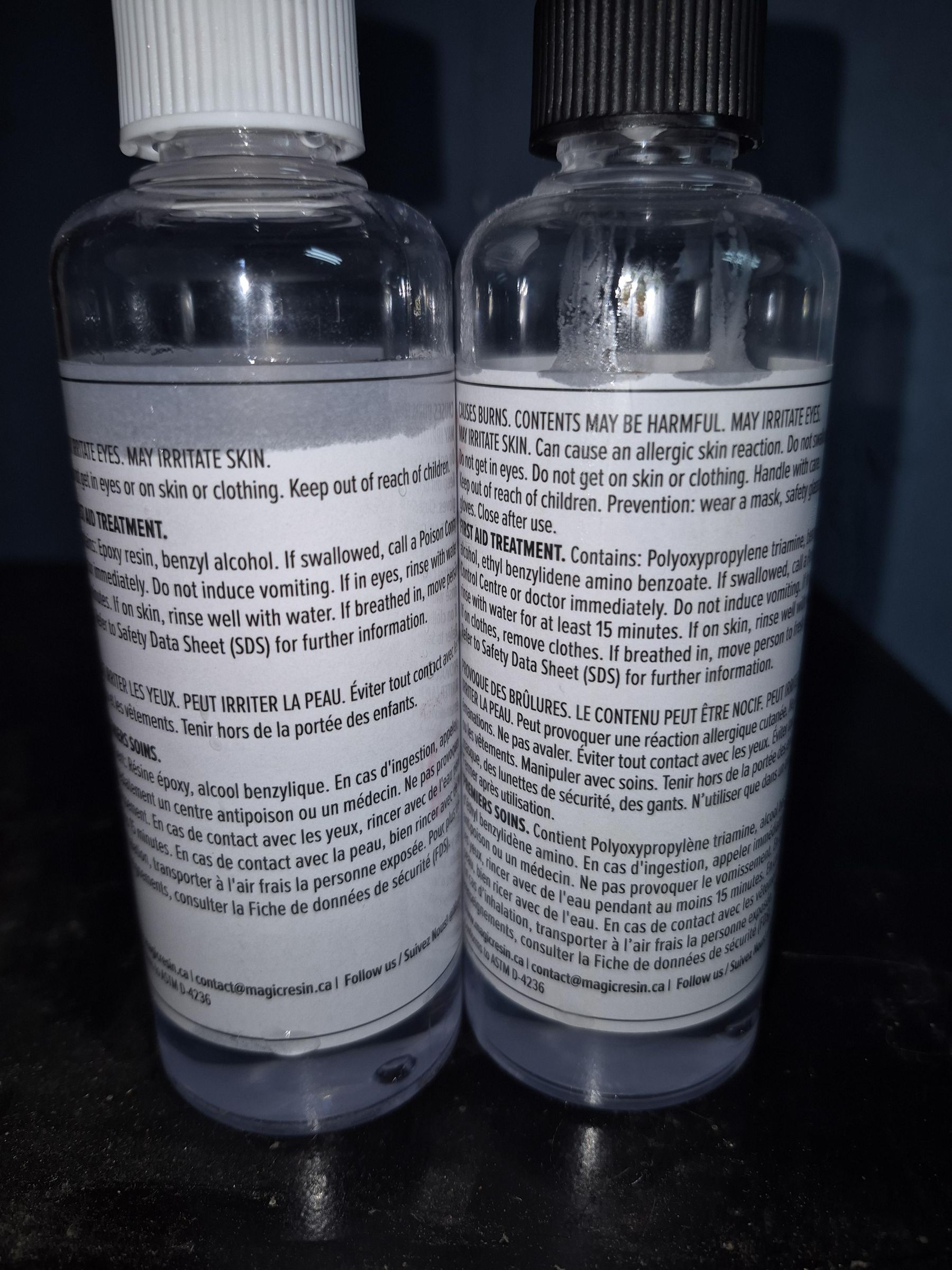
- Epoxy (1:1 volume set). Amazon, hardware stores, etc.
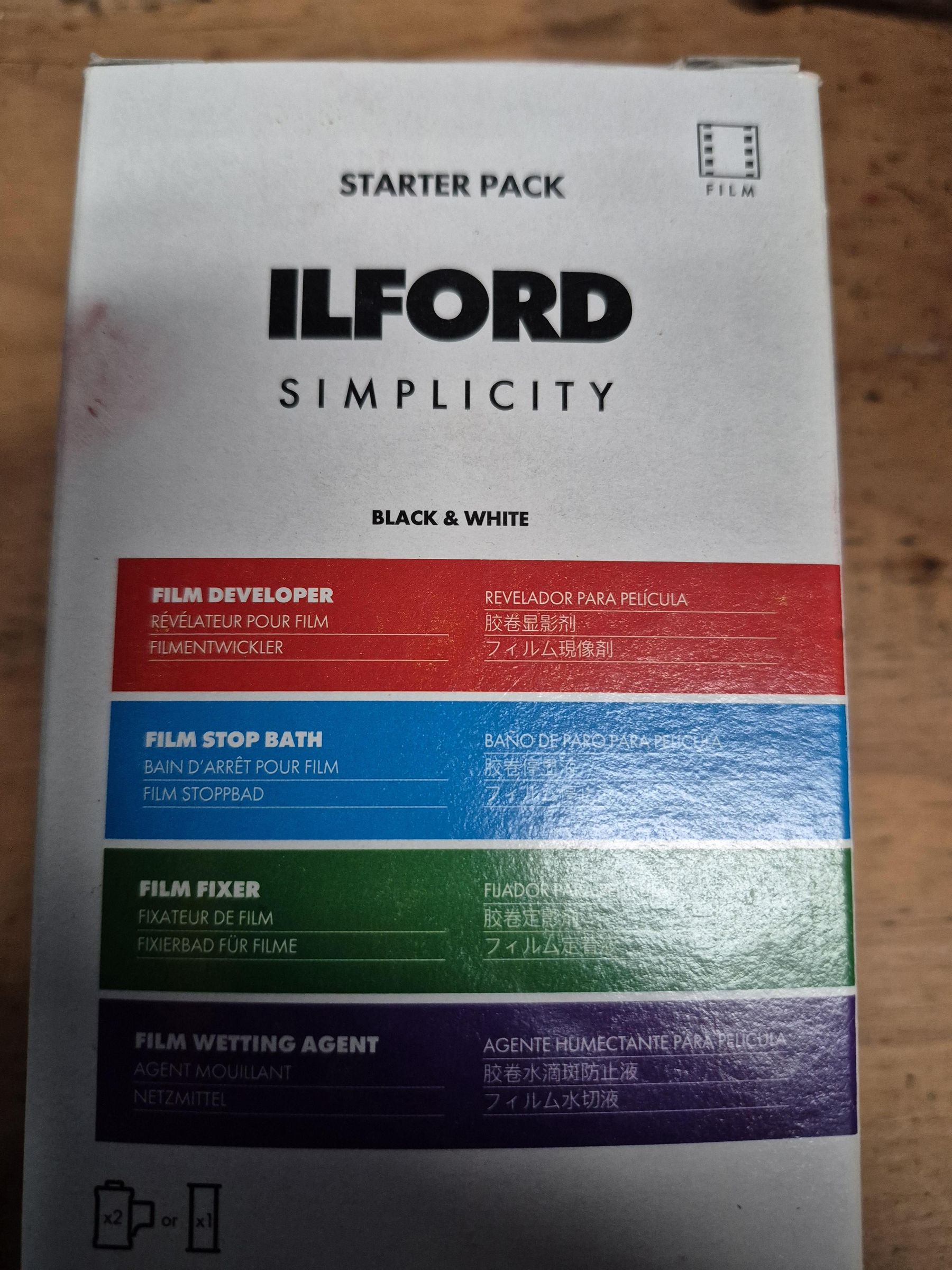
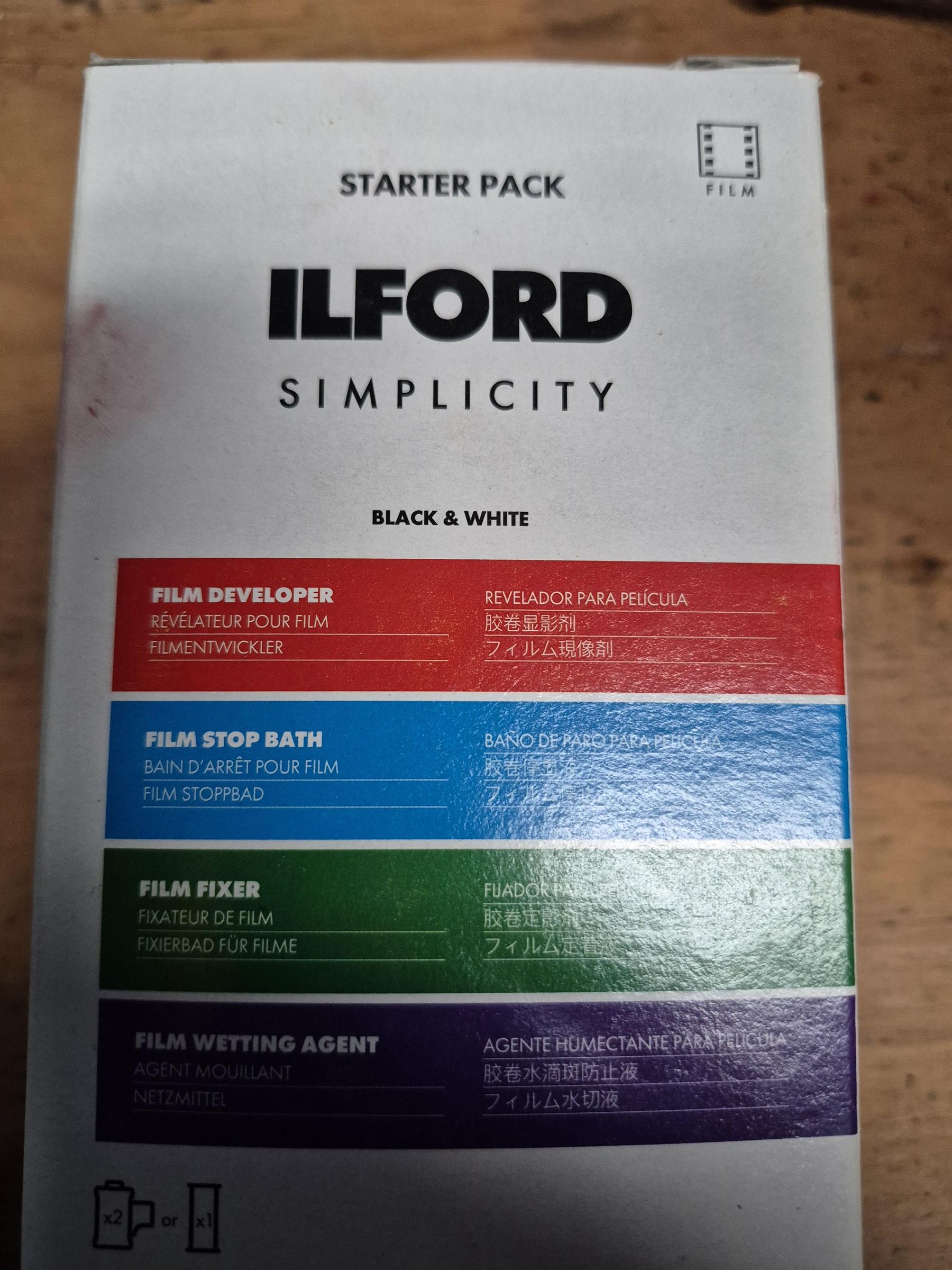
- Ilford Simplicity film developers.
- Fluorescent pigments: they can be expensive on eBay or Etsy. (Be aware of unethical practices like this on these sites. (Warning).
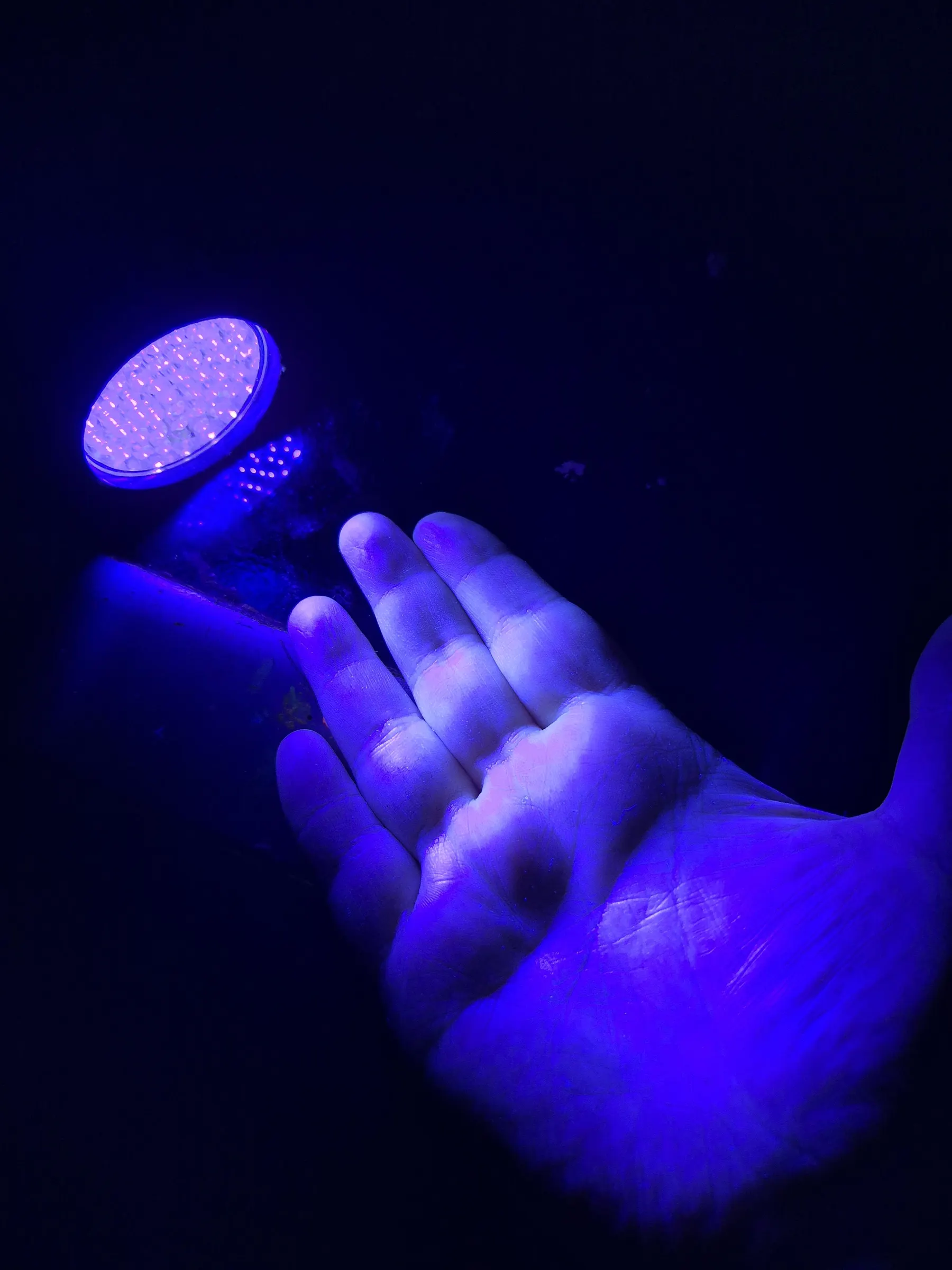
- UV lamp for some dyes (Rhodamine 6b, Sodium fluorescein, etc.)
- Mica Pigments.
- Water Distilled.
- Hand soap
- Hot water from a sink.... (Quite important).
Equipment:
- UV lamp (254 nm and 400-440 nm). Ozone production when the lamp is on will be noticeable.
- Gloves, safety goggles, and faceshield. Please see Intro.
- Old clothes
- Apron
- Safety goggles
- Dust mask
- Fans.
- UV lamp.
- Towels.
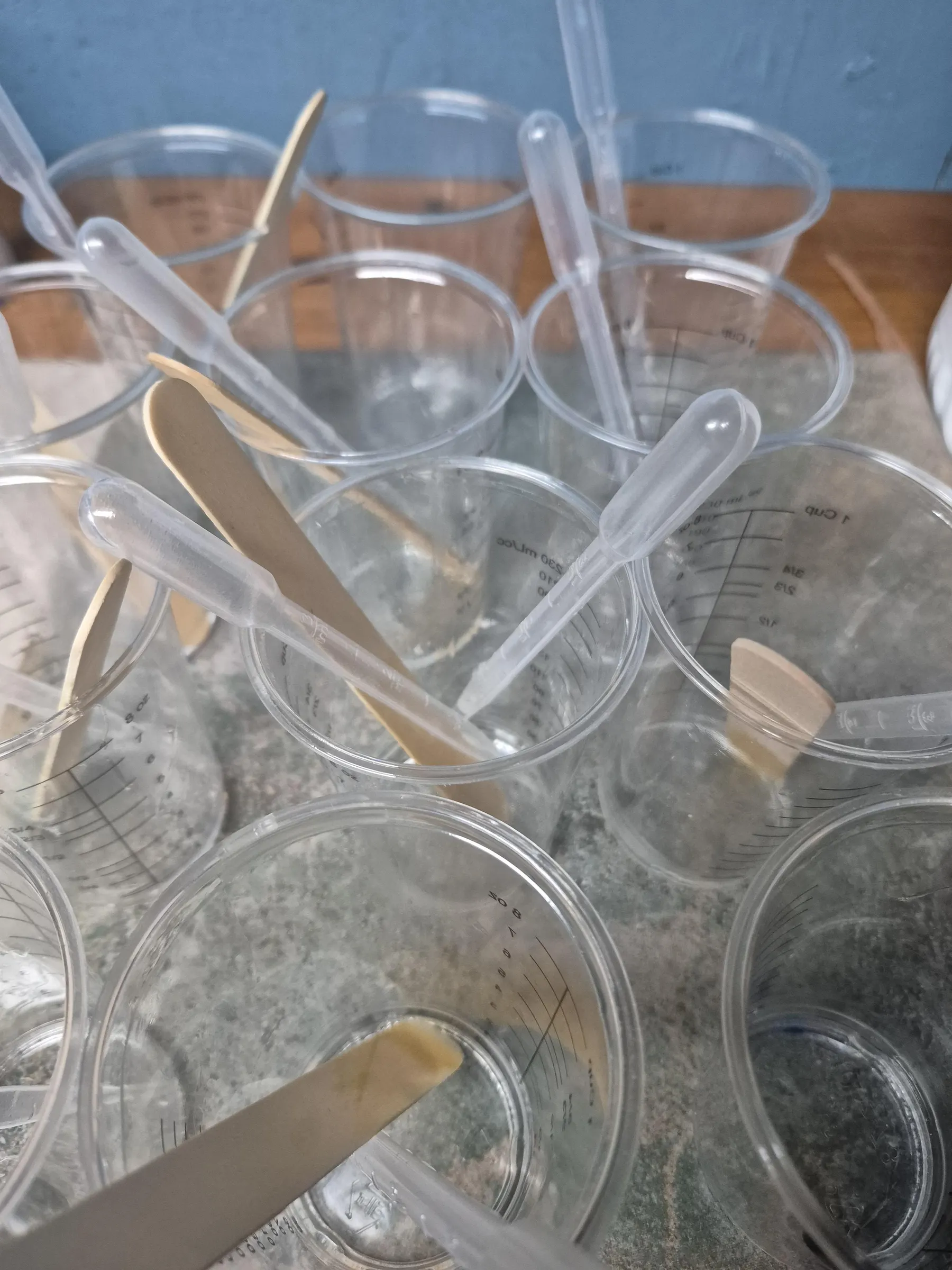
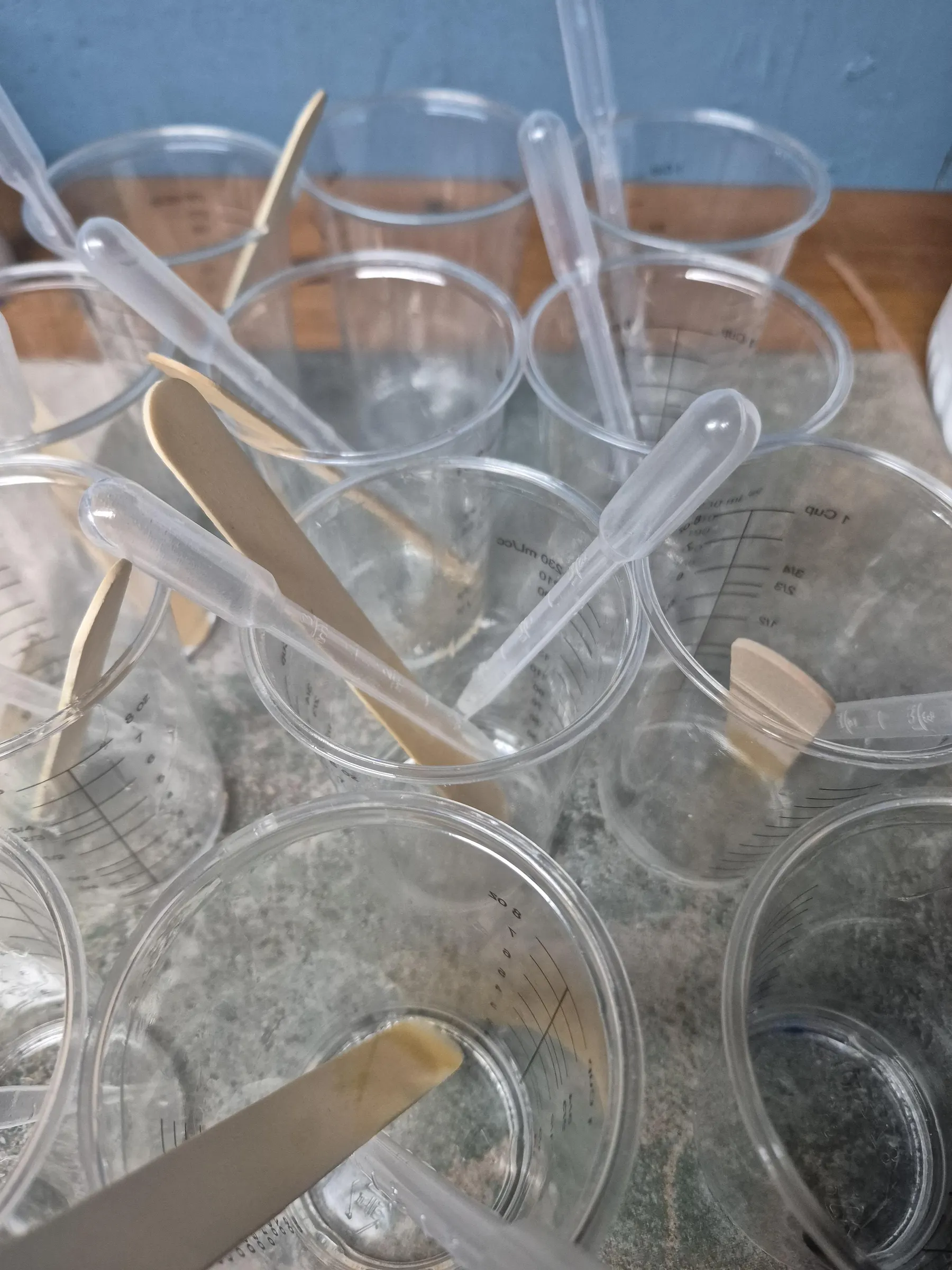
- Plastic cups for the epoxy.
- Popsicle sticks
- UV safety glasses for 254 nm and 400-440 nm.
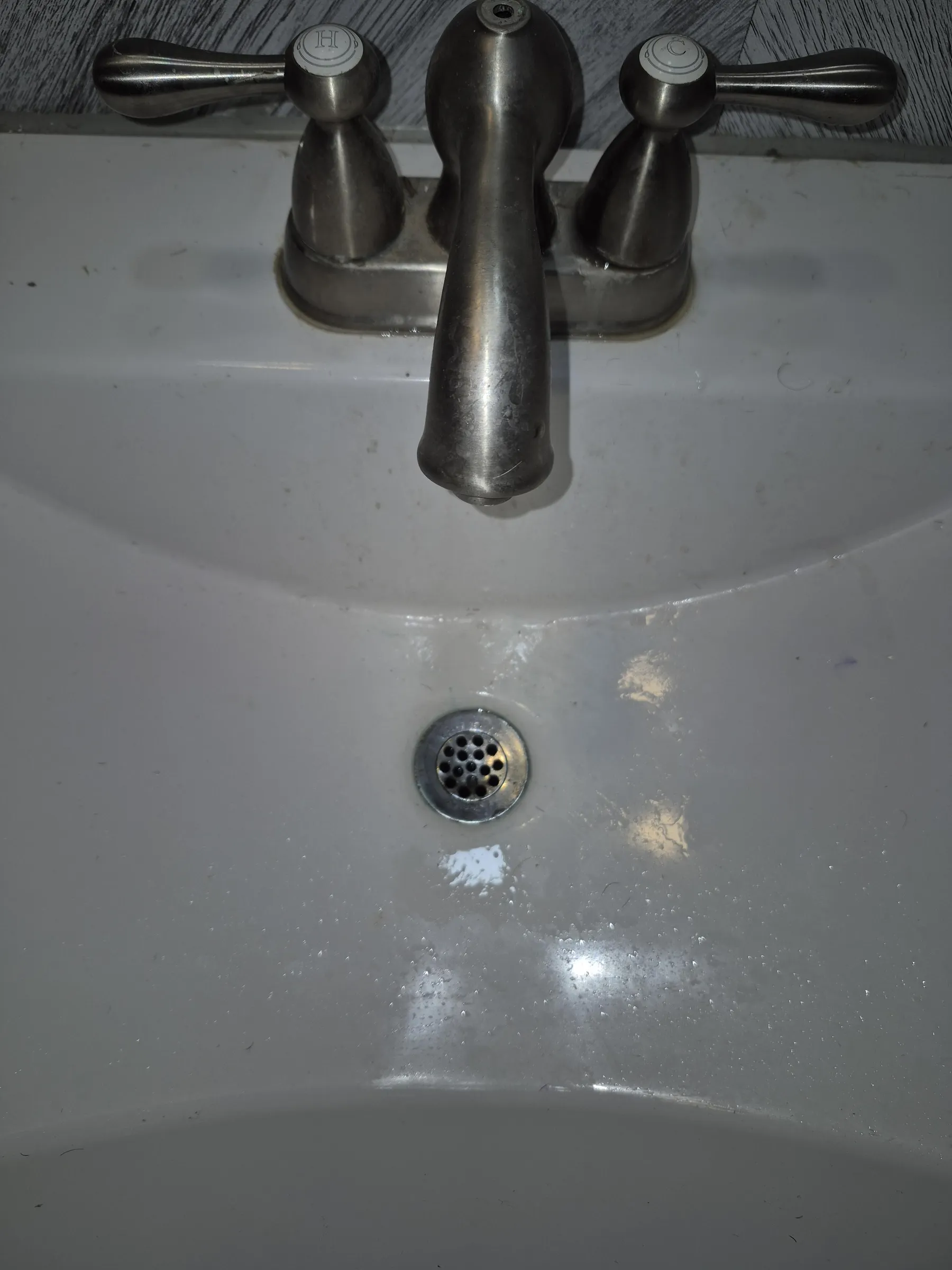
Also access to a sink in case the dyes get on you. Epoxy is hard to get off. Washing it with hot water helps for some contacts. But rubbing alcohol 99% (isopropanol alc)may be needed if the resin gets on you.
Working With Wood or Buying the Wood From Different Places.
We can work with many types of wood (maple, bamboo, etc.) as long as they are not hardwood, since the dyes have difficulty penetrating the wood. Keep in mind that how dyes react with the wood is quite difficult to predict. I recommend big trays to hold the wood and the dyes. Each type of dye acts differently when exposed to wood.
I made mistakes with hardwood, and the epoxy did not cure properly.
Harder types of wood can prevent the dyes from absorbing into the wood, and as a result, the epoxy will not harden as quickly as you want. It is more likely to fail if the humidity reaches 70% or higher. Winter works better since the humidity is our foe here.
Note: Epoxy resin is cool to work with, but requires time and patience. Always wear gloves and PPE.
Warnings About the Toxic Dyes and Epoxy. Please Use Safety First!!
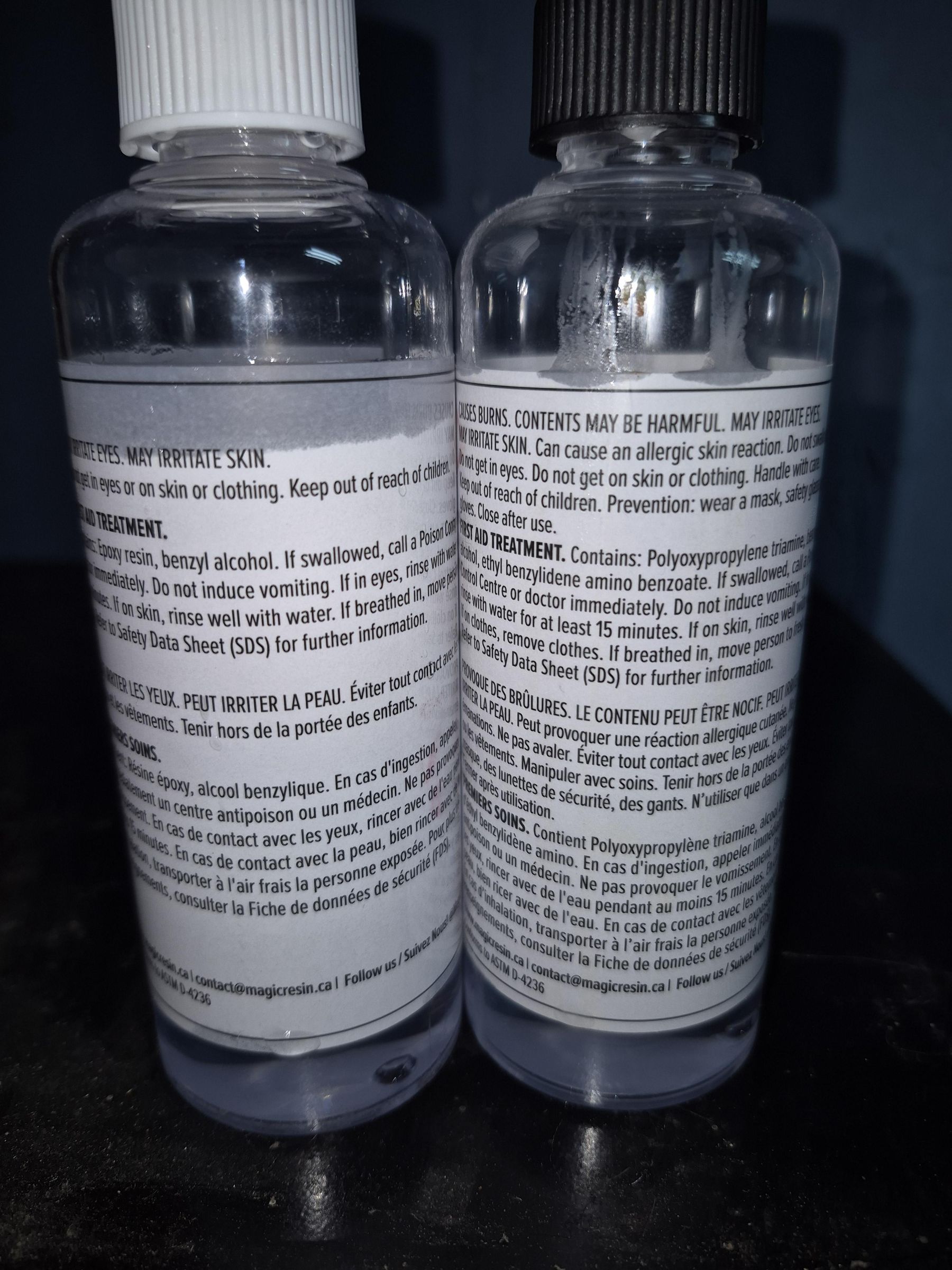
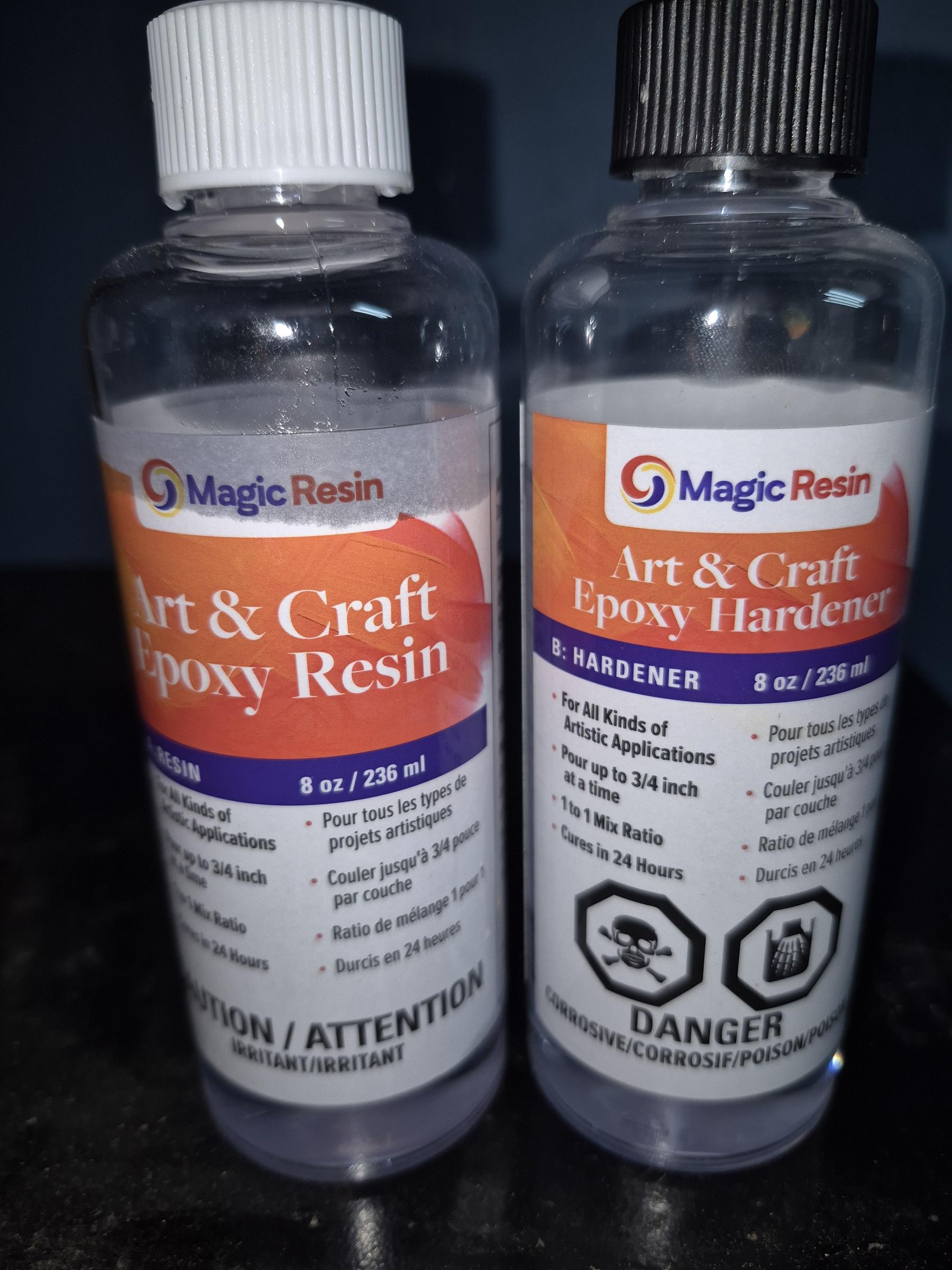
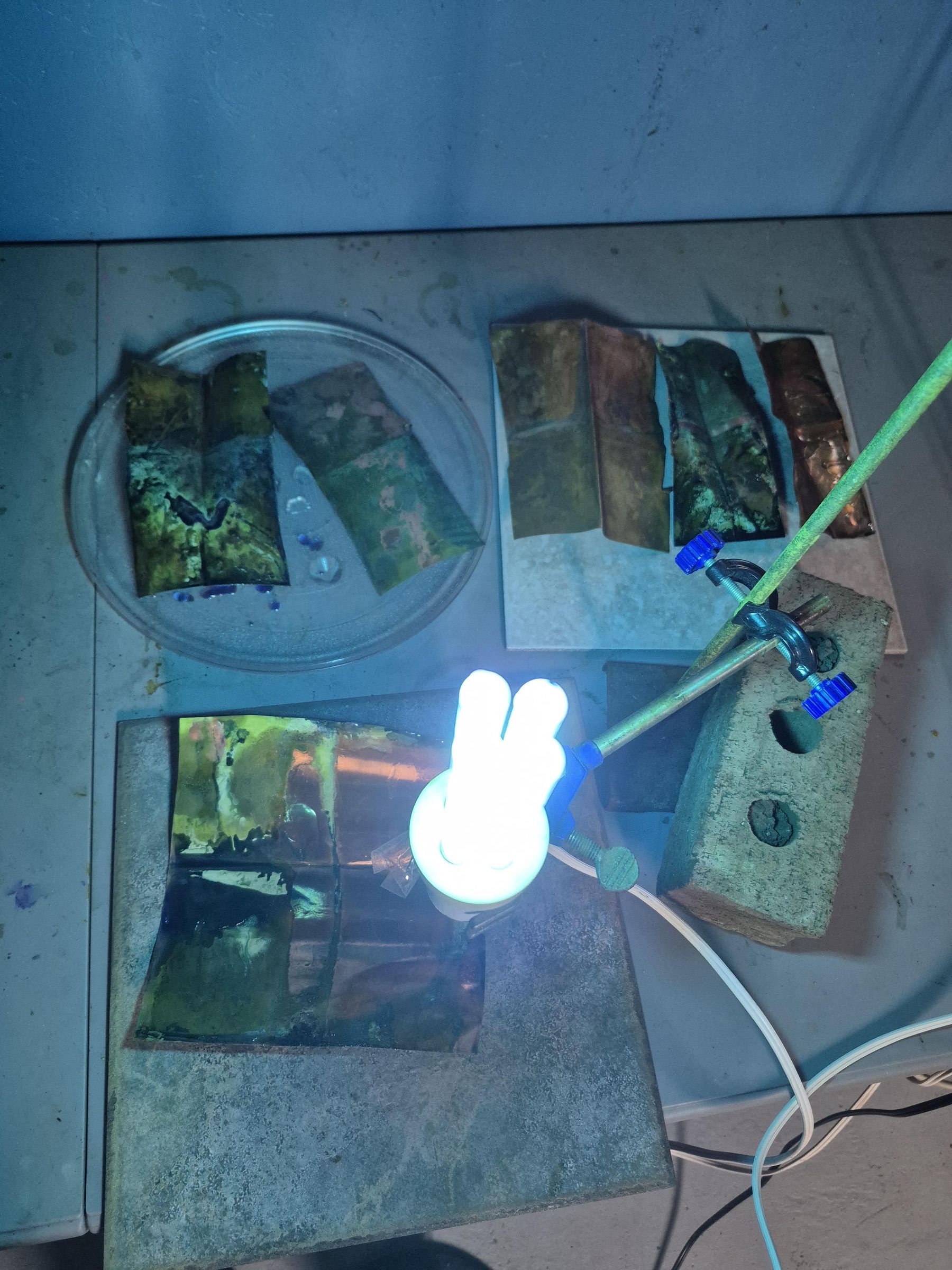
.jpg)
.jpg)
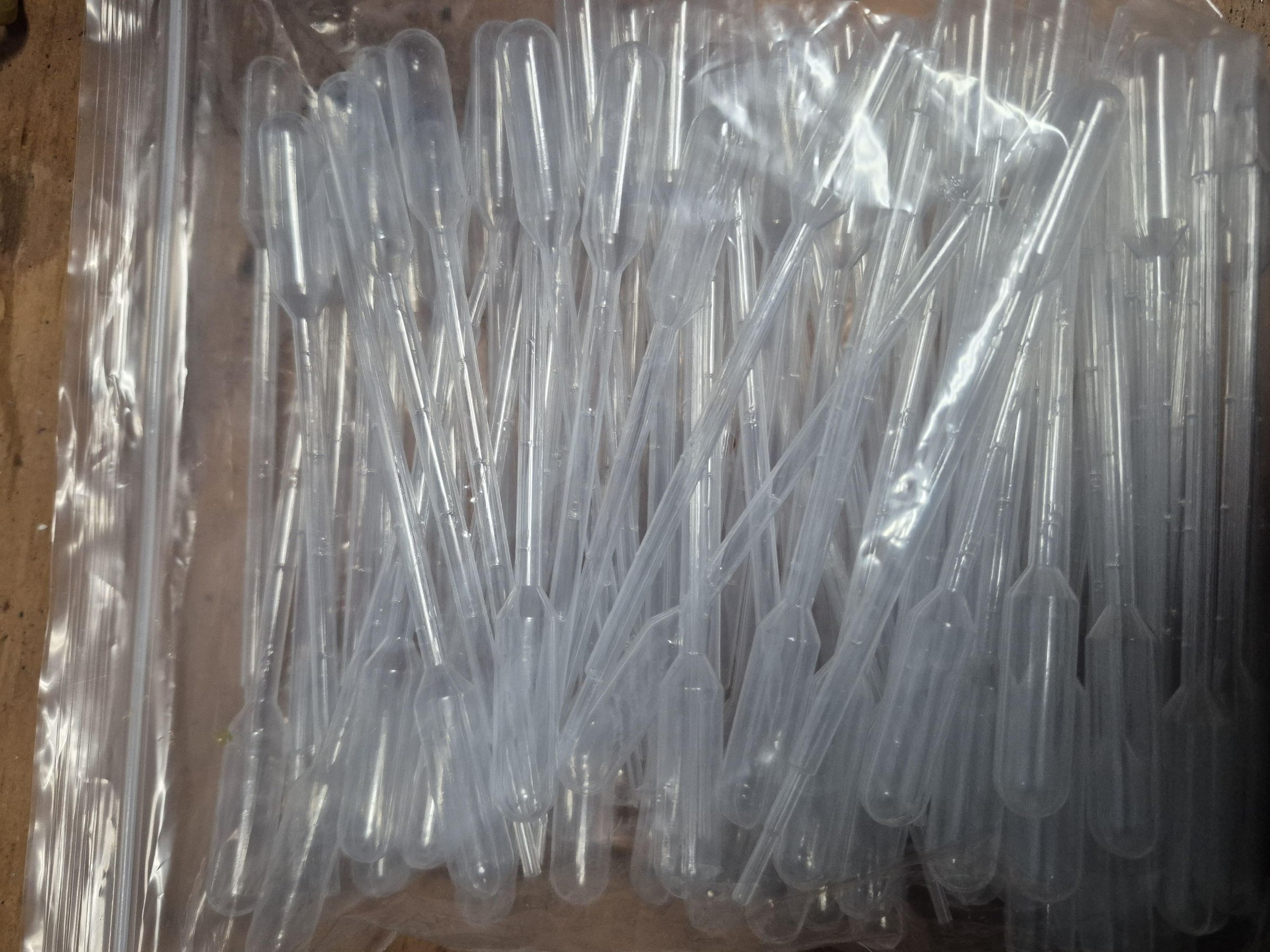
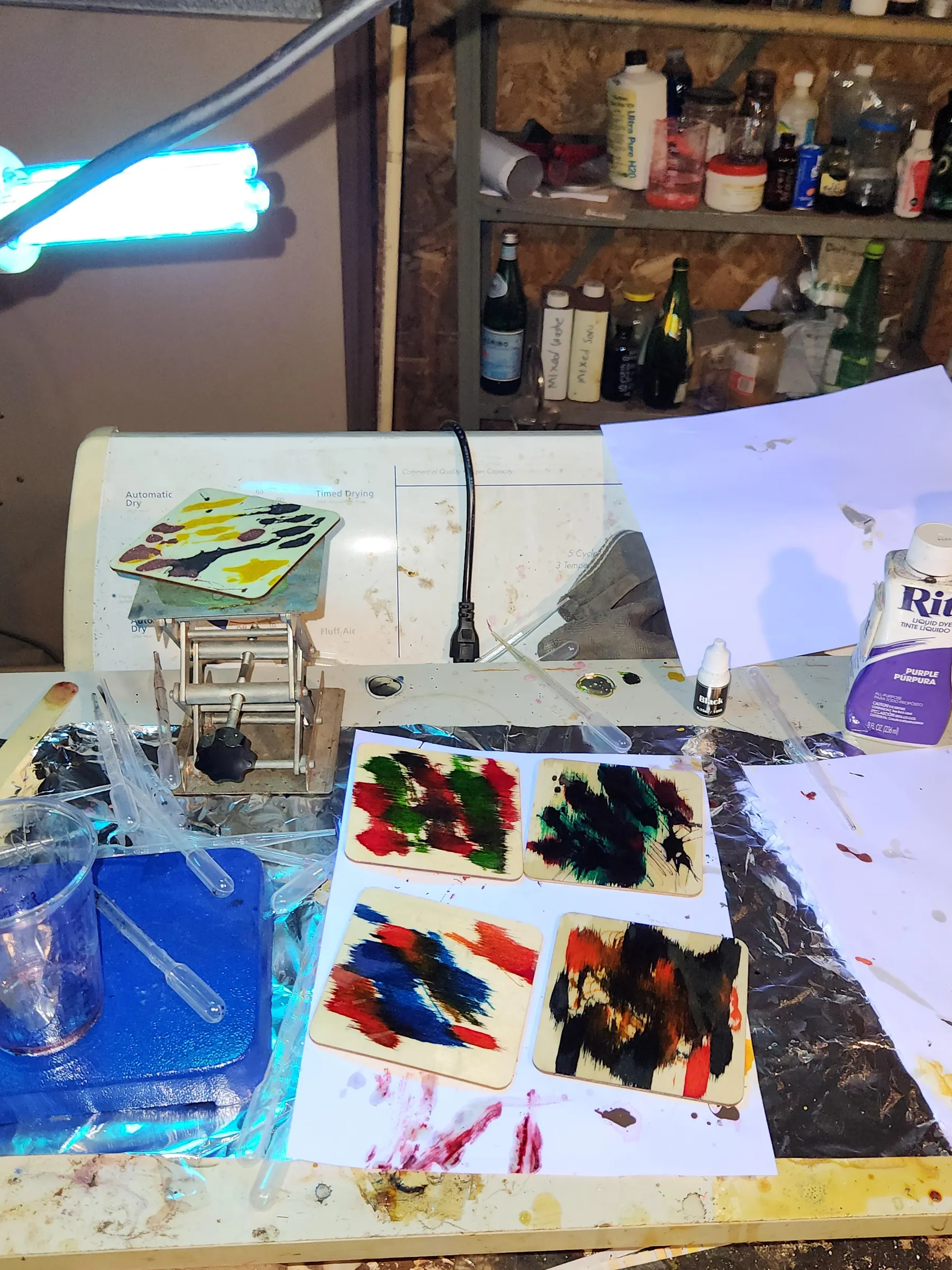
We need to add the soap dyes or different types of dyes with the pipettes to actually get the dye to run with the water. A small amount of dye is needed with water to mix equally with these pigments. The dyes are mostly non-toxic, but caution is required. (Staining your skin: wear gloves, goggles, and full PPE.)
Give the dyes time to dry; sometimes it takes seconds to hours. Usually, a few hours for the dye to dry.
Some dyes are toxic (Rhodamine 6b in water or ethanol). Please see the pictures I will post. Soap dyes and some pigments can react differently than what you expect. Also, many of these dyes stain your skin.
There are some exceptions with soap dyes and the Ilford Simplicity film developers-type dyes combo with the dye. Please see the labels of the epoxy and chemicals that you are working with. These film developers, when added, react and create different types of results.
I recommend (gloves, apron, nitrile gloves, and safety goggles). A face shield is EVEN MORE RECOMMENDED since the epoxy that touches your gloves can get into your eyes and face. ((Disaster if this happens). Blindness can happen if you get the curing agent in your eyes!!
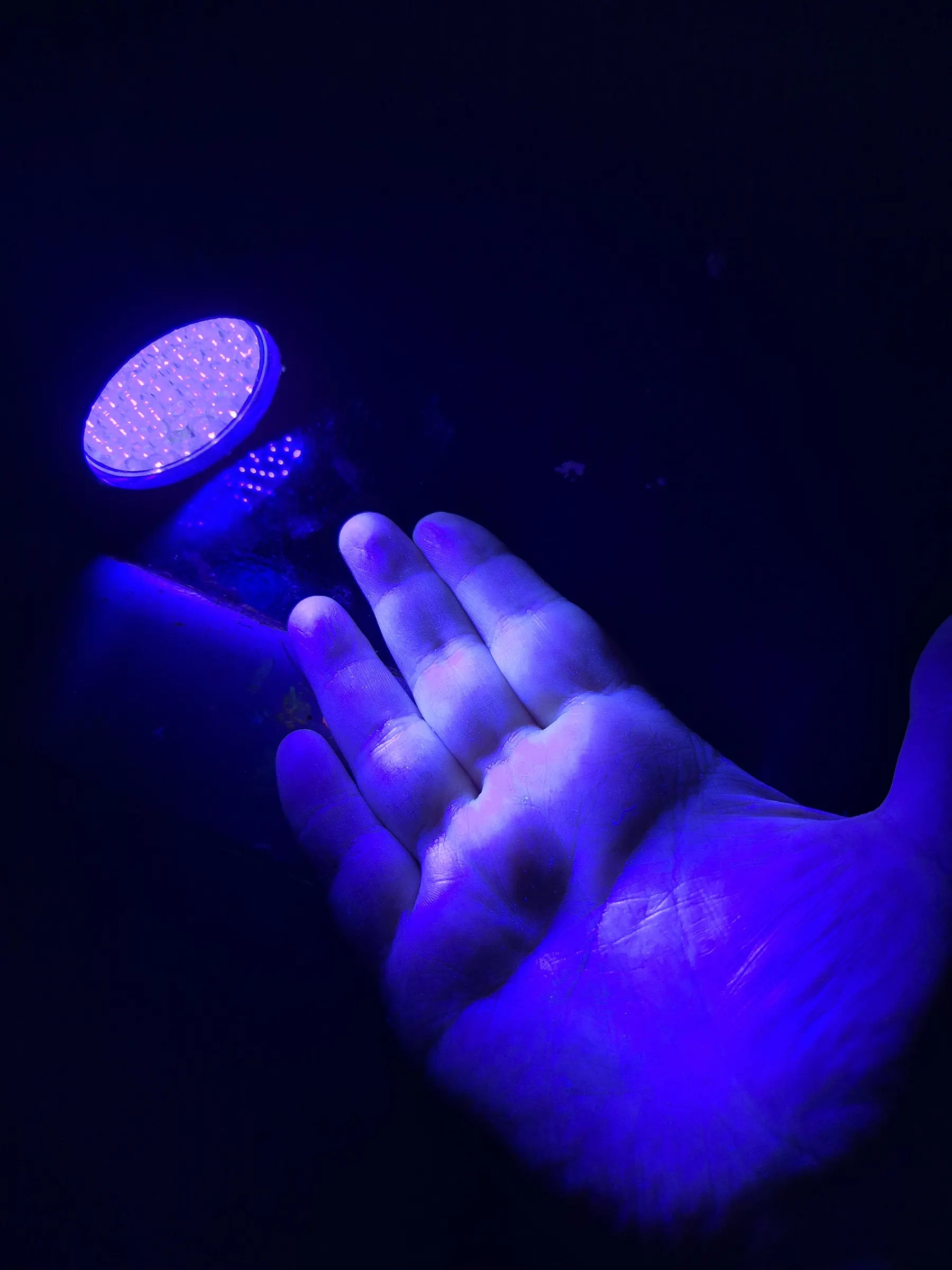
A UV lamp at 440 nm and 254 nm can induce photoreactions with the resin, and it helps the resin (dye combo) cure in my opinion. Keep in mind that these UV lamps are dangerous if misused.
Also, ozone is irritating, and never operate the UV lamp for more than 20 minutes! Use special UV goggles for 254 nm and 440 nm at 30 watts of light power. Incorrect safety for UV could irreversibly damage your eyes and skin!
Again, PPE is essential here.
This is experimental in some ways, so be patient and keep notes on what went wrong and what worked.
Adding Soap Dyes to Wood.
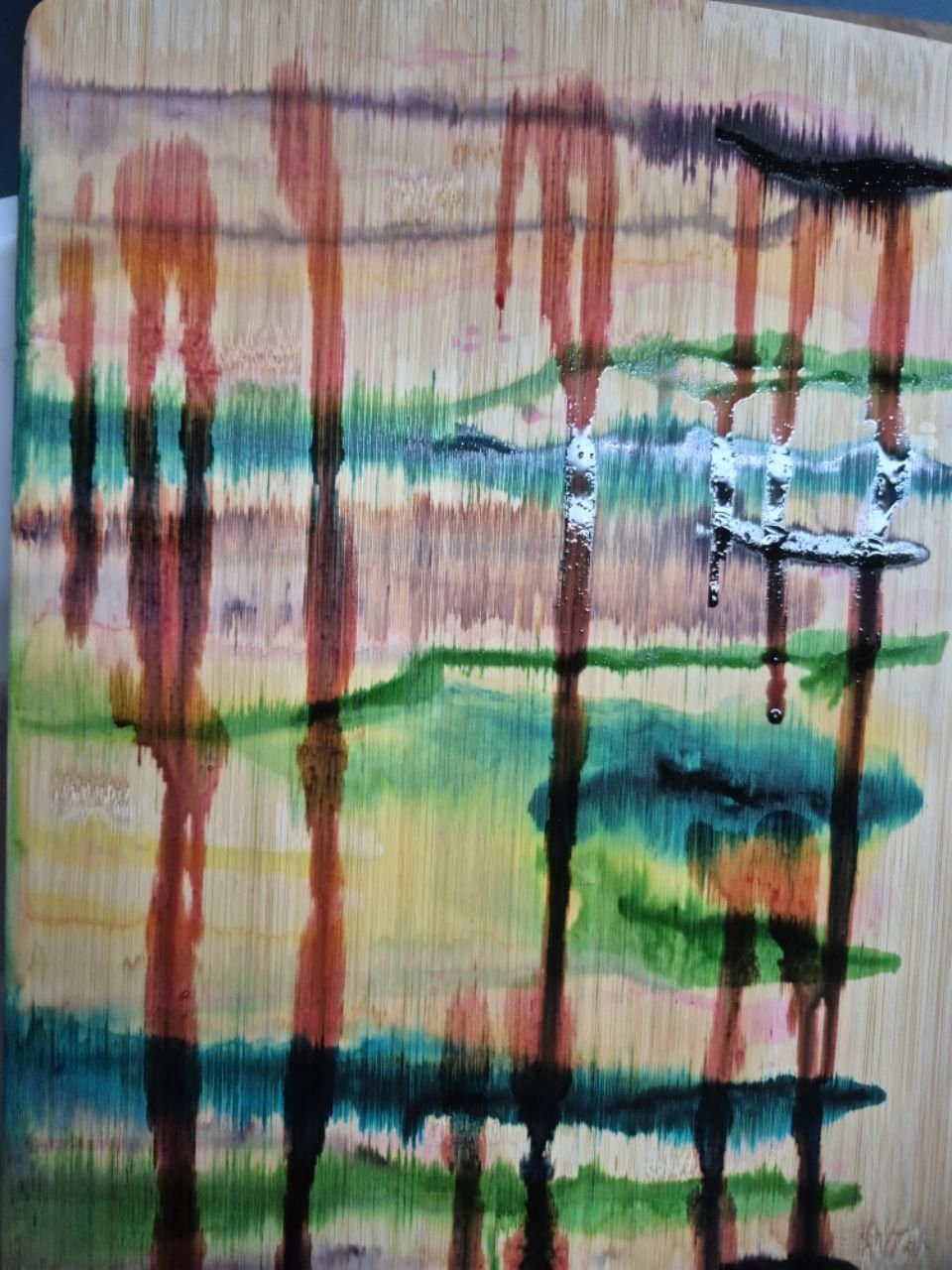
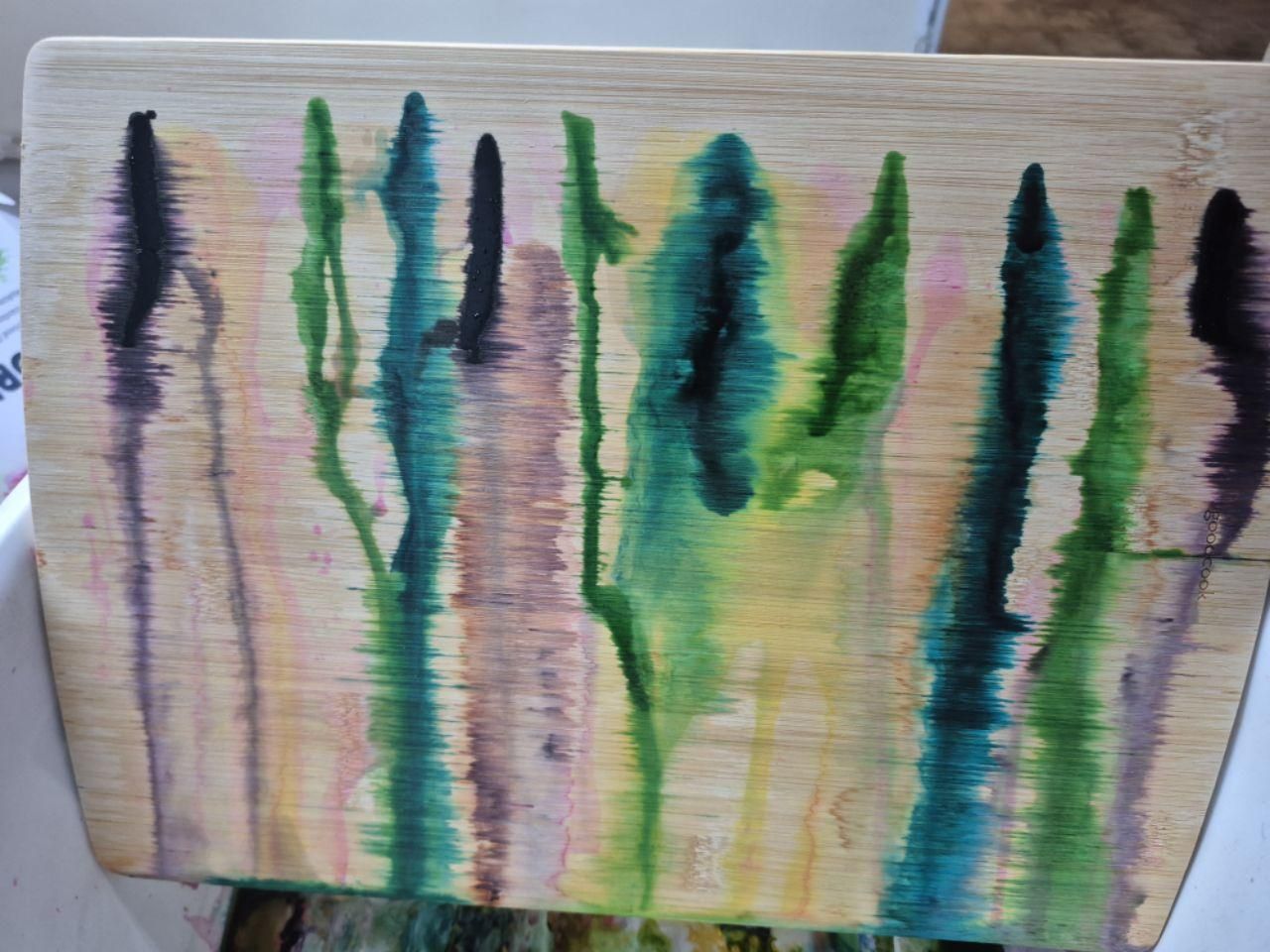
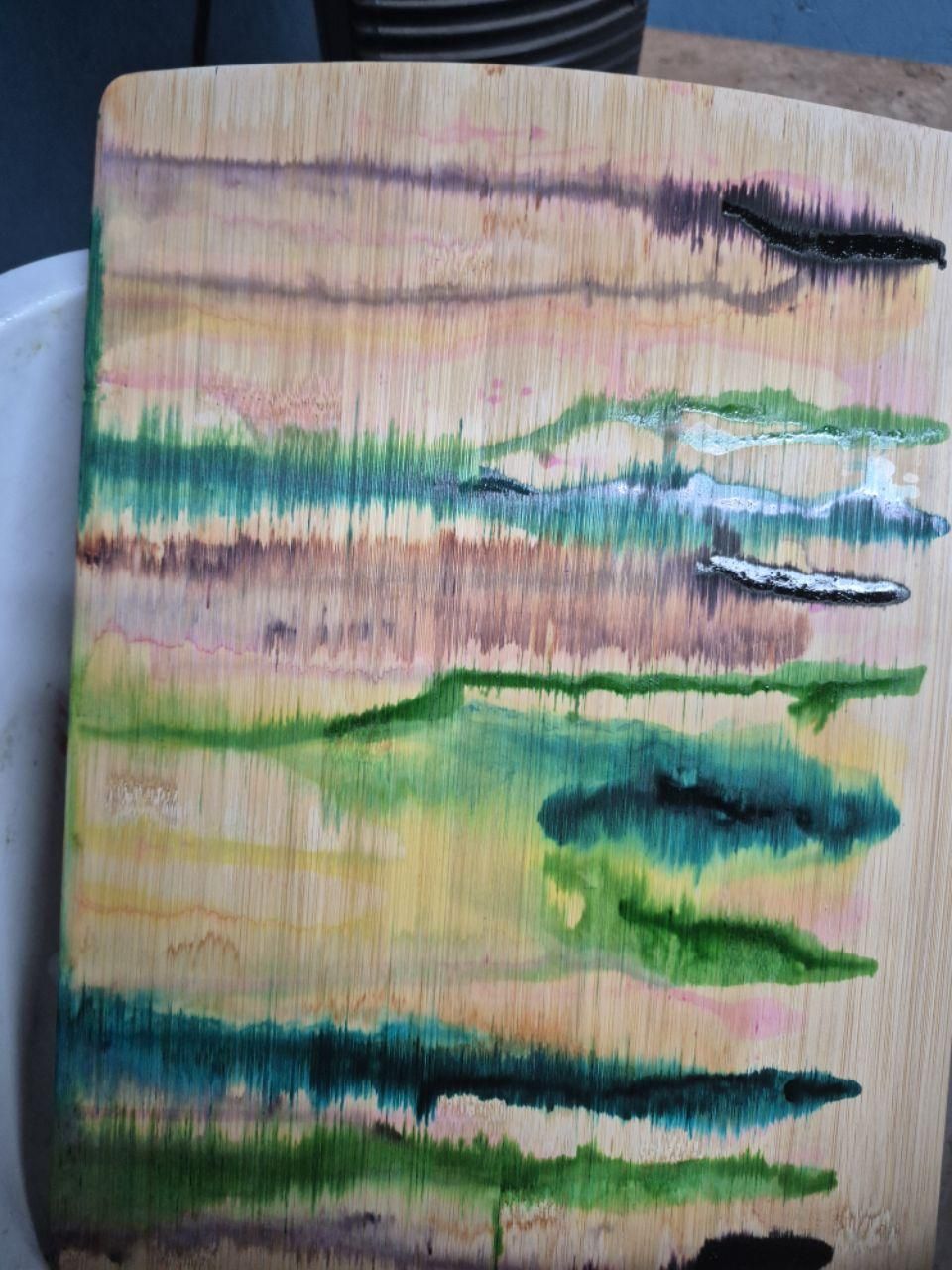
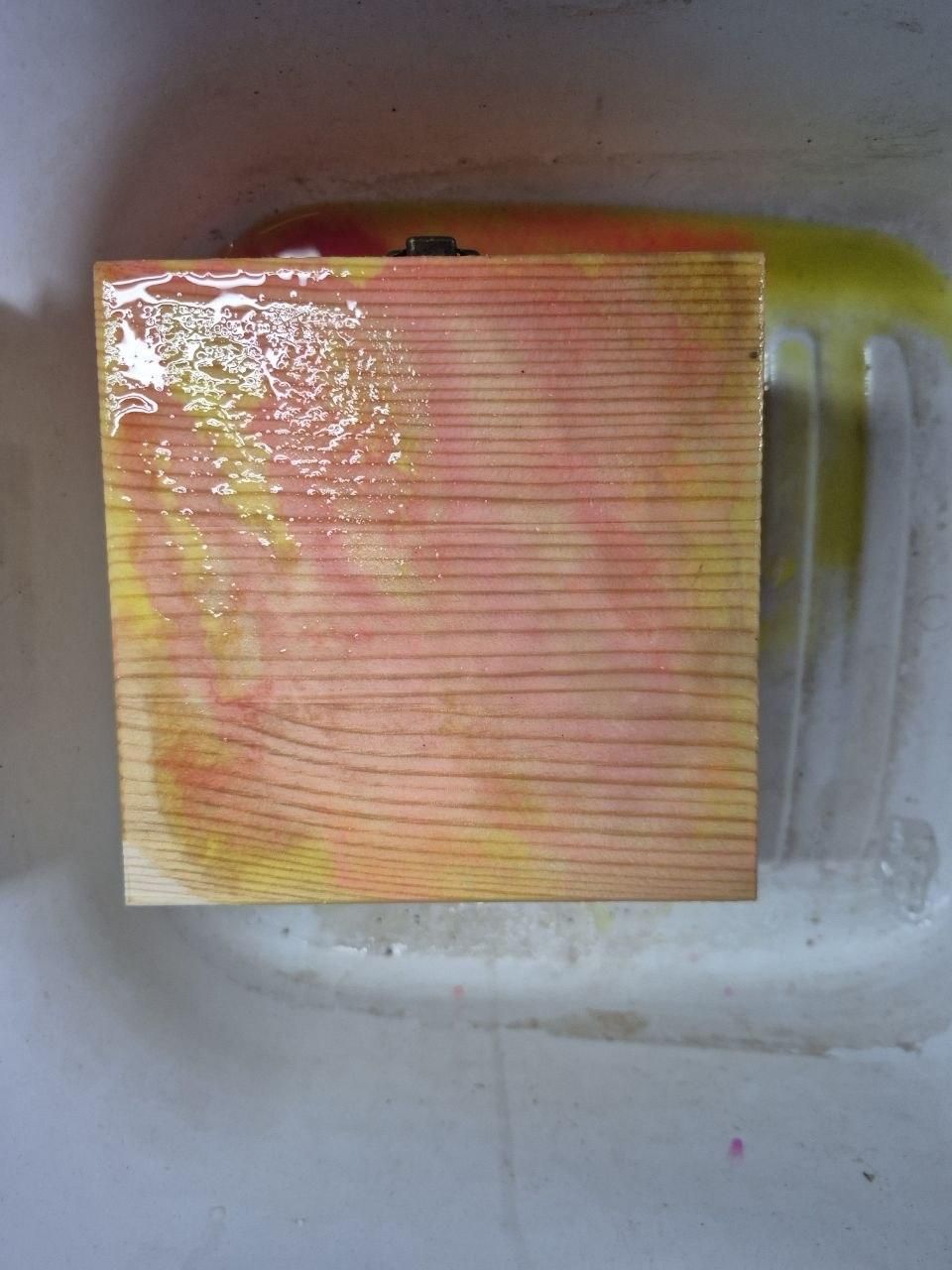
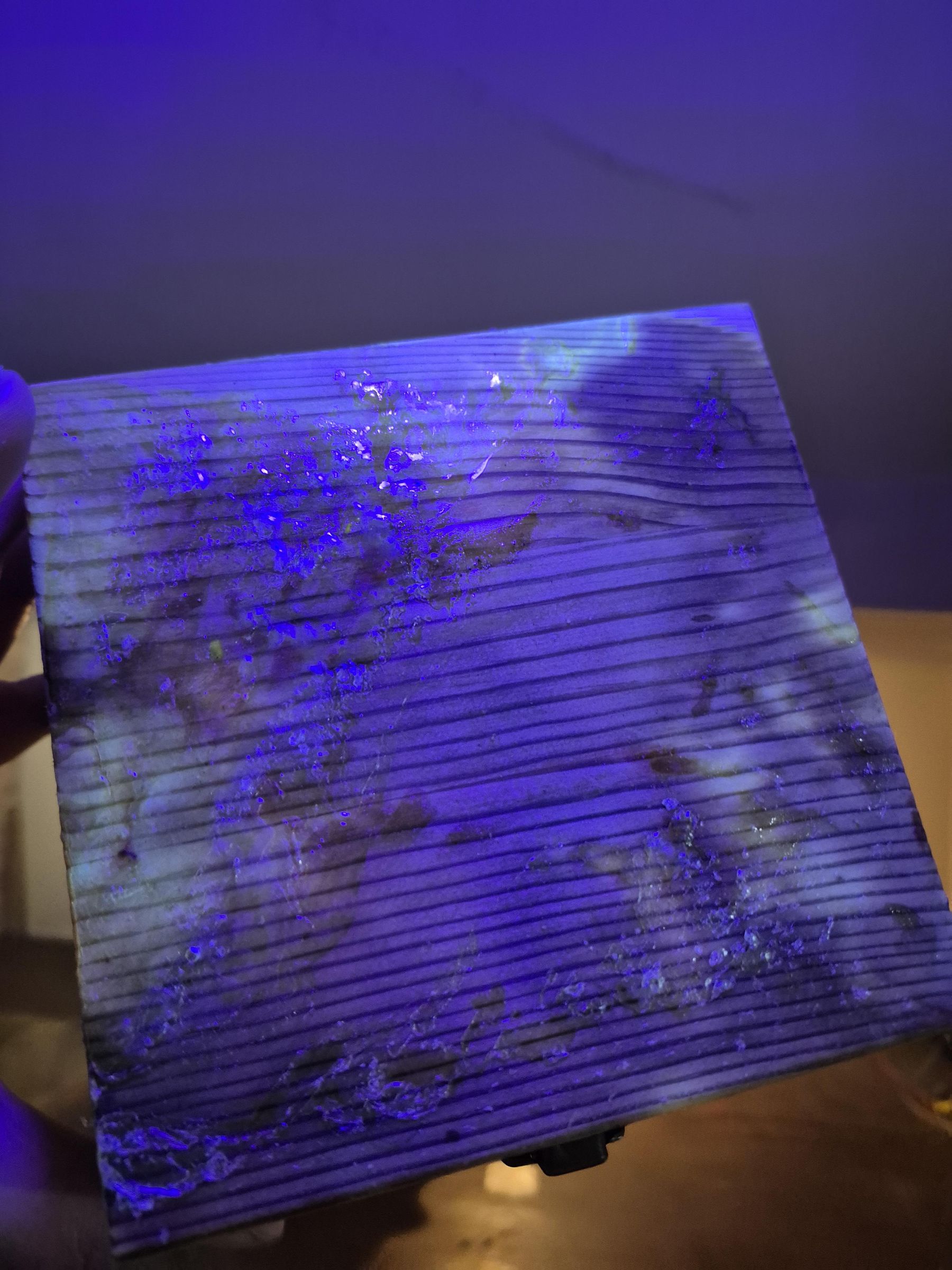
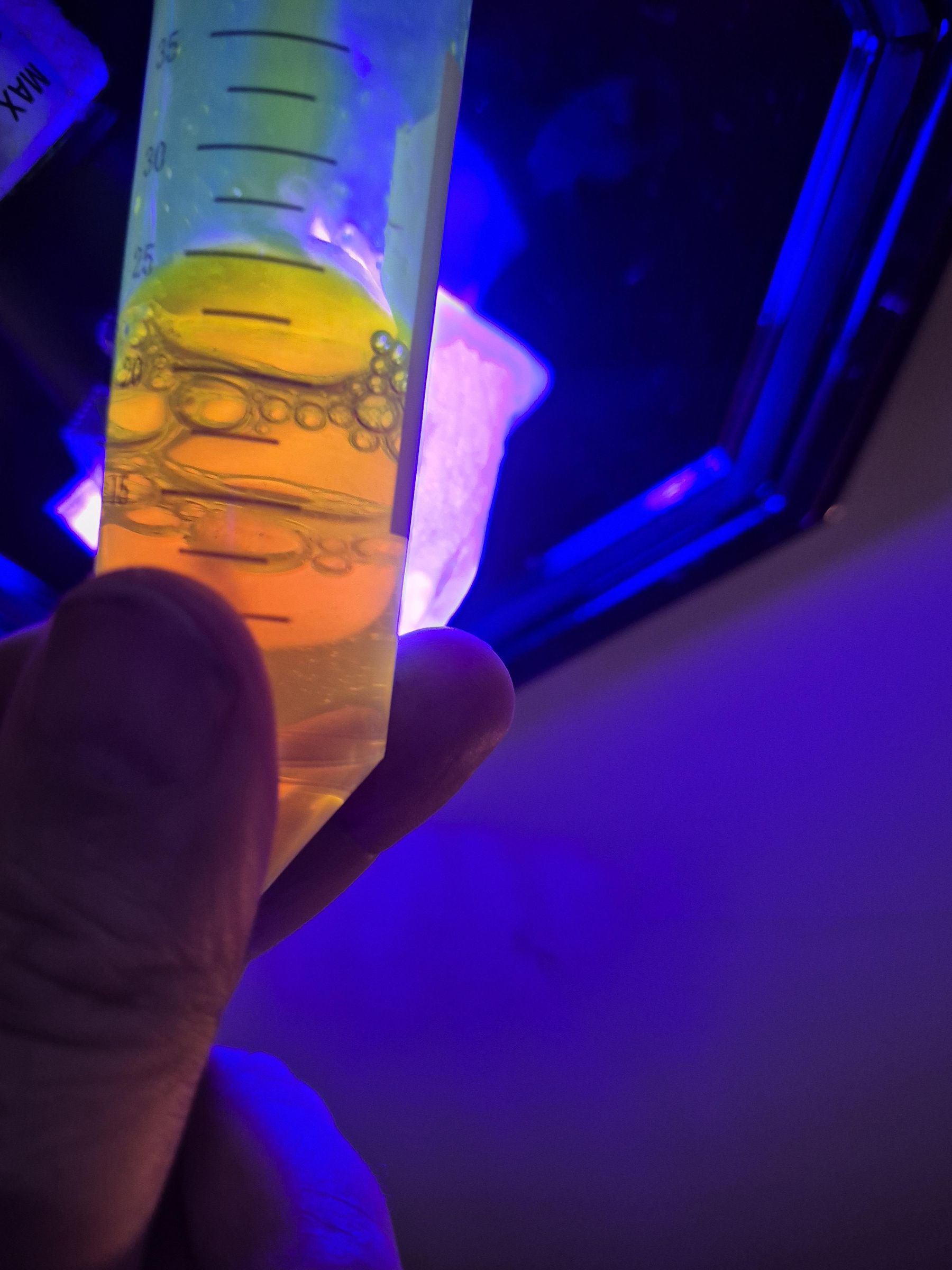
We must add soap dyes directly to the wood on a flat surface. A couple of drops of dye on the wood actually helps get absorbed into the wood. Each piece of wood will act differently; I mainly use bamboo wood from Amazon. However, some soft wood can work if you use it correctly.
I added Soap dyes, which are a thick dye with glycerol (usually a trade secret). We need cups of water and add the water to the dye (dye first, then water). We dilute the dye by a 1:2 ratio: 1 mL of dye and 1 mL of tap water. The dye itself reacts with the epoxy; we want a humidity meter to read the humidity and temperature. We need a humidity range of 35 to 40% relative humidity. The temperature should not go over 21 degrees C. If it does, it will make the epoxy resin harder to cure.
The dye must react with the epoxy. It is a resin: Part A and Part B (1:1) ratio. It can harden quickly, so you don't have much time to do this. Epoxy is difficult to deal with while it is curing, and some require weighing out the epoxy to get equal volumes when mixing.
However, if the epoxy is a volume type, we need cups with measurements on them for the proper volume mix.
We need epoxy resin that cures slowly. Make sure the epoxy is a resin mix of A and B by volume, not weight, for this project. It is tricky to work with epoxy that needs precise weighing; we recommend using a volume epoxy.
Adding the Epoxy to the Wood.
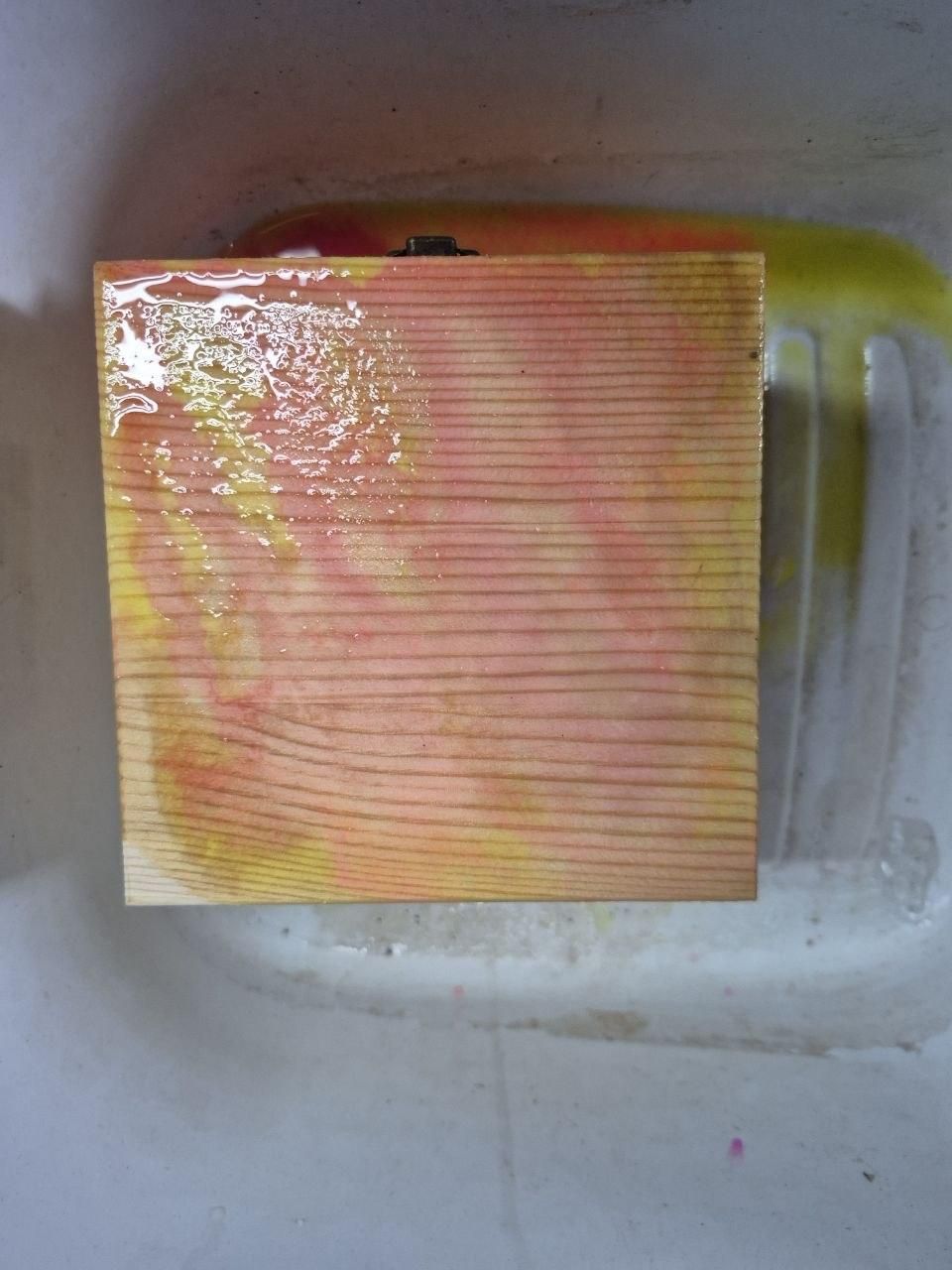
It goes on a table, and we add the resin to the wood. Epoxy can work on a flat surface or a slant, but you need to scoop up the epoxy (wear gloves and use a Popsicle stick for the resin). Don't allow the epoxy to touch your eyes or skin. (Especially your eyes). Quickly pour the mixed resin onto the wood.
You may get different results, like keeping the dye drying with a fan on a table and then adding the epoxy.
Wood can increase absorption, including with humidity and temperature. I recommend using AC or fans to lower the temperature and help cure the resin faster. A UV lamp is essential. Can the wood absorb the epoxy incorrectly? Yes, it can. For dyes and epoxy, humidity is the enemy.
We need cups to pour in a 1:1 ratio of Epoxy A with Epoxy B (Hardener). Refer to the MSDS and proper PPE for this.
Certain types of wood absorb the dyes into the wood. It must dry fully before adding the epoxy! This can create weird results.
The dye must react with the epoxy. It is a resin: Part A and Part B (1:1) ratio. It can harden quickly, so you don't have much time to do this. Epoxy is difficult to deal with while it is curing, and some require weighing out the epoxy to get equal volumes when mixing.
I recommend getting the epoxy that is (1:1 volume): one part epoxy A and one part B resin.
However, if the epoxy is a volume type, we need cups with measurements on them for the proper volume mix.
We need epoxy resin that cures slowly. Make sure the epoxy is a resin mix of A and B by volume, not weight, for this project. It is tricky to work with epoxy that needs precise weighing; we recommend using a volume epoxy.
Here is a link to the bulb; we need it pretty intense in UV tho. Always wear safety glasses, gloves, and full protection when working with a UV lamp!! (A uv welding shield and a proper shield to block UV light (((Hard UV ) is required too.
https://www.amazon.ca/HAASHADA-Bulb%EF%BC%8CAC-110-130V-Replacement-Bathroom/dp/B0GXB2V879/ref=sr_1_12_sspa?crid=3C9XJPY7IEV9S&dib=eyJ2IjoiMSJ9.jo7jnfbtHmPP77tl7dcMtpjcHsE4ZHfZSsiiQifn71xw5-7rp1mQw9LonOgcm44udsYsvYd3_3Q9Mb_r_yHrDSQ74i0DJSjIKd-jAoR8M6ME_6ldeOSNunGfUgOJaB_V33mQKIiEn7QTSBMF_227538uSGzIR3gV3ciO9yudvjSRX4iGo2fQLpczgF-xvpuTieYcCJV19qJ6TWWIz5QihyR_VpD7AS1-nnkPH7t07VcXkC29vq3lZDycGDzXdIeH8t5R_xdBNzz8hM-C9bmJFf9Z12tesddXWE6mUy2Ims4.pKHMZ8qcgrVkPXeDO-K-rZLBEjdOruNIMLg3YcoDktc&dib_tag=se&keywords=UV%2Blamps%2Bbulbs&qid=1786141468&sprefix=uv%2Blamps%2Bbulbs%2Caps%2C160&sr=8-12-spons&sp_csd=d2lkZ2V0TmFtZT1zcF9tdGY&th=1
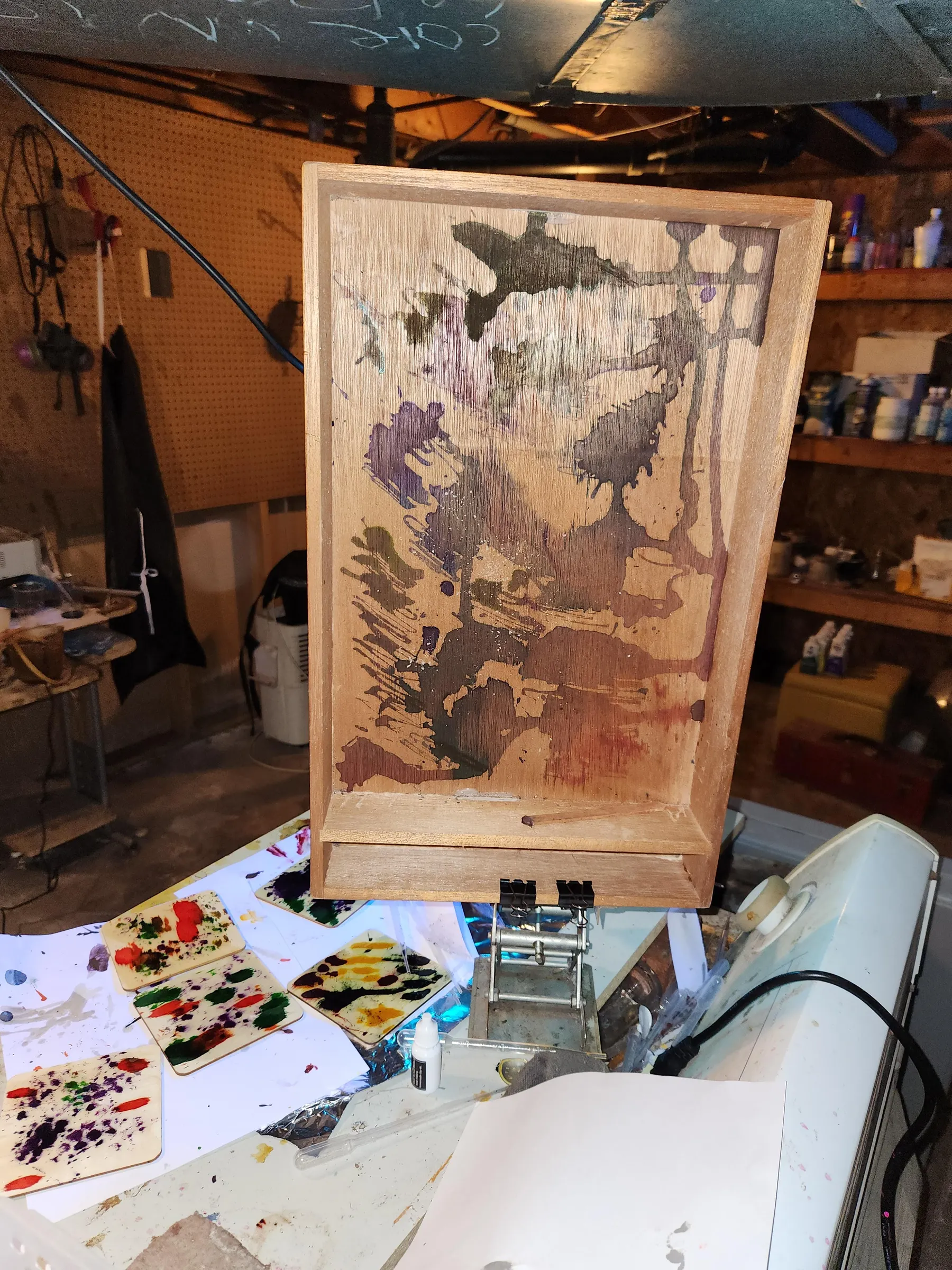
We can also work with a wooden chest, bamboo, or other wood and add dyes and let them dry. Pipette a few ml of film developer to dyes to get a reaction. It can change chemical reactions even with lignins found in the wood. This is very interesting.
Film developers are dangerous if misused; wear full PPE, and it must be handled as toxic waste, the liquid. Some types are flammable. Never do this in an unventilated area!
Conclusions
This project was fun, but a bit frustrating. I think it is dangerous to work with UV lamps and epoxy without proper equipment. Keep this in mind. Safety comes first.
The wooden art with soap dyes and sometimes other dyes is an interesting result. The most difficult part is the drying of the dye and the curing of the epoxy. Also, avoid exposing the epoxy to sunlight and high heat.